
Women’s Soccer Shines Light on ACL Injury Research

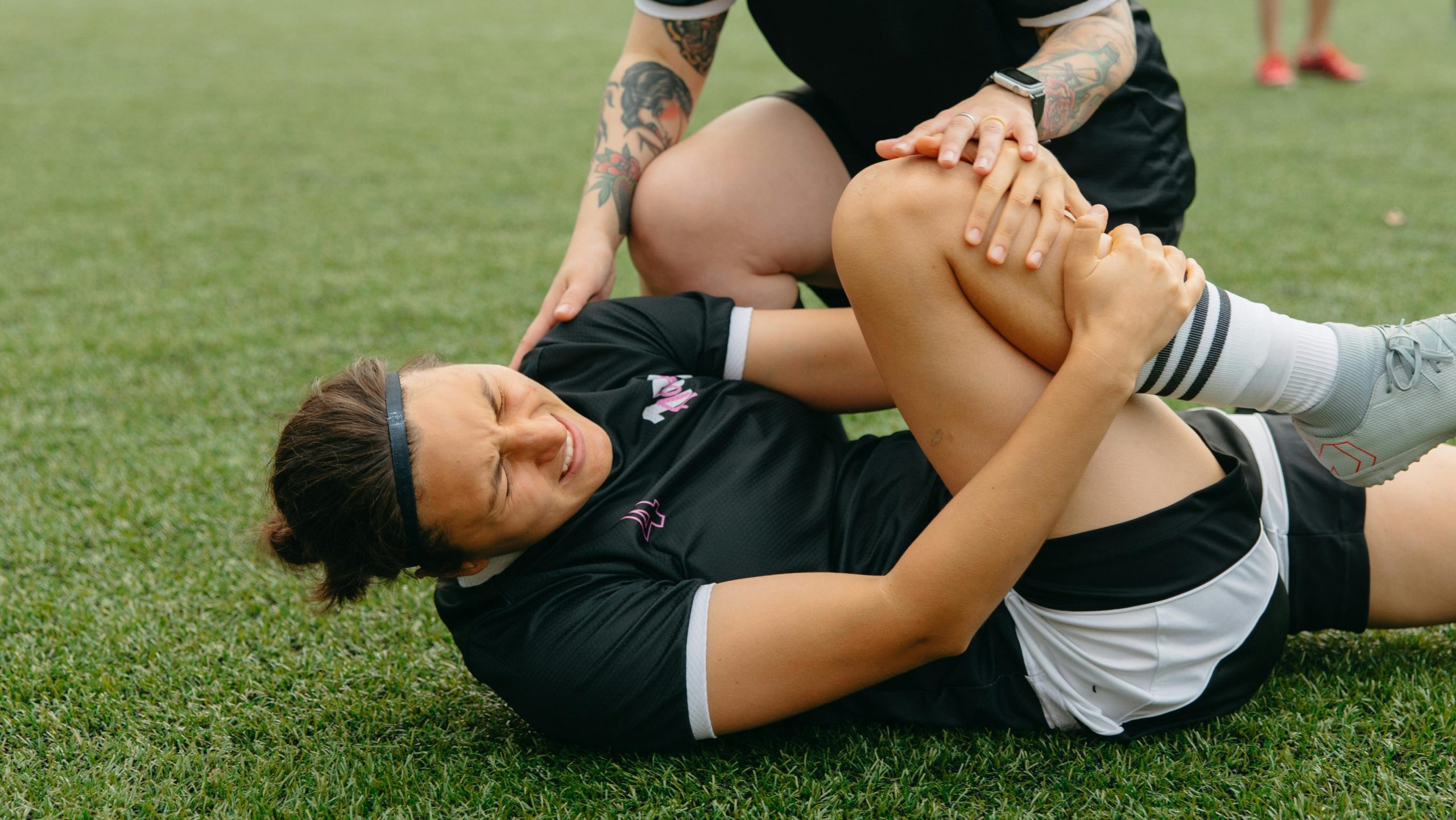
International support for women’s soccer has surged over the past decade, fueled by star players and major tournament victories. With this growing popularity comes increased scrutiny on the health challenges female athletes face. Rising participation rates and heightened competition have exacerbated the issue of sports injuries, particularly anterior cruciate ligament (ACL) ruptures. Health experts warn that women are 6x more prone to an ACL injury than men, and 25% less likely to fully recover. This concerning trend among female soccer players demands attention from the entire sports community. Yet one major question remains: where is the research to prevent this? 
acl injury

ACL Epidemic

ACL injuries in women’s soccer are robbing top competitions, leagues, and even the World Cup of some of their top international talent. This is especially true within major professional teams such as Arsenal Football Club, where in 2023, ACL tears sidelined 4 players out of a 25-person roster. Such a high number of starters succumbing to the same injury has spotlighted the training conditions of the Arsenal women’s team. Among them is Arsenal FC & Netherlands striker Vivianne Miedema, who said, “Instead of 30 games a season, we now play 60. But we don’t have the time and investment that is needed to keep players fit.” Women’s soccer players are not being offered the proper training schedules, facilities, or nutrition to contribute to their success on the field. Season-ending injuries have become the consequence.

Lack of Female-Focused Studies

There are thousands of sports-science academic studies, but few are primarily focused on women’s health in soccer. Female health specialist Dr. Emma Ross explained how misinformation stems from this disparity: “We published a paper over a year ago which showed that, in sport and exercise science research, only 6% of studies are done exclusively on females.” As a result, female ACL injuries fall into this misinformation trap. One common misconception is that body shape, hip width, and the menstrual cycle are all contributing factors. Yet there is still no solid scientific evidence depicting the role they play. Many professional players say this isn’t enough– more research must to be done.

The Right Shoes

One possible culprit for ACL ruptures is women’s athletic footwear. Despite being top athletes, female players frequently find themselves competing in shoes originally tailored for their male counterparts. A recent study by the European Club Association and St. Mary’s University, London revealed that 82% of elite female footballers reported experiencing “pain or discomfort” due to ill-fitting cleats. Soon after this research, Nike released the Phantom Luna, a football boot created with women in mind. Its innovative design incorporates contours specific to female feet, a circular cleat pattern, and a much-requested snug ankle fit. Nike’s preventative technology aims to stabilize the knee and protect against ACL tears. Female players around the world are big fans: Brazilian professional soccer star, Debinha Miri, says the new cleat makes her feel “secure and confident” on the pitch. Given the shoe’s success, it’s likely more brands will follow Nike’s lead.

acl injury

Looking Ahead: Project ACL

The future of ACL ruptures in women’s soccer does have a silver lining. Weeks ago, a new initiative to research and prevent ACL injuries in women’s soccer began. This collaboration incorporates major players like FIFPRO, the Professional Footballers’ Association, Nike, and Leeds Beckett University. The ambitious three-year inquiry is called Project ACL. It will follow the experiences of 300 professional female soccer players across England’s Women’s Super League (WSL), spanning 12 clubs. Although the focus is currently on England, FIFPRO harbors aspirations to expand this initiative on a global scale. The U.S.-based National Women’s Soccer League (NWSL) seems to be the next research target within a few years. As women’s soccer continues to expand, it’s imperative that major leagues and teams continue to research these injuries. Without player health, there is no way to sustain the growth and professionalization of women’s soccer globally.

Sources:

  1. https://theathletic.com/5460039/2024/04/30/acl-injuries-womens-football-study/
  2. https://www.cbssports.com/soccer/news/fifpro-launches-project-acl-aims-to-shift-the-narrative-with-study-into-injuries-in-womens-soccer/
  3. https://www.theguardian.com/football/2024/apr/30/project-acl-wsl-clubs-to-take-part-in-pioneering-injuries-research-project
  4. https://www.nytimes.com/2023/07/19/sports/soccer/womens-world-cup-soccer-torn-acl.html
  5. https://www.thenews.com.pk/print/1184057-fifpro-nike-and-others-team-up-to-study-acl-injuries-in-women-s-game https://www.skysports.com/football/news/11095/12926431/future-of-football-why-acl-injuries-have-been-on-rise-in-women-s-game-and-the-technology-and-solutions-to-fix-it


The World Cup Comes to North America: What to Expect in 2026

For the first time in over 3 decades, the world’s most-viewed sporting event is coming to North America in 2026. The last time the World Cup touched American soil was in 1994 when the United States was the sole host. In just two years, however, the United States, Mexico, and Canada will act as joint hosts with games to be played and influence to be spread all throughout North America. The 2026 World Cup will showcase soccer on some of the largest and most modern stages, with matches taking place in renowned venues like AT&T Stadium in Dallas and cutting edge, grandiose venues such as SoFi Stadium in Los Angeles. For decades, soccer in the United States has been overshadowed by The Big 4 American sports, but hosting the 2026 FIFA World Cup finally presents it at the forefront. This tournament has the potential to inspire a whole new generation of young athletes to pick up a soccer ball, further cementing the game in American sporting culture for years to come.

2026 world cup

The Host Cities

The 16 cities set to host matches represent the premier sports destinations across the United States, Mexico, and Canada. Mexico brings iconic soccer capitals like Mexico City, Guadalajara, and Monterrey to the table, while Canada offers up Vancouver and Toronto. The U.S. cities showcase soccer’s expansion into top-tier American sports markets, with massive stadiums in New York/New Jersey, Los Angeles, Dallas, Atlanta, and San Francisco on display. Emerging hotbeds like Seattle, with its 69,000-seat Lumen Field soccer stadium, Kansas City, home to the first soccer-specific stadium built in the U.S. in 2011, and Houston, whose MLS team draws over 15,000 fans per game, highlight soccer’s grassroots growth in infrastructure and fan support across the country. Other key metro areas include Boston, Philadelphia, and Miami. This blend of established soccer cities and untapped markets offers the perfect mix to bring the spectacle of the World Cup to all of North America.

The Final Destination

Earlier this month, FIFA announced a historic decision: the 2026 World Cup Final will be held at MetLife Stadium in East Rutherford, New Jersey, just outside the bright lights of New York City. This decision marked the first time the World Cup Final would be played in the New York metropolitan area. MetLife Stadium, home of the NFL’s New York Giants and New York Jets, seats over 80,000 fans and is full of state-of-the-art amenities such as luxury suites, Wi-Fi connectivity, and a variety of food and beverage options. Moreover, to meet FIFA regulations, MetLife Stadium will have to change their infamous artificial turf to natural grass. FIFA cited the New York region’s world-class facilities, transportation infrastructure, and experience hosting major sporting events as reasons for selecting MetLife Stadium. 

Hosting the final in New Jersey positions the World Cup finale in one of the biggest media markets in the world. For traveling fans, MetLife’s proximity to New York City will combine attending the Final with visiting one of the most desired cities in the world, the Big Apple. The renowned sights and sounds of New York City will enhance the spectacle of the World Cup Final, leaving fans with memories of both the match and the electric atmosphere of the city. Traveling supporters can immerse themselves in New York City’s vibrant culture by exploring the famed museums, bustling shops, Broadway shows, and iconic architecture during their trip.

2026 world cup

Future Impact 

Co-hosted by the United States, Canada, and Mexico, The 2026 World Cup has the potential to greatly enhance the popularity and development of soccer in the United States. As the most-watched sporting event globally, hosting World Cup matches will introduce soccer to a vast American audience. With games held in large NFL stadiums across the U.S. filled with passionate fans and curious newcomers alike, the event promises an unparalleled experience of the world’s favorite sport at its pinnacle. This surge in attention could inspire more Americans, both young and old, to engage with soccer, fostering its growth and prosperity in the country. Major sponsors such as Visa, Adidas, and Qatar Airways have extended their support, amplifying the World Cup’s visibility in the coveted U.S. market.

Additionally, young American fans will have the chance to witness global superstars like Kylian Mbappe, Jude Bellingham, and Vinicius Jr. showcase their skills on American soil for the first time. Witnessing Mbappe’s speed and clinical finishing, Bellingham’s box-to-box dominance at midfield, and Vinicius’ artistry and dance moves up close will hook the next generation of athletes. Beyond their on-field prowess, the marketability and social media presence of these stars could encourage more young athletes to embrace soccer over traditional American sports. The domestic league, Major League Soccer, will also benefit from heightened interest and engagement, leading to increased revenue opportunities. This surge in interest should bolster youth development programs and club teams across the U.S. as more aspiring athletes are drawn to the allure of the beautiful game. 

Looking past 2026, the effects of a North American World Cup could sustain for years to come. Beyond record American engagement, the competitiveness of U.S. national soccer teams should increase as well. Notably, as the host nation, the U.S Men’s National Team (USMNT) will receive an automatic bid to play in the 2026 World Cup. This gives the USMNT invaluable experience on the biggest global stage, as well as increased recognition and support from American fans. Whether you plan to watch from the stadium or from the couch, we can all look forward to an electric year for U.S. soccer in 2026. With world-class stadium infrastructure and elite competition on U.S. soil, there’s no doubt the World Cup will serve as a pivotal moment for soccer in America, further elevating the sport’s popularity and prominence.

Sources:

  1. https://theathletic.com/live-blogs/world-cup-2026-schedule-announcement-live-updates-final/r7oDr4oG9qK4/
  2. https://www.sportingnews.com/us/soccer/news/fifa-world-cup-2026-match-schedule-final-venue-host-city/fa82de358aeeff31bd30efdb
  3. https://www.business-standard.com/sports/football-news/new-york-to-host-fifa-world-cup-2026-in-victory-over-dallas-los-angeles-124020500064_1.html
  4. https://www.petcashpost.com/p/2026-world-cup-and-its-massive-looming https://www.sportspromedia.com/insights/opinions/2026-fifa-world-cup-sponsors-north-america-nielsen/?zephr_sso_ott=CCGpLo

Sports Technology Evolution: How Innovation Is Changing the Game

In the dynamic realm of sports, where every second counts and every move can make or break a victory, the fusion of technology and athleticism has given rise to a revolution like never before. Now more than ever there is a fascinating intersection of sports and technology that is reshaping the landscapes of sports equipment, sports data, and athlete health. From sports gear innovations that push the boundaries of performance to data-driven analytics that unveil the intricacies of an athlete’s every move, we are witnessing an era where technology is not merely a spectator but an active player in the game. Many athletes like Alex Aust and Marcus Holman have bought into the technology and have seen incredible results in their performance and overall sports advancement.

sports technology

Redefining Equipment, Materials & Performance

One of the most significant areas of technological advancement in sports is at the material level. Innovations in this field have given rise to lighter and more durable materials like carbon fiber and advanced polymers. This shift has notably impacted sports equipment from tennis rackets to golf clubs and helmets. The Paddletek Tempest Wave Pro Pickleball Paddle, for example, represents the advancement of material technology in paddle sports to reduce weight and increase performance. Material advancements also extend to the safety of athletes. In recent years, the design of football helmets has evolved to prevent life-altering head injuries. Energy-absorbent liners made of polystyrene and dual-density foams help mitigate the impact of hits. 3-D printing innovations help give players a customized, safer fit. The incorporation of slip-plane technology allows for the helmet’s shell to slightly rotate, addressing nonlinear impact.  

Wearables, Analytics & Real-Time Athlete Monitoring

Like material technology, advancements in wearable devices have also revolutionized athlete performance and longevity. Wearable devices help athletes better monitor their physiological metrics by tracking factors like heart rate, sleep patterns, and physical activity. Gathering this invaluable data allows athletes to be more in tune with their bodies during training, optimizing performance on and off the field. The real-time insights these wearables offer empower athletes to make informed decisions about their performance, contributing to improved training and injury prevention. Products like the Whoop Band work off the field, tracking the sleep and recovery times of athletes to optimize their performance. On the field, hundreds of professional soccer clubs use devices from brands like STATSports to measure actionable insights in real time. Worn under a vest, a STATSports device utilizes a GPS, accelerometer, gyroscope, and magnetometer to gather 600 data points at once. As a result, the information provided can help prevent non-contact injuries and thwart physical overload. Paired with machine learning algorithms, devices like these can also predict outcomes and recommend strategic changes, giving coaches and players a competitive edge and enhancing overall team performance.

sports technology

Integrity, Fair Play & Technology Safeguards

Technology has also become a guardian of fair play in sports. Employing advanced testing methods such as mass spectrometry and blood profiling helps detect doping. This aids in upholding the principles of fair competition, which have frequently been questioned, particularly in the international athletic field. Moreover, blockchain technology helps to decentralize information, securing the integrity of sports data and ensuring that records and results remain tamper-proof. These measures protect the game’s sanctity and foster a culture of fair play, ensuring that athletes’ hard work is rewarded. 

Ensuring that athletes are able to consistently perform their best and avoid career-ending injuries is one of the most impactful uses of sports technology. A particularly impactful application of technology in sports is the Q-Collar, a collaboration between lacrosse stars Marcus Holman and Alex Aust. The Q-Collar aims to shield the brain from the damage caused by repetitive head impacts. Research indicates that athletes not using the Q-Collar were three times more likely to experience significant changes in their brain tissue. This partnership underscores the potential of technology to prioritize athlete well-being and ensure a safer playing experience.

The Future of Sports Technology & Industry Impact

As technology advances, its pervasive influence on sports becomes increasingly evident. From reshaping equipment materials to enhancing athlete monitoring analytics and maintaining fair play, technology is undeniably changing the game. The future promises even more exciting innovations, further blurring the lines between sports and cutting-edge technology. Here at Athelo Group, we can’t wait to see what comes next.

Sources:

  1. https://tbi.com/advancements-in-football-helmet-technology/
  2. https://theathletic.com/4966509/2023/10/19/wearable-technology-in-football/
  3. https://indianexpress.com/article/technology/virat-kohli-what-is-whoop-band-athlete-fitness-9030614/
  4. https://www.nytimes.com/2022/12/19/sports/concussion-q-collar.html
  5. https://www.futurelearn.com/info/courses/everyday-chemistry/0/steps/22346
  6. https://www.standard.net/news/2023/oct/23/the-game-changing-impact-of-innovative-gps-technology-on-sports-field-marking/

The Unifying Power of Sports: From Lionel Messi to CrossFit

In a world frequently divided by political, cultural, and geographical differences, sports stand out as a symbol of unity and camaraderie. Cheering fans, action-packed moments of competition, and the shared celebration of human achievement overcome barriers and foster connection. From the Olympic stage to a CrossFit gym, sports have the universal power to promote understanding and solidarity on a global scale.

Sports possess the unique ability to transcend language barriers and communicate shared emotions and values. When international athletes compete on the same stage, they are united by a common goal: to excel and showcase the pinnacle of human capability. Even in soccer’s English Premier League, where 63% of the athletes hail from foreign countries, athletic competition is their universal language. No matter where they are from, what language they speak, or what their values are, all countries are united on the field with the common goal of competition. Regardless of nationality, the pursuit of victory and the thrill of the game resonates worldwide.

As athletes and sports enthusiasts converge from various corners of the globe, they engage in a dynamic cultural exchange that enriches perspectives and broadens horizons. Sharing traditions, customs, and stories provides a platform for mutual respect and understanding among teams and fans. Sports can be used to promote cultural understanding because, despite differences, there is mutual respect and compassion for the dedication it takes to compete at the highest level. This was displayed recently among U.S. fans celebrating Lionel Messi’s transfer to Inter Miami. Americans took to the streets, waving Argentinian flags to welcome the player to the States. In a country where football is king, Inter-Miami saw their ticket sales surge 1700%. The Argentinian national’s move continues to bring greater cultural exchange to the United States as new American fans grow to appreciate soccer and the different cultures that comprise its rich history.

Power of Sports

Athletes competing on the world stage often share a similar exchange. Last week, American sprinter Sha’Carri Richardson came from behind to clinch the world championship 100-meter title. Soon after her finish, she was greeted by two Jamaican opponents, Sherika Jackson and Shelly-Ann Frasier-Price. The two embraced Richardson and joked about their rivalry. Despite their different home countries, all three women bonded over the love and commitment they share for their sport. Through this mutual respect and understanding, athletes and countries foster relationships that bypass geographic and cultural barriers. 

Sports have also long been recognized as a potent tool for diplomacy. High-profile international sporting events, such as the Olympics and the FIFA World Cup, often serve as a forum for nations to unite. These gatherings allow leaders to put aside political differences and focus on the spirit of friendly competition. Sports have even played a crucial role in mending relations and promoting peace between nations. During international conflict, sporting events often serve as symbolic gestures of goodwill and reconciliation. The “Ping-Pong Diplomacy” between the United States and China in the 1970s is a prime example of how sports can pave the way for diplomatic breakthroughs. Until the U.S. table tennis team traveled to China for the historic 1971 World Table Tennis Tournament, the U.S. had completely severed its relationship with the country. The successful trip ushered in a new era of domestic relations, improving diplomacy, goodwill, and understanding between the two countries for years to come.

Power of Sports

Additionally, sports unite and amplify the voices of underrepresented and marginalized communities. Athletes from disadvantaged backgrounds often rise to prominence through sheer determination and talent, breaking down barriers and inspiring others. CrossFit athlete Dani Speegle exemplifies sports’ ability to uplift these marginalized groups. Just this year, Speegle embarked on a groundbreaking journey to Saudi Arabia, a country not commonly associated with women in sports. Speegle’s visit not only marked a significant step forward for gender inclusivity in Saudi Arabia but also symbolized the power of an individual to impact international perceptions. Saudi Arabia has been actively working to promote sports and physical activity, particularly among women, as part of its Vision 2030 initiative. However, cultural norms and stereotypes have posed challenges to these efforts. Dani Speegle’s visit to Saudi Arabia defied these stereotypes, offering a refreshing perspective on women’s athleticism and empowerment. As Speegle engaged in CrossFit demonstrations and training sessions with local women, she showcased her physical strength and shared her dedication, discipline, and determination. Her presence challenged preconceived notions and highlighted the potential of women in sports, inspiring a new generation of athletes in the process.

The impact of sports in bridging gaps between countries extends far beyond the present moment. The triumphs and struggles of athletes serve as inspirational narratives for future generations, motivating them to strive for excellence, embrace diversity, and work toward a more unified and understanding world. As young athletes look up to international sports icons such as Lionel Messi or Dani Speegle, they internalize the values of respect, perseverance, and cooperation that sports embody. In a world often marked by division and discord, there is comfort in knowing future generations will continue to have the power of sports to unite them.

Sources:

  1. https://www.uese.org/how-sports-can-bridge-cultures/
  2. https://www.minnpost.com/community-voices/2012/08/diplomacy-through-sport-effective-way-bridge-cultures/
  3. https://www.robbinsfloor.com/bridging-cultures-through-sports/
  4. https://diplomacy.state.gov/ping-pong-diplomacy-historic-1971-u-s-table-tennis-trip-to-china/
  5. https://www.nytimes.com/2023/08/21/sports/shacarri-richardson-world-championships.html
  6. https://www.cnbc.com/2023/08/20/lionel-messi-joins-the-mls-single-game-ticket-prices-surge.html
  7. https://www.vision2030.gov.sa/
  8. https://theathletic.com/3679444/2022/10/12/darwin-nunez-translation-troubles-new-language/
  9. https://theathletic.com/4689114/2023/07/14/lionel-messi-shohei-ohtani-language/

The Impact of Soccer in the US, and Its Continued Rise in Our Culture

Soccer has been steadily increasing its influence amongst the American public. This once-niche sport has made significant strides in capturing the attention and hearts of Americans. With events like the ongoing 2023 FIFA Women’s World Cup, the highly anticipated European friendlies on display, and the upcoming 2026 FIFA Men’s World Cup – set to take place right on American soil – the future of soccer in the US is shining brighter than ever before. As the world’s attention turns to the backdrop of many iconic American cities, there seems to be a yearning for a collective moment that will galvanize the nation’s enthusiasm for soccer, solidifying its place in our culture. 

US Soccer

Soccer’s Cultural Moment in the U.S.: Why It’s Taking Root

Enter Lionel Messi. One of the most polarizing figures to ever step foot on the pitch, Messi’s arrival to the US to play for Inter Miami CF has revolutionized the way Americans will watch and interact with the world’s number one sport. The deal that helped coax Messi over from Europe will surely pay huge dividends in helping grow the MLS fanbase. Since he signed on, viewership has skyrocketed, attendance & jersey sales as well, and with MLS’ deal on Apple TV, it allows for 100+ other countries the ability to tune in and watch, substantially increasing the value of this deal overall. Technological advances such as the growth of social media and streaming platforms are creating new and easily accessible opportunities for Americans to indulge in the Messi mania. His impact has been seen early on with his debut for Inter Miami attracting a collection of high-profile celebrities such as Kim Kardashian, LeBron James, and Serena Williams. Attendance was well-worth the increased ticket price as Messi had a game-winning 94th-minute goal to secure the win. After the 2022 World Cup, the presence of soccer in the States is booming, creating growth amongst the biggest leagues in the US. With an icon like Messi as the face of the league, the MLS can begin to grow in many different avenues. This is a drastic change that no one in the early days of the MLS’ existence thought would occur. 

How Soccer Is Expanding

What has always played second fiddle to the core four sports in America (NBA, NHL, MLB, NFL), the MLS has quietly grown and built its own unique empire within the US. After its initial rebranding in the early 2000s, the MLS changed directions to fit the styles of European soccer clubs worldwide. The US-based soccer clubs had names switched from the likes of the Miami Fusion and Tampa Bay Mutiny to more classic club names like NYC FC and Inter Miami CF. This switch helped further acclimate the US teams to the global standard of soccer worldwide. They also expanded the league overall, going from 10 to 29 teams, with plans to expand to 30 teams in 2025 – the hope being to eventually become a 32-team league. This expansion allows for the continued growth of soccer in cities across America, giving fans a new tie into the sport on a localized level. The MLS has made these numerous changes to keep pace within American sports culture, aiming to be seen in the same tier as the core four. 

The impact that European teams and leagues have had on this growth can’t go unnoticed. This summer, America has witnessed some of the top European clubs across Europe come to the US and play in exhibition matches in front of American crowds. Clubs such as FC Barcelona, Real Madrid, Manchester United, Arsenal, and AC Milan have all taken part in the Soccer Champions Tour, to give a glimpse at the excitement of European competition in the US market. These efforts have paid off, with the average attendance of these matches being about 55,000. Real Madrid and FC Barcelona set an attendance record in late July. The match was held at AT&T Stadium in Dallas, Texas, with just over 82,000 fans, the record for the highest-attended El Clasico in US history. Progression has been tremendous this summer throughout the country, as people are all starting to take a serious look at the rise of soccer in the US. 

US Soccer

The ongoing Women’s World Cup has also helped build and increase the exposure of soccer culture to the US. After the US Men’s team got knocked out in the Round of 16 in December, all eyes turned to the USWNT. With a third straight World Cup trophy on the line, a feat that had yet to be accomplished on both the women’s and men’s sides of the tournament, the hype for the women in 2023 was palpable. Headlined by stars such as Alex Morgan, Megan Rapinoe, and Julie Ertz, all looking to finish off their illustrious careers by adding another trophy for their home country into the books, this event held a lot of promise. Unfortunately, the USWNT was recently knocked out by Sweden in the round of 16, their first time not advancing to the quarterfinals – ever. This shocking exit so early in the World Cup, is drawing national attention to the USWNT again. Many have speculated if they are past their golden era and if a rebuild is needed in order to be back in the spotlight. Talks have begun on how the talent gap in women’s soccer has closed and there is a need to change to get back to global prominence.

The Commercial Face of U.S. Soccer

Outside of the negative press surrounding the USWNT’s unexpected exit, the highlights from this World Cup have created major buzz in American culture. The Women’s World Cup has provided many worthy stories which help to garner the attention of individuals outside of the typical soccer audience. Linda Caicedo of Columbia became the first soccer player (male or female) to score in three world cups in a calendar year. Despite inadequate funding from their federation, Jamaica’s team made it past the group stages for the first time, and Morocco has made headlines with defender Nouhaila Benzina being the first player to actively wear a hijab while competing at a senior-level global tournament. The celebration of and discussion around soccer is taking shape in America at unprecedented levels.

The Future Holds for Soccer in America

As many tournaments and events in the soccer world continue to commence on US soil over the next couple of years, especially the 2026 FIFA Men’s World Cup, the impact and importance of soccer in the US will only continue to grow. Messi has helped to pave the way for a global audience to be interested in the MLS, and the MLS followed by continuing their expansion and involvement in new communities. What is known as the world’s most popular sport outside of the States, soccer will continue its rapid growth in American culture. Five years from now, it is likely that  MLS and soccer generally will be of the utmost importance in our society. It won’t take away from what the core four has built, but will add a completely new element to sports culture in the US. The love and compassion of clubs’ fan bases abroad will echo into America’s foundation for support of the game and the impact it will have on our society will be one that continues to enhance the rise of soccer culture in the US.

Sources:

  1. https://www.forbes.com/sites/isaacmizrahi/2023/06/20/the-messi-effect–how-one-single-player-will-impact-soccer-in-america/?sh=65ca891b6ecf
  2. https://www.vogue.com.au/culture/world-cup/best-stories-womens-world-cup-2023/image-gallery/0c3d677e0f3433158b9a3f417d54ae01
  3. https://worldsoccertalk.com/news/soccer-champions-tour-delivers-record-crowds-across-us-20230803-WST-447336.html
  4. https://www.soccerchampionstour.com/en/ https://soccerstadiumdigest.com/2023/05/san-diego-mls-expansion-team-unveiled/#:~:text=With%20it%20increasingly%20looking%20like,playing%20out%20of%20Snapdragon%20Stadium
  5. https://www.mlssoccer.com/news/messi/lebron-james-kim-kardashian-more-attend-lionel-messi-s-inter-miami-debut#:~:text=LeBron%20James%2C%20Kim%20Kardashian%20%26%20more%20attend%20Lionel%20Messi’s%20Inter%20Miami%20debut,-MLSsoccer%20staff&text=A%20who’s%2Dwho%20of%20celebrities,stage%20showdown%20Friday%20night%20vs

Team Ownership: Lessons from Wrexham

In February of 2021, Hollywood stars Ryan Reynolds and Rob McElhenny shocked the world with their purchase of Wrexham’s soccer club. What did two American actors know about English football, and why did they want a stake in a dying, fifth-tier club? Two years later, their move appears more strategic and genuine than ever. Wrexham has since moved into the English Football League, its revitalized community is thriving, and there’s even a binge-worthy FX docuseries in the mix. McElhenny and Reynolds’ decisions exemplify how, when done right, team ownership can enhance a sports community and restore faith in a neglected club. The impact has undoubtedly had a ripple effect, leading to a recent surge in celebrity owners who hope to achieve similar results. 

Authentic Interest 

Part of McElhenny and Reynolds’ draw to Wrexham was the club’s ability to earn a “promotion,” which presented a much more dynamic structure than most American sports leagues. For example, Wrexham’s season in the National League is 44 games. Each team in the league earns three points for a win, one for a draw, and 0 for a loss. The team with the most points at the end of the season wins promotion into the higher-tier English Football League. As potential new owners, McElhenny and Reynolds identified this promotion as their primary goal. 

Before McElhenney and Reynolds acquired ownership of the club, they went to great lengths to express this goal and to demonstrate how their commitment extended far beyond financial gains.  Wrexham’s club had been under fan ownership since 2011, which meant that their takeover required the approval of over 2,000 members of the Club Trust. During their presentation to the Trust, Reynolds emphasized their mission statement to transform Wrexham into a global powerhouse and to “become a part of the Wrexham story” rather than the other way around. Following the meeting, an overwhelming 98% of the members voted in favor of the sale, acknowledging the actors’ deep respect for the club’s history and their recognition of Wrexham AFC’s significance as a pillar of the community.

Team Ownership: Wrexham

First Steps

Even with the takeover incomplete, McElhenny and Reynolds invested money into Wrexham. They contributed to Wrexham’s Transfer Fund to help strengthen the squad roster in the upcoming season. As a result of their efforts, the team was able to secure better players and was one step closer to being a competitive force in the league. 

Once the takeover was finalized, Wrexham’s new owners continued taking steps to garner community support. American owners of British clubs have historically had an uphill battle in this arena. Consider the Glazer family’s ownership of Manchester United: while their wealth and business acumen were highly regarded, their limited understanding of the British football community left fans feeling disdainful. If American outsiders Reynolds and McElhenny wanted to give the club comeback, they’d have to give the community one, too. With Wrexham’s nearby Queensway area ranked by the Welsh government as the third-most impoverished neighborhood in the country, the two had their work cut out for them. 

The new owners recognized the club as a lifeblood for the town both financially and emotionally. McElhenny made his reverence clear, explaining that Wrexham players are “playing for their lives . . . You can see the passion. They’re playing with every last drop of their blood.”  Both actors approached team ownership by balancing the town of Wrexham’s perspective and their own business expertise. They rallied around local businesses like Turf Pub, bought homes in the area to remain hands-on, and polled the community to supplement where their knowledge lacked and maintain integrity with the fans. Hiring top-tier head coach Phil Parkinson and high-ranking MLS soccer exec Fleur Robinson, they enlisted industry giants to make critical decisions. Wrexham’s stadium, Racehorse Grounds, underwent major renovations and grounds replacement through millions in investment money, elevating the overall onsite experience. In addition, they increased the budget for player salaries to bring on top players like striker Paul Mullin. In response, season ticket sales tripled and average game attendance rose to almost 10,000. In 2023– just two years into new ownership–  the team achieved promotion to the English Football League.

Welcome to Wrexham

Along the way, Reynolds and McElhenny documented their endeavor in a wildly successful FX series, Welcome to Wrexham. Instead of focusing solely on their journey as team owners, the actors used the show as an opportunity to humanize the town and tell its stories. Considering Wrexham’s football club is rich with a 150-year-old history and deeply engrained in the town’s culture, its impact on the community is overwhelming. In the series, a citizen’s voice-over encapsulates the draw of Wrexham AFC, explaining: “Wrexham is a town that battles against odds constantly. It really is a place where people deserve a little bit more than they’ve got out of life. But the thing we love more than anything is the football club.” 

From celebratory shots at the local pub to highlights of players’ stories, the show captures the essence of Wrexham football’s unifying power. Thanks to the documentary, audiences worldwide fell in love with Wrexham’s comeback story and the unlikely passion and conviction of two American outsiders. Tourism has increased alongside the show’s exposure as U.S. fans flock to the small town to experience the excitement in person. 

Team Ownership: Wrexham

The Ripple Effect

As a result of Reynolds and McElhenny’s ownership, other celebrities have followed suit with teams of their own. Joining the National Women’s Soccer League, Natalie Portman’s female-led Angel City Football Club debuted in Los Angeles just last year. The team is backed by a roster of sports figures including Billie Jean King, Mia Hamm, Abby Wambach, and Serena Williams. Just as Reynolds and McElhenny have done at Wrexham, Portman’s group made player pay and authenticity a priority. They recently signed Christen Press with a $700K 3-year contract, making her the highest-paid player in the league. The group hopes to use the team as a way to elevate women’s sports, support pay equity, and invest in the greater Los Angeles community.

As Wrexham lives out its promotion dreams next season, it will be interesting to see McElhenny and Reynolds’ continued oversight and the growth that ensues. New and veteran team owners alike should take note of how these two unlikely figures have transformed Wrexham. Their enthusiasm and devotion is palpable, and it’s secured a win for both the club and its surrounding community.

Sources:

  1. https://www.bbc.com/sport/football/65364762
  2. https://www.wrexhamafc.co.uk/news/2021/july/signed–prolific-striker-paul-mullin-signs-three-year-deal-with-wrexham-afc/
  3. https://www.latimes.com/entertainment-arts/tv/story/2022-08-23/welcome-to-wrexham-ryan-reynolds-rob-mcelhenney-soccer-football
  4. https://www.gq.com/story/wrexham-fc-ryan-reynolds-rob-mcelhenney
  5. https://www.youtube.com/watch?v=38Mv7NBMm4Q
  6. https://www.bbc.com/sport/football/56001854
  7. https://www.bbc.com/sport/football/55835393
  8. https://www.cbsnews.com/news/angel-city-football-club-natalie-portman-better-pay-womens-soccer/

Become a Sponsor.

Join us in making a difference. Tell us a bit about yourself and we’ll be in touch with sponsorship details.

By submitting this form, you agree to be contacted by the Athelo Group team regarding sponsorship opportunities.