
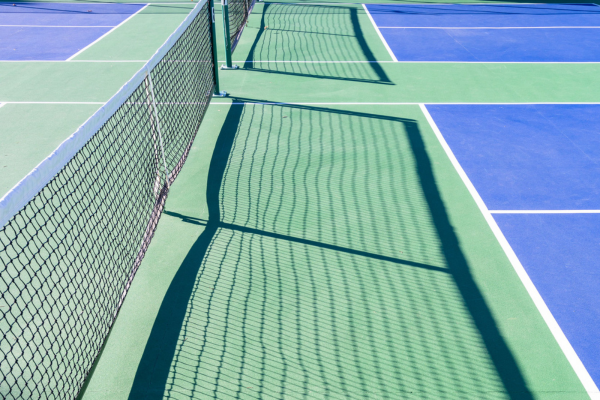
The Racket: Why Are More Adults Picking Up Pickleball?

For a sport that’s only 60 years old, pickleball has earned a reputation as the fastest-growing sport in America. 

Once a niche backyard pastime, pickleball is now almost impossible to ignore. The appeal stems from its convenience and low-commitment nature. The sport itself is low-maintenance and low-stakes, and asks little of you. No expensive gear, no steep learning curve, no major time commitment.

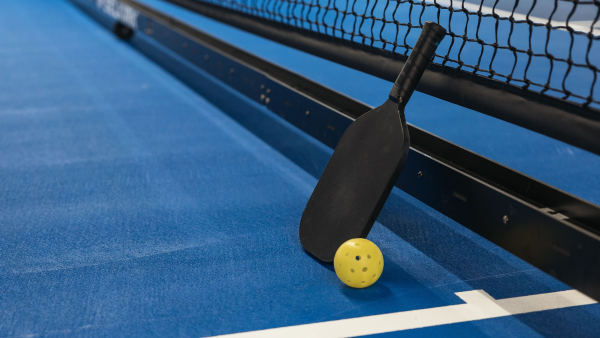
Just a paddle, a ball, and a court.

That accessibility, sense of community, and inexpensive equipment attract those who want to get their body moving without committing to a full-time hobby that will drain the bank. 

Here’s a closer look at where the game came from, why it’s exploded in popularity, and what’s driving so many adults to fall in love with it.

Quick Highlights 

  • In 2024, it was reported that the 2020 COVID-19 pandemic spiked a 21% growth in participation due to an influx in sports and fitness-related activities. 
  • Approximately $152.8 million has been invested in building and upgrading pickleball facilities across the country.
  • The average age of a recurrent pickleball player is about 35 years old
  • According to the Sports & Fitness Industry Association (SFIA), pickleball engagement grew 223.5% over three years, affirming the game’s rapid growth.
pickleball

History of Pickleball

Due to the spike in popularity, the common misconception is that the game was created within the past few decades. The concept of pickleball began in the summer of 1965 on Bainbridge Island, Washington. 

In an effort to occupy their children on a rainy day, vacation home neighbors Joel Pritchard and Bill Bell began improvising on the badminton court. With wooden paddles and a wiffle ball in hand, concepts of a game came into fruition. 

Eventually the adults favored the game considerably more than the children.  

The pickleball rules upheld today were crafted through trial and error. The 7-foot non-volley zone known as the “kitchen” prevented players from spiking at the net. The height of the net at the sidelines is measured to be 36 inches tall because it is set to the height of Joel Pritchard’s waist. 

Barney McCallum, their neighbor, began playing with Pritchard and Bell. It was McCallum who created the paddle design. He used ping-pong paddles as inspiration. Elongating the handle, strengthening the density, and squaring the shape.

The three men worked together to redefine the scoring and penalties to shape the classic pickleball game played today. 

How Pickleball Gained Traction

McCallum, Pritchard, and Bell spread the game of pickleball. Through word of mouth, the game to began to gain notoriety. Rapidly, makeshift courts were being used and mimicked on residences. 

Joel Pritchard was establishing himself as a politician at the time. He would familiarize the guests of his political gatherings with the game. 

Meanwhile, the National Observer published the first ever article about pickleball. McCallum began to mass-produce equipment, leading to the commercialization of the game.
pickleball

Recent Rise in Popularity

The COVID-19 pandemic facilitated the influx of players and facilities. Although pickleball was invented in 1965, its popularity has risen from niche to mainstream throughout the past decade. 

According to the Sports & Fitness Industry Association (SFIA) Topline Participation Report, pickleball engagement grew 223.5% over three years. In 2024, it was reported that the 2020 COVID-19 pandemic spiked a 21% growth in participation due to an influx in sports and fitness-related activities. 

Restrictions on indoor gatherings provided limited options for those who enjoy physical activity and social interactions. Many sought an answer that would allow them to engage with others while staying active. 

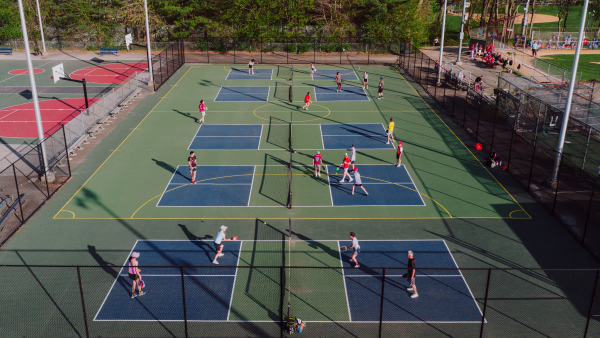
Since pickleball’s versatility allows the game to be played either indoors or outdoors, it was seen as a feasible option. 

Attributes to Adults

The average age of a recurrent pickleball player is about 35 years old.

Compared to children, adults are less likely to attempt to try new sports due to cost and skill deficits. Recreational sports are seen as a high-maintenance activity that requires attentive skill. 

Unlike other sports, pickleball requires little equipment or knowledge of the game’s technique to play; paddles and the ball are a necessity, the rules can be digested within a match. Those who aren’t familiar with other sports often get discouraged, assuming that ignorance means that learning to partake in a recreational activity is futile. Players don’t need years of experience or impeccable athletic knowledge to engage. 

Accessibility is a big attribute of the game. It’s a low-impact sport due to the compressed court size, causing less stress on the joints. Since the game utilizes an underhand serve, it is less likely to cause injuries due to the low movement and motion that typically is inflicted from sports with a wider range of motion. There are also different versions of the game that are considered accessibility-friendly, such as wheelchair pickleball. 

The game is social, which gives players a feeling of community. Due to the short match times (15 to 25 minutes per game), there is leeway for chatting to fill the space in between games. 

Pickleball’s Push Toward Professionalism

Professional pickleball entities have also developed since the sport has gone mainstream. 

The PPA (Professional Pickleball Association) Tour was founded in 2019 and hosted it’s first professional and amateur tournament in February 2020. The tournament is held year-round across the United States. Players compete in men’s singles, women’s singles, men’s doubles, women’s doubles, and mixed doubles divisions. 

The International Tournament Series was introduced in 2025, broadening tournaments worldwide. 

Major League Pickleball (MLP), the PPA Tour’s sister company, focuses on team-based competition. Both are owned by the United Pickleball Association (UPA), which created the UPA-A in 2024 to oversee rules, equipment testing, and growth.

The tournaments are offered for all ages and skill levels, which remains faithful to the general appeal of pickleball: inclusivity and accessibility. 

New Pickleball Courts Nationwide

Due to the rise in popularity, thousands of pickleball courts are beginning to pop up nationwide.

Approximately $152.8 million has been invested in building and upgrading pickleball facilities across the country. This includes existing facilities.

Even though it is considered a trend in the sports world, businesses don’t expect attendance to decline anytime soon. 

Whether it’s the competition, the camaraderie, or simply the chance to stay active, pickleball has proven it’s far more than a passing trend. It’s a game more adults are eager to pick up, one match at a time.

FAQ:

  1. How did pickleball get its name? This is widely disputed; it’s either from the rowing term pickle boats, which is the boat to finish last, or it’s names after the Pritchard family dog, Pickles. 
  2. Is pickleball only for adults? No– the sport gained popularity due to its inclusivity and accessibility for all ages. 
  3. Do I need experience to start playing?  Rules and regulations coincide with pickleball. However, the learning curve is slight. 
  4. How is pickleball different from tennis? Pickleball combines badminton, ping pong, and tennis. Compared to tennis, pickleball has a smaller playing area and a slower-moving ball. 

Athelo Group Pickleball Classic

Grab a paddle and join us for a day of friendly competition for a great cause! Whether you’ve been playing for years or never picked up a paddle, all skill levels are welcome. This event is about community as much as it is about competition.

Join us on October 23rd, 2026 at The Sports Haus in Norwalk, CT, and come play for a purpose. Every dollar raised goes directly to Stamford Health’s Bennett Cancer Centers, supporting patient care, research and financial assistance programs for those who need it most. 

It’s more than just a game, it’s a chance to make a difference.
Sports Technology Evolution: How Innovation Is Changing the Game

In the dynamic realm of sports, where every second counts and every move can make or break a victory, the fusion of technology and athleticism has given rise to a revolution like never before. Now more than ever there is a fascinating intersection of sports and technology that is reshaping the landscapes of sports equipment, sports data, and athlete health. From sports gear innovations that push the boundaries of performance to data-driven analytics that unveil the intricacies of an athlete’s every move, we are witnessing an era where technology is not merely a spectator but an active player in the game. Many athletes like Alex Aust and Marcus Holman have bought into the technology and have seen incredible results in their performance and overall sports advancement.

sports technology

Redefining Equipment, Materials & Performance

One of the most significant areas of technological advancement in sports is at the material level. Innovations in this field have given rise to lighter and more durable materials like carbon fiber and advanced polymers. This shift has notably impacted sports equipment from tennis rackets to golf clubs and helmets. The Paddletek Tempest Wave Pro Pickleball Paddle, for example, represents the advancement of material technology in paddle sports to reduce weight and increase performance. Material advancements also extend to the safety of athletes. In recent years, the design of football helmets has evolved to prevent life-altering head injuries. Energy-absorbent liners made of polystyrene and dual-density foams help mitigate the impact of hits. 3-D printing innovations help give players a customized, safer fit. The incorporation of slip-plane technology allows for the helmet’s shell to slightly rotate, addressing nonlinear impact.  

Wearables, Analytics & Real-Time Athlete Monitoring

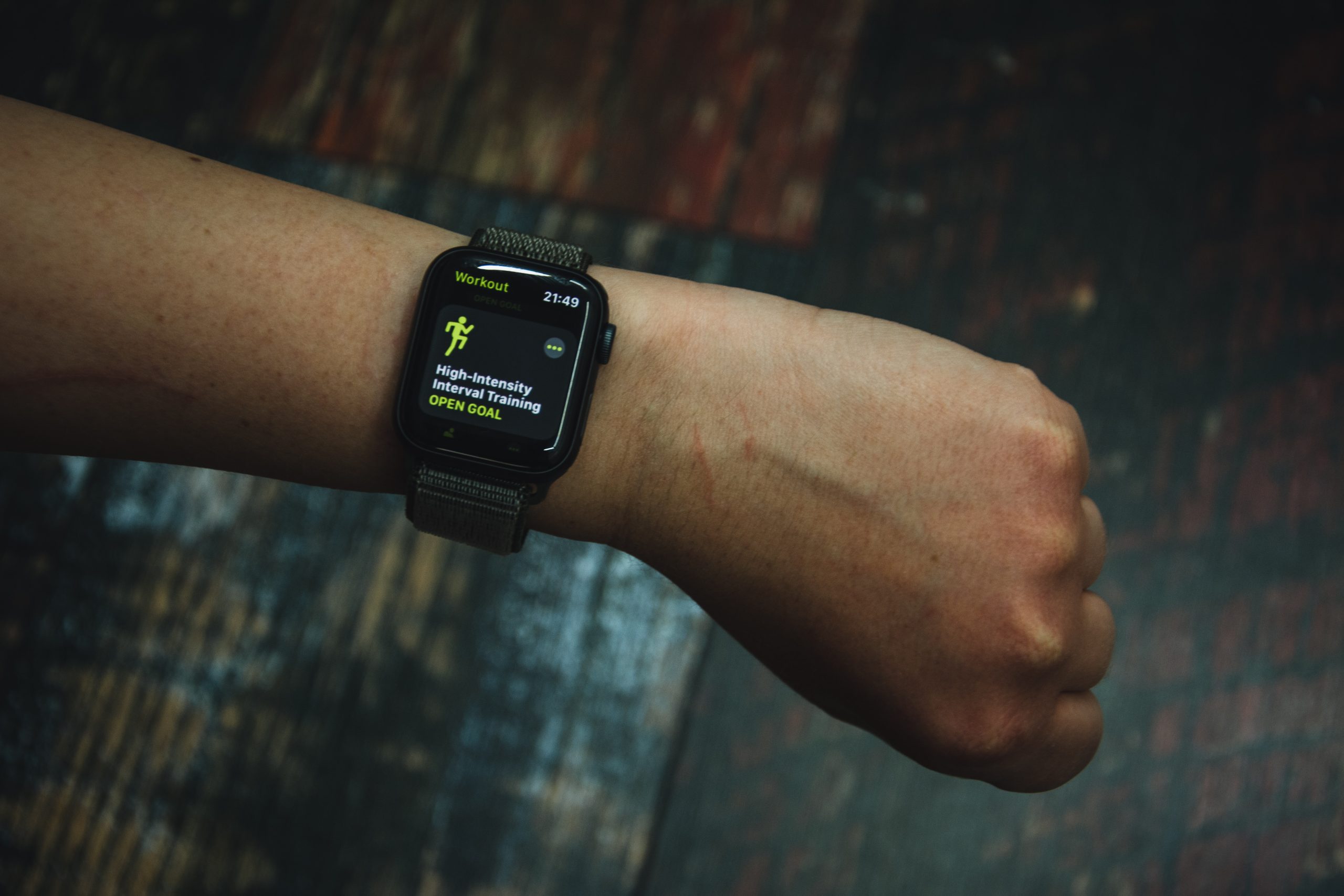
Like material technology, advancements in wearable devices have also revolutionized athlete performance and longevity. Wearable devices help athletes better monitor their physiological metrics by tracking factors like heart rate, sleep patterns, and physical activity. Gathering this invaluable data allows athletes to be more in tune with their bodies during training, optimizing performance on and off the field. The real-time insights these wearables offer empower athletes to make informed decisions about their performance, contributing to improved training and injury prevention. Products like the Whoop Band work off the field, tracking the sleep and recovery times of athletes to optimize their performance. On the field, hundreds of professional soccer clubs use devices from brands like STATSports to measure actionable insights in real time. Worn under a vest, a STATSports device utilizes a GPS, accelerometer, gyroscope, and magnetometer to gather 600 data points at once. As a result, the information provided can help prevent non-contact injuries and thwart physical overload. Paired with machine learning algorithms, devices like these can also predict outcomes and recommend strategic changes, giving coaches and players a competitive edge and enhancing overall team performance.

sports technology

Integrity, Fair Play & Technology Safeguards

Technology has also become a guardian of fair play in sports. Employing advanced testing methods such as mass spectrometry and blood profiling helps detect doping. This aids in upholding the principles of fair competition, which have frequently been questioned, particularly in the international athletic field. Moreover, blockchain technology helps to decentralize information, securing the integrity of sports data and ensuring that records and results remain tamper-proof. These measures protect the game’s sanctity and foster a culture of fair play, ensuring that athletes’ hard work is rewarded. 

Ensuring that athletes are able to consistently perform their best and avoid career-ending injuries is one of the most impactful uses of sports technology. A particularly impactful application of technology in sports is the Q-Collar, a collaboration between lacrosse stars Marcus Holman and Alex Aust. The Q-Collar aims to shield the brain from the damage caused by repetitive head impacts. Research indicates that athletes not using the Q-Collar were three times more likely to experience significant changes in their brain tissue. This partnership underscores the potential of technology to prioritize athlete well-being and ensure a safer playing experience.

The Future of Sports Technology & Industry Impact

As technology advances, its pervasive influence on sports becomes increasingly evident. From reshaping equipment materials to enhancing athlete monitoring analytics and maintaining fair play, technology is undeniably changing the game. The future promises even more exciting innovations, further blurring the lines between sports and cutting-edge technology. Here at Athelo Group, we can’t wait to see what comes next.

Sources:

  1. https://tbi.com/advancements-in-football-helmet-technology/
  2. https://theathletic.com/4966509/2023/10/19/wearable-technology-in-football/
  3. https://indianexpress.com/article/technology/virat-kohli-what-is-whoop-band-athlete-fitness-9030614/
  4. https://www.nytimes.com/2022/12/19/sports/concussion-q-collar.html
  5. https://www.futurelearn.com/info/courses/everyday-chemistry/0/steps/22346
  6. https://www.standard.net/news/2023/oct/23/the-game-changing-impact-of-innovative-gps-technology-on-sports-field-marking/

Padel: Pickleball’s Newest Competitor

Move over, pickleball– America’s new favorite sport already has a competitor in the sport of padel, and it is quickly attempting to gain a share of the U.S. market. At first glance, it is easy to mistake the sport of padel for pickleball, but the games’ rules and histories are much different. Padel was invented in Mexico in 1969 as a hybrid of tennis and squash, while pickleball gets its origin from badminton. Padel and pickleball are both playable in a doubles format with a net separating the court, but the padel court is surrounded by transparent glass walls that the ball can be played off of. 

Pro Padel League

While U.S. pickleball has rapidly gained popularity, padel has yet to see the same results domestically. Part of the reason pickleball has experienced such success is the community that has developed around the game. The limited size court and doubles format make the game much less physically demanding and more accessible to players of all ages. While padel is a hit outside of the U.S. with 25 million players in over 90 countries, it requires a higher level of athleticism. Padel’s glass walls keep the ball in play much longer and call for more advanced strategy and speed of play. However, this could be the sport’s greatest strength: padel’s highly active nature renders a much more entertaining and competitive product for fans to watch, which leads many to believe it could take off as a spectator sport in America. 

Pro Padel League

The pickleball competitor has now begun to infiltrate the United States with the introduction of North America’s first professional padel league, the Pro Padel League. The PPL is comprised of 7 teams from various North American cities competing in the inaugural season which began on May 13th and will conclude on June 11th. The teams will compete every Saturday and Sunday of the regular season which will lead up to the PPL Cup on June 11th.  

TV Coverage

The league recently announced a network deal with CBS Sports who will provide TV coverage for the PPL Cup in June. This announcement comes just weeks after the Professional Pickleball Association (PPA) announced their media deal with ESPN. This is a huge win for a league in its inaugural season trying to catch up with the likes of the PPA, as PPL now has the backing of a nationally-televised network to introduce the sport to a broader audience. 

PPL Investors

PPL has also seen its share of investors prior to the kickoff of its first season. The most recent investor is Puerto Rican rapper Daddy Yankee, who purchased the league’s eighth franchise based out of Orlando which will compete in the PPL next season. After the purchase became public, Daddy Yankee explained, “Padel reminds me of the early stages of Reggaeton in the ‘90s when it was just starting up. Pro Padel League has a big potential to grow the sport and get bigger. I want to be a part of it and leave a legacy.” 

Other early investors include a padel-focused venture capital firm backed by NHL players Filip Forsberg, Jacob Markstrom, Mattias Ekholm, and Andres Nilsson who saw the early potential of a U.S. PPL. Vegas Golden Knights owner Gavin Maloof, MLS star Sebastian Giovinco, and former tennis pro Tommy Haas are also claiming a stake. League founder Marcos del Pilar has stated that franchises are now selling for at least seven figures and original team owners have already seen over a 5X increase in value from their original investment. The league also received support from Merrill and Chosen Foods, two founding sponsors whose partnerships have given the league credibility and a boost in funding. 

Pro Padel League

The league hopes to use PPL as a catalyst for a similar explosion in popularity that pickleball has seen over the past couple of years. The first step is building more padel courts to increase its accessibility in the states, as there are currently only 240 courts in the country. To put that into perspective– countries like Spain have over 20,000. The league is off to a strong start with big name investors and national broadcasts, but it will have a long way to go to usurp pickleball’s hold on the U.S. market.

Sources:

  1. https://propadelleague.com/
  2. https://worldpadelinsider.com/what-is-the-difference-between-padel-and-pickleball/
  3. https://propadelleague.com/2023/05/pro-padel-league-signs-deal-with-cbs-sports/
  4. https://sports.yahoo.com/daddy-yankee-buys-pro-padel-095500061.html
  5. https://www.ppatour.com/espn-and-the-professional-pickleball-association-reach-agreement-to-cover-eight-tournaments-in-2023/
  6. https://tenniscreative.com/padel-statistics/
  7. https://www.nbcmiami.com/news/sports/daddy-yankee-helps-kick-off-inaugural-pro-padel-league-season/3034468/

Become a Sponsor.

Join us in making a difference. Tell us a bit about yourself and we’ll be in touch with sponsorship details.

By submitting this form, you agree to be contacted by the Athelo Group team regarding sponsorship opportunities.