How Women’s Sports Growth is Changing Representation in the Sports Industry

Since 2023, women’s sports have seen noticeable growth across viewership, attendance, sponsorship, media coverage, and fan engagement. At the same time, representation within the sports business industry is also becoming a larger conversation.

More women are being recognized not only as athletes, but also executives, marketers, investors, broadcasters, and more.

The growth of these two areas are connected. 

As women’s sports continue to grow, they create more business opportunities across the industry. Having more women involved in the business side of sports has helped leagues, teams, and brands better understand their audience, stories, and communities connected to women’s sports. 

Quick Highlights

  • Deloitte projects global women’s elite sports revenue to reach at least $3 billion in 2026.
  • SponsorUnited tracked more than 5,300 sponsorship deals across women’s sports properties in 2025.
  • Women’s sports sponsorship grew 17.5% year-over-year in 2025, excluding NIL.
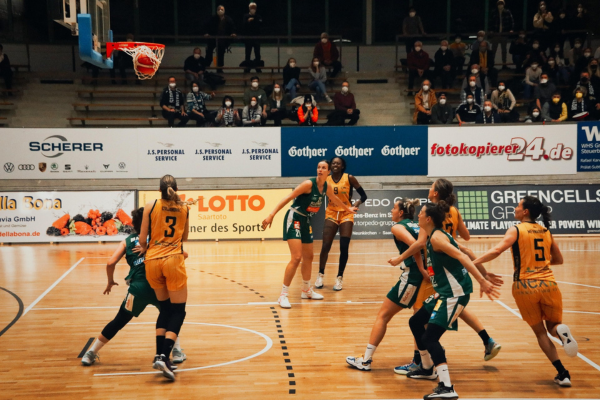
  • The WNBA reported more than 2.35 million fans attended games during the 2024 season, its highest total attendance in 22 years.
  • The 2024 NCAA women’s basketball championship game averaged 18.9 million viewers, making it the most-viewed women’s college basketball game ever.
  • NWSL total viewership across Nielsen-rated platforms reached 18.7 million in 2024, a fivefold increase from 2023.
  • The NCAA reported 279 women serving as athletics directors in 2025, a 24% increase over the past decade.

Women’s Sports Are Becoming a Larger Part of Sports Business

Women’s sports have gained more attention in recent years because of increased fan interest, stronger media coverage, and more brand investment. 

Women’s basketball and soccer are two clear examples of this growth. 

The WNBA has seen increased visibility through attendance, media coverage, merchandise, and player-driven attention. Athletes such as A’ja Wilson, Caitlin Clark, Angel Reese, Sabrina Ionescu, Breanna Stewart, and Cameron Brink have helped bring more casual fans into the sport. Many of them have strong followings through social media, fashion, community involvement, and brand partnerships. This allows for a wide array of audiences who then may become interested in their athletic careers. 

Women’s soccer has also continued to build momentum. The NWSL has grown through expansion, media deals, stronger attendance, and increased interest from sponsors. Clubs such as Angel City FC, Gotham FC, Kansas City Current, San Diego Wave, and Portland Thorns have shown how women’s soccer can connect with fans through both competition and community. 

Angel City FC is a strong example of this. Instead of solely building around the traditional sports model, Angel City has connected women’s soccer to entertainment, local LA culture, and representation. Angel City reports that they were No. 1 in NWSL in 2023 attendance, sponsorship revenue, and total revenue.

This growth matters because the sports business is built around audience attention. When more people watch, attend, follow, and engage, more opportunities follow. 

Advocacy is Helping Push Representation

Women athletes, executives, coaches, broadcasters, agents, and other sports business professionals have used their platforms to call for more visibility across the industry.

For athletes, advocacy can show up in different ways. Some use interviews, social media, podcasts, documentaries, or brand partnerships to speak about equal resources. This includes better media coverage, pay equity, and facility access. Others advocate simply by continuing to build their own brands, support other women athletes, and bring attention to the leagues they play in.

Women working on the business side of sports also play a major role. They help advocate through the decisions they make. They can push for stronger sponsorship deals, better storytelling, more inclusive hiring, and campaigns that highlight women athletes as serious competitors and marketable personalities.

This type of advocacy matters because representation does not only happen organically. It often grows because people inside and outside the industry continue to ask for better opportunities. 

In this way, women athletes and women in sports business are helping each other. Athletes create visibility through performance and storytelling. Women in the industry help turn that visibility into media coverage, partnerships, events, and leadership opportunities.

women in sports

Brand Investment is Expanding the Space

Brand investment shows how far women’s sports have come. A few years ago, a sponsor bought a logo on a jersey and called it done. Now, brands build entire campaigns around these leagues.

Google Pixel is a clear example. They didn’t just buy ad space, they became the official fan phone of the WNBA, and built real product features into the fan experience. Using Google Lens, fans can see exactly what players like Mo Bamba or Kelsey Plum are wearing. At WNBA All-Star Weekend, Pixel ran a “Hall of Fits” pop-up showcasing players’ favorite outfits and custom highlight reels fans could post to social.

That’s not a banner ad. That’s a brand writing itself into how fans watch and share the game.

Google took it a step further. It signed a deal with the WNBPA, NWSLPA, and USWNTPA to become the official phone of the players’ unions. It funded a project to capture and tell athletes’ stories directly.

That’s brand investment in the athlete, not just the league.

For brands, that pays off. Women’s sports fans notice who shows up and who doesn’t. Sponsor the moment right, and you earn attention that a courtside ad never could.

A Road to Opportunity

This is opening real doors. Not just bigger sponsorship checks, but a different kind of partnership.

In the NWSL, Ally and E.L.F. have built activations fans can actually step into: fan zones, content series, event moments tied to specific games. Not a static ad, but an experience.

In the WNBA, Ally sits alongside Google, Nike, CarMax, and Deloitte as a WNBA Changemaker partner. They backed programs on real community issues, not just logo placement. State Farm keeps investing in WNBA programming. 2K keeps building the league into its game. Each deal gives the sport another way to reach people. Whether that’s on TV, in a game console, or at a live event.

More brands means more of these moments. And more moments means stronger media coverage, stronger fan loyalty, and more business built around women’s sports. Not just around one big game.

The Industry Still Has Areas to Improve 

Women’s sports growth and representation in the sports business industry are closely connected. 

As women’s sports continue to grow, they create more opportunities across the industry. At the same time, more representation in business roles can help women’s sports grow in ways that are more authentic and sustainable.

Even with recent growth, there are still areas where the sports industry can improve.

Women’s sports still receive less overall coverage and investment than many men’s sports. Leadership opportunities have increased, but representation and pay gaps still exist in executive roles, ownership, media, and decision-making spaces. A 2026 survey by the Sport Integrity Global Alliance found that women held just over 32 per cent of executive positions across international sports federations.

That is why long-term investment matters. The growth of women’s sports should not only be connected to major events, star players, or short-term attention. It also requires consistent media coverage, strong sponsorship support, better facilities, fair resources, and continued career opportunities across the business side of sports.

FAQ:

  1. Why is women’s sports growth important for the sports business industry? Women’s sports growth is important because it creates new opportunities across media, sponsorship, events, ticketing, marketing, and athlete branding. As more fans engage with women’s sports, more companies and organizations are looking for ways to invest in the space.
  2. How does representation in sports business connect to women’s sports growth? Representation matters because the people behind the scenes help decide how sports are marketed, funded, covered, and experienced. When more women are included in these roles, the industry can better understand and support the growth of women’s sports.
  3. What can brands do to support women’s sports in a meaningful way? Brands can support women’s sports through long-term partnerships, athlete campaigns, team sponsorships, fan events, youth programming, content creation, and investment in women-led sports initiatives.
Why is CrossFit So Popular Among Women?

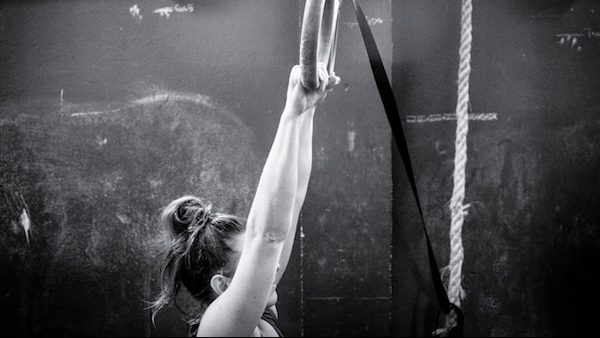
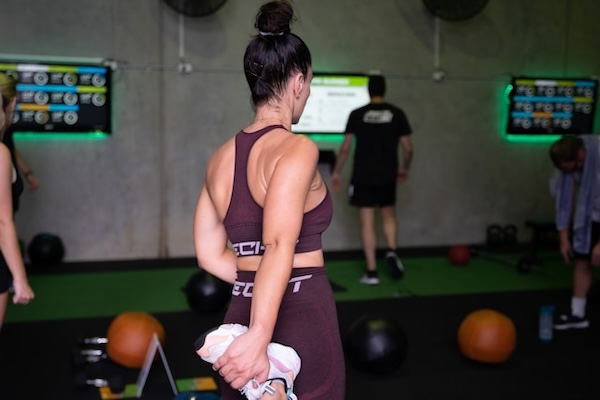
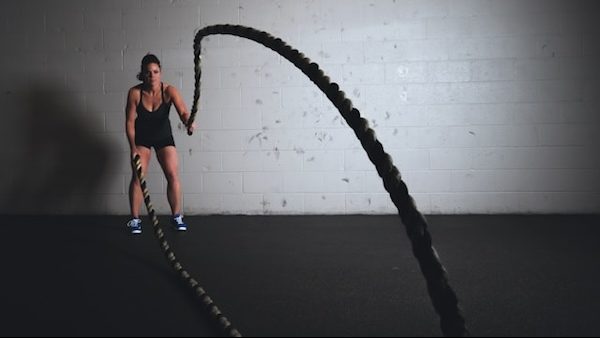
Walk into any CrossFit gym, often called a “box,” and you’ll notice something striking: women dominate the room. Confidence fills the air.

What started as a niche training method has evolved into one of the most empowering and inclusive fitness movements in the world. This intensive functional fitness regime empowers women to boost their self-confidence through demanding workouts, while also defying conventional gender stereotypes and striving for athletic excellence.

For many, CrossFit is more than a workout. It’s a mindset shift. It’s a place where women push limits, find community, and redefine what strength looks like. But what exactly makes CrossFit so popular among women today?

Quick Highlights:

  • Earlier industry data suggested women made up about 60% of CrossFit athletes globally between 2015-21, while more recent sources place female participation closer to 40% of the membership base.
  • Women in CrossFit report 90%+ improvements in self-esteem and 80%+ improvements in daily energy.
  • The CrossFit Games award equal prize money to male and female athletes, something most major sports still can’t say.
  • According to a BoxMate study, 77% of the women surveyed felt that when training in their gym/box, they could be competitive with males without judgement.
  • Women in CrossFit face lower reported injury incidence— 30% compared to 45% of men.
female crossfit athlete

Strength as a Skill, Not a Stereotype

CrossFit provides women with a training environment focused on performance and measurable progress. Instead of focusing on appearances or the scale, women concentrate on what their bodies can actually accomplish.

Data shows that women in CrossFit are highly motivated by developing strength, rating this factor higher than tone, size, or muscle mass. This indicates a positive shift towards performance goals. One study found that 81% of participants reported significant increases in perceived strength after consistent CrossFit training.

Beyond physical strength, the psychological benefits remain a driving force. Women participating in CrossFit report more than a 90% improvement in self-esteem and an 80%+ increase in day-to-day energy. In a survey of over 500 women, 94% said CrossFit and lifting made them feel empowered, strong, and more confident in their bodies.

That shift is happening at the elite level too. Athelo’s own Dani Speegle, who famously dominated a 250-pound sandbag clean event in 2022, embodies a new era of strength-forward female athletes. She’s vocal about inspiring girls to push limits and chase big goals, proving just how powerful and resilient women’s bodies are.

Supportive Community and Scalable Longevity

CrossFit is built around community. Instead of the isolated feel many commercial gyms have, classes bring people together, encourage progress, and create accountability. This supportive environment, paired with a focus on personal improvement, keeps people engaged for the long term.

That support matters: 77% of surveyed women said they feel comfortable pushing themselves alongside men without judgment when training in their gym or box.

CrossFit’s community dynamic mirrors what we’ve seen across the broader women’s sports ecosystem. When women are given equal space, equal visibility, and equal investment, participation surges.

We see this through CrossFit’s continuous opportunities. Women can start young, compete in the CrossFit Open starting at age 14, and have the freedom to grow stronger and compete until they are in their 80s and beyond.

Equal Plates, Equal Opportunity

From its inception, CrossFit has offered equal prize money for male and female competitors. Similarly, the same number of women and men are invited to the CrossFit Games. There is no separate women’s league; there is just the CrossFit Games, where every women’s field is broadcast widely.

The 2021 NOBULL CrossFit Games demonstrated this parity. Champions Tia-Clair Toomey and Justin Medeiros both received checks worth $310,000. Toomey, arguably regarded as the face of modern CrossFit, shows how powerfully women shape the sport’s culture and global reach.

In addition, the women’s fields at the 2021 Games were broadcast to 99 million aggregate viewers across the CrossFit Games platforms, standing against the sobering statistic that women’s sports generally make up only 4% of total sports media coverage.

This level of visibility echoes broader trends in women’s sports, where full-stage presentation, not only tokenism, drives engagement. 

female crossfit athlete

Inspiring Youth and Role Models

Visible, strong female athletes in CrossFit play a crucial role in inspiring the next generation.

Earlier industry reports estimated that women made up nearly 60% of CrossFit athletes globally between 2015 and 2021. More recent data places women closer to 40% of total membership, still a substantial portion of the community.

Athelo’s own athletes reflect the range of what is possible. 

Amy Bream continues to lead the way for adaptive competitors. Kyra Milligan, a six-time CrossFit Games athlete who moved from Utah to Las Vegas to deepen her training, shows grit, community service, and elite performance. Emily Loogman Rethwill, mother, coach, and athlete, shows how strength and identity can evolve through every stage of life.

The Path Forward and Where We Fit

CrossFit’s rapid rise among women is no coincidence. It’s the product of a culture that prioritizes equity, visibility, and shared opportunity. When women are given the same platform as men, they are recognized not as exceptions, but as leaders shaping the sport.

At Athelo Group, we champion that same commitment. As CrossFit continues to set the bar for equity and empowerment, we work to ensure that momentum reaches beyond the gym. We partner with athletes and brands to elevate female strength in all its forms and expand competitive opportunities across the sports industry.

The Truth About the Gender Pay Gap in Sports

Women’s sports are surging. Fans tune in at record levels, brands finally pay attention, and storytellers in women’s athletics shape culture beyond competition. From sold-out stadiums to major sponsorships, demand keeps rising.

Still, the opportunity and gender pay gap between men and women in sports remains huge. The conversation now goes beyond salaries. It’s about equity, visibility, and respect.

For many female athletes, it’s not just about money but about how their talent and impact are valued.

Quick Highlights:

  • Between 2022 and 2024, women’s sports in the U.S. grew 4.5Ă— faster than men’s sports.
  • Women’s football is projected to be among the top 5 global sports by 2030, with an audience of over 800M fans worldwide.
  • The WNBA landed an 11-year broadcast deal starting in 2026, with prime coverage on USA Network and streaming platforms—one of the largest media rights deals in women’s sports history.
  • Fans of women’s sports are 2.8Ă— more likely to purchase products endorsed by female athletes compared to men’s sports fans, driving sponsor ROI beyond exposure.
woman running on track

When Growth Isn’t Enough 

Women’s sports are booming: stadiums are full, TV ratings are soaring, and sponsorships are rising. Total U.S. women’s sports revenues surpassed $1 billion for the first time in 2024 and are projected to hit $2.35 billion globally in 2025—a 25% jump in just one year.

The surge in visibility has been undeniable. What many now call “The Caitlin Clark Effect” shows how one athlete’s rise can elevate an entire league. Major moments like these prove the audience and excitement are there.

Yet that success hasn’t translated into equal pay. Despite all the progress, many professional female athletes still earn only a fraction of what men in the same sports take home. The question now is whether this momentum can finally lead to fair compensation.

What’s Really Behind the Pay Gap

The imbalance often comes down to exposure. For decades, women’s sports were under-marketed and under-televised, which limited their ability to build audiences and attract sponsorship dollars. That cycle of less visibility leading to less revenue has been one of the hardest to break.

But when women’s sports get the spotlight, the results are undeniable.

The 2023 Women’s World Cup shattered attendance and broadcast records, drawing over 2 billion viewers worldwide. The NCAA women’s basketball championship between LSU and Iowa became the most-watched college basketball game, men’s or women’s, in ESPN history.

The success proves something female athletes have known for years: when you give them equal opportunity, they deliver equal excitement.

female soccer player kicking ball

The Real Barrier: Investment, Not Interest

Equal investment in marketing and sponsorship consistently drives engagement and profit, showing the gap is about opportunity, not audience. In fact, 86% of brands say their women’s sports sponsorships have met or exceeded ROI expectations, proving that when companies invest, the returns follow. 

Still, the system hasn’t caught up. Sponsorship dollars, prize money, and media contracts remain uneven.

As The Bounce points out, the gender pay gap persists not because of talent or demand but because of institutional inertia. Women’s leagues are still building the infrastructure men’s sports have had for decades—investment, storytelling, and consistent exposure.

Voices That Have Changed the Game

Venus and Serena Williams have been two of the most powerful forces in the fight for equality in sports. In one meeting about pay, Venus asked everyone to close their eyes and imagine their daughter, sister, or wife being paid less simply for being a woman. Then she left the room, letting the truth hang there.

As she later said, “A lot of people think that was impactful. It was just the truth. When you stand up for what’s right, that’s what my mom taught me.”

Serena carried that conviction far beyond the court. Through Serena Ventures, she’s invested in more than 60 companies—most led by women and people of color—and joined the ownership group of Toronto’s new WNBA franchise, using her success to build opportunity from the top down. 

Venus has done the same through her wellness brand Happy Viking and a growing portfolio of angel investments, proving advocacy can also mean ownership.

Together, the Williams sisters turned their influence into infrastructure, shifting the conversation from demanding equality to creating it.

Progress and Pressure

Women’s sports are entering what many call their “golden era,” but the pressure to sustain it is real. Fans are showing up, investors are paying attention, and female athletes continue to shoulder the dual role of performers and advocates.

The gender pay gap revolution in U.S. soccer set a major precedent when the women’s national team won its lawsuit for back pay and secured a collective bargaining agreement guaranteeing equal match compensation with the men’s team.

But progress isn’t linear. For every major win, disparities persist in leagues like the WNBA, where many players still head overseas in the off-season to supplement their income. The fight extends beyond closing the pay gap and to creating sustainable systems so female athletes can earn a livable wage.

The Future of Fair Play

Women’s sports are breaking barriers in real time, rewriting what’s possible and redefining what’s profitable. The pay gap remains a frustrating reminder of how far there is to go, but it also fuels the determination that defines so many female athletes. 

The next challenge lies with the systems that still lag behind: media deals that undervalue women’s leagues, brands that treat inclusion as a campaign instead of a commitment, and governing bodies slow to modernize their models.

The momentum is already there. What will define this era isn’t how hard women fight to be seen, but how quickly the institutions around them learn to catch up.

Can Girls Play Baseball?

For decades, the question has lingered in dugouts and sports debates: Can girls play baseball? The answer is yes — but the system often makes it feel like no. 

Baseball is still seen as a man’s game, while women are steered toward softball. Though similar in spirit, softball uses a larger ball, shorter distances, and underhand pitching, making it a different game entirely. That divide limits opportunities, reduces exposure, and keeps the cycle repeating.

But change is underway. From record youth participation to the creation of the Women’s Pro Baseball League, signs point toward a long-overdue shift.

Set to debut in 2026, the Women’s Pro Baseball League has already drawn more than 600 players from 10 countries to its first open tryouts. The turnout has been called a breakthrough moment indicating that girls absolutely can play baseball when given the chance.

Quick Highlights:

  • About 1,300 high school girls played baseball on boys’ teams in 2023–24, showing there’s interest even without formal girls’ programs.
  • Youth baseball and softball participation grew 7.6% in 2023, making it the fastest-rising team sport in the U.S.
  • Girls make up less than 1% of all high school baseball players in the U.S., highlighting how limited participation remains.
  • High school fast-pitch softball has more than 340,000 participants, making it one of the most popular sports for girls nationwide.
  • 16.7 million Americans played baseball in 2023, the highest on record, though the overwhelming majority were male.
  • The Women’s Pro Baseball League (WPBL), launching in 2026, has drawn global interest and could mark a turning point for female players.
player holding baseballs

The Softball Substitution: How History Shaped Perception

In the 1970s, Little League was required to allow girls after a landmark legal case challenged gender discrimination. But instead of integrating them into baseball, most programs expanded softball as the “female version” of the sport.

That separation became ingrained. Coaches and parents steered girls toward softball, schools built programs around it, and media coverage reinforced the divide. The question stopped being whether girls could play baseball; it became whether they should.

It’s a dynamic we’ve seen before. Like golf, baseball first developed inside boundaries that excluded many. To keep growing, the sport now has to reckon with that history and decide how inclusive it wants to be.

No Teams, No Pathway: Why Opportunity Disappears

Even when girls start playing baseball at the youth level, the path forward narrows quickly. By middle and high school, it’s nearly impossible to find a dedicated girls baseball team.

The numbers reflect this: 0.0003% of high school baseball players are female, compared to millions who play softball. Without teams, there’s no competition. Without competition, there’s no visibility. 

Title IX and equal-protection law give girls the legal right to try out for boys teams and require schools to provide equal athletic opportunities. However, enforcement, awareness, and administrative willingness vary widely.

young baseball player at bat

Rights on Paper, Gaps on the Field

Girls today still receive fewer high school participation opportunities than boys did in 1972. There are about 3.4 million slots for girls versus 3.6 million once reserved for boys. Even now, girls miss out on an estimated 1 million sports opportunities compared to boys across K–12.

Many schools still struggle with enforcement. Over half of athletic administrators do not know who their Title IX coordinator is, and 83% of college coaches report they have never received formal Title IX training.

Other sports have made progress through investment and visibility. NCAA women’s March Madness growth has brought national attention and pushed parity conversations forward for women’s basketball. Baseball has not seen that same level of commitment, and the numbers show it.

Where Opportunity Meets Skill

Girls don’t just play baseball. They thrive in it.

Take Kelsie Whitmore, who broke barriers by pitching in the Atlantic League against professional male players. Or look at the athletes competing in the Women’s Baseball World Cup proving on an international stage that women belong on the diamond.

The upcoming Women’s Pro Baseball League is set to change the landscape. Launching in 2026 with six teams, it will be the first professional women’s baseball league in the U.S. since the All-American Girls Professional Baseball League disbanded in 1954. For the first time in decades, young players will see women competing at the professional level.

When asked, can girls play baseball? the proof is already on the field. The challenge has never been ability; it has always been opportunity. The WPBL represents that long-awaited chance finally taking shape.

professional baseball ballpark

Building the Pipeline: What Needs to Change

If baseball wants to keep growing, it must commit to building a sustainable pathway for girls. The upcoming Women’s Pro Baseball League will play a key role. 

For the first time in more than 70 years, women will have a professional home in U.S. baseball. The league validates every girl who chooses the sport and sends a clear message: there is a future here, and you belong.

The next step is support. The WNBA’s growth has shown what happens when visibility, sponsorship, and storytelling come together. With youth participation rising and professional women’s baseball on the horizon, sponsors and partners have a chance to align with that momentum and invest in lasting equity.

The opportunity is here. The sport just has to take it.

WNBA Viewership Growth Offers a Blueprint for Women’s Sports

For years, the WNBA was underestimated and viewed as a secondary product, not a commercial force. Its numbers may still trail those of men’s leagues, but perhaps not for long. The WNBA is quickly becoming a business case study in how women’s sports can scale.

Driven by major gains in media deals, WNBA viewership growth, and a wave of rising global talent, the league is offering a real-time example of how to build women’s sports the right way.

Quick Highlights:

  • WNBA viewership jumped 170% from 2023 to 2024, with the Finals peaking at 18.7 million, its highest in 25 years.
  • The league’s 2025 expansion draft saw three international players taken in the top 10, highlighting the rise of international talent.
  • A new 11-year, $2.2 billion media deal and 42+ sponsors reflect growing commercial momentum and long-term confidence.
  • The league added the Golden State Valkyries in 2025. Toronto and Portland are set to join by 2026, with plans to reach 18 teams by 2030.
  • Stars like Caitlin Clark and A’ja Wilson have sparked record jersey sales and become generational role models inspiring young fans.
  • Globally, over 180,000 girls have participated in FIBA’s “Her World, Her Rules” program since 2018. 86 national federations signed on for 2025.
female basketball players on the court

Caitlin Clark and the Next Generation of Women’s Basketball

No story in sports last year has captured more attention than what people are calling the “Caitlin Clark Effect.” Drafted No. 1 overall by the Indiana Fever, Clark entered the league with record-breaking NCAA credentials, millions of social media followers, and the kind of spotlight usually reserved for top NBA prospects. And she’s lived up to the hype.

Wherever she plays, she generates numbers. Even her regular-season games have pulled in TV ratings that rival some NBA playoff matchups. Her debut against the Connecticut Sun drew 2.1 million viewers, the most-watched WNBA game in over 20 years. 

And when Clark returned from a quad injury in June 2025, her comeback broadcast averaged an extraordinary 2.2 million viewers, marking ESPN’s third most-watched WNBA game ever and trailing only her own previous records.

Kamilla Cardoso, Angel Reese, Paige Bueckers, and Dominique Malonga are also helping shape the league’s future. With standout play, social reach, and an entrepreneurial mindset, they’re drawing younger, more diverse fans and even influencing how the league and veteran players think about branding.

female basketball players dribbling

WNBA Viewership Figures: An Outstanding Model for Growth

While it’s difficult to pinpoint one sole factor behind successful business growth, the WNBA stands out as a clear example of how an audience-focused and commercially sustainable sports league can take shape.

The WNBA’s landmark 11-year, $200M annual media rights deal with Disney, Amazon Prime Video, and NBC Universal kicks off in 2026. That figure more than triples the league’s current media revenue. Additionally, the partnerships guarantee greater WNBA viewership, with over 125 games broadcast each year. 

The momentum expands beyond media rights. Breanna Stewart, Vice President of the WNBPA, is leading efforts to expand player influence. Through critical labor negotiations on pay equity and working conditions, she is developing a league where athlete voices drive policy.

Off the court, players are leveraging their brands year-round with Caitlin Clark as the top runner. With her upcoming Nike signature shoe, the deal is projected to generate $100 million, and her record-breaking jersey sales are examples of new revenue streams and growing fan engagement that extend beyond game time. 

Together, these developments illustrate how the WNBA is setting a new standard in women’s sports by combining athletic excellence and strategic brand activations.

WNBA basketballs

Why Education Matters in the WNBA’s Growth Model

Education is crucial to advancing women’s sports, not only by encouraging girls to participate, but by transforming how society values and supports female athletes.

Programs like the WNBA’s mentorship initiative, which reached over 50,000 girls in its first year, and the 50% rise in female enrollment at Sydney sports schools after the Women’s World Cup, show how education and visibility create lasting opportunities.

When it comes to constructing a more informed and supportive culture around women’s sports, education is paramount. Raising awareness around category-specific issues like fertility care and ACL injuries helps ensure the game continues to grow on and off the court.

future WNBA basketball player looks up at the net

The Cost of Building Something New

The WNBA has never had an easy financial path, with reports estimating annual losses of around $10 million per season. But that’s starting to change.

What was once seen as a long-term uphill battle is now showing signs of real progress. With rising WNBA viewership and attendance, stronger player branding, and a wave of new corporate investment, the league’s financial outlook is finally beginning to shift in a promising direction. 


Fertility Care in Women’s Sports: How Athletes Balance Family

Women’s sports are entering a pivotal phase, one where athletes are no longer expected to sacrifice personal milestones, like starting a family, to maintain competitive status. Fertility care and motherhood, once largely invisible in the world of elite competition, are now being recognized and supported by some of the world’s most prominent leagues and clubs.

From tennis to soccer, organizations are taking bold steps to support female athletes holistically by offering fertility protection, parental leave, and medical benefits. This shift is not just reshaping sports culture but creating a meaningful opportunity for brands to connect authentically with fans.

Quick Highlights

  • In 2025, the WTA introduced a groundbreaking policy allowing players to retain ranking protection during fertility-related absences, an expansion of its previous maternity rule.
  • Multiple NWSL players have received fertility treatment support, including hormone therapy coverage and time off for egg retrieval.
  • Racing Louisville FC partnered with Kindbody in 2021 to offer fertility preservation services to all players, believed to be a first-of-its-kind deal in pro sports.
  • Veteran WNBA players are eligible for a $60,000 reimbursement for adoption, fertility treatments, and surrogacy costs.
  • The LGPA has removed the 10-game limitation for golfers on maternity leave to enhance player autonomy.
  • FIFA mandates 14 weeks of paid maternity leave for all female footballers under its governance as well as 8 weeks paid leave for those who adopt a child under the age of 2.
female athletes cheering on soccer field

The Overdue Recognition of Fertility Care in Sports

Fertility care has long been overlooked in elite athletics, despite its critical role in female health.

Treatments like egg freezing and in vitro fertilization (IVF) are physically demanding and time-sensitive, often clashing with an athlete’s competition schedule. Olympic bobsledder Kaillie Humphries opened up about her struggle to balance the IVF process while still maintaining her training regimen. Humphries navigated the hardships of ovary stimulation, egg retrieval, and more while actively gearing up for the Olympics. 

Until recently, female athletes risked losing their rankings, contracts, or roster spots simply for prioritizing reproductive health. In a recent study by Cofertility spanning hundreds of female athletes, 70% of participants revealed they have postponed having children due to their careers. An even greater percentage expressed concerns that having children could negatively impact their earning potential and long-term career opportunities. 

New policies from organizations like the WTA and NWSL are finally acknowledging that reproductive health is essential in empowering female athletes and advancing the game.

Redefining Athlete Support: The WTA’s Historic Maternity Initiative

In a groundbreaking move, the Women’s Tennis Association (WTA) and Saudi Arabia’s Public Investment Fund (PIF) have introduced the PIF WTA Maternity Fund Program, marking the first time in women’s sports history that comprehensive maternity benefits are available to independent, self-employed athletes.

This pioneering initiative provides eligible WTA players with up to 12 months of paid maternity leave, grants for fertility treatments, including egg and embryo freezing and IVF, and two months of paid parental leave for those becoming parents through adoption, surrogacy, or partner pregnancy.

To build on this support, the WTA followed up these provisions with a new policy to protect player rankings while they are away for fertility reasons. 

The program is a significant step forward in supporting female athletes, offering financial stability and flexibility to balance professional careers with family life. It empowers players to make personal decisions without the fear of jeopardizing their careers, setting a new standard for athlete support in women’s sports. 

These initiatives also highlight the importance of partnerships in driving positive change.

While the collaboration with PIF has faced scrutiny due to concerns over Saudi Arabia’s human rights record, both the WTA and PIF emphasize the transformative potential of the program in creating a more inclusive environment where athletes can thrive both professionally and personally.

female athlete kicking soccer ball

Changing the Game: Fertility and Family Support in Women’s Soccer

In recent years, the NWSL has emerged as a leader in redefining what athlete wellness looks like through fertility, pregnancy, and motherhood support.

In 2021, the NWSL Players Association ratified its first collective bargaining agreement (CBA), which included comprehensive paid parental leave, adoption support, and guaranteed housing for players with children.

A new CBA executed last year expands on those rights. It states that if a player’s contract expires during her pregnancy, her team must invite her back to give her a chance to earn her spot again. 

Since then, several clubs have gone even further. Racing Louisville FC, for instance, became the first team in professional sports to partner with a fertility care provider, offering players access to egg freezing and fertility preservation through Kindbody, a groundbreaking move that acknowledged the very real-time pressure female athletes face when it comes to reproductive choices.

But the NWSL has not yet standardized fertility support. In some cases, NWSL reimburses players for hormone therapies or provides time off for egg retrievals, however access varies depending on club policies and individual insurance plans. This uneven landscape highlights both the progress made and the work still ahead.

For Brands, Purpose Drives Connection

Consumers today, especially Gen Z and millennial women, expect brands to stand for something. Companies that back fertility access, parental support, and gender equity in sports are setting the tone for modern advocacy.

Take WHOOP, for example. The wearable tech brand invested in extensive research to launch its Menstrual Cycle Coaching feature, helping female users better understand their physiology. It’s a move that signals real investment in women’s health, not just performance.

This kind of purpose-driven work also delivers returns. A recent study found that fans of women’s sports are 2.8 times more likely to buy products endorsed by female athletes. These endorsements land with more impact because women athletes are seen as 7 points more trustworthy than their male counterparts, largely due to their authenticity.

That authenticity deepens when brands support athletes holistically, honoring the entirety of their lives, including family planning.

The most successful brand campaigns in women’s sports have tapped into that message. Nike’s revision of its maternity policy following public criticism from Allyson Felix not only repaired its reputation, it deepened its connection with women worldwide. Likewise, brands that support fertility care in leagues like the NWSL or WTA have the opportunity to lead with empathy and true action.

female tennis player swinging racket

A Smarter Model for Athlete Development

Maternity leave and fertility care aren’t “extras,” they’re essentials.

For too long, elite sports treated these aspects of health and life as optional or even burdensome. But as more female athletes speak openly about fertility struggles, pregnancy, and parenting, it’s becoming clear: these experiences are not interruptions to a career, they’re part of it.

By embedding fertility and parental support into athlete wellness strategies, leagues are safeguarding careers from being cut short by life events that disproportionately impact women. This matters especially in sports where peak performance years often overlap with the limited window for starting a family.

Athletes who feel supported holistically—physically, emotionally, and financially—are more likely to stay in the game longer, transition into coaching or leadership roles, and give back to the ecosystem that empowered them. This creates a virtuous cycle of mentorship, visibility, and institutional knowledge that elevates the entire sport.

Investing in the Whole Athlete

Athelo Group is helping drive that shift by empowering its female athletes with the resources and brand alignment needed to allow them to navigate their personal lives without compromising their professional goals. 

Investing in athletes as whole people extends beyond sport. It sends a cultural message that women in any high-performance field shouldn’t have to compartmentalize or delay motherhood in order to be taken seriously. Leagues that prioritize fertility care are modeling what inclusive, future-ready leadership actually looks like.

How Golf Is No Longer Just the Gentleman’s Sport

For generations, golf was defined by elitism and exclusivity, tied to private clubs and reserved for a privileged few. But in recent years, due to factors like the growth of women’s golf, the sport is rapidly changing.

With new talent, younger crowds, and social media shaking things up, golf is finally moving past its old-school image and reaching a broader, more diverse audience. From record youth participation to new league formats and cultural figures like Steph Curry launching golf gear, today’s golf is more vibrant, inclusive, and culturally relevant than ever.

Quick Highlights:

man playing at topgolf

The New Contributors to the Game

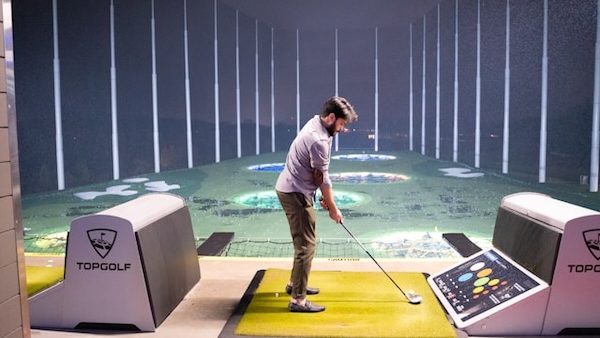
One of the strongest signals of change is participation: over 47 million Americans played golf in 2024. While both on and off-course play have grown, off-course participation driven by entertainment venues has jumped 173% over the past decade. It’s now a major force in golf’s evolution, creating space for new formats and innovation.

Concepts like TGL, the indoor simulator league launched by Tiger Woods and Rory McIlroy, are redefining how the game is played and consumed. Designed to attract new and casual fans, TGL features live audiences, advanced visuals, and primetime broadcasts to deliver a more immersive experience.

Women’s Golf on the Rise

Women’s golf is becoming a major force behind the sport’s growth and evolution. 

 In 2024, the National Golf Foundation reported that 28% of on-course golfers in the United States were women, marking the highest share ever recorded. Women and girls also accounted for 60% of the overall growth in participation since 2019. That same year, 7 million women and girls played golf, the most since 2006.

This surge is fueled by efforts to build community and expand access. Groups like Women Who Golf now span multiple countries, while programs like LPGA and USGA Girls Golf help to make the game more welcoming and accessible.

With greater visibility for female professionals, rising prize money, and new formats tailored to women, golf is finally for the girls.

women's golf game

New Screens, New Fans

Golf has also entered the streaming world, netting new audiences in the process. Netflix’s Full Swing, which launched in February 2023, quickly ranked in the platform’s global Top 10. 63% of Full Swing viewers tuned into PGA Tour coverage within two months of the show’s debut, and 11% were new viewers.

Furthermore, social media is now one of golf’s biggest stages. Influencers like Roger Steele reach millions of views each month and rising stars like Sydney Grimes bring innovative and entertaining content to the table. 

This shift reflects a broader trend in how younger audiences engage with sports, with Gen Z fans more likely to watch highlights or interact on social media than to view full live matches. Such behavior underscores the growing influence of Gen Z preferences in shaping the modern sports economy.

golf bag for women's golf game

The Rise of Disruption

Few things have shaken up the golf world like LIV Golf. Backed by Saudi Arabia’s Public Investment Fund, LIV Golf burst onto the scene in June 2022 with over $5 billion in investment to date, quickly attracting top talent with massive guaranteed contracts. The roster featured stars such as Bryson DeChambeau, Phil Mickelson, and Brooks Koepka.

The move triggered intense media coverage and conflict with the PGA Tour, leading to merger talks in 2023 that ultimately stalled. While its funding sparked controversy, LIV’s impact is clear: it’s brought in younger, more global fans and pushed the sport toward a faster, flashier, more entertainment-driven model.

man swinging golf club

What Can We Expect?

Golf is changing faster than ever before. With the global golf simulator market reaching $1.74 billion in 2025 and projected to nearly double by 2033, technology is opening the door to a whole new generation of players. 

As rising stars like Sydney Grimes gain visibility and new leagues continue to build momentum, golf is steadily moving beyond its traditional roots.

Looking ahead, we can expect even more creativity, deeper engagement from younger audiences, and continued growth in off-course experiences through simulators and other types of immersive digital technology.

ACL Injuries in Women’s Sports: Why Rates Are Rising & Solutions

The sports industry recently witnessed a major shift towards addressing gender-specific health concerns, especially surrounding anterior cruciate ligament (ACL) injuries in female athletes

Historically, sports medicine research predominantly focused on male athletes, often ignoring the key physical and biomechanical differences in women. But now, growing research is helping explain why female athletes face higher risks for ACL injuries.

This turning point is influencing both sports science and brand strategies

Quick Highlights

female athlete risking acl injury on tennis court

Understanding the Gender Disparity in ACL Injuries

Female athletes are at a much higher risk to tear their ACLs compared to their male counterparts due to a mix of biological and physical factors.

There is a mix of modifiable and non-modifiable aspects that play a part in the difference between male and female risk.

Dr. Mary K. Mulcahey, division director of Sports Medicine at Loyola University highlights that “non-modifiable risk factors, things we cannot change, include gender-related differences in knee anatomy, like the size of the ACL and hormonal fluctuations during the menstrual cycle.” 

She mentions that other factors, like muscle strength and landing technique, can be improved through training and conditioning. With focused research, there is potential for improvements in preventative health for female athletes to better understand their bodies and prevent injury.

The Rise of Female-Focused Medical Research

For decades, most medical and sports science research relied heavily on male participants, shaping protocols, treatments, and training standards based on male bodies and physiology. However, there’s been a growing recognition that female athletes have unique needs that require dedicated attention, from hormones and joint stability to recovery patterns and injury prevention.

This broader trend of female-focused medical research is finally gaining traction across multiple fields. In fact, there is an estimated 10 to 20 percent annual increasing rate of research dedicated to female athletes.

Researchers are finding that sex-based differences impact everything from drug efficacy to pain tolerance. In sports, that includes injury risk — yet female athletes are still less likely to receive targeted injury prevention training. One study found that less than half of high school girls reported access to these programs, despite their elevated risk.

This means women need different prevention strategies than men. And for the sports industry, it’s more than a medical update; it’s a strategic opportunity. With better data on women’s physical health, there’s room to rethink training programs, design gear that actually fits, and build recovery systems that protect and empower female athletes.

two female athletes playing soccer on field

Industry Response: Brands’ Commitment to Research

Recognizing the need for focused research, FIFA has pledged support to studies investigating the causes of ACL injuries in female athletes. A notable example is a year-long study at Kingston University in London, which tracks hormonal fluctuations in female athletes aged 18–35 and analyzes their performance during different menstrual phases

The goal is to correlate hormonal changes with movement patterns indicative of injury risk, such as during direction changes or landings. This research aims to contribute to broader efforts to lower ACL injury rates in women’s football, acknowledging that there is no one-size-fits-all solution.

Nike is tackling ACL injuries in women’s sports through Project ACL, a three-year study launched with FIFPRO, the Professional Footballers Association, and Leeds Beckett University. The project looks at risk factors like workload, travel, and match frequency to improve injury prevention and management. By including player feedback, it aims to build more practical, athlete-informed solutions.

Product Innovation

The increasing emphasis on female-specific sports research presents significant opportunities for brands targeting female athletes. Companies like Nike and PUMA are already capitalizing on this trend.

PUMA has invested in a research study to explore ACL injuries in women’s football, aiming to develop an effective training program and enhance women’s fit for football footwear. This commitment underscores the importance of providing tailored equipment and support to female athletes.

Nike created the Phantom Luna boot, designed specifically to curb the risk of an ACL tear by including a circular traction pattern to ensure soccer players are able to pivot freely on the turf.

From designing footwear that accommodates unique biomechanical requirements to creating training programs that address gender-specific injury risks, there is a growing market for innovations that prioritize female athletes’ health and performance.

x-ray of acl injury

Authenticity and Purpose-Led Marketing

Today’s consumers, especially Gen Z and millennial women, actively seek out brands that stand for something. It’s not just about products anymore; it’s about values. Companies investing in research, supporting athlete wellbeing, and advocating for gender equity in sport build deeper emotional connections with this audience.

Campaigns that spotlight long-term athlete health, particularly in areas where women have been historically underserved, help reinforce trust and loyalty. Adidas leaned into this with its “The Ridiculous Run” campaign, which called attention to the safety challenges women face while running and encouraged men to step up as allies.

Athletes themselves are also pushing for change. Allyson Felix, one of the most decorated track and field athletes, publicly criticized Nike after the company refused to guarantee that her sponsorship wouldn’t be penalized during pregnancy. Her New York Times op-ed sparked a wave of attention, leading Nike to implement a new policy that ensures 18 months of protected pay for pregnant athletes.

Brands that authentically back this kind of advocacy, by funding research, promoting safe training environments, or supporting athletes through life transitions, aren’t just making statements. They’re building credibility and long-term loyalty with both athletes and the consumers who support them.

Investing in Women is Investing in the Game

The growing focus on ACL injuries in female athletes signals real progress in sports science and the sports industry at large. 

As leaders like FIFA and Nike invest in research and innovation, brands have a clear opportunity to meet the specific needs of women athletes and build meaningful, lasting connections with consumers.

At Athelo Group, we see this as part of a broader responsibility. We’re committed to supporting our athletes on and off the field, from injury prevention and performance to advocacy and representation. Championing women’s sports isn’t a trend for us, it’s part of how we do business.

NCAA Women’s March Madness: Is the Gender Gap Closing?

March Madness has long been a cultural cornerstone of American sports, drawing millions of viewers and generating billions in revenue. But historically, that spotlight has skewed toward the men’s tournament. In 2025, however, the narrative is shifting.

With record-breaking attendance, landmark media deals, and NIL momentum building for female athletes, the gender gap in college basketball is beginning to narrow.

Quick Highlights

  • ESPN sold out ad inventory for the 2024 Women’s NCAA Tournament, with brands like Nike, State Farm, and Gatorade driving record-breaking revenue.
  • The 2023 Women’s NCAA Championship drew 9.9 million viewers, shattering previous records and outdrawing the NBA on several nights.
  • NIL valuations for top women’s basketball players are rising, with young players like Flau’jae Johnson climbing to an estimated 1.5 million in 2025.
  • The WNBA secured a landmark media rights agreement valued at $200 million annually, underscoring a growing investment in women’s sports.
  • Athletes like Caitlin Clark, Angel Reese, and Paige Bueckers have become household names and top NIL earners, setting the tone for long-term brand building.

The Rise of Women’s March Madness

For years, the NCAA Women’s March Madness tournament was treated like an afterthought—less coverage, fewer resources, and minimal marketing support. In 2021, viral social media posts exposed the glaring disparities between the men’s and women’s facilities, sparking outrage and forcing the NCAA to reevaluate its approach. 

By 2023, the results spoke for themselves. The women’s championship between LSU and Iowa averaged nearly 10 million viewers—a 103% increase from the previous year.

That level of visibility translated into influence. Players like Angel Reese and Caitlin Clark became not just stars, but brands. The energy of March Madness has evolved from one-month hype to year-round momentum for women’s basketball.

women's basketball player preparing to shoot the ball

NIL and the Power of Personality

Female athletes are increasingly building NIL success by leaning into personality, community, and storytelling. Rather than relying solely on on-court dominance, they use lifestyle branding and authentic messaging to engage fans.

USC’s Juju Watkins, one of the most exciting sophomores in the country, has already inked deals with Nike and Celsius.

LSU’s Flau’jae Johnson, known equally for her basketball skills and her music career, boasts partnerships with Puma and Raising Cane’s.

Meanwhile, Hannah Hidalgo, Notre Dame’s breakout guard, has seen a spike in national attention due to her tournament performance, setting her up for NIL growth in 2025 and beyond.

These rising stars are reshaping the NIL conversation—and providing proof that success in college sports doesn’t need to wait for a pro contract.

players in women's march madness game

A Media Machine Catching Up

ESPN and ABC have upped their investment in women’s sports. For the first time, all rounds of the Women’s NCAA Tournament are being broadcast across national networks. Media rights for the tournament are expected to grow exponentially in the next deal cycle, signaling long-term confidence in the product. 

Sedona Prince, known for her viral TikToks and advocacy, recently signed a deal to host a digital March Madness breakdown series. As media becomes more decentralized and athlete-driven, women are leading the charge.
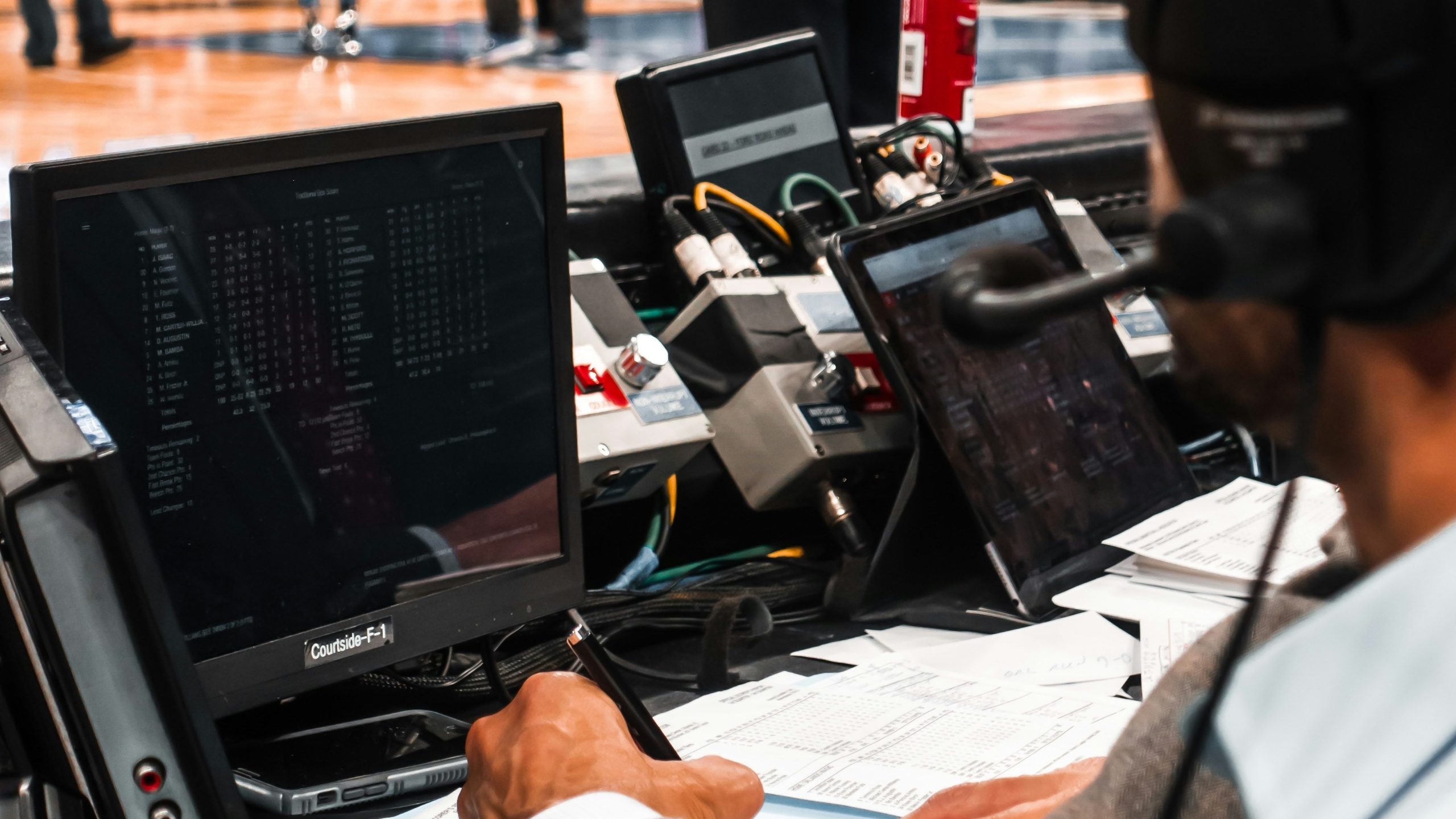
Our Take on What’s Next

There’s still work to do– pay gaps, media bias, and cultural expectations haven’t disappeared. But the tide is turning. With continued investment, athlete empowerment, and a new generation of fans demanding equity, March Madness might just become the most balanced battleground in sports. This shift is not only reshaping the game but also redefining the power dynamics within the sports industry.

At Athelo Group, we’ve always believed the future of sports is inclusive, marketable, and athlete-powered. NCAA Women’s March Madness is proving just that.

Whether it’s through NIL innovation, brand building, or audience engagement, female athletes are stepping into the spotlight and staying there. As this movement grows, we’re committed to supporting the athletes driving it forward.

AI in Sports: How ESPN Is Leveraging Tech to Highlight Niche Sports

The NFL recently partnered with Genius Sports, a data and technology company, to bring artificial intelligence to the forefront of sports broadcasting. With cloud technology and machine learning, broadcasts can now display real-time metrics and player trails directly on screen. AI in sports doesn’t end with major leagues, either. In recent years, AI has been transforming the entire sports media landscape, making it easier to cover sports with niche fan bases, like lacrosse and women’s soccer. For large networks like ESPN, AI helps them deliver timely, diverse content for fans of these less-publicized sports without stretching their resources.

ai in sports

AI-Powered Coverage for Niche Sports

ESPN has recently partnered with Microsoft to integrate AI into its coverage, allowing it to automate the creation of game recaps, highlights, and summaries in real time. By using machine learning to identify key plays and scoring moments, ESPN can generate instant updates without the need for manual editing. These updates are directly available on ESPN’s app, providing fans with quick access to scores, play-by-play recaps, and game highlights for leagues like the Premier Lacrosse League (PLL) and the National Women’s Soccer League (NWSL). 

AI has become essential for sports networks, helping to fill in coverage gaps as journalists are often stretched thin covering high-profile games in the NBA, NFL, or MLB. With AI handling the time-consuming tasks of summarizing and creating recaps, reporters are freed up to dive deeper into analysis and breaking news, ultimately enhancing the depth and quality of sports coverage.

ai in sports

Personalization and Accessibility

One of the most exciting benefits of AI integration at ESPN is the level of customization it provides for viewers. AI analyzes viewing habits, preferences, and even favorite teams to create a unique SportsCenter experience tailored to individual users. For instance, fans can receive personalized highlight reels or recap videos focusing on specific players, teams, or game moments they care about most. Additionally, ESPN’s AI-driven features include voice-narrated news segments, allowing fans to stay informed hands-free—a great option for commutes or multitasking. For accessibility, AI also generates closed captions and language-adaptive highlight reels, making it easier for fans with hearing impairments or language barriers to stay connected to the content they love.

The goal is to ensure that fans of all sports—even the more niche ones—receive timely, relevant updates that rival the coverage of mainstream sports. ESPN chairman Jimmy Pitaro emphasizes that AI is not just a tool for efficiency but a way to enhance the fan experience. He envisions AI as a bridge, offering personalized experiences like tailored highlight reels and interactive SportsCenter options that make every fan feel engaged, regardless of the sport they follow.

ai in sports

 Weighing the Impact on Journalism

Incorporating AI into sports media has certainly raised some concerns about the impact on jobs, especially after the controversy with Sports Illustrated using AI-generated articles. Initially, many journalists and readers were upset by the idea of automation replacing human writers, fearing it would diminish the quality of sports journalism. However, AI in sports media is intended to complement, not replace, human writers by automating repetitive tasks such as generating game summaries. This allows reporters to focus on more in-depth and nuanced coverage, such as analysis and breaking news, while AI fills in the gaps. As this technology continues to evolve, the balance between efficiency and maintaining human storytelling remains a central ethical consideration in the industry.

ai in sports

The Future of AI in Sports Media

With AI tools enhancing sports media, sports like lacrosse and women’s soccer now have greater opportunities to connect with new audiences. As this technology advances, we can expect even more personalized and inclusive fan experiences. For journalists, AI offers the chance to prioritize impactful storytelling over routine tasks. Looking ahead, AI’s role in reshaping sports media will continue to grow, ensuring that every sport gets the attention it deserves and that fans, no matter their interest, stay engaged. The future of sports coverage is evolving—are we ready for it?

Sources:

  1. https://www.poynter.org/commentary/2024/espn-artificial-intelligence-pll-nwsl-coverage/
    https://www.sportspromedia.com/insights/features/sports-broadcasting-artificial-intelligence-production-content/
  2. https://www.espnfrontrow.com/2024/09/enhancing-espns-game-recaps-for-underserved-sports-using-ai/
  3. https://www.espn.com/pll/story/_/id/41101353/whipsnakes-edge-outlaws-11-10-pll-quarterfinal-thriller 
  4. https://www.sportspromedia.com/insights/features/sports-broadcasting-artificial-intelligence-production-content/
  5. https://www.pbs.org/newshour/economy/sports-illustrated-found-publishing-ai-generated-stories-photos-and-authors

Become a Sponsor.

Join us in making a difference. Tell us a bit about yourself and we’ll be in touch with sponsorship details.

By submitting this form, you agree to be contacted by the Athelo Group team regarding sponsorship opportunities.