
ACL Injuries in Women’s Sports: Why Rates Are Rising & Solutions

The sports industry recently witnessed a major shift towards addressing gender-specific health concerns, especially surrounding anterior cruciate ligament (ACL) injuries in female athletes

Historically, sports medicine research predominantly focused on male athletes, often ignoring the key physical and biomechanical differences in women. But now, growing research is helping explain why female athletes face higher risks for ACL injuries.

This turning point is influencing both sports science and brand strategies

Quick Highlights

female athlete risking acl injury on tennis court

Understanding the Gender Disparity in ACL Injuries

Female athletes are at a much higher risk to tear their ACLs compared to their male counterparts due to a mix of biological and physical factors.

There is a mix of modifiable and non-modifiable aspects that play a part in the difference between male and female risk.

Dr. Mary K. Mulcahey, division director of Sports Medicine at Loyola University highlights that “non-modifiable risk factors, things we cannot change, include gender-related differences in knee anatomy, like the size of the ACL and hormonal fluctuations during the menstrual cycle.” 

She mentions that other factors, like muscle strength and landing technique, can be improved through training and conditioning. With focused research, there is potential for improvements in preventative health for female athletes to better understand their bodies and prevent injury.

The Rise of Female-Focused Medical Research

For decades, most medical and sports science research relied heavily on male participants, shaping protocols, treatments, and training standards based on male bodies and physiology. However, there’s been a growing recognition that female athletes have unique needs that require dedicated attention, from hormones and joint stability to recovery patterns and injury prevention.

This broader trend of female-focused medical research is finally gaining traction across multiple fields. In fact, there is an estimated 10 to 20 percent annual increasing rate of research dedicated to female athletes.

Researchers are finding that sex-based differences impact everything from drug efficacy to pain tolerance. In sports, that includes injury risk — yet female athletes are still less likely to receive targeted injury prevention training. One study found that less than half of high school girls reported access to these programs, despite their elevated risk.

This means women need different prevention strategies than men. And for the sports industry, it’s more than a medical update; it’s a strategic opportunity. With better data on women’s physical health, there’s room to rethink training programs, design gear that actually fits, and build recovery systems that protect and empower female athletes.

two female athletes playing soccer on field

Industry Response: Brands’ Commitment to Research

Recognizing the need for focused research, FIFA has pledged support to studies investigating the causes of ACL injuries in female athletes. A notable example is a year-long study at Kingston University in London, which tracks hormonal fluctuations in female athletes aged 18–35 and analyzes their performance during different menstrual phases

The goal is to correlate hormonal changes with movement patterns indicative of injury risk, such as during direction changes or landings. This research aims to contribute to broader efforts to lower ACL injury rates in women’s football, acknowledging that there is no one-size-fits-all solution.

Nike is tackling ACL injuries in women’s sports through Project ACL, a three-year study launched with FIFPRO, the Professional Footballers Association, and Leeds Beckett University. The project looks at risk factors like workload, travel, and match frequency to improve injury prevention and management. By including player feedback, it aims to build more practical, athlete-informed solutions.

Product Innovation

The increasing emphasis on female-specific sports research presents significant opportunities for brands targeting female athletes. Companies like Nike and PUMA are already capitalizing on this trend.

PUMA has invested in a research study to explore ACL injuries in women’s football, aiming to develop an effective training program and enhance women’s fit for football footwear. This commitment underscores the importance of providing tailored equipment and support to female athletes.

Nike created the Phantom Luna boot, designed specifically to curb the risk of an ACL tear by including a circular traction pattern to ensure soccer players are able to pivot freely on the turf.

From designing footwear that accommodates unique biomechanical requirements to creating training programs that address gender-specific injury risks, there is a growing market for innovations that prioritize female athletes’ health and performance.
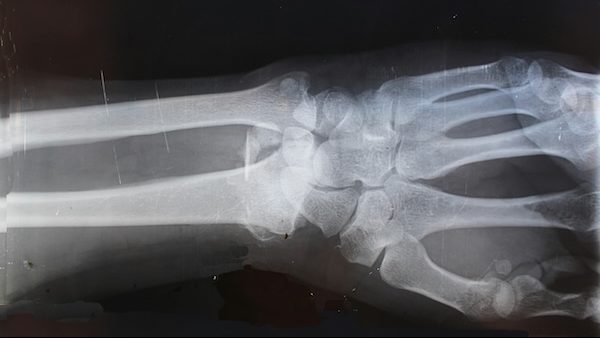
x-ray of acl injury

Authenticity and Purpose-Led Marketing

Today’s consumers, especially Gen Z and millennial women, actively seek out brands that stand for something. It’s not just about products anymore; it’s about values. Companies investing in research, supporting athlete wellbeing, and advocating for gender equity in sport build deeper emotional connections with this audience.

Campaigns that spotlight long-term athlete health, particularly in areas where women have been historically underserved, help reinforce trust and loyalty. Adidas leaned into this with its “The Ridiculous Run” campaign, which called attention to the safety challenges women face while running and encouraged men to step up as allies.

Athletes themselves are also pushing for change. Allyson Felix, one of the most decorated track and field athletes, publicly criticized Nike after the company refused to guarantee that her sponsorship wouldn’t be penalized during pregnancy. Her New York Times op-ed sparked a wave of attention, leading Nike to implement a new policy that ensures 18 months of protected pay for pregnant athletes.

Brands that authentically back this kind of advocacy, by funding research, promoting safe training environments, or supporting athletes through life transitions, aren’t just making statements. They’re building credibility and long-term loyalty with both athletes and the consumers who support them.

Investing in Women is Investing in the Game

The growing focus on ACL injuries in female athletes signals real progress in sports science and the sports industry at large. 

As leaders like FIFA and Nike invest in research and innovation, brands have a clear opportunity to meet the specific needs of women athletes and build meaningful, lasting connections with consumers.

At Athelo Group, we see this as part of a broader responsibility. We’re committed to supporting our athletes on and off the field, from injury prevention and performance to advocacy and representation. Championing women’s sports isn’t a trend for us, it’s part of how we do business.
IndyCar 2025: FOX Sports Deal & What It Means for Racing Fans

IndyCar is accelerating into a new era of visibility as fans tune into races like never before. In June of last year, IndyCar and FOX Sports announced their multi-year partnership to bring all 17 NTT IndyCar Series races to fans tuning in on TV or via the Fox Sports App. In the season-opening race in St. Petersburg, Florida, the race drew record-high viewers for any non-Indy 500 event since 2011. 

As the new home of the ‘Greatest Spectacle in Racing,’ FOX Sports has introduced several technological innovations to enhance the viewing experience. With premier production and top-tier promotion, FOX is bringing the excitement to new audiences. The biggest winners of this record-setting viewership are the corporate partners riding shotgun with race teams this season.

Quick Highlights

  • FOX’s St. Pete broadcast marked the largest non-Indy 500 audience in over a decade with 1.4 million viewers.
  • The 2025 season has seen double-digit percentage growth in viewership among fans aged 18 to 34.
  • FOX Sports broadcasts now include over 12 in-car cameras, heads-up display overlays, and extensive drone coverage.
  • Practice No. 1 and qualifying for Race 2 averaged 323,000 viewers on FOX — compared to just 20,000 average viewers on Peacock during NBC’s tenure.
  • Fox’s 2025 IndyCar marketing campaign generated almost 90% positive sentiment on social media ahead of its debut.
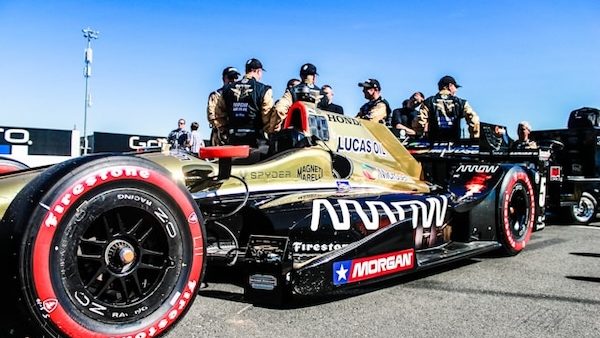
indycar series drivers posing with car

FOX’s Innovative Coverage

FOX Sports has revolutionized the 2025 IndyCar Series broadcasts, leveraging its 25 years of experience with NASCAR. New technology includes the extensive use of drone cameras, offering unique aerial perspectives that highlight the speed and strategy of races. Additionally, FOX’s “GhostCar” AI feature provides live overlays of a virtual vehicle, similar to the technology used by the NFL combine to compare athletes’ 40-yard dash paths.

12+ in-car cameras and the integration of heads-up-displays for drivers and fans are another new addition. As drones take to the sky to capture creative camera angles, their value on street courses becomes very clear. Aerial shots of the race allow fans at the race track to view far more of the action than they would otherwise have access to. 

FOX Sports will introduce a driver’s eye POV camera later this season similar to ESPN’s recent F1 broadcasts. These innovations, alongside a new graphics package inspired by IndyCar machinery, set a new gold standard in motorsports broadcasting.

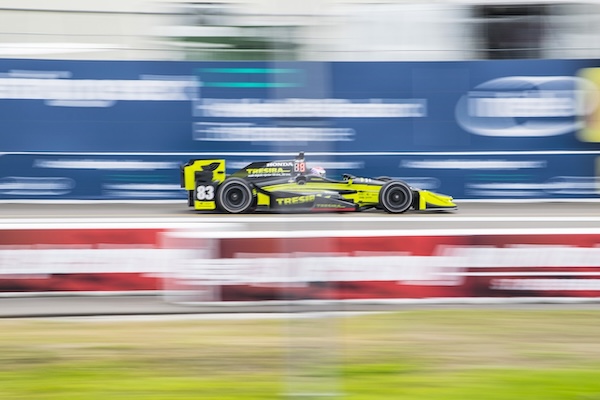
indycar series race

Impact on Race Day Ratings

With the help of FOX Sports, the 2025 IndyCar Series drew the largest non-Indy 500 audience in over a decade. Alex Palou’s victory at the Firestone Grand Prix in St. Pete garnered an average of 1.4 million viewers.

Viewership dropped for the second race of the year, partly due to its scheduling overlap with the NASCAR Cup Series’ Straight Talk Wireless 400. However, an average of 323,000 fans tuned into Friday’s Practice No. 1 and Saturday’s qualifying session broadcasts. When NBC aired these sessions on Peacock, the average viewership was only 20,000.

The FOX Sports effect on both broadcast quality and ratings has been tangible to start the season. This weekend’s race continued the trend.

indycar series car driving on track

Corporate Sponsorship Implications

The jump to FOX Sports isn’t just a ratings win for the 2025 IndyCar Series, it’s a branding bonanza. Some of the biggest winners have been the corporate partners that are leveraging the 2025 IndyCar season for what it is — the sport’s breakthrough year. Increased visibility from network television means more eyeballs on logos, liveries, and on-track activations than in previous seasons.

The 2025 season’s first races have also drawn a younger audience than ever before. Amidst the booming popularity of motorsports dating back to the release of Netflix’s Drive to Survive, NBC-tenured IndyCar struggled to capture younger fans. 

Just two races into the FOX era, the number of fans between 18 and 34 has seen double-digit percentage growth. Brands seeking to capture the brand loyalty of this valuable segment have reaped the benefits of this growth through their partnerships with race teams so far this year.

Non-endemic motorsports brands have phenomenal reach to audiences beyond the dedicated racing fans with FOX as the new broadcast provider. Living room TVs across America are increasingly tuned in to FOX Sports’ broadcasts of race weekends, but are also more frequently advertising the races thanks to FOX’s promotional campaigns.

indycar series drivers lining up for race

How Brands Can Maximize IndyCar’s Impact

The best way to maximize motorsports partnerships during the sport’s current surge is by engaging fans on and off the track. Drivers like Conor Daly are growing their influence through social media and podcasts, creating new spaces for brands to connect. Co-branded content and influencer-style campaigns help partnerships reach beyond core race fans and tap into broader audiences.

Netflix’s Drive to Survive proved fans want behind-the-scenes content and personal stories. Gen Z, in particular, responds to fast, authentic short-form content that feels real. When brands show up in these spaces on race weekends, they build stronger ties with fans and add depth to their sponsorships.

The sponsors that will win are those thinking beyond signage. FOX may be boosting motorsports visibility, but brands need to turn that attention into lasting fan connections. At Athelo Group, we help brands make the most of this opportunity.

Sports Marketing Influencers: How to Choose the Right Partners

In today’s digital environment, consumers are bombarded with content, making it difficult for brands to stand out. One effective way to break through the sports marketing noise is by partnering with the right sports personalities. These athletes not only reflect the brand’s values but also create strong emotional connections with their audiences.

Recent research in influencer marketing and consumer psychology highlights the growing influence of athlete endorsements on brand trust, credibility, and loyalty. As marketing strategies evolve, trust remains crucial, especially in sports, where the authenticity of a campaign can highly impact its success.

Quick Highlights

  • SMART objectives help brands can make more strategic partnership decisions while streamlining the athlete selection process.
  • 61% of people trust influencers more when their values align with a brand’s.
  • Micro-influencers with 10,000 to 100,000 followers can achieve up to 60% higher engagement rates compared to larger influencers.
  • 83% of marketers state that long-term collaborations outperform short-term ones.
  • Authenticity drives sales, as 92% of consumers trust influencer recommendations more than traditional ads.
adidas brand shoe in sports marketing campaign

Identifying Brand Goals and Objectives

The first step in selecting the right influencer is understanding your brand’s goals. Are you aiming for increased awareness, loyalty, or promoting a specific product? Knowing your objectives will guide the choice of an athlete who can spark the right kind of engagement.

A prime example of this is Nike’s partnership with marathoner Eliud Kipchoge for the Breaking2 campaign. The collaboration wasn’t just about selling shoes; it was about showcasing Nike’s commitment to innovation and pushing human limits. The 2017 campaign solidified Nike’s credibility in the running community and inspired athletes around the world to strive for greatness.

Athletes vs. Digital Influencers

When it comes to brand partnerships, choosing between athletes and digital influencers comes down to impact. Athletes bring a level of authenticity and deep fan loyalty that influencers can struggle to match. When someone like Serena Williams or Patrick Mahomes endorses a product, fans see it as a genuine extension of their success. 

Digital influencers, especially those in niche sports, are rewriting the playbook. Fitness personalities like Noelle Benepe or lacrosse star Paul Rabil have built strong, engaged communities that brands are eager to tap into. In 2022, micro-influencers with audiences between 10,000 and 100,000 followers achieved engagement rates up to 60% higher than top-tier social media celebrities. 

Brands aiming to scale visibility fast often find success partnering with athletes who dominate on and off the field. Athletes active in mainstream sports already have exposure across ESPN, brand deals, and global fanbases. Meanwhile, brands looking to foster stronger ties within specific communities are finding that working with smaller influencers can drive more authentic and lasting connections.

athlete influencer in fitness sports marketing campaign

The Athlete-Brand Fit

Picking the right sports influencer is about more than just numbers. It starts with making sure the athlete’s values, public image, and the brand’s mission actually fit together. In a 2021 Edelman survey, 61% of people said they trust influencers over traditional celebrities, but only when the partnership feels real and aligned.

When the athlete’s personal brand lines up with the company’s message, the connection hits harder. Athletes with a clear focus use storytelling to show fans what they stand for, which makes them a natural fit for brands that share their values. A partnership that feels forced never works, but when it clicks, fans notice.

A perfect example is the Wow Wipes campaign, where Athelo Group teamed up with athletes like Brisa Hennessy, Zoe Benedetto, Dani Speegle, Kyra Milligan, and Alex Aust. Every athlete lives a high-intensity, on-the-go lifestyle, so showing them using the product felt natural. That authenticity is what made the campaign take off and why followers bought into it.

On a larger scale, Beats by Dre’s partnership with LeBron James proves how powerful a real match can be. LeBron’s work ethic, intensity, and cultural impact synced perfectly with Beats’ brand of performance and street-smart style. When fans saw that connection, it became a social movement.

The Power of Knowing Your Audience

After finding the right athlete, brands must ensure the athlete’s audience matches their target market. A large following isn’t enough if the fans aren’t the right fit. Brands have to look at factors like age, location, and buying habits to make sure the partnership will actually move the needle.

Coca-Cola nailed this during the 2014 World Cup by partnering with Lionel Messi. As an official sponsor of the tournament, Coca-Cola made Messi the face of a campaign built around a $500 million global marketing push. His reach across Latin America, Europe, and Asia helped drive a 5% sales increase in Latin America alone, making it one of Coke’s strongest performances worldwide. Coca-Cola even localized its messaging by country to personalize the campaign everywhere it ran.

The best partnerships happen when brands actually know their audience. Without solid audience data, even the biggest campaigns can miss the mark. A Nielsen report found that only 26% of marketers fully trust their audience data, which shows just how much room there is to get sharper and smarter in building athlete collaborations that actually land.

sports player throwing soccer ball

Why Focusing on Long-Term Partnerships Matters

One-off influencer campaigns create quick buzz, but long-term partnerships build real brand loyalty. When a brand works with an athlete over time, the connection with fans grows deeper and feels more authentic. A lasting relationship turns a brand’s message into part of the athlete’s story.

A prime example of this is Nike’s 27-year partnership with Tiger Woods. This enduring relationship has allowed Nike to not only market products but to integrate Woods’ personal journey into their brand narrative. The star became the face of the Nike Golf brand, representing excellence and perseverance.

This evolution aligns with the broader trend of athletes taking on entrepreneurial roles. Rather than serving as temporary endorsers, many athletes are now seeking equity stakes and long-term involvement in the brands they represent. We’ve seen this with Woods’ creation of TMRW Golf League and Allyson Felix’s women’s footwear brand Saysh, which raised $8 million in Series A funding. 

The shift toward deeper partnerships matters for brands too. A Marketing Dive report found that 83% of marketers believe long-term influencer relationships are more effective than short-term deals. Fans stick with athletes they believe in, so long-term partnerships help brands build deeper trust and stronger recognition among consumers.

Partnerships for Lasting Brand Success

KPIs are important, but they are not the full picture. Long-term partnerships often build value over time by turning athletes into authentic ambassadors who shape how fans see a brand. Real success comes when an athlete’s connection with a brand feels bigger than a single campaign.

Looking ahead, brands that want to expand reach and loyalty in sports will need a smarter strategy. Partnering with a sports marketing agency like Athelo Group can help brands move beyond short-term wins and build long-term athlete relationships. Success will depend less on quick sales spikes and more on deeper metrics like sentiment analysis and brand affinity, setting the stage for partnerships that truly resonate with fans.

Harnessing Data Analytics in Sports for Targeted Sponsorship

Data isn’t just shaping the game on the court— it’s revolutionizing how leagues like the NBA and its sponsors connect with fans and drive revenue. Specifically, the NBA’s partnership with Microsoft leverages data analytics in sports to study fan engagement across platforms, game attendance, and merchandise sales. These insights empower the league and its sponsors to create targeted, personalized campaigns, such as tailored advertisements during broadcasts or exclusive promotions for specific fan segments. As competition for consumer attention grows, data-driven strategies like these help brands resonate more deeply with audiences, boost sponsorship effectiveness, and gain a decisive edge.

data analytics in sports

Understanding Fan Demographics

The foundation of any successful sponsorship strategy is a deep understanding of fan demographics. Brands can analyze data from various sources, including social media platforms, ticket sales, and fan surveys, to gain insights into the demographics of their target audience. For instance, Wow Wipes has successfully leveraged social media platforms like Instagram to engage younger fans through their collaborations with influencers and athletes like surfing star Brisa Hennessy. By focusing on platforms where millennial and Gen Z audiences spend time, Wow Wipes reaches a highly targeted demographic, maximizing engagement and brand visibility.

data analytics in sports

Behavioral Analytics

In addition to demographic insights, behavioral analytics play a crucial role in refining sponsorship strategies. By studying fan behavior such as purchasing patterns, online interactions, and event attendance, brands can identify high-value fan segments that are more likely to engage with their products. The NFL has used behavioral analytics to tailor merchandise offerings based on fan preferences. By analyzing purchasing trends, the league identified that fans of specific teams, like the Dallas Cowboys, are especially eager to buy branded gear. They then created targeted campaigns for these high-value fan segments, offering exclusive items and timed discounts.

Data-driven insights can also inform the timing and channels for marketing efforts. Brands can determine when fans are most engaged—whether during game days, off-season, or special events—and tailor their campaigns accordingly. By focusing resources on these key times, brands can maximize their impact and improve the overall effectiveness of their data analytics in sports sponsorships.

Predictive Analytics

One of the most powerful tools in data analytics is predictive analytics. By leveraging historical data and advanced algorithms, brands can forecast future trends in fan engagement and sponsorship effectiveness. This capability allows companies to anticipate changes in fan behavior and adjust their strategies proactively. PepsiCo has utilized predictive analytics to stay ahead of sports sponsorship trends. Noticing the growing interest in esports, PepsiCo invested in partnerships with organizations like Team SoloMid (TSM) and expanded their portfolio into the gaming sphere, positioning themselves early in a rapidly growing market.

This technology also enables brands to calculate the potential value of sponsorship opportunities with precision. By studying past performance data, companies can pinpoint which partnerships are most likely to drive engagement and revenue, ensuring marketing dollars are spent wisely. Platforms like Google Analytics enhance this process by offering a granular view of fan preferences and behaviors, equipping brands with actionable insights to make confident, data analytics in sports-driven decisions.

data analytics in sports

Measuring and Maximizing Sponsorship Impact Through Collaboration

Effectively measuring sponsorship impact is critical for ensuring a positive return on investment. By using data-driven metrics, brands can evaluate key aspects like brand awareness, engagement rates, and campaign performance. Real-time tracking of key performance indicators (KPIs) allows sponsors to refine their strategies on the fly, optimizing outcomes.

Collaborative data sharing between teams and sponsors is taking these efforts to the next level. By pooling insights, both parties gain a deeper understanding of fan preferences and behaviors, leading to more effective activations and campaigns. For example, Nike’s partnership with the NBA showcases the power of shared data. By analyzing team-provided fan demographics and attendance data, Nike tailored campaigns promoting limited-edition sneakers to specific markets. Simultaneously, Nike’s insights into customer buying trends helped the NBA identify untapped opportunities to enhance fan engagement. This mutually beneficial approach not only elevated sponsorship effectiveness but also enriched the overall fan experience.

data analytics in sports

Future of Data in Sports Sponsorship

The future of sports sponsorship lies in the ability to harness data to create meaningful, lasting connections with fans. By leveraging insights into fan demographics and behaviors, brands can craft personalized marketing strategies that drive deeper engagement and greater success. Prioritizing data analytics will not only enhance the effectiveness of sponsorships but also ensure brands remain relevant and impactful in an increasingly competitive landscape.

Sources:

  1. https://www2.deloitte.com/us/en/pages/consumer-business/articles/fan-engagement-analytics-improve-fan-experiences.html
  2. https://www.pwc.com/us/en/industries/tmt/library/sports-sponsorships-playbook.html
  3. https://www.sponsorcx.com/the-importance-of-data-analytics-in-sponsorship-management/
  4. https://www.thedrum.com/open-mic/making-sponsorships-a-team-sport-with-data-collaboration
  5. https://business.fiu.edu/academics/graduate/insights/posts/the-role-of-data-in-sports-management.html
  6. https://www.nielsen.com/insights/2019/how-to-win-with-data-driven-decision-making-in-sports-sponsorship/

The Winning Playbook: Securing Success in Sports Influencer Marketing Strategy

With the influencer marketing industry expected to top $21B by the end of 2023, we’re seeing more and more athletes get in on the action. In fact, the sports vertical’s presence in the influencer space has grown three times in the past year alone! AG athletes like lacrosse star Alex Aust and CrossFit powerhouse Dani Speegle are actively showing us how it’s done by blending athleticism with an influencer charm that fosters relationships and captures audiences. It’s clear that at the exciting intersection of sports and influencer marketing, nailing long-term success means establishing authenticity, fostering engagement, and connecting consumers with a personal brand. As a result of these efforts, brands and athletes can unlock the full potential of sports influencer marketing strategy.

influencer marketing strategy

Authenticity

Authenticity in content creation within the sports landscape is essential to foster compelling storytelling. Athletes-turned-influencers embrace this authenticity by sharing the highs and lows of their journeys, exposing vulnerabilities, and presenting a multifaceted view of their lives that shares their unique identity. Simone Biles is an excellent example of an athlete that has shared her vulnerabilities. Biles has a huge social media platform, with 1.7M followers on Twitter alone. Over the years, she has used her platform to take a stand and enact change. In 2021, she spoke out to stop the governing body of USA Gymnastics from turning a blind eye to sexual assault allegations. Biles’ courage captivated her audience and helped cultivate a lucrative brand partnership with Athleta. Her transparency illustrates the human behind the athlete—a relatable figure navigating challenges, celebrating victories, and embodying resilience.

Another athlete to utilize authenticity is Baron Davis. After a career-ending injury left him wheelchair-bound and in chronic pain, Davis decided to dress up as “Black Santa” for Halloween. Based on the reaction he received from fans, he created The Black Santa Company in 2015. His media empire has dedicated itself to celebrating diversity in storytelling content ever since. Initiatives like Davis’ show how influencer authenticity builds trust and credibility with audiences. When people feel that an influencer is genuine, they are more likely to engage with their content and see them as a reliable source. 

Impactful Partnerships

When brands team up with athlete-influencers, they also seek authenticity in their partnerships. By investing in genuine, enduring relationships, brands bank on winning the sustained loyalty of their consumer base. Under Armour, for example, partnered long-term with Steph Curry back in 2013. Curry explained to his fans that “Under Armour bet on me, and I bet on them.” The partnership is rooted in authenticity and impact with an underlying goal to fund community initiatives that boost opportunity, access, and equity for the next generation of athletes.  Brands like Under Armour that invest time and resources into nurturing these relationships often reap the rewards of consistent collaborations that evolve over time.

In a similar fashion, Nike partnered with French basketball star, Rudy Gobert. Together, they spearheaded a new basketball court in Paris Levallois-Perret and created a space that offers academic support in disciplines such as writing, music, community outreach, and athletic development. Dedicated investments like these not only ensure a steady stream of engaging content but also build a foundation for long-lasting, meaningful partnership in the ever-changing world of sports influencer marketing. 

influencer marketing strategy

Diversification

Long-term success in sports influencer marketing also thrives on cross-market diversification. Brands often choose a diversification strategy either to reach niches within their industry or to extend operations into new markets. Red Bull and GoPro employed this strategy in 2016 to diversify partnerships across a spectrum of influencers, each with their own unique reach and audience. Netting audiences in two different verticals, Red Bull and GoPro could impact both the action sports and energy drink space. This strategy not only broadens brand exposure but also taps into various niches within the sports landscape, allowing for a more comprehensive and diverse engagement with audiences.

Measuring Results

After employing an influencer marketing strategy like diversification, it’s critical to measure efficacy. Beyond social media likes and shares, analyzing metrics like engagement rates, audience demographics, sentiment, and conversion offers a comprehensive understanding of campaign impact. These metrics reveal audience response, highlighting what resonates and what doesn’t. By dissecting these data points, brands learn how to better refine future campaigns and how to best select sports influencers.

Ultimately, success in sports influencer marketing is not always a clear-cut playbook. Every athlete has a unique personal brand with an audience to match, but it’s the impact and authenticity of their brand partnerships that truly resonate with audiences. As the sports influencer marketing space continues to expand, we can look forward to the exciting new partnerships and figures that are sure to emerge in 2024.

Sources:

  1. https://aicontentfy.com/en/blog/importance-of-influencer-authenticity-for-effective-content-sharing#:~:text=Influencer%20authenticity%20is%20important%20because,a%20reliable%20source%20of%20information.
  2. https://fastercapital.com/startup-topic/Impact-through-Influencer-Marketing.html
  3. https://www.business.com/articles/why-influencer-marketing-should-focus-on-relationships/#
  4. https://www.business-standard.com/article/sports/social-media-has-helped-gen-z-athletes-find-their-authentic-voice-121081700694_1.html
  5. https://www.ypulse.com/article/2019/07/02/athletes-to-influencers-how-social-media-has-changed-the-game-for-pro-sport/
  6. https://www.prnewswire.com/news-releases/gopro-and-red-bull-form-exclusive-global-partnership-300273533.html
  7. https://www.prnewswire.com/news-releases/under-armour-and-stephen-curry-enter-long-term-partnership-301785333.html
  8. https://hypebeast.com/2022/12/nike-athlete-partnership-future-of-sport-campaign
  9. https://influencermarketinghub.com/influencer-marketing-benchmark-report/

Become a Sponsor.

Join us in making a difference. Tell us a bit about yourself and we’ll be in touch with sponsorship details.

By submitting this form, you agree to be contacted by the Athelo Group team regarding sponsorship opportunities.