The Economics of the Indianapolis 500: How One Race Generates Millions

Every May, the roar of engines at the Indianapolis Motor Speedway becomes more than just a racing spectacle. It has become one of the biggest economic engines in sports. 

The Indy 500 is not only a cornerstone of American motorsports culture, but also a massive business ecosystem. It is fueled by sponsorships, tourism, media exposure, hospitality, and brand activations.

For brands, teams, athletes, and the city of Indianapolis itself, the Indy 500 represents a unique opportunity: one event capable of generating millions in economic impact while delivering unmatched fan engagement and storytelling opportunities.

At a time when sports marketing is increasingly driven by authenticity, experiential engagement, and cultural moments, the Indy 500 continues to prove why legacy events still hold enormous commercial power.

Quick Highlights

  • Indianapolis Motor Speedway generates more than $1.058 billion in annual economic activity for the state of Indiana.
  • IMS-related activity supports around 8,440 full-time equivalent jobs and pumps an estimated $360 million in labor income into Indiana’s economy.
  • IndyCar teams are actively diversifying their commercial portfolios, pulling in partners from industries well outside the traditional motorsports world. 
  • TV exposure gets the headlines. But some of the most valuable business at the Indy 500 doesn’t happen on camera at all.
View this post on Instagram

A post shared by Jordan Agajanian (@jordanagajanian)

More Than Just A Race

The Indy 500 is no longer just a three-hour competition. Over race weekend, hundreds of thousands of fans travel to Indianapolis, filling hotels, restaurants, bars, transportation services, and local businesses throughout the city.

The numbers don’t lie. According to a study by the Indiana University Public Policy Institute, Indianapolis Motor Speedway generates more than $1.058 billion in annual economic activity for the state of Indiana. More than half of that, roughly $566.4 million, comes from the month of May alone.

That economic impact extends far beyond the racetrack.

Hotels sell out across the city. Restaurants and bars run at capacity. Transportation hospitality, retail; the entire city feels it. The study also found that IMS-related activity supports around 8,440 full-time equivalent jobs and pumps an estimated $360 million in labor income into Indiana’s economy.

One race weekend. That’s the scale we’re talking about.

Sponsorships Fuel The Entire Ecosystem

Motorsports has always been deeply connected to sponsorships, but the Indy 500 operates on another level. A logo on a car is no longer the product. That’s just the entry point.

According to reporting from the Indianapolis Business Journal, IndyCar teams are actively diversifying their commercial portfolios, pulling in partners from industries well outside the traditional motorsports world. 

Today’s deals stack across multiple layers:

  • Race weekend hospitality and client entertainment
  • Driver-led content 
  • Social media campaigns
  • On-site activations at the Indianapolis Motor Speedway
  • Year-round brand integration across the IndyCar season

At the same time, IndyCar’s biggest event, the Indy 500, acts as the main stage. Sponsors who may only activate heavily around this single race can still receive massive exposure due to the scale, tradition, and media attention surrounding the event.
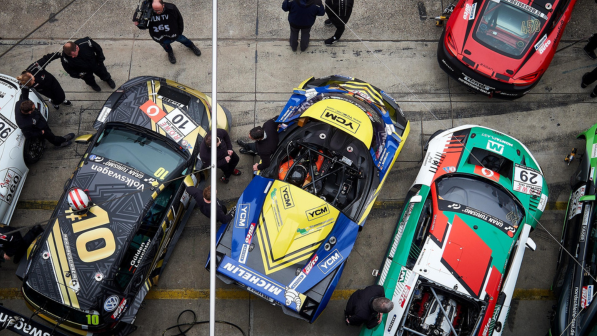
Indianapolis 500

Hospitality May be the Most Valuable Asset

TV exposure gets the headlines. But some of the most valuable business at the Indy 500 doesn’t happen on camera at all.

Corporate hospitality has become one of the race’s most valuable sponsorship assets. Suites, pit access, garage tours, and VIP experiences allow companies to entertain clients, reward employees, and build relationships in a high-energy environment.

In many cases, the true ROI of a motorsports partnership comes from the business relationships created during race weekend rather than from media impressions alone.

Deals are discussed in suites. Partnerships are strengthened in hospitality areas. Relationships are built through shared experiences.

That is part of what makes the Indy 500 unique compared to traditional advertising channels. 

Drivers Have Become Media Brands

The modern IndyCar driver is no longer just defined by performance on race day. They’re content creators, brand voices, podcast hosts, and social media presences, and sponsors know it.

Social media has fundamentally changed how fans connect with the sport. Drivers are now able to build direct relationships with audiences in real time, sharing behind-the-scenes moments, personal perspectives, training routines, and race-weekend experiences. This level of access has turned drivers into everyday storytellers, not just athletes in helmets.

For sponsors, that shift has created an entirely new layer of value. A driver’s impact is no longer limited to what happens on track. Their personality, online presence, and ability to engage fans now play a major role in shaping partnership decisions.

This has also changed how sponsorships are activated.

Instead of relying solely on traditional logo placement, brands now expect drivers to participate in content creation, social campaigns, and storytelling that continues throughout the season. The most effective partnerships are the ones where the driver becomes a natural extension of the brand’s voice, not just a visual asset on the vehicle.

Why The Indy 500 Still Matters

In an era filled with endless content and fragmented attention spans, the Indy 500 continues to stand out because it combines tradition, scale, speed, community, and business opportunities all in one weekend. 

Very few sporting events can offer all of those elements simultaneously.

The race remains one of the rare sports spectacles where brands, fans, athletes, and businesses all intersect in a meaningful way. Whether through sponsorships, experiential activations, hospitality, or content creation, the Indy 500 continues to generate value far beyond the racetrack.

And as sports marketing keeps pushing toward authentic storytelling and experience-driven engagement, the business case for the Indy 500 only gets stronger.

The race itself is great. But what happens around it? That might be the real show.

FAQ:

  1. How much do IndyCar sponsorships cost? Costs vary depending on the level of partnership. Associate sponsorships can range from low six figures, while primary or full-season deals can reach into the millions. The Indy 500 itself often commands premium pricing because of its global visibility and concentrated audience.
  2. How does the Indy 500 make money? Revenue comes from multiple streams including ticket sales, corporate hospitality suites, sponsorship deals, broadcast rights, merchandise, and event-week activations. Unlike many sports, a significant portion of value is also created indirectly through tourism and brand-driven spending across the city.
  3. Why does the Indy 500 winner drink milk? The milk tradition started in 1936 when winner Louis Meyer drank buttermilk in victory lane after his win. A dairy executive turned it into a marketing moment, and the tradition stuck. Today, every winner of the Indianapolis 500 is offered milk on the podium, choosing from whole, 2%, or skim. It’s now one of the most iconic victory traditions in sports.
  4. How much money does the Indy 500 winner make? The winner of the Indianapolis 500 typically earns around $2 million or more, depending on the yearly prize purse. The total purse has recently exceeded $15 million, with payouts distributed across the full finishing order.
  5. Do sponsors pay drivers directly? In many cases, sponsors fund teams rather than paying drivers directly. However, drivers often benefit through contracts that include salary, bonuses, and personal endorsement opportunities tied to their sponsor relationships.
NASCAR Legal Showdown: What’s at Stake

In October 2024, NASCAR teams 23XI Racing and Front Row Motorsports filed a lawsuit challenging NASCAR’s new charter system, claiming that NASCAR and Chairman Jim France have violated U.S. antitrust laws.

With so much uncertainty around the charter agreement, the outcome could reshape NASCAR’s business model and competitive landscape. The lawsuit is still ongoing, making this a case fans will want to watch closely.

Quick Highlights:

  • There are 36 charters in the NASCAR Cup Series, and each one guarantees a team entry into every points race.
  • Charters are valuable business assets currently worth an estimated $20 to $25 million, with some selling for over $40 million.
  • Under the charter agreement, teams receive about 39% of broadcast revenue, while NASCAR keeps 51% and tracks receive 10%.
  • Teams receive a relatively small share of broadcast income, so they rely on sponsorships for 60% to 80% of their yearly revenue.
  • NASCAR’s Year-End Point Fund, which awards money based on the final standings, is expected to grow from $33.7 million in 2025 to over $40 million by 2031.
  • A U.S. District Judge recently stated that NASCAR effectively holds a 100% market share in premier stock-car racing, which has become a key point in the antitrust dispute.
nascar pit crew member

What Led to this Dispute?

NASCAR introduced the charter system in 2016, giving 36 teams guaranteed entry into races and a share of revenue. The value of a team is now heavily tied to its charter, which helped stabilize the sport financially.

A new multiyear charter agreement was proposed for the 2025 season, and many teams declined to sign on. They argued the terms would reduce their independence and create anticompetitive conditions. 

In October 2024, 23XI Racing and Front Row Motorsports filed an antitrust lawsuit against NASCAR and Chairman Jim France. With charters now selling for over $40 million, teams say NASCAR holds too much power.

Progress Since the Initial Filing

Almost immediately after the filing, the case drew national attention. The involvement of Michael Jordan as a co-owner of 23XI Racing brought even more focus to a lawsuit that challenges how NASCAR governs its teams.

In the months that followed, the case moved quickly through the courts. The teams secured an early win when a federal judge granted a temporary injunction allowing them to compete as chartered teams for the 2025 season while the lawsuit continued.

NASCAR later appealed the ruling. As a result, the teams had to race as “open” teams, which meant they no longer had guaranteed race entry or payouts under the charter system.

The litigation has since continued through discovery, summary-judgment motions, and settlement discussions. As of October 2025, both sides are still negotiating. Unless an agreement is reached, the trial is set to begin on December 1.

nascar race track

23XI Racing and Front Row Motorsports’ Perspective

23XI Racing and Front Row Motorsports argue that the new charter agreement included release clauses and other provisions that forced teams to accept terms under threat of losing their guaranteed racing status.

The teams argue that NASCAR’s dominance in the stock car racing market allows it to exclude or severely disadvantage teams that push back. According to the lawsuit, these terms harm competition, reduce team revenue opportunities, and impact the marketplace for charters and team ownership. 

Their main goal in court is to obtain relief and possibly rewrite the terms in the charter that they see as unenforceable. They also intend to limit NASCAR’s future use of such clauses. 

NASCAR and CEO Jim France’s Argument

NASCAR argues that, as the governing body of a national racing series, it has the right to set rules and contract terms that ensure the sport operates smoothly. This includes protecting its commercial relationships with tracks, broadcasters, and sponsors.

They argue that standard contract features like releases, exclusivity, and noncompete-type provisions are lawful and necessary to run a coherent national series.

Jim France and NASCAR emphasize how its charter rules, track exclusivity, and performance standards are essential to maintain broadcasting deals and other necessities in operating a racing series. 

From NASCAR’s perspective, allowing teams to pick apart the agreement would create instability across the entire Cup Series.

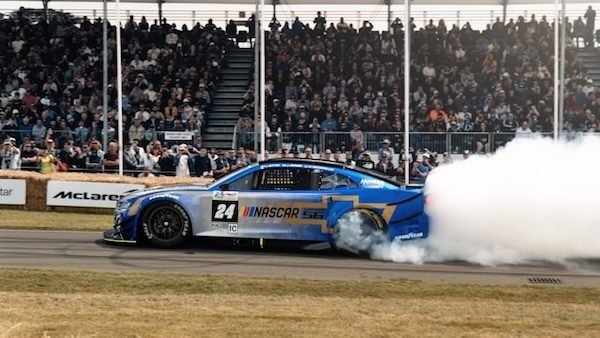
car in nascar race

What if 23XI and Front Row Win?

If 23XI and Front Row win, the most direct outcome would be changes to NASCAR’s charter agreement. The court could force NASCAR to renegotiate charter terms with teams, reducing NASCAR’s control over charter pricing and creating a more open market.

Beyond the charter rewrite, the teams are also seeking broader changes to how NASCAR operates. Their goals include requiring NASCAR to divest from the racetracks it owns and allowing more stock-car racing events at Cup Series venues.

A ruling in the teams’ favor would reshape NASCAR and set a precedent for other sports leagues. Fans could see more transparency and stronger protections for team ownership in the future.

What if NASCAR Wins?

If NASCAR wins, it will maintain a firm grip over charter terms, transfers, and performance rules. That result would bring stability to the Cup Series and keep TV partners and sponsors confident in the system.

A victory for NASCAR could also push charter values even higher, since guaranteed entry would remain tightly controlled and demand for the 36 charters would stay strong.

This result would reinforce NASCAR’s authority over the sport and limit future antitrust challenges. It would signal that leagues can continue to set restrictive terms without risking legal consequences.

No matter which side prevails, this case will play a major role in how professional racing is governed and will define how much or how little power teams have in shaping the future of the sport.

MotoGP vs. F1 Teams: Pushing the Limits of Extreme Racing

The high-speed worlds of Formula 1 and MotoGP are both thrilling, but each pushes motorsport in a different direction. F1 teams represent the peak of open-wheel engineering and data-driven strategy, while MotoGP showcases the fastest bikes and most fearless riders on two wheels.

Both are filled with elite athletes, cutting-edge machines, and massive global followings, but couldn’t be more different when it comes to how they test the boundaries of speed, strategy, and human endurance. 

With recent momentum building around U.S. interest in international racing thanks to series like Drive to Survive and standout Grand Prix moments, now’s the perfect time to break down what sets F1 teams and MotoGP apart.

Quick Highlights:

  • F1 cars reach top speeds of ~231 mph, while MotoGP bikes hit ~225 mph.
  • F1 drivers endure up to 6 Gs of force in corners, with cockpit temperatures exceeding 140°F.
  • F1 cars weigh ~1,760 lbs (including driver) with 1,000+ hp. MotoGP bikes weigh just ~350 lbs with ~280 hp, resulting in a much higher power-to-weight ratio.
  • MotoGP sees far more crashes per season (1,000+ across all classes in 2023) due to the open nature of the sport. F1 crashes are rare, but often more violent.
  • F1 relies on massive teams of 300-1200 people. MotoGP prioritizes rider instinct and physical agility, with much smaller team operations.
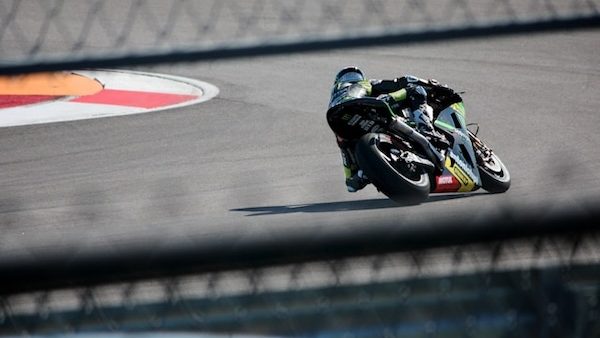
motogp racer

Machines Made for Mayhem

F1 might win the top-speed stat sheet, but MotoGP’s acceleration and agility put them nearly neck and neck. F1 cars generate immense downforce that lets them corner like no other vehicles on Earth. Think Lewis Hamilton carving through Maggotts-Becketts at over 170 mph, a move that highlights how critical precision and grip is in F1 racing.

In contrast, MotoGP riders rely on body control and instinct, like Marc Márquez’s famous 2019 save in Thailand when he caught a slide with his elbow mid-turn.

Where F1 thrives on aerodynamic mastery, MotoGP is all about physical finesse and control. Each sport demands a different type of athleticism, pushing the human body in unique ways.

Two Forms of Athleticism

F1 drivers are often overlooked as athletes, but their necks must endure immense G-forces while maintaining control for up to two hours in extreme heat. In Drive to Survive, Daniel Ricciardo and Carlos Sainz Jr. are shown performing resistance band neck workouts to prepare for the extreme lateral forces of racing, which can reach up to 6Gs during high-speed corners and braking zones.

On the other side, MotoGP athletes must physically wrestle their machines through corners, keep balance on two wheels, and adapt to rain, wind, and flat conditions with no protective cockpit. Riders like Fabio Quartararo and Marc Márquez spend hours on core work using wobble boards, BOSU balls, and stability discs to simulate the constant balance adjustments required on a bike leaning at over 60 degrees.

Both sports demand elite conditioning, but training comes in very different forms.

Danger Factor

Despite incredible advances in safety, F1 remains a dangerous sport. But when it comes to risk, MotoGP arguably takes it up a notch. Riders are fully exposed, making even minor crashes a serious threat. Protective leathers and tech have helped reduce injury, but the margin for error is razor thin.

One striking example was Marc Márquez’s 2020 crash at Jerez, where a low-side slide quickly escalated into a violent high-side that launched him into the air, resulting in a fractured humerus and multiple surgeries.

While MotoGP now employs airbag suits that deploy within milliseconds, the fact remains: riders lack the structural protection F1 cockpits provide, and even with high-tech suits and reinforced helmets, the physical toll can be immediate and severe.

F1 Teams vs. MotoGP Individuals

F races are won through tire strategy, pit stops, and data-driven decisions made by massive support teams. Hybrid power units combine turbocharged engines with energy recovery systems to deliver up to 1,000 hp with improved efficiency. Engineers use wind tunnels and simulated modeling to fine-tune aerodynamics down to the smallest winglet.

MotoGP, by contrast, centers on rider instinct. There is no radio coaching mid-race. Riders manage tire wear, execute overtakes, and make real-time decisions at 220 mph. Bikes feature seamless shift gearboxes, ride height devices, and traction control, but the rider is the deciding factor.

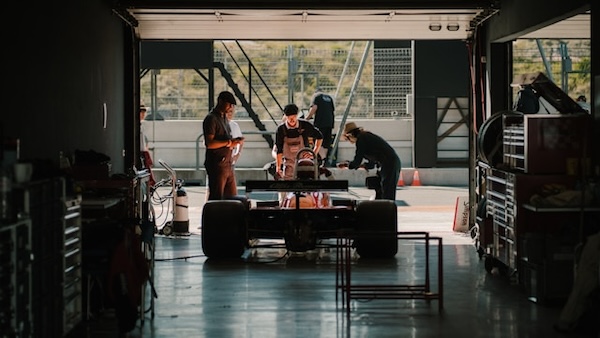
f1 teams repairing car

Sponsorship Niches

F1 draws polished, luxury-focused sponsors like Rolex, Emirates, and Richard Mille—brands that value exclusivity and global prestige. Even tech giants like Amazon Web Services and Lenovo have joined the grid, tapping into F1’s innovation and massive reach. With global sponsorship revenue set to reach $2.9 billion in 2025, it remains one of the most valuable platforms in sports.

MotoGP appeals to a more grassroots, performance-first audience. Brands like Monster Energy, Red Bull, and Alpinestars align with its raw intensity and loyal fan base, especially across Europe and Southeast Asia. While overall sponsorship revenue is smaller, brand affinity runs deeper, with partners prioritizing authenticity over polish.

At Athelo Group, we see this same dynamic in sports like surfing, where non-endemic brands build credibility through community-driven partnerships and athlete-first storytelling. For brands entering motorsports, the choice isn’t just about budget—it’s about fit. F1 offers high-gloss global exposure, while MotoGP opens the door to deeper, culturally embedded brand moments.

race track where f1 teams compete

Where the Extremes Meet

F1 might be the more extreme sport when it comes to speed and innovation, but MotoGP makes its case through danger, athleticism, and raw competition.

We believe both racing series offer brands and athletes a compelling entry point into motorsports’ growing appeal. Whether you’re after the polish of F1 or the edge-of-your-seat thrills of MotoGP, the opportunities to connect, inspire, and evolve are limitless.

IndyCar 2025: FOX Sports Deal & What It Means for Racing Fans

IndyCar is accelerating into a new era of visibility as fans tune into races like never before. In June of last year, IndyCar and FOX Sports announced their multi-year partnership to bring all 17 NTT IndyCar Series races to fans tuning in on TV or via the Fox Sports App. In the season-opening race in St. Petersburg, Florida, the race drew record-high viewers for any non-Indy 500 event since 2011. 

As the new home of the ‘Greatest Spectacle in Racing,’ FOX Sports has introduced several technological innovations to enhance the viewing experience. With premier production and top-tier promotion, FOX is bringing the excitement to new audiences. The biggest winners of this record-setting viewership are the corporate partners riding shotgun with race teams this season.

Quick Highlights

  • FOX’s St. Pete broadcast marked the largest non-Indy 500 audience in over a decade with 1.4 million viewers.
  • The 2025 season has seen double-digit percentage growth in viewership among fans aged 18 to 34.
  • FOX Sports broadcasts now include over 12 in-car cameras, heads-up display overlays, and extensive drone coverage.
  • Practice No. 1 and qualifying for Race 2 averaged 323,000 viewers on FOX — compared to just 20,000 average viewers on Peacock during NBC’s tenure.
  • Fox’s 2025 IndyCar marketing campaign generated almost 90% positive sentiment on social media ahead of its debut.
indycar series drivers posing with car

FOX’s Innovative Coverage

FOX Sports has revolutionized the 2025 IndyCar Series broadcasts, leveraging its 25 years of experience with NASCAR. New technology includes the extensive use of drone cameras, offering unique aerial perspectives that highlight the speed and strategy of races. Additionally, FOX’s “GhostCar” AI feature provides live overlays of a virtual vehicle, similar to the technology used by the NFL combine to compare athletes’ 40-yard dash paths.

12+ in-car cameras and the integration of heads-up-displays for drivers and fans are another new addition. As drones take to the sky to capture creative camera angles, their value on street courses becomes very clear. Aerial shots of the race allow fans at the race track to view far more of the action than they would otherwise have access to. 

FOX Sports will introduce a driver’s eye POV camera later this season similar to ESPN’s recent F1 broadcasts. These innovations, alongside a new graphics package inspired by IndyCar machinery, set a new gold standard in motorsports broadcasting.

indycar series race

Impact on Race Day Ratings

With the help of FOX Sports, the 2025 IndyCar Series drew the largest non-Indy 500 audience in over a decade. Alex Palou’s victory at the Firestone Grand Prix in St. Pete garnered an average of 1.4 million viewers.

Viewership dropped for the second race of the year, partly due to its scheduling overlap with the NASCAR Cup Series’ Straight Talk Wireless 400. However, an average of 323,000 fans tuned into Friday’s Practice No. 1 and Saturday’s qualifying session broadcasts. When NBC aired these sessions on Peacock, the average viewership was only 20,000.

The FOX Sports effect on both broadcast quality and ratings has been tangible to start the season. This weekend’s race continued the trend.

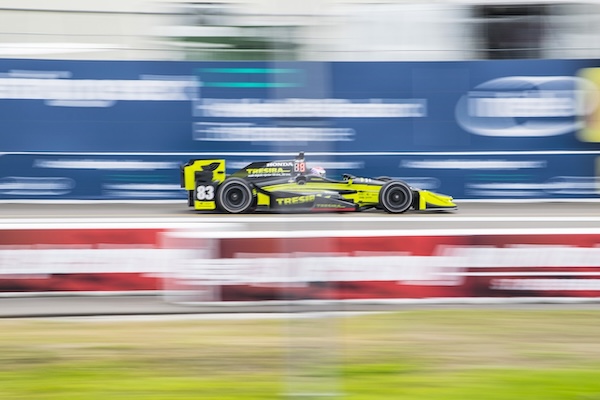
indycar series car driving on track

Corporate Sponsorship Implications

The jump to FOX Sports isn’t just a ratings win for the 2025 IndyCar Series, it’s a branding bonanza. Some of the biggest winners have been the corporate partners that are leveraging the 2025 IndyCar season for what it is — the sport’s breakthrough year. Increased visibility from network television means more eyeballs on logos, liveries, and on-track activations than in previous seasons.

The 2025 season’s first races have also drawn a younger audience than ever before. Amidst the booming popularity of motorsports dating back to the release of Netflix’s Drive to Survive, NBC-tenured IndyCar struggled to capture younger fans. 

Just two races into the FOX era, the number of fans between 18 and 34 has seen double-digit percentage growth. Brands seeking to capture the brand loyalty of this valuable segment have reaped the benefits of this growth through their partnerships with race teams so far this year.

Non-endemic motorsports brands have phenomenal reach to audiences beyond the dedicated racing fans with FOX as the new broadcast provider. Living room TVs across America are increasingly tuned in to FOX Sports’ broadcasts of race weekends, but are also more frequently advertising the races thanks to FOX’s promotional campaigns.

indycar series drivers lining up for race

How Brands Can Maximize IndyCar’s Impact

The best way to maximize motorsports partnerships during the sport’s current surge is by engaging fans on and off the track. Drivers like Conor Daly are growing their influence through social media and podcasts, creating new spaces for brands to connect. Co-branded content and influencer-style campaigns help partnerships reach beyond core race fans and tap into broader audiences.

Netflix’s Drive to Survive proved fans want behind-the-scenes content and personal stories. Gen Z, in particular, responds to fast, authentic short-form content that feels real. When brands show up in these spaces on race weekends, they build stronger ties with fans and add depth to their sponsorships.

The sponsors that will win are those thinking beyond signage. FOX may be boosting motorsports visibility, but brands need to turn that attention into lasting fan connections. At Athelo Group, we help brands make the most of this opportunity.

Shifting Gears: F1’s Evolution in the Modern Era

Formula 1 (F1), the pinnacle of motorsport, has always been synonymous with high-performance racing, cutting-edge technology, and a pursuit of excellence. However, as the world changes, so does F1. The sport is undergoing a big transformation driven by new teams, F1 car evolution, new regulations, and continuous technological innovations. This shift ensures that F1 not only maintains its reputation for thrilling races but also embraces a more responsible and forward-thinking approach.

Audi’s Entry Into F1

Audi’s acquisition of Sauber brings financial stability and promises to elevate the team to new heights with Audi’s technical and engineering capabilities. The move marks Audi’s first ever entrance into Formula 1, bringing a fresh wave of innovation and competition to the sport. Known for their prowess in automotive technology, especially in electric and hybrid vehicles, Audi is likely to introduce several groundbreaking features:

Advanced PowertrainsAudi’s expertise in electric and hybrid technology will likely be reflected in their F1 power units. Expect a highly efficient hybrid system with advanced battery technology, ensuring a balance between performance and sustainability.

Aerodynamics Audi’s experience in endurance racing, particularly in the World Endurance Championship (WEC), has honed their skills in aerodynamic efficiency. This could lead to F1 car evolution, ushering in novel aerodynamic solutions that enhance downforce and reduce drag.

Lightweight Materials– Audi is known for its use of cutting-edge materials like aluminum and carbon fiber-reinforced polymers to reduce weight while maintaining structural integrity. This approach will be crucial in F1, where every kilogram counts.

Commitment to Sustainability

F1’s commitment to sustainability is another critical aspect of its evolution. Recognizing the environmental impact of motorsport, F1 has set an ambitious target to achieve net zero carbon emissions by 2030. This goal is supported by multiple new regulations set to be implemented in 2026. A key strategy is maximizing the use of recycled and sustainable materials in car construction and other areas of the sport. For instance, F1 teams are now integrating recycled carbon fiber into car chassis and using biodegradable materials for various components. 

The introduction of sustainable fuels is another significant step towards F1’s environmental goals. Starting in 2026, all F1 cars will use 100% sustainable fuels from renewable sources. The shift not only reduces the carbon emissions associated with racing but also demonstrates F1’s leadership in promoting sustainable technologies in the automotive industry.

Sustainability efforts also extend beyond the cars. At the Australian Grand Prix, race organizers are working with Green My Plate to cut down on single-use catering ware on race day. They also partnered with Reground to implement a coffee grounds collection service and the Victorian Container Deposit Scheme to recycle cans, containers, and bottles. AGPC’s Sustainability Manager, Sarah Lowe, explained that this suite of efforts is meant to “supercharge the circular economy of the race.”

Technological Innovations: Redesigned Power Units

F1’s redesigned power unit is set to debut in 2026 and marks a major leap forward in performance and efficiency. One of its standout features is increased battery power, which will significantly enhance overall performance. The design aims for an equal balance between the internal combustion engine (ICE) and electric power to boost efficiency and reduce environmental impact. The integration of 100% sustainable fuels with the new power unit further underscores F1’s dedication to sustainability. These fuels, combined with the advanced hybrid powertrain, will significantly reduce the carbon emissions of F1 cars, making the sport more environmentally friendly without compromising performance.

Looking Ahead

F1’s move to net carbon zero can significantly reduce greenhouse gas emissions and set the tone for how organizations combat climate change. Motorsport events traditionally have a high carbon footprint due to travel, logistics, and energy use. By investing in sustainable technologies like hybrid and electric propulsion systems, F1 car evolution will drive innovation in the automotive space. In the future, these advancements may trickle down to consumer vehicles, accelerating the adoption of cleaner technologies in the automotive industry.

Sources:

  1. https://www.formula1.com/en/latest/article/how-the-australian-grand-prix-is-boosting-reuse-and-recycling-as-f1-embraces.ywK32SHTZoT6jnIqAQFcl
  2. https://www.nytimes.com/athletic/5270710/2024/02/16/f1-engine-changes-rules-fuel-electric-2026/
  3. https://www.gpblog.com/en/news/285474/audi-f1-engine-2026-already-on-the-test-bench.html
  4. https://www.formula1.com/en/latest/article/audi-expands-commitment-to-formula-1-with-100-takeover-of-sauber.4g5fNv9jl03sw5btt4LuSw
  5. https://www.the-race.com/formula-1/major-audi-sauber-f1-project-decision-explained/
  6. https://www.audihenderson.com/audi-ultra-audi-space-frame.htm
  7. https://www.skysports.com/f1/news/12433/13116470/formula-1-on-track-to-be-net-zero-carbon-by-2030-after-revealing-13-per-cent-emissions-reduction-in-impact-report#:~:text=Formula%201%20says%20it%20is,50%20per%20cent%20emissions%20reduction.

NASCAR is Reducing their Carbon Footprint

When thinking of NASCAR, the brain doesn’t immediately associate it with environmental efforts or being a sport that focuses on sustainability; it may seem like it is amassing quite a carbon footprint. 

Why NASCAR’s Carbon Footprint Matters

A single race car takes between 65 and 75 gallons of gas for a Saturday race; multiply that number by 40 and you have about 2,600 to 3,000 gallons of gas used in one day’s race. In a single day and on one track, NASCAR vehicles have the potential to release 120,000 pounds of carbon dioxide. Though these numbers may seem alarming, NASCAR takes the steps necessary to become a more sustainable sport and leave less of a carbon footprint one race at a time with NASCAR Green.

NASCAR Green: Racing Toward a Sustainable Future

NASCAR Green is an industry effort and initiative that is working to minimize NASCAR’s environmental impact while bringing value and inspiration to the motorsports industry, its partners, employees, and fans. NASCAR had always wanted to influence, educate and inspire our fans on fuel efficiency, reforestation, sustainability, etc., and with that, the beginning of this journey involved with is automotive fluid recycling which safely recycles and transports oils, is in every NASCAR garage as well as many team shops

This initiative takes place at NASCAR events throughout the racing season. It incorporates racing on a blended biofuel called Sunoco Green E15 that assists with in-venue recycling efforts, food diversion, solar-powered tracks, and lighting fixtures.

One early initiative involved promoting the use of high-MPG vehicles, for which they partnered with the Environmental Protection Agency and in 2009, a NASCAR team called Hall of Fame Racing purchased carbon credits to offset half of its emissions per race, practice session, and even travel.

In another NASCAR division, one driver even purchased and tended to an acre of rainforest to offset their carbon emissions.

NASCAR Carbon Footprint

Sustainability in Action Across NASCAR Tracks

In addition, NASCAR efforts made through the ‘NASCAR Tree Planting Program’ have resulted in more than 500,000 trees being planted across the country, specifically in areas affected by climate-related natural disasters.

Sustainability in NASCAR is more than what is being put into the vehicles and how it affects the environment, but also how to give back to help and improve the environment and its well-being. Many NASCAR tracks and teams are also implementing renewable energies as well as more energy-efficient options in their day-to-day operations. Things like aluminum, plastic, and cardboard recycling have now become an operational function for many NASCAR venues and a normal part of their business operations.

Similarly, initiatives like this are taking place at venues all over the country, Daytona International Speedway, for example, has created the Daytona Rising project and partnered with Florida Power and Light Company to create the FPL Solar Pavilion and Solar Canopy to provide shade for fans along with the FPL Solar Park. Collectively, all three consist of over 7,000 solar panels that generate zero-emissions energy.

The Broader Impact on Motorsport’s Green Revolution

So why is this important? These days, environmental awareness is at an all-time high, and looking for ways to become more sustainable and environmentally safe is a top goal for many companies, organizations, and industries all across the globe and NASCAR is no exception. It may be easy for NASCAR fans to feel uneasy about supporting a sport that may seem like it is impacting the environment negatively, but that is simply not the case anymore.

While it is true NASCAR cars burn more fuel than their street-legal cars and vehicles, some of what they burn is ethanol. Fuel that includes ethanol, like NASCAR’s E15, is cleaner than the type of fuel some road vehicles burn derived from plants and it is a renewable resource. And to make things environmentally friendlier, NASCAR cars convert heat into power better than many road cars.

Though these initiatives are new and NASCAR wasn’t always considered environmentally safe, they are turning things around. And while most of NASCAR’s fuel blend remains gasoline, adding 15 percent ethanol to the mix allows for far cleaner fuel than you might find at your local gas station. 

Not only do the initiatives taken by the NASCAR industry implement big changes within, but other industries, for example, Indy Car is implementing a new initiative within their day-to-day racing with eco-friendly tires announced earlier this year. All tires delivered are relayed by electric vehicles and all electricity consumed at the speedway is purchased through 100% renewable energy credits.

We are seeing sustainable and environmental efforts across various aspects of motorsport that will only continue to grow. These initiatives are only about a decade old and the direction of sustainability in NASCAR and all motorsports for that matter will only continue to grow from here.

Sources:

  1. https://green.nascar.com/nascar-green-an-industry-effort/
  2. https://green.nascar.com/news-media/look-tires-fuel-used-nascar-weekend/
  3. https://flowracers.com/blog/is-nascar-bad-for-environment/
  4. https://www.greenbiz.com/article/meet-driving-force-behind-nascar-green-catherine-kummer
  5. https://motorsports.nbcsports.com/2022/04/22/indycar-firestone-green-tire-rubber-indianapolis-motor-speedway-shell-electric-earth-day/

Become a Sponsor.

Join us in making a difference. Tell us a bit about yourself and we’ll be in touch with sponsorship details.

By submitting this form, you agree to be contacted by the Athelo Group team regarding sponsorship opportunities.