Real American Freestyle Creates New Path for College Athletes

College wrestling has long been one of the most competitive and transition-rich pipelines in U.S. sports. But for decades, the leap from NCAA Folkstyle to Olympic freestyle has been brutally tough. Limited funding, scattered regional training centers, and almost no professional opportunities have forced too many stars to walk away after senior year.

That changes in 2025 with Real American Freestyle (RAF). Founded by Hulk Hogan, entrepreneur Chad Bronstein, and wrestling coach Terris Fracis, RAF is the first pro-level, unscripted freestyle wrestling league in the U.S. 

With real prize money, national media exposure, and modern league infrastructure, RAF finally gives elite college wrestlers a clear, lucrative bridge to the world stage—and a legitimate shot at turning wrestling into a career.

Quick Highlights

  • Real American Freestyle (RAF) debuted in 2025 as the first professional freestyle wrestling league in the United States.
  • After just three events, RAF has amassed 90,000 followers across X and Instagram.
  • The inaugural RAF 01 event drew a sold-out crowd of 4,500 fans, while RAF 02 welcomed around 3,000 attendees.
  • For the first time ever, Olympic-style wrestling now features regulated sports betting thanks to RAF’s partnership with ALT Sports Data.
  • Top competitors secure six-figure total compensation through prize money, appearance fees, NIL deals, and sponsorships.
  • RAF delivers what college wrestling has lacked for decades: a fully funded, media-rich professional career path straight out of the NCAA.
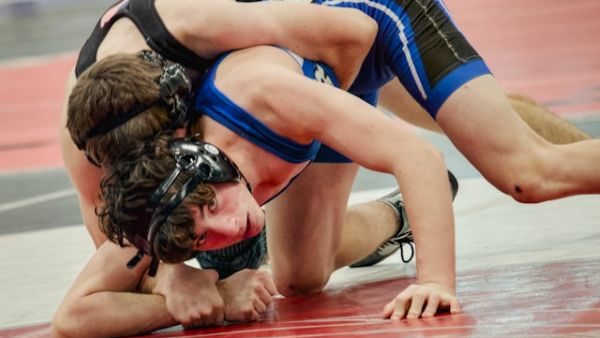
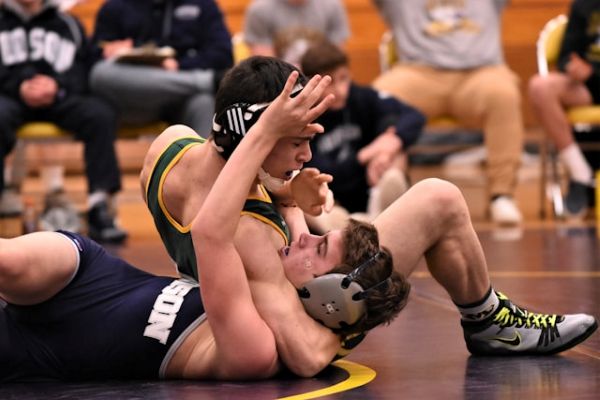
college wrestlers in the real american freestyle pipeline

Real American Freestyle Changes Everything

Historically, American wrestlers have had only a few avenues after college: the Olympic ladder, international competition, join underfunded RTCs, or retirement. Unlike basketball or football, wrestling has never had a true professional league with real salaries, national media exposure, and sponsorship potential.

Real American Freestyle (RAF) ends that era.

Launched in 2025, RAF delivers legitimate unscripted freestyle competition packaged with modern entertainment production. The league feels like a blend of UFC intensity and March Madness drama, built exclusively for wrestling.

RAF 01 Delivered Instant Star Power

The debut event, RAF 01, took place August 30, 2025, at the Wolstein Center in Cleveland in front of 4,500 fans. The card featured dream matchups never before seen on the same mat.

Standout bouts included Yianni Diakomihalis versus Bajrang Punia (India), Bo Nickal versus Jacob Cardenas, Real Woods versus Darrion Caldwell, and the women’s feature Sarah Hildebrandt versus Zeltzin Hernández.

These contests paired current NCAA stars against international Olympians and veterans from different eras, weight classes, or countries. The result was instant buzz and must-watch moments.

For many college athletes, RAF signifies a reason to keep competing after graduation: real money, real exposure, and a real career.

RAF’s Media-First Revolution

The biggest difference between RAF and every wrestling event that came before it is simple. RAF does not just host matches. Leveraging a media-first strategy, it builds stars. 

Every card delivers cinematic production values, dramatic walkouts, and concert-style lighting. Commentary mixes wrestling legends with top MMA voices, and full events stream on FOX Nation. Short-form clips explode across TikTok and Instagram Reels, often hitting millions of views overnight.

Athletes get profile pieces, behind-the-scenes series, and season-long storylines that turn competitors into personalities. College wrestlers’ personal brands now reach mainstream audiences, giving them the chance to attract sponsors who never looked at wrestling before.

NIL Opportunities and the Betting Conversation

RAF’s emergence also intersects with two fast-evolving areas of college sports: NIL partnerships and sports betting regulation.

Because RAF events are structured as media and entertainment productions rather than traditional amateur tournaments, active NCAA wrestlers can compete without risking eligibility. They earn from appearances, branded content, and sponsorship integrations while still wearing their college singlets.

Top athletes like Women’s College Wrestler of the Year, Kennedy Blades, are already cashing in. The Olympic silver medalist won the women’s title at RAF 03 with an 11-0 second-period technical fall over Alejandra Rivera of Mexico. She then returned to the University of Iowa campus with her eligibility intact. 

Dozens of early RAF competitors have since landed fitness, nutrition, and apparel deals while rapidly growing their social followings.

Where Betting Fits In

RAF just locked in a multi-year exclusive deal with ALT Sports Data that brings sports betting to Olympic-style wrestling for the first time. Analysts project this partnership could indirectly boost RAF’s valuation by 20–50% in future funding rounds, drawing from proven models in emerging sports leagues.

Today’s combat-sports audience demands more than just the match. They want live odds, prop bets, and real-time stats on their phones while the action unfolds. RAF delivers all of it with ALT Sports Data as its exclusive sports betting data provider. 

The payoff for athletes is immediate and massive. Betting lines create mainstream headlines, spark water-cooler debates, and pull in casual fans who suddenly care about every takedown. A single RAF appearance can turn a college standout into a nationally recognized name overnight, and that name carries serious sponsorship value.
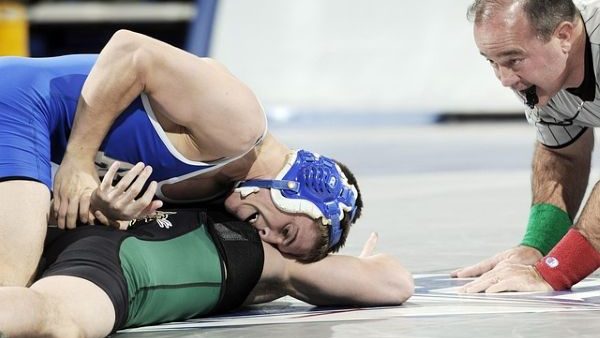
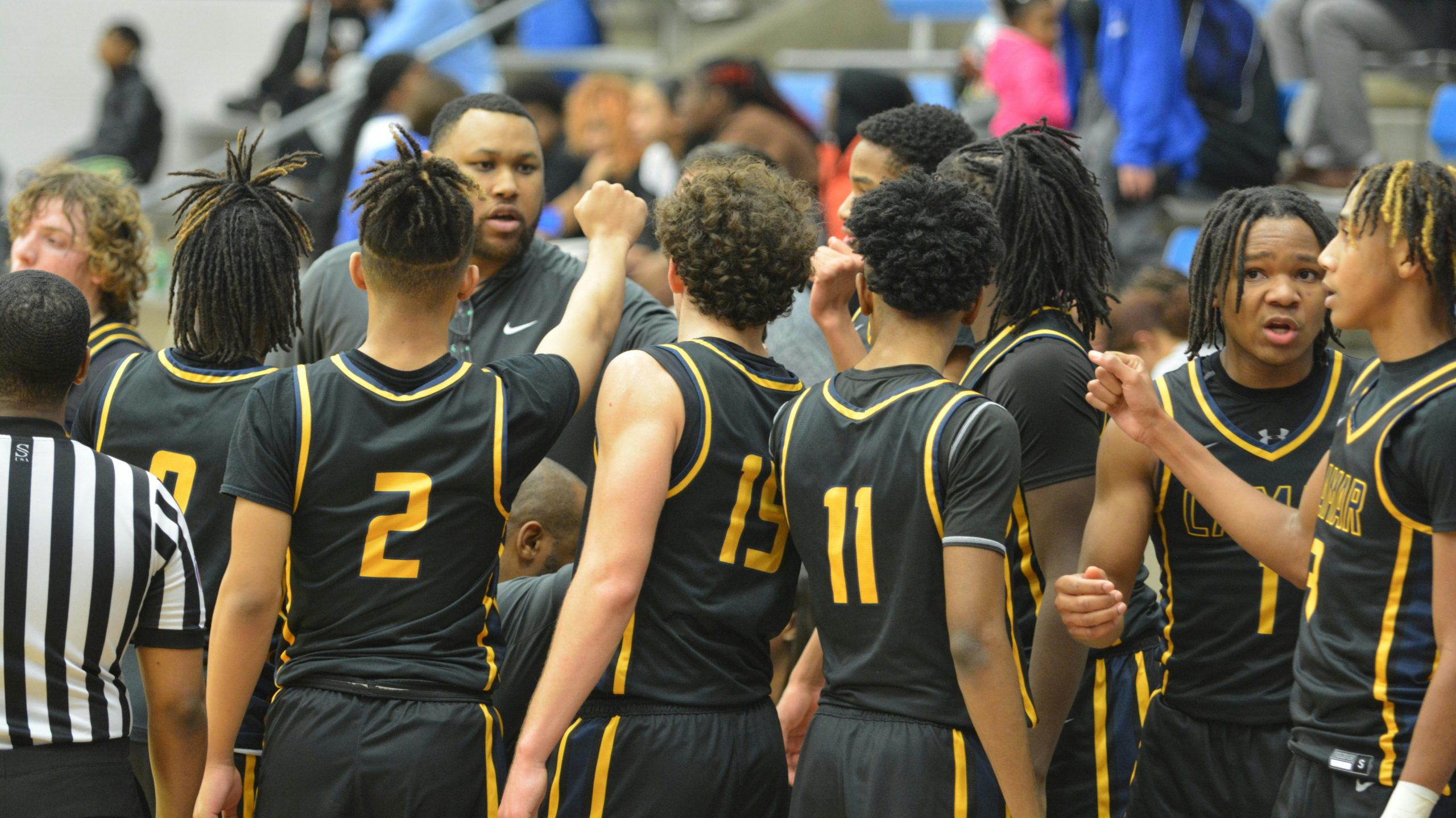
college wrestlers and referee

Why RAF Matters for the Future of Wrestling

Real American Freestyle is much more than a new event series. It is a new ecosystem built on the same commercial blueprint that turned CrossFit and MMA into global businesses.

The league already delivers what college wrestling has lacked for generations: real prize money, national broadcasts, betting integration, social-media reach, and direct sponsorship pipelines. Athletes who once faced retirement at 22 now have a clear, lucrative path forward.

For thousands of current and recent NCAA wrestlers, RAF is the difference between walking away and turning their sport into a career.

NCAA Women’s March Madness: Is the Gender Gap Closing?

March Madness has long been a cultural cornerstone of American sports, drawing millions of viewers and generating billions in revenue. But historically, that spotlight has skewed toward the men’s tournament. In 2025, however, the narrative is shifting.

With record-breaking attendance, landmark media deals, and NIL momentum building for female athletes, the gender gap in college basketball is beginning to narrow.

Quick Highlights

  • ESPN sold out ad inventory for the 2024 Women’s NCAA Tournament, with brands like Nike, State Farm, and Gatorade driving record-breaking revenue.
  • The 2023 Women’s NCAA Championship drew 9.9 million viewers, shattering previous records and outdrawing the NBA on several nights.
  • NIL valuations for top women’s basketball players are rising, with young players like Flau’jae Johnson climbing to an estimated 1.5 million in 2025.
  • The WNBA secured a landmark media rights agreement valued at $200 million annually, underscoring a growing investment in women’s sports.
  • Athletes like Caitlin Clark, Angel Reese, and Paige Bueckers have become household names and top NIL earners, setting the tone for long-term brand building.

The Rise of Women’s March Madness

For years, the NCAA Women’s March Madness tournament was treated like an afterthought—less coverage, fewer resources, and minimal marketing support. In 2021, viral social media posts exposed the glaring disparities between the men’s and women’s facilities, sparking outrage and forcing the NCAA to reevaluate its approach. 

By 2023, the results spoke for themselves. The women’s championship between LSU and Iowa averaged nearly 10 million viewers—a 103% increase from the previous year.

That level of visibility translated into influence. Players like Angel Reese and Caitlin Clark became not just stars, but brands. The energy of March Madness has evolved from one-month hype to year-round momentum for women’s basketball.

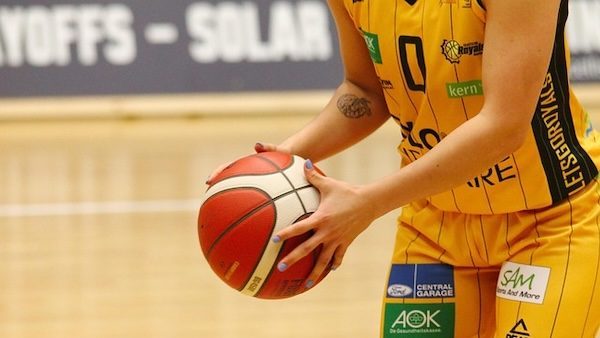
women's basketball player preparing to shoot the ball

NIL and the Power of Personality

Female athletes are increasingly building NIL success by leaning into personality, community, and storytelling. Rather than relying solely on on-court dominance, they use lifestyle branding and authentic messaging to engage fans.

USC’s Juju Watkins, one of the most exciting sophomores in the country, has already inked deals with Nike and Celsius.

LSU’s Flau’jae Johnson, known equally for her basketball skills and her music career, boasts partnerships with Puma and Raising Cane’s.

Meanwhile, Hannah Hidalgo, Notre Dame’s breakout guard, has seen a spike in national attention due to her tournament performance, setting her up for NIL growth in 2025 and beyond.

These rising stars are reshaping the NIL conversation—and providing proof that success in college sports doesn’t need to wait for a pro contract.

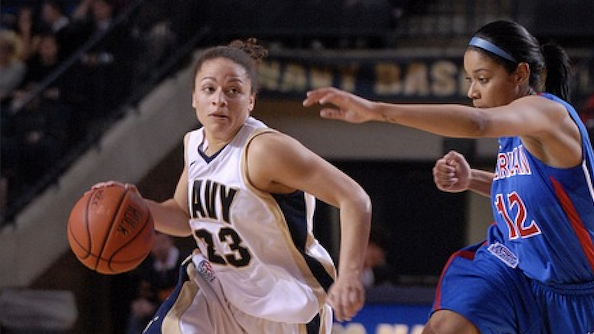
players in women's march madness game

A Media Machine Catching Up

ESPN and ABC have upped their investment in women’s sports. For the first time, all rounds of the Women’s NCAA Tournament are being broadcast across national networks. Media rights for the tournament are expected to grow exponentially in the next deal cycle, signaling long-term confidence in the product. 

Sedona Prince, known for her viral TikToks and advocacy, recently signed a deal to host a digital March Madness breakdown series. As media becomes more decentralized and athlete-driven, women are leading the charge.

Our Take on What’s Next

There’s still work to do– pay gaps, media bias, and cultural expectations haven’t disappeared. But the tide is turning. With continued investment, athlete empowerment, and a new generation of fans demanding equity, March Madness might just become the most balanced battleground in sports. This shift is not only reshaping the game but also redefining the power dynamics within the sports industry.

At Athelo Group, we’ve always believed the future of sports is inclusive, marketable, and athlete-powered. NCAA Women’s March Madness is proving just that.

Whether it’s through NIL innovation, brand building, or audience engagement, female athletes are stepping into the spotlight and staying there. As this movement grows, we’re committed to supporting the athletes driving it forward.

House vs. NCAA: The Legal Battle Changing College Football

College football is at a crossroads. The ongoing House vs. NCAA lawsuit could reshape college sports as we know it.

The case challenges how athletes are compensated, with potential consequences for football programs, recruitment, and even smaller sports. This lawsuit could lead to massive changes in how college athletics are funded and how athletes are treated across all sports.

Quick Highlights

  • The House vs. NCAA lawsuit could lead to $2.78 billion in athlete compensation, with $1.2 billion allocated over the next decade.
  • Division I football programs will increase scholarships from 85 to 105 starting in 2025, with some teams splitting them into partial awards to manage costs.
  • Top programs like the University of Texas secured $50,000 annual NIL deals for each offensive lineman in 2023, initiating a competitive recruitment advantage.
  • Recruitment could be dominated by wealthier programs, with schools in Power Five conferences already outspending smaller schools by millions in NIL deals. 
  • Non-revenue sports, including women’s soccer, could face funding cuts as schools prioritize football and basketball, with smaller programs operating on budgets under $40 million annually—far less than the $250 million-plus budgets of top-tier schools.

What is the House vs. NCAA Case?

The House vs. NCAA lawsuit revolves around the rights of college athletes to receive compensation beyond their scholarships. The plaintiffs argue that the NCAA’s restrictions on education-related benefits and Name, Image, and Likeness (NIL) opportunities violate antitrust laws.

This legal battle follows the landmark Alston decision in 2021, which allowed schools to provide athletes with unlimited education-related benefits and paved the way for the current NIL era. 

The House case pushes the boundary even further, seeking direct revenue sharing with players. If the ruling favors the athletes, it could open the door for broader financial compensation, impacting how programs fund their football teams and athletic departments at large.

This lawsuit is not just about football; it could create a power imbalance across collegiate sports. Revenue-dominant programs like football and men’s basketball stand to benefit the most, while athletes in non-revenue and niche sports–such as fencing, rowing, and gymnastics–could be left fighting for scraps. Critics argue that Olympic and niche sports athletes, who often rely on scholarship support, may see their funding reduced as schools prioritize revenue-generating programs.

Athletes like Dani Speegle, who transitioned from collegiate sports to become a top-tier CrossFit competitor, underscore the importance of investing in athletes beyond the major sports. Her success highlights the untapped potential of athletes in non-revenue sports, a group that could face increased challenges if funding shifts away from them.

Impact on Football Scholarships and Team Budgets

Football programs, particularly those in Division I, could face major budgetary shifts. Schools may have to reallocate funds to compensate athletes, potentially reducing the number of scholarships or cutting costs in other areas like facilities or coaching staff. Smaller programs with limited budgets might struggle to keep up with powerhouse schools, deepening the divide between major conferences and smaller institutions. 

According to industry reports, Ohio State’s athletic budget exceeded $251 million in 2023, while smaller programs like those in the Mid-American Conference (MAC) often operate on less than $40 million annually. Revenue sharing could stretch these lower-budget schools to their financial breaking point. 

Additionally, non-revenue sports could be at risk. Take the case of women’s soccer–while the sport has grown rapidly, it still relies heavily on institutional funding. A shift toward revenue sharing could result in fewer resources for those teams.

Recruitment and Competitive Balance

If players can earn more through NIL deals and direct compensation, recruitment strategies will shift significantly. High-profile football programs with bigger media markets and sponsorship opportunities could dominate recruitment, leaving smaller schools at a disadvantage. This could lead to a “pay-to-play” atmosphere, where the richest programs attract the best talent, challenging the NCAA’s commitment to maintaining competitive balance.

For example, the University of Texas reportedly secured a $50,000 annual NIL deal for each offensive lineman on scholarship in 2023. This level of compensation is far beyond what most Group of Five or FCS programs can offer, creating an uneven playing field. 

Beyond football, elite gymnasts like Olivia Dunne have built multi-million dollar NIL brands. While this is a win for top-tier athletes, it further illustrates how marketable stars benefit most, while less-known athletes struggle to attract deals. 

Opting Out of the Settlement: What Does It Mean?

While the proposed settlement represents a significant step toward athlete compensation, both individual athletes and Ivy League schools like Harvard, Yale, and Princeton have chosen to opt out. Some athletes are pursuing individual lawsuits for potentially higher payouts, though it comes with risks like prolonged legal battles.

Meanwhile, schools like those in the Ivy League have opted out entirely, choosing to forgo direct payments to athletes to preserve their academic-focused athletic model. These opt-outs could fragment the college sports landscape further, creating disparities in how athletes are compensated and shaping future legal challenges for both institutions and players.

The Future of College Football: Professionalization or Preservation? 

Critics argue that this case could push college football closer to a professional model, blurring the lines between amateur and professional sports. While some see this as a necessary evolution to fairly compensate athletes for their contributions, others worry it will erode the traditional college sports experience. 

The NCAA’s long-standing model of “amateurism” has defined college sports for over a century, but legal experts argue that clinging to this ideal is no longer sustainable in a billion-dollar industry. In 2022, the SEC alone generated $802 million in revenue. With these figures in mind, the argument for player compensation becomes increasingly difficult to ignore. 

For niche sports, however, professionalization may pose a risk. Athletes in sports like swimming or track and field often rely on the collegiate system as a stepping stone to the Olympics. If funding shifts disproportionately toward football and basketball, these athletes could lose critical development opportunities.

We Think It’s About Time

At Athelo Group, we believe it’s time to fully embrace the future and turn all of college athletics into a full-blow professional system. Salaries, trades, free agency, the works. Let boosters operate like team owners, let athletes sign multi-year contracts out of high school, and turn the transfer portal into a televised draft event with ESPN-grade coverage.

Want to see Stanford trade its top swimmer to Florida for cash and future recruiting considerations? Why not. If college sports are a business, let’s lean all the way in and let the chaos reign.

Regardless of the outcome, House vs. NCAA will set a precedent for how college football operates in the future. 

As the legal battle unfolds, fans, athletes, and institutions alike will need to adapt to the new reality of college sports. While college football has always been more than just a game, this ruling could accelerate its transformation, pushing the sport further toward treating players as employees rather than student-athletes. 

How Freshmen Like Tre Johnson Are Changing College Basketball

The 2024 college basketball season has already delivered plenty of excitement, thanks to the influx of young talent. A new generation of freshmen has made their presence felt, shaping the national landscape. Rookies like Tre Johnson aren’t just filling out rosters; they’re altering the balance of power in major conferences and pushing teams toward NCAA Tournament contention.

Freshmen Leading the Charge for NCAA Tournament Bids

At Michigan State, freshman Egor Denim has seamlessly transitioned into the college game. His ability to score, facilitate, and defend has been key for Tom Izzo’s Spartans. Denim’s early success has made Michigan State a strong contender in the Big Ten this season.

At UConn, freshman Liam McNeeley has provided an immediate impact. His perimeter shooting, defense, and basketball IQ have been vital in UConn’s bid to defend the national title. McNeeley’s versatility fits well in their fast-paced system, and his role will grow more crucial for their tournament aspirations.

tre johnson

NIL Deals Fueling Freshman Confidence and Performance

The introduction of NIL deals has had a noticeable impact on freshmen players. Financial backing through NIL allows young stars to focus more on development, leading to stronger performances.

Tre Johnson, a standout freshman for Texas, is already projected as a potential NBA lottery pick. He secured his first NIL deal in high school through Panini America, a sports trading card company, and his valuation has since risen to $1.3M. Johnson’s scoring, defense, and leadership have been crucial to Texas’ success in the Big 12.

tre johnson

Coaching Strategies Shifting to Maximize Freshmen Talent

As freshmen play an increasing role, coaches are adjusting strategies to utilize their unique skillsets. Some programs have shifted tactics to highlight freshmen strengths, benefiting both individual performances and team success.

At Duke, Coach Jon Scheyer has tailored his system to capitalize on Cooper Flagg’s versatility. Flagg’s ability to guard multiple positions, rebound, and push the ball in transition fits perfectly in Duke’s up-tempo offense. Scheyer’s integration of Flagg has contributed to his early success.

tre johnson

Freshmen Shaping the Future of Their Programs

These freshmen are reshaping their programs and instilling a renewed sense of optimism. Their ability to step in and perform at a high level has elevated expectations for future seasons.

Dylan Harper at Rutgers is helping reshape the culture of a program that’s historically been on the fringes of NCAA Tournament contention. Harper’s performances have lifted Rutgers into the upper ranks of the Big Ten. As the team grows around him, Rutgers could become a regular tournament fixture.

tre johnson

A Look Ahead

As the 2024 season progresses, freshmen are proving they’re no longer just supplementary players—they’re transforming the game. With stars like Cooper Flagg, Egor Denim, Dylan Harper, Tre Johnson, and Liam McNeeley leading their teams, the future of college basketball is in good hands. Their performances will shape the sport’s next great era and define the upcoming NCAA Tournament.

Sources:

  1. https://www.cbssports.com/college-basketball/news/ranking-college-basketballs-best-freshmen-auburns-tahaad-pettiford-earns-freshman-of-the-week-honors/
  2. https://www.ncaa.com/news/basketball-men/article/2024-09-23/top-12-freshmen-2024-25-mens-college-basketball-season-ranked-andy-katz
  3. https://bleacherreport.com/articles/10142903-top-25-for-2025-ranking-best-freshmen-to-watch-this-mens-college-basketball-season
  4. https://bleacherreport.com/articles/10145825-2025-mens-college-basketball-early-report-card-grades-for-top-freshmen
  5. https://www.on3.com/nil/news/tre-johnson-basketball-2024-recruiting-class-2025-nba-draft-baylor-kentucky-texas-kansas/

NIL Rules in College Sports: What You Need to Know

In the four years since NIL rules were introduced, college sports—especially football—have been completely transformed. What was once a strictly college-level pursuit now mirrors the high-stakes world of the NFL, with athletes landing major sponsorships, promoting products, and building their own brands.

On top of that, schools are now able to directly pay players, thanks to new agreements from major conferences. This shake-up has turned college athletics into a thriving business and sparked debates about fairness, competition, and where the sport is headed.

nil rules

What Is NIL, and Why Is It Important?

NIL became official on July 1, 2021, when the NCAA allowed athletes to profit from their name, image, and likeness. For years, NCAA rules banned athletes from making money, despite college sports like football and basketball generating millions for schools. The new NIL rules permit athletes to make money in a variety of ways, including through social media, endorsement deals, and even personal merchandise.

Since then, athletes have seized the opportunity to become more than just players—they’ve started building powerful personal brands. This shift has been especially impactful in high-profile sports like football and basketball. Take Bryce Young, former Alabama quarterback and Heisman Trophy winner, who reportedly earned over $1M in NIL deals during his college career.

Athletes Are Now Brand Ambassadors

Colorado head coach Deion Sanders signed with Nike in the ’90s as their premier NFL athlete, releasing his own signature shoe for five consecutive years. Thanks to NIL, his son now has the chance to follow in his footsteps while still in college. Just like his dad, Colorado QB Shedeur Sanders will partner with Nike on a line of apparel and footwear, all before even landing an NFL contract.

This new era of NIL has many athletes, including Shedeur, thinking strategically about how to build their brands while still in school. “Athletes are empowered to make money, and many of them are embracing the chance to build their brands while still in college,” said SEC Commissioner Greg Sankey. But creating a personal brand isn’t always straightforward—it requires significant effort, and some athletes may need guidance when it comes to contracts, social media, and sponsorships.

nil rules

Social Media: A Big Part of NIL Success

One of the major ways athletes are making money today is through social media. Platforms like Instagram, TikTok, and YouTube allow athletes to connect with fans and brands, giving them a powerful tool to promote products or build their personal brands.

Athletes like gymnast Olivia Dunne (LSU) and basketball players Haley and Hanna Cavinder (Miami) have turned their massive social media followings into profitable deals with brands like Vuori, American Eagle, and Stanley. Now, many are teaming up with agents and marketing experts to manage their social media, negotiate deals, and grow their brands—essentially becoming their own businesses.

How NIL Is Changing College Sports

One of the biggest changes is the rise of the “transfer portal.” With athletes now able to make money, some are switching schools to secure better NIL deals, choosing colleges based on financial incentives rather than just sports programs or academic reputation.

This shift has created noticeable tension in college sports. Coaches and universities are adjusting to a new reality where NIL deals play a key role in recruitment. Former Alabama coach Nick Saban summed up the change, saying, “All the things that I believed in for all these years… no longer exist in college athletics.” 

Some worry athletes may prioritize money over academics or team goals, while others see it as a chance for fair compensation and a more equitable approach to college athletics.

nil rules

What’s Next for NIL?

Critics argue that NIL has stripped college sports of its traditional values, like academic focus and team loyalty. They believe the emphasis on money is shifting athletes’ priorities and could erode the foundation of college athletics.

On the other hand, supporters see NIL as a long-overdue change that finally allows athletes to profit from their own name, image, and likeness. In the future, we might see a system where athletes are fairly compensated without losing sight of their educational and athletic goals. The challenge will be striking a balance that keeps both the athletes and the spirit of college sports in check.

Sources:

  1. https://www.sportsbusinessjournal.com/Articles/2024/12/11/sbj-iaf-nil-panel
  2. https://www.si.com/fannation/name-image-likeness/nil-news/college-football-free-agency-transfer-portal-trends-and-nil-impact
  3. https://www.espn.com/college-sports/story/_/id/41040485/what-nil-college-sports-how-do-athlete-deals-work
  4. https://www.espn.com/college-sports/story/_/id/40206364/ncaa-power-conferences-agree-allow-schools-pay-players
  5. https://1819news.com/news/item/nick-saban-on-nil-all-the-things-that-i-believed-in-for-all-these-years-no-longer-exist-in-college-athletics

College Football Playoff Expansion: 12-Team Format Explained

In the rapidly evolving landscape of college football, the upcoming 12-team College Football Playoff (CFP) expansion promises to be a game-changer. This shift from a 4-team to a 12-team format is poised to transform the competition, offering new opportunities and challenges for teams, players, and fans alike. As the 2024 season approaches, key questions arise: Will this expansion dilute the importance of the regular season, or will it enhance the excitement and competitiveness of the sport? And how will it impact the financial and recruiting dynamics across college football programs?
college football playoff

Increased Opportunities for Underdogs

One team to watch in the 2024 College Football Playoff expansion is Cincinnati. While they narrowly missed the playoff in 2022, experts project that they could return as Big 12 champions in 2024, potentially securing a top-four seed. However, not everyone is excited about the 12-team format. Critics argue that expanding to 12 teams may dilute the exclusivity of the playoff, similar to concerns raised during the expansion of March Madness. They fear that adding more teams could lessen the significance of regular-season success and lead to a less prestigious postseason.

Maintaining the Integrity of the Regular Season

While some critics argue that expanding the playoff field might devalue the regular season, proponents believe it will add significance to more games across the board. With more spots available, even late-season matchups that previously had no bearing on the playoff race will now carry weight, keeping fans engaged throughout the entire season. This change could lead to increased viewership and revenue as more games have playoff implications.

Revenue Growth

The financial impact of the 12-team playoff is expected to be substantial. More games mean more television contracts, ticket sales, and sponsorship opportunities, benefiting conferences, schools, and the NCAA. ESPN recently signed a six-year, $7.8B deal to retain exclusive media rights through the 2031-32 season, which includes coverage of all rounds of the new 12-team playoff format. This massive agreement not only adds four first-round games to ESPN’s existing coverage but also secures exclusive rights to programming like the CFP Selection Show and Top 25 rankings. These expanded rights, coupled with the influx of games, will open up new opportunities for brand sponsorships, giving companies increased visibility during high-stakes playoff matchups. Mega-brands like VBRO, Chick-fil-A, and Modelo have signed on as sponsors, hoping to take advantage of the heightened attention and excitement surrounding college football’s marquee event.

Balancing the Benefits Across Conferences

However, this financial windfall may not be evenly distributed. Power 5 conferences, which already command significant resources, are poised to gain the most. Meanwhile, Group of 5 conferences could see only marginal increases in revenue, perpetuating the existing inequalities within college football. The challenge will be finding ways to ensure that the benefits of the expanded playoff are shared more equitably, so that all programs can compete on a level playing field.

college football playoff

Impact on Player Workload and Development

With more games on the schedule, concerns about player workload and potential injuries are bound to grow. SEC chief medical officer Catherine O’Neal told the press that with the playoff extension, the SEC plans to adjust its injury management protocols. Coaches and trainers will need to balance the demands of a longer season with the physical and mental health of their players. On the plus side, the added exposure from more playoff games could speed up player development as athletes gain experience in high-pressure situations earlier in their careers.

2024 Projections

As anticipation builds for the 2024 College Football Playoff, experts are already weighing in on which teams are likely to secure a spot in the new 12-team format. According to The Athletic, teams such as Georgia, Ohio State, and Texas are among the favorites to make deep runs this season. The model also predicts underdogs like Boise State and Ole Miss could break into the playoff conversation, creating the potential for thrilling matchups. With powerhouse programs and mid-major teams vying for a national title, the expanded CFP promises to deliver even more excitement and unpredictability in the coming season.

Sources:

  1. https://www.espn.com/college-football/story/_/id/39766079/college-football-playoff-espn-agree-deal-2031-32
  2. https://www.nytimes.com/athletic/5701128/2024/09/05/college-football-playoff-projections-odds/
  3. https://www.usatoday.com/story/sports/college/2024/09/07/nonconference-games-college-football-playoff-12-team-cfp/75076654007/

Will We Soon See the NCAA Paying Athletes Directly?

Over the last decade, college sports have undergone significant transformations, particularly concerning the payment of student-athletes. These changes are driven by intense legal battles and evolving public opinions on whether college athletes should be recognized as employees and receive direct compensation. 

The concept of the NCAA paying athletes directly could come sooner than we think. A game-changing new NCAA proposal aims to tackle the fairness issues within the billion-dollar industry of college sports, challenging the long-standing notion of amateurism. It marks a pivotal moment, promising to change how college athletes are compensated and challenge the traditional model of college athletics.

Historic Settlement and Its Effects

On May 24, 2024, the NCAA and Power 5 conferences agreed to a major legal settlement in the House v. NCAA class-action lawsuit. This deal, if approved by a federal court, could change the amateur status of college athletes by allowing schools to pay them directly. The settlement includes two key points: distributing $2.75B to athletes who played before July 2021 and enacting a revenue-sharing model that permits schools to grant nearly $20M a year to athletes.

However, not all athletes will benefit equally from NCAA paying athletes directly. Football and men’s basketball players at NCAA Division I schools with large athletic programs are the main winners because their sports bring in the most revenue. While women’s basketball players may also get a payday, athletes in less popular sports may not see any money. This could potentially widen the gap between wealthy, high-revenue schools and smaller institutions.

ncaa paying athletes directly

The Employee Status Debate

A key component of this changing landscape is whether or not college athletes should be recognized as employees. On July 11, 2024, the U.S. Court of Appeals for the Third Circuit ruled against the NCAA’s motion to dismiss Johnson v. NCAA, a case where athletes argue they are employees under the Fair Labor Standards Act. The ruling requires a new test to determine if athletes are employees, which could have big financial impacts on colleges and the NCAA.

If athletes are considered employees, they would be entitled to minimum wage and overtime pay, challenging the NCAA’s long-standing amateurism model. The case, led by former Villanova football player Ralph “Trey” Johnson, highlights the extensive control schools have over athletes’ time and labor and strengthens the argument for their recognition as employees.

ncaa paying athletes directly

Broader Legal and Financial Implications

The new test introduced by the Third Circuit’s ruling is designed to distinguish between students who play sports for fun and those whose efforts resemble work. The test would analyze three factors: whether the athletes’ services primarily benefit the schools, the level of control exerted by the institutions, and whether the athletes receive compensation. 

These legal battles are part of a broader scrutiny of the NCAA’s practices. Just three years ago, the Supreme Court ruled in NCAA v. Alston that the NCAA’s restrictions on education-related benefits violated antitrust laws. This decision paved the way for athletes to earn money from their name, image, and likeness, adding pressure on the NCAA to adapt to a rapidly changing environment.

ncaa paying athletes directly

Future Directions and Ongoing Challenges

As these legal cases progress, unforeseen challenges are sure to arise for athletes, conferences, and schools alike. Schools will need to navigate the complexities of Title IX, ensuring gender equity in payments, and addressing the financial disparities between different sports and institutions. The potential designation of athletes as employees could lead to extensive changes in how college sports are managed and funded.

Moreover, the NCAA’s appeal to Congress for a federal antitrust exemption underscores the challenges it faces in maintaining its current model. The evolving legal landscape suggests that college sports are on the brink of significant transformation, with far-reaching consequences for athletes, schools, and the NCAA itself.

Sources:

  1. https://www.npr.org/2024/05/24/nx-s1-4978680/house-ncaa-settlement-pay-college-athletes
    https://www.espn.com/college-sports/story/_/id/40541501/court-ruling-seeks-test-decide-athletes-employees
  2. https://www.sportico.com/law/analysis/2024/third-circuit-johnson-ncaa-flsa-case-1234780117/
  3. https://www.vox.com/policy/352083/ncaa-college-athletes-pay-settlement-winners-losers
  4. https://www.nytimes.com/2024/05/25/business/ncaa-settlement-paying-athletes-unionizing.html
  5. https://www.nbcnews.com/news/sports/ncaa-signs-deal-change-landscape-college-sports-paying-student-athlete-rcna153852
  6. https://www.pbs.org/newshour/show/what-the-historic-2-8-billion-settlement-to-pay-ncaa-players-means-for-college-sports

NCAA Conference Realignment: How College Football Is Changing

Viewers should prepare for college football to look a little different this year. Recent changes in college sports have shifted power dynamics among the previously-known Power Five conferences: the ACC, Big Ten, Big 12, Pac-12, and SEC. This transformation is largely due to different payment structures and value disparity in TV rights deals. As a result, many teams left their original conferences to join others.
The Pac-12 has now dwindled to just two teams, and the Big 12 lost Texas and Oklahoma to the SEC. While the ACC hasn’t lost teams yet, their top schools are frustrated with revenue discrepancies and have filed lawsuits. Although there is talk of a super league in college sports, no significant progress has been made toward this concept. The SEC and Big Ten will continue to dominate for now, while the other conferences scramble to rebuild and resolve their issues amidst NCAA conference realignment.

ncaa conference realignment

Pac-12 Topples to Pac-2

The Pac-12 has experienced the most tragic downfall of all the conferences, now reduced to just Oregon State University and Washington State University. The decline began two years ago when USC and UCLA agreed to join the Big Ten, setting off a chain reaction. Oregon and Washington also moved to the Big Ten, while Arizona, Arizona State, Colorado, and Utah joined the Big 12, and California and Stanford went to the ACC. Losing the Los Angeles schools and that major media market stalled the Pac-12’s media rights negotiations, leading to a wait-and-see approach that pushed out multiple schools and drastically lowered the value of the deals offered to the conference.

Now, with two schools that have not been relevant in football or basketball for years, the Pac-12 is working with the Mountain West conference on a football scheduling alliance for this season and is considering a future merger. OSU and WSU will pay the Mountain West to play their teams this year but won’t be eligible for any conference championship. The next step likely involves OSU and WSU joining the Mountain West, signaling the end of the Pac-12.

Big 12 Gets Bigger

The Big 12 conference took a step back when it lost its two most-followed teams, Oklahoma and Texas, to the SEC due to NCAA conference realignment. Despite this setback, the Big 12 added Arizona, Arizona State, Colorado, Utah, BYU, UCF, Cincinnati, and Houston to form a 16-team conference. These additions came from the Pac-12 and Group of 5 conferences.

In the past year, the Big 12 successfully renegotiated its TV rights contract with ESPN and Fox, securing $2.6B over the next 13 years. This deal allows the conference to surpass the ACC and Pac-12 in yearly team revenue, with each team receiving nearly $32M. By 2026, all the new teams are set to evenly share revenue with the rest of the conference, a process that typically takes much longer.

Looking ahead, Big 12 leaders are considering private equity investment by a Luxembourg-based firm of up to $1B for a 15-20% stake. Although losing their top teams was a significant blow, the new TV deal and potential investment positions the Big 12 to remain competitive. They are now the clear third conference in per-team revenue after the Big Ten and SEC.

ncaa conference realignment

ACC Shake-up

The ACC faces an uncertain future despite recent additions of California, Stanford, and SMU. These new teams won’t receive full revenue sharing until their 10th season. To integrate them, the ACC has removed divisions, increased in-conference games, and introduced provisions for West Coast travel. Over the next seven years, each team will play home and away games against every conference team, with the top two teams competing for the football championship. 

The conference’s biggest weaknesses remain its TV rights deal and revenue sharing. Since signing a 20-year deal with ESPN in 2016, the ACC has lagged behind other conferences in revenue, earning only $17M per team annually. This has frustrated top football programs like Clemson and FSU, who argue it hinders their competitiveness. Tensions escalated when FSU missed the College Football Playoff, prompting the school to seek an exit from their grant of rights agreement and sue the ACC, which countersued. Clemson followed with legal action three months later.

If either FSU or Clemson breaks their grant of rights, it could trigger a mass exodus and weaken the ACC significantly. These schools have dominated ACC football, and losing them would cripple the conference’s future, especially in securing new media rights deals once the current ESPN contract expires.

ncaa conference realignment

So What’s Next? 

With all the political chaos of NCAA conference realignment, new powerhouse schools may emerge and lower conferences could gain some spotlight. Schools like UCF and SMU, which moved into power conferences, can benefit from more national TV coverage. Conferences like the Mountain West can gain exposure by having OSU and WSU face their schools. With the downfall of the Pac-12 and the rapid movement of its schools, we may see schools becoming more comfortable swapping conferences. Since the ACC reworked its schedule to accommodate new West Coast schools, other conferences might do the same to add new members. Although talks of a super league have occurred, many officials have dismissed the possibility. But for now, as we have seen, anything can happen.

Sources:

  1. https://herosports.com/fbs-college-football-realignment-pac-12-mountain-west-merger-stanford-cal-heading-to-aac-cpcp/
  2. https://www.espn.com/college-football/story/_/id/40119917/acc-spring-meetings-2024-clemson-florida-state-lawsuits
  3. https://www.cbssports.com/college-basketball/news/college-football-playoff-finalizes-tv-deal-beginning-in-2026-as-fbs-leaders-settle-on-revenue-distribution/#:~:text=The%20new%20contract%20is%20expected,(%2412%20million%20per%20school).
  4. https://www.nbcbayarea.com/news/sports/acc-stanford-cal-2/3308750/
  5. https://businessofcollegesports.com/current-college-sports-television-contracts/
  6. https://www.si.com/college/oregon/football/oregon-football-big-ten-conference-sec-conference-college-football-super-league-greg-sanky-rejects 
  7. https://www.sportingnews.com/us/ncaa-football/news/pac-12-teams-landing-spots-oregon-washington-football-2024/a12390637a0a4d3cd81fb1a0 
  8. https://www.freep.com/story/sports/college/university-michigan/2024/01/08/what-happened-pac-12-washington-oregon-usc-ucla-joining-big-ten/72088532007/ 
  9. https://www.tennessean.com/story/sports/college/SEC/2023/12/19/alabama-georgia-most-viewed-teams-college-football-season-2023-nielsen-ratings/71975148007/ 
  10. https://www.espn.com/college-football/story/_/id/38794541/big-12-unveils-16-team-conference-football-matchups-2027 
  11. https://www.cbssports.com/college-football/news/big-12-considering-private-equity-investment-of-up-to-1-billion-for-as-much-as-20-of-conference/ 
  12. https://theacc.com/news/2023/10/30/acc-announces-future-conference-football-schedule-model.aspx 

Caitlin Clark WNBA Draft: How the #1 Pick Changes Basketball

This past women’s college basketball season, all eyes have been on Caitlin Clark. She shattered countless records, including the college basketball scoring and three-point records, achieved a 40-point triple double in a tournament game, and amassed 3,000 points and 1,000 assists. Leading the Iowa Hawkeyes to the NCAA Tournament final, Clark ultimately fell to undefeated South Carolina. She was the top pick in the WNBA draft, with massive media attention and a stacked rookie class. As the women’s NCAA tournament gains popularity, the WNBA and its teams eagerly embrace Clark, while some current and former women’s basketball stars aim to temper expectations.

wnba draft

The League

The WNBA launched in 1997 and saw its most-watched season in over a decade last year. Increased attendance, viewership, gambling, and fan engagement signal that the WNBA and women’s sports are on the rise. Women’s college basketball has also been dominating sports discussions lately, with record-breaking viewership during the tournament. The championship game alone averaged around 19M viewers, marking the highest viewership for a basketball game in five years and the most-watched annual sporting event outside of football since 2019. Caitlin Clark, the top WNBA draft pick, has been a major focus, but she’s not the only standout. The draft drew 2.4M viewers, showcasing the class’ collective star power, including Paige Bueckers, Angel Reese, Kamilla Cardozo, Juju Watkins, Cameron Brink all poised to lead the WNBA into its next era.

After a standout year in the WNBA and college basketball, how will the league leverage its incoming talent? WNBA commissioner Cathy Engelbert likened this draft class to the NBA’s 1979 class with Magic Johnson and Larry Bird, which revitalized the NBA. They’d come just in time- former CBS President Neal Pilson claimed he “almost took the NBA off the air.” This moment also aligns perfectly with the WNBA’s US TV rights deal up for renewal in 2025, aiming to double their revenue from the current $60M deals with ESPN, Amazon, and Ion. They’ve also secured a multi-year deal with TNT Sports for international broadcasts.

The Teams

Rarely does a player emerge who shakes up the league before being drafted, but Caitlin Clark is one such phenomenon. The hype surrounding the Iowa star has prompted WNBA teams to revamp their storytelling, marketing, capacity, and audience. This is evident in the extensive preparation for arguably the most talked-about female athlete worldwide. The consensus top pick in the draft was virtually assured, leading the Indiana Fever to secure a staggering 36 out of 40 national television appearances before the draft. To put this in perspective, the last time the Fever made the playoffs was in 2016, with only one winning season since their 2012 WNBA Championship. Last season, they had just 22 national broadcast games, one on ESPN and none on ABC, with some games only streamed on Facebook. The Caitlin Clark effect is palpable, and the Fever plan to ride that wave as far as her star power takes them.

Teams like the Las Vegas Aces and Phoenix Mercury are also capitalizing on Caitlin Clark’s popularity to elevate their brand. The Aces relocated a game to T-Mobile Arena, expanding seating from 12,000 to 18,000 in anticipation of Clark’s presence. The Mercury framed their June 30th game against the Fever as Taurasi vs Clark, emphasizing the showdown between the GOAT and the Rook. They even promoted Clark with a silhouette and her jersey number before the draft to drive ticket sales. This buzz is just the start, with excitement building as the new rookie class hits the court.

The Players

Some veteran players and WNBA legends view the new rookie class, especially Caitlin Clark, as competition rather than allies. Diana Taurasi and Brianna Stewart, both UConn alumni with a combined 5 WNBA and 7 NCAA championships, have publicly criticized Clark’s style of play. Taurasi’s viral comment about Clark facing “grown women” and the “reality” of playing in the WNBA received backlash, while Stewart emphasized the importance of winning championships, despite acknowledging Clark’s records. Their remarks contrast with positive feedback from former number one pick Chiney Ogwumike, who hailed Clark as the greatest shooter in basketball.

Ogwumike, a respected analyst and former WNBA All-Star, highlighted Clark’s long-range shooting and dynamic playmaking abilities showcased at Iowa. She said that Clark will definitely have her “welcome to the league moments,” but believes Clark will make a significant impact on the Indiana Fever. Notably, Ogwumike included Clark on her college basketball Mount Rushmore, underscoring her potential to leave a lasting legacy in the sport.

Looking Ahead 

Despite differing opinions within the basketball community, Clark’s arrival has undeniably sparked excitement for the upcoming season. She comes during a rising tide for women’s basketball, with the NCAA Tournament and WNBA draft garnering more attention than ever. As she transitions from collegiate success to professional competition, all eyes will be on her as she navigates the challenges and opportunities of the WNBA. Whether she lives up to the hype or faces setbacks, Clark’s journey is sure to be closely followed by fans and critics alike. The WNBA’s ability to capitalize on the popularity of incoming draft class stars like Clark should shape the narrative of women’s basketball for years to come.

Sources:

  1. https://www.indystar.com/story/sports/basketball/wnba/fever/2024/04/10/indiana-fever-get-most-national-tv-games-on-wnba-2024-schedule-caitlin-clark-aliyah-boston/73277269007/ 
  2. https://www.cbsnews.com/news/caitlin-clark-wnba-las-vegas-aces-game-bigger-venue-indiana-fever-anticipated-to-be-first-draft-pick/ 
  3.  https://www.sportspromedia.com/news/wnba-tv-deal-tnt-sports/ 
  4. https://www.cnn.com/2024/04/10/us/ncaa-womens-basketball-ratings-dg/index.html
  5. https://espnpressroom.com/us/press-releases/2023/04/espn-platforms-set-unparalleled-records-with-ncaa-division-i-womens-basketball/
  6. https://www.outsports.com/2024/4/10/24091129/wnba-draft-caitlyn-clark-indiana-first-pick-diana-taurasi-breanna-stewart/
  7. https://ftw.usatoday.com/lists/the-brewing-beef-diana-taurasi-has-with-caitlin-clark-explained
  8. https://www.wnba.com/news/2023-season-record-breaking-success-recap 
  9. https://espnpressroom.com/us/press-releases/2023/10/espns-game-4-of-the-2023-wnba-finals-presented-by-youtubetv-is-most-watched-game-on-record/ 
  10. https://www.usatoday.com/story/sports/wnba/2024/04/15/caitlin-clark-wnba-draft-indiana-fever-angel-reese-cathy-engelbert/73308027007/ 
  11. https://bleacherreport.com/articles/10117128-2024-wnba-draft-draws-record-24m-viewers-amid-caitlin-clark-angel-reese-hype 
  12. https://www.azcentral.com/story/sports/wnba/mercury/2024/04/09/phoenix-mercury-release-tickets-indiana-fever-caitlin-clark/73263900007/ 
  13. https://www.overtimeheroics.net/2024/04/08/caitlin-clark-is-the-most-impactful-player-that-the-game-has-seen-in-a-generation-espn-analyst-chiney-ogwumike-believes-clark-should-be-considered-for-ncaas-mount-rushmore/

March Madness Commercialization: Fans vs Brand Marketing

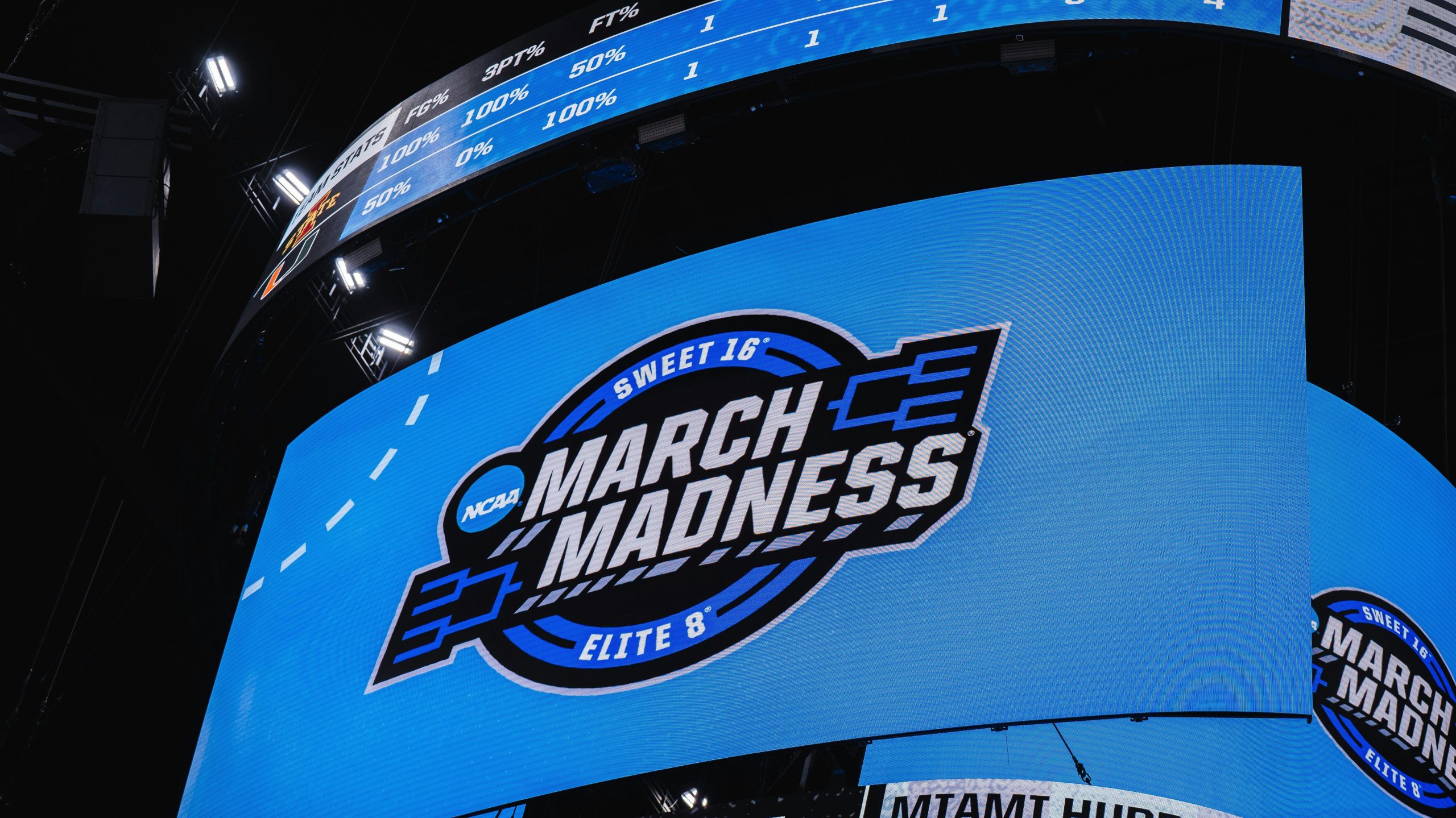
March Madness is undoubtedly the epitome of college basketball. Consuming an entire month with its unforeseen heartache, improbable Cinderella stories, and gut wrenching battles between powerhouse teams, this NCAA basketball tournament might even be the epitome of college sports. Sixty-eight teams, three weeks, and a war to be the best. Despite such perfection at hand, it appears certain stakeholders are seeking to change the March Madness we all know and love.  

ncaa basketball tournament

Potential Expansion

For the first time ever, there is an internal push for an expansion of the tournament. SEC Commissioner Greg Sankey recently voiced his opinion, promoting expansion alongside awarding more bids to power conferences and less to weaker ones. The surprisingly popular model poses greater opportunities for brands and viewership money. It could also prevent witnessing another No. 16 seed defeat a No. 1 seed like with Farleigh Dickinson and Purdue—something that brings the “madness” to the March tournament. This expansion tradeoff will likely diminish overall fan interest in the tournament while opening the cash floodgates, leaving many to wonder if March Madness is just another money grab.

The Bigger the Better?

There is no universally decided final bracket. However, some expansion predictions would increase the size of March Madness to an astounding 96 teams, adding almost an additional 30 teams to the tournament. While adding more teams makes the tournament more inclusive, it also poses huge implications.

Many fans already dismiss the first four games in the current bracket. Expanding it could worsen this issue without offering significant financial incentives. TV providers may even resist expansion, fearing it would dilute the NCAA basketball tournament’s appeal and reduce overall popularity. After all, what excites viewers most about March Madness is that it is reserved for the elite. However, one factor could sway opinions: bids. Power conference commissioners often advocate for more bids, making expansion seem more practical. With more prestigious teams, there’s potential for more exciting matchups and increased viewership, something the networks could get behind.

ncaa basketball tournament

The College Football Problem

While money is essential to any successful product, college basketball faces an even greater challenge: college football.  A larger tournament would need to start earlier, forcing the regular season to follow. Games would be thrown deeper into a period where football is already getting almost everyone’s undivided attention. This challenge arises as the College Football Playoff gains momentum, having recently secured a lucrative 6-year media rights deal with ESPN worth $7.8 billion. It’s difficult to envision any positive outcome resulting from this clash of schedules.

Final Considerations

There will always be those for and those against an expansion, and for good reason. Sports would not be where they are today without evolution. Those for the expansion are all about inclusivity: bigger has always worked for the NCAA. If the tournament is at its best now after so much expansion from an initial 8 teams, then why stop? College football is also used as an argument–  over half of the teams find their way to bowl games, making it unfitting for just 20% of college basketball teams to make their tournament. Those against the expansion contrast the early days of March Madness and its recurring expansions with the reluctance to make changes in recent years, signaling perfection has been found. Whether in favor or against the potential expansion, the elephant in the room remains: is March Madness just another money grab?

Sources:

  1. https://www.sportingnews.com/us/ncaa-basketball/news/march-madness-expansion-adding-teams-ncaa-tournament/ac81f6b376fcc921a8993fe2
  2. https://www.washingtonpost.com/sports/2024/03/25/ncaa-tournament-expansion/
  3. https://apnews.com/article/march-madness-expansion-8e7a9c029bf12f6261538750cab4c9a5
  4. https://www.si.com/college/gonzaga/basketball/should-the-ncaa-tournament-expand-its-field
  5. https://blog.opensponsorship.com/leveraging-athlete-partnerships-in-march-madness-for-brand-exposure
  6. https://talksport.com/sport/1775517/ncaa-march-madness-college-football-playoff/

Become a Sponsor.

Join us in making a difference. Tell us a bit about yourself and we’ll be in touch with sponsorship details.

By submitting this form, you agree to be contacted by the Athelo Group team regarding sponsorship opportunities.