
Dartmouth Basketball’s Unionization: The Downfall of Amateurism

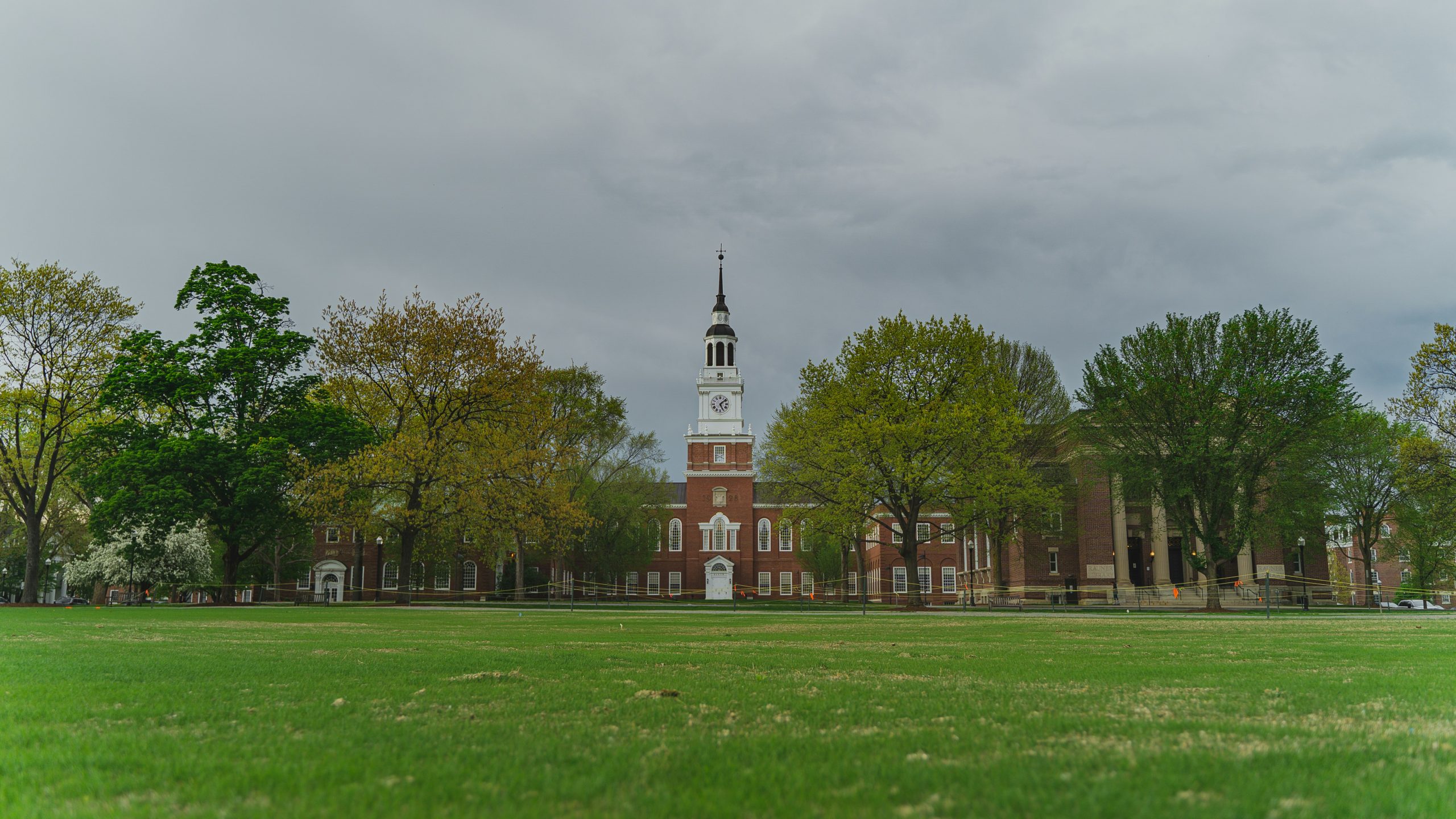
March Madness is in full swing, showcasing 68 college teams vying for the championship and captivating millions of viewers. Teams not in contention for the national title are either participating in other postseason tournaments or winding down for the offseason. Dartmouth Basketball, currently in offseason mode, isn’t simply waiting around. They’re actively campaigning for employee status and collective bargaining rights. After voting to unionize, Dartmouth is set on shaking up college sports.  

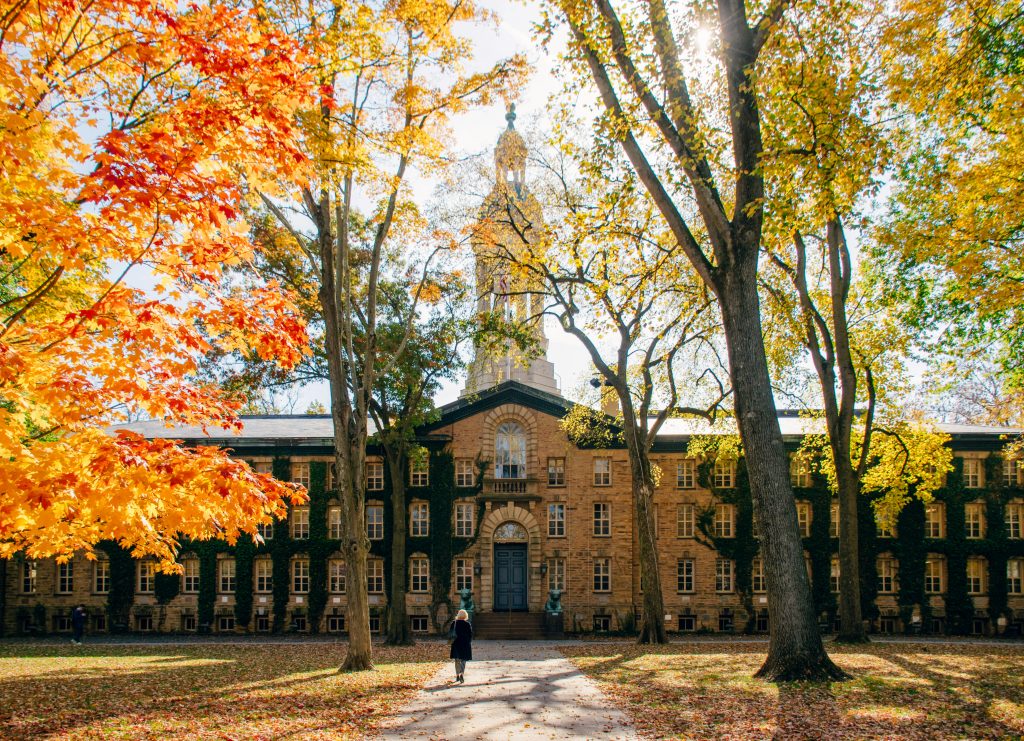
March 5th, the date when the Dartmouth men’s basketball team voted to unionize, might soon be seen as the beginning of the end for amateurism. The team’s 13-2 vote to join SEIU (Service Employees International Union) Local 560 made them the first unionized college sports team in America. SEIU assists roughly 2M members across the U.S. and Canada in obtaining adequate compensation for their labor and improving their working conditions. Before the landmark vote, NLRB regional director Laura Sacks was already building their case. She publicly stated that an employer-employee relationship does exist between the Dartmouth basketball players and the college. The players, she explained, “benefit their school through things like alumni donations and publicity… and that Dartmouth exercises a lot of control over that work.”
dartmouth basketball

Not everyone is supportive of this movement. The Dartmouth Board of Trustees are opposed to the union vote as they aim to uphold the tradition of amateurism in college sports. Their lack of support stems from their efforts to maintain the status quo, prompting them to petition the National Labor Relations Board to intervene and overturn the decision. For decades, universities and the NCAA have upheld a model of college athletics where athletes dedicate themselves to practice, training, and competition without financial compensation. This setup ensures greater profits for the NCAA and universities alike. While recent changes allow athletes to profit from their name, image, and likeness, significant revenue opportunities remain elusive, particularly for non-Power 5 athletes, including those in the Ivy League.

In Division I athletics, especially in high-revenue sports like football, basketball, and hockey, most teams provide scholarships to nearly all players. Non-revenue sports typically offer 10 to 13 scholarships for men’s teams and 12 to 20 for women’s teams. Ivy League teams are ineligible for athletic scholarships; instead, they offer financial aid based on academic and financial need. Despite this aid, Ivy League students face higher costs than average. For example, Princeton, the most affordable Ivy League school, costs around $80K annually before financial aid. Ivy League student-athletes juggle demanding Division I schedules and tough academics with fewer opportunities for NIL deals and national exposure. Many feel representing their universities brings little tangible benefit. With these challenges in mind, Dartmouth athletes hope to change that narrative and shift the power from the universities to the athletes. 

Unionizing allows Dartmouth men’s basketball players to access improved health and insurance benefits, negotiation power for pay, better working conditions (including practice hours and travel), and more. Juniors Cade Haskins and Romeo Myrthil advocate for a fairer business model in college sports, including unions for Ivy League players. Establishing a Players Association aims to promote unity, advocate for athletes’ rights and well-being, and facilitate collaborative decision-making. This milestone signifies progress towards ending amateurism in college athletics.

While the March 5th vote won’t immediately classify all student-athletes as employees, it represents a significant step towards securing their rights. Official recognition of the union and collective bargaining remains months away, but college athletes, universities, and fans can anticipate positive changes to come.

Sources:

  1. https://apnews.com/article/dartmouth-union-ncaa-basketball-players-2fd912fade62ffd81218a6dc91461962
  2. https://www.npr.org/2024/03/05/1235877656/ncaa-dartmouth-mens-basketball-union-election-nlrb
  3. https://theathletic.com/5319403/2024/03/06/dartmouth-basketball-union-explained/
  4. https://www.nytimes.com/2024/03/05/us/dartmouth-basketball-union-athletes-employees.html
  5. https://www.recruitref.com/blog/what-sport-gives-the-most-scholarships#:~:text=In%20Division%20I%20men’s%20sports,%2C%20ice%20hockey%2C%20and%20basketball.
  6. https://www.causeiq.com/organizations/service-employees-international-union-560-local,036016587/
  7. https://www.politico.com/news/2024/03/05/dartmouth-basketball-team-union-vote-00144965#:~:text=But%20leaders%20of%20the%20Dartmouth,the%20basketball%20team%20also%20worked.
Rising Fortunes: The Women’s Sports Revenue Boom

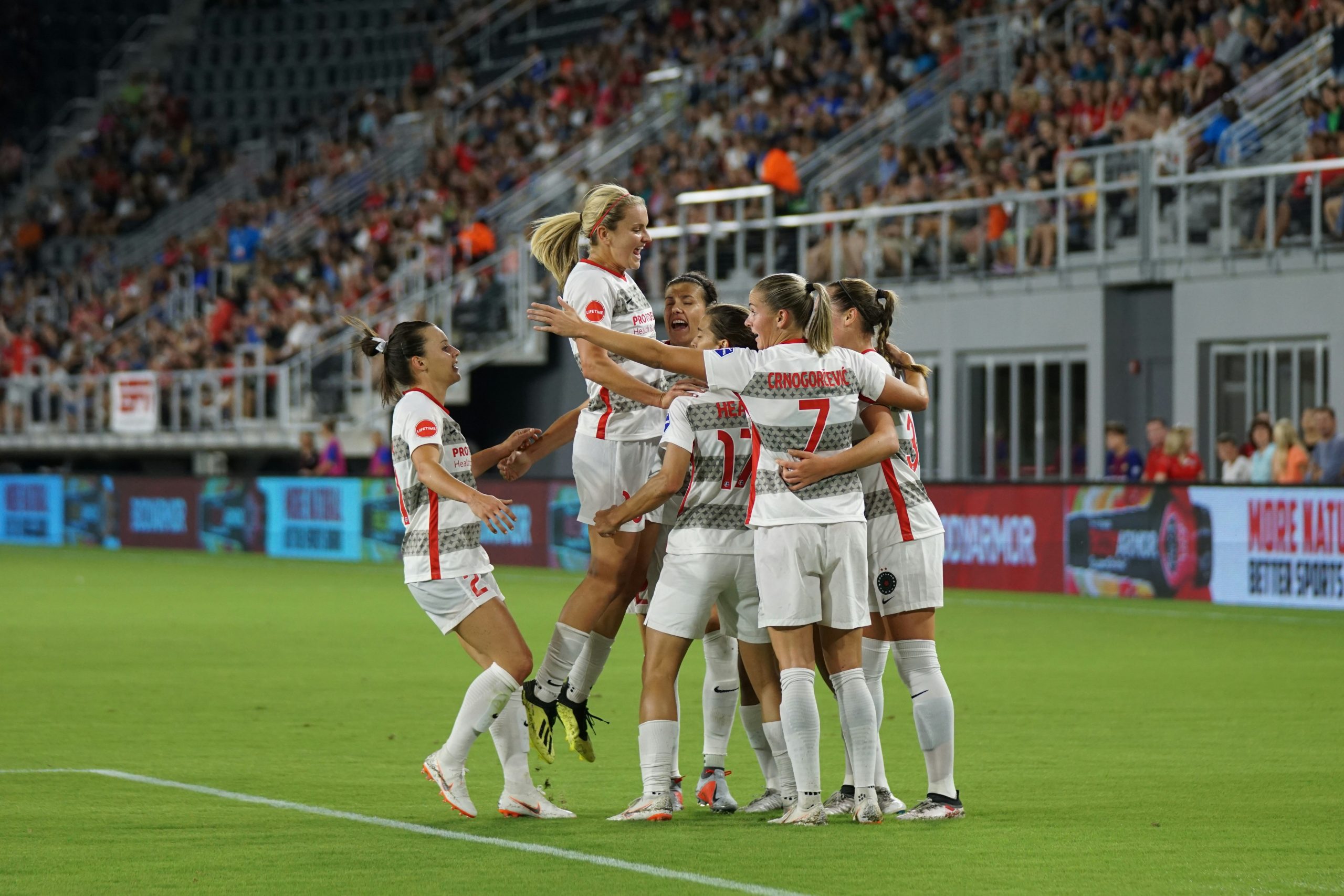
Gone are the days when women’s sports were relegated to the background, and it’s about time we all take notice. They are now front and center, dazzling us with sheer talent, grit, and an unapologetic flair for drama. Women’s professional sports have witnessed a remarkable upswing in revenue, reflecting a major shift in perception and commercial viability. This trend can be attributed to several key factors, including increased media coverage, greater corporate sponsorships, and a growing global audience. It’s simple: women’s sports are here, they’re fierce, and they’re reshaping the landscape of athletics as we know it.

women's professional sports

Women’s Sports Have Hit a Revenue Inflection Point

In a landmark prediction by Deloitte, women’s professional sports are expected to surpass a revenue milestone of $1B by 2024, marking a 300% increase since 2021. This financial boom is a testament to the growing fanfare and marketing efforts in women’s sports. The 2023 FIFA Women’s World Cup, for example, brought in over $570M in revenue, produced record-breaking ticket sales, and experienced an all-time high in broadcasting viewership.

Media, Sponsorship & Global Audience: What’s Fueling the Boom

Sports publishers like The Gist even reported greater ad revenue from the women’s World Cup than the men’s tournament, while Front Office Sports reported an even yield between both genders. Compared to years past, results like these are monumental. They challenge the traditional narrative around women’s professional sports, often seen as a cost center rather than a revenue generator, and reflect their growing commercial appeal.

Networks and media moguls alike are placing more focus than ever on tapping into women’s sports audiences. During a meeting with NCAA President Mark Emmert, Georgia Tech Coach Nell Fortner passionately announced: “We’re a huge potential revenue stream.” She highlighted the longevity of college athletes, their ability to attract new fans, and the need for a change in perspective. Her plea reflects a growing consensus that women’s elite sports represent a significant investment opportunity. Take the NCAA women’s basketball, for instance. Their games are now must-watch events, with last summer’s championship game between LSU and Iowa drawing 10M viewers. Thanks to gritty performances by Angel Reese and Caitlin Clark, the game became the most-watched college sporting event ever broadcasted on the ESPN+ platform. 

women's professional sports

Brand Strategy Meets Female Athlete Opportunity

Record-breaking viewership has caught the attention of major brands and venture capitalists who all want in on women’s sports growing appeal. Now more than ever, aligning with women’s sports isn’t just goodwill–  it’s smart business. In recent years, we’ve seen AT&T, Deloitte, and Nike all become prominent WNBA partners. Sky Sports and the BBC are now committing an annual $20M to the Women’s Super League in the UK. In addition, Barclays’ recent sponsorship in the FA Women’s Super League and Gucci’s partnership with professional footballer Leah Williamson highlight the investment value behind female athletes. Even venture capitalists agree: a new NWSL team in Los Angeles, backed by Silicon Valley venture capital, points to the increasing valuation of female sports professional teams, now ranging between $20M to $100M. These developments underscore the rising importance of media and marketing in elevating the profile and profitability of women’s professional sports. It’s a win-win, with companies gaining positive exposure and women’s sports basking in the financial glow.

And let’s not forget the global audience – women’s sports have truly gone international, as events like the Women’s World Cup and the WNBA now draw record viewership in both the United States and Europe. As these leagues gain more recognition and visibility around the world, they are attracting a larger and more diverse audience. Fans from all corners of the world are tuning in, buying merchandise, and passionately following their favorite teams and athletes. This enthusiasm is evident in the Australian national team’s jersey sales during the last World Cup. Sales were up 19 to 1 compared to 2019, with the Matildas Nike kit quickly selling out in brick and mortar stores. Nike’s Pacific VP, Ashley Reade, told Octus Sports that the record sales are “a true testament to the power and pull of women’s sport” across the globe. 

women's professional sports

Sustainability, Investment and the Future of Women’s Sports

This shift in women’s athletics goes beyond financial aspects, marking a cultural renaissance in the sports world. The synergy of enhanced media coverage, sponsorships, and a growing global audience has propelled women to the forefront. As we approach 2024, the future of women’s athletics is filled with promise and excitement. This period is not just about athletic capability but also about the increasing influence of female athletes as role models. Their impact, combined with record-breaking global engagement, is setting the stage for 2024 to be a landmark year in shaping the cultural significance of women’s sports.

Sources:

  1. https://au.sports.yahoo.com/football-matildas-fans-huge-win-nike-makes-historic-call-mackenzie-arnold-jersey-224852566.html?guccounter=1&guce_referrer=aHR0cHM6Ly93d3cuZ29vZ2xlLmNvbS8&guce_referrer_sig=AQAAAH7PuOyRtwPELGrw8mEaJErcQdH3M2Kou9Ueh9_GLwXEtASuPz_F079yJNqth-ueLgAUfxzk_1B_8y6p0UwpdxZQE9P22mS5dOqI5XXgU7GWYMlS8QqB-RUBTg9VZZlzwAJv2tzBT5NZU9HhLixSHZSaEwP4BMMbUv68CfYxwQAR
  2. https://www.washingtonpost.com/sports/2021/04/01/womens-sports-growth-ratings-business/
  3. https://www.forbes.com/sites/forbesbusinesscouncil/2023/05/03/how-leaders-can-support-the-womens-sports-industry/
  4. https://www.cnbc.com/2023/03/04/for-womens-sports-the-media-buys-are-becoming-a-big-deal.html
  5. https://www.thegistsports.com/article/womens-sports-are-on-the-rise-thanks-to-increased-media-access-and-sponsorship-opportunities/
  6. https://www2.deloitte.com/us/en/insights/industry/technology/technology-media-and-telecom-predictions/2024/tmt-predictions-professional-womens-sports-revenue.html
  7. https://apnews.com/article/fifa-womens-world-cup-revenue-infantino-14b7f017ec50cc794899dc8291a6801e
  8. https://www.foxsports.com.au/football/fifa-world-cup-generated-close-to-900-million-in-revenue/news-story/328dfd46f69da9c27a586a8df91f62c6
  9. https://www.si.com/soccer/2019/07/03/uswnt-nike-jersey-sales-record-womens-world-cup

What NCAA Conference Realignment Means for Student Athletes

Ever since major shifts in 2021, college football conference realignment has triggered a domino effect. The landscape of college football as we know it continues to transform as conferences look to boost profits, expand media rights deals, and diversify match-ups. Fans shouldn’t be so surprised, as the seismic shift in the NCAA has been in motion for the past decade. The last two years have drastically altered college football’s future as Texas and Oklahoma are set to join the SEC; USC, UCLA, Oregon and Washington will be joining the Big 10; Colorado, Arizona, Arizona State and Utah are the newest members of the Big 12, and Cal, Stanford and SMU are joining the Atlantic Coast Conference. With the rise of name, image, and likeness, college athletes are taking advantage of the realignment to help benefit their own personal brands, but new challenges may be on the horizon.

By 2024, the Big 10 will consist of eighteen teams. The Big 12 will have sixteen teams, and the ACC will make its expansion into the west coast. Meanwhile, the Pac-12 could face dissolution: the conference has dwindled down to two teams as colleges begin to favor coast-to-coast competition over regional rivalries. Many are wondering what impact this has on college athletes and their respective conferences. 

college football conference realignment

Conferences stand the most to gain here, as the driving force behind college football realignment is sheer revenue. Media rights are quickly growing in value and realignment sweetens the deal. In 2020, the SEC signed a $3B television deal with Disney, and the Big Ten followed up by signing a $7B deal with Fox, NBC, and CBS just last summer. According to U.S.A. Today, the Power 5 conferences combined raked in over $3.3B of total revenue in 2022. Colleges received their fair share as well, with the Big Ten distributing close to $60M per school. The SEC came in close second, giving nearly $50M per school. 

The realignment has benefits that reach beyond just the schools. Passed in 2021, the NIL rule change has allowed college athletes to monetize their name, image and likeness through endorsement deals and sponsorships. In the first year of the ruling, NIL netted an estimated $917M for student athletes. Players in dominant conferences like former University of Alabama quarterback Bryce Young had NIL valuations easily exceeding $2M. The potential earnings involved for the players have changed the way schools recruit as well as how the transfer portal may look going forward. Just as schools are joining conferences to help generate new revenue, athletes are looking for schools that will give their personal brand the most recognition. Thanks to expansive media rights deals, players in major conferences and universities can receive attention and exposure, ultimately leading to larger brand deals. 

In fact, athletes in recent years have deferred from entering the draft as they can make more money from collegiate NIL than signing a rookie deal. Players who leave school early for financial reasons now have the opportunity to remain in school, improve on their draft stock, and bring in a lucrative income. Talented Michigan running back Blake Corum chose to return to school for his senior year rather than go pro, and he now possesses an NIL evaluation of over $1.2M. Notre Dame transfer quarterback Sam Hartman, who was projected to be a late-round pick in last year’s NFL draft, boasts an NIL evaluation of $1.1M after signing a deal with Beats by Dre. 

college football conference realignment

As great of an impact NCAA conference realignment has on athletes and their personal brands, it does raise some concerns. Many worry how student athletes will be able to juggle the explosive NIL business with their mental health, training, and coursework. Considering NIL success largely relies on an influencer marketing business model, psychologists fear social media stressors could exacerbate an athlete’s mental health. Athletes in dominant conferences may become hyper-focused on social media performance as they look to hit it big financially. In reality, only a select few will hit the jackpot, and others may suffer from the stress of social media. 

Other issues of realignment and its impact on NIL include fairness and equity for those who do not play in large-scale sports such as basketball and football. With the majority of the realignment discussion focusing on football, other sports such as swimming, diving, volleyball and soccer won’t see the same benefits. While football players may receive greater exposure, the same cannot be said for more niche college sports. The students’ potential NIL earnings lessen as a result.

In addition, student-athletes will be required to travel much longer distances.  When an athlete commits to a university, they understand both the academic standards and travel requirements that come with their commitment. But now, new ACC members like student athletes from Stanford will find themselves traveling cross-country for away games. Depending on the sport, the percentage of these athletes going on to play at the professional level is less than 10%. This means that for the majority of college athletes looking to build a future career, classroom performance trumps on-field performance. The stress of constant long distance travel may divert and disorient these efforts.

No matter how divisive NCAA conference realignment seems, only time will tell if the benefits outweigh the drawbacks. Student athletes in dominant conferences will take advantage of the greater media exposure to boost their personal brands. Colleges will benefit from the profits in growing media value. Die-hard fans will eventually come to terms with the new match-ups and rivalries. And of course, the future is still unfolding. In the coming years, we are likely to see even more changes to the NCAA conferences fans know and love.

Sources:

  1. https://www.sportico.com/leagues/college-sports/2022/does-conference-realignment-travel-benefit-college-athletes-1234682570/
  2. https://www.ncaa.org/sports/2015/3/6/estimated-probability-of-competing-in-professional-athletics.aspx
  3. https://frontofficesports.com/tv-money-built-power-5-then-destroyed-it/#:~:text=Last%20summer%2C%20the%20Big%20Ten,conference%20has%20been%20relatively%20stable.
  4. https://www.cbssports.com/college-football/news/big-ten-leads-power-five-conferences-with-845-6-million-in-revenue-in-2022-fiscal-year-per-report/
  5. https://iconsource.com/blog/nil-changing-the-landscape/#:~:text=The%20NIL%20rule%20change%20passed,even%20start%20their%20own%20businesses.
  6. https://www.cbssports.com/college-football/news/big-ten-leads-power-five-conferences-with-845-6-million-in-revenue-in-2022-fiscal-year-per-report/
  7. https://www.blackenterprise.com/no-1-nfl-draft-pick-bryce-young-reached-3-5m-in-nil-valuation-before-turning-pro/
  8. https://www.usatoday.com/story/sports/ncaaf/2022/08/25/college-media-rights-what-has-happened-and-whats-next/50640697/

The Uncertain Future of College Football Realignment

By Devin Kelley

A University or college football team is essentially a business. With the sheer amount of money and profitability within college football, it is obvious that schools are looking to put themselves in the best position to grow and ensure long-term success. One way to ensure this vision is to be in the conference with the most publicity, viewership, and sponsorship deals available. Each conference is marketable in its own ways, but there are a certain few that rank much higher than others in terms of value. This is what college football teams are currently taking into consideration when deciding what conference to remain in or transfer to, if given that option.

Why Realignment Is Reshaping College Football’s Power Structure

Keeping all of the factors above in mind, we can see why schools are considering conference realignment. This is uncharted territory for college football as rule changes from the NCAA have allowed athletes to profit off their name, image, and likeness. This landmark decision, in turn, has completely upended the business of college sports for athletes, schools, and agents. This makes it difficult for most to define what a modern day partnership looks like. Schools are trying to keep up with the changing times and this is probably why teams like Texas and Oklahoma have decided to leave the Big 12 conference and transfer to the Southeastern Conference (SEC) because the conference will pay its schools more money. We have also seen USC and UCLA decide to jump ship on the PAC-12 and join the Big Ten conference, leaving fans wondering what’s next for their school.

Media Rights, Money and the Race for Conference Supremacy

Recently, the SEC announced that ESPN and ABC will be taking over the Saturday afternoon football broadcast package. Beginning with the 2024-25 season, ESPN and ABC will pay the SEC in the low $300 million range annually. At this point, any team offered to join the SEC conference would surely be interested in joining. If the SEC is backed by an ESPN and ABC duo deal, it is almost guaranteed that teams and the conference will grow immensely throughout the coming seasons. This adds much more leverage to schools when recruiting high school players because they can afford to give athletes more – incentivizing a player to commit.

According to USA Today, the gross revenue for the Power 5 of college football goes as follows: the Big Ten: $768.9 million, SEC: $728.8, Pac-12: $533.8 million, ACC: $496.7 million, and Big 12: $409.2 million. The Big Ten and the SEC have a huge advantage over the next 3 Power Five Conferences. If these conferences continue to grow at the rate they are, some experts believe there will be the possibility of seeing the emergence of a new ‘super conference’ with the Big Ten and the SEC being a part of that.

Similar to how the SEC is recruiting more schools that they think will bring more profitability and growth to their conference, the Big Ten is also doing the same. In a major win for the Big Ten, they were able to secure USC and UCLA to join the Big Ten effectively with the 2024 season. With the addition of these two schools, the bidding war has begun for streaming rights with the Big Ten. Apple is reportedly among the number of companies that are interested. This list includes Fox, CBS, ESPN, NBC and Amazon Prime Video. With that many companies interested in buying the streaming rights for the Big Ten, it is safe to say that the Big Ten should not be worried about its future.

The Institutions Losing Ground: Are the Pac-12, ACC and Others on the Brink?

On the other hand, other conferences within the Power 5 should be concerned. The Pac-12, ACC and Big 12 are now in survival mode and each move they make from here on out can have drastic effects on the success or failure of their conferences. According to Sports Illustrated, there are talks between the ACC and Pac-12 forming some sort of alliance between the two that would help both leagues remain intact. As realignment begins again, powerhouse teams within the ACC like the Clemson football team and UNC basketball team will weigh all options on what the best is for the future of their programs. With the SEC and the Big Ten poised to grow immensely within the coming years, schools want to be a part of that success. Keeping this in mind and seeing the rise of these conferences, any team who gets offered to join the SEC or the Big Ten would be hard to turn down. 

Now that players have to be compensated for their talent and skill on the field, it makes sense that these players playing in the SEC or Big Ten will be paid more generously versus another conference. Players broadcasted on the SEC and the Big Ten networks will likely be playing in front of a much larger audience resulting in more opportunities for these athletes to make deals with companies and agencies, alike. The better players are given a bigger stage to showcase their talents and have a better ability to profit in the better paid conferences. If the better players continue to choose to play in the conference with more money available to them, this will most likely result in a drastic difference in skill level over time when comparing the SEC and the Big Ten to the rest of the teams within Division 1 college football.

What the Next Wave of Moves Means for Student-Athletes, Fans & Brands

Soon more sponsors, partners and agencies will be looking to get involved with the teams and players within the SEC and Big Ten knowing the power, profitability and success within these conferences. With these uncertainties looming in the future within the college football world, schools and teams will weigh out what options are the best for growth and success in the long run. Over the next few months, decisions will be made that will affect the college football landscape for decades to come. Schools are already considering what the best options are for long term growth and success of their athletic programs. It is almost certain that we will see schools engaging in conference realignment in hopes of fulfilling that vision for their respective programs. The only question is: Who will come out on top?

Sources:

  1. www.forbes.com/sites/derekbaine/2022/07/01/big-ten-swipes-usc-and-ucla-from-pac-12-in-big-financial-coup/?sh=6f609bfd19d8
  2. www.wruf.com/headlines/2022/02/11/sec-announces-revenue-distribution/
  3. www.usatoday.com/story/sports/ncaaf/2021/07/26/college-football-if-sec-expands-could-match-ncaa-1-3-billion-revenue/5377990001/
  4. www.newsobserver.com/sports/college/acc/unc/article263209858.html
  5. www.saturdaydownsouth.com/sec-football/wall-street-journal-reveals-value-sec-football-program/
  6. www.usatoday.com/story/sports/ncaaf/2022/05/20/pac-12-big-ten-big-12-revenue-fell-pandemic/9855686002/

A Look Back at the First Year of NIL

By Thomas Calhoun

The NIL Era Begins: What July 1st 2021 Changed in College Sports

On July 1, 2021, the National Collegiate Athletic Association (NCAA) approved a national interim policy that grants collegiate athletes the right to profit off of their name, image, and likeness regardless of whether or not that athlete’s residing state has an individual NIL law in place. The debate over whether college athletes should be paid or not has gone back and forth for decades now. While the new NIL policy does not allow collegiate athletes to be directly paid to play, it does allow them the opportunity to promote their brand and profit off of the hard work that they put in throughout their collegiate careers. As the NCAA is preparing to review the rules and regulations of the new NIL policy after its rookie year, let’s look back at the past eleven months to see how the NIL era is shaping college sports and what the NCAA should do moving forward. 

Major Deals, Collectives & the Rise of Big Money in Year One

First, let’s jump in and talk about a prominent collegiate NIL deal that made headlines and showed the positive effect the NIL policy has on collegiate athletes. In September of 2021, one of the most lucrative single-athlete partnerships that we saw was created around an 18-year-old gymnast named Olivia “Livvy” Dunne. Livvy is part of the LSU gymnastics team partnered with the extremely popular activewear brand, Vouri. The deal is speculated to be valued in the mid-six figures. Ultimately, the brand wanted to work with Dunne because they felt that the partnership would be authentic and would resonate well with her massive social media following. This was a groundbreaking deal in the collegiate marketplace and showed the rest of the nation how essential it is to build your own brand on and off the field or the competition floor. Dunne set the bar high for the rest of the NCAA athletes and was one of many athletes that helped open a path that was restricted for so many years. She sets the perfect example of what each athlete needs to and needs to do to market themselves the right way in order to become valuable to brands seeking ambassadors. In past years, this was only important for professional athletes, but Dunne showed that it is just as important for athletes coming out of high school as it is for going pro.

In addition to the NIL policy providing college athletes with opportunities to create their own wealth, we have also seen it influence how and where players are choosing to go to school. This is one of the drawbacks of the NIL policy since it entered into the playing field and it’s an extremely difficult aspect for the NCAA to regulate. Larger schools like Alabama or Notre Dame have larger boosters with more money to spend and better connections to provide their athletes with. For example, Phil Knight, the Founder of Nike is a graduate of Oregon and has helped create a company specifically geared towards helping Oregon student-athletes. Knight, along with many other Oregon donors created Division Street, Inc. to help athletes from their alma mater make the most out of the NIL market. This is just one example of how a larger athletic program is expanding the gap between the smaller programs in recruiting efforts. 

Television exposure is another aspect that has always been a driving force for recruiting, but now that brands can create deals with athletes, they are naturally going to see more value in the players that have the most airtime. In a recent interview with 24/7 sports, Jackson State head coach and former NFL cornerback Deion Sanders said that “the NIL is starting to feel like a free-agency market where the highest bidder always comes out on top. I think players should be able to get paid, but I want my players to focus on making the NFL, not just the NIL.” While most coaches and athletic directors agree that their players should be able to get paid, the national consensus seems to be that the NCAA should cap the budget that brands can offer players.

Issues Emerging: Transfer Portals, Equity & Athlete Vulnerability

While the NIL policy has created a national free market for NCAA collegiate athletes, there are still certain states that have limited the industries that athletes can and cannot partner within. For example, the bill passed in Arkansas restricts all athletes from interacting with certain industries such as tobacco and gambling. While this is a positive idea, as these are industries that should not be advertised by younger athletes, it still creates discrepancies from state to state. For example, states such as Delaware have no NIL policy restrictions whatsoever which can lead to confusion among athletes and interested brand partners. Thus, creating another potential recruiting hurdle for specific programs. Personally, I think the best way to minimize confusion and maximize equality would be to have the NCAA draw up regulations that all 50 states can vote on. Removing the government from the equation would provide a level playing field for college athletes’ endorsement deals. 

What’s Ahead for the NIL?

So, what’s next and what can the NCAA do to make the NIL marketplace as fair as possible? As of right now, the only action brought to the NIL policy came just this past May. While it is not a change on paper, the NCAA issued a firm statement reminding boosters and shell companies (acting in the interest of boosters) that they are prohibited from contacting incoming athletes or their families. Boosters were never allowed to directly contact players, but the NCAA felt as though a reminder was necessary for this new landscape of the NIL policy. I think as the NCAA prepares to take this year into review, there is no doubt in my mind that they will enact and tighten the restrictions in regards to donors and brands when dealing with incoming high school athletes. I also think that there will be some sort of a monetary cap on sponsorship for all athletes. As I previously discussed, some schools offer better opportunities to their athletes than others – resulting in more lucrative deals. This has always been true but obviously heightened by NIL. No matter the opinions of the consumers of college sports at the end of this month, the NCAA will begin its review process and come July, we could be in for a whole new ball game. 

Sources

  1. https://www.ajc.com/sports/georgia-bulldogs/nil-timeline-how-we-got-here-and-whats-next/EOL7R3CSSNHK5DKMAF6STQ6KZ4/
  2. https://www.forbes.com/sites/kristidosh/2021/09/14/lsu-gymnast-olivia-dunne-announces-first-nil-brand-deal-is-with-activewear-brand-vuori/?sh=48c2c4782c78
  3. https://www.si.com/college/2022/05/02/nil-name-image-likeness-experts-divided-over-boosters-laws-recruiting
  4. https://www.sportingnews.com/us/ncaa-division-i-fbs/news/ncaa-nil-new-guidelines-college-athletes-boosters/trkqvs5a9nwsdv1bfl2lef8w
  5. https://duckswire.usatoday.com/2021/09/30/phil-knight-and-former-nike-execs-launch-nil-company-for-oregon-student-athletes/

Become a Sponsor.

Join us in making a difference. Tell us a bit about yourself and we’ll be in touch with sponsorship details.

By submitting this form, you agree to be contacted by the Athelo Group team regarding sponsorship opportunities.