The New Economy of Sports: How are the NIL, Sports Betting, and Media Rights Reshaping the Industry?

Not too long ago, the value of an athlete was measured exclusively by what they did and how they performed in their respective sport. 

In today’s world of sports, athletes’ values are now measured by their brand or marketability. 

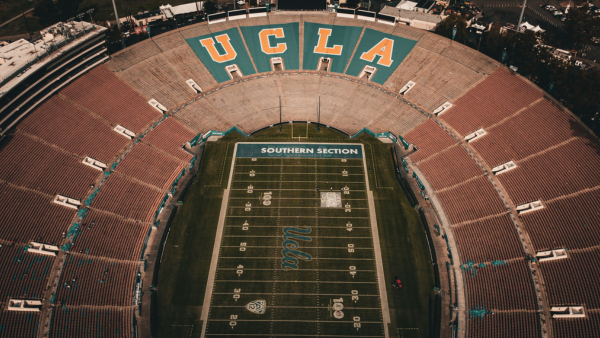
NIL offers expansive opportunities to collegiate athletes, sports betting partnerships are popping up everywhere, and media deals are reaching never before seen heights. The economics of sports are evolving at a rate nobody saw coming.

It is essential for athletes, brands, and agencies to understand these trends in order to stay ahead of a very unpredictable curve.

Quick Highlights

  • College athlete compensation through NIL and revenue sharing is projected to reach $2.25 billion in 2026, more than doubling the original revenue sharing number from 2021.
  • Legal U.S. sportsbooks produced over 16.5 billion in revenue in 2025, a 22.5% increase from 2024, and Americans wagered over $165 billion on sports in 2025 alone.
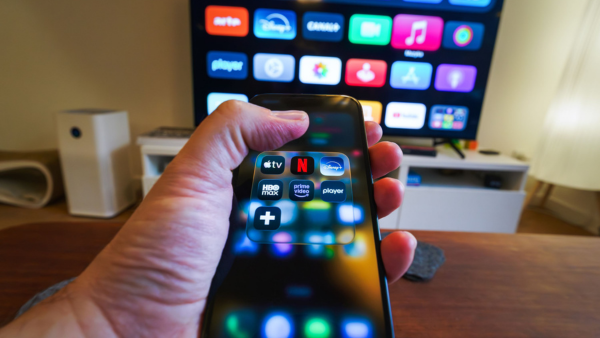
  • U.S. television and streaming companies are expected to spend $29.25 billion on sports media rights in 2026, projecting to exceed $37 billion by 2030.
  • College conference media deals continue to reshape the college sports world. The Big10’s media rights are worth approximately $8.05 billion, while the SEC’s deal is worth about $7.1 billion.
college sports

The Rise of the Athlete Entrepreneur in College Sports

Previously, college athletes had very limited opportunities to profit from the values they had helped create. The only “compensation” they were allowed to receive was through academic scholarship, academic support, and other smaller benefits from the NCAA and its rules. 

The arrival of NIL in July 2021 completely changed that relationship. Athletes could now begin earning money through various endorsements, appearances, autograph signings, and many other types of monetizable business activities. Opendorse projected that total NIL in collegiate sports grew from just over $900 million in 2021 to over $1.65 billion in 2025. 

NIL encourages student athletes to think beyond their performance on the field and to invest in building their personal brand. By growing an audience, launching their own brands, and partnering with sponsors, these student athletes are now able to create their own financial opportunities well before their playing days end.

A very popular example is former LSU gymnast Livvy Dunne. She was able to leverage her massive following on social media into various endorsement deals with big names brands. The success she was able to display demonstrates that in today’s NIL era, the brand of an athlete can be just as or even more valuable than their performances. 

NIL Opportunities

As NIL opportunities become more complex, the shift in demand for athlete representation has become increasingly more important.

Agencies help these student athletes navigate contracts, ensure compliance within the regulations of NIL, protect the athletes intellectual property rights, and also build up their personal brands that are able to create long-term value beyond single endorsement deals. 

NIL has not only added a new source of income to college sports, but it has also introduced a brand new business entity that these student athletes have the ability to take advantage of while still competing at the highest level.

The House is Winning

For decades, many professional sports leagues tried to stay away from legal wagering. Today, not only do they approve of it, they also present it to their fans and viewers routinely. 

Sportsbook advertisements appear during live broadcasts. Betting lines are incorporated into studio programming. Odds makers have live segments on ESPN and other well known sports networks.

According to the American Gaming Association, sports betting in the United States reached revenues of approximately $16.96 billion in 2025. This number was up 22.8% from 2024. The total amount wagered was also north of $166 billion in 2025.  

Not only does this revenue help the sportsbooks, but it also works wonders for the TV networks and leagues themselves.

This new “trend” has allowed viewership to skyrocket. Sportsbooks benefit from the extra activity, but so do media companies, advertisers, leagues, and data providers. These fans are not only watching, they are following stats, checking mobile devices/apps, consuming analysis of the sport, and chatting about any outcomes that may or may not have helped them and their pockets. 

This up and coming industry is also generating revenue beyond wagers. Many state-regulated operators generated approximately $3.7 billion in sports-betting taxes in 2025.

The Battle for Live Sports

The way people consume their entertainment has changed drastically over the past decade. Streaming services have become king when it comes to movies, television, documentaries, and other on-demand content. Live sports, however, remained one of cable television’s last strongholds in the industry, until recently.

Sports are the only thing in today’s world that people want to watch as they happen live. The uncertainty of live action makes the viewer feel as if they are missing out on a monumental life moment. This scarcity makes sports one of the most valuable assets in the media world. It is estimated that U.S. television and streaming sports payments would total up to around $29.5 billion in 2025. 

This number has doubled from $14.64 in 2014. The growth is undeniable. 

Streaming services has become increasingly aggressive when pursuing the streaming rights to all of the “Big 4” sports leagues (NFL, NBA, MLB, NHL). Streaming services have become the primary place to watch many live sporting events.

As streaming platforms such as Amazon Prime Video, Peacock, YouTube TV, Netflix, and Apple TV continue to acquire the exclusive media rights for these sports, fans need multiple subscriptions just to follow and watch their favorite teams. Not only does this attract subscribers, it retains them. By holding these games “hostage” to the viewers, it creates less subscription cancelations, generates ad revenue, and encourages the viewer to spend more time within that certain platform.

These rising rights fees are also affecting the sports economy. It allows these leagues to help support player compensation, improve league operations, upgrade facilities, and also experiment with expansion. 
sports media rights

What the Future Holds

It is evident that the sports industry will continue to evolve as technology advances, regulations change, and new platforms challenge each other for viewership attention. 

NIL has allowed student athletes to obtain greater control over their various identities. The sports betting world has become a major revenue engine and has changed the way people engage with sports. The competition in media rights has turned live sports into one of the most prized possessions in the entertainment industry.

On the outside, they seem like simple changes. However, athletes are now forced to think like entrepreneurs. Brands are now creating and maintaining very authentic connections with consumers. Agencies are helping talent to build value that goes well beyond a single season or career. 

The new economy of sports is not just about the total amount of money entering the industry. It reverts back to who can and will create value, who is able to get firm control of that value, and how these athletes, brands, leagues and media platforms will come together and share this revenue year over year. 

FAQ:

  1. What is NIL? NIL stands for Name, Image, and Likeness. This allows student athletes the ability to earn money from sponsorships, endorsements, social media, and other opportunities that present themselves.
  2. When was sports betting legalized in the U.S.? Sports betting was legalized in 2018. This was done after the Supreme Court demolished the Professional and Amateur Sports Protection Act. 
  3. Why are media rights becoming more valuable? Media rights have become more valuable because streaming services and traditional broadcasts are in constant competition for live sports due to the audience they attract. When one out bids the other, the price continues to surge up. 
  4. How do these trends benefit athletes? Athletes nowadays at all levels have more opportunity to earn income beyond their salaries or prize money.


How Athletes Like Ilona Maher Turn Influence Into Income

Professional athletes have more opportunities to turn their talent into money than ever before. Thanks to the rise of digital platforms, athletes’ sponsorships, endorsements, and media deals often impact earnings more than salaries or prize money.

Take Ilona Maher and Chloe Kim: their brand partnerships and media presence show how athletes in niche sports can earn more off the field than on it. These revenue streams highlight how modern sports have evolved into a broader business model.

Quick Highlights

  • The modern athlete is both competitor and entrepreneur, blending sport and business.
  • Salaries can be massive, like Lionel Messi’s Inter Miami contract worth up to $150 million over 2.5 years.
  • Endorsements often outweigh competition earnings. Rory McIlroy earned $4.2 million for his Masters win, but his 10-year Nike contract is worth over $200 million.
  • NIL and social media have created new income streams. LSU gymnast Livvy Dunne earns seven figures annually, while Ilona Maher built and monetized a following of 3.6 million on TikTok.
  • Brand partnerships can be highly lucrative. Chloe Kim’s deals with Nike, ROXY, and Toyota during her Olympics season brought in an estimated $3 million alone.
headshot of professional snowboarder

Salaries and Prize Money

Salaries and prize money still remain a core part of athletes’ earnings.

In team sports like the NBA, NFL, and Premier League Soccer, contracts exceed hundreds of millions. For example, Lionel Messi’s contract with Inter Miami will earn him up to $150 million in 2.5 years. 

Individual sports like tennis or golf also pay out significant prize pools. Rory McIlroy received $4.2 million after his win at the Masters Tournament.

However, these salaries often only account for a smaller percentage of total income. For example, Lionel Messi earned $60 million on the field but beat that with $75 million in endorsements, making competitive payouts only half of his total income.

This financial shift shows how athletes’ performance is only one part of the modern athlete’s earning potential, and why building a personal brand is becoming more and more important.  

Sponsorship Deals

Sponsorships remain one of the strongest revenue streams for athletes. Companies pay for visibility through logos, endorsements, and co-branded product lines. Deals like LeBron James’ lifetime Nike contract, worth over $1 billion, show just how lucrative this can be.

These partnerships extend well beyond sportswear. Serena Williams has worked with Wilson, Gatorade, and Beats by Dre, reflecting how athletes’ influence spans multiple industries.

Social media has pushed sponsorships from simple logo placements into lifestyle collaborations. Chloe Kim’s partnerships with Nike, Toyota, and ROXY tie her athletic success directly to global consumer brands.

Merchandising has become an equally powerful piece of the model. Michael Jordan’s historic negotiation for Air Jordan royalties and Kim’s ROXY apparel line show how athletes now profit not just from visibility, but from products built around their personal brand.

basketball player dribbling on the court

Social Media and Personal Branding

Athletes increasingly turn their fame into business opportunities by building personal brands. Platforms like Instagram, TikTok, and YouTube allow them to act as influencers while running their own media channels.

Michael Jordan set the standard with his Jordan Brand, which included royalties on every shoe sold and went on to generate billions in revenue. More recently, Russell Westbrook’s streetwear line Honor the Gift and Livvy Dunne’s NIL-driven social media deals show how athletes extend their reach beyond competition.

Ilona Maher, for example, built a massive TikTok following by sharing humorous, relatable content during the Tokyo Olympics. The attention not only boosted her career but also elevated rugby’s visibility, ultimately leading to major sponsorships with brands like L’OrĂ©al Paris and Paula’s Choice.

Personal branding now goes beyond content to storytelling. By showing who they are off the field, athletes create authentic connections with fans, making them more valuable to brands and broadening their influence.

Alternative Revenue Streams

Diversifying is essential to long-term financial success, and many athletes are now entrepreneurs

Investments in startups, real estate, and media companies have become common. LeBron James co-founded SpringHill Company, producing shows and films, while Kevin Durant’s Thirty Five Ventures manages investments from innovative startups, while also producing content through its media platform. 

Even college athletes under NIL are launching apparel brands and training academies, building wealth and legacies beyond their sport. These ventures also provide a buffer against short careers or injuries, proving that business savvy is just as important as being game-ready.

professional skier skiing down mountain

The Business of Being an Athlete

The playbook has shifted. Athletes are starting early, with NIL giving high school and college players the chance to build brands that inspire, engage, and generate revenue.

Today, success is measured by more than contracts and performance. The athletes who stand out are those who build a lasting brand that can generate income long after competition ends.

Athelo Group helps athletes and brands navigate this evolving landscape, building partnerships, launching businesses, and creating sustainable careers. If you are a brand looking to partner with our athletes, or an athlete seeking representation, contact us to start building what’s next.

Sports Sponsorship ROI: Why Brands Invest Billions in Athletics

Not long ago, an athlete’s role in sports sponsorship was simple: wear the logo, smile for the camera, maybe appear in a TV ad. Today, the playbook looks very different. Athletes have become storytellers, creative drivers, and trusted voices.

Through years of competition, personal struggle, and triumph, they build credibility that authentically connects with audiences. From Dani Speegle sharing her training routine to Brisa Hennessy partnering with Pura Vida to highlight her connection to her Costa Rician roots, these moments show who athletes truly are.

This sports marketing shift isn’t just cultural. It’s measurable.

Quick Highlights

  • Authentic voices deliver 7Ă— higher ROI than traditional influencers thanks to audience trust.
  • Girls Who Eat, a movement promoting healthy and empowered relationships with food, sparked widespread social resonance and drew hundreds of thousands of followers who connected with Dani Speegle’s message of strength over aesthetics.
  • Travis Hunter’s partnership with Celsius in the “Essential Six” campaign generated 1.2M+ impressions and a 5.8% engagement rate through personal and training content.
  • NIL is creating new opportunities for college athletes and brands, with 40% of varsity athletes landing brand deals within their first year.
  • Fans of women’s sports are 2.8Ă— more likely to purchase products endorsed by female athletes, proving influence extends beyond exposure.
athlete sponsored by gymshark

The Sports Sponsorship Evolution

The campaigns people remember aren’t always the ones with the biggest logo. They’re the ones that tell a story worth following. Dani Speegle’s Girls Who Eat campaign, for example, champions body positivity and female empowerment within strength sports. 

These partnerships challenge stereotypes, spark cultural conversations, and grow communities beyond competitive athletes.

As platforms like Instagram Reels, TikTok, and YouTube pull fans deeper into athletes’ daily lives, the content that resonates most feels unscripted and personal. Emily Loogman Rethwill connects with her audience through training clips and motivational captions, but also by sharing everyday moments with her daughter.

This balance of performance and authenticity shows why athlete partnerships have become a core strategy for cultural relevance and long-term engagement.

Turning Athletes into Brand Storytellers

Modern athlete partnerships thrive when athletes are given creative freedom to share their stories. Instead of just promoting products, they integrate brands into authentic glimpses of their daily lives, routines, and personal experiences. 

This approach allows fans to connect with both the athlete and the brand on a deeper level.

Former college football players like Travis Hunter and DJ Uiagalelei share content that reflects their training, campus life, and personalities. Hunter’s partnership with Celsius highlighted his workouts and gameday prep, while Uiagelelei because the first active college athlete featured in Dr. Pepper’s “Fansville Campaign.” 

The fans are loving it: Hunter has 2.2 million followers on Instagram and Uiagalelei has garnered over 80K likes in a single post. When brands fit seamlessly into their content, the result is more valuable than exposure— it’s authentic engagement.

The NIL Revolution

The 2021 Supreme Court ruling on Name, Image, and Likeness (NIL) rights transformed collegiate sports marketing. For the first time, college athletes could monetize their personal brands, opening doors once reserved for professionals. Within a year, Harvard Business Review reported that 40% of varsity athletes at Texas Tech alone had landed brand sponsorships.

NIL deals give brands access to highly engaged, authentic audiences. Programs like the Tennessee Volunteers’ partnerships provide athletes with financial support while introducing brands to loyal, built-in fanbases. 

Professional athletes are also inspired by NIL-style collaborations. NBA player Isaac Okoro works with smaller lifestyle-aligned brands like Holo Footwear for creative freedom, producing content that blends athletic performance with personal interests. Rising stars like Sydney Grimes are collaborating with viral brands like Gold Hinge, creating lifestyle-focused content that feels genuine and relatable.

This new era makes one thing clear: athletes are no longer just endorsers. They are partners and storytellers, shaping culture, driving consumer behavior, and creating measurable value for the brands they align with.

athlete wearing nike shoes

The Power of Athlete Storytelling

In a world where consumer attention is fragmented, sports are one of the last shared stages. Athletes command focus across platforms, bridging live moments with digital storytelling. For brands, betting on sports sponsorship is really a bet on owning scarce, high-trust attention.

At Athelo Group, we bring brands and athletes together to turn that attention into impact. Ready to bet on sports? Learn how we’ve transformed sports sponsorships into growth strategies.

House vs. NCAA: The Legal Battle Changing College Football

College football is at a crossroads. The ongoing House vs. NCAA lawsuit could reshape college sports as we know it.

The case challenges how athletes are compensated, with potential consequences for football programs, recruitment, and even smaller sports. This lawsuit could lead to massive changes in how college athletics are funded and how athletes are treated across all sports.

Quick Highlights

  • The House vs. NCAA lawsuit could lead to $2.78 billion in athlete compensation, with $1.2 billion allocated over the next decade.
  • Division I football programs will increase scholarships from 85 to 105 starting in 2025, with some teams splitting them into partial awards to manage costs.
  • Top programs like the University of Texas secured $50,000 annual NIL deals for each offensive lineman in 2023, initiating a competitive recruitment advantage.
  • Recruitment could be dominated by wealthier programs, with schools in Power Five conferences already outspending smaller schools by millions in NIL deals. 
  • Non-revenue sports, including women’s soccer, could face funding cuts as schools prioritize football and basketball, with smaller programs operating on budgets under $40 million annually—far less than the $250 million-plus budgets of top-tier schools.

What is the House vs. NCAA Case?

The House vs. NCAA lawsuit revolves around the rights of college athletes to receive compensation beyond their scholarships. The plaintiffs argue that the NCAA’s restrictions on education-related benefits and Name, Image, and Likeness (NIL) opportunities violate antitrust laws.

This legal battle follows the landmark Alston decision in 2021, which allowed schools to provide athletes with unlimited education-related benefits and paved the way for the current NIL era. 

The House case pushes the boundary even further, seeking direct revenue sharing with players. If the ruling favors the athletes, it could open the door for broader financial compensation, impacting how programs fund their football teams and athletic departments at large.

This lawsuit is not just about football; it could create a power imbalance across collegiate sports. Revenue-dominant programs like football and men’s basketball stand to benefit the most, while athletes in non-revenue and niche sports–such as fencing, rowing, and gymnastics–could be left fighting for scraps. Critics argue that Olympic and niche sports athletes, who often rely on scholarship support, may see their funding reduced as schools prioritize revenue-generating programs.

Athletes like Dani Speegle, who transitioned from collegiate sports to become a top-tier CrossFit competitor, underscore the importance of investing in athletes beyond the major sports. Her success highlights the untapped potential of athletes in non-revenue sports, a group that could face increased challenges if funding shifts away from them.

Impact on Football Scholarships and Team Budgets

Football programs, particularly those in Division I, could face major budgetary shifts. Schools may have to reallocate funds to compensate athletes, potentially reducing the number of scholarships or cutting costs in other areas like facilities or coaching staff. Smaller programs with limited budgets might struggle to keep up with powerhouse schools, deepening the divide between major conferences and smaller institutions. 

According to industry reports, Ohio State’s athletic budget exceeded $251 million in 2023, while smaller programs like those in the Mid-American Conference (MAC) often operate on less than $40 million annually. Revenue sharing could stretch these lower-budget schools to their financial breaking point. 

Additionally, non-revenue sports could be at risk. Take the case of women’s soccer–while the sport has grown rapidly, it still relies heavily on institutional funding. A shift toward revenue sharing could result in fewer resources for those teams.

Recruitment and Competitive Balance

If players can earn more through NIL deals and direct compensation, recruitment strategies will shift significantly. High-profile football programs with bigger media markets and sponsorship opportunities could dominate recruitment, leaving smaller schools at a disadvantage. This could lead to a “pay-to-play” atmosphere, where the richest programs attract the best talent, challenging the NCAA’s commitment to maintaining competitive balance.

For example, the University of Texas reportedly secured a $50,000 annual NIL deal for each offensive lineman on scholarship in 2023. This level of compensation is far beyond what most Group of Five or FCS programs can offer, creating an uneven playing field. 

Beyond football, elite gymnasts like Olivia Dunne have built multi-million dollar NIL brands. While this is a win for top-tier athletes, it further illustrates how marketable stars benefit most, while less-known athletes struggle to attract deals. 

Opting Out of the Settlement: What Does It Mean?

While the proposed settlement represents a significant step toward athlete compensation, both individual athletes and Ivy League schools like Harvard, Yale, and Princeton have chosen to opt out. Some athletes are pursuing individual lawsuits for potentially higher payouts, though it comes with risks like prolonged legal battles.

Meanwhile, schools like those in the Ivy League have opted out entirely, choosing to forgo direct payments to athletes to preserve their academic-focused athletic model. These opt-outs could fragment the college sports landscape further, creating disparities in how athletes are compensated and shaping future legal challenges for both institutions and players.

The Future of College Football: Professionalization or Preservation? 

Critics argue that this case could push college football closer to a professional model, blurring the lines between amateur and professional sports. While some see this as a necessary evolution to fairly compensate athletes for their contributions, others worry it will erode the traditional college sports experience. 

The NCAA’s long-standing model of “amateurism” has defined college sports for over a century, but legal experts argue that clinging to this ideal is no longer sustainable in a billion-dollar industry. In 2022, the SEC alone generated $802 million in revenue. With these figures in mind, the argument for player compensation becomes increasingly difficult to ignore. 

For niche sports, however, professionalization may pose a risk. Athletes in sports like swimming or track and field often rely on the collegiate system as a stepping stone to the Olympics. If funding shifts disproportionately toward football and basketball, these athletes could lose critical development opportunities.

We Think It’s About Time

At Athelo Group, we believe it’s time to fully embrace the future and turn all of college athletics into a full-blow professional system. Salaries, trades, free agency, the works. Let boosters operate like team owners, let athletes sign multi-year contracts out of high school, and turn the transfer portal into a televised draft event with ESPN-grade coverage.

Want to see Stanford trade its top swimmer to Florida for cash and future recruiting considerations? Why not. If college sports are a business, let’s lean all the way in and let the chaos reign.

Regardless of the outcome, House vs. NCAA will set a precedent for how college football operates in the future. 

As the legal battle unfolds, fans, athletes, and institutions alike will need to adapt to the new reality of college sports. While college football has always been more than just a game, this ruling could accelerate its transformation, pushing the sport further toward treating players as employees rather than student-athletes. 

How Freshmen Like Tre Johnson Are Changing College Basketball

The 2024 college basketball season has already delivered plenty of excitement, thanks to the influx of young talent. A new generation of freshmen has made their presence felt, shaping the national landscape. Rookies like Tre Johnson aren’t just filling out rosters; they’re altering the balance of power in major conferences and pushing teams toward NCAA Tournament contention.

Freshmen Leading the Charge for NCAA Tournament Bids

At Michigan State, freshman Egor Denim has seamlessly transitioned into the college game. His ability to score, facilitate, and defend has been key for Tom Izzo’s Spartans. Denim’s early success has made Michigan State a strong contender in the Big Ten this season.

At UConn, freshman Liam McNeeley has provided an immediate impact. His perimeter shooting, defense, and basketball IQ have been vital in UConn’s bid to defend the national title. McNeeley’s versatility fits well in their fast-paced system, and his role will grow more crucial for their tournament aspirations.

tre johnson

NIL Deals Fueling Freshman Confidence and Performance

The introduction of NIL deals has had a noticeable impact on freshmen players. Financial backing through NIL allows young stars to focus more on development, leading to stronger performances.

Tre Johnson, a standout freshman for Texas, is already projected as a potential NBA lottery pick. He secured his first NIL deal in high school through Panini America, a sports trading card company, and his valuation has since risen to $1.3M. Johnson’s scoring, defense, and leadership have been crucial to Texas’ success in the Big 12.

tre johnson

Coaching Strategies Shifting to Maximize Freshmen Talent

As freshmen play an increasing role, coaches are adjusting strategies to utilize their unique skillsets. Some programs have shifted tactics to highlight freshmen strengths, benefiting both individual performances and team success.

At Duke, Coach Jon Scheyer has tailored his system to capitalize on Cooper Flagg’s versatility. Flagg’s ability to guard multiple positions, rebound, and push the ball in transition fits perfectly in Duke’s up-tempo offense. Scheyer’s integration of Flagg has contributed to his early success.

tre johnson

Freshmen Shaping the Future of Their Programs

These freshmen are reshaping their programs and instilling a renewed sense of optimism. Their ability to step in and perform at a high level has elevated expectations for future seasons.

Dylan Harper at Rutgers is helping reshape the culture of a program that’s historically been on the fringes of NCAA Tournament contention. Harper’s performances have lifted Rutgers into the upper ranks of the Big Ten. As the team grows around him, Rutgers could become a regular tournament fixture.

tre johnson

A Look Ahead

As the 2024 season progresses, freshmen are proving they’re no longer just supplementary players—they’re transforming the game. With stars like Cooper Flagg, Egor Denim, Dylan Harper, Tre Johnson, and Liam McNeeley leading their teams, the future of college basketball is in good hands. Their performances will shape the sport’s next great era and define the upcoming NCAA Tournament.

Sources:

  1. https://www.cbssports.com/college-basketball/news/ranking-college-basketballs-best-freshmen-auburns-tahaad-pettiford-earns-freshman-of-the-week-honors/
  2. https://www.ncaa.com/news/basketball-men/article/2024-09-23/top-12-freshmen-2024-25-mens-college-basketball-season-ranked-andy-katz
  3. https://bleacherreport.com/articles/10142903-top-25-for-2025-ranking-best-freshmen-to-watch-this-mens-college-basketball-season
  4. https://bleacherreport.com/articles/10145825-2025-mens-college-basketball-early-report-card-grades-for-top-freshmen
  5. https://www.on3.com/nil/news/tre-johnson-basketball-2024-recruiting-class-2025-nba-draft-baylor-kentucky-texas-kansas/

NIL Rules in College Sports: What You Need to Know

In the four years since NIL rules were introduced, college sports—especially football—have been completely transformed. What was once a strictly college-level pursuit now mirrors the high-stakes world of the NFL, with athletes landing major sponsorships, promoting products, and building their own brands.

On top of that, schools are now able to directly pay players, thanks to new agreements from major conferences. This shake-up has turned college athletics into a thriving business and sparked debates about fairness, competition, and where the sport is headed.

nil rules

What Is NIL, and Why Is It Important?

NIL became official on July 1, 2021, when the NCAA allowed athletes to profit from their name, image, and likeness. For years, NCAA rules banned athletes from making money, despite college sports like football and basketball generating millions for schools. The new NIL rules permit athletes to make money in a variety of ways, including through social media, endorsement deals, and even personal merchandise.

Since then, athletes have seized the opportunity to become more than just players—they’ve started building powerful personal brands. This shift has been especially impactful in high-profile sports like football and basketball. Take Bryce Young, former Alabama quarterback and Heisman Trophy winner, who reportedly earned over $1M in NIL deals during his college career.

Athletes Are Now Brand Ambassadors

Colorado head coach Deion Sanders signed with Nike in the ’90s as their premier NFL athlete, releasing his own signature shoe for five consecutive years. Thanks to NIL, his son now has the chance to follow in his footsteps while still in college. Just like his dad, Colorado QB Shedeur Sanders will partner with Nike on a line of apparel and footwear, all before even landing an NFL contract.

This new era of NIL has many athletes, including Shedeur, thinking strategically about how to build their brands while still in school. “Athletes are empowered to make money, and many of them are embracing the chance to build their brands while still in college,” said SEC Commissioner Greg Sankey. But creating a personal brand isn’t always straightforward—it requires significant effort, and some athletes may need guidance when it comes to contracts, social media, and sponsorships.

nil rules

Social Media: A Big Part of NIL Success

One of the major ways athletes are making money today is through social media. Platforms like Instagram, TikTok, and YouTube allow athletes to connect with fans and brands, giving them a powerful tool to promote products or build their personal brands.

Athletes like gymnast Olivia Dunne (LSU) and basketball players Haley and Hanna Cavinder (Miami) have turned their massive social media followings into profitable deals with brands like Vuori, American Eagle, and Stanley. Now, many are teaming up with agents and marketing experts to manage their social media, negotiate deals, and grow their brands—essentially becoming their own businesses.

How NIL Is Changing College Sports

One of the biggest changes is the rise of the “transfer portal.” With athletes now able to make money, some are switching schools to secure better NIL deals, choosing colleges based on financial incentives rather than just sports programs or academic reputation.

This shift has created noticeable tension in college sports. Coaches and universities are adjusting to a new reality where NIL deals play a key role in recruitment. Former Alabama coach Nick Saban summed up the change, saying, “All the things that I believed in for all these years… no longer exist in college athletics.” 

Some worry athletes may prioritize money over academics or team goals, while others see it as a chance for fair compensation and a more equitable approach to college athletics.

nil rules

What’s Next for NIL?

Critics argue that NIL has stripped college sports of its traditional values, like academic focus and team loyalty. They believe the emphasis on money is shifting athletes’ priorities and could erode the foundation of college athletics.

On the other hand, supporters see NIL as a long-overdue change that finally allows athletes to profit from their own name, image, and likeness. In the future, we might see a system where athletes are fairly compensated without losing sight of their educational and athletic goals. The challenge will be striking a balance that keeps both the athletes and the spirit of college sports in check.

Sources:

  1. https://www.sportsbusinessjournal.com/Articles/2024/12/11/sbj-iaf-nil-panel
  2. https://www.si.com/fannation/name-image-likeness/nil-news/college-football-free-agency-transfer-portal-trends-and-nil-impact
  3. https://www.espn.com/college-sports/story/_/id/41040485/what-nil-college-sports-how-do-athlete-deals-work
  4. https://www.espn.com/college-sports/story/_/id/40206364/ncaa-power-conferences-agree-allow-schools-pay-players
  5. https://1819news.com/news/item/nick-saban-on-nil-all-the-things-that-i-believed-in-for-all-these-years-no-longer-exist-in-college-athletics

Athlete Micro-Influencers vs Pro Endorsements: The New Marketing

In today’s fast-changing world, brands are rethinking the traditional model of athlete endorsements as they navigate the complexities of social media-driven marketing. While elite professional athletes have long been the go-to choice for high-profile partnerships, the rise of micro and nano influencers is challenging the status quo. These smaller-scale influencers, with their highly engaged and niche audiences, are proving to be powerful players in brand marketing. This shift raises critical questions: are traditional, high-cost endorsements with star athletes still necessary, or are more targeted, authentic connections through nano and micro-influencers the key to driving brand success in this new era?

micro-influencers

Athlete-Influencers’ Time is Now

The shift toward micro and nano influencers isn’t just about cutting costs—it’s about delivering authentic results. As Isabella Ingrid from Sports Kred points out, the era of celebrity dominance in marketing is fading. Micro-influencers, with their more intimate and engaged followings, are proving far more effective at building genuine connections with audiences. Their personal touch fosters greater trust and authenticity, which are crucial in today’s marketing strategies.

Moreover, working with multiple micro or nano-influencers allows brands to stretch their marketing budgets across various audiences, offering a strategic way to increase reach and engagement. Take, for example, Athelo Group’s partnership with Wow Wipes. They launched a campaign featuring athletes like Alex Aust, Brisa Hennessy, Dani Speegle, Kyra Milligan, and Zoe Benedetto. By collaborating with athlete-influencers in niche sports from surfing to CrossFit, Wow Wipes was able to connect with multiple distinct audiences instead of focusing on a single celebrity endorsement that would target just one demographic. This approach underscores the changing landscape of athlete endorsements, challenging the past focus on traditional high-profile partnerships.

micro-influencers

The Rise of NIL Marketing in College Sports

The rise of NIL (Name, Image, Likeness) deals has opened up new opportunities for athlete endorsements, allowing brands to partner with college athletes in ways that were previously impossible. Since the 2021 Supreme Court ruling, companies like McDonald’s, Microsoft, and Gatorade have jumped at the chance to connect with younger audiences through these athletes. College athletes offer a cost-effective way to tap into the deep loyalty that fans—especially alumni—have for university sports teams. These deals also allow brands to build early relationships with athletes who might later go pro or compete in the Olympics while engaging with niche sports and diverse audiences.

Partnering with college athletes is more than a cost-cutting exercise. Brands are increasingly valuing the character of the athletes they endorse, sometimes even more than their social media follower counts. This focus on authenticity reflects broader trends in influencer marketing, where genuine connections and trust are key. Take Jared McCain, for example. Last season, he was one of Duke basketball’s best players, creating content that stayed true to his authentic self—even if it didn’t fit the typical athlete mold. His ability to balance sports content with his personal brand made him attractive to companies seeking genuine representation. By carefully choosing athletes who align with their values and ensuring their social media presence is authentic and relatable, companies can reduce the risks of endorsing younger, less established figures while still benefiting from these dynamic partnerships.

micro-influencers

Influencer vs. A-Lister

When comparing social media influencers to traditional celebrity endorsements, each brings unique strengths and challenges. Influencers often excel in credibility and relatability, particularly within specific niches, which fosters trust and drives higher engagement. Their ability to connect with targeted audiences and deliver measurable ROI makes them a cost-effective choice for many brands. However, influencer marketing isn’t without its downsides. As influencers gain more followers, their engagement rates can drop, and while they generally carry less risk than celebrities, they aren’t entirely immune to controversy.

Celebrity endorsements, though typically more expensive and less targeted, can deliver massive visibility and prestige. This can result in either a big win or a serious setback for the brand. A prime example is Ugg’s 2012 partnership with NFL star Tom Brady. The brand aimed to reverse declining sales and expand beyond their primarily female consumer base. The endorsement ultimately fell flat and sales continued to drop. In contrast, GymShark’s work with micro YouTube influencers connected deeply with online fitness communities, contributing to the brand’s growth into a billion-dollar company. Whether a brand opts for a household name or influencers with a small base of loyal followers, a campaign’s success or failure largely depends on authenticity.

micro-influencers

In today’s social media-driven marketing world, athlete endorsements are undoubtedly shifting from celebrity partnerships to micro and nano influencers. These smaller influencers connect authentically with niche audiences, making them increasingly attractive to brands. The rise of NIL deals and the integration of athletes in broader entertainment collaborations further highlights this change. While celebrity endorsements still offer great visibility, brands are increasingly focusing on targeted and cost-effective influencer marketing in 2024 and beyond.

Sources:

  1. https://www.linkedin.com/posts/dancrosby_marketingstrategy-brandbuilding-biosteel-activity-7229086830061608962-R02d/?utm_source=share&utm_medium=member_ios
  2. https://hbr.org/2024/05/how-marketers-choose-college-athlete-influencers
  3. https://sportskred.com/navigating-the-evolving-landscape-of-influencer-marketing
  4. https://m7.agency/nil-influence-how-brands-can-score-big-in-the-new-era-of-athlete-influencers/
  5. https://www.google.com/url?q=https://www.isportconnect.com/trends-in-the-sports-sponsorship-business-in-2024/
  6. https://swaygroup.com/social-media-influencers-new-celebrities/
  7. https://collabstr.com/blog/how-gymshark-built-a-billion-dollar-empire-through-influencer-marketing
  8. https://247wallst.com/sports/2024/08/29/these-athlete-endorsement-deals-were-complete-disasters/

Will We Soon See the NCAA Paying Athletes Directly?

Over the last decade, college sports have undergone significant transformations, particularly concerning the payment of student-athletes. These changes are driven by intense legal battles and evolving public opinions on whether college athletes should be recognized as employees and receive direct compensation. 

The concept of the NCAA paying athletes directly could come sooner than we think. A game-changing new NCAA proposal aims to tackle the fairness issues within the billion-dollar industry of college sports, challenging the long-standing notion of amateurism. It marks a pivotal moment, promising to change how college athletes are compensated and challenge the traditional model of college athletics.

Historic Settlement and Its Effects

On May 24, 2024, the NCAA and Power 5 conferences agreed to a major legal settlement in the House v. NCAA class-action lawsuit. This deal, if approved by a federal court, could change the amateur status of college athletes by allowing schools to pay them directly. The settlement includes two key points: distributing $2.75B to athletes who played before July 2021 and enacting a revenue-sharing model that permits schools to grant nearly $20M a year to athletes.

However, not all athletes will benefit equally from NCAA paying athletes directly. Football and men’s basketball players at NCAA Division I schools with large athletic programs are the main winners because their sports bring in the most revenue. While women’s basketball players may also get a payday, athletes in less popular sports may not see any money. This could potentially widen the gap between wealthy, high-revenue schools and smaller institutions.
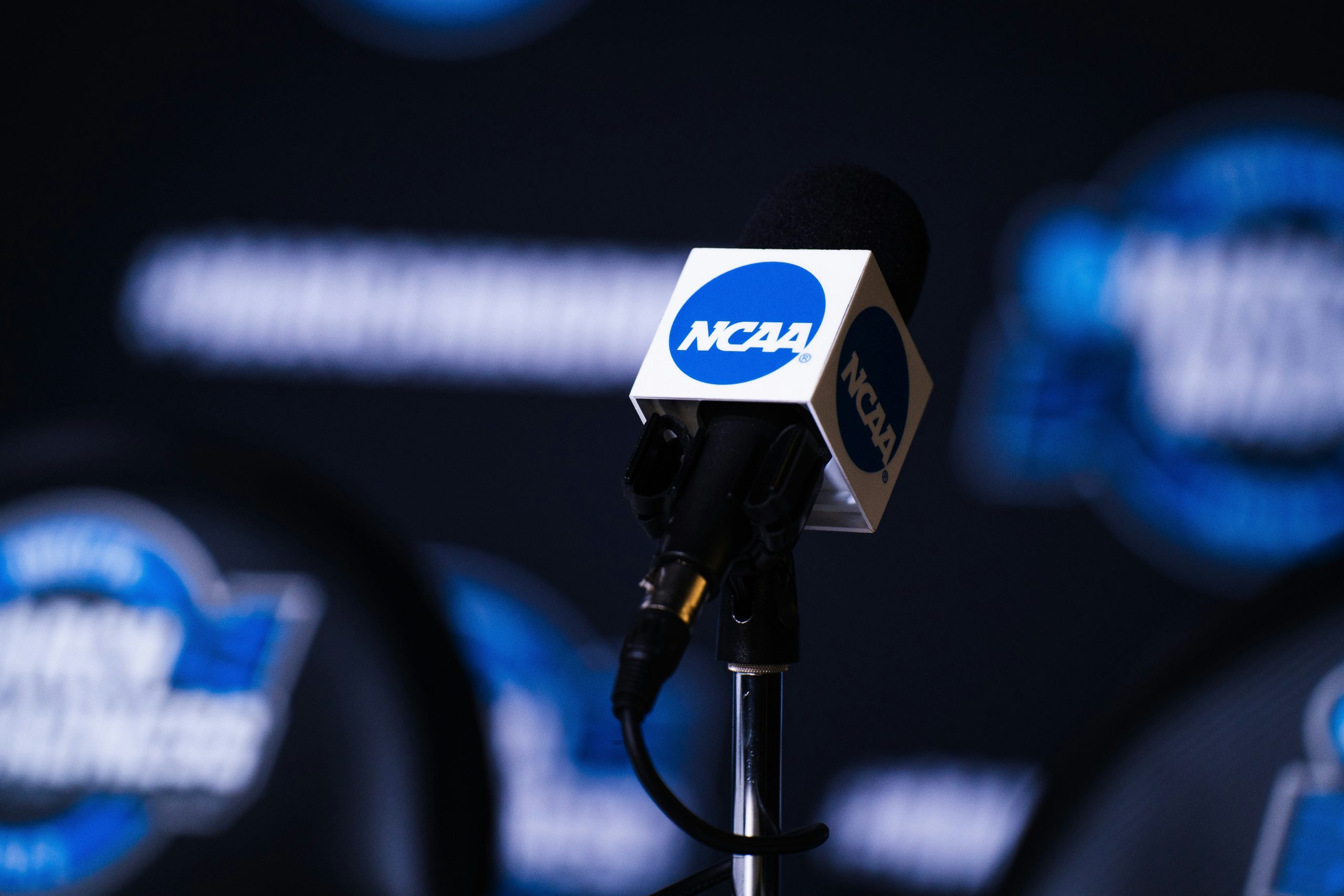
ncaa paying athletes directly

The Employee Status Debate

A key component of this changing landscape is whether or not college athletes should be recognized as employees. On July 11, 2024, the U.S. Court of Appeals for the Third Circuit ruled against the NCAA’s motion to dismiss Johnson v. NCAA, a case where athletes argue they are employees under the Fair Labor Standards Act. The ruling requires a new test to determine if athletes are employees, which could have big financial impacts on colleges and the NCAA.

If athletes are considered employees, they would be entitled to minimum wage and overtime pay, challenging the NCAA’s long-standing amateurism model. The case, led by former Villanova football player Ralph “Trey” Johnson, highlights the extensive control schools have over athletes’ time and labor and strengthens the argument for their recognition as employees.

ncaa paying athletes directly

Broader Legal and Financial Implications

The new test introduced by the Third Circuit’s ruling is designed to distinguish between students who play sports for fun and those whose efforts resemble work. The test would analyze three factors: whether the athletes’ services primarily benefit the schools, the level of control exerted by the institutions, and whether the athletes receive compensation. 

These legal battles are part of a broader scrutiny of the NCAA’s practices. Just three years ago, the Supreme Court ruled in NCAA v. Alston that the NCAA’s restrictions on education-related benefits violated antitrust laws. This decision paved the way for athletes to earn money from their name, image, and likeness, adding pressure on the NCAA to adapt to a rapidly changing environment.

ncaa paying athletes directly

Future Directions and Ongoing Challenges

As these legal cases progress, unforeseen challenges are sure to arise for athletes, conferences, and schools alike. Schools will need to navigate the complexities of Title IX, ensuring gender equity in payments, and addressing the financial disparities between different sports and institutions. The potential designation of athletes as employees could lead to extensive changes in how college sports are managed and funded.

Moreover, the NCAA’s appeal to Congress for a federal antitrust exemption underscores the challenges it faces in maintaining its current model. The evolving legal landscape suggests that college sports are on the brink of significant transformation, with far-reaching consequences for athletes, schools, and the NCAA itself.

Sources:

  1. https://www.npr.org/2024/05/24/nx-s1-4978680/house-ncaa-settlement-pay-college-athletes
    https://www.espn.com/college-sports/story/_/id/40541501/court-ruling-seeks-test-decide-athletes-employees
  2. https://www.sportico.com/law/analysis/2024/third-circuit-johnson-ncaa-flsa-case-1234780117/
  3. https://www.vox.com/policy/352083/ncaa-college-athletes-pay-settlement-winners-losers
  4. https://www.nytimes.com/2024/05/25/business/ncaa-settlement-paying-athletes-unionizing.html
  5. https://www.nbcnews.com/news/sports/ncaa-signs-deal-change-landscape-college-sports-paying-student-athlete-rcna153852
  6. https://www.pbs.org/newshour/show/what-the-historic-2-8-billion-settlement-to-pay-ncaa-players-means-for-college-sports

Big East Inks New Media Rights Deal

The Big East has signed a new media rights deal with broadcasting giants Fox, NBC, and TNT. Fox will serve as the lead network in this six-year agreement, which will begin at the start of the 2025-26 academic year and run through 2031. This new deal represents a significant financial boost for the Big East. By the end of the current 12-year deal, the conference will have collected $500M in rights fees, averaging just under $41.7M per year. The new agreement is estimated to nearly double the annual rights payments. This increased revenue is set to create new opportunities not only for men’s basketball, but also for women’s basketball and niche women’s sports.

the big east

Big East Gains NBC, TNT as CBS Exits

CBS, a longtime media partner with the Big East, has decided not to renew its contract with the conference. However, the addition of NBC and Warner Bros. Discovery-owned TNT compensates for the loss, ensuring that over 150 men’s basketball regular-season games will be broadcast across various platforms. This coverage includes all league games and Big East tournament matchups. To maintain its position as the lead partner, Fox will air at least 80 men’s and women’s basketball games each season and will continue broadcasting the iconic men’s Big East Tournament final.

Peacock, a subsidiary of NBC, will expand its live sports portfolio by covering 25 regular-season games and 5 tournament games for the league’s men’s basketball this season. In the 2025-26 season, Peacock will take on an even bigger role, airing over 60 games, including both men’s and women’s basketball. TNT Sports will broadcast around 65 regular-season games per year once the new deal begins. These changes ensure extensive and diverse media coverage for Big East basketball, including streaming to enhance visibility and accessibility for fans.

Boost in Recruitment and Financial Stability 

The conference expects that this new media rights deal will attract top transfer portal talent due to the financial flexibility it provides to Big East universities. Creighton University President Daniel Hendrickson stated, “The arrangement will provide enhanced revenue and long-term stability for the conference, create benefits for our student-athletes, and allow us to remain nationally competitive in our marquee sport: basketball.”

Women’s basketball talent, in particular, will feel the impact of this deal due to the combination of financial flexibility and tripling of TV coverage. Many female athletes want to play on the big stage, and the Big East can now facilitate that. Attracting new transfer talent has already begun with Jada Blagrove moving to St. John’s, Kaitlyn Chen to UConn, and Faith Masonius to Seton Hall.

A New Era for Women’s Sports Visibility

The new media rights deal significantly boosts coverage for women’s sports, tripling the visibility of women’s basketball and ensuring the annual broadcast of women’s championship matches in soccer, lacrosse, volleyball, and softball. With major networks like Fox, NBC, and TNT now airing these events, niche women’s sports will reach a larger audience and gain greater recognition.

This increased exposure can attract more sponsorships and support for women’s athletic programs, improving facilities and resources for female athletes. It also marks a pivotal shift towards equality in sports media coverage, driven by standout performances from athletes like Caitlin Clark. Showcasing women’s sports on major networks gives these athletes the recognition they deserve and provides young girls with role models. This can inspire a new generation of female athletes, fostering broader acceptance and fandom of women’s sports, and promoting a more inclusive and diverse athletic landscape.

More NIL Deals for Women

With the rise of Name, Image, and Likeness (NIL) deals, female athletes can capitalize on their growing popularity. During the latest March Madness basketball season, four of the top five NIL earners were women, such as Caitlin Clark, Angel Reese, Flau’jae Johnson, and Paige Bueckers. The expanded media coverage ensures that NIL opportunities extend beyond men’s basketball and football, enabling female athletes in niche sports to secure endorsements and build personal brands. This holistic boost drives equality and expands the overall landscape of collegiate athletics.


the big east

Looking ahead for the Big East, it’s clear the conference’s storied history is poised for even greater heights. The new influx of cash will attract top talent and keep the conference competitive. The expanded coverage, especially for women’s sports, is a major win, giving these athletes the visibility they deserve. With the rise of NIL deals, female athletes in niche sports can now secure endorsements and grow their personal brands. This deal not only strengthens the Big East’s legacy but also promotes equality and growth in college sports, setting the stage for an exciting future.

Sources:

  1. https://www.sportspromedia.com/news/big-east-conference-fox-nbc-tnt-sports-media-rights-deals/#:~:text=Fox%20to%20continue%20as%20league’s,2031%2C%20while%20CBS%20exits%20partnership.&text=The%20Big%20East%20Conference%20has,TNT%20Sports%20as%20new%20partners.
  2. https://www.sportsbusinessjournal.com/Articles/2024/06/24/big-east-fox-nbc-tnt-sports-media-rights-deal
  3. https://www.sportico.com/business/media/2024/big-east-media-rights-deal-fox-sports-nbc-tnt-1234785885/
  4. https://247sports.com/college/xavier/article/big-east-new-tv-deal-media-streaming-fox-nbc-warner-brothers-tnt–233293363/
  5. https://www.nbcsports.com/pressbox/press-releases/big-east-announces-new-media-rights-agreement
  6. https://www.thenexthoops.com/ncaaw/big-east/big-east-notebook-media-rights-deal-top-transfer-talent/
  7. https://iconsource.com/blog/empowering-women-in-college-sports/

Dartmouth Basketball’s Unionization: The Downfall of Amateurism

March Madness is in full swing, showcasing 68 college teams vying for the championship and captivating millions of viewers. Teams not in contention for the national title are either participating in other postseason tournaments or winding down for the offseason. Dartmouth Basketball, currently in offseason mode, isn’t simply waiting around. They’re actively campaigning for employee status and collective bargaining rights. After voting to unionize, Dartmouth is set on shaking up college sports.  

March 5th, the date when the Dartmouth men’s basketball team voted to unionize, might soon be seen as the beginning of the end for amateurism. The team’s 13-2 vote to join SEIU (Service Employees International Union) Local 560 made them the first unionized college sports team in America. SEIU assists roughly 2M members across the U.S. and Canada in obtaining adequate compensation for their labor and improving their working conditions. Before the landmark vote, NLRB regional director Laura Sacks was already building their case. She publicly stated that an employer-employee relationship does exist between the Dartmouth basketball players and the college. The players, she explained, “benefit their school through things like alumni donations and publicity… and that Dartmouth exercises a lot of control over that work.”

dartmouth basketball

Not everyone is supportive of this movement. The Dartmouth Board of Trustees are opposed to the union vote as they aim to uphold the tradition of amateurism in college sports. Their lack of support stems from their efforts to maintain the status quo, prompting them to petition the National Labor Relations Board to intervene and overturn the decision. For decades, universities and the NCAA have upheld a model of college athletics where athletes dedicate themselves to practice, training, and competition without financial compensation. This setup ensures greater profits for the NCAA and universities alike. While recent changes allow athletes to profit from their name, image, and likeness, significant revenue opportunities remain elusive, particularly for non-Power 5 athletes, including those in the Ivy League.

In Division I athletics, especially in high-revenue sports like football, basketball, and hockey, most teams provide scholarships to nearly all players. Non-revenue sports typically offer 10 to 13 scholarships for men’s teams and 12 to 20 for women’s teams. Ivy League teams are ineligible for athletic scholarships; instead, they offer financial aid based on academic and financial need. Despite this aid, Ivy League students face higher costs than average. For example, Princeton, the most affordable Ivy League school, costs around $80K annually before financial aid. Ivy League student-athletes juggle demanding Division I schedules and tough academics with fewer opportunities for NIL deals and national exposure. Many feel representing their universities brings little tangible benefit. With these challenges in mind, Dartmouth athletes hope to change that narrative and shift the power from the universities to the athletes. 

Unionizing allows Dartmouth men’s basketball players to access improved health and insurance benefits, negotiation power for pay, better working conditions (including practice hours and travel), and more. Juniors Cade Haskins and Romeo Myrthil advocate for a fairer business model in college sports, including unions for Ivy League players. Establishing a Players Association aims to promote unity, advocate for athletes’ rights and well-being, and facilitate collaborative decision-making. This milestone signifies progress towards ending amateurism in college athletics.

While the March 5th vote won’t immediately classify all student-athletes as employees, it represents a significant step towards securing their rights. Official recognition of the union and collective bargaining remains months away, but college athletes, universities, and fans can anticipate positive changes to come.

Sources:

  1. https://apnews.com/article/dartmouth-union-ncaa-basketball-players-2fd912fade62ffd81218a6dc91461962
  2. https://www.npr.org/2024/03/05/1235877656/ncaa-dartmouth-mens-basketball-union-election-nlrb
  3. https://theathletic.com/5319403/2024/03/06/dartmouth-basketball-union-explained/
  4. https://www.nytimes.com/2024/03/05/us/dartmouth-basketball-union-athletes-employees.html
  5. https://www.recruitref.com/blog/what-sport-gives-the-most-scholarships#:~:text=In%20Division%20I%20men’s%20sports,%2C%20ice%20hockey%2C%20and%20basketball.
  6. https://www.causeiq.com/organizations/service-employees-international-union-560-local,036016587/
  7. https://www.politico.com/news/2024/03/05/dartmouth-basketball-team-union-vote-00144965#:~:text=But%20leaders%20of%20the%20Dartmouth,the%20basketball%20team%20also%20worked.

Become a Sponsor.

Join us in making a difference. Tell us a bit about yourself and we’ll be in touch with sponsorship details.

By submitting this form, you agree to be contacted by the Athelo Group team regarding sponsorship opportunities.