The Evolution of NIL Deals: Is There a Dark Side?

On July 1, 2021 the NCAA officially gave student athletes the NIL green light, allowing them to monetize their name, image, and likeness. Fast-forward to 2023, and student-athletes like Livvy Dunne and Bronny James are signing million dollar deals with mega brands like Nike, Under Armour, and Adidas. When NIL was first introduced, not many people could have predicted this high of an earning potential. While the evolution of NIL deals is a great financial opportunity for student athletes, the ruling also poses negative effects with athletes transferring for bigger deals and the increased risk of student-athlete exploitation. 

Student Athletes Get Their Payday

The NCAA and member schools have financially benefited from student athletes for decades, and NIL finally gives student athletes a piece of the pie. Some of the deals that these student athletes are securing has the ability to change their families’ lives. Anthony Leal, a basketball player on the Indiana Hoosiers, was able to help his sister pay off her student loans because of the money earned from NIL deals. Athletes like Leal are finally getting a chance to capitalize on their personal brand’s popularity.  

We’ve also seen college athletes profit from commercial appearances as part of their NIL deals. Caleb Williams, for example, appeared in a series of Wendy’s commercials where he stood on a podium and announced that he was “transferring to Wendy’s.” While Williams would not disclose the compensation amount, he did admit that payouts from NIL opportunities have “changed his life.” Iowa women’s basketball star, Caitlin Clark, has also benefited from these brand commercial opportunities. Clark was the first college athlete to sign with State Farm and has appeared in a series of commercials quipping their signature line: “like a good neighbor State Farm is there.” Clark said that her deal opens up other opportunities for female athletes and helps to grow the women’s game.

The Transfer Portal Problem

While NIL gives student-athletes more financial opportunities, not everyone is a beneficiary. Since NIL is now a factor in college recruitment, larger teams are using its appeal to lure elite level players in ways smaller schools can’t. We are seeing this most prevalent in college football as more and more players decide to transfer schools with more favorable NIL deals. When the transfer portal opened up this year, a total of 538 scholarship players entered the portal, which is an 18% increase from last year’s opening day. Top players in the portal attract interest from SEC, Big Ten, and ACC schools, which, due to their size and brand appeal, can provide more lucrative NIL deals. The evolution of NIL has favored major schools, giving them an edge in recruiting top talent and adversely affecting smaller schools that struggle to compete financially for players.

We are currently seeing this play out in real time with Cameron Ward’s transfer out of Washington State. The sought-after quarterback is predominately considering ACC, Big Ten, or SEC schools. During meetings with these schools, they’ve all emphasized the potential NIL earnings he could make by joining the squad. Miami is currently leading the race, but regardless of his choice, Ward is expected to secure a seven-figure NIL deal with his chosen school. While moves like these financially boost players and top football programs, they limit opportunities for smaller programs and emphasize money over the spirit of the game. 

nil deals

Risk of Exploitation

With newfound opportunities to profit from their name, image, and likeness, student athletes face a risk of exploitation due to their limited business knowledge. Given their youth and lack of expertise in contracts, caution is essential when dealing with brands or player representation groups. It’s disheartening to see college students potentially exploited, emphasizing the need for genuine concern for their well-being in these engagements.

This exact situation transpired last year when former Florida Gator Gervon Dexter signed an NIL deal with Big League Advance Fund II, agreeing to a payment of over $400K. The deal required him to pay 15% of his pre-taxed NFL earnings for the next 25 years. Dexter, drafted by the Chicago Bears, is now suing to void the agreement. His legal team cites violations of Florida’s NIL laws, lack of licensing in the state, and failure to notify the University of Florida within 72 hours. This case underscores the importance for all student athletes to be aware of potential negative situations that could impact their future. 

While NIL is an undeniable financial asset for student athletes, the rule book is still being written. As we dive into the new year, we’ll see the structure of NIL continue to evolve. New regulations may come into play with NCAA’s recent proposal to allow schools to pay athletes in ways not directly tied to educational resources. The NCAA claims these new rules can help create a model for greater governance over NIL in the future. The proposed changes seem like good news for student athletes, but only time will tell if this developing structure works in their favor.

Sources:

  1. https://iconsource.com/everything-about-nil/
  2. https://www.businessinsider.com/olivia-dunne-nil-earnings-brand-deals-collective
  3. https://sports.yahoo.com/top-nil-earners-ncaa-153252893.html
  4. https://www.alligator.org/article/2023/09/former-gator-gervon-dexter-files-lawsuit-over-nil-deal#:~:text=Dexter%20signed%20with%20the%20group,NFL%20earnings%20for%2025%20years.
  5. https://www.theshorthorn.com/sports/nil-symposium-offers-student-athletes-glimpse-into-their-future-after-college/article_90bda846-8f3e-11ee-b14b-535034a937c0.html
  6. https://theathletic.com/5113559/2023/12/05/college-football-transfer-portal-entries-players/
  7. https://caneswarning.com/posts/miami-football-reports-on-staggering-cam-ward-nil-numbers-01hhta63kz1r
  8. https://www.usatoday.com/story/sports/ncaaw/2023/10/10/caitlin-clark-sign-nil-deal-with-state-farm/71131146007/#
  9. https://firstroundmock.com/2023/10/caleb-williams-partners-with-wendys-for-yet-another-nil-deal/
  10. https://www.espn.com/college-sports/story/_/id/39047353/ncaa-proposes-rule-let-schools-athletes-enter-nil-deals
How the NIL has Broadened Horizons for Elite Gymnasts 

Before the NCAA’s 2021 NIL ruling, elite gymnasts were forced to choose between training for the Olympics and competing at a collegiate level. Now that athletes can be compensated for their name, image, and likeness, talented athletes who have dedicated most of their lives to gymnastics can finally partake in both. 

Elite Gymnastics

In addition to eliminating a tough choice for many gymnasts, the ruling has also transformed the sport’s college recruitment process. College coaches now pick new assets from a much wider pool of candidates, and some schools have even hired in-house NIL staff to provide their student-athletes with the education and resources needed to maximize profitable opportunities. In the past year and a half, fans and former gymnasts have marveled at the options now in front of current athletes, who can chase their dreams of becoming an Olympian, without worrying about giving up continuing their sport in college.

Grace McCallum

Grace McCallum grew up in Cambridge, Minnesota as one of seven children, and fell in love with gymnastics when she was five years old. She trained at Twin City Twisters in Champlin, Minnesota, and homeschooled through Connections Academy to focus on her athletic endeavors. McCallum turned elite at age fifteen and competed at the 2017 U.S Classic, where she placed first on vault and third in the all-around. In 2018, she became a member of the Senior National Team. Over the next two years, she worked her way to the top, medaling multiple times at Pacific Rim, Pan American, Nationals, and Worlds.

In 2021, she earned a spot on the postponed 2020 United States Summer Olympic Team alongside Simone Biles, Sunisa Lee, and Jordan Chiles. At the Tokyo Olympic games, McCallum competed on floor, bars, vault, and beam during the team final, and helped USA earn their silver medal. The moment was surreal for McCaullum, who later told Olympics.com: “I achieved the goal of mine that I’ve had since I was like four or five years old. So it’s just crazy to think about.” 

McCallum’s lasting impact on the sport was far from over after Tokyo. Thanks to the new NIL rule, she signed her National Letter of Intent with the University of Utah in November of 2020. When her season with the Utes began in 2021, she made history as one of the first Olympic gymnasts to compete in college. McCallum has had great success so far, scoring a perfect 10 as a freshman in a meet against UCLA, and helping Utah clinch their second Pac-12 title.

McCallum told Olympics.com that she’s now “gained a different kind of love” for the sport. She explains that “elite can be really hard on you emotionally, mentally and physically, but in college, it’s just always so fun having a team that’s there to support you and wants you to do your best.” Four out of five of her Olympic teammates also compete collegiately: Sunisa Lee at Auburn University, Jordan Chiles at UCLA, Jade Carey at Oregon State, and current teammate MyKayla Skinner at the University of Utah.

Elite Gymnastics

Olivia Dunne

Olivia Dunne was raised in Hillsdale, New Jersey and started gymnastics when she was three years old at the Eastern Academy of Paramus. Her elite career began in 2014 when she turned twelve. Before the end of high school, she competed in five U.S. Classics, four American Classics, and four National Championships. Although her standings left the Olympics out of reach, Dunne has found success in her collegiate career. In 2019, she accepted a full athletic scholarship to attend Louisiana State University. Since becoming a tiger, she has helped the team contend for two SEC Championships and the 2021 NCAA Championship. 

While many of her performances have earned nearly perfect scores, Dunne’s impeccable uneven bars routine isn’t the only thing that sets her apart from other college gymnasts. Since 2020, she has gained almost 7 million followers on TikTik and over 3 million followers on Instagram, making her one of the most well-known NCAA athletes on social media. As a result of the NIL ruling, Dunne is now able to profit from her persona through brand sponsorship and collaboration deals.

After making almost $2M last year, Dunne became the biggest NIL earner in women’s collegiate sports. Working with major brands like Vuori, American Eagle, BodyArmour, and GrubHub is a dream-come-true for Dunne, who told Today: “It’s hard to wrap my head around at times, but it’s very cool that someone in college has the opportunity to do that now.” Now a junior at LSU, Dunne continues to polish her gymnastics skills and grow her brand, hoping to turn it into a business after graduation.

Many other collegiate gymnasts have also been leaning into their social media platforms to boost their NIL earnings. Including Dunne, four of the top ten female NIL earners are at school for gymnastics, and each of the other three were Olympians at Tokyo. Sunisa Lee (#2), Jordan Chiles (#9) and Jade Carey (#10) utilize their Instagram and TikTok accounts in a similar way to Dunne, getting creative to connect with fans and grow their engagement rates.

Elite Gymnastics

Compared to Dunne and McCallum, Pre-NIL gymnasts have had a far different experience. Jenny Rowland, head gymnastics coach at the University of Florida and former Arizona State University gymnast, competed decades before the NIL ruling was passed. Despite winning the 1988 American Classic, she chose to go the college route. Rowland told ESPN: “The majority of the past Olympic team is in college and still doing international competitions. I get goosebumps just thinking of it. There is a new path being carved out by these young women.” And Rowland is right – since the passing of NIL, collegiate gymnasts all over the United States can finally gain both financial security and an education without the pressures of deciding between NCAA and the Olympics.

Sources:

  1. https://www.ncsasports.org/name-image-likeness
  2. https://collegegymnews.com/2022/08/10/nil-and-gymnastics-one-year-later/
  3. https://www.si.com/college/2021/07/01/name-image-likeness-programs-schools-ncaa
  4. https://olympics.com/en/video/grace-mccallum
  5. https://utahutes.com/sports/womens-gymnastics/roster/grace-mccallum/13378
  6. https://www.espn.com/college-sports/story
  7. https://www.youtube.com/@TODAY
  8. https://floridagators.com/sports/womens-gymnastics/coaches

The Resurgence of Investing in Sports Cards

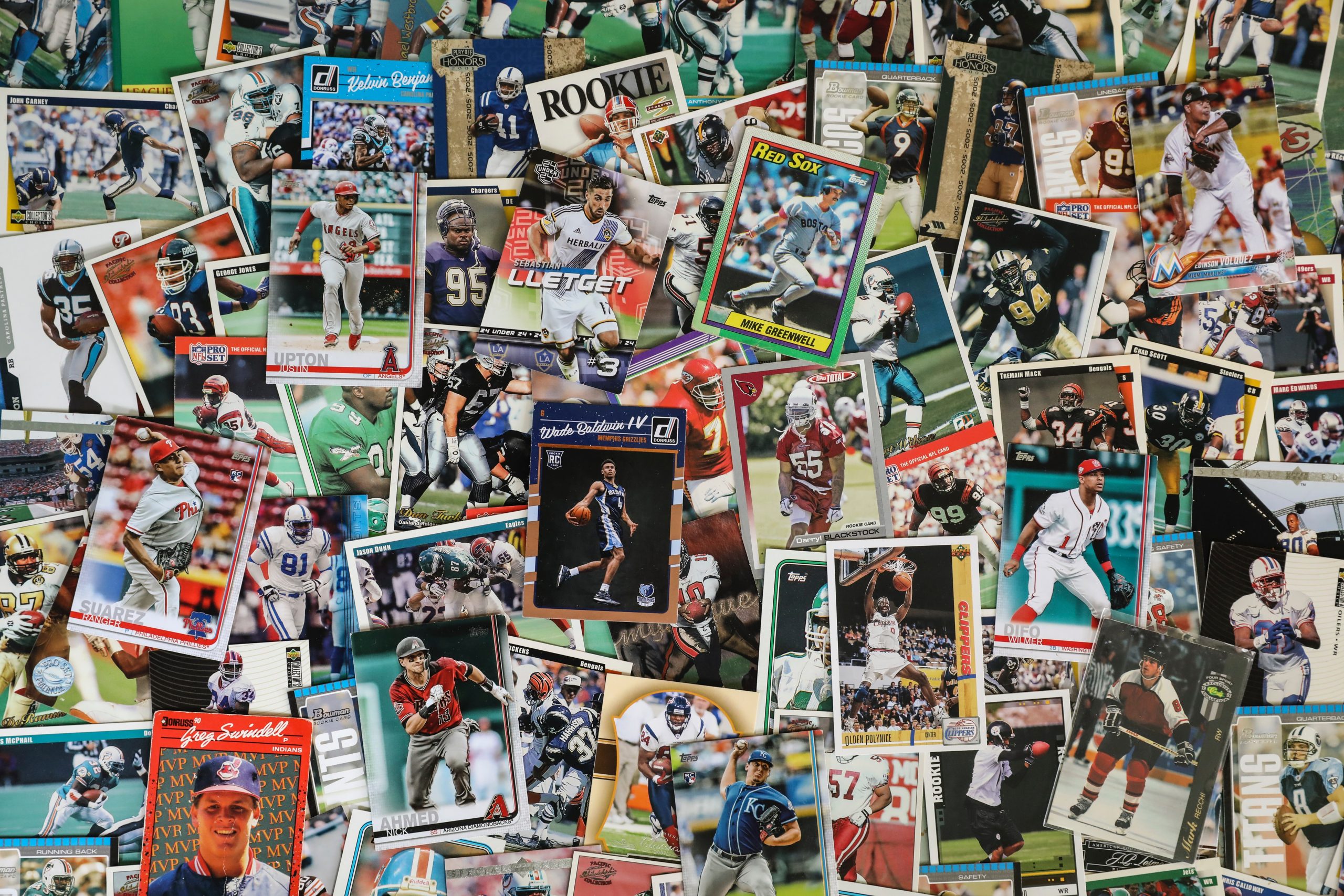
Though there has been a rise in interest in sports cards in recent times, investing in sports cards has been a hobby for over 150 years. From baseball to golf, sports cards are a way to invest in your favorite sports, players, and teams and connect with your local and social media communities through trading, buying, and selling. The pandemic has certainly played a hand in influencing the sports card revival, but there are a number of factors to consider when looking at why investing in them has become more and more popular over recent years.

COVID-19’s impact on sports cards

As a result of the pandemic, sports card investing, collecting, selling, and trading became abundantly prevalent as it is a safe and entertaining stay-at-home hobby. With the lack of sports on TV, sports card investing became an entertainment pastime. The rise in popularity can also be attributed to the increase in social media use in recent years. The ability to open Instagram stores and sell cards or start a live video on TikTok to open a box of cards is a form of entertainment for both the viewer and the content creator. The usage and simplicity of social platforms have also increased the popularity of selling cards. As long as you have access to a mobile device or computer, social media is always available to help you begin your investing journey.

Why you might decide to invest

Many people feel there are a number of benefits of investing in sports cards that may be as simple as the excitement and joy it brings to people who are big sports fans or avid collectors. The chance that cards have the potential to increase in value rather quickly is also something that entices many – whether that’s to show off a high-value collection to others or turn around and sell them at a higher price. In addition, there are endless types of cards across several sports, so chances are that you will never get bored or run out of opportunities to invest in new cards! While sports cards can increase in value quickly, that also means they can decrease, so there is always a risk if you decide to invest your money into this type of asset. That said, it is a hobby, and investing in cards takes patience if you want to build up your collection, but the reward that can come about is worth it.

Nostalgia, culture, and community

When the world shut down, the card investment industry did the opposite. Baseball card collecting, in particular, is one of the largest components of the card-trading industry, and demand is propelled by many collectors who continue to invest in cards; largely because they still enjoy their childhood pastime. The growth of nostalgia through sentimental value put on these cards created a sense of community and has become one of the most active communities of sport with the potential of continued growth with the help of a digital revolution and being able to transform with modern technology to expose a re-found culture. The culture of trading cards represents the desire that sports fans have to obtain and own the most exclusive and one-of-a-kind collectibles. Now, both collectors and athletes have taken advantage of this new and evolving culture and community.

Athelo Group athlete, DJ Diveny, is an ambassador for sports card industry giant, Topps, a leading producer of American football, baseball, basketball, ice hockey, soccer, and other sports and non-sports-themed trading cards. He utilized his platform on social media to showcase the latest collection of soccer players with box breaking content. With over 80,000 views on his last video, it’s clear this kind of exclusive content gets fans and followers excited to see their favorite players on new fresh cards and brings his community of followers together to share their interests in these cards, sparking engagement and driving consumers to check out the new collection. 

NIL and trading cards

Trading card companies like Topps, Upper Deck, and Panini have a specific process when it comes to creating a one of one card. This is entirely specific to the manufacturer and extremely valuable to an investor. Though there aren’t many opportunities for professional athletes or brands to partner with these card companies to create specific or personal cards, Topps and Fanatics have come up with a new way to work with non-professional athletes. With the ever-evolving NIL landscape, Fanatics launched college trading card programs, securing NIL trading card rights for college athletes in football and basketball across multiple schools. This new program allows student-athletes to increase engagement with their fans and creates opportunities for card investors to purchase lower-valued cards to show their support and excitement for this new era of athletes and trading cards.

All in all, investing in sports cards is widely viewed as a rewarding hobby to take up whether it is for entertainment, nostalgia, or the chance to interact with your community. As a growing and evolving global phenomenon, we don’t see this going out of style any time soon.

Sources:

  1. https://investorjunkie.com/alternative-investments/sports-card-investing/
  2. ​​https://www.complex.com/sports/sports-card-industry-boomin
  3. https://environmental-conscience.com/investing-in-trading-cards-pros-cons/
  4. https://www.investopedia.com/investing-in-sports-cards-5220057
  5. https://www.fanaticsinc.com/press-releases/fanatics-collectibles-and-topps-announce-comprehensive-college-trading-cards-program-with-more-than-100-new-university-partnerships

A Look Back at the First Year of NIL

By Thomas Calhoun

The NIL Era Begins: What July 1st 2021 Changed in College Sports

On July 1, 2021, the National Collegiate Athletic Association (NCAA) approved a national interim policy that grants collegiate athletes the right to profit off of their name, image, and likeness regardless of whether or not that athlete’s residing state has an individual NIL law in place. The debate over whether college athletes should be paid or not has gone back and forth for decades now. While the new NIL policy does not allow collegiate athletes to be directly paid to play, it does allow them the opportunity to promote their brand and profit off of the hard work that they put in throughout their collegiate careers. As the NCAA is preparing to review the rules and regulations of the new NIL policy after its rookie year, let’s look back at the past eleven months to see how the NIL era is shaping college sports and what the NCAA should do moving forward. 

Major Deals, Collectives & the Rise of Big Money in Year One

First, let’s jump in and talk about a prominent collegiate NIL deal that made headlines and showed the positive effect the NIL policy has on collegiate athletes. In September of 2021, one of the most lucrative single-athlete partnerships that we saw was created around an 18-year-old gymnast named Olivia “Livvy” Dunne. Livvy is part of the LSU gymnastics team partnered with the extremely popular activewear brand, Vouri. The deal is speculated to be valued in the mid-six figures. Ultimately, the brand wanted to work with Dunne because they felt that the partnership would be authentic and would resonate well with her massive social media following. This was a groundbreaking deal in the collegiate marketplace and showed the rest of the nation how essential it is to build your own brand on and off the field or the competition floor. Dunne set the bar high for the rest of the NCAA athletes and was one of many athletes that helped open a path that was restricted for so many years. She sets the perfect example of what each athlete needs to and needs to do to market themselves the right way in order to become valuable to brands seeking ambassadors. In past years, this was only important for professional athletes, but Dunne showed that it is just as important for athletes coming out of high school as it is for going pro.

In addition to the NIL policy providing college athletes with opportunities to create their own wealth, we have also seen it influence how and where players are choosing to go to school. This is one of the drawbacks of the NIL policy since it entered into the playing field and it’s an extremely difficult aspect for the NCAA to regulate. Larger schools like Alabama or Notre Dame have larger boosters with more money to spend and better connections to provide their athletes with. For example, Phil Knight, the Founder of Nike is a graduate of Oregon and has helped create a company specifically geared towards helping Oregon student-athletes. Knight, along with many other Oregon donors created Division Street, Inc. to help athletes from their alma mater make the most out of the NIL market. This is just one example of how a larger athletic program is expanding the gap between the smaller programs in recruiting efforts. 

Television exposure is another aspect that has always been a driving force for recruiting, but now that brands can create deals with athletes, they are naturally going to see more value in the players that have the most airtime. In a recent interview with 24/7 sports, Jackson State head coach and former NFL cornerback Deion Sanders said that “the NIL is starting to feel like a free-agency market where the highest bidder always comes out on top. I think players should be able to get paid, but I want my players to focus on making the NFL, not just the NIL.” While most coaches and athletic directors agree that their players should be able to get paid, the national consensus seems to be that the NCAA should cap the budget that brands can offer players.

Issues Emerging: Transfer Portals, Equity & Athlete Vulnerability

While the NIL policy has created a national free market for NCAA collegiate athletes, there are still certain states that have limited the industries that athletes can and cannot partner within. For example, the bill passed in Arkansas restricts all athletes from interacting with certain industries such as tobacco and gambling. While this is a positive idea, as these are industries that should not be advertised by younger athletes, it still creates discrepancies from state to state. For example, states such as Delaware have no NIL policy restrictions whatsoever which can lead to confusion among athletes and interested brand partners. Thus, creating another potential recruiting hurdle for specific programs. Personally, I think the best way to minimize confusion and maximize equality would be to have the NCAA draw up regulations that all 50 states can vote on. Removing the government from the equation would provide a level playing field for college athletes’ endorsement deals. 

What’s Ahead for the NIL?

So, what’s next and what can the NCAA do to make the NIL marketplace as fair as possible? As of right now, the only action brought to the NIL policy came just this past May. While it is not a change on paper, the NCAA issued a firm statement reminding boosters and shell companies (acting in the interest of boosters) that they are prohibited from contacting incoming athletes or their families. Boosters were never allowed to directly contact players, but the NCAA felt as though a reminder was necessary for this new landscape of the NIL policy. I think as the NCAA prepares to take this year into review, there is no doubt in my mind that they will enact and tighten the restrictions in regards to donors and brands when dealing with incoming high school athletes. I also think that there will be some sort of a monetary cap on sponsorship for all athletes. As I previously discussed, some schools offer better opportunities to their athletes than others – resulting in more lucrative deals. This has always been true but obviously heightened by NIL. No matter the opinions of the consumers of college sports at the end of this month, the NCAA will begin its review process and come July, we could be in for a whole new ball game. 

Sources

  1. https://www.ajc.com/sports/georgia-bulldogs/nil-timeline-how-we-got-here-and-whats-next/EOL7R3CSSNHK5DKMAF6STQ6KZ4/
  2. https://www.forbes.com/sites/kristidosh/2021/09/14/lsu-gymnast-olivia-dunne-announces-first-nil-brand-deal-is-with-activewear-brand-vuori/?sh=48c2c4782c78
  3. https://www.si.com/college/2022/05/02/nil-name-image-likeness-experts-divided-over-boosters-laws-recruiting
  4. https://www.sportingnews.com/us/ncaa-division-i-fbs/news/ncaa-nil-new-guidelines-college-athletes-boosters/trkqvs5a9nwsdv1bfl2lef8w
  5. https://duckswire.usatoday.com/2021/09/30/phil-knight-and-former-nike-execs-launch-nil-company-for-oregon-student-athletes/

Become a Sponsor.

Join us in making a difference. Tell us a bit about yourself and we’ll be in touch with sponsorship details.

By submitting this form, you agree to be contacted by the Athelo Group team regarding sponsorship opportunities.