Why is CrossFit So Popular Among Women?

Walk into any CrossFit gym, often called a “box,” and you’ll notice something striking: women dominate the room. Confidence fills the air.

What started as a niche training method has evolved into one of the most empowering and inclusive fitness movements in the world. This intensive functional fitness regime empowers women to boost their self-confidence through demanding workouts, while also defying conventional gender stereotypes and striving for athletic excellence.

For many, CrossFit is more than a workout. It’s a mindset shift. It’s a place where women push limits, find community, and redefine what strength looks like. But what exactly makes CrossFit so popular among women today?

Quick Highlights:

  • Earlier industry data suggested women made up about 60% of CrossFit athletes globally between 2015-21, while more recent sources place female participation closer to 40% of the membership base.
  • Women in CrossFit report 90%+ improvements in self-esteem and 80%+ improvements in daily energy.
  • The CrossFit Games award equal prize money to male and female athletes, something most major sports still can’t say.
  • According to a BoxMate study, 77% of the women surveyed felt that when training in their gym/box, they could be competitive with males without judgement.
  • Women in CrossFit face lower reported injury incidence— 30% compared to 45% of men.
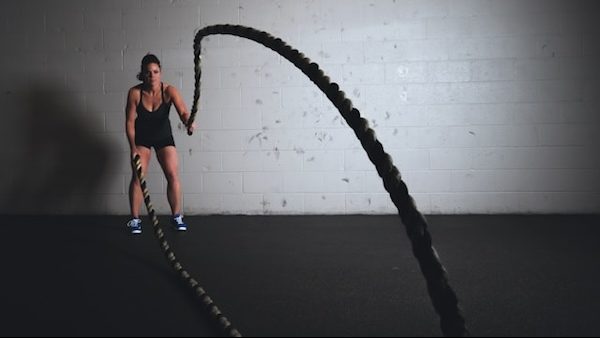
female crossfit athlete

Strength as a Skill, Not a Stereotype

CrossFit provides women with a training environment focused on performance and measurable progress. Instead of focusing on appearances or the scale, women concentrate on what their bodies can actually accomplish.

Data shows that women in CrossFit are highly motivated by developing strength, rating this factor higher than tone, size, or muscle mass. This indicates a positive shift towards performance goals. One study found that 81% of participants reported significant increases in perceived strength after consistent CrossFit training.

Beyond physical strength, the psychological benefits remain a driving force. Women participating in CrossFit report more than a 90% improvement in self-esteem and an 80%+ increase in day-to-day energy. In a survey of over 500 women, 94% said CrossFit and lifting made them feel empowered, strong, and more confident in their bodies.

That shift is happening at the elite level too. Athelo’s own Dani Speegle, who famously dominated a 250-pound sandbag clean event in 2022, embodies a new era of strength-forward female athletes. She’s vocal about inspiring girls to push limits and chase big goals, proving just how powerful and resilient women’s bodies are.

Supportive Community and Scalable Longevity

CrossFit is built around community. Instead of the isolated feel many commercial gyms have, classes bring people together, encourage progress, and create accountability. This supportive environment, paired with a focus on personal improvement, keeps people engaged for the long term.

That support matters: 77% of surveyed women said they feel comfortable pushing themselves alongside men without judgment when training in their gym or box.

CrossFit’s community dynamic mirrors what we’ve seen across the broader women’s sports ecosystem. When women are given equal space, equal visibility, and equal investment, participation surges.

We see this through CrossFit’s continuous opportunities. Women can start young, compete in the CrossFit Open starting at age 14, and have the freedom to grow stronger and compete until they are in their 80s and beyond.

Equal Plates, Equal Opportunity

From its inception, CrossFit has offered equal prize money for male and female competitors. Similarly, the same number of women and men are invited to the CrossFit Games. There is no separate women’s league; there is just the CrossFit Games, where every women’s field is broadcast widely.

The 2021 NOBULL CrossFit Games demonstrated this parity. Champions Tia-Clair Toomey and Justin Medeiros both received checks worth $310,000. Toomey, arguably regarded as the face of modern CrossFit, shows how powerfully women shape the sport’s culture and global reach.

In addition, the women’s fields at the 2021 Games were broadcast to 99 million aggregate viewers across the CrossFit Games platforms, standing against the sobering statistic that women’s sports generally make up only 4% of total sports media coverage.

This level of visibility echoes broader trends in women’s sports, where full-stage presentation, not only tokenism, drives engagement. 
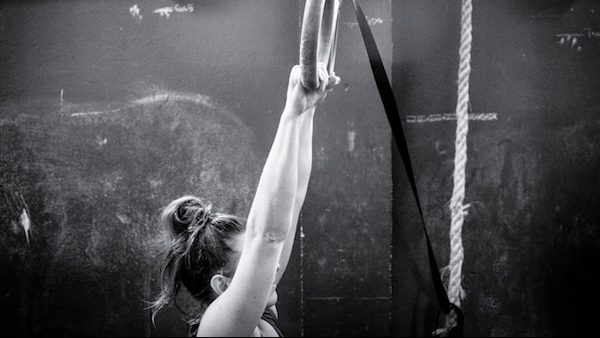
female crossfit athlete

Inspiring Youth and Role Models

Visible, strong female athletes in CrossFit play a crucial role in inspiring the next generation.

Earlier industry reports estimated that women made up nearly 60% of CrossFit athletes globally between 2015 and 2021. More recent data places women closer to 40% of total membership, still a substantial portion of the community.

Athelo’s own athletes reflect the range of what is possible. 

Amy Bream continues to lead the way for adaptive competitors. Kyra Milligan, a six-time CrossFit Games athlete who moved from Utah to Las Vegas to deepen her training, shows grit, community service, and elite performance. Emily Loogman Rethwill, mother, coach, and athlete, shows how strength and identity can evolve through every stage of life.

The Path Forward and Where We Fit

CrossFit’s rapid rise among women is no coincidence. It’s the product of a culture that prioritizes equity, visibility, and shared opportunity. When women are given the same platform as men, they are recognized not as exceptions, but as leaders shaping the sport.

At Athelo Group, we champion that same commitment. As CrossFit continues to set the bar for equity and empowerment, we work to ensure that momentum reaches beyond the gym. We partner with athletes and brands to elevate female strength in all its forms and expand competitive opportunities across the sports industry.
The Truth About the Gender Pay Gap in Sports

Women’s sports are surging. Fans tune in at record levels, brands finally pay attention, and storytellers in women’s athletics shape culture beyond competition. From sold-out stadiums to major sponsorships, demand keeps rising.

Still, the opportunity and gender pay gap between men and women in sports remains huge. The conversation now goes beyond salaries. It’s about equity, visibility, and respect.

For many female athletes, it’s not just about money but about how their talent and impact are valued.

Quick Highlights:

  • Between 2022 and 2024, women’s sports in the U.S. grew 4.5Ă— faster than men’s sports.
  • Women’s football is projected to be among the top 5 global sports by 2030, with an audience of over 800M fans worldwide.
  • The WNBA landed an 11-year broadcast deal starting in 2026, with prime coverage on USA Network and streaming platforms—one of the largest media rights deals in women’s sports history.
  • Fans of women’s sports are 2.8Ă— more likely to purchase products endorsed by female athletes compared to men’s sports fans, driving sponsor ROI beyond exposure.
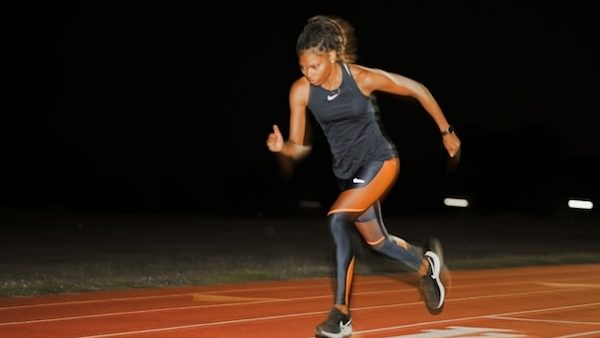
woman running on track

When Growth Isn’t Enough 

Women’s sports are booming: stadiums are full, TV ratings are soaring, and sponsorships are rising. Total U.S. women’s sports revenues surpassed $1 billion for the first time in 2024 and are projected to hit $2.35 billion globally in 2025—a 25% jump in just one year.

The surge in visibility has been undeniable. What many now call “The Caitlin Clark Effect” shows how one athlete’s rise can elevate an entire league. Major moments like these prove the audience and excitement are there.

Yet that success hasn’t translated into equal pay. Despite all the progress, many professional female athletes still earn only a fraction of what men in the same sports take home. The question now is whether this momentum can finally lead to fair compensation.

What’s Really Behind the Pay Gap

The imbalance often comes down to exposure. For decades, women’s sports were under-marketed and under-televised, which limited their ability to build audiences and attract sponsorship dollars. That cycle of less visibility leading to less revenue has been one of the hardest to break.

But when women’s sports get the spotlight, the results are undeniable.

The 2023 Women’s World Cup shattered attendance and broadcast records, drawing over 2 billion viewers worldwide. The NCAA women’s basketball championship between LSU and Iowa became the most-watched college basketball game, men’s or women’s, in ESPN history.

The success proves something female athletes have known for years: when you give them equal opportunity, they deliver equal excitement.

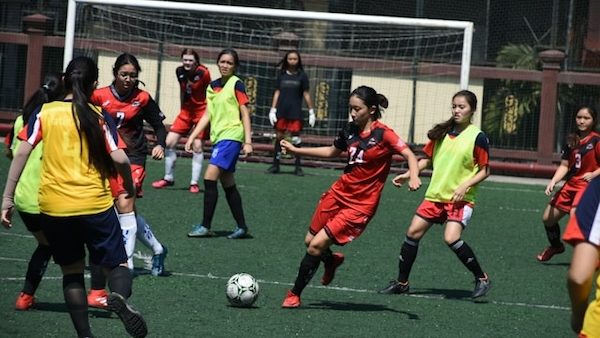
female soccer player kicking ball

The Real Barrier: Investment, Not Interest

Equal investment in marketing and sponsorship consistently drives engagement and profit, showing the gap is about opportunity, not audience. In fact, 86% of brands say their women’s sports sponsorships have met or exceeded ROI expectations, proving that when companies invest, the returns follow. 

Still, the system hasn’t caught up. Sponsorship dollars, prize money, and media contracts remain uneven.

As The Bounce points out, the gender pay gap persists not because of talent or demand but because of institutional inertia. Women’s leagues are still building the infrastructure men’s sports have had for decades—investment, storytelling, and consistent exposure.

Voices That Have Changed the Game

Venus and Serena Williams have been two of the most powerful forces in the fight for equality in sports. In one meeting about pay, Venus asked everyone to close their eyes and imagine their daughter, sister, or wife being paid less simply for being a woman. Then she left the room, letting the truth hang there.

As she later said, “A lot of people think that was impactful. It was just the truth. When you stand up for what’s right, that’s what my mom taught me.”

Serena carried that conviction far beyond the court. Through Serena Ventures, she’s invested in more than 60 companies—most led by women and people of color—and joined the ownership group of Toronto’s new WNBA franchise, using her success to build opportunity from the top down. 

Venus has done the same through her wellness brand Happy Viking and a growing portfolio of angel investments, proving advocacy can also mean ownership.

Together, the Williams sisters turned their influence into infrastructure, shifting the conversation from demanding equality to creating it.

Progress and Pressure

Women’s sports are entering what many call their “golden era,” but the pressure to sustain it is real. Fans are showing up, investors are paying attention, and female athletes continue to shoulder the dual role of performers and advocates.

The gender pay gap revolution in U.S. soccer set a major precedent when the women’s national team won its lawsuit for back pay and secured a collective bargaining agreement guaranteeing equal match compensation with the men’s team.

But progress isn’t linear. For every major win, disparities persist in leagues like the WNBA, where many players still head overseas in the off-season to supplement their income. The fight extends beyond closing the pay gap and to creating sustainable systems so female athletes can earn a livable wage.

The Future of Fair Play

Women’s sports are breaking barriers in real time, rewriting what’s possible and redefining what’s profitable. The pay gap remains a frustrating reminder of how far there is to go, but it also fuels the determination that defines so many female athletes. 

The next challenge lies with the systems that still lag behind: media deals that undervalue women’s leagues, brands that treat inclusion as a campaign instead of a commitment, and governing bodies slow to modernize their models.

The momentum is already there. What will define this era isn’t how hard women fight to be seen, but how quickly the institutions around them learn to catch up.

Can Girls Play Baseball?

For decades, the question has lingered in dugouts and sports debates: Can girls play baseball? The answer is yes — but the system often makes it feel like no. 

Baseball is still seen as a man’s game, while women are steered toward softball. Though similar in spirit, softball uses a larger ball, shorter distances, and underhand pitching, making it a different game entirely. That divide limits opportunities, reduces exposure, and keeps the cycle repeating.

But change is underway. From record youth participation to the creation of the Women’s Pro Baseball League, signs point toward a long-overdue shift.

Set to debut in 2026, the Women’s Pro Baseball League has already drawn more than 600 players from 10 countries to its first open tryouts. The turnout has been called a breakthrough moment indicating that girls absolutely can play baseball when given the chance.

Quick Highlights:

  • About 1,300 high school girls played baseball on boys’ teams in 2023–24, showing there’s interest even without formal girls’ programs.
  • Youth baseball and softball participation grew 7.6% in 2023, making it the fastest-rising team sport in the U.S.
  • Girls make up less than 1% of all high school baseball players in the U.S., highlighting how limited participation remains.
  • High school fast-pitch softball has more than 340,000 participants, making it one of the most popular sports for girls nationwide.
  • 16.7 million Americans played baseball in 2023, the highest on record, though the overwhelming majority were male.
  • The Women’s Pro Baseball League (WPBL), launching in 2026, has drawn global interest and could mark a turning point for female players.
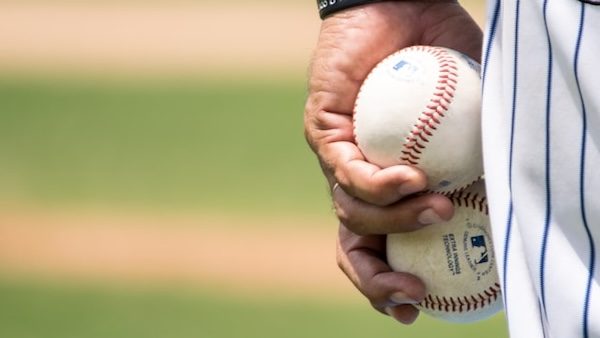
player holding baseballs

The Softball Substitution: How History Shaped Perception

In the 1970s, Little League was required to allow girls after a landmark legal case challenged gender discrimination. But instead of integrating them into baseball, most programs expanded softball as the “female version” of the sport.

That separation became ingrained. Coaches and parents steered girls toward softball, schools built programs around it, and media coverage reinforced the divide. The question stopped being whether girls could play baseball; it became whether they should.

It’s a dynamic we’ve seen before. Like golf, baseball first developed inside boundaries that excluded many. To keep growing, the sport now has to reckon with that history and decide how inclusive it wants to be.

No Teams, No Pathway: Why Opportunity Disappears

Even when girls start playing baseball at the youth level, the path forward narrows quickly. By middle and high school, it’s nearly impossible to find a dedicated girls baseball team.

The numbers reflect this: 0.0003% of high school baseball players are female, compared to millions who play softball. Without teams, there’s no competition. Without competition, there’s no visibility. 

Title IX and equal-protection law give girls the legal right to try out for boys teams and require schools to provide equal athletic opportunities. However, enforcement, awareness, and administrative willingness vary widely.

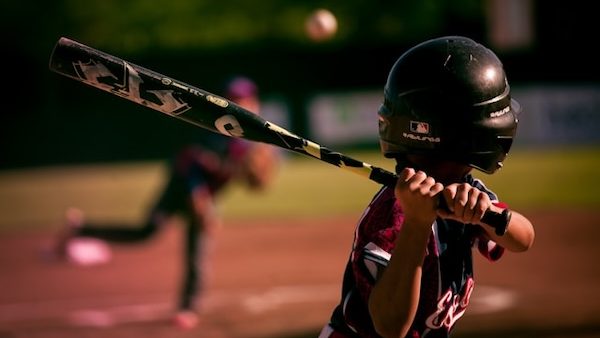
young baseball player at bat

Rights on Paper, Gaps on the Field

Girls today still receive fewer high school participation opportunities than boys did in 1972. There are about 3.4 million slots for girls versus 3.6 million once reserved for boys. Even now, girls miss out on an estimated 1 million sports opportunities compared to boys across K–12.

Many schools still struggle with enforcement. Over half of athletic administrators do not know who their Title IX coordinator is, and 83% of college coaches report they have never received formal Title IX training.

Other sports have made progress through investment and visibility. NCAA women’s March Madness growth has brought national attention and pushed parity conversations forward for women’s basketball. Baseball has not seen that same level of commitment, and the numbers show it.

Where Opportunity Meets Skill

Girls don’t just play baseball. They thrive in it.

Take Kelsie Whitmore, who broke barriers by pitching in the Atlantic League against professional male players. Or look at the athletes competing in the Women’s Baseball World Cup proving on an international stage that women belong on the diamond.

The upcoming Women’s Pro Baseball League is set to change the landscape. Launching in 2026 with six teams, it will be the first professional women’s baseball league in the U.S. since the All-American Girls Professional Baseball League disbanded in 1954. For the first time in decades, young players will see women competing at the professional level.

When asked, can girls play baseball? the proof is already on the field. The challenge has never been ability; it has always been opportunity. The WPBL represents that long-awaited chance finally taking shape.

professional baseball ballpark

Building the Pipeline: What Needs to Change

If baseball wants to keep growing, it must commit to building a sustainable pathway for girls. The upcoming Women’s Pro Baseball League will play a key role. 

For the first time in more than 70 years, women will have a professional home in U.S. baseball. The league validates every girl who chooses the sport and sends a clear message: there is a future here, and you belong.

The next step is support. The WNBA’s growth has shown what happens when visibility, sponsorship, and storytelling come together. With youth participation rising and professional women’s baseball on the horizon, sponsors and partners have a chance to align with that momentum and invest in lasting equity.

The opportunity is here. The sport just has to take it.

Become a Sponsor.

Join us in making a difference. Tell us a bit about yourself and we’ll be in touch with sponsorship details.

By submitting this form, you agree to be contacted by the Athelo Group team regarding sponsorship opportunities.