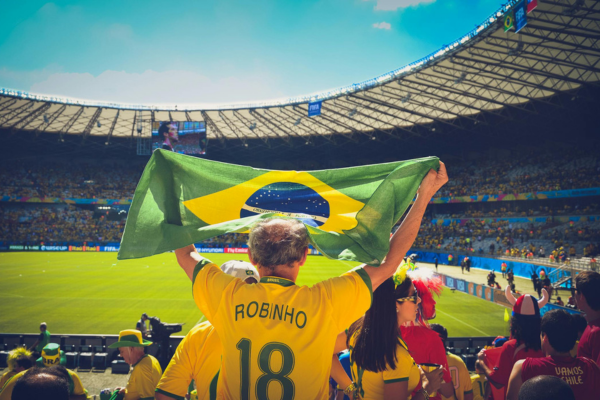
Is the 2026 World Cup America’s Biggest Sports Entertainment Event Ever?

The United States has hosted iconic sporting events before. But the 2026 FIFA World Cup may just become the largest sports entertainment moment the country has ever seen. 

The era of evaluating major sports tournaments purely by tickets and linear TV ratings is officially over. Today’s entertainment landscape is driven by decentralized digital content, creator networks, and multi-industry lifestyle integration. Success is no longer measured by crowning a champion on the pitch. It is about orchestrating a complete cultural takeover that commands the global conversation. 

This shifts the landscape into uncharted territory for brands, agencies, and creators alike, forcing a central question: Has the U.S. ever hosted a sporting event this globally influential, commercially valuable and culturally immersive at the same time?

The reality points to a definitive change in the status quo. The upcoming tournament transcends soccer, functioning instead as a massive anchor for the international entertainment economy. 

Quick Highlights

  • Original market models predicted an astounding $30 billion baseline injected across domestic economies, challenging traditional commercial frameworks.
  • The expansive match calendar transforms standard advertising models, giving brands premium inventory that commands Super Bowl-equivalent ad value across dozens of distinct match windows over a single month.
  • In an unprecedented entertainment play, the final match introduces a historic Super Bowl-inspired musical halftime show, complemented by city opening ceremonies featuring global icons.
  • The core demographic driving soccer interest in the U.S. is heavily concentrated within Millennial and Gen Z buyers, presenting an audience primed for mobile streaming, influencer content and social commerce.
  • Traditional static advertising has taken a backseat to highly integrated partnerships featuring elite athlete-creators, high-fashion houses and live digital activations.
  • At an unparalleled scale, the tournament hosts a historic 48-team roster playing 104 matches mapped across major North American metropolitan hubs. Media metrics forecast a cumulative worldwide audience clipping past 5 billion viewers.
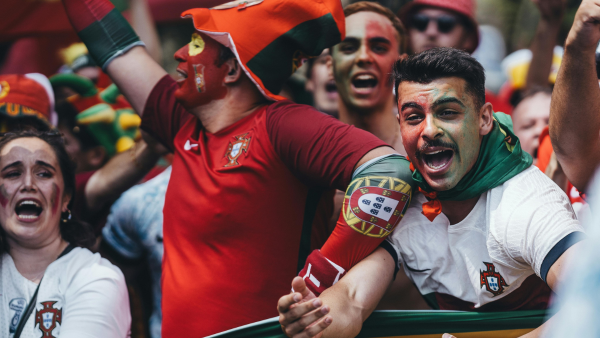
2026 World Cup

Bigger than a Game: Dismantling the Super Bowl Benchmark

To conceptualize the magnitude of what is unfolding, it is essential to measure it against the undisputed heavyweight of the American sports media landscape: the Super Bowl. 

While the NFL’s showcase remains a massive cultural force domestically, its overall infrastructure operates on an entirely different axis compared to this multi-week festival. 

The Super Bowl functions in a hyper-focused 24-hour media window, predominantly concentrated in U.S. markets. The World Cup emerges as a rolling, six-week international festival that transports multi-national viewer networks. The Super Bowl is centered around North American football culture, built as a premium television broadcast asset. The World Cup, however, serves as a fluid integration of global style, music, lifestyle and is distributed as a live, experiential urban takeover. 

The baseline differentiator is clear: the World Cup isn’t just watched – it’s lived. A standard Super Bowl weekend dominates the public consciousness for a brief 48 hours. This tournament maintains that peak level of cultural engagement for well over a month. The sheer volume of matches completely reconfigures local commercial spaces, digital platforms, and hospitality sectors. 

For the duration of the tournament, host cities morph into decentralized fan ecosystems. From packed, city-wide fan zones to multi-million dollar experiential brand pop-ups, the event operates as a continuous, self-sustaining economy. 

If the Super Bowl represents a highly polished piece of legacy television, the World Cup is a dynamic, living marketplace.

The Olympics Comparison – One Unified Obsession

The other natural point of comparison is the Olympic Games. While the Olympics provide an incredible anthology of athletic disciplines, the structure naturally scatters the consumer’s attention span. On any given night, media consumers are fragmented across gymnastics, swimming, track or other niche events. 

The World Cup removes that friction by generating one unified global obsession.  It combines the scale of the Olympics with the emotional intensity of the Super Bowl. 

The deep cultural ties tied to national soccer teams unlock an intense level of daily, recurring drama. The entire event thrives on historic, deeply rooted international rivalries that unfold over consecutive weeks. It feeds a non-stop loop of social media virality. 

Because matches are strategically spaced across a broader calendar window, a singular, cohesive storyline captivates the global public. This gives brands an uninterrupted, highly concentrated audience that the fragmented nature of the Olympics simply cannot deliver. 

Entertainment Is the Real Story

The convergence is precisely where lifestyle marketing and modern agency strategy uncover their greatest opportunities. In the current media landscape, elite sports cannot be separated from music, fashion and digital trends. Recognizing this shift, organizers have given the tournament a complete pop-culture evolution. 

Breaking long-standing tradition, the final match is taking a page straight from the American entertainment playbook. They are hosting a massive halftime show co-headlined by Madonna, Shakira and BTS at New York New Jersey Stadium. Additionally, the opening ceremonies are built to function as full-scale music festivals spanning North America, featuring global chart-toppers like J Balvin, Katy Perry and LISA. 

The lifestyle integration stretches far beyond stadium stages. The explosion of “blokecore” and vintage soccer aesthetics has pushed team jerseys off the training pitch and straight onto luxury runways. Streetwear brands and high-fashion houses are leveraging the match calendar as the premier seasonal retail collection window. 

Major markets like Miami, Los Angeles and Atlanta are evolving past their roles as tournament hosts to become cultural laboratories. Brands and social platforms are installing creator-led content studios directly into urban cores to capture real-time, short-form storytelling.  

Unleashing a Borderless Commercial Ecosystem 

Historically, American sports entertainment required a choice:

  1. You could have the hyper-localized cultural immersion of a home-team playoff run.
  2. Or, you could have the broad, passive global reach of an Olympic broadcast. 

The 2026 World Cup is the first event in history to fuse both into a single, borderless commercial ecosystem. It achieves the ultimate media trifecta. 

The World Cup imports the entire world into the domestic infrastructure. For six weeks, major U.S. cities aren’t just broadcasting to the globe. They are being actively re-authored by international fan bases. This creates a multi-directional exchange of influence that no domestic league can replicate. 

Legacy U.S. mega-events rely on a centralized financial model. The 2026 World Cup shifts the commercial playground entirely.

Because the 104-match format is decentralized across real-time digital streaming, localized creator hubs, and social commerce, it unlocks a multi-tiered marketplace. Brands aren’t just buying ad space. They are embedding themselves into a rolling, data-driven digital economy. 

While past events have treated entertainment as a peripheral add-on, like a concert outside a stadium, the World Cup creates an environment where sports and lifestyle are natively indistinguishable. We are seeing cross-industry collisions where fashion houses design the match-day subculture, musicians drive the digital pre-game narratives, and internet subcultures dictate real-time fan engagement. 

The U.S. has simply never hosted a sports property capable of moving the economics and cultural needles on so many fronts simultaneously. The 2026 World Cup fundamentally redefines how human capital, corporate dollars and digital media converge on a global scale. 
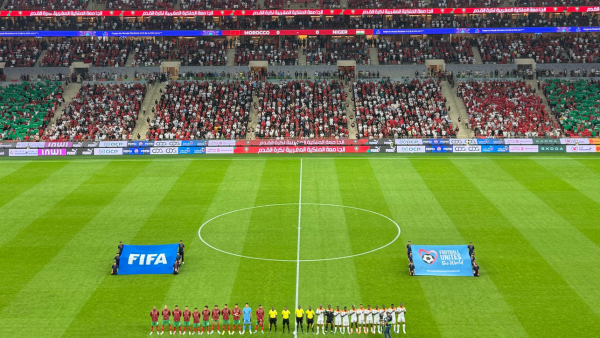
2026 World Cup

The Tournament Paradox: Where Expectations Meet Reality 

While the cultural impact of the tournament remains undeniable, an interesting counter-narrative is emerging from the hospitality and local business sectors.

Has the corporate windfall of the World Cup been massively oversold? 

Just weeks before kickoff, data from American Hotel & Lodging Association (AHLA) revealed a staggering reality check. 80% of surveyed hoteliers reported that World Cup room bookings are tracking significantly below initial forecasts.

In major tier-1 markets like Los Angeles, San Francisco and Dallas, hotel executives are openly calling early numbers a bust. Occupancy in some regions ARE actually tracking below a typical non-sporting summer. 

Early optimism was heavily inflated because FIFA overcommitted and locked down massive blocks of local hotel inventory. Months before the games, FIFA quietly executed material room block releases. Some markets saw up to 70-95% of their contracted inventory suddenly vanish back onto the open market. 

Geopolitical tensions, steep ticket prices, and unexpected bottlenecks in the U.S. travel visa vetting process have severely throttled the wave of high-spending international tourists that host cities prepared for. Instead, the audience is pacing to be overwhelmingly domestic. 

Traditional summer tourists, terrified of hyper-inflated room rates and severe city congestion, are actively avoiding host markets. Modern soccer fans aren’t staying for weeks. Tracking data shows the average attendee books brief, one-to-two night stays centered strictly around match day. 

The traditional “build a stadium and they will buy hotel rooms” playbook is broken. The value of the 2026 World Cup isn’t a traditional brick-and-mortar tourism boom; it is entirely digital, experiential and cultural.

The New Map of Influence

We are witnessing a structural evolution in how global entertainment is produced and consumed. 

The 2026 World Cup has officially broken the mold. They are proving that sports can no longer exist in a silo separate from music, fashion and digital creator networks. 

By transforming a sports tournament into an immersive, multi-city entertainment ecosystem, this event has set a new benchmark for global brand building. The finish line for the brands and creators participating this summer isn’t about surviving a high-profile weekend; it’s about cementing a permanent footprint in global pop culture.

The map of entertainment influence is being redrawn in real-time, and culture is the driving force. 

FAQ:

  1. Has the U.S. ever hosted an event of this scale before? While the U.S. hosted the 1994 World Cup and multiple Olympic Games, the 2026 tournament is fundamentally different. With an expanded 48-team format, a 104-match schedule, and an entertainment infrastructure deeply integrated with streaming and social media platforms, the scale of global culture and digital immersion is entirely unprecedented. 
  2. How does the World Cup benefit lifestyle brands not traditionally connected with soccer? Because soccer culture has deeply penetrated luxury fashion, streetwear and music, the World Cup serves as a massive lifestyle platform. Brands are utilizing high-profile clothing drops, localized creator studios and major concert events to tap into a highly engaged, global audience that views the tournament as a broader cultural festival. 
  3. If hotel bookings are lagging, does that mean the event is failing commercially? Not necessarily. It indicates a massive shift in consumer behavior. The commercial success of the 2026 games is shifting away from traditional lodging and toward short-term rentals (which are up over 50% in markets like Houston) and digital/experiential brand activations. The economic energy is moving to the creator economy rather than traditional hospitality infrastructure.
  4. Why is the 2026 final incorporating a Super Bowl-style halftime show? FIFA is explicitly embracing an entertainment-driven model to maximize global pop-culture reach. By featuring icons like Madonna, Shakira and BTS, organizers are intentionally blurring the lines between elite sports and global entertainment spectacles to capture non-traditional sports viewers. 
WWE’s WrestleMania 41 Continues Its Record-Breaking Run

WrestleMania 41 was nothing short of historic. Held in Las Vegas, it proved itself as one of the most watched, talked-about, and profitable sporting spectacles of the year. 

Beyond the ring, it marked the peak of WWE’s evolution, driven by smart business strategy, massive digital growth, and an entertainment model tailor-made for the social media era.

In the last five years, WWE has managed to build one of the most successful business models in all of sports entertainment.

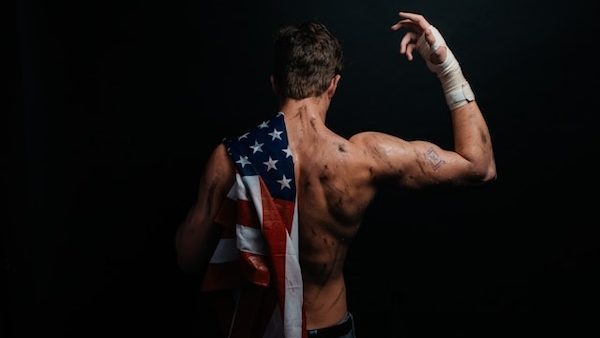
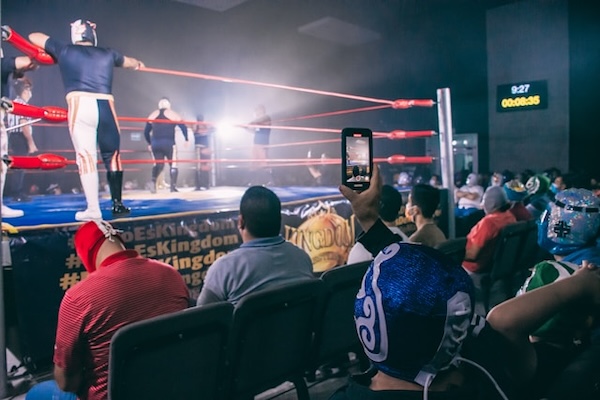
wrestlemania 41 wrestler

From 19,000 Fans to Over 100 Million Eyes

WrestleMania was born in 1985 at Madison Square Garden. Back then, the main draw was Hulk Hogan and Mr. T, accompanied by celebrity appearances from Muhammad Ali and Cyndi Lauper.

Over 19,000 fans packed the arena with another million watching via closed-circuit TV–  a bold experiment that would go on to be a pinnacle event for the WWE brand.

By WrestleMania III (1987), the live crowd had jumped to 93,173 at the Pontiac Silverdome, a record that held for decades.

WrestleMania 32 (2016) pushed that number to 101,763 at AT&T Stadium in Texas. The scale of the event kept rising, but it’s been the digital transformation over the last 3–5 years that has truly sent viewership into the stratosphere.

Recent WrestleMania Viewership Growth

  • WrestleMania 36 (2020) debuted the two-night format.
  • WrestleMania 38 (2022) brought that format to full stadium capacity, backed by strong attendance and growing digital engagement.
  • WrestleMania 39 (2023) shattered records with:
    • Over 500 million social media views.
    • $21.6 million in gate revenue.
    • 11 million hours of video consumed over the two days, a 42% increase over WrestleMania 38. 
  • WrestleMania 40 (2024) raised the bar again:
    • 145,298 fans packed the stadium across two nights.
    • 660+ million social media views, the most in WWE history.
    • 67 million YouTube views in a single day, a channel record.
    • Gate revenue surged 78% year-over-year, nearing $40 million.
    • Total viewership jumped 41% compared to WrestleMania 39.
    • The return of The Rock and the payoff to Cody Rhodes’ storyline drove immense engagement.
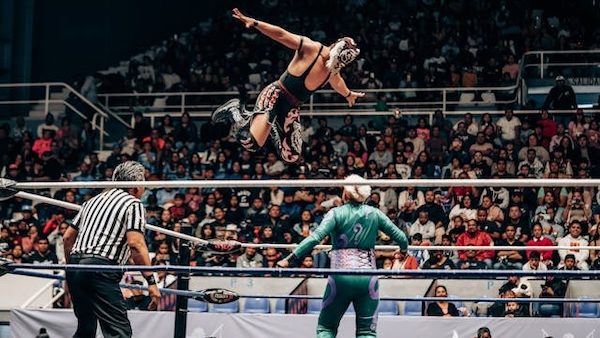
wrestler in wrestling match

WrestleMania 41 Results

WWE reported a combined attendance of 124,693 across both nights at Allegiant Stadium—61,467 on Night 1 and 63,226 on Night 2—marking a sellout. While official streaming numbers are unconfirmed, the Netflix, Peacock, and YouTube broadcasts averaged 85,000 live viewers.

Jey Uso Wins World Heavyweight Championship
Jey Uso opened Night 1 by submitting Gunther to win his first world title, ending Gunther’s 259-day reign. The 2025 Royal Rumble winner used three top-rope splashes and a rear naked choke to seal the win.

Seth Rollins Takes Main Event of Night 1
In a Triple Threat match, Seth Rollins defeated Roman Reigns and CM Punk after Paul Heyman shockingly turned on both Reigns and Punk, handing Rollins a steel chair. This marks Rollins’ third WrestleMania main event win.

John Cena Secures Record 17th Title
On Night 2, John Cena beat Cody Rhodes to become a 17-time world champion, breaking Ric Flair’s record. Assisted by Travis Scott and underhanded tactics like a low blow and a title belt strike, Cena’s win was part of his 2025 retirement tour and likely his final WrestleMania match.

WWE’s Digital Strategy: YouTube and Beyond

At the heart of WWE’s explosive growth is its YouTube presence, where the company’s ability to package thrilling, highlight-driven moments perfectly suits the platform. As of 2025, WWE’s channel has:

  • Over 108 million subscribers
  • More than 93 billion lifetime views
  • Ranked as the 11th most-subscribed YouTube channel in the world

WWE’s blend of scripted drama and athletic spectacle is engineered for digital consumption. The viral potential of finishers, crowd reactions, and dramatic storyline twists creates a loop of engagement across YouTube, TikTok, Instagram. 

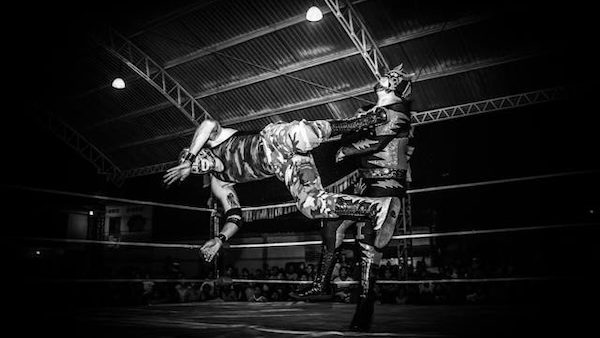
wrestling match similar to wrestlemania 41

The Business Behind the Boom

WWE’s success isn’t just creative storytelling, it’s strategic outlining and planning. Since 2019, the company has more than doubled its EBITDA, going from $175 million to $415 million by 2023, ahead of the TKO merger with UFC

This growth came despite cutting back on 75% of non-televised events, a bold decision under the leadership of Nick Khan, Ari Emanuel, and Mark Shapiro. Rather than exhausting talent with constant shows, WWE focused on fewer, bigger events that allowed for their crown jewel events like WrestleMania to flourish. 

What Comes Next After WrestleMania 41?

With WrestleMania 41’s success, it’s clear WWE has found a model that works beyond wrestling. It has become a masterclass in brand building, digital growth, and live event strategy that any sports league would envy. As WWE continues to grow its global following, expand its streaming presence, and build stars who transcend the ring, WrestleMania will only get bigger.

The ability to capitalize on social media figures like IShowSpeed, Logan Paul, and Travis Scott also helps grow the sport and drive viewership to WWE’s polished highlights content on YouTube and other platforms. Travis Scott’s walkout during the peak of the Cena and Rhodes match shows WWE’s ongoing effort to bring in celebrities and connect with new audiences.

What started as a gamble in 1985 has become one of the most dominant entertainment franchises on the planet.

MLB Pitch Clock & NFL Global Games: How Leagues Adapt for Fans

It seems in an age where entertainment is always at our fingertips, U.S. professional sports leagues are under more pressure than ever to capture the attention of new audiences and cater to fans. As a result, leagues like the NBA, NFL, MLB, and NHL have all taken steps to attract new fans, create a more exciting game experience, and increase audiences abroad. From MLB rule changes to international NFL games, let’s break down some of the biggest shifts in recent years and how it has directly affected U.S. professional sports and their fans. 

nfl international games

How Fan Engagement Drove MLB’s Evolution

MLB’s pitch clock implementation is one of the most widely-discussed enhancements to occur in sports this year, and it’s quickly creating positive results. Back in the 2010s, MLB was facing a 7% decline in attendance per-game. Heading into the next decade, MLB knew something had to be done to right the ship. A big complaint amongst MLB fans was that the games were too long and oftentimes boring. In response to the criticism, the league implemented a pitch clock to speed up game play. This strategy was an immediate success as the MLB saw a nearly 10% increase in attendance from the 2022 season to the 2023 regular season. In addition, MLB regional sports networks saw a 7% increase in ratings and the games were on average quicker by 30 minutes. The league’s revenue also soared, with MLB estimating a $500M increase as a result of its implementation. The NFL and NBA have taken similar approaches as well. The NFL, for example, added rules to better protect receivers and quarterbacks that result in more exciting offensive play for fans. The NBA added a play-in tournament before playoffs and made small tweaks to improve flow of play.

In another effort to capture new audiences and evolve with changing times, American sports leagues have honed in on globalization. Shifting the sports landscape abroad has opened new doors for leagues, teams, and fans everywhere. Prominent sports leagues have gained a global fanbase by holding regular-season games in various foreign cities. This move not only increases the popularity of these sports but also strengthens the bonds amongst followers throughout the world who have a passion for the same sport. For example, the NBA’s yearly Global Games series has helped to foster an international basketball community by crossing cultural divides and bringing the thrill of live action to fans in nations like China, Mexico, and the United Kingdom. MLB has held international games since 1996 when the Padres and Mets played a 3-game series in Monterrey, Mexico. International NFL games first started back in 2007, and the league just recently held their first game in Frankfurt, Germany where the Chiefs beat the Dolphins. Their approach was met with exciting results: the game was the most-watched international NFL game in history, averaging 9.6M viewers. 

nfl international games

The Business Case Behind the Fan-Focused Moves

American pro sports leagues have also emphasized recruiting foreign talent as a means of globalization. Teams now regularly scout and sign players from all over the world to increase their talent pool and create more competitive play for fans. For instance, the NHL has experienced a surge in the number of gifted European players who have greatly benefited their various clubs. In the same vein, MLB has seen a boost in the number of players from Asian and Latin American nations. In addition to improving the standard of play overall, these international athletes serve as role models for aspiring athletes back home and expand each league’s global reach. 

In addition, leagues have capitalized on the digital era to expand U.S. professional sports audiences worldwide. With streaming platforms like FuboTV, social media content, and international broadcasting deals such as the NFL’s 10-year agreement with DAZN, fans worldwide find it incredibly easy to follow their favorite teams and players. Fans from all over the world may watch live games, participate in online chats, and keep up with the most recent sports news with just the click of a button. These online platforms have surpassed national borders and created a worldwide sports community that is unaffected by linguistic and cultural divides. The NBA has seen an increase in their International League Pass every year. Similarly, NFL Game Pass saw a 10% increase over the past year.

nfl international games

What the Future Holds for Sports Leagues and Fans

Between globalization strategy and rule changes, professional sports leagues will continue to develop and adapt in the future to satisfy the shifting demands and expectations of their ever-expanding fan base. Fans and sports organizations are experiencing an exciting journey towards a sporting world that is even more fan-centric, inclusive, and internationally connected. So, whether you’re watching from home, abroad, or the stadium, the sense that professional sports are evolving to enhance your experience should feel more palpable than ever. 

Sources:

  1. https://www.newyorker.com/magazine/2023/04/24/newer-better-rule-changes-for-baseball-and-other-sports
  2. https://www.si.com/mlb/2019/12/23/baseball-decade-in-review
  3. https://www.sportspromedia.com/news/mlb-world-series-2023-tv-ratings-viewership-fox-texas-rangers/
  4. https://www.mlb.com/glossary/rules/pitch-timer
  5. https://creatitive.com/evolution-of-sports-fan-engagement/

Flag Football 2028 Olympics: What It Means for the NFL & Sport

With the IOC (International Olympic Committee) announcing the addition of 5 new sports in the 2028 Olympics, flag football will be making its debut.

Flag Football Joins the 2028 Olympics

This development has piqued the interest of the NFL, which is actively promoting and encouraging its players to participate in the upcoming 2028 Olympics.

However, as the anticipation around this milestone grows, a series of pertinent questions and concerns have emerged from both enthusiasts and skeptics alike. Chief among them is the crucial inquiry: would it truly be beneficial for NFL players to participate in flag football at the Olympics? Does this exciting addition enhance the global image of the sport, or does it risk undercutting its international appeal by the sheer dominance of American players? 

The NFL’s Role in Olympic Flag Football

NFL players’ participation in the games hinges beyond elements like their willingness to play. The two-week July window in which the games are set to take place in LA happens to fall right between the start of NFL offseason training programs and camps. As a result, the timing has spurred ongoing discussions on how players would be able to get out of their current contracts to don the the stars and stripes at the games.

Risk of injury is another objection in question, especially since the Olympics overlap with the start of the NFL season. If a high caliber player were to get injured during the games, it would affect their performance and health right at the start of the NFL season. 

NFL owners have remained outspoken on these issues. When asked to comment on this debate, New York Giants owner John Mara said he would “probably not” want any of his players participating in the games. While other owners have voiced their support for players making their own choices, most are still non-committal.

Owners of billion-dollar organizations may be wary of injury risks impacting their teams’ performance during the season. While the full scope remains unclear, superstars like Travis Kelce, Tyreek Hill, and Rob Gronkowski have shown support for participation, and they are likely to be joined by other high-profile names.

Global Impact and Cultural Influence

While some criticism clouds the prospect of NFL players participating in the Olympics, there is also a buzz of excitement. From a skill standpoint, these players are top tier in their given sport and the Olympics has prided themselves as a global platform where the world’s best athletes come to compete. 

Many NFL players are also cultural icons. For example, players like Patrick Mahomes and Travis Kelce have viral social media platforms. Kelce holds 4.6M Instagram followers, while Mahomes is nearing 5M.  As a collective, their ability to promote content surrounding the games and the sport as a whole would amplify football on a global level. And considering an average 17.5M Americans watch football, it is important that the country’s most prominent sport and players are represented at the highest level.

The importance is further amplified when we factor in that America will be hosting the Summer Games for the first time since 1996. Even with the NFL’s involvement abroad with multiple games occurring in England and Germany over the course of the season, the Olympics would help to continue its global reach.

What This Means for the Future of Football

Even with the clear advantage the U.S. would have in these games, it is likely in both organizations’ best interest to allow NFL players to participate. First off, the NFL consists of over 113 foreign players across the 32 teams. The ratio from American to foreign players still leans heavily in the U.S.’s favor, but with the growing numbers of international players joining the league, Olympic participation is a great opportunity to further open the sport to the world. After all, a focal point of the Olympics is for the best athletes to compete against one another. If the IOC or even the NFL were to restrict players from playing, it could do more harm than good.

olympics 2028

The benefits that flag football would have on the Olympics depends fully on NFL players’ involvement. Their already-national status within America will make for one of the most exciting events in the 2028 cycle. Just like the Dream Team caught the world’s attention the summer of 1992, the impact this could have on the NFL’s global efforts would be immense. With this being more than four years away, only time will tell as excited fans are left to wait and see if this plan can come to fruition. 

Sources:

  1. https://www.nbcsports.com/nfl/profootballtalk/rumor-mill/news/using-current-nfl-players-for-olympic-flag-football-raises-plenty-of-questions
  2. https://www.nfl.com/news/tyreek-hill-other-nfl-players-could-play-flag-football-in-2028-olympics
  3. https://www.nj.com/sports/2023/10/nfl-owners-cautious-on-olympic-flag-football-participation.html
  4. https://www.sportsbusinessjournal.com/Articles/2023/10/23/nfl-and-olympics.aspx

Cable vs Streaming Sports: Which Is Better for Fans in 2024?

Almost gone are the days of cable TV, a staple in the sports and entertainment community and a time friends and family gather to catch their favorite shows and games. In our tech-savvy world, the invention of digital streaming has given us the luxury of watching whatever we want, whenever we want. As big media companies have seen opportunities over the years to buy media rights to movies and TV shows on-demand, they’re steadily adopting the direct-to-consumer approach to sports. The streaming world has made its mark in the sports industry and given big tech companies the opportunity to channel an untapped market and create unique partnerships. Cable TV is still showing signs of life, as the Super Bowl and March Madness — both provided through linear networks — accounted for over 95% of the most watched programs in 2022. Nevertheless, a new era of sports consumption has enticed millions of consumers to cut the cord, sparking a cable vs. streaming duel in tech and media.

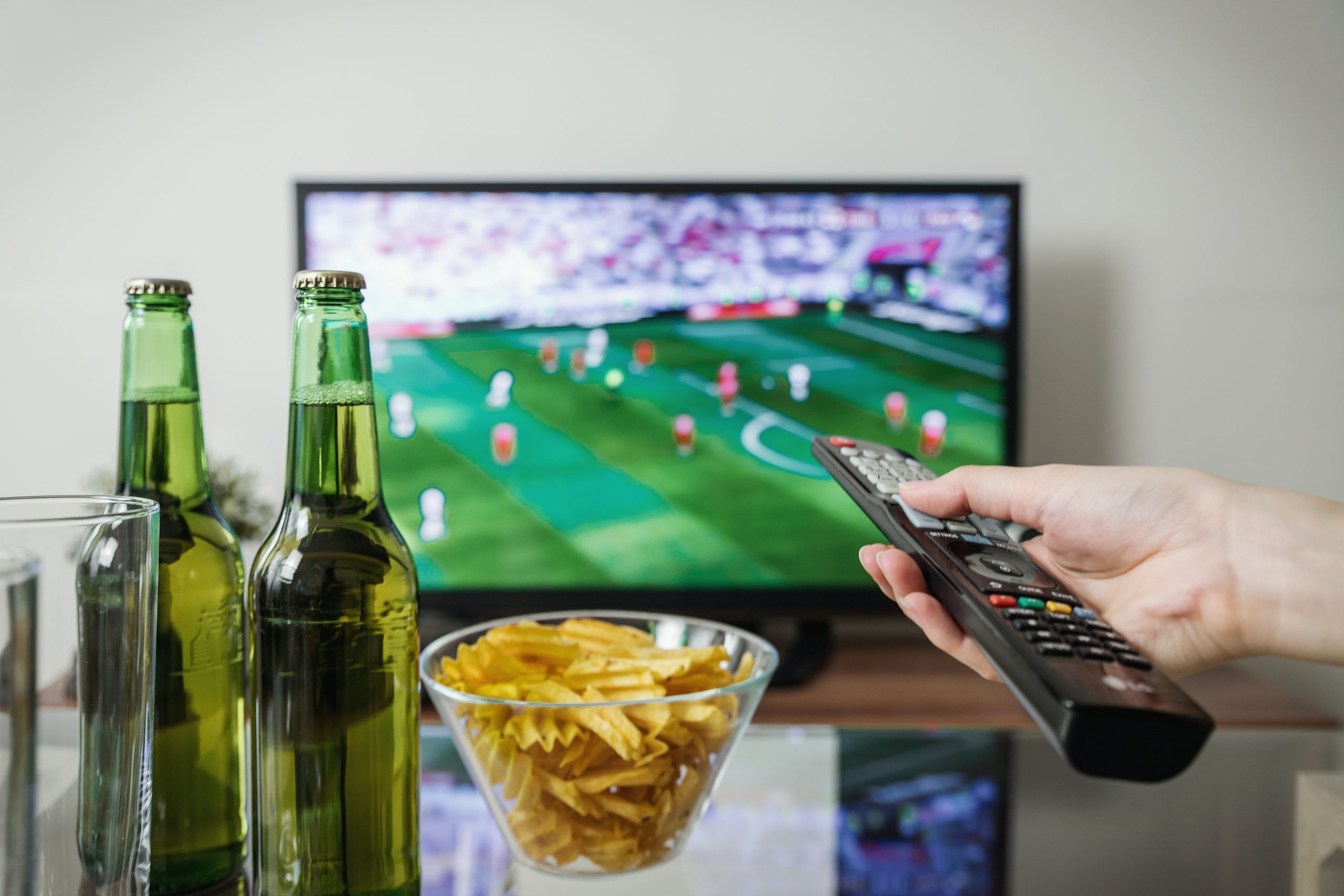
cable vs. streaming

The Big Tech Battle for Exclusivity Rights

The power and market share of big tech companies has certainly kept traditional media organizations up at night. Streaming is slowly becoming the majority TV consumption outlet, as Nielsen data reported broadcast and cable TV falling under 50% of net U.S. TV consumption in July of 2023. On the flip side, streaming services peaked at an all-time high of 38.7% usage. Tech names with newfound streaming services such as Apple TV+, Amazon Prime, YouTubeTV, among others have offered lucrative deals to obtain the media rights of major professional sports leagues. Streaming also offers exclusive highlights, post-game content, and even in-game data for avid sports fans to consume. Cable subscribers are given less variety as they’re left waiting for shows like ESPN’s “First Take” or “SportsCenter with Scott Van Pelt” to broadcast at the top of the hour.

Because some of these tech companies are commercial brands with products to sell as alternative streams of revenue, the investment in streaming and media deals is slowly driving out the bargaining power of cable. Traditional media generates their main source of revenue from ads and promotions on their services. Without sports year-round, it’s hard to turn a profit. Media companies feel the mounting need to keep leagues such as the NBA and NFL around to fill up slots for the year. As the NBA’s contract with Disney and Warner Bros. comes to a close in 2025 which includes ESPN, ABC, and Turner Sports, their media rights will almost certainly be scooped up by one of the big players in the tech industry. The streaming industry expects to see Google, Apple, Amazon, and Comcast make a run for the league, which has expressed desire to obtain a $75B deal.

Alternatively, tech companies know that creating exclusivity among popular sports can drive up sales for streaming service subscriptions. Lionel Messi and his transfer to Inter Miami this past summer is the epitome of this scheme, as Apple TV+ became the official streaming provider of the MLS. Consequently, having arguably the greatest soccer player of all time essentially blocked by a paywall forces consumers to pay top dollar to watch him play. This has not been an issue for The MLS League Pass, Apple’s streaming platform, which saw a 1,690% increase in sign-ups after the announcement of Messi’s transfer. Apple TV+ also debuted Friday Night Baseball in 2022 which was originally free for the first year, but now requires an Apple TV+ subscription. Similarly, Prime Video, the home of NFL’s Thursday Night Football since last season, saw the largest number of Amazon Prime subscriptions in a three-hour period in its entire existence during its inaugural game.

cable vs. streaming

Good for Business, Bad for Fans?

Big tech isn’t the only winner of the streaming revolution. Streaming allows for external businesses to more precisely tailor advertisements and place them in areas that have the most compatible consumers. Using precision targeting, advertisers can deploy their advertising during an appropriate game or show where their preferred audience is watching. Whereas businesses do not have the same level of data from the slots purchased on cable TV, streaming allows for the collection of user habits to tailor where an ad received the most attention. Through their analytics-heavy advertising service, Amazon Ads reports a 44% increase in post-ad brand consideration rather than using demographics data alone. 

If there is one blind drawback lost in the transition from cable to streaming, it’s that it’s not going to be cheap. S&P Global reports that U.S. consumers are estimated to spend $25.57B dollars by year’s end, a number that could reach up to $30B by 2025. Though cable itself isn’t cheap in its own right, media exclusivity also means that consumers may have to spend money for multiple streaming services just to watch their favorite sports. Out-of-market fans will soon find themselves spending top dollar in order to tune in. The government’s project on crackdown of illegal streams isn’t good news for those hunting for free entertainment, as the culprits of the piracy, which include the NBA, NFL, and UFC, have estimated a loss of around $28B in additional revenue.

Finding Common Ground

Not all hope is lost for media companies who have taken a hybrid approach to incorporating both streaming and cable. Peacock and Paramount+, owned by NBC and CBS parent companies respectively, have purchased exclusive streaming rights for the NFL and Premier League while maintaining a linear TV presence to reach maximum audiences. Disney and Charter Communications, the parent company of Spectrum TV, recently settled a dispute that shows us how media and tech companies can operate in unison. After resolving a carriage dispute which resulted in the blackout of Disney-owned media, Spectrum TV users have been granted free access to Disney+, ESPN+, and rights to receive ESPN’s standalone streaming service in the near future. This monumental deal suggests that when it comes to cable vs. streaming, the two could possibly coexist. But as cable TV tries to stay afloat, streaming looks to be the new, dynamic reality of how we consume sports which offers opportunities to tune in from anywhere in the world.

Sources:

  1. https://advertising.amazon.com/library/guides/what-is-ott
  2. https://frontofficesports.com/tnf-draws-record-prime-subscriptions-for-amazon/
  3. https://fortune.com/2023/10/08/sports-streaming-apple-amazon-prime-youtube-espn-nfl-nba-mls/amp/
  4. https://frontofficesports.com/challenges-arise-as-sports-streaming-surges-in-shifting-media-landscape/
  5. https://frontofficesports.com/apple-deal-affecting-mls-clubs-advertisers-major-league-soccer-tv/
  6. https://www.cnn.com/2023/09/05/business/leo-messi-apple-tv-signups/index.html#:~:text=MLS%20Season%20Pass%2C%20which%20is,according%20to%20analytics%20firm%20Antenna.
  7. https://www.sportspromedia.com/analysis/sports-streaming-wars-us-rights-amazon-apple-paramount-espn-peacock/
  8. .
  9. https://www.theatlantic.com/technology/archive/2022/08/sports-streaming-makes-losers-us-all/671231/
  10. https://www.theverge.com/23868355/disney-charter-bundle-espn-abc-broadcast
  11. https://www.theverge.com/2023/9/11/23868117/disney-charter-carriage-dispute-espn-standalone-streaming
  12. From the Stadium to the Screen: Examining the Impact of Streaming on Sports Media and 
  13. https://www.spglobal.com/marketintelligence/en/news-insights/blog/from-the-stadium-to-the-screen-examining-the-impact-of-streaming-on-sports-media-and-consumption
  14. https://blog.shuttlerock.com/streaming-tv-advertising-what-you-need-to-know#:~:text=In%20terms%20of%20return%20on,impressions%20that%20their%20ad%20receives
  15. https://frontofficesports.com/illegal-streaming-costs-sports-billions-leagues-want-swift-government-action/
  16. https://www.thestreet.com/sports/experts-nba-next-media-deal-espn-fend-off-amazon-apple
  17. https://www.nielsen.com/insights/2023/streaming-grabs-a-record-38-7-of-total-tv-usage-in-july-with-acquired-titles-outpacing-new-originals/

The WWE and UFC Merger: What’s Ahead for TKO

Combat sports’ unmatched fusion of athleticism, strategy, and theatrics has enthralled spectators for generations. Ultimate Fighting Championship (UFC) and World Wrestling Entertainment (WWE), two of the most recognizable names in combat sports, stand out for their different perspectives on fight entertainment. The 1993-founded UFC is a pioneer in the rise of mixed martial arts (MMA), stressing the spontaneous battles between athletes trained in different disciplines. WWE, which has its roots in the 1950s, is recognized for its scripted professional wrestling shows that mix athleticism with dramatic storytelling. UFC and WWE have both attracted dedicated fan groups, blurred the barriers between sport and entertainment, and become integral parts of the combat sports culture. 

The Creation of a Powerhouse

Back in January of 2023, Endeavor-owned UFC and WWE began discussing the possibility of joining forces. On September 12th, 2023, UFC and WWE sealed the deal in a shocking merger valued at $21B. Their newly formed entity, Total Knockout Group (TKO), will maintain the autonomy of WWE and UFC while also growing the world of combat sports and combining elements from both sport and entertainment. Ari Emanuel, the CEO of Endeavor, and Vince McMahon, Chairman and CEO of the WWE, came together to agree upon the terms of the merger and their vision for TKO. Although there are growing pains, both Emanuel and McMahon believe that TKO will become a sports and entertainment powerhouse. 

As a result of the merger, TKO went public on the New York Stock Exchange and gave investors and fans the chance to own a piece of the action. When explaining the monumental move to investors, Emanuel stated: “This is a once-in-a-lifetime opportunity to bring together two leading pure-play sports and entertainment companies that operate in the most attractive parts of the media ecosystem.” The stock opened on the exchange at $100 per share and has dipped to around $82 dollars a share. As the company continues to grow, there are high hopes that being publicly-traded will help TKO flourish in the long run. 

wwe and ufc merger

Eyes on the Fighters

Wrestlers and MMA fighters have dedicated their lives not only to the sport, but also to putting on an engaging, dynamic show for fans. The merger between UFC and WWE is guaranteed to have a significant impact on the fighters of both organizations. While UFC and WWE will still be operating separately, they will be creating bigger audiences and new opportunities for fighters. By combining the two organizations and their committed fan bases, we all expect to see the fans’ love for the two sports grow into one. Although there’s no sign the two will hold combined events, TKO is considering the advantage of stacking events. Khan has even hinted at the idea of an “All Star TKO Weekend” which would include Smackdown, UFC, and WWE all occurring in succession on the same weekend, in the same city.

Fighters will also see opportunities to broaden and test their skill set. We’ve seen cases where UFC fighters transition to the ring and where WWE wrestlers transition to the Octagon in bold, career-expanding moves. For example, CM Punk and Brock Lesnar participated in both organizations and were able to showcase their talents in different ways, sparking new interest among fans. When asked about the new opportunities available for fighters within the TKO organization, WWE President Nick Khan explained how “UFC people with big personalities who, once their UFC run is done . .  [could] have a longer life at WWE, an extended life with TKO.” With the two organizations united as one, fighters should find it much easier to switch over and test the waters of a new way of fighting.  

On the other hand, the merger also poses new challenges to fighters under the TKO umbrella. With two of the most well-known sports organizations merging together to become a powerhouse of sport and entertainment, so many eyes will be on TKO whether you’re a fan or fighter. If athletes are actively looking to pursue careers within TKO, there may be an increase in competition for jobs, making it harder to obtain and retain a job. On September 22nd, for example, the WWE released 20 wrestlers and 100 off-camera employees due to TKO’s 2024 media rights deal with USA Network. With many new athletes wanting to join and such limited space, performances need to be entertaining and there is a lot of pressure on the athletes to create results. Overall, the UFC and WWE merger has presented fighters with both exciting opportunities and a more demanding landscape in their pursuit of success. 

wwe and ufc merger

Impact on the Combat Sport Fans

Whether you’re a fan of the sport or entertainment aspect, we all can expect an exciting shift in the way we consume and interact with the content produced from these amazing events. With the combination of skills and resources, TKO has the potential to improve production quality, create deeper stories within the organization, and compile athlete rosters that will amaze fans and spectators alike. More additions we may see take place include blending of characters and plot lines, holding events consecutively, and with TKO’s new media rights deal, we could even have the opportunity to see reality television and exclusive content. 

Additionally, the TKO merger has the potential to improve the fan experience, whether you’re a fan consuming material from the comfort of your home or attending the live event in person. With events held around the globe, it is critical that Emanuel and McMahon find unique ways to merge their respective fans into one cohesive, engaged base. Having the two biggest combat sport organizations under one umbrella allows for so much opportunity for this kind of engagement.

wwe and ufc merger

The merger between the UFC and WWE to create TKO is a bold move that has the potential to revolutionize the way we perceive and consume combat sports and entertainment. It has the power to captivate a global audience, create unforgettable moments, and push the boundaries of what is possible in the world of sports entertainment. As this exciting venture unfolds, the world will be watching intensely, eager to see what TKO has in store for the future of combat entertainment.

Sources:

  1. https://variety.com/2023/tv/features/ufc-wwe-merger-tko-media-rights-1235727024/
  2. https://www.latimes.com/entertainment-arts/business/story/2023-09-12/wwe-ufc-endeavor-merges-ari-emanuel-vince-mcmahon-tko
  3. https://www.si.com/fannation/mma/news/everything-you-need-to-know-about-the-ufc-wwe-tko-21b-merger
  4. https://boardroom.tv/tko-stock-ufc-wwe-merger-endeavor/
  5. https://www.espn.com/mma/story/_/id/38386430/ufc-wwe-officially-combine-tko-umbrella
  6. https://deadline.com/2023/09/ufc-wwe-merger-endeavor-ari-emanuel-vince-mcmahon-dana-white-1235543674/
  7. https://sports.yahoo.com/merger-between-ufc-wwe-closes-creating-powerhouse-new-entity-that-reaches-a-billion-fans-a-year-164358699.html
  8. https://www.cbssports.com/wwe/news/wwe-roster-cuts-matt-riddle-dolph-ziggler-among-more-than-20-superstars-released-after-new-tv-deal-announced/
  9. https://bleacherreport.com/articles/10089317-7-ufc-fighters-who-could-thrive-in-wwe

Become a Sponsor.

Join us in making a difference. Tell us a bit about yourself and we’ll be in touch with sponsorship details.

By submitting this form, you agree to be contacted by the Athelo Group team regarding sponsorship opportunities.