How Storytelling Has Grown WWE Viewership

For years, WWE has been one of the biggest names in sports entertainment. But lately, it’s been undeniable.

Viewership is climbing. Social media clips are going viral with audiences who’ve never stepped foot in an arena. Fans who swore they stopped watching years ago are quietly setting reminders for Monday nights again.

What’s changed? 

The real story behind WWE’s resurgence isn’t happening inside the ring. It’s in the writing room.

Quick Highlights

  • WWE’s focus on long-term storytelling has helped increase fan engagement across television, streaming, and social media platforms.
  • Netflix signed a landmark deal with WWE worth over $5 billion to bring Raw to the platform beginning in 2025.
  • Storylines involving stars like Roman Reigns and Cody Rhodes have generated millions of views across digital platforms and helped bring former fans back to WWE programming.
  • WWE’s premium live events regularly trend across social media, with clips spreading far beyond traditional wrestling audiences.
  • Character development, emotional rivalries, and long-term narratives are helping WWE compete more like an entertainment property than a traditional sports league.

The Importance of Storylines

One of the biggest differences in WWE today is how connected fans feel to the wrestlers themselves.

Storylines now stretch across months, sometimes even years, allowing audiences to become emotionally invested in outcomes rather than just individual matches. 

The Bloodline storyline is probably the clearest example of this shift. Centered around WWE superstar Roman Reigns and his rise as “The Tribal Chief,” the storyline followed a powerful wrestling family dynasty built around loyalty, manipulation, pressure, and betrayal. 

What started as a championship run evolved into a years-long character arc involving Reigns’ cousins, family alliances, and constant power struggles within the group known as “The Bloodline.” Instead of fans tuning in just for matches, audiences became invested in the emotional dynamics between the characters and wanted to see how the story would unfold week after week.

That emotional investment kept fans consistently watching to see what would happen next.

Fans Are Investing in Characters Again

The payoff mattered because the story had time to build. When Cody Rhodes finally finished his storyline at WrestleMania 40, it felt bigger than a normal title match because fans had followed the journey for years.

That kind of long-form storytelling is part of why WWE content performs so well online. Fans aren’t just reacting to highlights. They’re reacting to narratives they’ve already spent months following.

WWE isn’t the only one reading the room. The NFL leaned into player personalities and landed Hard Knocks. The NBA built a global brand on superstar narratives as much as championships. Formula 1 cracked an entirely new audience wide open with Drive to Survive

The pattern is impossible to ignore. This is why athlete-driven storytelling has become such a major focus across sports media.
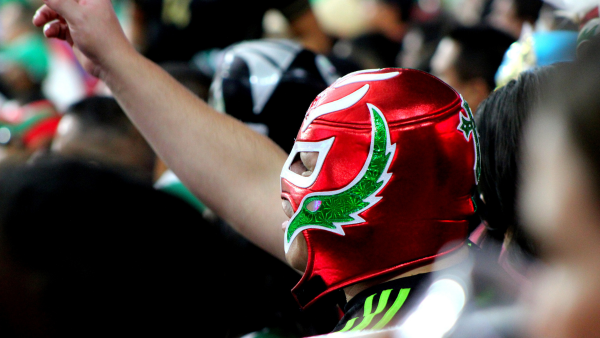
WWE Storytelling

Social Media Has Amplified WWE Storytelling

WWE’s storytelling style also works perfectly with social media.

Short clips of dramatic entrances, emotional promos, surprise returns, and crowd reactions spread quickly across platforms like TikTok, Instagram, and X. The audience watching doesn’t even need to be a wrestling fan. 

When content feels like culture, it spreads like culture. That visibility matters.

According to WWE’s corporate reports, WWE continues to generate massive digital engagement numbers across social platforms, helping the company expand its reach globally.

The company has also leaned heavily into cinematic presentation. Entrance music, production, camera work, backstage segments, and post-match reactions are all treated like part of a larger entertainment experience rather than separate pieces.

That makes WWE easier to consume casually online, especially for younger audiences who primarily discover sports content through clips instead of full broadcasts.

The Netflix Deal

The clearest sign that WWE had crossed into something bigger came with a single deal.

Netflix didn’t pay over $5 billion for Monday Night Raw just because wrestling is popular. They paid it because WWE operates like a prestige television series. One with a fiercely loyal audience that returns every single week without being asked twice. 

Fans follow ongoing story arcs, speculate between episodes, and treat WrestleMania like a season finale. That structure is enormously valuable in the streaming era, where consistent engagement matters more than one-time viewership spikes.

The agreement showed that streaming platforms see WWE as more than a niche wrestling product. They view it as consistent weekly entertainment with a highly engaged audience.

Netflix saw what WWE had built. And they paid accordingly.
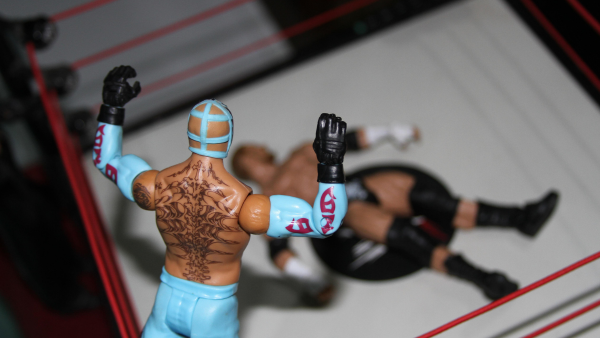
WWE Storytelling

WWE Has Become More Culturally Relevant Again

Within the WWE, celebrities regularly appear during major events, clips trend during premium live shows, and wrestlers are becoming mainstream personalities outside the ring. WrestleMania weekend now feels closer to a large entertainment festival than a traditional sporting event.

That crossover appeal has helped attract audiences who may not have considered themselves wrestling fans before.

According to CNBC’s coverage of WWE and TKO growth, live entertainment and sports properties with highly engaged fan communities have become increasingly valuable in media and advertising.

WWE fits directly into that shift because its audience is active, emotional, and extremely online.

The company has also benefited from nostalgia. Many fans who watched during the early 2000s are reconnecting with WWE because current storylines feel more layered and character-driven than they did during certain past eras.

Why Storytelling Matters More Than Ever

WWE’s recent growth shows how important storytelling has become in modern sports and entertainment.

People no longer just want highlights or results. They want personalities, emotional investment, and moments that feel shareable. Storytelling gives audiences a reason to care before the match even starts.

That’s something leagues, brands, and athletes across sports are all trying to figure out right now. WWE simply happens to be one of the clearest examples of it working at a massive scale.

By committing to long-term storytelling, deep character development, and an entertainment universe that extends far beyond the ring, WWE has rebuilt the one thing that no media deal or production budget can manufacture on its own: genuine emotional investment from its audience.

That investment shows up in the viewership numbers. It shows up in the Netflix deal. It shows up every time a clip goes viral with someone who swears they don’t even watch wrestling.

Stories well told have a way of finding their audience. WWE told better stories. The world is showing up to watch.

FAQ:

  1. Why has WWE become more popular again? A major reason is its stronger focus on storytelling. Long-term character arcs and emotional rivalries have helped fans become more invested in weekly programming and premium live events.
  2. How does storytelling help WWE grow viewership? Storytelling keeps fans emotionally connected over time. Instead of tuning in only for matches, audiences follow ongoing narratives and character development week after week.
  3. Why is WWE successful on social media? WWE content works well online because dramatic moments, entrances, promos, and crowd reactions are easy to clip and share across platforms like TikTok, Instagram, and X.
  4. What was the significance of the Netflix WWE deal? Netflix’s multi-billion-dollar agreement for Raw showed how valuable WWE’s weekly audience and consistent engagement have become in the streaming era.
  5. How is WWE different from traditional sports leagues? WWE blends athletics with entertainment storytelling. Character development and scripted rivalries are central to the viewing experience, making it feel closer to episodic entertainment than a traditional sports broadcast.
The John Cena Formula Behind WWE’s Global Growth

WWE is a global entertainment powerhouse valued at over $16 billion. Built on long-term storytelling, larger-than-life personalities, and a loyal fanbase, WWE continues to grow despite other sports properties struggling to retain attention.

John Cena’s final match reflects this formula, one that helped WWE scale into one of the most durable and recognizable sports-entertainment brands in the world. 

 WWE takes raw talent like Cena’s and turns athletes into global sensations. By developing character arcs, leaning into authenticity, and maximizing entertainment value, the franchise creates and leverages superstars that elevate the brand.

Despite strong feelings about the end of Cena’s career, WWE is quickly forging ahead and ready to repeat the formula.

Quick Highlights:

  • The global professional wrestling fanbase was roughly 5.8 billion in 2024, and it expected to grow to around 9 billion by 2030. 
  • Viewership for the most recent Wrestlemania, WWE’s biggest yearly event, saw a 114% increase over the record that was set at last year’s Wrestlemania. 
  • Episodes and appearances tied to John Cena’s final run generated higher viewership and engagement, with his final RAW appearance generating 3 million more viewers than the previous week’s show. 
  • WWE currently has media deals with Netflix, ESPN, and NBC. In 2024, they signed a 10 year, $5 billion deal with Netflix for Monday Night Raw.
wrestling match similar to john cena in wwe

The WWE Business Model: Storytelling First

Unlike traditional sports, where the game itself is the product, WWE sells storytelling above all else. Matches matter, but the stories behind them matter more.

Rivalries stretch across months or even years. Characters evolve. Heroes fall, villains rise, and redemption arcs keep fans emotionally invested long after the bell rings. This serialized style turns WWE into ongoing entertainment, perfectly suited to today’s binge-ready media landscape.

That narrative foundation makes the biggest events — Royal Rumble, SummerSlam, WrestleMania — feel massive. They conclude major storylines, settle long-standing feuds, and pay off months (or years) of emotional buildup.

Adaptation & Long-Term Character Building

WWE pivots quickly when a character isn’t clicking. Many of its biggest stars started with a completely different gimmick before finding what worked.

Athelo Group’s own Mark Henry debuted as the proud Olympic medalist representing the USA. When that didn’t connect, WWE shifted to his ladies’ man persona, and Henry became a top-tier entertainer.

John Cena began as just another generic wrestler on the verge of being cut. A viral backstage rap freestyle changed everything — he embraced the “Doctor of Thuganomics” character and became a household name.

Cena’s final match carried so much weight because fans had followed the entire journey: the rise, the dominance, the criticism, the injuries, the resilience, and the unmatched longevity.

WWE builds up to these moments, layer by layer. That storytelling-first approach drives weekly TV, premium live events, and constant social engagement, keeping the company culturally relevant all year long.

John Cena: The Blueprint for WWE Superstar Branding

From the “Doctor of Thuganomis” to being the face of the franchise for an entire generation, Cena became a global ambassador for WWE. His crossover success into film, television, commercials, and philanthropy introduced WWE to entirely new audiences, with many new fans following Cena back to the wrestling product.

Every movie role, red-carpet appearance, and viral interview expanded the WWE footprint. John Cena didn’t just benefit from WWE’s platform, it was mutually beneficial.

Once, Cena surprised people at a movie theater about to watch his blockbuster new movie Suicide Squad, but showed up in full WWE character. As one of the most philanthropic figures in wrestling, there have been countless times of him making kids’ wishes come true to meet him.

His farewell moment underscores WWE’s long-standing strategy: build authentic stars, let them grow beyond the ring, and allow their success to reflect back on the brand.

Superstar Brands Drive WWE’s Scale

WWE’s roster is intentionally diverse in personality, presentation, and audience appeal. No two superstars are interchangeable, as each one is treated as a distinct brand with a unique voice, look, and story.

This approach lets WWE connect with different audiences at once. Hardcore fans stay locked into long-term storylines, casual viewers grab quick social clips, and new people discover WWE through movies, podcasts, fashion drops, or influencer culture.

Take Dave Bautista. WWE fans know him well, but most people recognize him as Drax from Guardians of the Galaxy. That Hollywood fame brought many of his 6+ million followers into the WWE world.

From John Cena and Roman Reigns to Becky Lynch, Hulk Hogan, and Mark Henry, WWE grows through stars who resonate far beyond the ring. Their individual fanbases stack together, creating a bigger, more durable ecosystem. In today’s attention economy, personality is the product, and WWE gets that better than almost anyone.

WWE’s Modern Media Takeover

WWE’s growth comes from smart media strategy. Long-form storytelling lives on weekly shows and premium live events, while short-form moments flood TikTok, Instagram Reels, and YouTube Shorts.

Promos go viral. Entrances become memes. Emotional moments spread instantly across platforms, pulling in fans who might never watch a full show. Every public moment in WWE turns into promotion for the brand.

John Cena’s final match was a perfect example. The match itself sparked nostalgia, emotion, debate, and massive shareability. Right before he tapped out, Cena was caught smiling.

Fans immediately connected it to his “Never Give Up” motto, debating whether the smile meant he was ready to retire. Cena fans were upset he lost, and the match blew up online.

WWE’s Instagram Reels usually get 1-2 million views each. Videos from the day of Cena’s last match and its aftermath averaged 3-4 million views. These moments don’t end when the bell rings; they live on forever in the digital space.

The Future of WWE Storytelling

John Cena’s exit isn’t slowing WWE down. It’s a chance to keep building an already strong brand.

WWE constantly creates the next generation of stars by blending athletic performance with character development and adapting to fan reactions. New superstars arrive as people with fresh personalities and arcs that fans can follow for years. With fan numbers projected to continue rising, there’s endless room for fresh stories and new generations.

Cena’s final chapter proves WWE’s greatest asset lies in making fans care and stay invested. That’s why the brand keeps growing stronger.

Look at the lead-up to Cena’s last match: Cody Rhodes, the WWE champion, faced Oba Femi, the NXT champion. The match didn’t go as planned, but it introduced Femi, a former college shot-put athlete with freakish strength and athleticism, as a future headline-maker. He’s a great fighter and an even better entertainer ready to rise in the wake of Cena’s retirement.

WWE’s WrestleMania 41 Continues Its Record-Breaking Run

WrestleMania 41 was nothing short of historic. Held in Las Vegas, it proved itself as one of the most watched, talked-about, and profitable sporting spectacles of the year. 

Beyond the ring, it marked the peak of WWE’s evolution, driven by smart business strategy, massive digital growth, and an entertainment model tailor-made for the social media era.

In the last five years, WWE has managed to build one of the most successful business models in all of sports entertainment.

wrestlemania 41 wrestler

From 19,000 Fans to Over 100 Million Eyes

WrestleMania was born in 1985 at Madison Square Garden. Back then, the main draw was Hulk Hogan and Mr. T, accompanied by celebrity appearances from Muhammad Ali and Cyndi Lauper.

Over 19,000 fans packed the arena with another million watching via closed-circuit TV–  a bold experiment that would go on to be a pinnacle event for the WWE brand.

By WrestleMania III (1987), the live crowd had jumped to 93,173 at the Pontiac Silverdome, a record that held for decades.

WrestleMania 32 (2016) pushed that number to 101,763 at AT&T Stadium in Texas. The scale of the event kept rising, but it’s been the digital transformation over the last 3–5 years that has truly sent viewership into the stratosphere.

Recent WrestleMania Viewership Growth

  • WrestleMania 36 (2020) debuted the two-night format.
  • WrestleMania 38 (2022) brought that format to full stadium capacity, backed by strong attendance and growing digital engagement.
  • WrestleMania 39 (2023) shattered records with:
    • Over 500 million social media views.
    • $21.6 million in gate revenue.
    • 11 million hours of video consumed over the two days, a 42% increase over WrestleMania 38. 
  • WrestleMania 40 (2024) raised the bar again:
    • 145,298 fans packed the stadium across two nights.
    • 660+ million social media views, the most in WWE history.
    • 67 million YouTube views in a single day, a channel record.
    • Gate revenue surged 78% year-over-year, nearing $40 million.
    • Total viewership jumped 41% compared to WrestleMania 39.
    • The return of The Rock and the payoff to Cody Rhodes’ storyline drove immense engagement.
wrestler in wrestling match

WrestleMania 41 Results

WWE reported a combined attendance of 124,693 across both nights at Allegiant Stadium—61,467 on Night 1 and 63,226 on Night 2—marking a sellout. While official streaming numbers are unconfirmed, the Netflix, Peacock, and YouTube broadcasts averaged 85,000 live viewers.

Jey Uso Wins World Heavyweight Championship
Jey Uso opened Night 1 by submitting Gunther to win his first world title, ending Gunther’s 259-day reign. The 2025 Royal Rumble winner used three top-rope splashes and a rear naked choke to seal the win.

Seth Rollins Takes Main Event of Night 1
In a Triple Threat match, Seth Rollins defeated Roman Reigns and CM Punk after Paul Heyman shockingly turned on both Reigns and Punk, handing Rollins a steel chair. This marks Rollins’ third WrestleMania main event win.

John Cena Secures Record 17th Title
On Night 2, John Cena beat Cody Rhodes to become a 17-time world champion, breaking Ric Flair’s record. Assisted by Travis Scott and underhanded tactics like a low blow and a title belt strike, Cena’s win was part of his 2025 retirement tour and likely his final WrestleMania match.

WWE’s Digital Strategy: YouTube and Beyond

At the heart of WWE’s explosive growth is its YouTube presence, where the company’s ability to package thrilling, highlight-driven moments perfectly suits the platform. As of 2025, WWE’s channel has:

  • Over 108 million subscribers
  • More than 93 billion lifetime views
  • Ranked as the 11th most-subscribed YouTube channel in the world

WWE’s blend of scripted drama and athletic spectacle is engineered for digital consumption. The viral potential of finishers, crowd reactions, and dramatic storyline twists creates a loop of engagement across YouTube, TikTok, Instagram. 

wrestling match similar to wrestlemania 41

The Business Behind the Boom

WWE’s success isn’t just creative storytelling, it’s strategic outlining and planning. Since 2019, the company has more than doubled its EBITDA, going from $175 million to $415 million by 2023, ahead of the TKO merger with UFC

This growth came despite cutting back on 75% of non-televised events, a bold decision under the leadership of Nick Khan, Ari Emanuel, and Mark Shapiro. Rather than exhausting talent with constant shows, WWE focused on fewer, bigger events that allowed for their crown jewel events like WrestleMania to flourish. 

What Comes Next After WrestleMania 41?

With WrestleMania 41’s success, it’s clear WWE has found a model that works beyond wrestling. It has become a masterclass in brand building, digital growth, and live event strategy that any sports league would envy. As WWE continues to grow its global following, expand its streaming presence, and build stars who transcend the ring, WrestleMania will only get bigger.

The ability to capitalize on social media figures like IShowSpeed, Logan Paul, and Travis Scott also helps grow the sport and drive viewership to WWE’s polished highlights content on YouTube and other platforms. Travis Scott’s walkout during the peak of the Cena and Rhodes match shows WWE’s ongoing effort to bring in celebrities and connect with new audiences.

What started as a gamble in 1985 has become one of the most dominant entertainment franchises on the planet.

The WWE and UFC Merger: What’s Ahead for TKO

Combat sports’ unmatched fusion of athleticism, strategy, and theatrics has enthralled spectators for generations. Ultimate Fighting Championship (UFC) and World Wrestling Entertainment (WWE), two of the most recognizable names in combat sports, stand out for their different perspectives on fight entertainment. The 1993-founded UFC is a pioneer in the rise of mixed martial arts (MMA), stressing the spontaneous battles between athletes trained in different disciplines. WWE, which has its roots in the 1950s, is recognized for its scripted professional wrestling shows that mix athleticism with dramatic storytelling. UFC and WWE have both attracted dedicated fan groups, blurred the barriers between sport and entertainment, and become integral parts of the combat sports culture. 

The Creation of a Powerhouse

Back in January of 2023, Endeavor-owned UFC and WWE began discussing the possibility of joining forces. On September 12th, 2023, UFC and WWE sealed the deal in a shocking merger valued at $21B. Their newly formed entity, Total Knockout Group (TKO), will maintain the autonomy of WWE and UFC while also growing the world of combat sports and combining elements from both sport and entertainment. Ari Emanuel, the CEO of Endeavor, and Vince McMahon, Chairman and CEO of the WWE, came together to agree upon the terms of the merger and their vision for TKO. Although there are growing pains, both Emanuel and McMahon believe that TKO will become a sports and entertainment powerhouse. 

As a result of the merger, TKO went public on the New York Stock Exchange and gave investors and fans the chance to own a piece of the action. When explaining the monumental move to investors, Emanuel stated: “This is a once-in-a-lifetime opportunity to bring together two leading pure-play sports and entertainment companies that operate in the most attractive parts of the media ecosystem.” The stock opened on the exchange at $100 per share and has dipped to around $82 dollars a share. As the company continues to grow, there are high hopes that being publicly-traded will help TKO flourish in the long run. 

wwe and ufc merger

Eyes on the Fighters

Wrestlers and MMA fighters have dedicated their lives not only to the sport, but also to putting on an engaging, dynamic show for fans. The merger between UFC and WWE is guaranteed to have a significant impact on the fighters of both organizations. While UFC and WWE will still be operating separately, they will be creating bigger audiences and new opportunities for fighters. By combining the two organizations and their committed fan bases, we all expect to see the fans’ love for the two sports grow into one. Although there’s no sign the two will hold combined events, TKO is considering the advantage of stacking events. Khan has even hinted at the idea of an “All Star TKO Weekend” which would include Smackdown, UFC, and WWE all occurring in succession on the same weekend, in the same city.

Fighters will also see opportunities to broaden and test their skill set. We’ve seen cases where UFC fighters transition to the ring and where WWE wrestlers transition to the Octagon in bold, career-expanding moves. For example, CM Punk and Brock Lesnar participated in both organizations and were able to showcase their talents in different ways, sparking new interest among fans. When asked about the new opportunities available for fighters within the TKO organization, WWE President Nick Khan explained how “UFC people with big personalities who, once their UFC run is done . .  [could] have a longer life at WWE, an extended life with TKO.” With the two organizations united as one, fighters should find it much easier to switch over and test the waters of a new way of fighting.  

On the other hand, the merger also poses new challenges to fighters under the TKO umbrella. With two of the most well-known sports organizations merging together to become a powerhouse of sport and entertainment, so many eyes will be on TKO whether you’re a fan or fighter. If athletes are actively looking to pursue careers within TKO, there may be an increase in competition for jobs, making it harder to obtain and retain a job. On September 22nd, for example, the WWE released 20 wrestlers and 100 off-camera employees due to TKO’s 2024 media rights deal with USA Network. With many new athletes wanting to join and such limited space, performances need to be entertaining and there is a lot of pressure on the athletes to create results. Overall, the UFC and WWE merger has presented fighters with both exciting opportunities and a more demanding landscape in their pursuit of success. 

wwe and ufc merger

Impact on the Combat Sport Fans

Whether you’re a fan of the sport or entertainment aspect, we all can expect an exciting shift in the way we consume and interact with the content produced from these amazing events. With the combination of skills and resources, TKO has the potential to improve production quality, create deeper stories within the organization, and compile athlete rosters that will amaze fans and spectators alike. More additions we may see take place include blending of characters and plot lines, holding events consecutively, and with TKO’s new media rights deal, we could even have the opportunity to see reality television and exclusive content. 

Additionally, the TKO merger has the potential to improve the fan experience, whether you’re a fan consuming material from the comfort of your home or attending the live event in person. With events held around the globe, it is critical that Emanuel and McMahon find unique ways to merge their respective fans into one cohesive, engaged base. Having the two biggest combat sport organizations under one umbrella allows for so much opportunity for this kind of engagement.

wwe and ufc merger

The merger between the UFC and WWE to create TKO is a bold move that has the potential to revolutionize the way we perceive and consume combat sports and entertainment. It has the power to captivate a global audience, create unforgettable moments, and push the boundaries of what is possible in the world of sports entertainment. As this exciting venture unfolds, the world will be watching intensely, eager to see what TKO has in store for the future of combat entertainment.

Sources:

  1. https://variety.com/2023/tv/features/ufc-wwe-merger-tko-media-rights-1235727024/
  2. https://www.latimes.com/entertainment-arts/business/story/2023-09-12/wwe-ufc-endeavor-merges-ari-emanuel-vince-mcmahon-tko
  3. https://www.si.com/fannation/mma/news/everything-you-need-to-know-about-the-ufc-wwe-tko-21b-merger
  4. https://boardroom.tv/tko-stock-ufc-wwe-merger-endeavor/
  5. https://www.espn.com/mma/story/_/id/38386430/ufc-wwe-officially-combine-tko-umbrella
  6. https://deadline.com/2023/09/ufc-wwe-merger-endeavor-ari-emanuel-vince-mcmahon-dana-white-1235543674/
  7. https://sports.yahoo.com/merger-between-ufc-wwe-closes-creating-powerhouse-new-entity-that-reaches-a-billion-fans-a-year-164358699.html
  8. https://www.cbssports.com/wwe/news/wwe-roster-cuts-matt-riddle-dolph-ziggler-among-more-than-20-superstars-released-after-new-tv-deal-announced/
  9. https://bleacherreport.com/articles/10089317-7-ufc-fighters-who-could-thrive-in-wwe

WWE Embraces an Uncertain New Era

WWE has been around since 1953 and has experienced nearly as many eras as America itself. In the ’80s, WWE wrestler Hulk Hogan ushered in its Golden Era. Figureheads like Stone Cold Steve Austin led its late ’90s Attitude Era. Ruthless Aggression followed in the early 2000s with tragic figure Chris Benoit at the helm. As WWE emerges from the pandemic with a revised strategy, the historic organization has reinvented itself once more. Emerging talent, new leadership, and potential new deals fill WWE’s New Era with both promise and uncertainty. Is there longevity? Let’s take a closer look at the factors at play:

WWE Created New Content

As WWE begins its new chapter, the organization has filtered in exciting new talent and content shifts to match. After the harshness of its Attitude Era, WWE overcorrected in 2008 with a move towards family-friendly programming. CEO Vince Mcmahon told reporters that this 2008 shift would remove Attitude Era’s “excess” and create a platform for more “refined and compelling storytelling.” The end result was a miss for many fans who felt political correctness had no place in the WWE universe. In the summer of 2022, WWE was set to learn from this decision, announcing its intention to switch to TV-14 programming. A new rating change would satisfy older generations of fans who share nostalgic ties to the former WWE eras. Fast forward to present day, and talks of a new rating have screeched to a halt. 

With Paul “Triple H” Levesque as WWE’s new head of creative, the lack of rating change may not matter. Triple H is a former wrestler himself with over thirty years of experience and 14 WWE titles under his belt. After just 5 months into his new role,  Triple H saw double-digit increases in WWE’s social media engagement and a 15% larger audience for “Monday Night Raw.” His fresh perspective and content shifts have positively impacted the organization in a short amount of time. He’s placed a greater focus on the women’s division, highlighting stars like Shotzi Blackheart, Ronda Rousey, Shayna Baszler, and Racquel Rodriguez. He’s also incorporated longer matches, which allows storylines to stretch across entire episodes. In addition, Triple H enhanced WWE championships by restoring tough, unpredictable match-ups. 

WWE New Era

WWE’s New Talent

WWE’s interesting talent acquisitions have also helped WWE gain new audiences. YouTube star, Logan Paul, made his WWE television debut on Smackdown in 2021. While WWE is no stranger to adding celebrities to its roster, Logan Paul is a special case. His appeal to Gen X and Gen Z is unmatched, boasting a combined 47M followers on Instagram and YouTube. Even older fans gained respect for the social media star as he proved himself as both a competitor and entertainer in the ring. WWE confirmed his success by inking an extended, multi-event appearance deal with Paul just last year.

 In addition to Paul, WWE launched a NIL program to groom future talent. The first of its kind, WWE’s “Next in Line” aims to develop college athletes by providing resources for brand building, media training, and live event promotion. At the end of the program, certain athletes are offered a WWE contract. 

Potential New Media + Sponsorship Deals in the WWE

Over the course of 2022, WWE’s viewership reached new heights with a 70% audience increase on Peacock. Greater audiences means greater media value, and WWE is looking to capitalize.  As its exclusive broadcasting deals with Fox and NBCUniversal end next year, WWE announced new strategies to maximize content licensing opportunities. These new deals would open other media outlets to opportunities while still respecting the current agreements with Fox and NBC. Hulu, for example, has Day 2 rights to WWE’s “RAW” program. After “RAW” broadcasts live on USA Network, Hulu users can watch the program the next day. Through new alternative licensing options, new rights buyers could add this content to their library after Fox and NBC’s contracts expire. 

In addition to media rights, WWE wants to expand their sponsorships using an approach similar to UFC. UFC currently rakes in around $100 million in sponsorships a year. WWE makes significantly less at $35 million. Where the organization lacks in dollars, it makes up for in influence: 67% of WWE viewers are more likely to consume brands partnered with WWE. This value is higher than any of the top sports organizations in the world– even the NFL. WWE plans to use this momentum going forward, forging more deals and utilizing the ring as a blank canvas for ad space. 

WWE New Era

Vince McMahon’s Influence in WWE

Vince McMahon bought WWE from his father in 1982 and grew the organization into the global entity it is today. Despite all the success McMahon has brought to WWE, he still remains a controversial figure. Reports erupted last summer that McMahon paid $12M+ over the last two decades to shut down sexual misconduct allegations. As a result of the reports, McMahon stepped down from his role as WWE’s chairman and CEO. His retirement didn’t last long, however, as he returned to his position just 6 months later. The company’s stock soared over 22% upon McMahon’s return. While some members of the board believe McMahon should have remained in the shadows, his presence is undoubtedly valuable to the company. Fans and stockholders still find solace in a figure who built WWE’s expansion from the ground up. 

With company valuations at record highs, Vince McMahon is now in talks to sell. Potential suitors include UFC owners, Endeavor Holdings, and Saudi Arabian investors. A drastic change in leadership is sure to shake up the organization’s future and pose questions about its long-term success. 

AEW Is On The Rise

All Elite Wrestling (AEW) is by no means eclipsing WWE, but it has become a fierce industry competitor. AEW was founded in 2019 with a sports-centric approach. WWE, in contrast, prioritizes entertainment above all.  Where WWE matches comprise 20 minutes per hour of programming, AEW matches comprise 28. The small difference is palpable, as viewers find AEW programming more heightened and fast-paced. Even so, there is a predictability to AEW that WWE has managed to shake. Where AEW believes their biggest stars should maintain a winning record, WWE is more interested in close match-ups with less obvious endings. 

AEW still has changes to make if it wants to compete head-to-head with WWE. To truly close the gap, AEW must surpass WWE’s women’s division efforts and fine-tune its “Rampage” programming. WWE programs like “Raw” and “Smackdown” have had decades to evolve, establish storylines, and create a proven formula for success. AEW’s “Rampage” and “Dynamite” still need more time. If CEO Tony Khan continues to push AEW forward,  WWE should keep AEW on their radar as a competing sports property and threat to longevity.

As the WWE moves forward, older fans look to its past with nostalgia and to its future with hope. It’s unknown how long Vince McMahon will remain as a chairman, but with Triple H in creative control, the company is enjoying substantial boosts in viewership and engagement. New talent, content, and media rights structuring all bolster its longevity. The potential sale has not hurt returns, either. 

Despite current success, WWE must continue to evolve. The organization is deeply ingrained in American culture, but it’s not too big to fail. Competing sports properties like AEW will continue to keep WWE on its toes, fighting for a share of WWE’s large viewership and fanbase. Key decisions made in the next year should help us better understand WWE’s future trajectory, but in the meantime, it’s “so far so good” for the WWE.

Sources:

  1. https://bleacherreport.com/articles/10047846-triple-h-promoted-to-wwe-chief-content-officer-after-taking-over-creative
  2. https://comicbook.com/wwe/news/wwe-triple-h-creative-100-days-fans-review/#2
  3. https://www.forbes.com/sites/blakeoestriecher/2023/01/01/5-big-changes-aew-must-make-to-compete-with-wwe-in-2023/?sh=19d7aeb02b53
  4. https://bleacherreport.com/articles/10055364-the-biggest-differences-between-wwe-and-aew-right-now
  5. https://www.thesportster.com/one-year-later-ways-wwe-changed-same-since-summerslam-2021/
  6. https://www.npr.org/2023/01/06/1147635496/wwes-vince-mcmahon-is-back-after-misconduct-investigation#:~:text=McMahon%20retired%20as%20WWE’s%20chairman,of%20sexual%20misconduct%20and%20infidelity
  7. https://www.cnn.com/2023/01/14/media/wwe-vince-mcmahon-explainer/index.html
  8. https://www.bloomberg.com/news/articles/2023-02-17/vince-mcmahon-is-asking-9-billion-for-his-wrestling-empire
  9. https://www.hollywoodreporter.com/business/business-news/amid-vince-mcmahons-boardroom-return-wwe-posts-higher-revenue-on-tv-media-rights-income-1235316433/
  10. https://www.ringsidenews.com/2023/01/05/vince-mcmahon-could-hold-wwe-hostage-with-new-media-rights-deal/
  11. https://bleacherreport.com/articles/10063965-wwe-reports-3253m-in-2022-4th-quarter-earnings-revenue-amid-vince-mcmahons-return
  12. https://www.espn.com/wwe/story/_/id/34942783/inside-logan-paul-quest-become-wrestling-superstar-wwe-crown-jewel
  13. https://bleacherreport.com/articles/10061025-report-wwe-talent-worried-about-roster-cuts-with-vince-mcmahon-eyeing-potential-sale
  14. https://www.pwtorch.com/site/2023/01/26/wwe-adds-new-talent-to-nil-program/
  15. https://bleacherreport.com/articles/2954403-are-we-witnessing-the-dawn-of-a-new-era-of-wwe-superstars
  16. https://bleacherreport.com/articles/10045039-how-wwe-can-lean-into-the-tv-14-era-without-going-overboard

Become a Sponsor.

Join us in making a difference. Tell us a bit about yourself and we’ll be in touch with sponsorship details.

By submitting this form, you agree to be contacted by the Athelo Group team regarding sponsorship opportunities.