
NFL Pro Bowl Viewership Slumps, NHL’s Global Focus Strikes Gold

This year, the NHL skipped its traditional All-Star Game, instead opting to feature a four-team tournament between Finland, Sweden, Canada, and the United States. Narratives surrounding the Trump Presidency’s economic and political relations with Canada propelled the recent Four Nations Face-Off into the limelight. The NHL, ESPN, and players capitalized on this moment, raising questions about the future of All-Star events across sports.

Quick Highlights

  • The NHL’s Four Nations Face-Off tournament between Finland, Sweden, Canada, and the United States drew 9.3 million U.S. viewers, becoming the most-watched non-Olympic hockey game ever.
  • The U.S.-Canada game saw a dramatic 3 fights in the first 9 seconds of play.
  • Players, coaches, and celebrities, including JJ Watt, praised the new format, suggesting it could shape the future of All-Star events.
  • The NFL’s Pro Bowl flag football contest saw a sharp 18% decline in viewership from the previous year, with only 4.7 million viewers tuning in.
  • The NBA’s reimagined All-Star Game attracted 4.7 million viewers, marking a 13% decline from the previous year and making it the second-least watched All-Star Game in NBA history.
Fan and Media Reactions to the Four Nations Face-Off 

The National Hockey League’s in-season tournament between the United States, Canada, Finland, and Sweden was an enormous success. Held during the traditional NHL All-Star break, the tournament was a bold departure from the norm. The risk the NHL took by announcing this shakeup at last year’s All-Star Game paid off big-time. 

The Four Nations Face-Off shattered records, attracting 9.3 million viewers and becoming the most-watched non-Olympic hockey game ever in the U.S. Beyond the impressive TV ratings, the event sparked a social media frenzy and ignited excitement for best-on-best hockey at the 2026 Winter Olympic Games.

The finale was an overtime thriller, capped with a Connor McDavid goal to win the tournament for Canada, 3-2. Jordan Binnington, the often-critiqued Canadian goalie of the St. Louis Blues, put on an epic display with several highlight saves in the third period and overtime.

“Man. What a game,” proclaimed NFL Hall of Fame Defensive End JJ Watt. Geopolitical drama, masterful social media promotion, and world-class hockey combined to catapult the NHL’s innovative new tournament to success.

Mixed Results for 2025’s NFL Pro Bowl and All-Star Games

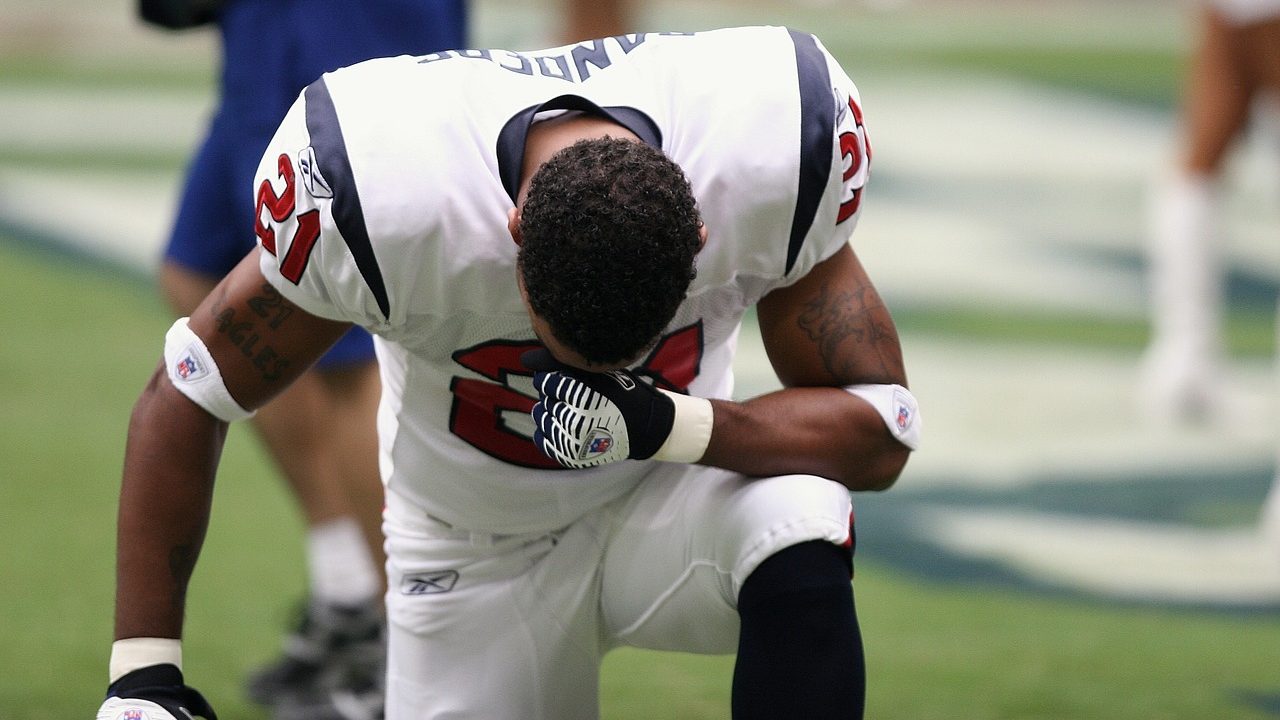
In January, the NFL’s Pro Bowl Games saw record-low viewership as star players sat out and fan interest in the flag football contest remained low. Only 4.7 million viewers tuned in, marking an 18% decline from the previous year. The NBA’s All-Star Weekend, with its new tournament format, became the second least-watched game in the event’s history.

Although viewership for the NBA’s reimagined All-Star Game was down, the event thrived on social media, generating significant impressions and airtime for corporate partners like Emirates and FanDuel. This reflects a broader trend of creating short, engaging content aimed at Gen Z sports fans.

NBA fans and stars like Victor Wembanyama have suggested that a competition between American and international players could be “more purposeful” and inspire players to take “more pride in it.”

Growing the Game of Hockey

It’s no secret that the NHL has made it a mission to grow the game of hockey through the promotion of international competition. The league’s decision to replace the traditional All-Star Game with the Four Nations Face-Off exemplifies this strategy, bringing together elite players from Canada, the United States, Finland, and Sweden for a high-stakes mid-season tournament. 

This shift not only bolstered fan engagement but also strengthened hockey’s global appeal by showcasing top-tier talent in a competitive setting. The NHL’s renewed commitment to allow its players to participate in the Olympics further highlights its focus on international expansion.  By prioritizing meaningful international events, the NHL aims to cultivate a broader, more engaged fan base while elevating the sport’s global significance.

The growth of the NHL outside its familiar North American markets also presents the opportunity to grow its portfolio of corporate sponsors with global brands. Through its Premier Series and Global Series games played in nations across Europe and Asia, the NHL has secured partnerships with foreign brands such as Kaufland, Czechicehockey.tv, and Veikkaus.
The Shift Toward International Competition

The NFL and NBA have long recognized the importance of a global audience. The NFL’s international growth strategy targets untapped markets in Latin America and Europe, while the NBA’s global success has even influenced the NHL’s decision to allow athletes to compete in the Winter Olympics starting next year.

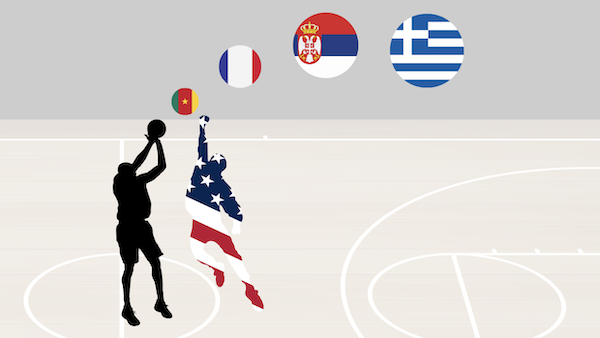
Given the decline in viewership for both the NFL Pro Bowl Games and NBA All-Star Weekend, should these leagues follow the NHL’s lead and replace their traditional weekend events with opportunities for international competition? This conversation is already taking place between NBA executives and NBC, and in the future, we could see a team of stars like Antetokounmpo, Wembanyama, Jokic, Doncic, and others compete against the best of the U.S.
The Future of the NFL Pro Bowl Games

In comparison to other North American leagues, the NFL has fewer international stars. Viewership for the NFL’s flag football contest continues to decline, and with players reluctant to participate in full-contact play, what does the future of the Pro Bowl Games hold? There’s optimism that the inclusion of flag football in the 2028 Los Angeles Olympics may boost the sport, potentially with star players like Tyreek Hill.

Despite the dip in interest, the NFL Pro Bowl Games’ skills challenges have seen stable viewership. These challenges may receive more focus in future Pro Bowl Weekends, providing engaging, clip-worthy moments for social media.

Future Sponsorship Implications

The growing global popularity of North American sports presents opportunities for leagues and teams to leverage international players, global series games, and social media to secure partnerships with foreign brands.

As fan interest in the Pro Bowl and All-Star Games’ main events declines, the focus shifts to amplifying social media content, driven by viral moments from skills competitions, player interactions, and media appearances. This year’s Super Bowl ads highlighted the power of authenticity, storytelling, humor, and athlete influence—traits that continue to generate the highest engagement and impact for sponsors.

At Athelo Group, we prioritize authenticity in our campaigns, leveraging athletes’ global reach to create content with international appeal and scale partnerships beyond U.S. markets.

Super Bowl LIX’s Main Event: The Commercials

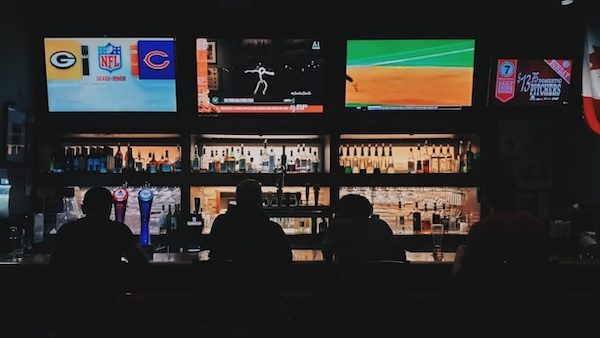
The Super Bowl is more than just the final NFL game of the season; it’s a cultural event that unites millions through music, sports, and entertainment. Brands pay big to secure a Super Bowl commercial spot, aiming to reach millions of viewers and make an impact on social media.

The match-up between the Kansas City Chiefs and Philadelphia Eagles might have been the least interesting part of this year’s Super Bowl as the Eagles dominated the Chiefs from start to finish. Instead, Kendrick Lamar’s halftime performance and the advertisements were the real entertainment for viewers this year.

Quick Highlights

  • The fee for a: 30 second slot in this year’s broadcast was an estimated 8 million dollars, an increase from 7 million dollars in the 2024 Super Bowl.
  • FOX sold around 51 minutes of advertisements.
  • Super Bowl LIX brought in a record 127.7 million US viewers, a 3% increase from last year and the second straight year that the audience for the Super Bowl has broken records.
  • 50 brands purchased a slot in this year’s Super Bowl with snack brands buying the most time, including Doritos, Häagen-Dazs, Lay’s, and more.
  • 11% of viewers watch the Super Bowl primarily for the commercials.

Top Commercials that Stole the Show

Coming in the top spot on USA Today’s Ad Meter is Budweiser and their classic commercial featuring Clydesdale horses. This year, the ad showed a young Clydesdale proving its worth by rolling a forgotten keg to the herd. The Budweiser commercials are normally a fan favorite as they lean on emotional sentiments and wholesome positioning.

Another commercial that struck an emotional chord was Lay’s ‘The Little Farmer,’ which showed a young girl raising a potato on her family farm. Set to the song ‘All I Want Is You,’ the ad highlights the role of farmers in American food production.

Super Bowl Ads that Didn’t Score

One of the least effective commercials came from OpenAI, the artificial intelligence company behind ChatGPT. In its first-ever ad, a series of pixels formed various scenes before revealing the brand, but it lacked a clear message or emotional appeal. It’s ironic that an AI company, often criticized for its lack of human connection, would produce an ad that felt similarly devoid of emotion.

Another misstep came from Robert Kraft, owner of the New England Patriots, and his foundation No Reason to Hate, which focuses on combatting anti-Semitism.

The commercial featured Tom Brady and Snoop Dogg humorously revealing what they ‘hate’ about each other, with a message about how we’re more alike than different. However, some viewers felt the message was diluted by Snoop Dogg’s past performance at President Trump’s inauguration, which led to mixed reactions.

Humor and Celebrities on Display

This year’s Super Bowl showcased a polarized social and political climate, pushing brands to capture attention without sparking controversy. To strike the right balance, many turned to humor and celebrity appearances to create lighthearted commercials.

Celebrities were everywhere, with stars like Ben Affleck for Dunkin’ Donuts, Eugene Levy for Little Caesars, and Nate Bargatze for DoorDash adding charm and humor to ads. Bud Light stood out, combining Post Malone, Shane Gillis, and Peyton Manning for a fun neighborhood block party vibe that resonated with viewers.

Humor has long been a Super Bowl staple, and when used correctly, it can leave a lasting, positive impact. Brands aimed to navigate this delicate balance, with varying success.

One fumble came from Coffee Mate’s cold foam ad, which featured a man’s tongue experiencing the product. While many found it off-putting, the resulting buzz on social media at least boosted brand awareness.

Super Bowl Commercials: What They Show About the State of Advertising

The current state of advertising combines a blend of old and new methods. While there’s still a place for heartwarming nostalgia, there’s also an increase in ads that push boundaries and tap into the latest trends. 

This year’s commercials reveal that the modern advertising world is about more than just selling a product; it’s about creating an experience, a conversation, and an emotional connection.

Advertisements reflect cultural ideas, shifts, and attitudes making the landscape dynamic and ever-changing. Last year, the big technological ads centered around sports betting and crypto while this year they are focused on artificial intelligence like OpenAI and Meta. 

As commercial prices rise, brands must create memorable ads that spark social media conversations for a lasting impact. Many release teasers before the game to turn a brief ad into a larger campaign. For example, Pringles released teaser videos featuring celebrities like Adam Brody and Nick Offerman, generating buzz and setting the stage for their full Super Bowl commercial.

As we look ahead to the next Super Bowl, it will be exciting to see how Super Bowl commercials evolve with new technologies like AI, virtual reality, and personalized content. The possibilities for creative marketing are endless.

Redefining Brand Partnerships: Authenticity, Storytelling, and Athlete Influence

Advertising is increasingly focused on organic partnerships that feature unique storytelling, fostering genuine relationships between brands, ambassadors, and their audiences. Gone are the days of simple product graphics—today’s consumers want to feel connected through real stories and shared experiences.

At Athelo Group, we prioritize authenticity in brand partnerships, working with athletes who genuinely use and enjoy the products they endorse. This approach helps brands resonate with their target audiences by showcasing relatable endorsements from figures they admire.

Athletes, too, are expanding their personal brands beyond sports. For example, Dani Speegle’s initiative, Girls Who Eat, empowers young women to view food as fuel rather than an adversary, drawing from her own struggles with insecurities and body image.

Storytelling, authenticity, and positivity are reshaping advertising, and they will continue to influence how brands connect with consumers in the future.

AI in Sports: How ESPN Is Leveraging Tech to Highlight Niche Sports

The NFL recently partnered with Genius Sports, a data and technology company, to bring artificial intelligence to the forefront of sports broadcasting. With cloud technology and machine learning, broadcasts can now display real-time metrics and player trails directly on screen. AI in sports doesn’t end with major leagues, either. In recent years, AI has been transforming the entire sports media landscape, making it easier to cover sports with niche fan bases, like lacrosse and women’s soccer. For large networks like ESPN, AI helps them deliver timely, diverse content for fans of these less-publicized sports without stretching their resources.

ai in sports

AI-Powered Coverage for Niche Sports

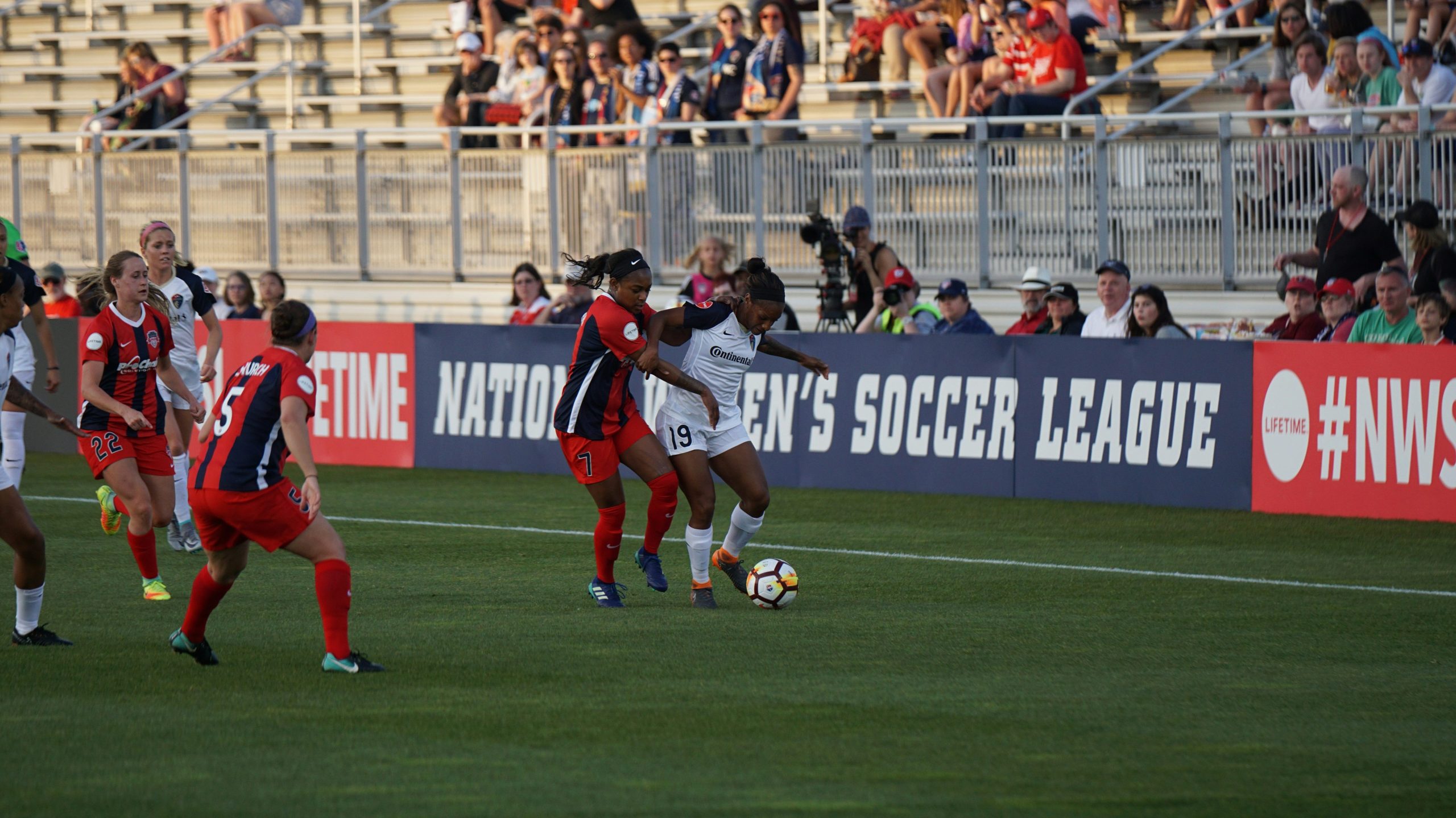
ESPN has recently partnered with Microsoft to integrate AI into its coverage, allowing it to automate the creation of game recaps, highlights, and summaries in real time. By using machine learning to identify key plays and scoring moments, ESPN can generate instant updates without the need for manual editing. These updates are directly available on ESPN’s app, providing fans with quick access to scores, play-by-play recaps, and game highlights for leagues like the Premier Lacrosse League (PLL) and the National Women’s Soccer League (NWSL). 

AI has become essential for sports networks, helping to fill in coverage gaps as journalists are often stretched thin covering high-profile games in the NBA, NFL, or MLB. With AI handling the time-consuming tasks of summarizing and creating recaps, reporters are freed up to dive deeper into analysis and breaking news, ultimately enhancing the depth and quality of sports coverage.

ai in sports

Personalization and Accessibility

One of the most exciting benefits of AI integration at ESPN is the level of customization it provides for viewers. AI analyzes viewing habits, preferences, and even favorite teams to create a unique SportsCenter experience tailored to individual users. For instance, fans can receive personalized highlight reels or recap videos focusing on specific players, teams, or game moments they care about most. Additionally, ESPN’s AI-driven features include voice-narrated news segments, allowing fans to stay informed hands-free—a great option for commutes or multitasking. For accessibility, AI also generates closed captions and language-adaptive highlight reels, making it easier for fans with hearing impairments or language barriers to stay connected to the content they love.

The goal is to ensure that fans of all sports—even the more niche ones—receive timely, relevant updates that rival the coverage of mainstream sports. ESPN chairman Jimmy Pitaro emphasizes that AI is not just a tool for efficiency but a way to enhance the fan experience. He envisions AI as a bridge, offering personalized experiences like tailored highlight reels and interactive SportsCenter options that make every fan feel engaged, regardless of the sport they follow.

ai in sports

 Weighing the Impact on Journalism

Incorporating AI into sports media has certainly raised some concerns about the impact on jobs, especially after the controversy with Sports Illustrated using AI-generated articles. Initially, many journalists and readers were upset by the idea of automation replacing human writers, fearing it would diminish the quality of sports journalism. However, AI in sports media is intended to complement, not replace, human writers by automating repetitive tasks such as generating game summaries. This allows reporters to focus on more in-depth and nuanced coverage, such as analysis and breaking news, while AI fills in the gaps. As this technology continues to evolve, the balance between efficiency and maintaining human storytelling remains a central ethical consideration in the industry.

ai in sports

The Future of AI in Sports Media

With AI tools enhancing sports media, sports like lacrosse and women’s soccer now have greater opportunities to connect with new audiences. As this technology advances, we can expect even more personalized and inclusive fan experiences. For journalists, AI offers the chance to prioritize impactful storytelling over routine tasks. Looking ahead, AI’s role in reshaping sports media will continue to grow, ensuring that every sport gets the attention it deserves and that fans, no matter their interest, stay engaged. The future of sports coverage is evolving—are we ready for it?

Sources:

  1. https://www.poynter.org/commentary/2024/espn-artificial-intelligence-pll-nwsl-coverage/
    https://www.sportspromedia.com/insights/features/sports-broadcasting-artificial-intelligence-production-content/
  2. https://www.espnfrontrow.com/2024/09/enhancing-espns-game-recaps-for-underserved-sports-using-ai/
  3. https://www.espn.com/pll/story/_/id/41101353/whipsnakes-edge-outlaws-11-10-pll-quarterfinal-thriller 
  4. https://www.sportspromedia.com/insights/features/sports-broadcasting-artificial-intelligence-production-content/
  5. https://www.pbs.org/newshour/economy/sports-illustrated-found-publishing-ai-generated-stories-photos-and-authors

Game Changers: The Powerful Role of Women in Sports Today

In recent years, women in sports have taken center stage, not only on the field but in leadership, media, and governance. This shift is evident in major events like the 2023 FIFA Women’s World Cup, which set a viewership record with nearly 2B global viewers, and the Paris 2024 Olympics, which will feature gender-equal medal events for the first time. These milestones underscore the growing influence of women in sports and the increased visibility they’re receiving globally. From football to leadership programs, women are leading the charge and inspiring the next generation to reach new heights. 

Shaping the Future of Football

Football has long been a male-dominated sport, but that’s changing rapidly. According to a recent Front Office Sports feature, women are driving progress both on and off the field. From coaching to team management, roles once seen as inaccessible are now being filled by women. For example, the NFL has seen a 38% increase in women in front-office positions since 2019, a major step forward in diversifying leadership in football.

Sam Rapoport, the NFL’s Senior Director of Diversity, remarked, “We are at the forefront of change and innovation in football. The contributions of women have broadened the horizons of the sport.” This transformation is opening doors for young girls to not only aspire to be athletes but also to pursue careers in football administration, coaching, and executive roles. Women like Katie Sowers, the NFL’s first openly gay female coach, and others who are breaking into traditionally male spaces are proving that there are no limits to what can be achieved in the world of sports. Their influence is not only inspiring future generations but is also expanding the scope and future of football itself​.

women in sports

The Power of Representation

The recent Girls on the Run Women in Sports Summit featured a powerful panel focused on the importance of representation in sports. Female athletes and industry leaders shared personal stories of overcoming obstacles and achieving success. One standout speaker was five-time Olympic swimmer Dara Torres, who highlighted the importance of visibility: “You can’t be what you can’t see. It’s vital for young girls to see women in positions of power in sports.” Her words reflect the growing recognition that female role models are key to inspiring future generations.

Research presented at the summit underscored this idea, revealing that 94% of women in C-suite executive roles participated in sports at some point in their lives. This data illustrates a clear link between athletic involvement and professional success, suggesting that early engagement in sports can foster skills like leadership, teamwork, and resilience. Representation matters not just on the field, but in every aspect of life, as it shows young girls they can aspire to leadership and greatness in any arena.

women in sports

Youth Sports: Building Leadership and Confidence

A recent study by the Women’s Sports Foundation, When Girls Play, We All Win, shows that youth sports play a critical role in shaping future female leaders. The study found that 74% of women in top leadership positions credit sports with helping them develop leadership skills. Girls who engage in sports are more likely to have higher confidence, self-esteem, and ambition, which can pave the way for success in various fields.

Stephanie Adams, CEO of the Women’s Sports Foundation, emphasized the broader benefits of sports for young girls, saying, “It’s not just about physical activity—it’s about setting them up for success in all areas of life.” The study also revealed that girls who play sports are more likely to stay in school, avoid risky behaviors, and enjoy better mental health. These individual benefits contribute to a positive ripple effect, as communities and industries thrive when women take on leadership roles​.

women in sports

A Future Powered by Women

Whether through football, sports panels, or youth programs, women are leading the charge in transforming the sports world. As barriers are broken down, we are witnessing a more inclusive and inspiring future—one where young girls know they can succeed in any field. Women in sports aren’t just participating; they’re changing the game for the better.

With a 38% increase in women in NFL front offices and clear evidence that sports backgrounds shape future female leaders, the message is undeniable: when women lead in sports, everyone benefits. This growing representation is paving the way for a stronger, more equitable sports industry​.

Sources:

  1. https://www.womenssportsfoundation.org/
  2. https://frontofficesports.com/video/the-women-fueling-the-future-of-football/
  3. https://www.girlsontherun.org/blog/women-in-sports-summit-panel/
  4. https://www.prnewswire.com/news-releases/new-womens-sports-foundation-research-proves-youth-sports-fuel-womens-leadership-when-girls-play-we-all-win-302243796.html

NFL Media Blitz: Balancing Global Growth with Fans’ Rising Costs

After securing major broadcast deals with Disney, NBC, and Amazon through 2035, the NFL is poised for an unprecedented media strategy. These agreements aim to capture every market and demographic nationwide while expanding the league’s global presence. However, despite partnerships with some of the biggest media companies, fans are raising concerns about one key issue: the rising cost of watching NFL games. As the league spreads its broadcasts across multiple NFL streaming platforms and other outlets to fulfill these contracts, access costs have skyrocketed.

In addition to expanding its presence in America, the NFL is set to host games in Brazil, Germany, and England as part of its international growth strategy. These games will not only boost revenue but also elevate the league’s global stature. However, the increased fragmentation of streaming platforms has left fans worried. According to Market Watch, it could cost viewers over $1,700 to watch the entire NFL season, as they’ll need to subscribe to up to seven different platforms. While the NFL’s massive popularity gives it leverage to profit from every angle, fans are now left to decide whether the price is worth it.

nfl streaming platforms

NFL Partners With Media Giants

The NFL’s long-term deals with Disney (including ESPN and ABC), NBC, and Amazon highlight the league’s focus on maximizing media exposure. Disney will air Monday Night Football across both cable and its streaming platform, ESPN+. NBC will maintain its long-standing Sunday Night Football coverage, still one of the most-watched primetime shows in the U.S., while also streaming on Peacock. Meanwhile, Amazon has secured exclusive rights to Thursday Night Football, signaling a move toward streaming-first experiences.

These deals ensure that the NFL has a presence on traditional television while also tapping into NFL streaming platforms, allowing the league to reach audiences on all platforms. This media blitz positions the NFL to cater to both older fans accustomed to cable TV and younger viewers who prefer streaming.

nfl streaming platforms

Global Expansion

In recent years, the NFL has ramped up efforts to expand its international reach, and the 2024 season is no exception. With games scheduled in Brazil, Germany, and England, the NFL is taking its global presence to the next level. This strategic move aims to tap into international markets, engage new fanbases, and increase the sport’s overall valuation.

In the UK, the NFL has already built a strong following, with the London games becoming a fixture on its calendar. Germany, a newer market for the league, has shown high demand, with tickets for upcoming games selling out in record time. Meanwhile, Brazil represents an untapped but promising market where the NFL hopes to grow a fanbase eager for American football. The success of these games will further expand the NFL’s international appeal and boost its global revenues.

nfl streaming platforms

Sponsors Taking Advantage

As the NFL continues to expand both domestically and globally, sponsors are keen to capitalize on the league’s vast audience. The NFL’s appeal is undeniable, drawing millions of fans from diverse demographics. Major brands such as Nike, PepsiCo, and Verizon have long-standing partnerships with the NFL, and with the league expanding its media coverage and international footprint, these companies are eager to strengthen their presence.

Sponsors are capitalizing on the NFL’s extensive media deals to connect with consumers across various platforms and markets. From in-game ads to integrated brand experiences on NFL streaming platforms, companies are finding new ways to engage fans at every touchpoint. Toyota, the NFL’s automotive sponsor, has launched a season-long campaign showcasing its role in football nationwide. The campaign features stars like Eli Manning, Brock Purdy, and Puka Nacua. This is especially important as the NFL expands internationally, offering sponsors new opportunities to reach global audiences. These partnerships not only boost brand visibility but also generate significant revenue for both the NFL and its sponsors.

nfl streaming platforms

Implications for Fans Worldwide

While the NFL’s expansion and media deals offer plenty of growth opportunities, fans are facing rising challenges, especially with costs. This issue isn’t limited to the U.S.—international fans are encountering similar difficulties. Although the NFL’s push to bring live games to new markets is exciting, fans in those regions may struggle to access full NFL content due to platform restrictions, blackout rules, or steep subscription fees.

The NFL must address these concerns if it wants to keep its loyal fanbase while pursuing aggressive expansion. Gone are the days when fans could tune in to a single network for coverage. Balancing profit with accessibility will be more important than ever as the league seeks to capture new markets without alienating its core audience.

Sources:

  1. https://pressroom.toyota.com/toyota-delivers-star-packed-nfl-campaign-that-invites-fans-to-roll-deep-together-all-season-long/
  2. https://www.cnbc.com/2024/09/04/nfl-media-rights-media-landscape.html 
  3. https://www.marketwatch.com/story/want-to-watch-every-nfl-game-this-season-its-going-to-cost-you-nearly-2-500-31c4d300 
  4. https://www.nfl.com/international/international-games 
  5. https://www.hbs.edu/faculty/Pages/item.aspx?num=62434 
  6. https://www.forbes.com/sites/mikeozanian/2023/08/30/why-the-nfl-could-reap-more-than-126-billion-in-tv-money-by-2033/ 
  7. https://www.nbcsports.com/nfl/profootballtalk/rumor-mill/news/espn-nfl-network-are-believed-to-be-closing-in-on-a-deal 

Playing the Long Game: How the NFL is Innovating Player Safety

Injuries are a part of every athlete’s career, but with the recent spike in NFL concussions, safety is more important than ever. To stay in the game longer, athletes need to be physically fit and ready for both game day and training. In high-contact sports like American football, fitness alone isn’t enough to prevent injuries. Cutting-edge equipment becomes the last line of defense. Known for its gladiator-like intensity, football puts athletes’ bodies on the line, making them heavily reliant on protective gear. That’s why the NFL, alongside several companies, are working hard to develop equipment like Q-Collar to keep players safe and protect their long-term health.

q-collar

 Q-Collar: A New Safety Innovation

Brain injuries are among the most common in the NFL, yet we’ve made only minor progress toward addressing this issue. However, a recent innovation in player head safety, the Q-Collar, offers a simple but potentially effective solution. The Q-Collar is a lightweight, padded device worn around the neck alongside traditional safety gear. It gently restricts a small amount of blood flow, without causing discomfort, to keep a bit more blood in the cranium. This extra blood acts as a protective layer, helping to reduce the impact of sub-concussive blows. 

In a pre-clinical study, the Q-Collar reduced damage to brain neurons and axons—key indicators of brain injury—by 83% through jugular compression. The FDA has approved the Q-Collar as a medical device, further validating its effectiveness. While it doesn’t eliminate the risks of brain injuries, this simple innovation is making a positive difference for NFL players. Former Carolina Panthers linebacker Luke Kuechly was an early adapter to the device in 2016, and now over 100 NFL players are electing to wear it.

NFL Helmet Technology Advancements

The helmet is the most crucial piece of equipment for protecting players’ heads, and the NFL has recently begun encouraging innovation in its design. In 2019, the NFL launched the Helmet Challenge, a competition where teams of engineers vie to create the safest helmets, with a prize of up to $1M. The challenge has been a success, with both of the latest additions to the league’s list of approved helmets coming from winning teams. Beyond this challenge, the NFL conducts annual tests to determine which helmets offer the best protection. These tests help ensure that safer, newer helmets are added to the league’s approved list, while outdated and less effective helmets are phased out. Additionally, the NFL is exploring position-specific helmets and has seen promising results in this area.

A recent innovation is the Guardian Cap, worn by players like Colts running back Jonathan Taylor and Steelers offensive guard James Daniels. This soft shell fits over the helmet, adding an extra layer of protection against impact by absorbing an additional 10% of force. If both players in a collision are wearing the cap, the protection doubles. Since 2022, the NFL has required certain positions to wear the cap during training, which has helped reduce training camp concussions to a seven-year low. This season marks the first time players can wear the cap during games, and many are taking advantage of this added safety measure.

q-collar

Digital Athlete Predicts Injuries

In today’s digital era, the lack of innovative technological solutions for athlete safety is puzzling.  The NFL’s new Digital Athlete technology will be a game changer in this space, predicting and preventing injuries. In collaboration with Amazon Web Services, the NFL created the Digital Athlete to analyze player data and prevent injuries. This unique and innovative collaboration gathers data from training, practice, and games to provide teams and coaches with comprehensive information regarding which players are at the highest risk of injury.  With this information, coaches and trainers can provide players with individualized injury prevention, training, and recovery programs.  Starting this season, all 32 teams will have access to this tool and its effectiveness at reducing injuries will be measured.

Athlete Safety Products and Sport Sponsorship

As player safety initiatives expand, athletes have more opportunities to benefit financially and raise awareness through brand partnerships. When seeking partnerships, it’s crucial for athletes to align with products they genuinely enjoy. With significant time and money invested in developing innovative safety products, nearly every athlete can find opportunities to authentically support and use these items. 

For example, athletes like Luke Kuechly, Marcus Holman, and Tony Pollard have become ambassadors for the Q-Collar, helping raise product awareness. As we gain a deeper understanding of the long-term health risks in professional sports, the market for athlete safety products is expected to expand. Supporting both their short and long-term health is a cause athletes can truly get behind, making them ideal spokespeople for safety-focused brands.

q-collar

Looking to the Future

As we consider what’s ahead, the focus on athlete safety in high-contact sports like football is becoming increasingly important. The integration of innovative safety products and practices will likely become even more advanced. A key factor in this progress will be the continued collaboration between the NFL, equipment manufacturers, and the athletes themselves. By prioritizing player health and embracing these advancements, we can hope to see a game that not only excites fans but also ensures the long-term health of its players.

Sources:

  1. https://www.nytimes.com/2022/12/19/sports/concussion-q-collar.html
  2. https://thehill.com/homenews/nexstar_media_wire/4429819-some-nfl-players-are-wearing-collars-on-their-necks-why-arent-they-all/
  3. https://q30.com/pages/science?srsltid=AfmBOopUU6RFFC1LIRInHyqyvDXeoLDXWNaUmIX3UQ6AsHUNR-AwuUPz
  4. https://www.nfl.com/playerhealthandsafety/equipment-and-innovation/equipment-testing/nfl-raises-standard-for-helmet-performance-as-five-new-models-achieve-record-high-testing-results
  5. https://www.nfl.com/playerhealthandsafety/equipment-and-innovation/innovation-challenges/nfl-helmet-challenge
  6. https://www.nfl.com/playerhealthandsafety/equipment-and-innovation/aws-partnership/video-predicting-player-injury-with-the-digital-athlete
  7. https://www.nfl.com/playerhealthandsafety/equipment-and-innovation/rules-changes/nfl-health-and-safety-related-rules-changes-since-2002
  8. https://www.nfl.com/news/jonathan-taylor-among-colts-players-to-wear-guardian-caps-in-sunday-s-preseason-game

Trend Alert: Team Relocations in North American Sports

The landscape of North American sports is undergoing a significant transformation, marked by a notable increase in team relocations over the past decade. Owners across various leagues are leveraging relocation to bolster their franchises, often in tandem with the construction of state-of-the-art venues. Since 2016, five major teams have relocated, and two more are currently in process. These moves signify more than shifts in geographical location; they are strategies to maximize revenue streams, enhance fan engagement, and solidify longevity in a competitive sports market. Among these, the Oakland Athletics are currently transitioning to Las Vegas, and the Arizona Coyotes are working on a move to Salt Lake City.

team relocations

The Athletics

The impending relocation of the Oakland Athletics marks the end of an era as they leave their long-time home at the Oakland Coliseum. The Coliseum’s outdated facilities no longer meet the needs of modern sports entertainment, prompting the Athletics to seek a new venue. Additionally, they could not agree on a lease extension with the Coliseum. Preparing for their move to Las Vegas in 2028, the team plans to temporarily play at Sutter Health Park in West Sacramento for the next three seasons, beginning in 2025.

The Athletics’ future home in Las Vegas promises to revolutionize the fan experience with cutting-edge amenities. Set on the site of the Tropicana hotel, the new stadium will seat 33,000 people and feature improved sight lines with a tiered-seating system. Highlights include a fixed roof with overlapping layers, the world’s largest cable-net glass window behind the outfield, and an 18,000-square-foot jumbotron—the biggest in the league. The venue will also address logistical concerns with 2,500 onsite parking spots, making it easy for fans to attend games. This ambitious project highlights the Athletics’ dedication to creating a top-notch sports environment and marks a new chapter in the team’s history.

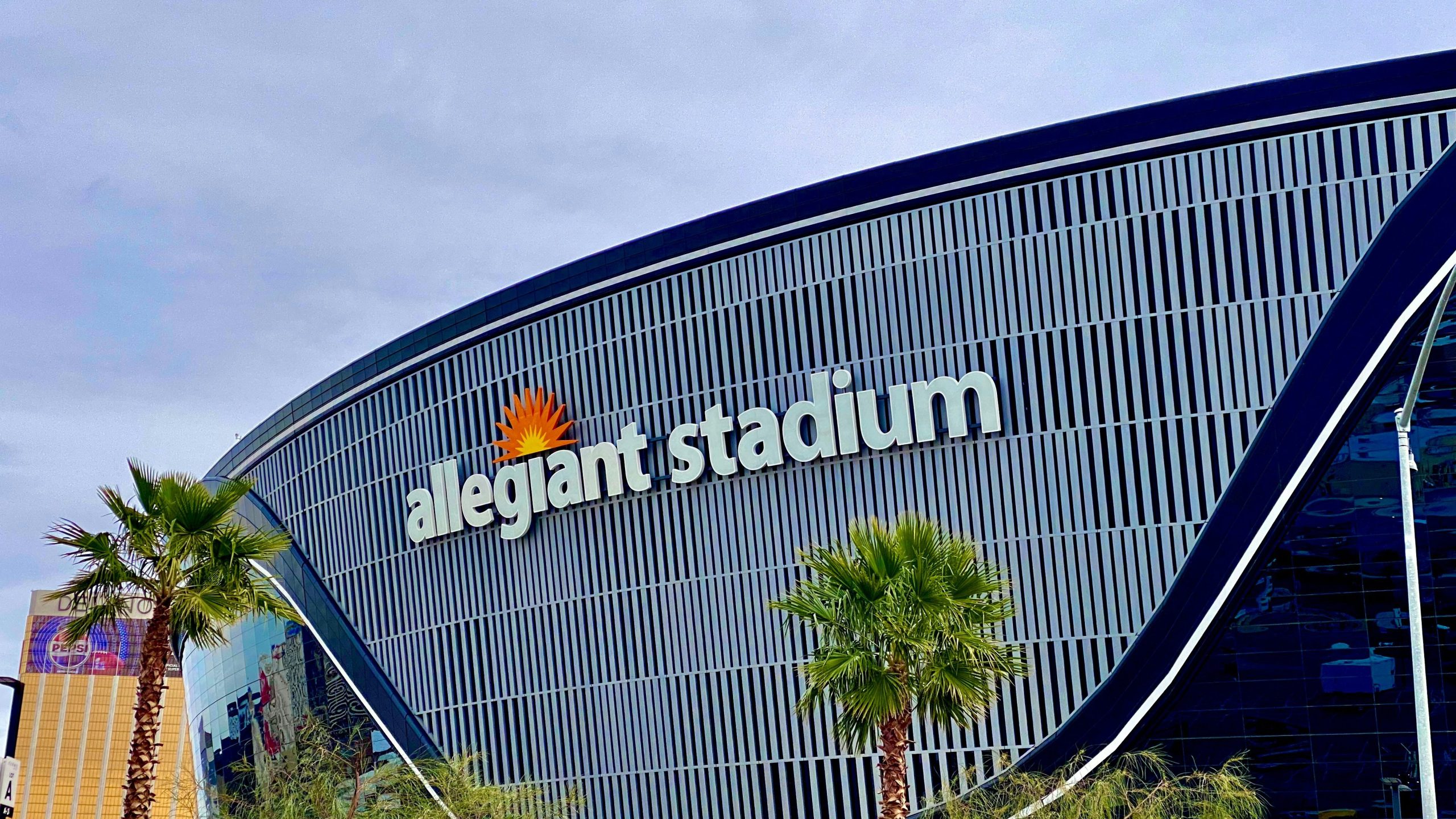
The Athletics aren’t the only professional sports franchise to leave Oakland. In 2020, the Raiders also made the transition to Las Vegas, where they now play in the domed Allegiant Stadium. This move was driven by the desire for a more modern facility and the opportunity to tap into the lucrative Las Vegas market. Additionally, the Golden State Warriors, who played their home games in Oakland for several decades, relocated to San Francisco in 2019. They now play in the brand new Chase Center, an arena designed to enhance the fan experience and provide greater revenue opportunities. These moves reflect a broader trend among sports franchises seeking to upgrade their facilities and capitalize on new markets.

team relocations

The Coyotes

The Arizona Coyotes are at a crossroads as they prepare to leave their temporary home at the 5,000-seat Mullett Arena, which they share with the Arizona State Sun Devils hockey team. The NHL and the players’ association have raised concerns about staying in this venue for a third season. In response, team owner Alex Meruelo began exploring new options. A major development followed when the NHL Board of Governors unanimously approved the sale of the Coyotes for $1.2 billion to Ryan and Ashley Smith, owners of the Utah Jazz. This sale paves the way for the team’s relocation to Salt Lake City, where they plan to temporarily play at the Delta Center, home of the Jazz.

Locals are big fans of the impending move, with Salt Lake City Mayor Erin Mendenhall considering it a transformative moment for the city’s identity and future. With a shared vision of community integration and enhanced opportunities for residents and visitors alike, the Coyotes’ relocation represents not only a strategic maneuver for the franchise but also a catalyst for growth and revitalization within Salt Lake City’s downtown core.

team relocations

Looking Ahead: Sports Relocation Trends

Beyond these specific cases, the broader landscape of North American sports has witnessed several high-profile relocations in recent years. These relocations are often due to old stadiums, changing local populations, and the lure of more money. Team owners aim to set up their franchises for long-term success in a competitive sports market. A recent example is the Kansas City Chiefs, who may leave Jackson County after voters turned down an $800 million request for stadium upgrades. With an aging stadium and the need for updates, the Chiefs may leverage the threat of moving as a way to secure funding. Looking ahead, we can expect to see similar relocation bids arise as negotiations heat up between sports franchises, local governments, and communities over stadium financing and improvements.

Sources:

  1. https://athlonsports.com/mlb/pro-sports-franchise-relocation-every-pro-team-to-move-since-2000
  2. https://bleacherreport.com/articles/10111821-athletics-unveil-updated-renderings-of-planned-las-vegas-stadium-ahead-of-relocation
  3. https://apnews.com/article/arizona-coyotes-salt-lake-city-relocation-f847c9206632db191463128b01347857
  4. https://www.kron4.com/mlb/as/as-fail-to-reach-deal-with-city-of-oakland-over-coliseum-future/

Inside Sports Officiating Tech: Decoding VAR and the NFL Replay Assist System

In sports’ modern era, technology has become a game-changer, revolutionizing how athletes compete, officials make decisions, and fans experience the action. From Video Assistant Referees (VAR) in professional soccer to the expanded use of instant replay systems in the NFL, the integration of cutting-edge technology has transformed the world of sports. These innovations hold the promise of enhancing accuracy, fairness, and the overall quality of the game. Their implementation has also been accompanied by a fair share of challenges and controversies, triggering intense debates among those invested in the sport.

nfl replay

What is VAR?

VAR, or Video Assistant Referee, first appeared in major competition during the 2018 FIFA World Cup with the goal of reducing match-changing errors. This behind-the-scenes advancement involves a team of officials who review video footage of key incidents like goals, penalties, red cards, and cases of mistaken identity. Officials communicate with the on-field referee through a headset, providing advice and recommendations based on their analysis of the video replay. The final decision, however, always rests with the main referee. Ever since approval by the International Football Association Board (IFAB) in 2018, the technology has been utilized in leagues like the Premier League, Bundesliga, and Serie A.

Fast forward to 2024 and VAR has continued to be a polarizing topic. Advocates of the technology argue that it holds the potential to improve decision-making, particularly in high-stakes situations where match outcomes hinge on a single call. Others criticize the lack of consistency and transparency in VAR, leading to confusion and frustration among players, coaches, and fans alike.

VAR Controversy

The VAR controversy played out recently in a Premier League match between Tottenham Hotspur and Liverpool earlier this season. Liverpool forward Luis Diaz’ goal was disallowed for offside, despite clear evidence from replays showing that he was indeed in an onside position. The VAR official, Darren England, mistakenly believed that the on-field decision was to award the goal and informed the referee that the check was complete. Even after being made aware of the error, the VAR stated that he could not intervene as play had already resumed.

This high-profile incident underscores the need for clearer protocols and improved communication between officials to prevent such costly errors from occurring in the future. Only by addressing these issues can the implementation of VAR truly enhance the fairness and integrity of the game, ensuring that the technology lives up to its promise of improving the sport for all involved.

nfl replay

NFL’s Replay Assist System

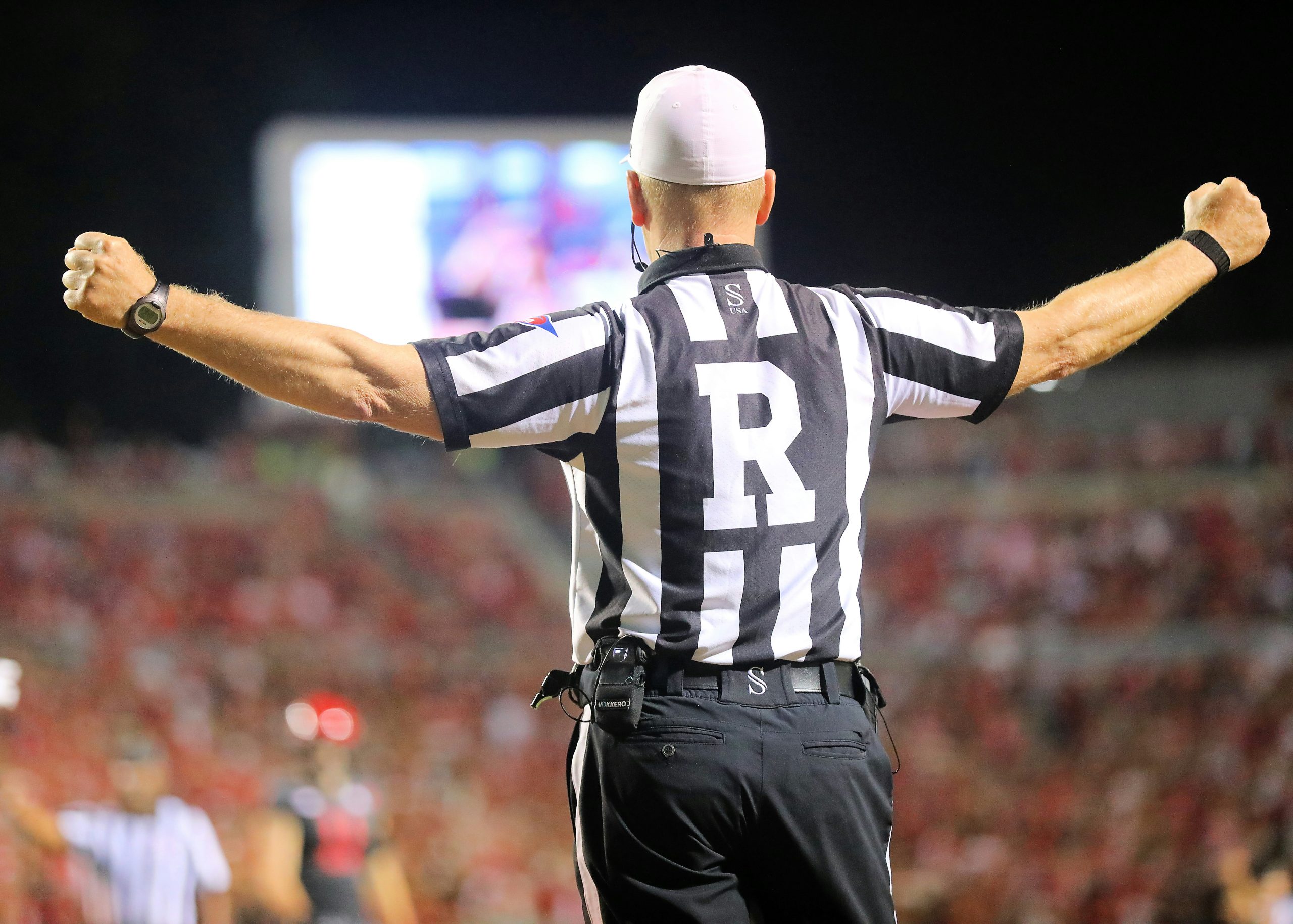
The NFL is making a big move in 2024 by expanding its Replay Assist system to help make officiating more accurate and fair. The new rules will let referees consult the New York replay crew for intentional grounding, roughing the passer, and late hits out of bounds. But there’s a catch—  officials can only request a second look if they threw a flag to begin with. If the review shows there was no foul, the penalty can be overturned. The goal here is to cut down on controversial calls and ensure penalties are ruled consistently and correctly.

While this change could improve accuracy and consistency, there are legitimate worries about how it might affect the speed and flow of the game, similar to the concerns we’ve seen with VAR in soccer. More replays could mean more stoppages, especially at key moments, and maybe even more commercial breaks. Plus, some folks are concerned that giving referees the ability to overturn penalties might actually encourage them to throw more flags, knowing they can always fix it later if needed. 

nfl replay

Looking Ahead

As video replay technology becomes more common in sports, it brings greater innovation and new challenges. Looking at soccer’s use of VAR over the past 6 years gives us an idea of what NFL fans can expect as technology becomes more prevalent in officiating. While VAR has been around for a while, it’s still not perfect. Debates on the technology persist in nearly every soccer match. This shows that integrating technology into decision-making is not so black-and-white. Sports organizations will have to work with players, coaches, and fans to balance innovation with maintaining the human side of the game. It’ll take time and adjustments to get it right, but with more transparency and cooperation, video replay technology will find its place in sports officiating.

Sources:

  1. https://www.teamstats.net/blog/the-impact-of-technology-on-soccer-var-goal-line-technology
  2. https://www.skysports.com/football/news/11095/12975648/var-audio-released-from-liverpool-s-disallowed-goal-by-luis-diaz-in-defeat-at-spurs#:~:text=The%20VAR%20audio%20from%20Luis,showed%20he%20was%20actually%20onside.
  3. https://operations.nfl.com/the-rules/rules-changes/2024-rules-changes/
  4. https://www.theguardian.com/commentisfree/2023/dec/01/the-guardian-view-on-var-a-slower-longer-and-fairer-game-may-not-be-what-football-fans-want#:~:text=The%20trouble%20is%20that%20many,the%20quality%20of%20decision%2Dmaking.
  5. https://gridironheroics.com/nfl-rule-change-2024/
  6. https://bleacherreport.com/articles/10114849-nfl-replay-assist-expanded-for-2024-season-on-roughing-intentional-grounding-more

Mixed-Use Sports Venues: How Development Boosts Stadium Revenue

As cities evolve, the integration of mixed-use projects around sports venues has evolved alongside them, marking the beginning of a transformative era in urban development. Gone are the days when stadiums or arenas stood alone. These venues have now blossomed into vibrant urban ecosystems, incorporating a diverse range of amenities like hotels, bars, retail outlets, entertainment venues, and residential developments. This trend not only transforms urban landscapes but has also provides huge economic advantages for local communities and stakeholders. 

mixed-use development

Building a Community

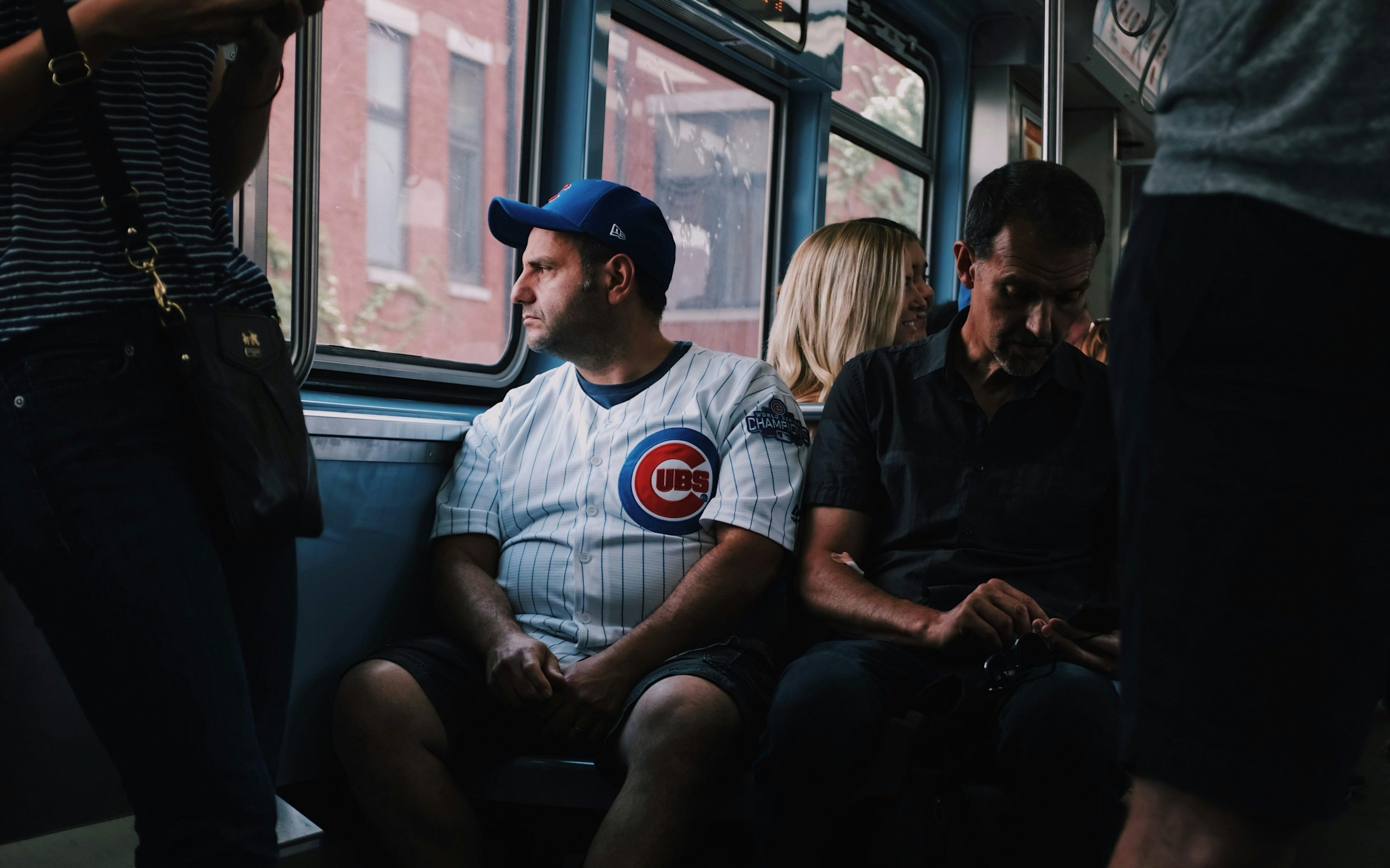
No longer solely a historic ballpark, Wrigley Field has become the focal point of a vibrant mixed-use development known as the 1060 Project. The project was conceptualized to ensure the viability of the game for future generations and to enrich the surrounding community. Women and minorities comprised nearly half of project’s workforce, and minority and female-owned businesses won $90M in construction projects towards its completion. The area now includes a mixed-use office tower and open-air plaza, which serves as a community space for activities like ice skating and concerts. Wrigley Field has also built and added a connecting sportsbook to enhance the fan experience. Through strategic urban planning and innovative partnerships, the Cubs have successfully transformed Wrigley Field into a year-round hub of activity, setting a standard for sports venue integration in the modern era.

mixed-use development

Economic Benefits

Mixed-use developments surrounding sports venues offer a great number of economic advantages. By diversifying income streams, these multi-use projects provide stability to sports franchise cities, lessening the reliance on seasonal events and game days. Traditional game-day revenues like parking, ticket sales, and concessions are starting to get a smaller share of overall revenue. Anchoring investment in surrounding areas will generate more revenue outside of the sports franchise. 

The city of Inglewood, once on the brink of bankruptcy, saw this best with its development of Hollywood Park. This $5B project, spearheaded by Rams owner Stan Kroenke, encompasses not only the iconic SoFi Stadium, home to both the Los Angeles Rams and Los Angeles Chargers, but also an extensive retail and entertainment district, luxury residential units, and multiple hotels. The stadium alone boasts a seating capacity of 70,000 and is equipped with cutting-edge amenities, making it a premier venue for sporting events, concerts, and other entertainment spectacles. The Hollywood Park project has been a game-changer for Inglewood’s economy, bringing in significant investment, job opportunities, and tourism revenue. It’s estimated that the development has created thousands of jobs during construction and will continue to support numerous permanent jobs once fully operational.

mixed-use development

Elevated Fan Experience

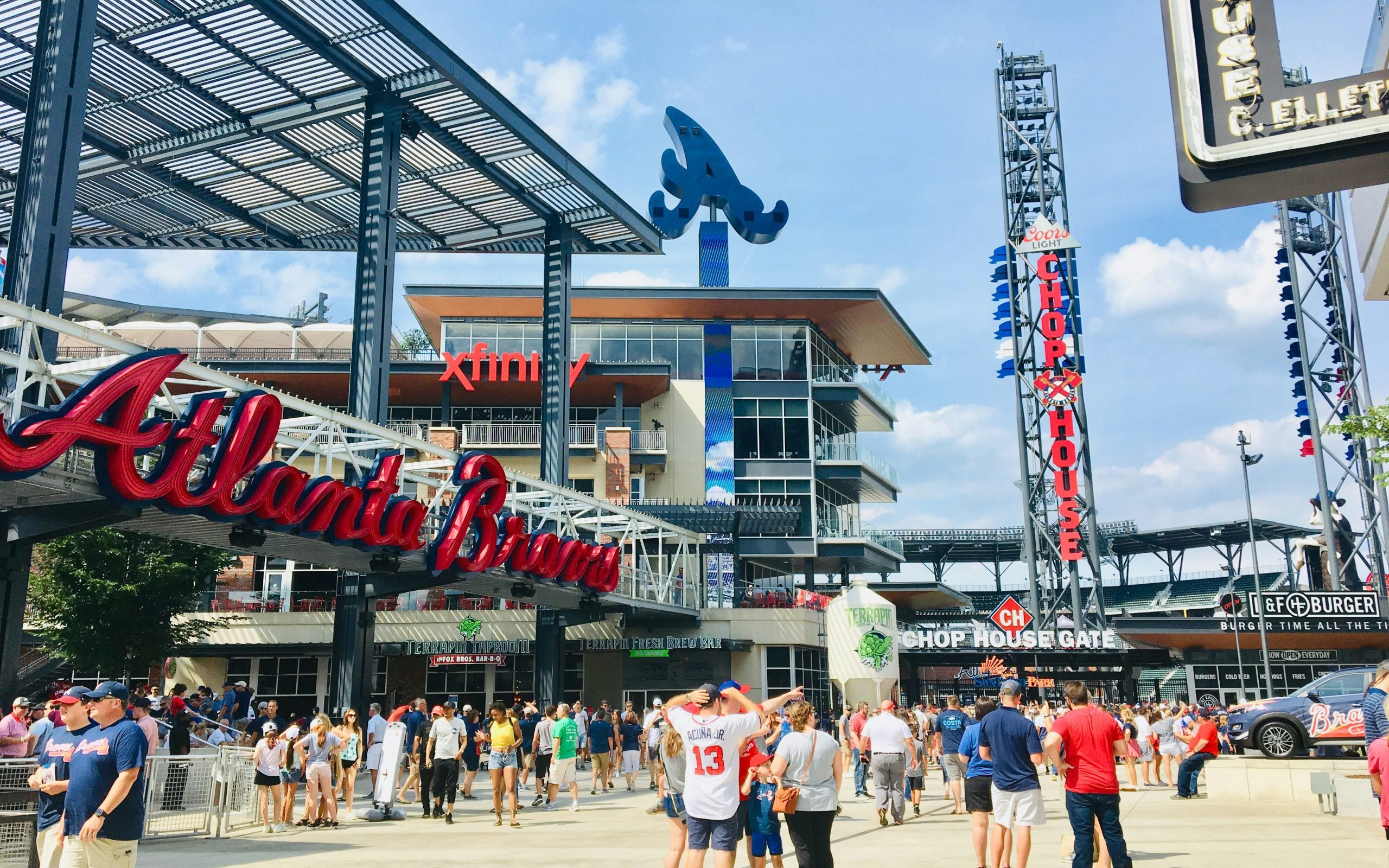
In 2017, the Atlanta Braves made a significant move to Truist Park, accompanied by the construction of The Battery Atlanta—a 2.25 million square foot mixed-use development. This complex features a plethora of amenities including restaurants, hotels, shopping outlets, 531 residences, and various entertainment options. Visitors can also indulge in cinematic experiences, social and virtual gaming, and live music performances at venues like the Coca-Cola Roxy and Park Bench Battery, ensuring year-round revenue generation. The Braves also partnered with The Omni Hotel to attract travelers during baseball season. While relaxing by the pool, Omni guests can watch the game from the pool deck. Omni CFO Mike Garcia calls the partnership a way for guests to feel like they are “a part of the Braves organization.” His sentiment has been felt across the Battery Atlanta: from 2017 to 2019, the Braves saw a 69% increase in revenue.

As the trend of mixed-use developments anchored around sports venues continues to gain momentum, the future holds exciting possibilities for urban development and community engagement. Looking ahead, we can expect to see a continued trend towards creating venue districts that cater to a wide range of interests. From soccer stadiums to basketball arenas, teams across all sports will likely prioritize the incorporation of mixed-use developments to enhance fan experiences and drive economic growth.

Sources:

  1. https://hollywoodparkca.com/
  2. https://urbanland.uli.org/development-business/inglewoods-transformation-how-an-nfl-stadium-brought-the-city-back-from-the-brink-of-bankruptcy
  3. https://www.mortenson.com/newsroom/economic-considerations-of-sports-mixed-use-developments
  4. https://www.mortenson.com/newsroom/rise-in-adjacent-sports-developments
  5. https://populous.com/project/atlanta-braves-ballpark
  6. https://batteryatl.com/information/
  7. https://www.caaicon.com/portfolio/1060-project
  8. https://www.jll.pe/es/trends-and-insights/ciudades/how-sports-stadiums-are-giving-mixed-use-developments-a-winning-edge

From Olympic Basketball to Flag Football: How the Olympics Boost Youth Sports

Ever since the 1992 Dream Team, there have been major benefits to NBA players participating in the Olympic basketball. Flash forward to today, and the NBA is a global brand with audiences from all corners of the world and all age groups. So when will other big U.S. sports follow suit? The NBA, NFL, and MLB have been left out of the Olympics for the better part of a decade and potentially will be in 2028 and 2026, neglecting a major opportunity for global expansion. Most critical to growth, putting these sports on the Olympic stage captures younger audiences and maximizes exposure. During periods in which NBA players compete in the Olympics, there are large spikes in participation among youth basketball compared to overall participation. Considering U.S. basketball has won gold in sixteen of the nineteen Olympic tournaments they’ve entered, the correlation is no surprise. Sporting success at the highest level inspires younger generations to pick up the game. 

olympic basketball

The NBA Success Model

While Olympic participation isn’t the only factor in youth participation, it provides an undeniable boost. After the 2008 Olympics when the U.S. clinched gold, more kids than ever took up basketball for the first time. There was a surge in participation for children aged 7-11 and 12-17 for youth basketball in 2009. For the NBA to continue this growth, they need future generations to stay engaged year-on-year. To make this possible, they must secure their top players’ participation in the Olympics. Lebron James hasn’t played since 2012, and Steph Curry has never played in the Games. Lebron and Steph are just two of many All-NBA players who have opted out in recent years. As we’ve seen with players like Paul George, Olympic participation does open up risks for injury outside of regular season play. Star basketball players in the NBA will have to weigh this risk with how their participation could benefit the league and basketball at large.

As other top American sports leagues explore the potential of Olympic expansion, they lean on the NBA’s success as a model. The NHL, for example, recently announced it would allow their players to participate in the Olympics for the first time since 2014. Similarly, flag football will be included in the Olympics beginning in 2028, which allows for NFL players to get in on the action. Baseball is also set to make its return as an Olympic sport that same year. These additions could provide massive boosts for the sports individually and the Olympics as a whole.

olympic basketball

NHL Seeks Another “Miracle on Ice” Moment

U.S. ice hockey has yet to secure another Olympic gold medal since the 1980 “Miracle on Ice.” Back in the 80s, their victory sparked an increase in youth participation, providing young American players with a memorable triumph to cherish. Decades later, U.S. hockey hasn’t medaled since 2010, and without consistent NHL participation, they haven’t even reached the bronze medal game. This all could change in 2026, as the NHL announced they’re returning to Olympic participation in time for Milan’s Winter Games. NHL commissioner Gary Bettman called the decision “the right thing to do,” citing that it “came down to doing something because the players really wanted it.” With players like Pittsburgh Penguins’ Sidney Crosby competing on the world’s stage in 2026, U.S. ice hockey awaits an exciting opportunity to capture a younger generation of players and fans.

MLB‘s Olympic Revival

MLB has been on a recent campaign to reignite engagement with rule changes and pitch clock enforcement. Olympic participation is one more avenue for MLB to supplement their growth plan, but much depends on the sport’s inclusion in future Games. While baseball returned to the Olympics in Tokyo after a 12-year absence, it will not be featured in Paris this summer. The sport is slated to make its Olympic comeback once more in 2028, with many major leaguers eager to participate. Reports indicate that both owners and players have advocated for major league athletes to compete in 2028. Despite a decline in children playing baseball since 2008, which saw just 17% of children ages 6-12 regularly participating, having MLB stars in the Los Angeles Olympics could reignite youth viewership, interest, and participation—a trend MLB has been striving to foster.

olympic basketball

NFL and Flag Football

The next sport to enter the Olympics is flag football. Many NFL players have expressed interest in participating including Dolphins star wide receiver Tyreek Hill. American football in any capacity has never been a part of the Olympics, so this move could play a major role in growing the game amongst youth outside of America. The NFL has already taken steps to increase its international presence, with games in London, Germany, Mexico, and soon to be Brazil. They have also introduced the International Home Marketing Areas initiative. This gives teams the opportunity to market to strategic countries, ideally creating a secondary home territory of international fans. Coupling these efforts with participation in Olympic flag football, the NFL has the push it needs to appeal to youth on an international level.  

Looking Ahead

No matter the sport, there’s an undeniable phenomenon tying youth participation and the Olympics together. Kids see their home country competing on the world’s biggest stage and feel inspired to take up the sport themselves. We saw this best back in 1992 when U.S. basketball’s Dream Team, stacked with legends like Charles Barkley and Scottie Pippen, captivated adults and children alike. The NBA’s global presence steadily climbed and more kids picked up a basketball than ever before. As more and more popular U.S. sports join the Games, many believe a similar Olympic effect is destined to occur.

Sources:

  1. https://apnews.com/article/nhl-olympics-b251c32f624639f76be2a3f510d7a313
  2. https://sports.yahoo.com/mlb-team-owners-increasingly-supportive-of-allowing-stars-to-participate-in-2028-la-olympics-per-report-024059541.html#:~:text=There%20won’t%20be%20any,Athletic’s%20Evan%20Drellich%20reported%20Wednesday
  3. https://www.nfl.com/news/tyreek-hill-other-nfl-players-could-play-flag-football-in-2028-olympics#:~:text=NFL%20executive%20Peter%20O’Reilly,by%20the%20International%20Olympic%20Committee 
  4. https://www.samford.edu/sports-analytics/fans/2016/olympics-good-or-bad-for-the-nba 
  5. https://www.tandfonline.com/doi/pdf/10.1080/13504851.2015.1068916#:~:text=The%20trickle%2Ddown%20effect%20assumes,sporting%20success%20to%20participate%20themselves
  6. https://abcnews.go.com/Sports/phillies-bryce-harper-hopes-mlb-allows-players-olympics/story?id=104024883#:~:text=Professional%20players%20were%20first%20allowed,Olympics%20(held%20in%202021)
  7. https://www.statista.com/statistics/982278/participation-kids-baseball/ 
  8. https://operations.nfl.com/journey-to-the-nfl/the-nfl-s-international-impact/the-nfl-international-series/
  9. https://operations.nfl.com/updates/the-game/nfl-announces-additional-international-home-marketing-areas/

Become a Sponsor.

Join us in making a difference. Tell us a bit about yourself and we’ll be in touch with sponsorship details.

By submitting this form, you agree to be contacted by the Athelo Group team regarding sponsorship opportunities.