
From CrossFit to HYROX: Why Everyone Suddenly Wants to Compete

Going to the gym used to be simple. Now, people pay to push sleds across convention-center floors, throw medicine balls at walls and run kilometers in between, all while thousands of people watch.

Welcome to competitive fitness, the era where the gym isn’t just a place you go anymore.

It’s something you train for.

What was once a solo workout has become a measurable test of speed, strength, and endurance. Competitive fitness gives athletes clear benchmarks to chase while creating an environment built around shared competition. That combination has helped turn traditional training into something people can prepare for, participate in, and compare on a global scale. 

CrossFit opened that door, proving that everyday gym-goers could train and compete like athletes. Now HYROX has walked through it, taking that same idea and turning it into a global phenomenon with millions of participants and no signs of slowing down.

So, is HYROX just the latest fitness trend? Or is it something more permanent, a real shift in how people want to work out?

Quick Highlights

  • HYROX attracts athletes from multiple fitness backgrounds. A 2025 study of HYROX athletes found that 40.3% came from CrossFit or powerlifting backgrounds, 26.6% from endurance sports, and 16.9% from team sports, showing how the format is pulling competitors from across the fitness landscape. 
  • What began with just 650 HYROX competitors in 2017 has developed into a worldwide fitness competition targeting over 2 million athletes of all skill levels. 
  • HYROX reports that more than 99% of its athletes complete their race, with no qualification requirement or finishing-time restriction for standard participation.
  • An analysis of 34 cities that hosted HYROX events in consecutive seasons found that participation increased 118% overall, with 22 of those 34 cities experiencing growth of at least 100%. Washington, D.C. and Stockholm each saw participation jump by more than 330%.
  • Fitness concepts like New Jersey-born Alpha Fit Club are embracing the same combination of strength, cardio, community, and competition. 
rise of HYROX

The CrossFit Blueprint

Prior to the HYROX movement, CrossFit helped change the culture surrounding fitness. Instead of walking into a traditional gym and figuring out your workout yourself, CrossFit handed people structure: programmed workouts, coaches, leaderboards, and most notably, a community. 

Suddenly, a workout could be a sport.

CrossFit popularized functional movements and high-intensity interval training while creating an environment where people could measure their performance against themselves and everyone around them. That competitive element became a major part of its appeal. 

But the functional fitness category is continuing to evolve. A new generation of hybrid fitness concepts is growing around the combination of strength, endurance, competition, and community. 

No brand has capitalized on that shift quite like HYROX.

Enter HYROX

If CrossFit helped turn the gym into a sport, HYROX figured out how to turn that sport into something closer to a marathon. It was through trailblazers like Hunter McIntrye, one of the first HYROX world champions (he won three years in a row), to really turn the page and begin turning this event into what it is today. 

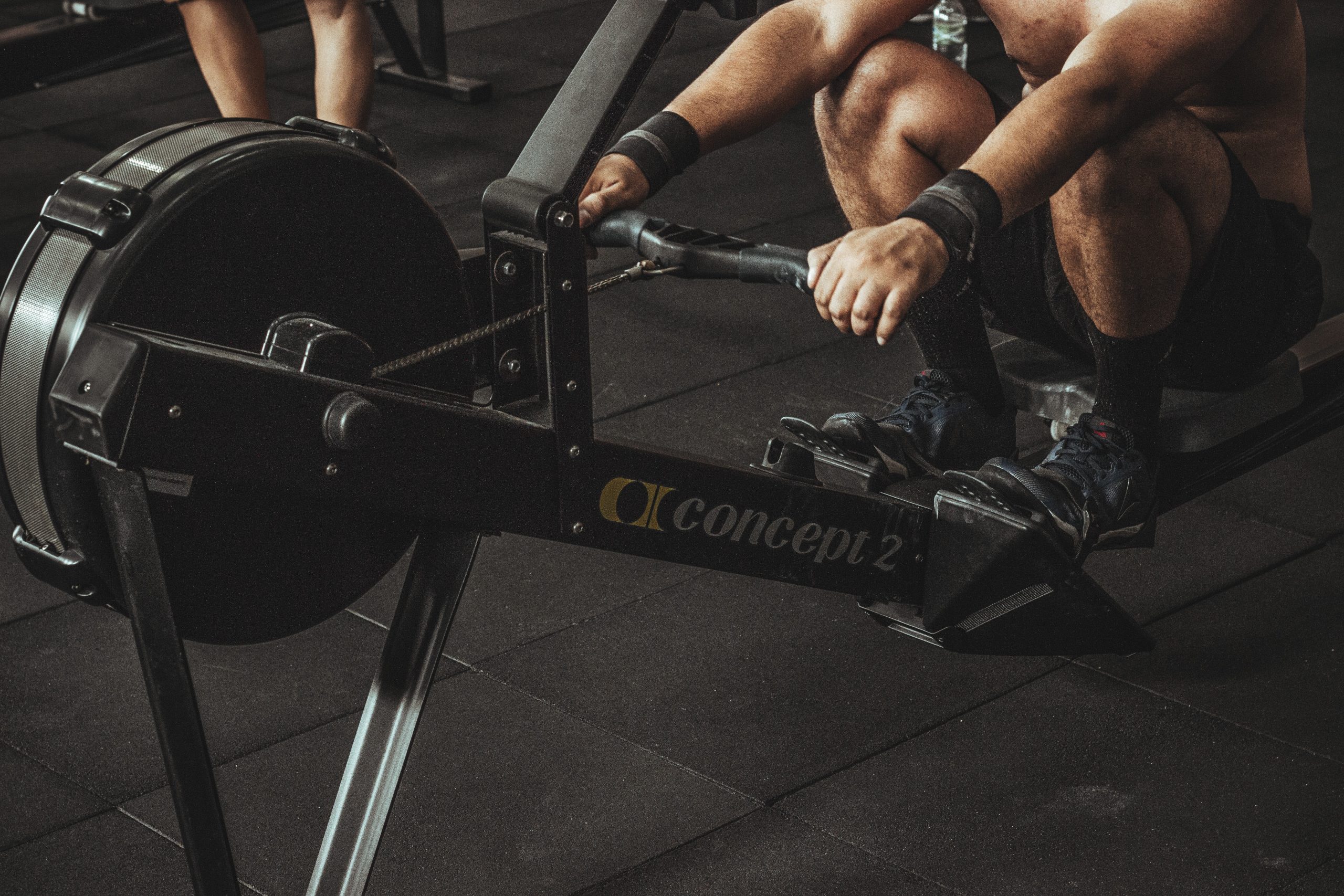
The HYROX format is simple. Competitors complete eight one-kilometer runs, with each run followed by a functional workout station. Think SkiErg, sled pushes, sled pulls, rowing, farmer’s carries, lunges, and the infamous wall balls waiting at the finish line.

What matters most is that the format never changes. A HYROX in New York is functionally the same competition as a HYROX in London, Sydney, or Hong Kong. Athletes can compare times across cities, chase personal records, and know exactly what they’re training for no matter where they race. Think of it as a 10K with a lot more working out, and apparently, that’s exactly what people are craving.

Why is HYROX Growing so Fast?

One of HYROX’s smartest moves might also be its simplest: You don’t have to be an elite athlete to feel like one. Running a marathon can be intimidating. Competing in the CrossFit Games can be unrealistic. HYROX sits somewhere in the middle. 

The workout is difficult, but also understandable. You can train specifically for it, compete individually or with a partner, and enter different divisions based on your ability. The standardized format also makes progress easy to measure from race to race. Athletes can track their times, identify weaknesses, and set specific goals for their next competition. That built-in sense of progression gives training a clear purpose beyond simply getting fitter. 

Most importantly, there’s a finish line. That is something traditional fitness often lacks. “Get in shape” is vague. “Beat my HYROX time from last year” is not. The race gives people a reason to train, and training gives them a reason to keep showing up. 

Then there’s the social layer. Race photos, training partners, gym leaderboards, TikTok videos, Instagram posts, matching team outfits. 

The experience extends far beyond race day, becoming part of how athletes present their fitness journeys online. Competitors share months of training, race prep, and results with their communities, creating a steady stream of content around HYROX. Each post helps expand the event’s reach while strengthening the sense of community surrounding it. 

HYROX has fused fitness with the same social identity that fuels marathon culture. Finishing one doesn’t just give you a workout. It gives you something to post about. That makes social media especially valuable because every training video, race photo or finish-line post extends HYROX’s reach beyond the people who actually attend the event.

Competitors introduce the sport to their own audiences, helping HYROX build awareness and potentially turn viewers into future participants. Sponsors benefit from the same reach. When athletes post their training and race-day experiences, the shoes, apparel, fuel, and recovery products they use become part of the content, giving brands authentic exposure rather than a traditional advertisement.

The Gym is Becoming the Locker Room

HYROX’s growth isn’t just happening on race weekends. The company has created an environment of gyms and fitness studios where athletes can prepare for races throughout the year. 

This creates a powerful cycle: Someone sees a HYROX video, talks a friend into signing up, starts training, competes, posts about it, and three more friends decide they want in too. It’s the same community wheel that turned CrossFit into a culture force, except HYROX has attached it to a standardized global event. 

Major brands have also taken notice. Puma, for example, has extended its partnership with HYROX through 2030. Amazfit is the official timing tracker of the whole event, and Centr supplies HYROX with all their equipment.

These examples are a strong signal that sports industry giants are starting to treat HYROX competitors as athletes, not just gym-goers. That brand investment is critical to HYROX’s long-term growth, giving the sport greater visibility and credibility while introducing it to audiences beyond the existing fitness community.

At the same time, partnerships with competitors turn athletes into ambassadors who can bring sponsors directly into their training, race-day and recovery content, showing why effective athlete marketing can help emerging sports build awareness and develop long lasting communities.
rise of HYROX

Same Playbook, Different Brand: Alpha Fit Club

You don’t have to look across the world, or even outside the Northeast, to see the same shift happening. Alpha Fit Club, founded in Westfield, New Jersey in 2019, has built its entire experience around the same pillars fueling hybrid fitness: strength, conditioning, coaching, and community.

Alpha’s 60-minute classes move members through six stations combining total-body strength training with conditioning. The other half of the equation is belonging. 

Alpha calls its community “The Pack,” and that community-driven model has helped the company expand beyond its New Jersey roots. With 20 studios already open in New Jersey, Alpha plans to more than double that footprint up and down the East Coast by the end of 2026. Alpha is even leaning further into competition through the Alpha Games, where members can put their training to the test in a competitive fitness environment. 

Sound familiar? Workout. Community. Competition. Event. Repeat.

Alpha isn’t HYROX, and it isn’t CrossFit. However, its growth reflects the same broader movement reshaping fitness. People increasingly want their workouts to feel like they’re training for something. 

Fitness is Becoming a Sport Again

The biggest takeaway from the rise of CrossFit, HYROX, and brands like Alpha Fit Club is that people don’t just want exercise. They want goals, teammates, competition. They want something circled on the calendar that makes the 6 a.m. workout feel like it has a purpose.

HYROX has tapped into that desire better than almost anyone. The line separating “workout” from “training” is getting blurred every year. There’s a big difference between telling someone they should go to the gym, and giving them a reason they actually want to go.

CrossFit helped prove fitness could become a community. HYROX is proving that community can be a global sport. And if the current growth is any indication, there are going to be a whole lot more sleds getting pushed in the years ahead.

FAQ:

  1. What is HYROX? HYROX is a global fitness competition that combines running with functional strength exercises. Competitors complete eight one-kilometer runs, with each followed by a workout station such as sled pushes, rowing, farmer’s carriers, lunges, or wall balls. The same format is used at HYROX events around the world.
  2. Why has HYROX become so popular? HYROX hits a sweet spot between competition and accessibility. You don’t have to be a professional athlete to enter, but you still get the experience of training for and competing in a real sporting event. Add doubles and relay divisions, gym communities, social media, and the ability to chase personal records, and HYROX gives everyday athletes something bigger to train for.
  3. Is HYROX Replacing CrossFit? Not exactly. It’s better to think of HYROX as another evolution of the competitive fitness movement CrossFit helped popularize. CrossFit showed that strength and conditioning could become a competitive sport surrounded by a passionate community. HYROX takes some of those same ideas and packages them into a standardized race format that can appeal to runners, lifters, and everyday gym goers. 

Recovery for Athletes: Sports’ Newest MVP

Recovery for athletes is no longer a luxury— it’s a necessity. Between new technology, smarter recovery tools, and the prioritization of holistic health, athletes have more tools than ever to protect their bodies and minds. 

In the past decade, there has been a growing understanding of what peak performance requires which has pushed both brands and athletes to further prioritize their wellness and recovery practices. 

This new rehabilitation standard is reflected through the extensive Fitness Recovery Services Market. As the demand for these services and products continue to grow, it is clear this industry is only beginning.

Quick Highlights

  • The global fitness recovery services market will reach a projected $26.8 billion by 2035, up from $8.3 billion in 2025.
  • The leading segment of the market is massage therapy & assisted stretch with a nearly 38% market share.
  • The global sports nutrition market, which includes sports drinks, bars, powders, and capsules, was valued over $66.27 billion in 2024 and is projected to reach over $138 billion in 2033.
  • Sports franchises like the Washington Commanders are investing over $25 million in recovery solutions, highlighting the growing priority placed on athlete recovery.
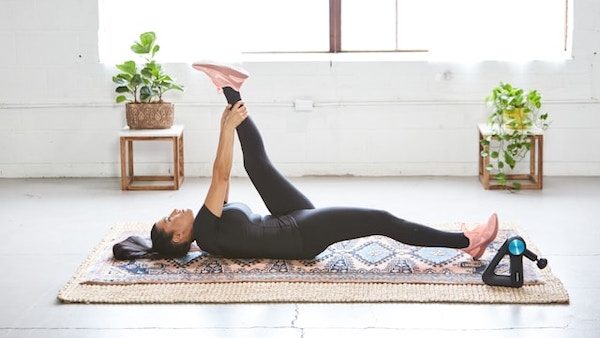
athlete stretching to recover

The Industry 

Society’s emphasis on holistic health has driven explosive growth in the sports recovery and nutrition markets. Everyday consumers are now prioritizing protein intake, hydration, and advanced recovery tools, while wellness trends push the sports industry to innovate and expand.

Professional teams are investing heavily in recovery, with many allocating multimillion-dollar budgets to state-of-the-art facilities. For example, the Washington Commanders spent $25 million on upgrades featuring cryotherapy, infrared saunas, and hyperbaric oxygen chambers to accelerate player rehabilitation.

Common equipment now includes percussion devices like Theraguns, shockwave and laser therapy machines, and compression boots. Over a third of training spaces in modern facilities are dedicated to recovery, reshaping athlete training protocols and extending career longevity.

In a high-stakes industry, on-field performance increasingly depends on off-field recovery practices. These investments not only reduce injury downtime but also influence sponsorships and partnerships in the booming recovery sector.

The Modern Athlete Toolkit 

Wearable technology has become a cornerstone of the sports recovery market, providing athletes with real-time data on training load, sleep, and recovery metrics. Popular devices like Oura Rings, Whoop bands, and Garmin watches enable precise monitoring, helping optimize rest and prevent overtraining.

Electronic recovery devices are also transforming post-workout routines, accelerating muscle repair through improved circulation and reduced inflammation. Cryotherapy chambers, compression systems, and percussive therapy tools like Theraguns are now staples, often replacing traditional ice baths and static stretching.

Nutrition is equally critical, with athletes relying on high-quality protein sources, hydration products, and targeted supplements to fuel recovery and performance. The booming demand has spurred innovation, giving pros and amateurs unprecedented options for daily nutritional support.

Standout brands like David Protein exemplify this growth—their bars deliver 28g of protein in just 150 calories, achieving explosive success with over $100 million in projected first-year revenue since launching in 2024. 

Wellness Shaping Performance 

As wellness continues to move to the forefront of sport, mental strength and recovery systems prove just as essential as physical training.

Mental performance strategies like visualization, focus training, and stress management are becoming core parts of an athlete’s routine. These tactics help athletes stay composed under pressure by giving them tools to stay mentally centered as challenges arise. 

The US Olympic Committee is leading this trend among major sports organizations by forming a team of 15 full-time mental performance coaches for their athletes. This dedicated team delivers significant results, enhancing mental health support and performance optimization across Team USA.

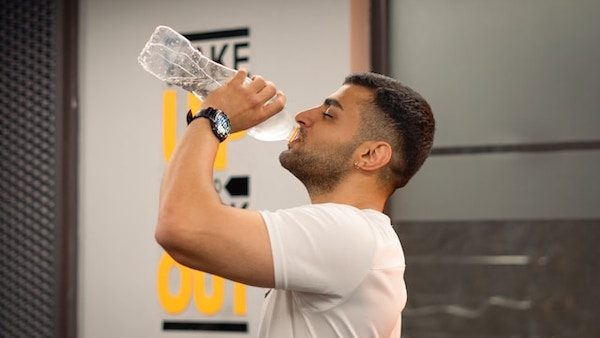
athlete drinking sports drink for recovery

The Future of Athlete Recovery and Wellness

As the sports world continues to evolve, it’s clear that athlete wellness is the new competitive edge for optimal performance. 

Brands like ARMRA are advancing this mission by creating products to rebuild health from the inside out. Athelo Group athletes Brisa Hennessy, Conor Daly, and Chandler Smith gravitate towards ARMRA as they continue to prioritize clean and trustworthy wellness solutions. 

The athletes who prioritize their recovery, nutrition, and mental strength aren’t just performing better– they’re building the longevity of their careers.

This shift presents a powerful opportunity for brands, teams, and support staff. In an industry defined by intense demands, investing in athlete wellness has become a strategic advantage.

Incoming Social Media Trend: The Hybrid Athlete

The hybrid athlete weaves strength and endurance into a training style that’s gaining traction on Instagram and TikTok. Once separated into distinct worlds like bodybuilding, CrossFit, and running, these disciplines are now merging into a performance-driven lifestyle that offers strong potential for brand placement.

This shift reflects a generational change in how fitness is approached online. Gen Z’s focus on balance and overall wellness, accelerated by the Covid-19 pandemic, has pushed the industry toward a more holistic approach to training.

Quick Highlights 

  • The #hybridathlete tag has surpassed 280K posts and 85M TikTok views, with creators like Alex Kukla, Nick Bare, and Ashley Horner driving daily content.
  • Hybrid fitness events like HYROX are seeing over 600,000 competitors in the 2024/25 season, up from just 650 at launch.
  • HYROX reached 1 million tickets sold in May 2025, signaling explosive growth.
  • CrossFit Open 2025 saw a 32% decline in registrants while HYROX’s greater accessibility drove a surge in participation. 
  • Brands like PUMA, Red Bull, and Amazfit are sponsoring hybrid fitness events. Peloton also joined HYROX last week with a new collaboration.
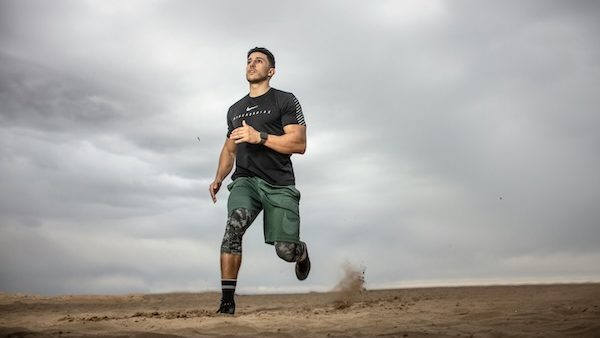
hybrid athlete running in desert

A New Breed of Athlete

Gone are the days of the one-dimensional fitness influencer. This new wave of hybrid creators might deadlift 400 pounds for sets, then knock out a 6-mile ruck right after.

Luke Hopkins stands out on social media for showcasing the hybrid lifestyle. His day in the life video garnered 1M+ views on YouTube, which included:

  • 6:00 AM – 29.14 mile stationary bike averaging 188 watts
  • 8:15 AM – 8 mile run averaging 8:17 pace
  • 12:15 PM – Deadlift for sets up to 405lbs, then back workout
  • 4:20 PM – Form work in the pool 

Viewers gravitate to this content because of the sheer volume of work and the discipline it takes to maintain. The “day in the life” format gives an inside look at the hybrid athlete’s mindset and training load.

Hybrid Events: The Newest Branding Arena

As hybrid athletes gain momentum, hybrid events are exploding in popularity. Competitions like HYROX, DEKA, and GoRuck test both strength and endurance through timed circuits of sprints, sled pushes, and lifts, creating plenty of Instagram-worthy moments. 

Brands like Puma, Concept 2, and MyProtein have already jumped on HYROX sponsorships.

Unlike the CrossFit Games, which require years of technical training and multiple qualifiers, hybrid events are open to all fitness levels with simple, time-based rankings. That accessibility makes them appealing to athletes and a prime opportunity for brand activations.

With the sport still growing, it’s a key moment for brands to establish a foothold, much like Rogue and Reebok did early in the CrossFit era.

resistance bike for hybrid athlete

The Gold Rush for Hybrid Athletes 

Brands have a short window to get in early as hybrid athelete-influencers continue their rise. 

Hybrid athletes are highly marketable because of the breadth of products they touch—pre-workout and hydration supplements, heart rate monitors, smartwatches, and athleisure. Their daily training routines create natural opportunities for product integration.

Nick Bare shows the engagement opportunity for this space: his 1.4M+ YouTube and Instagram followers have helped turn Bare Performance Nutrition into a multimillion-dollar brand, powered by his hybrid training content.

With participation in hybrid events climbing each season, these athletes are positioned to become key faces for sponsorships in the next five years, similar to how Athelo Group positioned Liquid IV early in the functional hydration market.

Fresh Faces in Fitness

Gen Z grew up watching Chris Bumstead and Ronnie Coleman dominate YouTube with iconic bodybuilding content, shaping early online fitness culture around muscle and aesthetics.

As that audience matures, so does their definition of health. They’re shifting from pure aesthetics to optimization and performance, wanting athletes who can blend strength, endurance, and longevity.

Will Tennyson is a standout example of this evolution. Known for his mix of hybrid training and highly shareable content, he’s built a 4M+ subscriber YouTube channel and a fast-growing supplement line by leaning into the lifestyle side of fitness. 

His ability to entertain while showcasing training variety has made him one of the most marketable creators in the space.

With hybrid events making this style of training accessible to a broader audience, the opportunity for brands is clear: align with athletes redefining what modern performance looks like.

Breaking Tradition

As social media continues to reward grit and authenticity, expect influencers to keep blurring the line between sports and lifestyle. While traditional fitness partnerships will always hold weight, the future is in creators who combine athleticism with relatable, day-to-day content.

Athelo Group specializes in building strategic partnerships with rising athlete creators, including hybrid athletes. Explore our work to see how athlete influencers are changing the game for brands.

New Year Fitness Goals: How to Start & Stick to Your Workout Plan

Many people make New Year’s Resolutions for self-improvement. But whether it’s eating cleaner, joining a gym, or increasing productivity, their efforts tend to diminish as the year unfolds. Like so many others around the world, my New Year’s resolution in 2023 is to work out more. I plan to take a big leap into a whole new experience: CrossFit.

Why Your New Year Fitness Goals Need a Game Plan

Recently I decided that I wanted to try out something new. I hadn’t worked out in a long time and I had very little self-motivation to take myself to the gym and work out on my own. After witnessing Athelo Group athletes, Dani Speegle and Brittany Weiss, compete in CrossFit competitions and following them through their journeys I thought ‘this might be impossible, but I’ll give this CrossFit thing a try,’ and so I signed up for a free week at the gym right around the corner from me. When I say I was scared, I was scared! I didn’t know the first thing about CrossFit; not the names of workouts, not how to properly lift weight, and don’t get me started on what a WOD was. It was terrifying walking into this place, but every single person was a beginner at some point in their journey. 

The first workout was hard – one of the hardest workouts I have ever done, but I felt fantastic… after it was over. So I went again, and again. I only went two days a week to get comfortable with the movements and to go easy on my body, but that was enough for me to feel so much better about my body and what it is capable of doing, not to mention how my mood was different every time I came home from a workout. I could tell I felt better. I was more proactive with at-home tasks, I just wanted to keep moving! Now imagine if I went more than twice a week.

New Year's Resolutions

Working out in the new year doesn’t have to be something that won’t last. Come 2023, I am attending CrossFit 4-5 days a week. Not only do I want to keep going for physical and mental improvement, but the people. Being surrounded by 20 people who are all lifting big weights while you are still just lifting the bar can seem extremely intimidating, but it’s not. Every single person in that gym is there for themselves, to better themselves, just like you are. The CrossFit gym is a place where people want you to succeed and will never ask you to do anything you aren’t comfortable with. I was lifting the bar the first 4 classes I took, and only when I was comfortable with adding weight did I put some on. CrossFit is a community filled with amazing, strong, hard-working people; like most gyms. My first day the workout was so hard I never wanted to go back while I was doing it, but everyone was proud of each other for finishing strong, it wasn’t a competition; just a group of people having fun and lifting weights. 

What I Hope to Gain This Year

I expect that in the new year, CrossFit will better me both physically and mentally. By doing just a little bit to start, I have been more confident in myself and I have a stronger body-image. A lot of people, particularly females, have difficulties with their appearances; being told we need to look a certain way to maintain an “ideal”  feminine body-image, but not one single person at the gym cares about how you look, they are just happy you made it and proud of you for showing up. 

For me, it is the community that keeps bringing me back, no judgment, no hate, just CrossFit. Working out in the new year may seem difficult, but in the right place with the right people, it can change your life. What New Year’s resolutions are you considering putting into practice in 2023?

Become a Sponsor.

Join us in making a difference. Tell us a bit about yourself and we’ll be in touch with sponsorship details.

By submitting this form, you agree to be contacted by the Athelo Group team regarding sponsorship opportunities.