
WNBA’s Internal Struggle: Uphold Fairness or Chase Money?

The WNBA has recently experienced drastic growth through superstar players like Caitlin Clark and Kamilla Cardoso making their debuts. The 2024 draft saw an unprecedented average viewership of almost 2.5M, more than quadrupling the figures from the previous year. With a wave of momentum carrying the WNBA into the spotlight, organizations have been making moves to capitalize on its heightened popularity. The deal making the most headlines revolves around the Las Vegas Aces.

las vegas aces

Inside The New Las Vegas Deal

The Las Vegas Aces have struck a new deal with the Las Vegas tourism authority that grants each player an additional $100K every season. Initially designed to support a successful local team, the deal is now facing backlash from both fans and players. It has even triggered an investigation into the Aces organization. Critics argue that the deal undermines the spirit of salary cap rules and creates an unfair advantage by retaining Aces players and attracting new recruits. Although the deal does not technically violate salary cap regulations, many view it as unethical. While it could help grow the WNBA, this growth could come at the expense of the league’s values and competitiveness.

An Enticing Offer

When comparing WNBA salaries to their male counterparts in the NBA, the deal seems inconsequential. After all, NBA players’ inflated salaries are no secret. Stars like Devin Booker, Kevin Durant, and Anthony Edwards earn nearly $250M over just five years. Compared to these figures, $100K seems like a drop in the bucket, hardly enough to retain a player. However, WNBA contracts are significantly lower. For instance, Caitlin Clark, arguably the best women’s college basketball player in history, has a salary of just $75K. The Aces’ Jackie Young earns a team and league-high of $252K, highlighting why an additional $100K is unquestionably a game changer.
las vegas aces

The Ethical Dilemma

Although the deal does not violate WNBA salary cap rules, it has raised concerns among players and fans about its impact on recruiting. The uniqueness of this deal, unmatched by any other team or city, makes it particularly notable. Critics worry that it promotes a pay-to-play atmosphere, which could be problematic if confirmed by the WNBA’s investigation. The Las Vegas Convention and Visitors Authority (LVCVA) argues that the money functions as a sponsorship, requiring players to wear Las Vegas-related gear off the court. Since all Aces players are paid equally regardless of fame or court value, the money could be viewed as a bonus, thus not violating any rules. LVCVA President and CEO Steve Hill countered the pay-to-play criticism by noting that if the Aces win the title this year for a three-peat, players will receive more money, indicating the deal is performance-based.

Those in Favor

Some land on the other side of the coin, stating that the deal will aid in the advancement of the league and is a side product of its expansion. Reflecting on the fact that her organization has been investigated several times before, Aces’ star A’ja Wilson was adamant in her beliefs that investigation cannot always be the go-to. She feels that the deal will help grow the game and benefit both the franchise and its players. Aces coach, Becky Hammon, seconds the notion. She explains that the LVCVA “wanted the whole team.” Like a true sponsorship, LVCVA reached out to individual players and agents and “the Aces have nothing to do with it.”

las vegas aces


Despite an ongoing investigation, the future is not written in stone. Perhaps the deal will prompt other cities to similarly support their local players and teams, pouring more money into the sport. Maybe the deal will remain one-of-a-kind and attract the best players to the Aces, creating a dynasty like never before. In a different turn of events, the deal could be found to violate regulations and be terminated immediately. Whatever the outcome may be, we will find out what is more important to the WNBA– upholding fairness or chasing money.

Sources:

  1. https://www.sportspromedia.com/news/wnba-las-vegas-aces-tourism-sponsorship-payments-investigation/#:~:text=The%20Women’s%20National%20Basketball%20Association,the%20arrangement%20on%2017th%20May.
  2. https://www.nytimes.com/athletic/5503533/2024/05/18/wnba-investigation-aces-sponsorship/
  3. https://www.sportico.com/law/analysis/2024/wnba-aces-investigation-sponsorships-1234779579/
  4. https://www.sportingnews.com/us/wnba/news/caitlin-clark-tv-ratings-wnba-viewership-records/4f55c44f4a0965aa14e72fa7#:~:text=Behind%20No.%201%20pick%20Caitlin%20Clark%2C%20WNBA%20Draft%20sets%20TV%20record&text=An%20average%20of%202.45%20million,draft%2C%20which%20averaged%20572%2C000%20viewers.
  5. https://www.sportingnews.com/us/wnba/news/wnba-10-highest-paid-players-2024/1104a976fdfdbd322602b4c4
Golf’s New Rollback Rule: Is it Really the Right Decision?

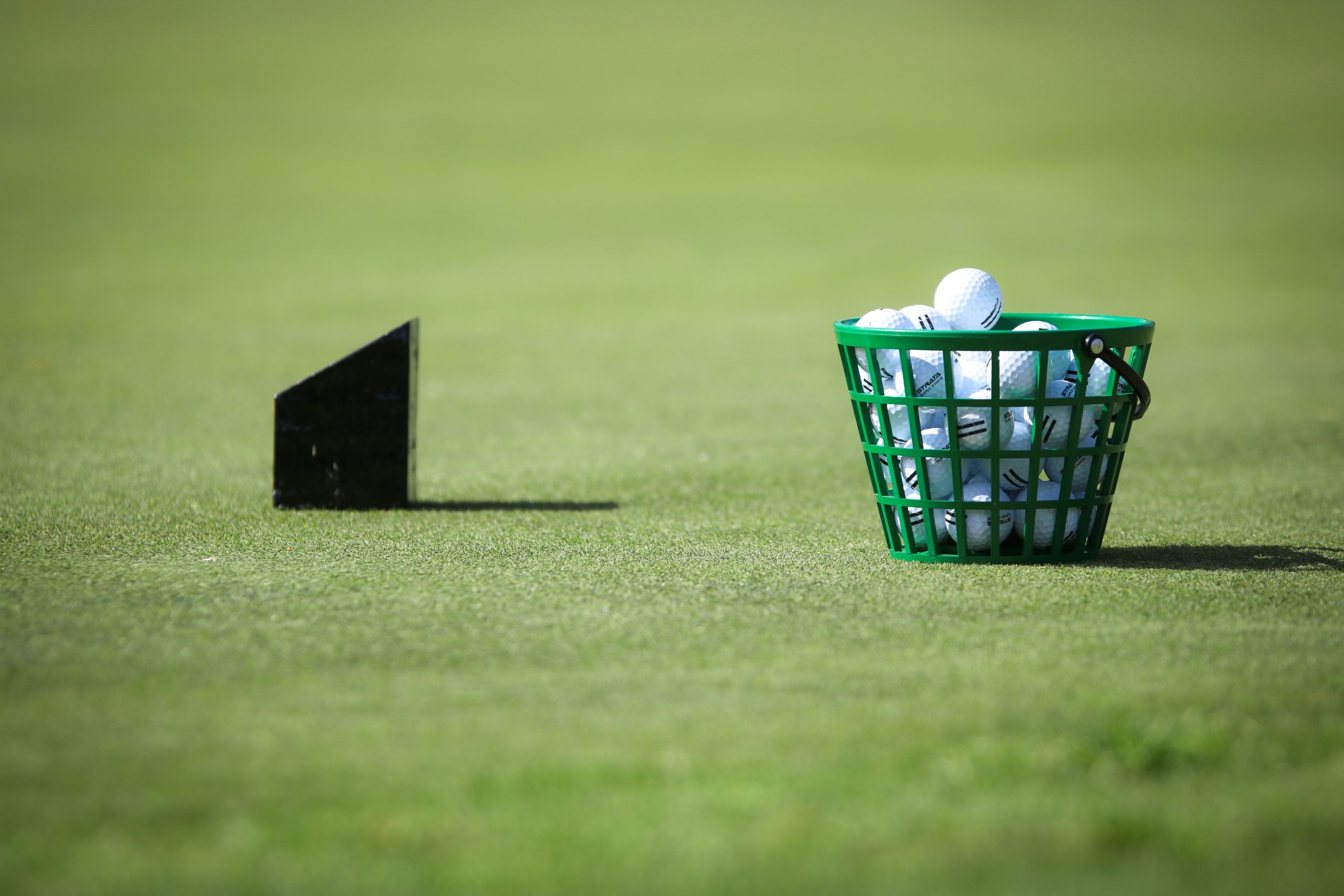
With massive changes underway in the golf world, last month’s rollback rule is one more element shaking up the game. It was recently confirmed that the USGA and R&A will enforce the infamous rollback rule for both PGA and LIV golfers in 2028, followed by a universal rollback for every golfer in 2030. The rollback rule, which poses new guidelines to regulatory golf balls, will render every ball in circulation to be non-conforming in just a few short years. Both governing bodies deemed modern distance dangerous for the sport, as courses have failed to keep up with longer hitters. 

While leaving clubs alone for now, the golf ball has become the target of this investigation. After extensive testing, the results are in: modern swing conditions require a distance-restricted ball, forcing ball manufacturers to develop new technology. Both athletes and companies are up in arms over the change. With newfound distance being one of the sport’s most exciting aspects, the rollback rule has the potential to reduce viewership and consumer-brand loyalty.

golf rollback rule

Why Does Golf Need a Rollback?

Through technological and swing developments, driving distance has undoubtedly skyrocketed. Over the last 25 years, some golfers have gained over 30 yards in driving distance. Over the last decade, the number of PGA players who average upwards of 300-yard drives has increased nearly 8-fold. Between land and financial constraints, golf courses stand zero chance of resolving this distance concern. Augusta National, home of the famous Masters Tournament and widely coveted Green Jacket, spent roughly $25M to extend just one hole through the purchase of neighboring land. This decision came in an attempt to restore the famous hole’s arduous nature, as improved distance left players hitting mid-irons for their second shot on the par 5. Less prosperous courses, however, cannot endure similar reconstruction without facing potentially fatal financial blows.

Implications of the Rollback

With the future of golf in question, the USGA and R&A updated testing requirements in hopes of preserving the qualities of the game that have faded throughout recent years. Testing is carried out through a robot-controlled swing with an increased new standard speed of 125 mph. The ball’s spin rate has decreased alongside a slight increase in launch angle. The maximum travel distance for golf balls is capped at 317 yards, prompting ball manufacturers to create shorter-traveling balls. The expected effects on golfers include an average 10-yard loss for elite males, a 6-yard loss for elite females, a 4-yard loss for amateur males, and a 2-yard loss for amateur females. But what about outliers such as Bryson DeChambeau or Rory McIlroy who are known for their extraordinary driving capabilities? Taking away arguably the most impressive aspect of their game could devastate many fans and pose major issues to professional golf viewership.

golf rollback rule

How Might the Rollback Affect Athletes and Sponsors

Professional golf’s expansion hinges on factors like increased viewership and financial gains. The sport has recently experienced massive growth in several areas, especially with the creation of new leagues, content, and technology. As viewership spikes, so does revenue. But with setbacks like the rollback rule’s effect on driving distance, golf could experience decreased engagement and a potential strain on athlete and brand sponsorships. Major companies like Titleist and Callaway garner a substantial amount of their marketing from professional events. If their balls are used less, it could reduce their airtime and create space for competitors to increase their brand awareness. Everyday golfers might resist conforming to new rules, affecting manufacturers’ income and pushing some towards cheaper alternatives. This shift could impact major companies and lead to changes in sponsorships. Amid challenges, opportunities arise, such as professionals reconsidering the balls they play, reminiscent of Tiger Woods’ switch after leaving Nike.

While the effects of the rollback rule will not be seen for years to come, it brings light to an abundance of situations in which golf could fall victim. Will we see leading golf ball brands collapse? Will professionals stay loyal to their sponsorships? Everything is up in the air. However, one thing is for certain: the new rollback rule has left golf’s seemingly bright future somewhat blurry.

Sources:

  1. https://golf.com/gear/golf-balls/golf-ball-rollback-official-what-it-means/
  2. https://www.golfdigest.com/story/usga-r-and-a-golf-ball-rollback-announcment-explained
  3. https://theathletic.com/5114481/2023/12/06/golf-ball-rollback-pga-tour-recreational/
  4. https://www.todays-golfer.com/news-and-events/equipment-news/golf-ball-rollback-and-bifurcation-explained/
  5. https://golf.com/gear/golf-balls/equipment-manufacturers-golf-ball-rollback/

The Evolution of NIL Deals: Is There a Dark Side?

On July 1, 2021 the NCAA officially gave student athletes the NIL green light, allowing them to monetize their name, image, and likeness. Fast-forward to 2023, and student-athletes like Livvy Dunne and Bronny James are signing million dollar deals with mega brands like Nike, Under Armour, and Adidas. When NIL was first introduced, not many people could have predicted this high of an earning potential. While the evolution of NIL deals is a great financial opportunity for student athletes, the ruling also poses negative effects with athletes transferring for bigger deals and the increased risk of student-athlete exploitation. 

Student Athletes Get Their Payday

The NCAA and member schools have financially benefited from student athletes for decades, and NIL finally gives student athletes a piece of the pie. Some of the deals that these student athletes are securing has the ability to change their families’ lives. Anthony Leal, a basketball player on the Indiana Hoosiers, was able to help his sister pay off her student loans because of the money earned from NIL deals. Athletes like Leal are finally getting a chance to capitalize on their personal brand’s popularity.  

We’ve also seen college athletes profit from commercial appearances as part of their NIL deals. Caleb Williams, for example, appeared in a series of Wendy’s commercials where he stood on a podium and announced that he was “transferring to Wendy’s.” While Williams would not disclose the compensation amount, he did admit that payouts from NIL opportunities have “changed his life.” Iowa women’s basketball star, Caitlin Clark, has also benefited from these brand commercial opportunities. Clark was the first college athlete to sign with State Farm and has appeared in a series of commercials quipping their signature line: “like a good neighbor State Farm is there.” Clark said that her deal opens up other opportunities for female athletes and helps to grow the women’s game.

The Transfer Portal Problem

While NIL gives student-athletes more financial opportunities, not everyone is a beneficiary. Since NIL is now a factor in college recruitment, larger teams are using its appeal to lure elite level players in ways smaller schools can’t. We are seeing this most prevalent in college football as more and more players decide to transfer schools with more favorable NIL deals. When the transfer portal opened up this year, a total of 538 scholarship players entered the portal, which is an 18% increase from last year’s opening day. Top players in the portal attract interest from SEC, Big Ten, and ACC schools, which, due to their size and brand appeal, can provide more lucrative NIL deals. The evolution of NIL has favored major schools, giving them an edge in recruiting top talent and adversely affecting smaller schools that struggle to compete financially for players.

We are currently seeing this play out in real time with Cameron Ward’s transfer out of Washington State. The sought-after quarterback is predominately considering ACC, Big Ten, or SEC schools. During meetings with these schools, they’ve all emphasized the potential NIL earnings he could make by joining the squad. Miami is currently leading the race, but regardless of his choice, Ward is expected to secure a seven-figure NIL deal with his chosen school. While moves like these financially boost players and top football programs, they limit opportunities for smaller programs and emphasize money over the spirit of the game. 

nil deals

Risk of Exploitation

With newfound opportunities to profit from their name, image, and likeness, student athletes face a risk of exploitation due to their limited business knowledge. Given their youth and lack of expertise in contracts, caution is essential when dealing with brands or player representation groups. It’s disheartening to see college students potentially exploited, emphasizing the need for genuine concern for their well-being in these engagements.

This exact situation transpired last year when former Florida Gator Gervon Dexter signed an NIL deal with Big League Advance Fund II, agreeing to a payment of over $400K. The deal required him to pay 15% of his pre-taxed NFL earnings for the next 25 years. Dexter, drafted by the Chicago Bears, is now suing to void the agreement. His legal team cites violations of Florida’s NIL laws, lack of licensing in the state, and failure to notify the University of Florida within 72 hours. This case underscores the importance for all student athletes to be aware of potential negative situations that could impact their future. 

While NIL is an undeniable financial asset for student athletes, the rule book is still being written. As we dive into the new year, we’ll see the structure of NIL continue to evolve. New regulations may come into play with NCAA’s recent proposal to allow schools to pay athletes in ways not directly tied to educational resources. The NCAA claims these new rules can help create a model for greater governance over NIL in the future. The proposed changes seem like good news for student athletes, but only time will tell if this developing structure works in their favor.

Sources:

  1. https://iconsource.com/everything-about-nil/
  2. https://www.businessinsider.com/olivia-dunne-nil-earnings-brand-deals-collective
  3. https://sports.yahoo.com/top-nil-earners-ncaa-153252893.html
  4. https://www.alligator.org/article/2023/09/former-gator-gervon-dexter-files-lawsuit-over-nil-deal#:~:text=Dexter%20signed%20with%20the%20group,NFL%20earnings%20for%2025%20years.
  5. https://www.theshorthorn.com/sports/nil-symposium-offers-student-athletes-glimpse-into-their-future-after-college/article_90bda846-8f3e-11ee-b14b-535034a937c0.html
  6. https://theathletic.com/5113559/2023/12/05/college-football-transfer-portal-entries-players/
  7. https://caneswarning.com/posts/miami-football-reports-on-staggering-cam-ward-nil-numbers-01hhta63kz1r
  8. https://www.usatoday.com/story/sports/ncaaw/2023/10/10/caitlin-clark-sign-nil-deal-with-state-farm/71131146007/#
  9. https://firstroundmock.com/2023/10/caleb-williams-partners-with-wendys-for-yet-another-nil-deal/
  10. https://www.espn.com/college-sports/story/_/id/39047353/ncaa-proposes-rule-let-schools-athletes-enter-nil-deals

Rising Fortunes: The Women’s Sports Revenue Boom

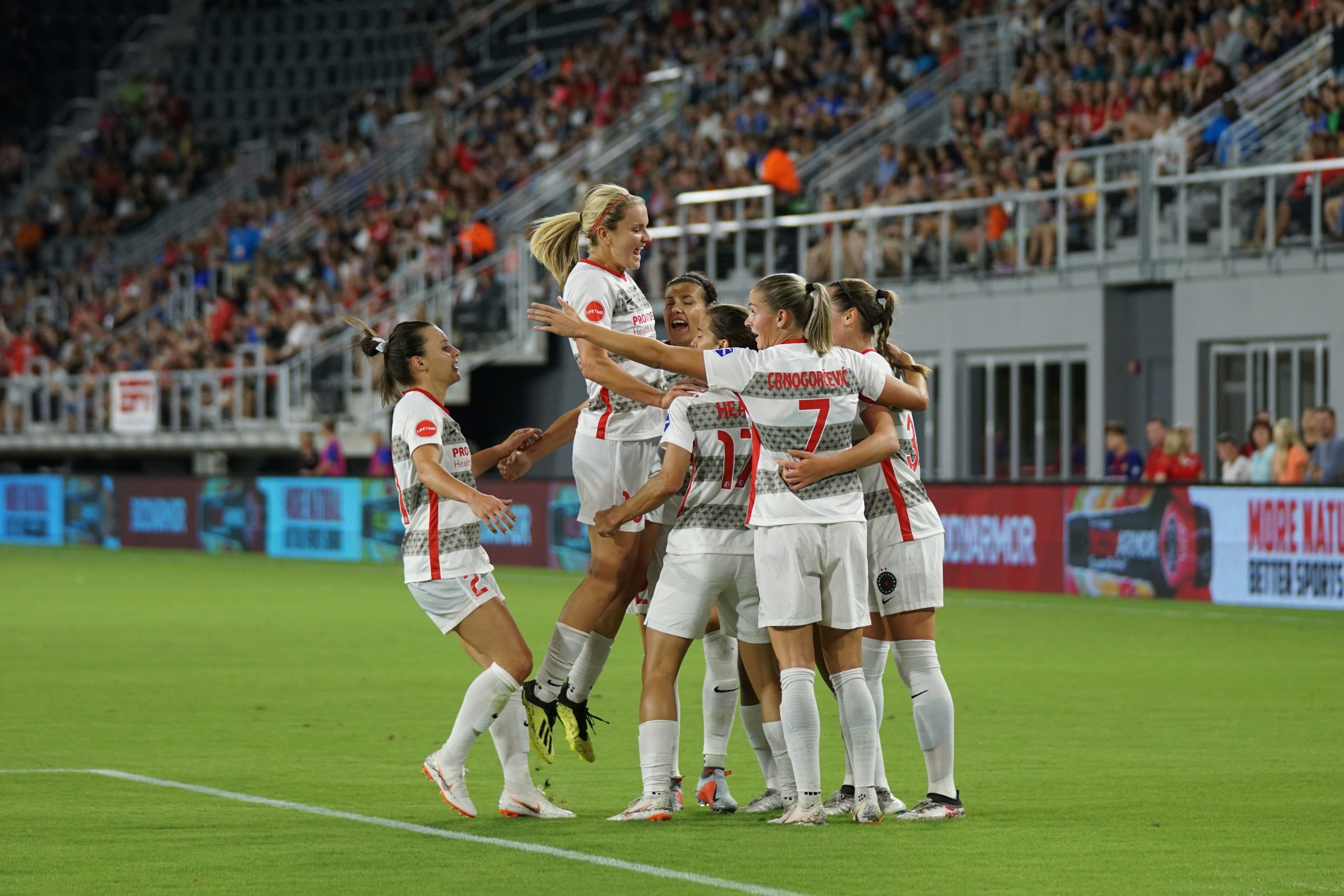
Gone are the days when women’s sports were relegated to the background, and it’s about time we all take notice. They are now front and center, dazzling us with sheer talent, grit, and an unapologetic flair for drama. Women’s professional sports have witnessed a remarkable upswing in revenue, reflecting a major shift in perception and commercial viability. This trend can be attributed to several key factors, including increased media coverage, greater corporate sponsorships, and a growing global audience. It’s simple: women’s sports are here, they’re fierce, and they’re reshaping the landscape of athletics as we know it.

women's professional sports

Women’s Sports Have Hit a Revenue Inflection Point

In a landmark prediction by Deloitte, women’s professional sports are expected to surpass a revenue milestone of $1B by 2024, marking a 300% increase since 2021. This financial boom is a testament to the growing fanfare and marketing efforts in women’s sports. The 2023 FIFA Women’s World Cup, for example, brought in over $570M in revenue, produced record-breaking ticket sales, and experienced an all-time high in broadcasting viewership.

Media, Sponsorship & Global Audience: What’s Fueling the Boom

Sports publishers like The Gist even reported greater ad revenue from the women’s World Cup than the men’s tournament, while Front Office Sports reported an even yield between both genders. Compared to years past, results like these are monumental. They challenge the traditional narrative around women’s professional sports, often seen as a cost center rather than a revenue generator, and reflect their growing commercial appeal.

Networks and media moguls alike are placing more focus than ever on tapping into women’s sports audiences. During a meeting with NCAA President Mark Emmert, Georgia Tech Coach Nell Fortner passionately announced: “We’re a huge potential revenue stream.” She highlighted the longevity of college athletes, their ability to attract new fans, and the need for a change in perspective. Her plea reflects a growing consensus that women’s elite sports represent a significant investment opportunity. Take the NCAA women’s basketball, for instance. Their games are now must-watch events, with last summer’s championship game between LSU and Iowa drawing 10M viewers. Thanks to gritty performances by Angel Reese and Caitlin Clark, the game became the most-watched college sporting event ever broadcasted on the ESPN+ platform. 

women's professional sports

Brand Strategy Meets Female Athlete Opportunity

Record-breaking viewership has caught the attention of major brands and venture capitalists who all want in on women’s sports growing appeal. Now more than ever, aligning with women’s sports isn’t just goodwill–  it’s smart business. In recent years, we’ve seen AT&T, Deloitte, and Nike all become prominent WNBA partners. Sky Sports and the BBC are now committing an annual $20M to the Women’s Super League in the UK. In addition, Barclays’ recent sponsorship in the FA Women’s Super League and Gucci’s partnership with professional footballer Leah Williamson highlight the investment value behind female athletes. Even venture capitalists agree: a new NWSL team in Los Angeles, backed by Silicon Valley venture capital, points to the increasing valuation of female sports professional teams, now ranging between $20M to $100M. These developments underscore the rising importance of media and marketing in elevating the profile and profitability of women’s professional sports. It’s a win-win, with companies gaining positive exposure and women’s sports basking in the financial glow.

And let’s not forget the global audience – women’s sports have truly gone international, as events like the Women’s World Cup and the WNBA now draw record viewership in both the United States and Europe. As these leagues gain more recognition and visibility around the world, they are attracting a larger and more diverse audience. Fans from all corners of the world are tuning in, buying merchandise, and passionately following their favorite teams and athletes. This enthusiasm is evident in the Australian national team’s jersey sales during the last World Cup. Sales were up 19 to 1 compared to 2019, with the Matildas Nike kit quickly selling out in brick and mortar stores. Nike’s Pacific VP, Ashley Reade, told Octus Sports that the record sales are “a true testament to the power and pull of women’s sport” across the globe. 

women's professional sports

Sustainability, Investment and the Future of Women’s Sports

This shift in women’s athletics goes beyond financial aspects, marking a cultural renaissance in the sports world. The synergy of enhanced media coverage, sponsorships, and a growing global audience has propelled women to the forefront. As we approach 2024, the future of women’s athletics is filled with promise and excitement. This period is not just about athletic capability but also about the increasing influence of female athletes as role models. Their impact, combined with record-breaking global engagement, is setting the stage for 2024 to be a landmark year in shaping the cultural significance of women’s sports.

Sources:

  1. https://au.sports.yahoo.com/football-matildas-fans-huge-win-nike-makes-historic-call-mackenzie-arnold-jersey-224852566.html?guccounter=1&guce_referrer=aHR0cHM6Ly93d3cuZ29vZ2xlLmNvbS8&guce_referrer_sig=AQAAAH7PuOyRtwPELGrw8mEaJErcQdH3M2Kou9Ueh9_GLwXEtASuPz_F079yJNqth-ueLgAUfxzk_1B_8y6p0UwpdxZQE9P22mS5dOqI5XXgU7GWYMlS8QqB-RUBTg9VZZlzwAJv2tzBT5NZU9HhLixSHZSaEwP4BMMbUv68CfYxwQAR
  2. https://www.washingtonpost.com/sports/2021/04/01/womens-sports-growth-ratings-business/
  3. https://www.forbes.com/sites/forbesbusinesscouncil/2023/05/03/how-leaders-can-support-the-womens-sports-industry/
  4. https://www.cnbc.com/2023/03/04/for-womens-sports-the-media-buys-are-becoming-a-big-deal.html
  5. https://www.thegistsports.com/article/womens-sports-are-on-the-rise-thanks-to-increased-media-access-and-sponsorship-opportunities/
  6. https://www2.deloitte.com/us/en/insights/industry/technology/technology-media-and-telecom-predictions/2024/tmt-predictions-professional-womens-sports-revenue.html
  7. https://apnews.com/article/fifa-womens-world-cup-revenue-infantino-14b7f017ec50cc794899dc8291a6801e
  8. https://www.foxsports.com.au/football/fifa-world-cup-generated-close-to-900-million-in-revenue/news-story/328dfd46f69da9c27a586a8df91f62c6
  9. https://www.si.com/soccer/2019/07/03/uswnt-nike-jersey-sales-record-womens-world-cup

Leveling the Field: Equal Opportunity in Women’s Sports Sponsorships

Over the past few years, we’ve seen female athletes dominate the sports industry with win after win. Our AG athletes have racked up amazing wins in 2023, including Zoe Benedetto’s success at the East Coast Surfing Championship and Brittany Weiss’ victory at the CrossFit Games with Team Invictus. But even as women continue to show their strength and success within the sports industry, there’s still a lack of opportunities for female athletes to generate sponsorships and brand deals. Too often, companies who use sports to market their product do not look to women first.

Why Women’s Sports Sponsorship Still Lags Behind

While 40% of U.S. athletes are female, women’s sports sponsorship comprised less than 1% of total sports sponsorships back in 2020. In addition, female athletes received a mere 2-4% of media coverage compared to male athletes. This lack of representation could be rooted in outdated gender stereotypes. Sponsorships for male athletes are primarily influenced by their strength, skill set, and popularity, rather than their alignment with conventional beauty norms. Conversely, female athletes often encounter greater challenges, as their appearance can sometimes receive more attention than their abilities.

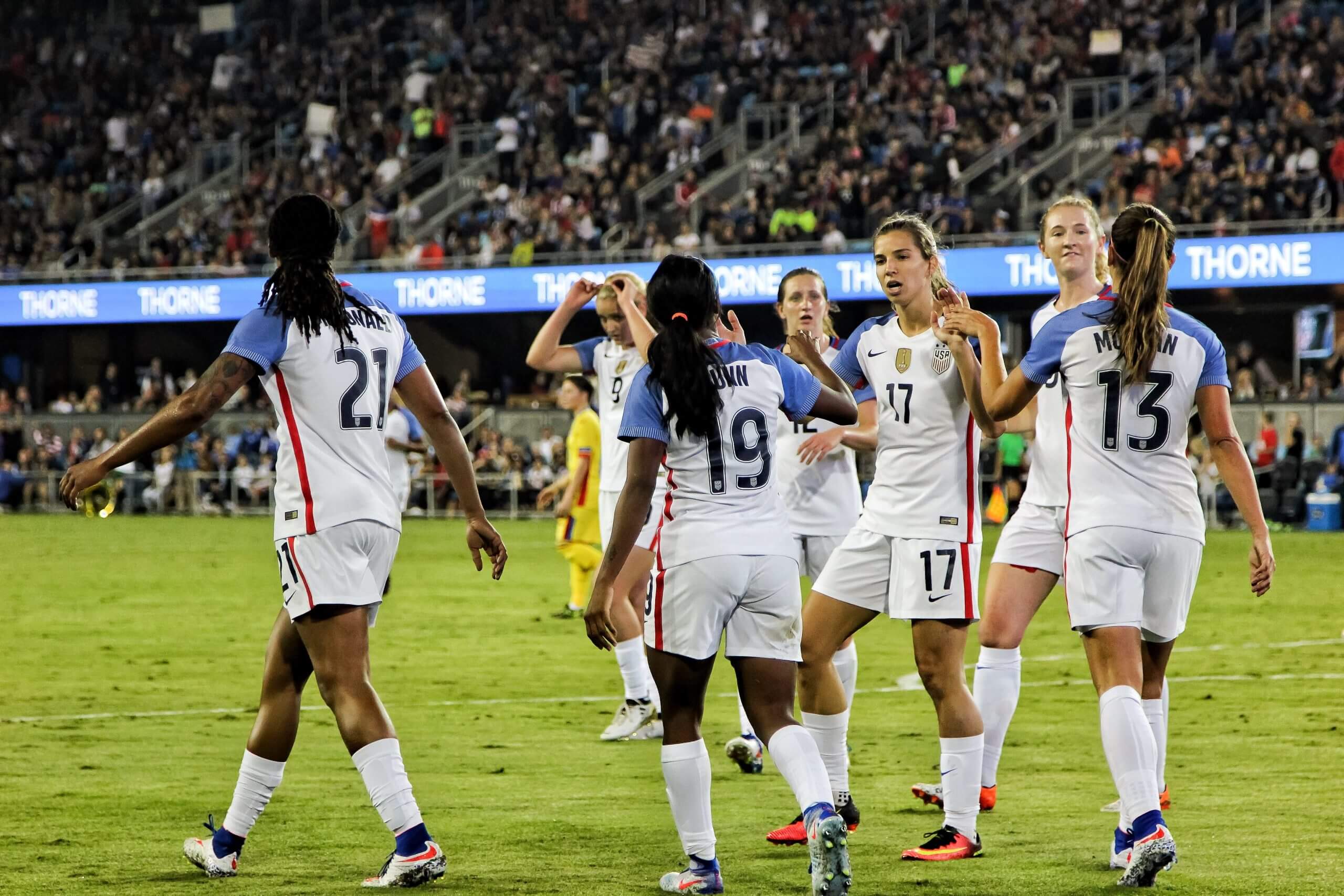
Gender inequality in sports leagues has contributed to this disparity, too. Lack of media exposure compared to male teams and lower salaries work hand in hand to limit the sponsorship opportunities available to female athletes. Recently, the Women’s U.S. National Team decided to fight back, filing a groundbreaking equal pay lawsuit against the U.S. Soccer Federation. U.S. forward Alex Morgan explained that “as players, we deserve to be paid equally for our work, regardless of our gender.” Former team member Abby Wambach voiced her support, describing the monumental move as a “beacon of hope for women everywhere.” The lawsuit was settled for a record $24M just last year and continues to spark conversation regarding the obstacles women face in sports.

The Unique Value Proposition of Female Athletes for Brands

While the struggle for female athletes is far from over, there’s hope on the horizon. Increased media coverage in leagues like the WNBA and the National Women’s Soccer League has revealed the profitability within women’s sports sponsorships. With 84% of sports fans now interested in women’s sports, the time is ripe for brands to capture this growing audience. One unique draw is the inherent storytelling capacity of female athletes. While viewers are drawn to the game itself, they also feel a personal connection to the athletes and their stories. Brands like Buick capitalized on this connection during last year’s NCAA March Madness with their #SeeHerGreatness campaign. Each Buick ad featured a mini-documentary of a female athlete, showcasing her life achievements and inspiring others to overcome obstacles. The connections female athletes can create is motivating more brands to invest in stories inclusive to all demographics, not just the male sports fan.

Brands That Are Getting It Right

Brands are also finding success by weaving social activism into their partnerships with female athletes. Visa recently renewed their sponsorship with the U.S. Women’s National Team. In an effort towards inclusion and equality, Visa pledged 50% of their investment to programs supporting the team and other women’s soccer initiatives. This deal was a step forward for increasing support of women and closing the gap of injustice. Other brands including Nike, LPGA, Adobe, and Coca-Cola showed support by becoming a part of the Women’s Sports Club, an initiative dedicated to improving media investment in women’s sports. Adidas also took a stand against the lack of visibility for women by entering into the second phase of their “She Breaks Barriers” initiative, which included a film featuring female athletes and a call for their equal representation. Brands utilize these activism-based sponsorships as a way to boost their image, increase popularity, and bolster brand loyalty among women’s sports fans. It’s proven to be a profitable approach, as women’s sport fans are 25% more likely to buy a sponsor product than men’s.

How Brands, Leagues & Agencies Can Close the Gap

With this positive trend in women’s sports, it’s evident that overcoming obstacles in areas like sponsorships is becoming an achievable reality. As more attention is directed towards female athletes and their remarkable achievements, the barriers that once hindered sponsorship opportunities are slowly giving way to a new era of inclusivity and recognition. By continuing to foster support, challenging stereotypes, and promoting equitable representation, the future of women in sports looks brighter than ever before.

Sources:

  1. https://www.internationalwomensday.com/Missions/14881/Increasing-sponsorship-for-women-s-sports-helps-forge-an-equal-playing-field
  2. https://sidlee.com/en/stories/2021/07/hashtag-sports-women-sponsorships
  3. https://www.nytimes.com/2022/02/22/sports/soccer/us-womens-soccer-equal-pay.html
  4. https://www.glamour.com/story/abby-wambach-womens-soccer-lawsuit-interview
  5. https://www.sportspromedia.com/sponsorship-marketing/sponsorship/womens-sport-study-space-between-audience-fans-sponsorship/?zephr_sso_ott=25mD9i

Become a Sponsor.

Join us in making a difference. Tell us a bit about yourself and we’ll be in touch with sponsorship details.

By submitting this form, you agree to be contacted by the Athelo Group team regarding sponsorship opportunities.