
Copa America 2024: Tournament Guide & US Host Cities

One of the most exciting events in the soccer space is coming to the U.S. this year! Bring on the Copa America– the oldest international continental soccer tournament in the world, first contested in 1916. This premier championship for South American national teams consists of 10 CONMEBOL member nations: Argentina, Bolivia, Brazil, Chile, Colombia, Ecuador, Paraguay, Peru, Uruguay, and Venezuela. Argentina and Uruguay have the best championship records with 15 titles each, followed by Brazil with 9.

This isn’t the first time the tournament’s touched down in America. Back in 2016, Copa America marked its 100th anniversary with a special edition held in the U.S., featuring an expanded 16-team field that included six teams from CONCACAF. Now, in 2024, the tournament returns with a similar format, welcoming six additional teams from the CONCACAF region to join the competition, making a total of 16 teams.

copa america 2024

Host City Breakdown

The 2024 Copa America will be staged across multiple major U.S. markets, bringing South America’s biggest soccer tournament to fans across the nation. The action will kick off on June 20th at the state-of-the-art Mercedes-Benz Stadium in Atlanta, which can hold up to 71,000 people. Other massive NFL venues like AT&T Stadium in Dallas, NRG Stadium in Houston, SoFi Stadium in Los Angeles, and MetLife Stadium in the New York/New Jersey area will also host games. Some smaller soccer stadiums will join in, including Orlando’s Exploria Stadium. The tournament is set to crown its champion on July 14th at the Hard Rock Stadium in Miami Gardens, which previously hosted big matches like the 2026 World Cup bid ceremony. In total, 13 stadiums across 11 metropolitan areas have been selected, capable of accommodating over 1 million collective fans for the Copa America. Having the tournament spread across multiple U.S. cities helps leave a physical imprint, allowing more local markets to host major soccer events and improve infrastructure in preparation for the 2026 World Cup.

A Catalyst for U.S. Soccer Growth

The 2024 Copa America presents a prime opportunity to capitalize on soccer’s growing popularity as a major sport in the U.S. market. With Lionel Messi joining Inter Miami and TV networks’ continued commitment to air thousands of live matches annually, soccer is drawing more American fans than ever. Popular soccer-themed TV shows like Welcome to Wrexham and Ted Lasso also add to the appeal. The passionate fan bases of top national teams such as Argentina, Brazil, and Mexico, along with the star power of players like Messi and Vinicius Jr., ensure massive viewership for the tournament across English and Spanish broadcasts. Hosting competitive matches featuring powerhouse teams like Brazil, Argentina, Mexico, and the U.S. in major American cities provides fans with access to top-level international soccer experiences, driving interest, attendance, media coverage, and sponsorship revenues within the U.S. soccer community. Additionally, it gives the U.S., Canada, and Mexico an opportunity to prepare for the World Cup by testing their teams against elite South American sides.

copa america 2024

Host Country Controversy?

While the U.S. eagerly awaits the tournament, not everyone is as thrilled about the location. The decision to host the 2024 Copa AmĂ©rica in the United States has sparked controversy amongst fans. Some view it as a unique opportunity to expand the sport and attract more U.S. audiences to the passionate rivalries of South American football. Others argue that taking the Copa America outside of its home continent compromises its rich tradition and distinct identity rooted in the greatest clashes between soccer rivals like Brazil and Argentina. Additionally, there are concerns that hosting in the U.S. could give CONCACAF teams an unfair competitive advantage on familiar soil against the South American teams. While some embrace the opportunity to expand the Copa AmĂ©rica’s reach, others argue it should still be in South America to preserve South American soccer history and culture.

Controversy aside, U.S. fans await the chance to watch their national team take on fierce competitors like Uruguay and Bolivia. The incorporation of guest nations like the USMT and Canada adds to the excitement, expanding the tournament beyond South America. It also opens up the possibly for a Copa America 2024 champion outside of CONMEBOL member nations. While the sports betting odds favor Argentina or Brazil to take home the title, only time will tell who will be crowned the winner come July 14th.

Sources:

  1. https://www.foxsports.com/stories/soccer/2024-copa-america-odds-picks-favorites
  2. https://theathletic.com/5304765/2024/05/05/copa-america-guest-nations-usmnt-japan-qatar/
  3. https://mlsmultiplex.com/posts/2024-copa-america-in-the-usa-a-controversial-choice-that-divides-opinions-01hprhwxz9tw#
  4. https://www.cnn.com/2023/12/05/sport/copa-america-2024-host-cities-spt-intl/index.html
  5. https://www.nbcsports.com/soccer/news/copa-america-2024-host-cities-and-stadiums-where-will-the-games-be-played
  6. https://www.forsoccer.com/news/copa-america-2024/
  7. https://www.nytimes.com/2023/01/27/sports/soccer/copa-america-2024.html
Caitlin Clark WNBA Draft: How the #1 Pick Changes Basketball

This past women’s college basketball season, all eyes have been on Caitlin Clark. She shattered countless records, including the college basketball scoring and three-point records, achieved a 40-point triple double in a tournament game, and amassed 3,000 points and 1,000 assists. Leading the Iowa Hawkeyes to the NCAA Tournament final, Clark ultimately fell to undefeated South Carolina. She was the top pick in the WNBA draft, with massive media attention and a stacked rookie class. As the women’s NCAA tournament gains popularity, the WNBA and its teams eagerly embrace Clark, while some current and former women’s basketball stars aim to temper expectations.

wnba draft

The League

The WNBA launched in 1997 and saw its most-watched season in over a decade last year. Increased attendance, viewership, gambling, and fan engagement signal that the WNBA and women’s sports are on the rise. Women’s college basketball has also been dominating sports discussions lately, with record-breaking viewership during the tournament. The championship game alone averaged around 19M viewers, marking the highest viewership for a basketball game in five years and the most-watched annual sporting event outside of football since 2019. Caitlin Clark, the top WNBA draft pick, has been a major focus, but she’s not the only standout. The draft drew 2.4M viewers, showcasing the class’ collective star power, including Paige Bueckers, Angel Reese, Kamilla Cardozo, Juju Watkins, Cameron Brink all poised to lead the WNBA into its next era.

After a standout year in the WNBA and college basketball, how will the league leverage its incoming talent? WNBA commissioner Cathy Engelbert likened this draft class to the NBA’s 1979 class with Magic Johnson and Larry Bird, which revitalized the NBA. They’d come just in time- former CBS President Neal Pilson claimed he “almost took the NBA off the air.” This moment also aligns perfectly with the WNBA’s US TV rights deal up for renewal in 2025, aiming to double their revenue from the current $60M deals with ESPN, Amazon, and Ion. They’ve also secured a multi-year deal with TNT Sports for international broadcasts.

The Teams

Rarely does a player emerge who shakes up the league before being drafted, but Caitlin Clark is one such phenomenon. The hype surrounding the Iowa star has prompted WNBA teams to revamp their storytelling, marketing, capacity, and audience. This is evident in the extensive preparation for arguably the most talked-about female athlete worldwide. The consensus top pick in the draft was virtually assured, leading the Indiana Fever to secure a staggering 36 out of 40 national television appearances before the draft. To put this in perspective, the last time the Fever made the playoffs was in 2016, with only one winning season since their 2012 WNBA Championship. Last season, they had just 22 national broadcast games, one on ESPN and none on ABC, with some games only streamed on Facebook. The Caitlin Clark effect is palpable, and the Fever plan to ride that wave as far as her star power takes them.

Teams like the Las Vegas Aces and Phoenix Mercury are also capitalizing on Caitlin Clark’s popularity to elevate their brand. The Aces relocated a game to T-Mobile Arena, expanding seating from 12,000 to 18,000 in anticipation of Clark’s presence. The Mercury framed their June 30th game against the Fever as Taurasi vs Clark, emphasizing the showdown between the GOAT and the Rook. They even promoted Clark with a silhouette and her jersey number before the draft to drive ticket sales. This buzz is just the start, with excitement building as the new rookie class hits the court.

The Players

Some veteran players and WNBA legends view the new rookie class, especially Caitlin Clark, as competition rather than allies. Diana Taurasi and Brianna Stewart, both UConn alumni with a combined 5 WNBA and 7 NCAA championships, have publicly criticized Clark’s style of play. Taurasi’s viral comment about Clark facing “grown women” and the “reality” of playing in the WNBA received backlash, while Stewart emphasized the importance of winning championships, despite acknowledging Clark’s records. Their remarks contrast with positive feedback from former number one pick Chiney Ogwumike, who hailed Clark as the greatest shooter in basketball.

Ogwumike, a respected analyst and former WNBA All-Star, highlighted Clark’s long-range shooting and dynamic playmaking abilities showcased at Iowa. She said that Clark will definitely have her “welcome to the league moments,” but believes Clark will make a significant impact on the Indiana Fever. Notably, Ogwumike included Clark on her college basketball Mount Rushmore, underscoring her potential to leave a lasting legacy in the sport.

Looking Ahead 

Despite differing opinions within the basketball community, Clark’s arrival has undeniably sparked excitement for the upcoming season. She comes during a rising tide for women’s basketball, with the NCAA Tournament and WNBA draft garnering more attention than ever. As she transitions from collegiate success to professional competition, all eyes will be on her as she navigates the challenges and opportunities of the WNBA. Whether she lives up to the hype or faces setbacks, Clark’s journey is sure to be closely followed by fans and critics alike. The WNBA’s ability to capitalize on the popularity of incoming draft class stars like Clark should shape the narrative of women’s basketball for years to come.

Sources:

  1. https://www.indystar.com/story/sports/basketball/wnba/fever/2024/04/10/indiana-fever-get-most-national-tv-games-on-wnba-2024-schedule-caitlin-clark-aliyah-boston/73277269007/ 
  2. https://www.cbsnews.com/news/caitlin-clark-wnba-las-vegas-aces-game-bigger-venue-indiana-fever-anticipated-to-be-first-draft-pick/ 
  3.  https://www.sportspromedia.com/news/wnba-tv-deal-tnt-sports/ 
  4. https://www.cnn.com/2024/04/10/us/ncaa-womens-basketball-ratings-dg/index.html
  5. https://espnpressroom.com/us/press-releases/2023/04/espn-platforms-set-unparalleled-records-with-ncaa-division-i-womens-basketball/
  6. https://www.outsports.com/2024/4/10/24091129/wnba-draft-caitlyn-clark-indiana-first-pick-diana-taurasi-breanna-stewart/
  7. https://ftw.usatoday.com/lists/the-brewing-beef-diana-taurasi-has-with-caitlin-clark-explained
  8. https://www.wnba.com/news/2023-season-record-breaking-success-recap 
  9. https://espnpressroom.com/us/press-releases/2023/10/espns-game-4-of-the-2023-wnba-finals-presented-by-youtubetv-is-most-watched-game-on-record/ 
  10. https://www.usatoday.com/story/sports/wnba/2024/04/15/caitlin-clark-wnba-draft-indiana-fever-angel-reese-cathy-engelbert/73308027007/ 
  11. https://bleacherreport.com/articles/10117128-2024-wnba-draft-draws-record-24m-viewers-amid-caitlin-clark-angel-reese-hype 
  12. https://www.azcentral.com/story/sports/wnba/mercury/2024/04/09/phoenix-mercury-release-tickets-indiana-fever-caitlin-clark/73263900007/ 
  13. https://www.overtimeheroics.net/2024/04/08/caitlin-clark-is-the-most-impactful-player-that-the-game-has-seen-in-a-generation-espn-analyst-chiney-ogwumike-believes-clark-should-be-considered-for-ncaas-mount-rushmore/

Inside Sports Officiating Tech: Decoding VAR and the NFL Replay Assist System

In sports’ modern era, technology has become a game-changer, revolutionizing how athletes compete, officials make decisions, and fans experience the action. From Video Assistant Referees (VAR) in professional soccer to the expanded use of instant replay systems in the NFL, the integration of cutting-edge technology has transformed the world of sports. These innovations hold the promise of enhancing accuracy, fairness, and the overall quality of the game. Their implementation has also been accompanied by a fair share of challenges and controversies, triggering intense debates among those invested in the sport.

nfl replay

What is VAR?

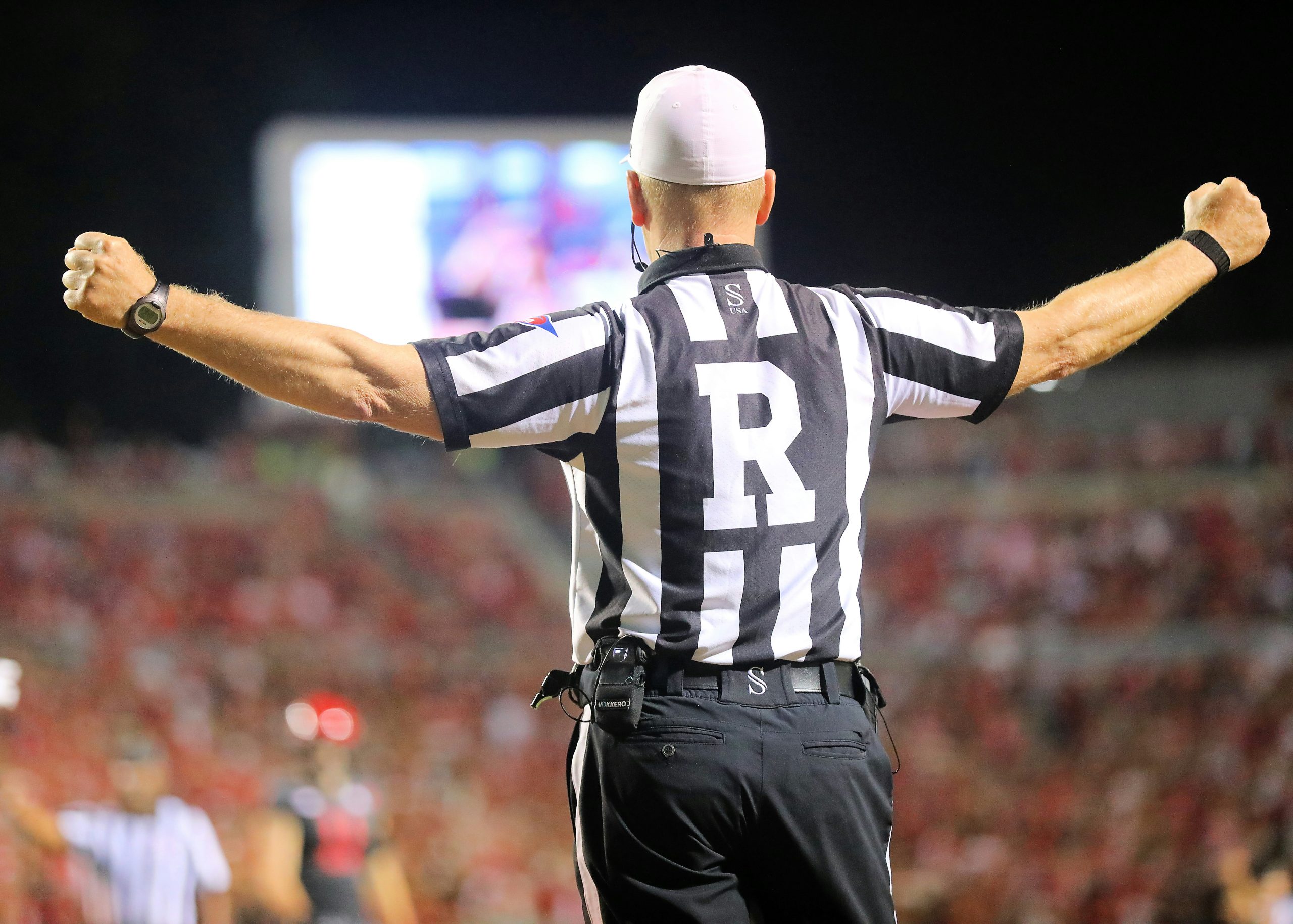
VAR, or Video Assistant Referee, first appeared in major competition during the 2018 FIFA World Cup with the goal of reducing match-changing errors. This behind-the-scenes advancement involves a team of officials who review video footage of key incidents like goals, penalties, red cards, and cases of mistaken identity. Officials communicate with the on-field referee through a headset, providing advice and recommendations based on their analysis of the video replay. The final decision, however, always rests with the main referee. Ever since approval by the International Football Association Board (IFAB) in 2018, the technology has been utilized in leagues like the Premier League, Bundesliga, and Serie A.

Fast forward to 2024 and VAR has continued to be a polarizing topic. Advocates of the technology argue that it holds the potential to improve decision-making, particularly in high-stakes situations where match outcomes hinge on a single call. Others criticize the lack of consistency and transparency in VAR, leading to confusion and frustration among players, coaches, and fans alike.

VAR Controversy

The VAR controversy played out recently in a Premier League match between Tottenham Hotspur and Liverpool earlier this season. Liverpool forward Luis Diaz’ goal was disallowed for offside, despite clear evidence from replays showing that he was indeed in an onside position. The VAR official, Darren England, mistakenly believed that the on-field decision was to award the goal and informed the referee that the check was complete. Even after being made aware of the error, the VAR stated that he could not intervene as play had already resumed.

This high-profile incident underscores the need for clearer protocols and improved communication between officials to prevent such costly errors from occurring in the future. Only by addressing these issues can the implementation of VAR truly enhance the fairness and integrity of the game, ensuring that the technology lives up to its promise of improving the sport for all involved.

nfl replay

NFL’s Replay Assist System

The NFL is making a big move in 2024 by expanding its Replay Assist system to help make officiating more accurate and fair. The new rules will let referees consult the New York replay crew for intentional grounding, roughing the passer, and late hits out of bounds. But there’s a catch—  officials can only request a second look if they threw a flag to begin with. If the review shows there was no foul, the penalty can be overturned. The goal here is to cut down on controversial calls and ensure penalties are ruled consistently and correctly.

While this change could improve accuracy and consistency, there are legitimate worries about how it might affect the speed and flow of the game, similar to the concerns we’ve seen with VAR in soccer. More replays could mean more stoppages, especially at key moments, and maybe even more commercial breaks. Plus, some folks are concerned that giving referees the ability to overturn penalties might actually encourage them to throw more flags, knowing they can always fix it later if needed. 

nfl replay

Looking Ahead

As video replay technology becomes more common in sports, it brings greater innovation and new challenges. Looking at soccer’s use of VAR over the past 6 years gives us an idea of what NFL fans can expect as technology becomes more prevalent in officiating. While VAR has been around for a while, it’s still not perfect. Debates on the technology persist in nearly every soccer match. This shows that integrating technology into decision-making is not so black-and-white. Sports organizations will have to work with players, coaches, and fans to balance innovation with maintaining the human side of the game. It’ll take time and adjustments to get it right, but with more transparency and cooperation, video replay technology will find its place in sports officiating.

Sources:

  1. https://www.teamstats.net/blog/the-impact-of-technology-on-soccer-var-goal-line-technology
  2. https://www.skysports.com/football/news/11095/12975648/var-audio-released-from-liverpool-s-disallowed-goal-by-luis-diaz-in-defeat-at-spurs#:~:text=The%20VAR%20audio%20from%20Luis,showed%20he%20was%20actually%20onside.
  3. https://operations.nfl.com/the-rules/rules-changes/2024-rules-changes/
  4. https://www.theguardian.com/commentisfree/2023/dec/01/the-guardian-view-on-var-a-slower-longer-and-fairer-game-may-not-be-what-football-fans-want#:~:text=The%20trouble%20is%20that%20many,the%20quality%20of%20decision%2Dmaking.
  5. https://gridironheroics.com/nfl-rule-change-2024/
  6. https://bleacherreport.com/articles/10114849-nfl-replay-assist-expanded-for-2024-season-on-roughing-intentional-grounding-more

The Masters Tournament: History & Traditions at Augusta National

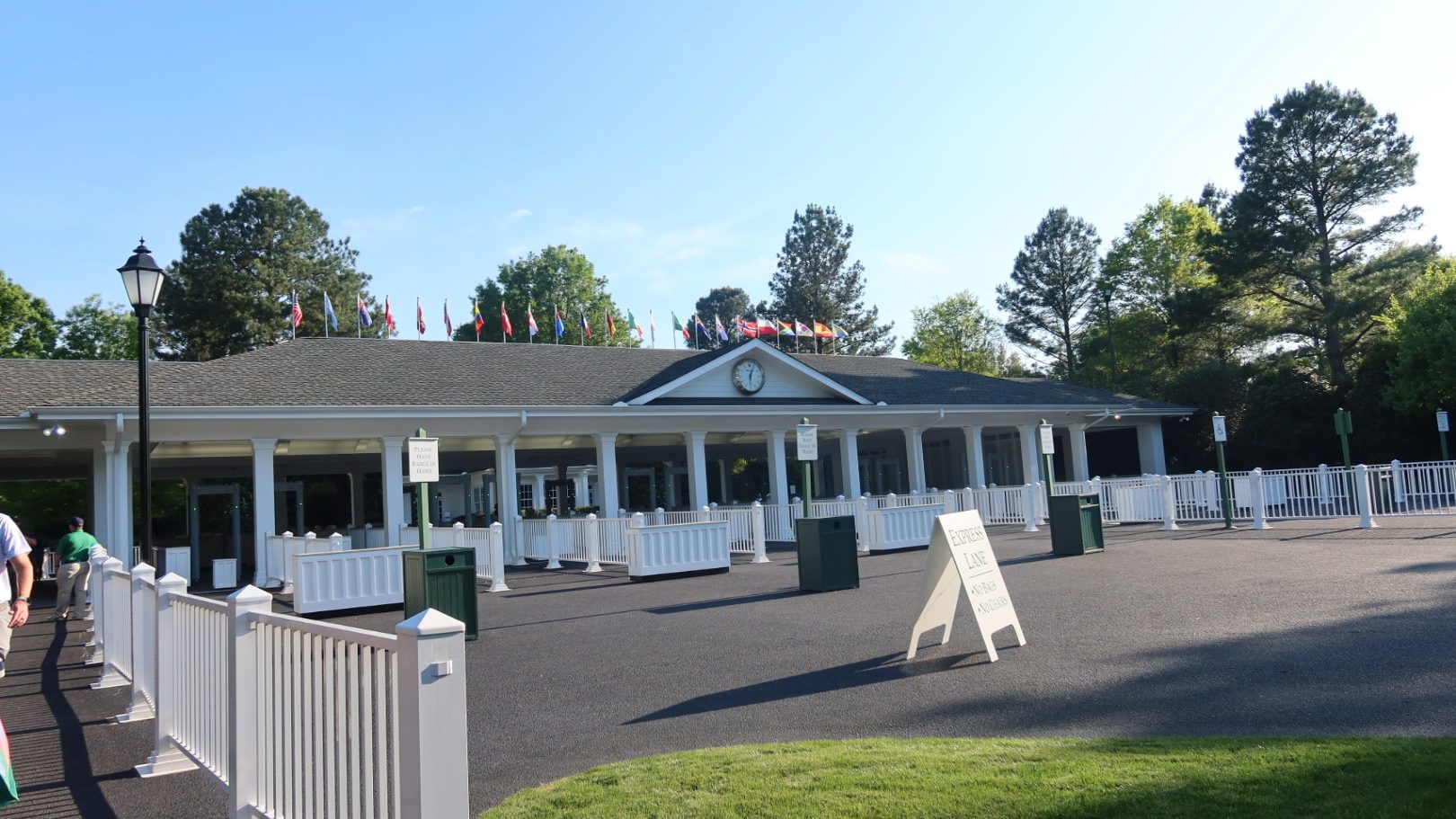
April does not just signify the start of spring, warm weather, and rain showers. To many sports fans across the globe, it signifies the beginning of the most famous golf tournament in the world: the Masters. Taking place in the quiet town of Augusta, Georgia, the tournament at Augusta National draws in people from every country. Renowned for its beautiful fairways, blooming azaleas, and the coveted green jacket, the Masters is without a doubt one of the most influential tournaments in history. But for 2024 and beyond, this tradition is coming with some new changes, new competition, and a renewed passion for victory.

the masters

Masters Matchup: PGA Tour vs. LIV Golf

As most of the world knows, the PGA tour is no longer the only professional tour anymore. With the emergence of LIV Golf, the rival league funded by the Saudi Public Investment Fund, the PGA Tour is now beginning to fight for viewers and players. When LIV began to poach players from the PGA Tour, the players who left knew that they would be seen as a “traitor” to PGA Tour supporters. LIV golfers like Bryson DeChambeau were not as welcomed to their now rival tournaments, until recently. Jon Rahm, the 2023 Masters winner and a recent addition to LIV Golf, expressed in an interview that he had hoped his move would unite the two leagues, which unfortunately was not the case. 

Now the PGA is slowly but surely embracing LIV players and inviting them to play in their exclusive tournaments. The 2024 Masters is the first tournament of the year where both PGA and LIV golfers are competing together. Articles and photos immediately swirled: Jon Rahm was pictured speaking with Rory McIlroy— arguably one of the biggest supporters of the PGA Tour and opposers of LIV Golf. Perhaps the biggest headline is that Augusta National invited one of the top LIV golfers, Joaquin Niemann, to play this year. Due to the fact that Official World Golf Rankings (OWGR) does not recognize the points LIV golfers earn, several elite players have been left out because they are not aligned. Regardless, Augusta National allowed 18 LIV golfers to play in the tournament last year and 13 this year. Their continued recognition suggests a turning point in Major competition play.

Project Development: Who Gives in and Who Refuses?

Another Masters topic under discussion is the ever-evolving property of Augusta National and how it is continuously impacting the local community. Augusta retains a standard of excellence, and with LIV Golf giving them a run for their money, they are turning to one thing: expansion. A whole neighborhood near the course has been bulldozed into parking lots, along with an estimated $200M of other surrounding areas. The growth will not stop there. Augusta National has plans to buy and turn huge plots of land into concepts like a banquet hall, on-site housing for the players and media, and an exit off of highway I-20 dedicated to taking people directly to the golf course parking lots. 

The Masters will generate $142M in revenue, raking in $70M in merchandise sales alone during the tournament. With their high profit margin, some are calling Augusta National tone-deaf. About 20% of Augusta’s population lives below the poverty line, so when Augusta National offers to buy the homes of those whose property borders the course, it is hard to say no. One Augusta couple has refused to sell their home to the golf club for years— it’s the home they raised their children and grandchildren in. It seems expansion will continue regardless, but at what cost to the neighboring community?

the masters

Tiger Woods’ Push for a Sixth Jacket

Legendary golfer Tiger Woods has been facing a multitude of changes in the past few years. He has won fifteen major championships, five of them being here at the Masters, and has been named PGA Tour Player of the Year eleven times. Heading into his 26th Masters, Tiger Woods braced for the physical toll of playing through persistent pain, exacerbated by a series of injuries and a life-threatening 2021 car accident. Despite his drive to succeed, Tiger ultimately finished the tournament with the highest score of his professional career. The fans on the course didn’t care— they were in the presence of a great.

This 88th Masters, the greatest tradition in golf, is often regarded as an event that will never change. However, amidst tradition, evolution is occurring. Whether it’s expansion beyond the fairway or rivalry between two leagues, the future of the Masters and golf itself is set to change its course. This year PGA golfer Scottie Scheffler took home the coveted green jacket, but who knows which champion and which changes next year will bring.

Sources:

  1. https://www.golfdigest.com/story/2023-masters-augusta-national-contends-with-liv-golf-distance-property-expansion-impossible-standards
  2. https://www.wrdw.com/2024/03/06/augusta-national-golf-club-buys-city-park-350000/
  3. https://news.yahoo.com/owners-1-900-square-foot-151854421.html?guccounter=1&guce_referrer=aHR0cHM6Ly93d3cuZ29vZ2xlLmNvbS8&guce_referrer_sig=AQAAAC5OfEPgKsRL7tNUxbGyEPQqAhBWTaZ5L28BlRMfiS8KXl6R3h5GgPzWdYt2-BgzYQ1bWweKHlB83yUYJOjgcTv51_dmZIuf19DeAAjQ0JioVG-8fmz1EVqiUlQdLWq1DWMi8y-mTzmN_QaTxItMyc76vJVlNybY69-OAemC8hEU
  4. https://frontofficesports.com/masters-making-way-for-pga-tour-liv-stakeholders-to-discuss-future/
  5. https://www.washingtonpost.com/sports/2024/04/09/tiger-woods-masters/
  6. https://www.cbssports.com/golf/news/majors-continue-to-rise-above-the-pga-tour-vs-liv-golf-noise-with-joaquin-niemanns-masters-invitation/
  7. https://www.si.com/golf/news/timeline-liv-golf-how-pga-tour-adapted
  8. https://www.espn.com/golf/story/_/id/39907017/tiger-says-masters-win-everything-comes-together

Dartmouth Basketball’s Unionization: The Downfall of Amateurism

March Madness is in full swing, showcasing 68 college teams vying for the championship and captivating millions of viewers. Teams not in contention for the national title are either participating in other postseason tournaments or winding down for the offseason. Dartmouth Basketball, currently in offseason mode, isn’t simply waiting around. They’re actively campaigning for employee status and collective bargaining rights. After voting to unionize, Dartmouth is set on shaking up college sports.  

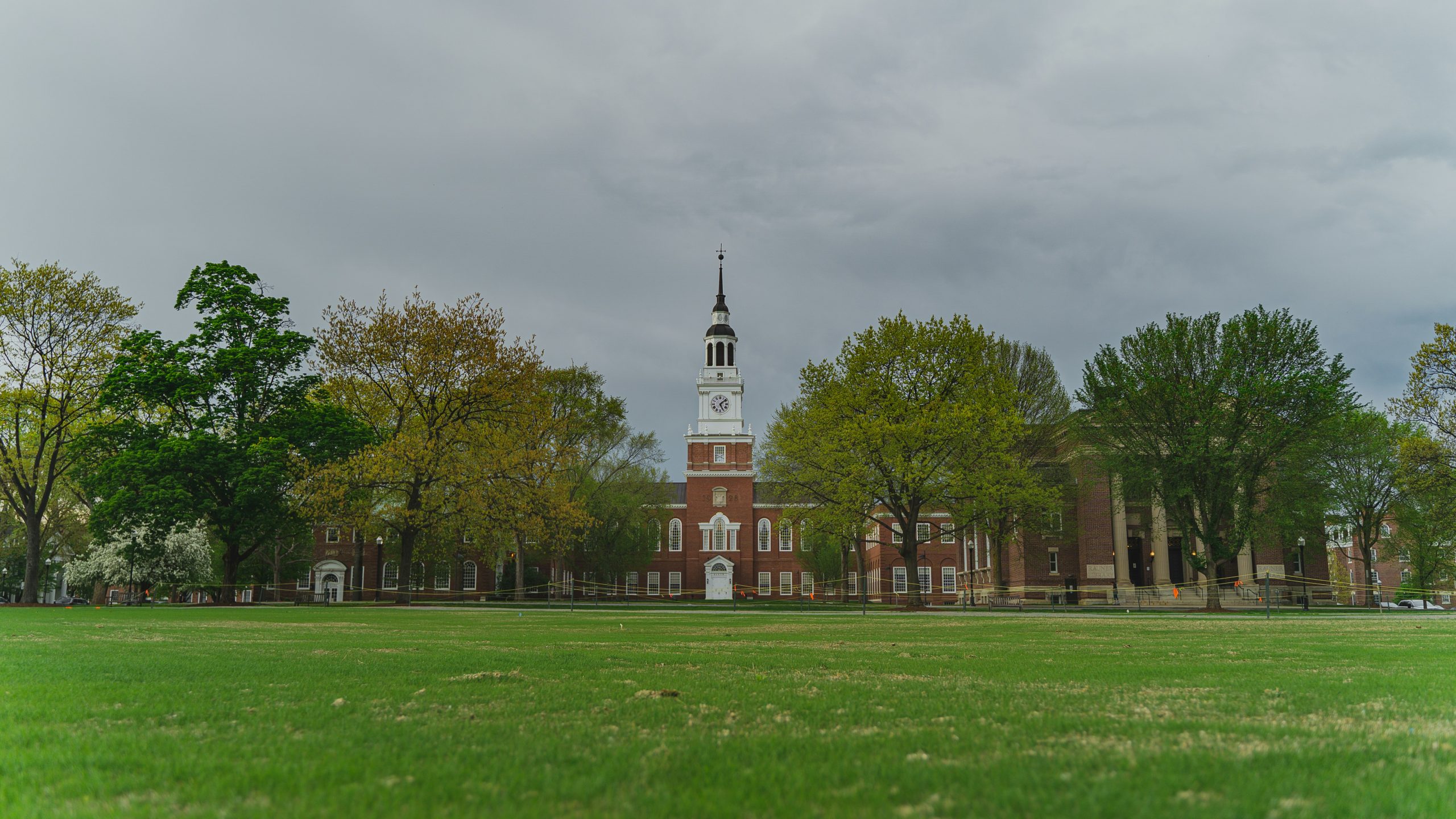
March 5th, the date when the Dartmouth men’s basketball team voted to unionize, might soon be seen as the beginning of the end for amateurism. The team’s 13-2 vote to join SEIU (Service Employees International Union) Local 560 made them the first unionized college sports team in America. SEIU assists roughly 2M members across the U.S. and Canada in obtaining adequate compensation for their labor and improving their working conditions. Before the landmark vote, NLRB regional director Laura Sacks was already building their case. She publicly stated that an employer-employee relationship does exist between the Dartmouth basketball players and the college. The players, she explained, “benefit their school through things like alumni donations and publicity… and that Dartmouth exercises a lot of control over that work.”

dartmouth basketball

Not everyone is supportive of this movement. The Dartmouth Board of Trustees are opposed to the union vote as they aim to uphold the tradition of amateurism in college sports. Their lack of support stems from their efforts to maintain the status quo, prompting them to petition the National Labor Relations Board to intervene and overturn the decision. For decades, universities and the NCAA have upheld a model of college athletics where athletes dedicate themselves to practice, training, and competition without financial compensation. This setup ensures greater profits for the NCAA and universities alike. While recent changes allow athletes to profit from their name, image, and likeness, significant revenue opportunities remain elusive, particularly for non-Power 5 athletes, including those in the Ivy League.

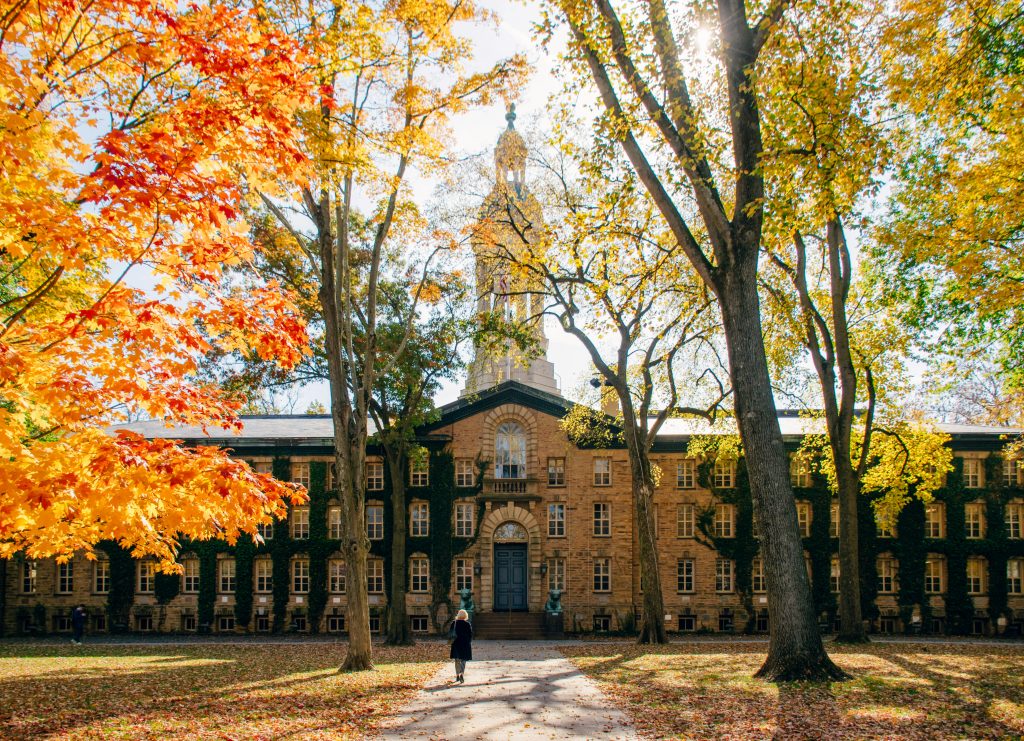
In Division I athletics, especially in high-revenue sports like football, basketball, and hockey, most teams provide scholarships to nearly all players. Non-revenue sports typically offer 10 to 13 scholarships for men’s teams and 12 to 20 for women’s teams. Ivy League teams are ineligible for athletic scholarships; instead, they offer financial aid based on academic and financial need. Despite this aid, Ivy League students face higher costs than average. For example, Princeton, the most affordable Ivy League school, costs around $80K annually before financial aid. Ivy League student-athletes juggle demanding Division I schedules and tough academics with fewer opportunities for NIL deals and national exposure. Many feel representing their universities brings little tangible benefit. With these challenges in mind, Dartmouth athletes hope to change that narrative and shift the power from the universities to the athletes. 

Unionizing allows Dartmouth men’s basketball players to access improved health and insurance benefits, negotiation power for pay, better working conditions (including practice hours and travel), and more. Juniors Cade Haskins and Romeo Myrthil advocate for a fairer business model in college sports, including unions for Ivy League players. Establishing a Players Association aims to promote unity, advocate for athletes’ rights and well-being, and facilitate collaborative decision-making. This milestone signifies progress towards ending amateurism in college athletics.

While the March 5th vote won’t immediately classify all student-athletes as employees, it represents a significant step towards securing their rights. Official recognition of the union and collective bargaining remains months away, but college athletes, universities, and fans can anticipate positive changes to come.

Sources:

  1. https://apnews.com/article/dartmouth-union-ncaa-basketball-players-2fd912fade62ffd81218a6dc91461962
  2. https://www.npr.org/2024/03/05/1235877656/ncaa-dartmouth-mens-basketball-union-election-nlrb
  3. https://theathletic.com/5319403/2024/03/06/dartmouth-basketball-union-explained/
  4. https://www.nytimes.com/2024/03/05/us/dartmouth-basketball-union-athletes-employees.html
  5. https://www.recruitref.com/blog/what-sport-gives-the-most-scholarships#:~:text=In%20Division%20I%20men’s%20sports,%2C%20ice%20hockey%2C%20and%20basketball.
  6. https://www.causeiq.com/organizations/service-employees-international-union-560-local,036016587/
  7. https://www.politico.com/news/2024/03/05/dartmouth-basketball-team-union-vote-00144965#:~:text=But%20leaders%20of%20the%20Dartmouth,the%20basketball%20team%20also%20worked.

Mixed-Use Sports Venues: How Development Boosts Stadium Revenue

As cities evolve, the integration of mixed-use projects around sports venues has evolved alongside them, marking the beginning of a transformative era in urban development. Gone are the days when stadiums or arenas stood alone. These venues have now blossomed into vibrant urban ecosystems, incorporating a diverse range of amenities like hotels, bars, retail outlets, entertainment venues, and residential developments. This trend not only transforms urban landscapes but has also provides huge economic advantages for local communities and stakeholders. 

mixed-use development

Building a Community

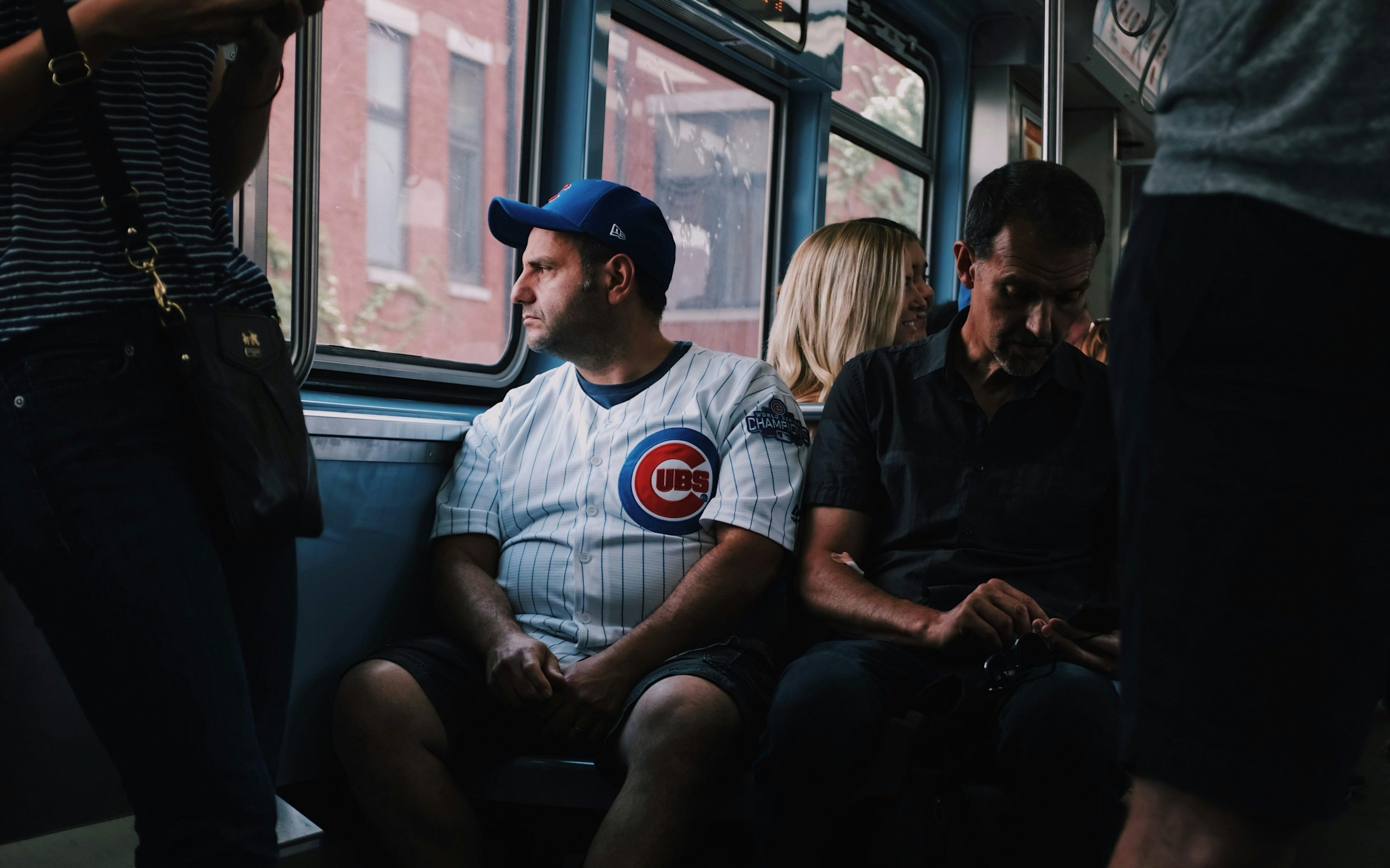
No longer solely a historic ballpark, Wrigley Field has become the focal point of a vibrant mixed-use development known as the 1060 Project. The project was conceptualized to ensure the viability of the game for future generations and to enrich the surrounding community. Women and minorities comprised nearly half of project’s workforce, and minority and female-owned businesses won $90M in construction projects towards its completion. The area now includes a mixed-use office tower and open-air plaza, which serves as a community space for activities like ice skating and concerts. Wrigley Field has also built and added a connecting sportsbook to enhance the fan experience. Through strategic urban planning and innovative partnerships, the Cubs have successfully transformed Wrigley Field into a year-round hub of activity, setting a standard for sports venue integration in the modern era.

mixed-use development

Economic Benefits

Mixed-use developments surrounding sports venues offer a great number of economic advantages. By diversifying income streams, these multi-use projects provide stability to sports franchise cities, lessening the reliance on seasonal events and game days. Traditional game-day revenues like parking, ticket sales, and concessions are starting to get a smaller share of overall revenue. Anchoring investment in surrounding areas will generate more revenue outside of the sports franchise. 

The city of Inglewood, once on the brink of bankruptcy, saw this best with its development of Hollywood Park. This $5B project, spearheaded by Rams owner Stan Kroenke, encompasses not only the iconic SoFi Stadium, home to both the Los Angeles Rams and Los Angeles Chargers, but also an extensive retail and entertainment district, luxury residential units, and multiple hotels. The stadium alone boasts a seating capacity of 70,000 and is equipped with cutting-edge amenities, making it a premier venue for sporting events, concerts, and other entertainment spectacles. The Hollywood Park project has been a game-changer for Inglewood’s economy, bringing in significant investment, job opportunities, and tourism revenue. It’s estimated that the development has created thousands of jobs during construction and will continue to support numerous permanent jobs once fully operational.

mixed-use development

Elevated Fan Experience

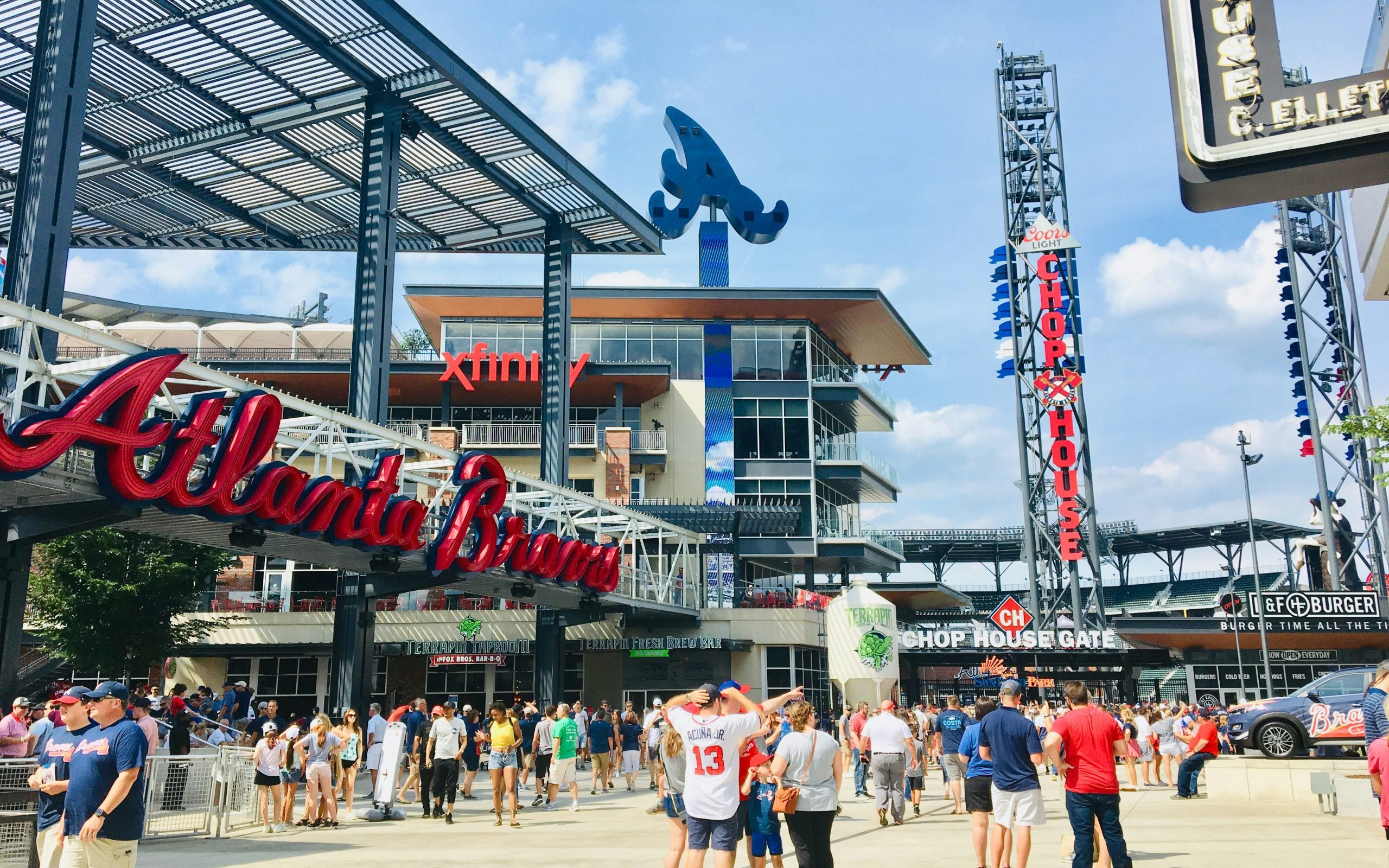
In 2017, the Atlanta Braves made a significant move to Truist Park, accompanied by the construction of The Battery Atlanta—a 2.25 million square foot mixed-use development. This complex features a plethora of amenities including restaurants, hotels, shopping outlets, 531 residences, and various entertainment options. Visitors can also indulge in cinematic experiences, social and virtual gaming, and live music performances at venues like the Coca-Cola Roxy and Park Bench Battery, ensuring year-round revenue generation. The Braves also partnered with The Omni Hotel to attract travelers during baseball season. While relaxing by the pool, Omni guests can watch the game from the pool deck. Omni CFO Mike Garcia calls the partnership a way for guests to feel like they are “a part of the Braves organization.” His sentiment has been felt across the Battery Atlanta: from 2017 to 2019, the Braves saw a 69% increase in revenue.

As the trend of mixed-use developments anchored around sports venues continues to gain momentum, the future holds exciting possibilities for urban development and community engagement. Looking ahead, we can expect to see a continued trend towards creating venue districts that cater to a wide range of interests. From soccer stadiums to basketball arenas, teams across all sports will likely prioritize the incorporation of mixed-use developments to enhance fan experiences and drive economic growth.

Sources:

  1. https://hollywoodparkca.com/
  2. https://urbanland.uli.org/development-business/inglewoods-transformation-how-an-nfl-stadium-brought-the-city-back-from-the-brink-of-bankruptcy
  3. https://www.mortenson.com/newsroom/economic-considerations-of-sports-mixed-use-developments
  4. https://www.mortenson.com/newsroom/rise-in-adjacent-sports-developments
  5. https://populous.com/project/atlanta-braves-ballpark
  6. https://batteryatl.com/information/
  7. https://www.caaicon.com/portfolio/1060-project
  8. https://www.jll.pe/es/trends-and-insights/ciudades/how-sports-stadiums-are-giving-mixed-use-developments-a-winning-edge

Strategy Shift: Netflix’s Entry Into Live Sports

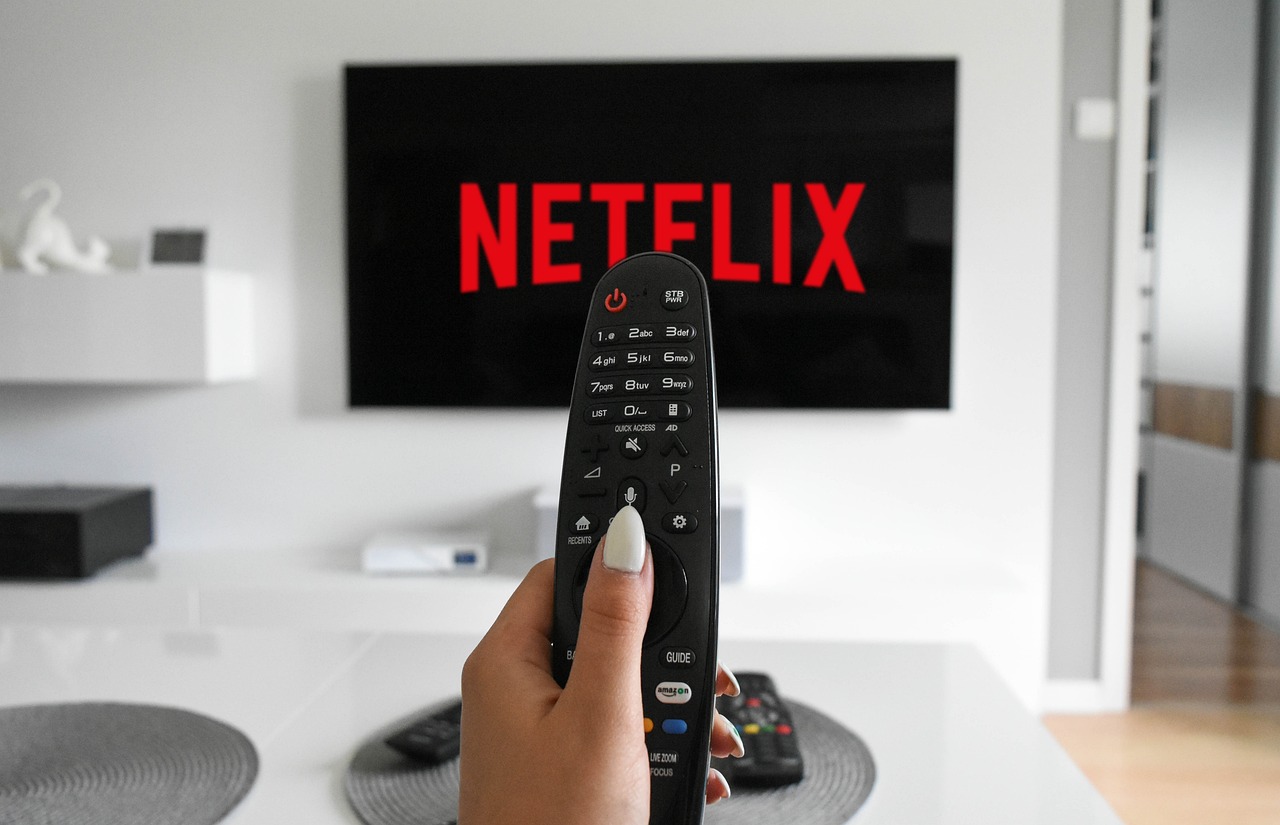
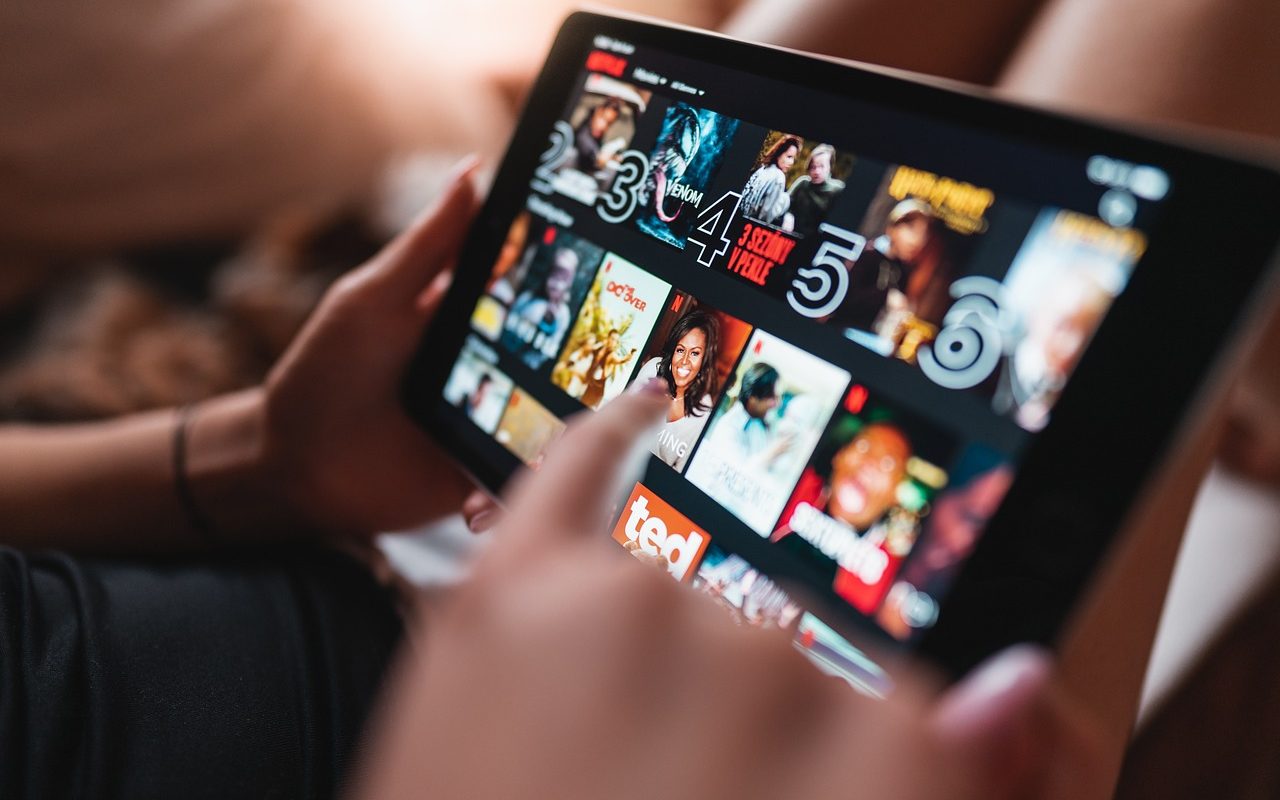
Netflix has long been a trailblazer in the sports genre, bypassing traditional sports broadcasting to prioritize entertainment and storytelling. Renowned for its on-demand and binge-worthy content, Netflix has typically favored these qualities over live viewing experiences. Utilizing sports-adjacent content, Netflix taps into people’s widespread passion for sports to drive subscriptions. This is evident in Netflix sports documentaries, where they delve into athletes’ backgrounds and behind-the-scenes moments without the costs and logistics associated with live sports. However, there appears to be a subtle shift in Netflix’s strategy lately. Despite decades of steering clear of live sports broadcasting and focusing solely on sports-adjacent programming, Netflix seems to be altering its approach. What does the future hold for this new strategy?

netflix sports documentaries

Sports Docuseries Success

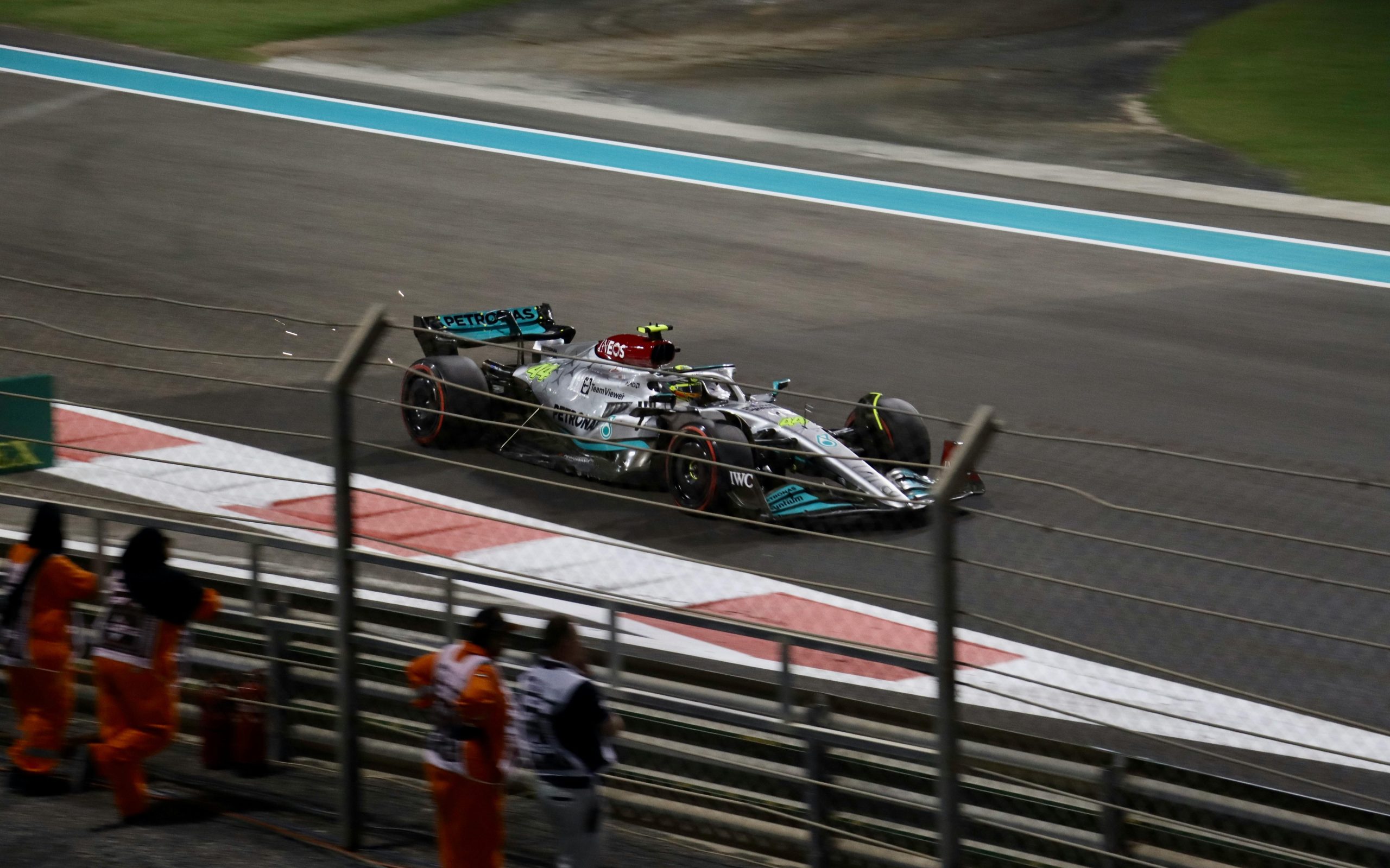
Netflix sports documentaries were first released in 2016 with Last Chance U, its inaugural sports docuseries centered around college football leagues. The show quickly gained momentum on the platform, garnering audience demand nearly five times higher than the average U.S. television show. Since then, Netflix has produced a plethora of popular content, including The Last Dance (Michael Jordan), Break Point (professional tennis), Full Swing (PGA golf), Cheer (collegiate cheer), Tour de France: Unchained (cycling), and more. Notably, its Formula 1 docuseries Drive to Survive, often featured on Netflix’s Top 10 Most Watched List, has been credited with boosting the sport’s popularity in the United States. According to a Morning Consult survey, over half of self-identified F1 fans attributed their fandom to the Netflix series. It seems that Netflix’s emphasis on character development and drama provides viewers with a fresh way to engage with sports like F1, expanding the fanbase beyond those who solely appreciate the competition between players and teams to include those captivated by the compelling narratives.

Netflix Experiments With Live Sports

When asked about live sports back in 2022, Netflix CEO Ted Sarandos remarked that “we’re not anti-sports, we’re just pro profit.” But the company’s shifting strategy suggests they now see live sports broadcasting as a lucrative endeavor. Just last year, Netflix held its first live sports event known as the Netflix Cup. This was a live crossover 8-round golf event featuring Formula 1 Drivers and professional golfers– both of which were linked to popular Netflix docuseries. Reviews were mixed: some fans loved the chaotic nature of golf racing, while others found it confusing. Netflix followed with a live exhibition match in Las Vegas between Rafael Nadal and Carlos Alcaraz, dubbing it the “Netflix Slam.” By choosing such high-profile tennis stars, Netflix went all-in on attracting more live sports fans to the platform. 

netflix sports documentaries

The Future of Netflix Live Sports

Most recently, Netflix is gearing up to host its third live sports event: a boxing match featuring heavyweight champion Mike Tyson and YouTube influencer-turned-boxer Jake Paul. The bout, scheduled for July 20, will be live-streamed from AT&T Stadium in Arlington, Texas. This event stands out as a significant highlight of Netflix’s partnership with Most Valuable Promotions, the combat sports company co-founded by Paul and Nakisa Bidarian. While this marks only the third live-streamed sporting event for Netflix, it’s evident that the platform is aiming to craft a compelling narrative around this unexpected boxing match—pitting influencer against legend.

Additionally, Netflix is poised to become the home of WWE’s live pro wrestling show starting in January 2025, following a substantial $5 billion commitment over 10 years. Although this falls under the category of live streaming, Netflix owner Ted Sarandos hasn’t taken a definitive stance on the platform’s future plans for live streaming. Instead, he believes Netflix will continue investing in sports as long as it remains primarily focused on entertainment and aligns with the “sweet spot” of their sports business—emphasizing the drama inherent in sports.

netflix sports documentaries

Streaming live sports is a fiercely competitive arena. Netflix’s move toward live streaming could be interpreted as a strategy to diversify its content offerings and establish an additional revenue stream. This becomes especially crucial amidst heightened competition in the streaming market, prompting companies like Netflix to seek innovative ways to maintain their edge. While the future of Netflix’s live sports streaming strategy remains uncertain, one thing is clear: changes are underway, and this marks just the beginning.

Sources:

  1. https://finance.yahoo.com/news/netflix-doesn-t-single-live-221656394.html
  2. https://www.theverge.com/2024/2/7/24064786/sports-streaming-docs-drive-to-survive-netflix
  3. https://www.sportico.com/leagues/tennis/2024/netflix-slam-preview-nadal-alcaraz-production-details-1234768989/
  4. https://www.sportspromedia.com/insights/analysis/netflix-sports-documentaries-box-to-box-drive-to-survive-full-swing-warren-smith/  https://frontofficesports.com/netflix-finally-makes-its-big-move-into-live-sports-in-the-most-logical-way/  
  5. https://readwrite.com/netflix-expands-into-live-sports-streaming/
  6. https://www.sportspromedia.com/broadcast-ott/media-rights/jake-paul-v-mike-tyson-boxing-netflix/
  7. https://www.streamtvinsider.com/video/netflix-stays-live-sports-ring-mike-tyson-jake-paul-boxing-match
  8. https://www.thestreet.com/sports/netflix-continuing-peculiar-sports-strategy-jake-paul-mike-tyson-fight
  9. https://www.netflix.com/tudum/articles/netflix-cup-live-event-date-news
  10. https://athelogroup.com/blog/cutting-the-cord-cable-vs-streaming-in-sports/   https://athelogroup.com/blog/shaping-the-future-of-ads-the-las-vegas-spheres-impact-on-marketing/  
  11. https://athelogroup.com/blog/the-wwe-and-ufc-merger-whats-ahead-for-tko/
  12. https://athelogroup.com/blog/the-winning-playbook-securing-success-in-sports-influencer-marketing-strategy/

From Olympic Basketball to Flag Football: How the Olympics Boost Youth Sports

Ever since the 1992 Dream Team, there have been major benefits to NBA players participating in the Olympic basketball. Flash forward to today, and the NBA is a global brand with audiences from all corners of the world and all age groups. So when will other big U.S. sports follow suit? The NBA, NFL, and MLB have been left out of the Olympics for the better part of a decade and potentially will be in 2028 and 2026, neglecting a major opportunity for global expansion. Most critical to growth, putting these sports on the Olympic stage captures younger audiences and maximizes exposure. During periods in which NBA players compete in the Olympics, there are large spikes in participation among youth basketball compared to overall participation. Considering U.S. basketball has won gold in sixteen of the nineteen Olympic tournaments they’ve entered, the correlation is no surprise. Sporting success at the highest level inspires younger generations to pick up the game. 

olympic basketball

The NBA Success Model

While Olympic participation isn’t the only factor in youth participation, it provides an undeniable boost. After the 2008 Olympics when the U.S. clinched gold, more kids than ever took up basketball for the first time. There was a surge in participation for children aged 7-11 and 12-17 for youth basketball in 2009. For the NBA to continue this growth, they need future generations to stay engaged year-on-year. To make this possible, they must secure their top players’ participation in the Olympics. Lebron James hasn’t played since 2012, and Steph Curry has never played in the Games. Lebron and Steph are just two of many All-NBA players who have opted out in recent years. As we’ve seen with players like Paul George, Olympic participation does open up risks for injury outside of regular season play. Star basketball players in the NBA will have to weigh this risk with how their participation could benefit the league and basketball at large.

As other top American sports leagues explore the potential of Olympic expansion, they lean on the NBA’s success as a model. The NHL, for example, recently announced it would allow their players to participate in the Olympics for the first time since 2014. Similarly, flag football will be included in the Olympics beginning in 2028, which allows for NFL players to get in on the action. Baseball is also set to make its return as an Olympic sport that same year. These additions could provide massive boosts for the sports individually and the Olympics as a whole.

olympic basketball

NHL Seeks Another “Miracle on Ice” Moment

U.S. ice hockey has yet to secure another Olympic gold medal since the 1980 “Miracle on Ice.” Back in the 80s, their victory sparked an increase in youth participation, providing young American players with a memorable triumph to cherish. Decades later, U.S. hockey hasn’t medaled since 2010, and without consistent NHL participation, they haven’t even reached the bronze medal game. This all could change in 2026, as the NHL announced they’re returning to Olympic participation in time for Milan’s Winter Games. NHL commissioner Gary Bettman called the decision “the right thing to do,” citing that it “came down to doing something because the players really wanted it.” With players like Pittsburgh Penguins’ Sidney Crosby competing on the world’s stage in 2026, U.S. ice hockey awaits an exciting opportunity to capture a younger generation of players and fans.

MLB‘s Olympic Revival

MLB has been on a recent campaign to reignite engagement with rule changes and pitch clock enforcement. Olympic participation is one more avenue for MLB to supplement their growth plan, but much depends on the sport’s inclusion in future Games. While baseball returned to the Olympics in Tokyo after a 12-year absence, it will not be featured in Paris this summer. The sport is slated to make its Olympic comeback once more in 2028, with many major leaguers eager to participate. Reports indicate that both owners and players have advocated for major league athletes to compete in 2028. Despite a decline in children playing baseball since 2008, which saw just 17% of children ages 6-12 regularly participating, having MLB stars in the Los Angeles Olympics could reignite youth viewership, interest, and participation—a trend MLB has been striving to foster.

olympic basketball

NFL and Flag Football

The next sport to enter the Olympics is flag football. Many NFL players have expressed interest in participating including Dolphins star wide receiver Tyreek Hill. American football in any capacity has never been a part of the Olympics, so this move could play a major role in growing the game amongst youth outside of America. The NFL has already taken steps to increase its international presence, with games in London, Germany, Mexico, and soon to be Brazil. They have also introduced the International Home Marketing Areas initiative. This gives teams the opportunity to market to strategic countries, ideally creating a secondary home territory of international fans. Coupling these efforts with participation in Olympic flag football, the NFL has the push it needs to appeal to youth on an international level.  

Looking Ahead

No matter the sport, there’s an undeniable phenomenon tying youth participation and the Olympics together. Kids see their home country competing on the world’s biggest stage and feel inspired to take up the sport themselves. We saw this best back in 1992 when U.S. basketball’s Dream Team, stacked with legends like Charles Barkley and Scottie Pippen, captivated adults and children alike. The NBA’s global presence steadily climbed and more kids picked up a basketball than ever before. As more and more popular U.S. sports join the Games, many believe a similar Olympic effect is destined to occur.

Sources:

  1. https://apnews.com/article/nhl-olympics-b251c32f624639f76be2a3f510d7a313
  2. https://sports.yahoo.com/mlb-team-owners-increasingly-supportive-of-allowing-stars-to-participate-in-2028-la-olympics-per-report-024059541.html#:~:text=There%20won’t%20be%20any,Athletic’s%20Evan%20Drellich%20reported%20Wednesday
  3. https://www.nfl.com/news/tyreek-hill-other-nfl-players-could-play-flag-football-in-2028-olympics#:~:text=NFL%20executive%20Peter%20O’Reilly,by%20the%20International%20Olympic%20Committee 
  4. https://www.samford.edu/sports-analytics/fans/2016/olympics-good-or-bad-for-the-nba 
  5. https://www.tandfonline.com/doi/pdf/10.1080/13504851.2015.1068916#:~:text=The%20trickle%2Ddown%20effect%20assumes,sporting%20success%20to%20participate%20themselves
  6. https://abcnews.go.com/Sports/phillies-bryce-harper-hopes-mlb-allows-players-olympics/story?id=104024883#:~:text=Professional%20players%20were%20first%20allowed,Olympics%20(held%20in%202021)
  7. https://www.statista.com/statistics/982278/participation-kids-baseball/ 
  8. https://operations.nfl.com/journey-to-the-nfl/the-nfl-s-international-impact/the-nfl-international-series/
  9. https://operations.nfl.com/updates/the-game/nfl-announces-additional-international-home-marketing-areas/

The World Cup Comes to North America: What to Expect in 2026

For the first time in over 3 decades, the world’s most-viewed sporting event is coming to North America in 2026. The last time the World Cup touched American soil was in 1994 when the United States was the sole host. In just two years, however, the United States, Mexico, and Canada will act as joint hosts with games to be played and influence to be spread all throughout North America. The 2026 World Cup will showcase soccer on some of the largest and most modern stages, with matches taking place in renowned venues like AT&T Stadium in Dallas and cutting edge, grandiose venues such as SoFi Stadium in Los Angeles. For decades, soccer in the United States has been overshadowed by The Big 4 American sports, but hosting the 2026 FIFA World Cup finally presents it at the forefront. This tournament has the potential to inspire a whole new generation of young athletes to pick up a soccer ball, further cementing the game in American sporting culture for years to come.

2026 world cup

The Host Cities

The 16 cities set to host matches represent the premier sports destinations across the United States, Mexico, and Canada. Mexico brings iconic soccer capitals like Mexico City, Guadalajara, and Monterrey to the table, while Canada offers up Vancouver and Toronto. The U.S. cities showcase soccer’s expansion into top-tier American sports markets, with massive stadiums in New York/New Jersey, Los Angeles, Dallas, Atlanta, and San Francisco on display. Emerging hotbeds like Seattle, with its 69,000-seat Lumen Field soccer stadium, Kansas City, home to the first soccer-specific stadium built in the U.S. in 2011, and Houston, whose MLS team draws over 15,000 fans per game, highlight soccer’s grassroots growth in infrastructure and fan support across the country. Other key metro areas include Boston, Philadelphia, and Miami. This blend of established soccer cities and untapped markets offers the perfect mix to bring the spectacle of the World Cup to all of North America.

The Final Destination

Earlier this month, FIFA announced a historic decision: the 2026 World Cup Final will be held at MetLife Stadium in East Rutherford, New Jersey, just outside the bright lights of New York City. This decision marked the first time the World Cup Final would be played in the New York metropolitan area. MetLife Stadium, home of the NFL’s New York Giants and New York Jets, seats over 80,000 fans and is full of state-of-the-art amenities such as luxury suites, Wi-Fi connectivity, and a variety of food and beverage options. Moreover, to meet FIFA regulations, MetLife Stadium will have to change their infamous artificial turf to natural grass. FIFA cited the New York region’s world-class facilities, transportation infrastructure, and experience hosting major sporting events as reasons for selecting MetLife Stadium. 

Hosting the final in New Jersey positions the World Cup finale in one of the biggest media markets in the world. For traveling fans, MetLife’s proximity to New York City will combine attending the Final with visiting one of the most desired cities in the world, the Big Apple. The renowned sights and sounds of New York City will enhance the spectacle of the World Cup Final, leaving fans with memories of both the match and the electric atmosphere of the city. Traveling supporters can immerse themselves in New York City’s vibrant culture by exploring the famed museums, bustling shops, Broadway shows, and iconic architecture during their trip.

2026 world cup

Future Impact 

Co-hosted by the United States, Canada, and Mexico, The 2026 World Cup has the potential to greatly enhance the popularity and development of soccer in the United States. As the most-watched sporting event globally, hosting World Cup matches will introduce soccer to a vast American audience. With games held in large NFL stadiums across the U.S. filled with passionate fans and curious newcomers alike, the event promises an unparalleled experience of the world’s favorite sport at its pinnacle. This surge in attention could inspire more Americans, both young and old, to engage with soccer, fostering its growth and prosperity in the country. Major sponsors such as Visa, Adidas, and Qatar Airways have extended their support, amplifying the World Cup’s visibility in the coveted U.S. market.

Additionally, young American fans will have the chance to witness global superstars like Kylian Mbappe, Jude Bellingham, and Vinicius Jr. showcase their skills on American soil for the first time. Witnessing Mbappe’s speed and clinical finishing, Bellingham’s box-to-box dominance at midfield, and Vinicius’ artistry and dance moves up close will hook the next generation of athletes. Beyond their on-field prowess, the marketability and social media presence of these stars could encourage more young athletes to embrace soccer over traditional American sports. The domestic league, Major League Soccer, will also benefit from heightened interest and engagement, leading to increased revenue opportunities. This surge in interest should bolster youth development programs and club teams across the U.S. as more aspiring athletes are drawn to the allure of the beautiful game. 

Looking past 2026, the effects of a North American World Cup could sustain for years to come. Beyond record American engagement, the competitiveness of U.S. national soccer teams should increase as well. Notably, as the host nation, the U.S Men’s National Team (USMNT) will receive an automatic bid to play in the 2026 World Cup. This gives the USMNT invaluable experience on the biggest global stage, as well as increased recognition and support from American fans. Whether you plan to watch from the stadium or from the couch, we can all look forward to an electric year for U.S. soccer in 2026. With world-class stadium infrastructure and elite competition on U.S. soil, there’s no doubt the World Cup will serve as a pivotal moment for soccer in America, further elevating the sport’s popularity and prominence.

Sources:

  1. https://theathletic.com/live-blogs/world-cup-2026-schedule-announcement-live-updates-final/r7oDr4oG9qK4/
  2. https://www.sportingnews.com/us/soccer/news/fifa-world-cup-2026-match-schedule-final-venue-host-city/fa82de358aeeff31bd30efdb
  3. https://www.business-standard.com/sports/football-news/new-york-to-host-fifa-world-cup-2026-in-victory-over-dallas-los-angeles-124020500064_1.html
  4. https://www.petcashpost.com/p/2026-world-cup-and-its-massive-looming https://www.sportspromedia.com/insights/opinions/2026-fifa-world-cup-sponsors-north-america-nielsen/?zephr_sso_ott=CCGpLo

Golf’s New Rollback Rule: Is it Really the Right Decision?

With massive changes underway in the golf world, last month’s rollback rule is one more element shaking up the game. It was recently confirmed that the USGA and R&A will enforce the infamous rollback rule for both PGA and LIV golfers in 2028, followed by a universal rollback for every golfer in 2030. The rollback rule, which poses new guidelines to regulatory golf balls, will render every ball in circulation to be non-conforming in just a few short years. Both governing bodies deemed modern distance dangerous for the sport, as courses have failed to keep up with longer hitters. 

While leaving clubs alone for now, the golf ball has become the target of this investigation. After extensive testing, the results are in: modern swing conditions require a distance-restricted ball, forcing ball manufacturers to develop new technology. Both athletes and companies are up in arms over the change. With newfound distance being one of the sport’s most exciting aspects, the rollback rule has the potential to reduce viewership and consumer-brand loyalty.

golf rollback rule

Why Does Golf Need a Rollback?

Through technological and swing developments, driving distance has undoubtedly skyrocketed. Over the last 25 years, some golfers have gained over 30 yards in driving distance. Over the last decade, the number of PGA players who average upwards of 300-yard drives has increased nearly 8-fold. Between land and financial constraints, golf courses stand zero chance of resolving this distance concern. Augusta National, home of the famous Masters Tournament and widely coveted Green Jacket, spent roughly $25M to extend just one hole through the purchase of neighboring land. This decision came in an attempt to restore the famous hole’s arduous nature, as improved distance left players hitting mid-irons for their second shot on the par 5. Less prosperous courses, however, cannot endure similar reconstruction without facing potentially fatal financial blows.

Implications of the Rollback

With the future of golf in question, the USGA and R&A updated testing requirements in hopes of preserving the qualities of the game that have faded throughout recent years. Testing is carried out through a robot-controlled swing with an increased new standard speed of 125 mph. The ball’s spin rate has decreased alongside a slight increase in launch angle. The maximum travel distance for golf balls is capped at 317 yards, prompting ball manufacturers to create shorter-traveling balls. The expected effects on golfers include an average 10-yard loss for elite males, a 6-yard loss for elite females, a 4-yard loss for amateur males, and a 2-yard loss for amateur females. But what about outliers such as Bryson DeChambeau or Rory McIlroy who are known for their extraordinary driving capabilities? Taking away arguably the most impressive aspect of their game could devastate many fans and pose major issues to professional golf viewership.

golf rollback rule

How Might the Rollback Affect Athletes and Sponsors

Professional golf’s expansion hinges on factors like increased viewership and financial gains. The sport has recently experienced massive growth in several areas, especially with the creation of new leagues, content, and technology. As viewership spikes, so does revenue. But with setbacks like the rollback rule’s effect on driving distance, golf could experience decreased engagement and a potential strain on athlete and brand sponsorships. Major companies like Titleist and Callaway garner a substantial amount of their marketing from professional events. If their balls are used less, it could reduce their airtime and create space for competitors to increase their brand awareness. Everyday golfers might resist conforming to new rules, affecting manufacturers’ income and pushing some towards cheaper alternatives. This shift could impact major companies and lead to changes in sponsorships. Amid challenges, opportunities arise, such as professionals reconsidering the balls they play, reminiscent of Tiger Woods’ switch after leaving Nike.

While the effects of the rollback rule will not be seen for years to come, it brings light to an abundance of situations in which golf could fall victim. Will we see leading golf ball brands collapse? Will professionals stay loyal to their sponsorships? Everything is up in the air. However, one thing is for certain: the new rollback rule has left golf’s seemingly bright future somewhat blurry.

Sources:

  1. https://golf.com/gear/golf-balls/golf-ball-rollback-official-what-it-means/
  2. https://www.golfdigest.com/story/usga-r-and-a-golf-ball-rollback-announcment-explained
  3. https://theathletic.com/5114481/2023/12/06/golf-ball-rollback-pga-tour-recreational/
  4. https://www.todays-golfer.com/news-and-events/equipment-news/golf-ball-rollback-and-bifurcation-explained/
  5. https://golf.com/gear/golf-balls/equipment-manufacturers-golf-ball-rollback/

Become a Sponsor.

Join us in making a difference. Tell us a bit about yourself and we’ll be in touch with sponsorship details.

By submitting this form, you agree to be contacted by the Athelo Group team regarding sponsorship opportunities.