Why Does Chicago Have Two Baseball Teams?

Chicago, Illinois is one of the few cities in the United States that has two Major League Baseball teams; The Chicago Cubs and the Chicago White Sox

Why does Chicago have two baseball teams? The reasoning lies in the rich history, league competition, and geography of the city. 

Along with cities like Los Angeles and New York, Chicago’s sports culture is shaped by the team’s infamous rivalry and has ultimately impacted the city’s economy and tourism. 

Quick Highlights

  • In 2025, the Cubs hosted 3,017,983 total patrons during their season, and the White Sox had a total of ​​1,445,738 attendees. 
  • In the 1980s, Chicago’s population grew by 600,000 residents in one decade.
  • In 2025, the White Sox hosted the Cubs and had a total of 38,762 attendees – over 20,000 more than the White Sox home game average. 
  • The Cubs are currently valued at 4.6 billion dollars and the White Sox are not far behind, sitting at a value of 2 billion. 

chicago

Population and Early Love

In the late 1890s and early 1900s, Chicago experienced a rapid population growth that was fostered by industrialization. This also contributed to a rise in the baseball fandom. Just in the 1980s alone, the city’s population grew by 600,000 people. By 1900, the city’s total population was 1.7 Million. 

This sudden growth provided the perfect market for Chicago to capitalize on increased revenue. Baseball quickly emerged as one of the city’s favorite pastimes. 

This cultural connection between the city and the franchises began to deepen as generations passed and traditions continued. The lasting enthusiasm behind both teams created long term economic viability that allowed the franchises to strengthen their roots within Chicago. While both teams have their distinct communities and fan bases, they both make up a large part of Chicago’s Identity.

Two Rival Leagues in the Same City

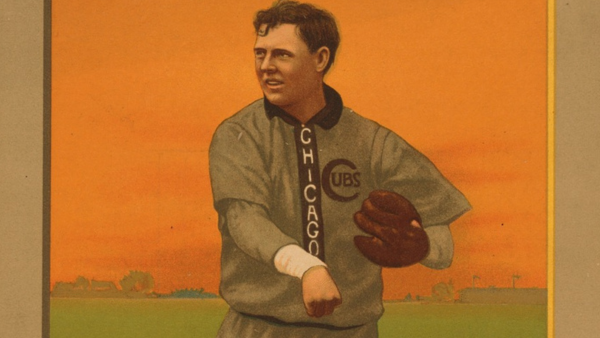
The ‘Chicago White Stockings’, now the Chicago Cubs, was one of the few charter teams the National League established in 1876. A few years later, when the Cubs were being established under their new name, the Charles Comiskey American League Initiative founded the Chicago White Sox. 

Since the two franchises were in different leagues, they were able to avoid direct competition within league championships. Having two teams in Chicago fostered a healthy rivalry, while simultaneously creating a dynamic sports culture. 

Rivalries are proven to increase fan engagement and motivate players to perform better. Ahead of the 2025 season, CBS Sports ranked the Cubs vs. White Sox rivalry game the second best game in MLB rivalry matchups. 

Every season, the two teams play each other in the “Crosstown Classic”. This series is made up of six games, and gains some of the highest viewership rates of the season. 

In 2025, Game 1 of the White Sox vs. The Cubs series held 38,762 attendees. This was significantly higher than the White Sox average game attendance, which stood at 18,021. 
chicago baseball

North vs. South Side

The divide between the North and South side of the city is deeply rooted in diversity and baseball history. 

The city spans 25 miles from North to South. The size naturally shapes fan loyalty through geography and generations of family tradition.

North Side:

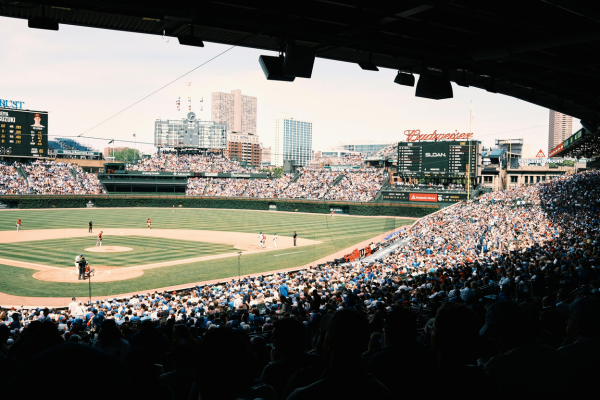
The Cubs play at the famous Wrigley Field in Wrigleyville, located north of downtown Chicago. It draws fans from surrounding neighborhoods and a broad cross-section of the city. This is shaped by proximity, culture, and long-standing community ties.

South Side:

The White Sox are based out of Rate Field located in the Armour Square neighborhood and in the south of downtown Chicago. The White Sox are deeply rooted in Chicago’s working-class communities, driven by strong local pride and loyalty.

Economic Impact and Tourism

The two franchises drive the local economy and tourism substantially. Both teams continuously generate millions of dollars in revenue for the city. Currently, the Cubs are valued at $4.6 billion, and the White Sox are valued at $2 billion. 

The two fields also provide benefits for nearby hotels, restaurants, and local businesses, as they support tourism revenue streams. 

Both teams and stadiums provide thousands of seasonal, part-time, and full-time job opportunities. This creates a stronger job market throughout the city as a whole. 

Chicago also currently sits at the third largest media market in the U.S. This makes the teams a prime target for sponsorships and promotional opportunities. 
chicago baseball

Why There are Still Two Teams Today

The Historical evolution of both the Cubs and White Sox has left a lasting impact on Chicago. Both franchises continue to play an important role in the city’s economy, sports culture, and pride. 

Block Club Chicago wrote, “In Chicago, one’s preferred baseball team isn’t simply about baseball. It’s a way of life and a communal identity that fans possess – which has, in part, kept the rivalry alive for so long.”

Chicago’s expansive fan base, cultural diversity, and powerful economy make it one of the few cities capable of sustaining two rival Major League franchises. With the Cubs competing in the National League and the White Sox in the American League, the rivalry is built not only on sport. It’s built on history, identity, and community.

Together, the Cubs and White Sox continue to shape Chicago’s cultural fabric. They fuel the city’s growth while strengthening its place at the heart of America’s baseball tradition.

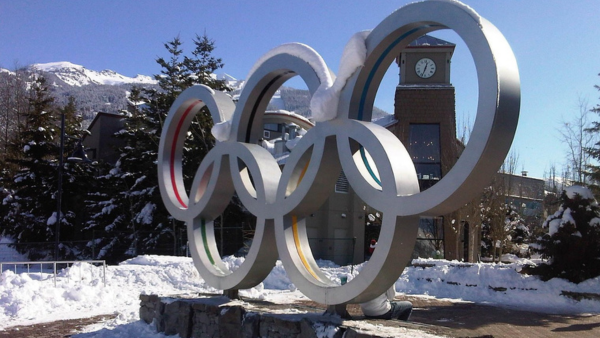
The Harsh Economic Impact of Hosting the Winter Olympics

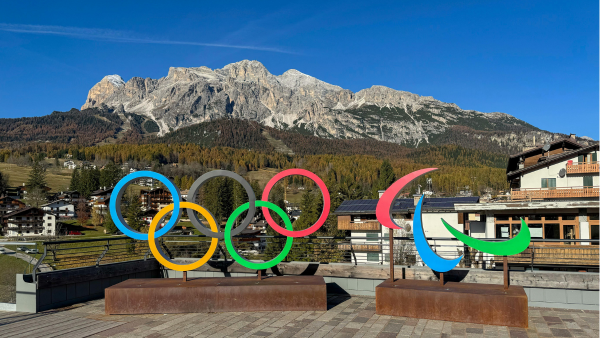
1.9 billion dollars, 17 days, two cities. This is the number of the operating costs the Milano-Cortina Olympic committee will be working with for this upcoming February’s games, which only spans 17 days. The desire for prestige often leads host cities running themselves into debt and economic strain for years to come. 

When most of us think about the Winter Olympics, we tend to think high-speed thrills, ice and snow, and extreme athletic performances in cold conditions. What often goes unnoticed is the complex and costly effort required to stage the Games, and the lasting impact they leave on host cities and athletes long after the closing ceremonies.

Quick Highlights

  • Milano-Cortina’s proposed budget is $1.9 billion, rising to nearly $6 billion when infrastructure investments are included.
  • Spending for the 2014 Sochi Games exceeded $50 billion – nearly four times the original bid.
  • The Games can create upwards of 100,000 jobs, but most are not sustainable for longer than a year. 
  • The 2026 Milano-Cortina Winter Games are predicted to emit around 930,000 tons of emissions
winter olympics

Lessons From Past Games

There is a longstanding tradition of over spending and over building with the Winter Olympic Games. The 2014 Sochi Games shows the risks of extreme cost overruns. Spending exceeded $50 billion and limited long-term economic return from Olympic-specific infrastructure. 

In contrast, Salt Lake City’s 2002 Games are frequently cited as a more successful example. Venues were reused and costs were more controlled. Facilities continue to generate revenue to this day through ongoing sporting events and tourism.

Vancouver 2010 shows a middle-ground outcome. Investments in transportation infrastructure delivered lasting urban benefits. However, overall economic gains fell short of early projections.

Past Games suggest that the economic success of the Winter Olympics depends less on the event itself. They depend on cost discipline, governance, and how well Olympic investments align with long-term regional needs.

The Upfront Costs and Public Expenditure

Historically, the budget set for the Winter Olympics is largely underestimated and is frequently exceeded by double or triple the original amount. 

The 2014 Sochi Games had a budget of around $12 billion and went on to spend over $50 billion. The $1.9 billion dollar budget estimated for Milano-Cortina represents the operating budget. This does not include additional expenses like new competition venues or International Olympic Committee provided funding. 

A large portion of these additional costs is absorbed by government funding, shifting the financial burden to taxpayers. While sponsorship revenue provides meaningful support, host cities continue to bear significant financial risk for economic returns that are uncertain and challenging to measure. 

olympic skiiing

Infrastructure and Long-Term Usage

Infrastructure projects such as transportation upgrades, security systems, and athlete villages are often justified as long-term investments. However, many struggle to generate sufficient economic returns after the Games conclude. These facilities are frequently designed for highly specific Olympic needs, resulting in limited post-Games functionality. 

As seen in past host cities such as Sochi, Athens, and Sarajevo, the challenge lies in repurposing Olympic infrastructure in ways that are both economically viable and socially sustainable. 

Milano-Cortina aims to address this issue by redefining Olympic tourism through a multi-destination model. It will rely on existing urban centers and larger-capacity venues. This strategy emphasizes upgrading current transportation networks rather than constructing entirely new infrastructure that may not deliver long-term value. 

Community Impact and Employment Sustainability

While the Olympics can provide significant short-term benefits, particularly for businesses in food service and lodging, residents often experience daily disruptions. 

Although tens of thousands of jobs are created, host cities frequently struggle to sustain employment once the Games end. The Olympics have a longstanding history of causing disruption and chaos in the lives of the people that reside in the host cities. 

The Tokyo 2020 Games proved to be one of the harsher on its residents. Over 300 households were displaced or relocated. Over the last 50 years alone, gentrification and new growth in host cities has caused 2 million people to lose their homes. 

winter olympics

Environmental Sustainability

For Milano-Cortina specifically, there is a strong focus on environmental sustainability and responsibility. Much of this focus comes after facing backlash from athletes about the polluting sponsors. 

The Winter Olympics already produce significant emissions, and fossil fuel sponsorships only amplify this impact. In some cases, this nearly triples the total environmental footprint. In response to this backlash, Milano-Cortina has committed to using existing venues, transportation, and structures.  

Organizers have emphasized public transportation and sustainable construction to reduce emissions. However, critics argue these measures only partially offset the environmental impact of international travel and corporate sponsorships. This tension highlights a broader challenge facing the Winter Olympics: balancing economic interests and global visibility with long-term environmental responsibility.

Economic Outcomes and Insights

Every four years, the Winter Olympics force host cities to balance global spectacle with long-term economic and environmental responsibility. While the Games offer short-term excitement, global visibility, and temporary economic boosts, history shows these benefits often come at a lasting cost.

Without strict budget discipline and long-term planning, Olympic hosting risks becoming a financial burden rather than a legacy.

Ultimately, the success of the Winter Olympics depends not on the spectacle itself, but on whether host cities prioritize long-term public value over short-term prestige.

Become a Sponsor.

Join us in making a difference. Tell us a bit about yourself and we’ll be in touch with sponsorship details.

By submitting this form, you agree to be contacted by the Athelo Group team regarding sponsorship opportunities.