
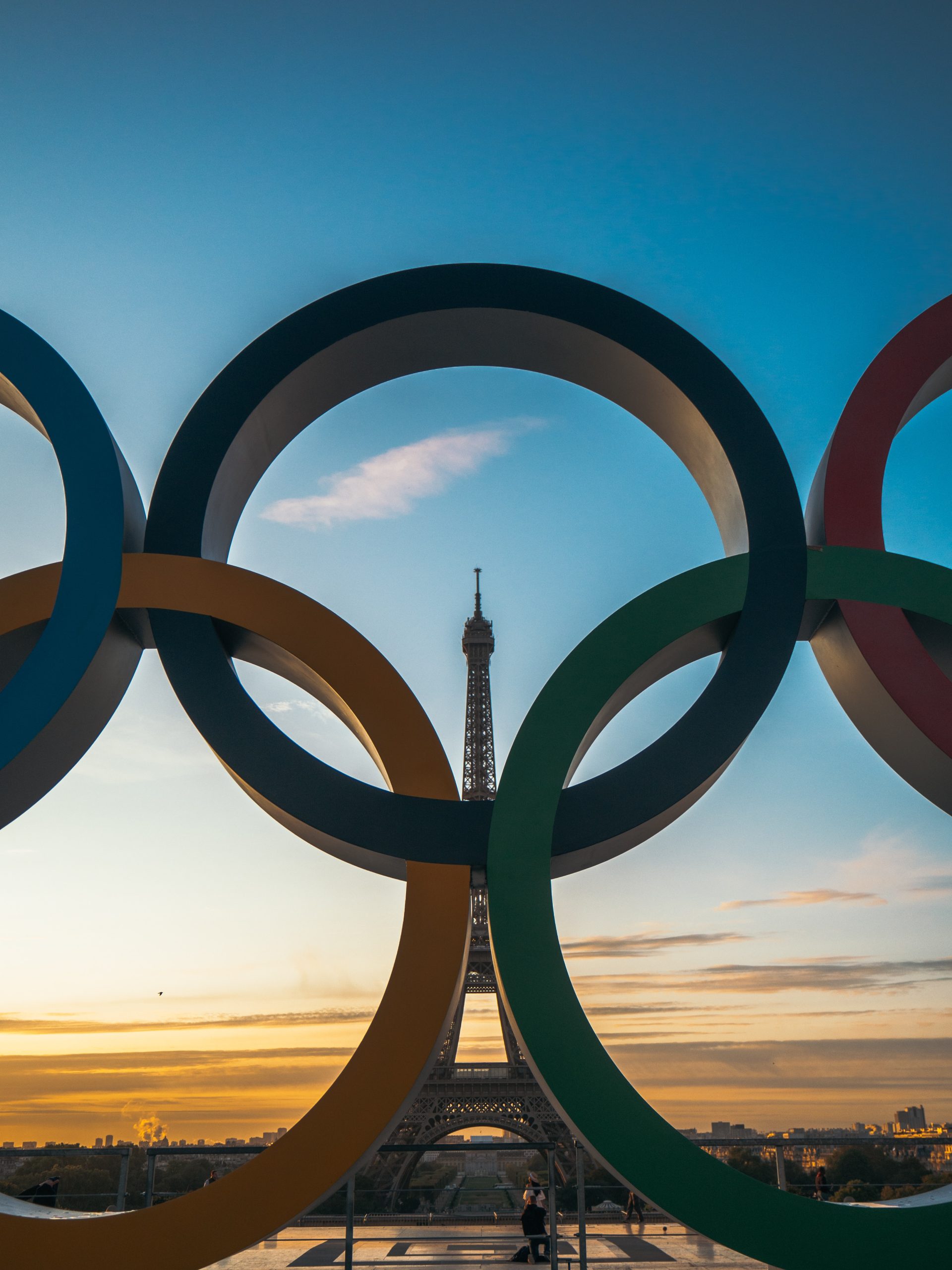
Whether you’re watching from the couch with your family or experiencing the games in person, you can’t get away from the energy that surrounds the Olympics. Within the next two cycles, 2024 and 2028, that energy is set to be amplified. Not only are the games growing in size, but the International Olympic Committee (IOC) is working to guarantee positive socioeconomic outcomes for the hosting countries. As the games grow, their impact on the surrounding community and beyond grows in tandem. From adding sports to increasing opportunities, the IOC is committed to making the Olympics larger and more equitable inside the events and out.

Why the Olympics Are Growing Their Sporting Roster
The Olympic Games have been a growing, beloved world event since 1896. With the inclusion of more sports in 2028, they’re gearing up to expand even more. Cricket, baseball, softball, and lacrosse are returning to the Olympic roster, while flag football and squash will join for the first time. These sports were welcomed with open arms as only two people of the 90 IOC members voted “no” to their addition. The IOC voted on the sports as one package, and lots of big enterprises had their hands on the deal.
The NFL and MLB were particularly huge players in adding these sports to the lineup. Their goal in this development is to propel their players to the world stage. Such an expansive move is a huge jump for the NFL and MLB because it brings two American sports to the international level and taps into a whole new market and fanbase. This, no doubt, will do the same for the Olympic brand. In the U.S., the NFL and the MLB are two of the most popular, successful sports brands. By tapping into the world of baseball and football, the Olympics have made a strategic move into two very powerful fanbases. Americans who were not interested in watching the prior cycles now have their favorite games to watch on on-screen.
The Commercial & Brand Implications of New Sports
In addition to garnering more engagement, the inclusion of new sports is sure to draw in more sponsorships and brand deals. It’s likely that football and softball/baseball-centric companies will want to join in on the action. With the inclusion of flag football, we can also expect more sports betting partnerships to emerge. This comes as over 30 states have now moved towards the legalization of sports betting and a record 73M Americans plan to bet on football this year alone. As a result, brands like DraftKings, FanDuel, and Ceasars could find it beneficial to expand into the Olympics.

Hosting the Games: Legacy, Economy and Infrastructure
The appeal of the Olympics isn’t just brand and industry-exclusive, either. Each cycle, there is a bidding war against countries to decide who will host. Originally, the Olympics were hosted in developed countries able to sustain themselves after such an costly event. Post-1988 cycle held in Los Angeles, when the Olympics saw a $198M increase in revenue, many countries fought to host. However, there is now a debate about whether the Olympics help or hurt the economy of the hosting city. Tokyo, for example, spent $150M to bid in 2016 and didn’t win. In the case of the 2004 Athens Olympics, the city invested substantial financial and material resources to construct venues in record time. While their aspiration to host the event was realized, the huge costs associated with these venues posed significant issues. Unfortunately, after the games concluded, many of these facilities remained largely unused. Despite their aesthetic appeal, the financial losses incurred in the process ultimately played a part in the Greek Debt Crisis that Greece continues to grapple with today.

To address these challenges, the International Olympic Committee (IOC) is actively working to shift the debate by introducing financial opportunities and benefits that accompany hosting the Olympic Games. The primary objective of the IOC in the current cycle is to foster a range of opportunities not only during the events but also extending beyond them. As an example, Paris 2024 is projected to create approximately 150,000 employment opportunities across various sectors. According to the IOC, these job prospects will span event organization, construction, tourism, catering, and more. The IOC also aims to sustain post-Olympic opportunities by establishing permanent community fixtures. Notably, the Paris Olympic Village, currently under construction, will remain as a residential area after the games, providing employment for Parisians through its shops and public facilities. Additionally, the 2024 games will leave a lasting aquatic facility, serving as a versatile multi-sport facility and local gym, ensuring ongoing employment opportunities for Paris residents.
What This Means for the Future of the Olympic Movement
If all goes according to plan, the Olympic Games won’t just be about sports this cycle and the next. The IOC has paid close attention to the gaps that past games have left unfilled and their goal now is to close them. Adding popular sports with financial benefits is a large part of their strategy, and if the IOC can replicate what they are doing for Paris in future cycles, the Olympic Games will become an international financial asset.
Sources:
- https://olympics.com/ioc/news/paris-2024-strives-to-maximise-the-socio-economic-impact-of-sport
- https://olympics.com/ioc/news/ioc-session-approves-la28-s-proposal-for-five-additional-sports
- https://www.espn.com/olympics/story/_/id/38670676/cricket-flag-football-5-sports-added-2028-olympics
- https://www.nbclosangeles.com/news/local/new-olympic-sports-2028-la-games/3244566/#:~:text=The%20International%20Olympic%20Committee%20announced,to%20the%20event’s%20sports%20program.
- https://www.cfr.org/backgrounder/economics-hosting-olympic-games https://www.cnbc.com/id/37484301