Riding the Wave: The Growth of Professional Surfing

Surfing is a global phenomenon, captivating millions with its mix of athleticism and artistry. Despite being romanticized as a laid-back, easy pastime, professional surfing is an entirely different beast. At its highest level, it’s a fiercely competitive and dangerous sport, where elite athletes ride some of the world’s most notorious waves, all for a shot at immortalizing their name in surf history. Since the founding of the World Surf League (WSL) in 1976, the sport has grown rapidly, solidifying its legitimacy with a structured competition system. The WSL features three distinct tours, with the Championship Tour showcasing the best of the best in nine events throughout the season, leading to the ultimate Final. Far from being just a thrilling spectacle, professional surfing is a booming sport anchored by its premier events and growing fan base.

professional surfing

The Thrill Behind Surfing Competitions

Major surfing events, like those organized by the WSL, play a critical role in elevating the sport’s appeal. Planning these events involves everything from picking the right location to coordinating with local authorities and managing logistics. A dedicated team, including organizers, safety crews, and judges, ensures each competition runs smoothly. The unpredictability of ocean conditions adds an extra challenge, requiring quick decisions based on weather and wave quality. This mix of excitement and uncertainty keeps competitors and spectators on edge.

The Lexus Pipe Pro at Banzai Pipeline in Oahu showcases the complexity of these events. Organizers carefully select dates based on wave patterns, while judges assess surfers’ skills and safety crews remain ready for emergencies. The local community adds to the event’s festive feel, offering food, entertainment, and surf culture celebrations. This blend of competition and community engagement makes the Lexus Pipe Pro a standout in professional surfing.

professional surfing

The Evolving Role of Media in Professional Surfing

Media and broadcasting have transformed how professional surfing reaches global audiences. With advancements in technology and the rise of streaming platforms, fans can now watch surfing competitions in real-time from anywhere in the world. The 2024 WSL Finals, for example, aired on ESPN, Sky Sports, Fox Sports, YouTube, and the WSL app, making the event accessible to a broader audience. This shift allows viewers to experience the excitement of the sport from their homes or on the go. Social media also plays a crucial role, with surfers sharing highlights, personal stories, and behind-the-scenes content, creating a deeper connection with fans.

Zoe Benedetto, a rising star in the surfing world, exemplifies how surfers can use social media to build a personal brand. With over 100,000 Instagram followers, she shares her journey as a competitive surfer, offering fans a glimpse into her routines and adventures. Her engaging posts and relatable content inspire a diverse audience, fostering a sense of community. By leveraging platforms like Instagram, Zoe has successfully highlighted both her talent and passion for surfing, helping professional surfing evolve into a global spectacle that captivates millions.
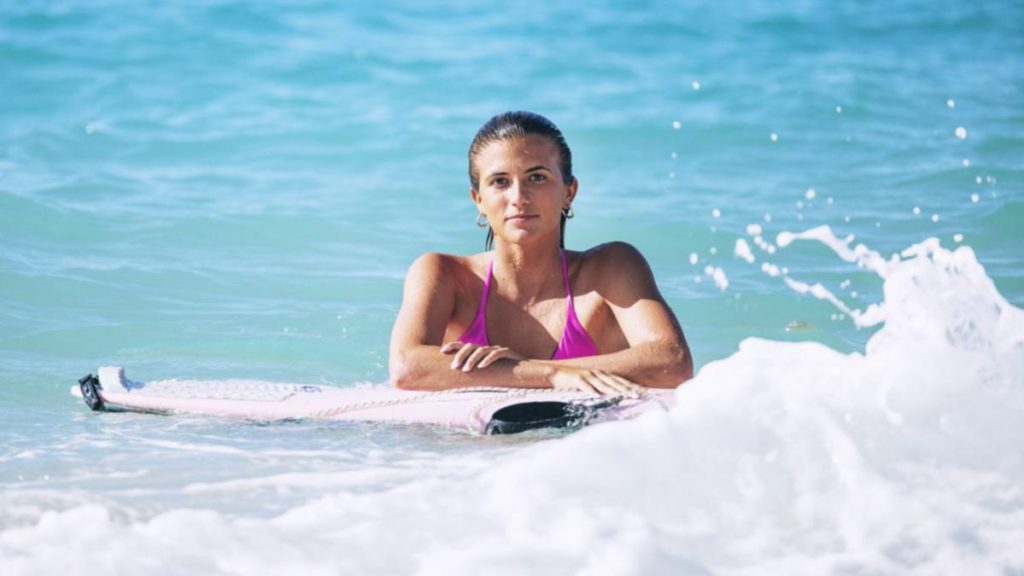
zoe benedetto

The Economic Impact of Surfing Events: The Case of Nazaré

Major surfing events can significantly boost local economies by drawing tourists, increasing business revenue, and creating temporary jobs in hospitality and event management. A prime example is NazarĂ©, Portugal. Once a small fishing village, NazarĂ© has transformed into a global surfing destination. In the mid-2000s, legendary big wave surfer Garret McNamara set out to find the world’s biggest rideable wave. After hearing about the massive waves in NazarĂ©, he couldn’t resist. In 2011, Garret surfed a 78-foot wave, earning a Guinness World Record and forever putting NazarĂ© on the map. Now known for having the world’s biggest wave, the town hosts surfers each year for competitions and record-breaking attempts. The World Surf League held its first NazarĂ© Big Wave Challenge in 2016, further cementing the town’s place in the surfing world.

Over the past decade, surfing has had a huge impact on Nazaré’s economy and culture. In 2010, nearly 45,000 tourists stayed in local hotels; by 2019, that number had soared to over 130,000—a 295% increase. This influx has generated millions in revenue for local businesses, including hotels, restaurants, and shops. The events not only raise the town’s profile but also foster community pride and cultural exchange, as locals and visitors connect over shared interests. Investments in infrastructure and services to support these events also help ensure Nazaré’s long-term success as a sustainable tourist destination.

Nazaré, Portugal

The Power of Sponsorship in Surfing

Sponsorships play a vital role in the surfing industry, giving brands significant exposure while supporting events like the Shiseido Tahiti Pro and Lexus Pipe Pro. Major partnerships, such as Pura Vida’s commitment to surf culture and Red Bull’s alignment with extreme sports, show how brands connect with an adventurous lifestyle and passionate fan base. These collaborations allow companies to showcase their products in ways that resonate with their audience, creating a sense of authenticity and shared values. In 2023, sponsorship revenue in professional surfing reached an estimated $150 million, a 30% increase from the previous year, reflecting the sport’s growing popularity and its value as a marketing platform.

Professional surfers aren’t just competitors; they’re influential brand ambassadors whose personal stories and lifestyles resonate deeply with fans. Carissa Moore, for example, leverages partnerships with Nike and Red Bull to promote products that align with surf culture, while Brisa Hennessy’s advocacy for environmental sustainability and mental health awareness extends her influence beyond the sport. Through social media, these athletes cultivate loyal communities, making them valuable to brands across apparel, wellness, and lifestyle markets. Their participation in events, campaigns, and even signature product lines enhances market presence and helps shape public perception of surfing. As they build successful personal brands, surfers like Moore and Hennessy fuel the sport’s growth while setting an example for aspiring athletes on how to turn talent and passion into long-term success.

professional surfing

Surfing’s Next Wave

As surfing continues to evolve, its future holds immense potential for growth and innovation. Advances in technology, such as virtual reality (VR) and augmented reality (AR), could revolutionize how fans experience competitions, allowing them to feel as if they’re riding the waves alongside their favorite surfers. The development of artificial wave pools, like Kelly Slater’s Surf Ranch, could also become a more prominent part of the sport, offering controlled environments for year-round competition and training. Sustainability will remain a crucial focus, with many surfers and brands already advocating for ocean conservation and reducing the environmental impact of events. We may also see increased diversity, with the WSL pushing to include more women and surfers from regions like Asia and Africa, expanding the global talent pool. These changes will not only enhance the sport’s visibility but also ensure that surfing remains a progressive, eco-conscious, and globally inclusive movement that continues to inspire future generations.

Sources:

  1. http://www.the-businessreport.com/article/the-economic-power-of-surf/#:~:text=The%20waves%20have%20made%20us,before%20the%20Garrett%20McNamara%20act. 
  2. https://www.redbull.com/us-en/history-of-big-wave-surfing-at-nazare 
  3. https://surfsimply.com/magazine/cant-look-away
  4. https://www.surfandsun.com.au/blog/20241/the-history-of-the-world-surf-league.php
  5. https://www.linkedin.com/pulse/riding-wave-remarkable-growth-world-surf-league-future-angus-yeates-ukpbc
  6. https://www.surfertoday.com/surfing/world-surf-league-interesting-facts-about-the-pro-surfing-organization
  7. https://www.forbes.com/sites/isabellebousquette/2021/07/27/as-surfing-makes-its-olympic-debut-billionaire-owned-world-surf-league-hopes-to-catch-a-wave-of-opportunities/
  8. https://www.surfnewsnetwork.com/these-companies-make-it-happen/
  9. https://www.surfertoday.com/surfing/the-business-empire-of-kelly-slater
  10. https://www.riotimesonline.com/brazil-news/brazil/with-italos-gold-the-billion-dollar-surfing-business-heads-for-its-peak/
How Young Athletes Are Challenging Sports Legends

In the world of sports, each era is defined by its legendary athletes—figures like Lionel Messi, Serena Williams, and LeBron James, who have set records and reached seemingly untouchable heights. Yet, as the sporting world evolves, a new generation of athletes is emerging. Young stars like Iga Świątek and Erling Haaland are not only learning from the GOATs but increasingly challenging and sometimes surpassing them. From breaking records to changing the game, these young athletes are transforming the landscape of sports. Their rise is fueled by massive advancements in training, sports science, and social media.

Iga ĹšwiÄ…tek

Breaking Records, Setting New Standards

The rise of young stars like Kylian MbappĂ© in soccer and Iga ĹšwiÄ…tek in tennis shows that the younger generation isn’t just playing in the shadows of legends—they’re making their own mark. MbappĂ©, for instance, won his first FIFA World Cup at just 19 and has since been compared to some of the greatest players of all time. Even Lionel Messi, his former PSG teammate, praised his immense talent, stating, “Kylian MbappĂ© is still very young, but his talent is extraordinary.” With MbappĂ© and Erling Haaland often competing for top honors, Messi further predicted that their time would come, leaving fans excited for a new era in soccer.

Similarly, Iga ĹšwiÄ…tek has taken the tennis world by storm. By age 19, she won her first Grand Slam title and quickly ascended to world No. 1 in the WTA rankings. Her dominance on clay courts has drawn comparisons to Rafael Nadal, and her mental toughness at such a young age is setting new standards for success in tennis.

Iga ĹšwiÄ…tek

The Role of Technology and Training

One of the key reasons behind the rapid rise of young athletes like Carlos Alcaraz and Jannik Sinner is the integration of cutting-edge sports science and technology into their training regimens. Advanced data analytics, biomechanical assessments, and wearable technology have allowed these athletes to optimize their performance and reduce the risk of injury.

But what exactly is biomechanics? Biomechanics in sports explores the mechanical principles behind how the body moves and functions. Paired with technology, it allows for more precise analysis to improve efficiency, power, and safety. Using video analysis and motion sensors, athletes and coaches can identify small irregularities in movement that may increase injury risk or hinder performance.  In Luka DonÄŤić’s case, biomechanics helps optimize his shooting mechanics by analyzing his body alignment, muscle usage, and shot trajectory, which reduces unnecessary strain and increases shooting efficiency.

Iga ĹšwiÄ…tek

The Impact of Social Media

Social media plays a crucial role in amplifying the rise of young athletes. Platforms like Instagram, TikTok, and Twitter allow athletes to connect with fans globally, build personal brands, and increase their visibility in ways traditional media outlets can’t match. MbappĂ©, for example, has mastered the art of maintaining his brand through social media, where he shares both his on-field brilliance and off-field activities, further cementing his influence beyond the pitch.

Athletes like Naomi Osaka have also used their platforms for advocacy, raising awareness about mental health and social justice. Osaka’s openness about her mental health struggles made headlines, and through her social media presence, she continues to inspire a younger generation of athletes to use their influence for good​.

Social media also amplifies highlight moments. Whether it’s a viral dunk from Ja Morant or an epic save from a young goalkeeper, these moments are shared and reshared, making them accessible to millions within minutes. This instant exposure has enabled young athletes to gain massive followings and secure sponsorship deals that elevate their careers before they’ve even reached their peak​.

Iga ĹšwiÄ…tek

Changing the Game

Young athletes aren’t just challenging the records of the GOATs; they’re also changing the way their sports are played. In soccer, Erling Haaland’s physical dominance and technical ability are setting new standards for the striker position, blending strength, speed, and precision in ways not seen before.

In basketball, Ja Morant is redefining the point guard position with his athleticism and playmaking ability. Morant’s combination of agility, quick decision-making, and leaping ability has earned him a reputation as one of the most explosive players in the NBA today. His stats back up this claim—Morant led the NBA in points in the paint for a guard in the 2021-2022 season, with an average of 16.6 points per game coming from this area. This is an extraordinary achievement for a point guard, who traditionally plays away from the basket, but Morant’s fearless drives and aerial displays are transforming the position. His unique playstyle is pushing other young players to adapt and innovate, forcing the game to evolve.

This younger generation is taking what they’ve learned from their legendary predecessors, refining it, and creating something entirely new. They’re blending generations of skills and, in the process, evolving their sports in real-time. The rise of young athletes in various sports is a testament to the evolving nature of competition and the relentless pursuit of excellence. Armed with better training, technology, and social media influence, these athletes are challenging the GOATs in ways that were previously unimaginable.

Sources:

  1. https://psgtalk.com/2024/01/mbappe-messi-ronaldo-exits-europe/
  2. https://www.tennisworldusa.org/tennis/news/Tennis_Interviews/148031/boris-becker-gave-honest-analysis-on-sinner-and-alcaraz-s-rivalry/
  3. https://www.espn.com/nba/story/_/id/35197166/the-explosiveness-finesse-feel-turned-ja-morant-elite-paint-presence
  4. https://www.nba.com/news/ja-morant-welcome-to-the-paint
  5. https://www.sportspromedia.com/insights/analysis/sports-teams-athletes-social-media-teamworks-influencer-nashville-predators-irfu/
  6. https://www.wsj.com/articles/luka-doncic-big-data-nba-11552413548
  7. https://theknickswall.com/jalen-brunson-biomechanics-god/

Athlete Micro-Influencers vs Pro Endorsements: The New Marketing

In today’s fast-changing world, brands are rethinking the traditional model of athlete endorsements as they navigate the complexities of social media-driven marketing. While elite professional athletes have long been the go-to choice for high-profile partnerships, the rise of micro and nano influencers is challenging the status quo. These smaller-scale influencers, with their highly engaged and niche audiences, are proving to be powerful players in brand marketing. This shift raises critical questions: are traditional, high-cost endorsements with star athletes still necessary, or are more targeted, authentic connections through nano and micro-influencers the key to driving brand success in this new era?

micro-influencers

Athlete-Influencers’ Time is Now

The shift toward micro and nano influencers isn’t just about cutting costs—it’s about delivering authentic results. As Isabella Ingrid from Sports Kred points out, the era of celebrity dominance in marketing is fading. Micro-influencers, with their more intimate and engaged followings, are proving far more effective at building genuine connections with audiences. Their personal touch fosters greater trust and authenticity, which are crucial in today’s marketing strategies.

Moreover, working with multiple micro or nano-influencers allows brands to stretch their marketing budgets across various audiences, offering a strategic way to increase reach and engagement. Take, for example, Athelo Group’s partnership with Wow Wipes. They launched a campaign featuring athletes like Alex Aust, Brisa Hennessy, Dani Speegle, Kyra Milligan, and Zoe Benedetto. By collaborating with athlete-influencers in niche sports from surfing to CrossFit, Wow Wipes was able to connect with multiple distinct audiences instead of focusing on a single celebrity endorsement that would target just one demographic. This approach underscores the changing landscape of athlete endorsements, challenging the past focus on traditional high-profile partnerships.

micro-influencers

The Rise of NIL Marketing in College Sports

The rise of NIL (Name, Image, Likeness) deals has opened up new opportunities for athlete endorsements, allowing brands to partner with college athletes in ways that were previously impossible. Since the 2021 Supreme Court ruling, companies like McDonald’s, Microsoft, and Gatorade have jumped at the chance to connect with younger audiences through these athletes. College athletes offer a cost-effective way to tap into the deep loyalty that fans—especially alumni—have for university sports teams. These deals also allow brands to build early relationships with athletes who might later go pro or compete in the Olympics while engaging with niche sports and diverse audiences.

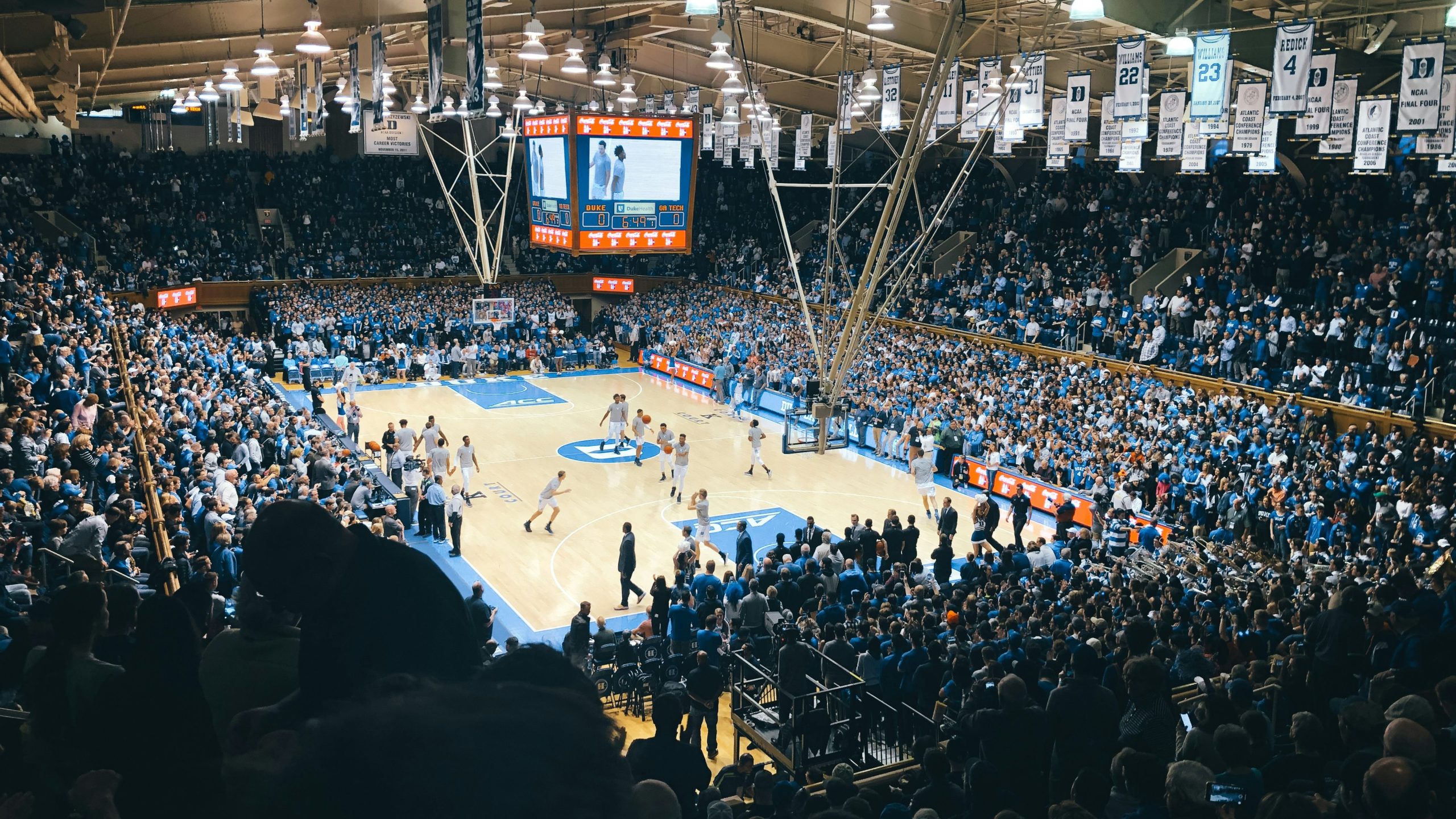
Partnering with college athletes is more than a cost-cutting exercise. Brands are increasingly valuing the character of the athletes they endorse, sometimes even more than their social media follower counts. This focus on authenticity reflects broader trends in influencer marketing, where genuine connections and trust are key. Take Jared McCain, for example. Last season, he was one of Duke basketball’s best players, creating content that stayed true to his authentic self—even if it didn’t fit the typical athlete mold. His ability to balance sports content with his personal brand made him attractive to companies seeking genuine representation. By carefully choosing athletes who align with their values and ensuring their social media presence is authentic and relatable, companies can reduce the risks of endorsing younger, less established figures while still benefiting from these dynamic partnerships.

micro-influencers

Influencer vs. A-Lister

When comparing social media influencers to traditional celebrity endorsements, each brings unique strengths and challenges. Influencers often excel in credibility and relatability, particularly within specific niches, which fosters trust and drives higher engagement. Their ability to connect with targeted audiences and deliver measurable ROI makes them a cost-effective choice for many brands. However, influencer marketing isn’t without its downsides. As influencers gain more followers, their engagement rates can drop, and while they generally carry less risk than celebrities, they aren’t entirely immune to controversy.

Celebrity endorsements, though typically more expensive and less targeted, can deliver massive visibility and prestige. This can result in either a big win or a serious setback for the brand. A prime example is Ugg’s 2012 partnership with NFL star Tom Brady. The brand aimed to reverse declining sales and expand beyond their primarily female consumer base. The endorsement ultimately fell flat and sales continued to drop. In contrast, GymShark’s work with micro YouTube influencers connected deeply with online fitness communities, contributing to the brand’s growth into a billion-dollar company. Whether a brand opts for a household name or influencers with a small base of loyal followers, a campaign’s success or failure largely depends on authenticity.

micro-influencers

In today’s social media-driven marketing world, athlete endorsements are undoubtedly shifting from celebrity partnerships to micro and nano influencers. These smaller influencers connect authentically with niche audiences, making them increasingly attractive to brands. The rise of NIL deals and the integration of athletes in broader entertainment collaborations further highlights this change. While celebrity endorsements still offer great visibility, brands are increasingly focusing on targeted and cost-effective influencer marketing in 2024 and beyond.

Sources:

  1. https://www.linkedin.com/posts/dancrosby_marketingstrategy-brandbuilding-biosteel-activity-7229086830061608962-R02d/?utm_source=share&utm_medium=member_ios
  2. https://hbr.org/2024/05/how-marketers-choose-college-athlete-influencers
  3. https://sportskred.com/navigating-the-evolving-landscape-of-influencer-marketing
  4. https://m7.agency/nil-influence-how-brands-can-score-big-in-the-new-era-of-athlete-influencers/
  5. https://www.google.com/url?q=https://www.isportconnect.com/trends-in-the-sports-sponsorship-business-in-2024/
  6. https://swaygroup.com/social-media-influencers-new-celebrities/
  7. https://collabstr.com/blog/how-gymshark-built-a-billion-dollar-empire-through-influencer-marketing
  8. https://247wallst.com/sports/2024/08/29/these-athlete-endorsement-deals-were-complete-disasters/

Women’s Volleyball Recruitment and Social Media: The New Double-Edged Sword

It’s no surprise that social media has become an integral part of our lives, influencing how we communicate and  even how we present ourselves professionally. In the world of collegiate women’s volleyball, social media offers recruits a unique opportunity. Aspiring recruits can now create content to showcase skills, connect with coaches, and potentially secure coveted spots on college teams. As women’s sports grow in recognition and marketing spend, their social media expansion seems only natural. However, beneath the surface of this seemingly beneficial tool lies pitfalls that can severely impact an athlete’s recruitment journey and career trajectory. 

Communicating Through a Personal Brand

Platforms like Instagram, Twitter, and TikTok provide athletes a global stage to display their talents, engage with fans, and attract the attention of college recruiters. Charlotte Glass, one of the top setters in the country, quickly amassed 37K Instagram followers doing just that. From hype reels with teammates to short-form setting tutorials, Glass crafted a personal brand that highlighted her athleticism and dedication. Duke Volleyball took notice and Glass ultimately committed to the team for 2025. Stories like this one aren’t uncommon. In fact, 83% of collegiate coaches conduct online research of prospective student-athletes to inform their recruiting decisions.

Social media also allows athletes to bypass traditional recruitment channels and directly connect with college coaches and programs. Potential women’s volleyball recruits must adhere to the official NCAA recruitment timeline, which restricts communication with coaches until the summer before junior year. After this window, social media offers an outlet beyond email to connect with coaches on a more personal level. Platforms provide a level of transparency that benefits both athletes and recruiters, allowing them to gauge mutual interest and compatibility before committing to a formal recruitment process.

Navigating Risks

Despite its benefits, social media in collegiate volleyball recruitment carries risks, notably the potential distortion of athletes’ abilities and character. As sports commentator Joe Davis points out, athletes may rely on social media for performance validation, leading them to embellish skills to stand out in fierce competition. This can create a false narrative that may backfire during recruitment. Additionally, the relentless pursuit of likes and followers can divert athletes from their primary goal: becoming better volleyball players.

The pressure to maintain an attractive online presence may prioritize aesthetics over substance, detracting from skill improvement. In the competitive world of women’s volleyball, this can adversely affect athletes’ well-being. Prominent athletes like Victoria Garrick Browne, a former University of Southern California recruit, stated that she “couldn’t take a wrong step without feeling like her world was coming down.” Browne struggled with mental health as she balanced social media with her performance on the court. After graduation, Browne went on to share her story on social media with content tackling topics like body image, anxiety, and depression. By pivoting away from the pitfalls of social media and leaning into authenticity, the former college recruit has amassed nearly half a million followers on Instagram. 

women's volleyball

Perpetuating Inequality 

Beyond risks, the influence of social media marketing in collegiate volleyball recruitment can also perpetuate systemic inequalities within the sport. Athletes from affluent backgrounds may have a distinct advantage in funding polished, high-quality content that garners attention from recruiters. Conversely, athletes from underprivileged backgrounds or those lacking social media savvy may struggle to compete on an uneven playing field, further widening the gap in recruitment opportunities. Some volleyball bootcamps, organized by “recruitment specialists” that aim to lend knowledge in harnessing the power of social media, charge a whopping $800 for enrollment. With club play already costing high school athletes between $2-30K a year, lower income students cannot afford this extra edge. 

While social media marketing holds undeniable potential as a tool for collegiate volleyball recruitment, its inherent risks cannot be overlooked. From the dangers of misrepresentation and distraction to the threat of systemic inequalities, athletes must approach social media with caution. By prioritizing authenticity, integrity, and a balanced approach to online presence, aspiring collegiate volleyball players can navigate the complexities of social media marketing while safeguarding their recruitment prospects.

Sources:

  1. https://www.youtube.com/watch?v=1PZMgU8EGAk
  2. https://www.ncsasports.org/womens-volleyball/recruiting-rules-calendar
  3. https://www.victoriabrowne.co/
  4. https://sportsrecruits.com/athlete/charlotte_glass2
  5. https://www.instagram.com/charlotteglassvolleyball/?hl=en
  6. https://econtent.hogrefe.com/doi/10.1024/2674-0052/a000060
  7. https://www.stack.com/a/how-to-get-ahead-in-recruiting-without-getting-scammed/

Shaping the Future of Ads: The Las Vegas Sphere’s Impact on Marketing

Ever since the $2.3B Las Vegas Sphere launched in September 2023, it has rapidly become a marketing and advertising sensation. Known as “The Exosphere,” this architectural phenomenon is the world’s largest spherical structure, reaching 366 feet and 516 feet wide. Illuminated by over a million LED lights, it cast a mesmerizing glow over the Las Vegas skyline, drawing the attention of consumers and visitors. Advertising on the Sphere is a hefty investment with costs ranging from $450K a day to $650K a week. Despite this, the Sphere has hosted innovative brand campaigns and high-profile engagements, heavily impacting social media. The diverse collection of brands that have utilized the Sphere has transformed it into a hub of creativity and a new benchmark in digital advertising.

Las Vegas sphere

YouTube was the first to capitalize on this unique opportunity, promoting their NFL Sunday Ticket package by transforming the Sphere into giant football helmets. This highlighted YouTube’s partnership with the NFL in a distinctive way. Following YouTube, the NBA leveraged the Sphere’s capabilities to turn it into a massive basketball, reinforcing its brand in an eye-catching combination of sculptural and graphic advertising.

Microsoft’s Xbox campaign, featuring huge “X” logos circling the structure, mirrored the futuristic spirit of gaming. Sony also promoted its game, using the Sphere to promote Spider-Man 2 for the PlayStation 5. Autodesk and Marvel Studios teamed up to showcase Autodesk’s significant contributions to filmmaking and visual effects. This collaboration resulted in a compelling advertisement highlighting the intersection of technology and creativity in the movie industry.

Major players in the beverage industry have also utilized the Sphere to capture audiences. In their campaign, Coca-Cola’s use of generative AI presented a futuristic vision, promoting their Y3000 Zero Sugar soda. Heineken, aligning with the Formula 1 Grand Prix, transformed the Sphere into a spinning disco ball that turned into ice blocks before collapsing to reveal their new Heineken Silver beer. This created a buzz and expanded brand visibility while fascinating a broad audience of event attendees. 

According to Sussex Innovation, the Sphere has an estimated 4.7 million daily impressions and has skyrocketed its social media presence. The follower counts on the Sphere’s Instagram and TikTok saw a dramatic increase in just the first week after the opening, and they continue to rise as more innovative events and brand campaigns are introduced. These impressive statistics highlight the Sphere’s effectiveness in driving significant return on investment (ROI) for brands, achieved through its innovative content delivery and trendsetting capabilities in digital advertising.

Las Vegas sphere

The Las Vegas Sphere is at the forefront of a transformative shift in Out-Of-Home (OOH) marketing and advertising, challenging and redefining traditional approaches with cutting-edge technology and scale. Its digital canvas elevates advertisements to new heights of vibrancy and detail, surpassing standard displays. The Sphere’s unique spherical shape opens up endless creative possibilities, allowing brands to envelop the entire structure with their message for a 360-degree experience that blends art and cinematic elements. This innovation sets the stage for future OOH advertising trends. Its success inspires the integration of architectural innovation with digital marketing, potentially leading to the emergence of similar structures globally.

Looking ahead, the future of the Las Vegas Sphere is filled with exciting prospects. It’s even venturing into the world of live sports with plans to host a UFC event in 2024. This indicates a new era for the venue, where its unique blend of advanced technology and innovative design will provide immersive experiences across various events. Whether it’s high-energy sports matches, captivating concerts, or groundbreaking digital advertising, the Sphere is set to reinvigorate Las Vegas entertainment, promising every visitor a blend of sensation and innovation.

Sources:

  1. https://www.marketingbrew.com/stories/2023/11/16/sphericals-happen-las-vegas-s-largest-roundest-billboard-explained
  2. https://www.thedrum.com/news/2023/11/16/bleeding-money-gaining-advertisers-sphere-the-story-so-far
  3. https://lasvegasweekly.com/news/2023/oct/05/vegas-sphere-primed-to-be-game-changing-marketing/
  4. https://www.adweek.com/brand-marketing/inside-f1-las-vegas-grand-prix-sponsors-sphere/
  5. https://www.billboard.com/music/concerts/vegas-sphere-msg-venue-u2-darren-aronofsky-1235427196/
  6. https://www.sussexinnovation.co.uk/news-resources/las-vegas-sphere-the-future-of-marketing-or-just-another-trend/#:~:text=The%20impressions%20comprise%20of%20300K,the%20Sphere%20on%20social%20media.
  7. https://ftw.usatoday.com/2023/11/ufc-vegas-sphere-live-sports-2024

The Winning Playbook: Securing Success in Sports Influencer Marketing Strategy

With the influencer marketing industry expected to top $21B by the end of 2023, we’re seeing more and more athletes get in on the action. In fact, the sports vertical’s presence in the influencer space has grown three times in the past year alone! AG athletes like lacrosse star Alex Aust and CrossFit powerhouse Dani Speegle are actively showing us how it’s done by blending athleticism with an influencer charm that fosters relationships and captures audiences. It’s clear that at the exciting intersection of sports and influencer marketing, nailing long-term success means establishing authenticity, fostering engagement, and connecting consumers with a personal brand. As a result of these efforts, brands and athletes can unlock the full potential of sports influencer marketing strategy.

influencer marketing strategy

Authenticity

Authenticity in content creation within the sports landscape is essential to foster compelling storytelling. Athletes-turned-influencers embrace this authenticity by sharing the highs and lows of their journeys, exposing vulnerabilities, and presenting a multifaceted view of their lives that shares their unique identity. Simone Biles is an excellent example of an athlete that has shared her vulnerabilities. Biles has a huge social media platform, with 1.7M followers on Twitter alone. Over the years, she has used her platform to take a stand and enact change. In 2021, she spoke out to stop the governing body of USA Gymnastics from turning a blind eye to sexual assault allegations. Biles’ courage captivated her audience and helped cultivate a lucrative brand partnership with Athleta. Her transparency illustrates the human behind the athlete—a relatable figure navigating challenges, celebrating victories, and embodying resilience.

Another athlete to utilize authenticity is Baron Davis. After a career-ending injury left him wheelchair-bound and in chronic pain, Davis decided to dress up as “Black Santa” for Halloween. Based on the reaction he received from fans, he created The Black Santa Company in 2015. His media empire has dedicated itself to celebrating diversity in storytelling content ever since. Initiatives like Davis’ show how influencer authenticity builds trust and credibility with audiences. When people feel that an influencer is genuine, they are more likely to engage with their content and see them as a reliable source. 

Impactful Partnerships

When brands team up with athlete-influencers, they also seek authenticity in their partnerships. By investing in genuine, enduring relationships, brands bank on winning the sustained loyalty of their consumer base. Under Armour, for example, partnered long-term with Steph Curry back in 2013. Curry explained to his fans that “Under Armour bet on me, and I bet on them.” The partnership is rooted in authenticity and impact with an underlying goal to fund community initiatives that boost opportunity, access, and equity for the next generation of athletes.  Brands like Under Armour that invest time and resources into nurturing these relationships often reap the rewards of consistent collaborations that evolve over time.

In a similar fashion, Nike partnered with French basketball star, Rudy Gobert. Together, they spearheaded a new basketball court in Paris Levallois-Perret and created a space that offers academic support in disciplines such as writing, music, community outreach, and athletic development. Dedicated investments like these not only ensure a steady stream of engaging content but also build a foundation for long-lasting, meaningful partnership in the ever-changing world of sports influencer marketing. 

influencer marketing strategy

Diversification

Long-term success in sports influencer marketing also thrives on cross-market diversification. Brands often choose a diversification strategy either to reach niches within their industry or to extend operations into new markets. Red Bull and GoPro employed this strategy in 2016 to diversify partnerships across a spectrum of influencers, each with their own unique reach and audience. Netting audiences in two different verticals, Red Bull and GoPro could impact both the action sports and energy drink space. This strategy not only broadens brand exposure but also taps into various niches within the sports landscape, allowing for a more comprehensive and diverse engagement with audiences.

Measuring Results

After employing an influencer marketing strategy like diversification, it’s critical to measure efficacy. Beyond social media likes and shares, analyzing metrics like engagement rates, audience demographics, sentiment, and conversion offers a comprehensive understanding of campaign impact. These metrics reveal audience response, highlighting what resonates and what doesn’t. By dissecting these data points, brands learn how to better refine future campaigns and how to best select sports influencers.

Ultimately, success in sports influencer marketing is not always a clear-cut playbook. Every athlete has a unique personal brand with an audience to match, but it’s the impact and authenticity of their brand partnerships that truly resonate with audiences. As the sports influencer marketing space continues to expand, we can look forward to the exciting new partnerships and figures that are sure to emerge in 2024.

Sources:

  1. https://aicontentfy.com/en/blog/importance-of-influencer-authenticity-for-effective-content-sharing#:~:text=Influencer%20authenticity%20is%20important%20because,a%20reliable%20source%20of%20information.
  2. https://fastercapital.com/startup-topic/Impact-through-Influencer-Marketing.html
  3. https://www.business.com/articles/why-influencer-marketing-should-focus-on-relationships/#
  4. https://www.business-standard.com/article/sports/social-media-has-helped-gen-z-athletes-find-their-authentic-voice-121081700694_1.html
  5. https://www.ypulse.com/article/2019/07/02/athletes-to-influencers-how-social-media-has-changed-the-game-for-pro-sport/
  6. https://www.prnewswire.com/news-releases/gopro-and-red-bull-form-exclusive-global-partnership-300273533.html
  7. https://www.prnewswire.com/news-releases/under-armour-and-stephen-curry-enter-long-term-partnership-301785333.html
  8. https://hypebeast.com/2022/12/nike-athlete-partnership-future-of-sport-campaign
  9. https://influencermarketinghub.com/influencer-marketing-benchmark-report/

Flag Football 2028 Olympics: What It Means for the NFL & Sport

With the IOC (International Olympic Committee) announcing the addition of 5 new sports in the 2028 Olympics, flag football will be making its debut.

Flag Football Joins the 2028 Olympics

This development has piqued the interest of the NFL, which is actively promoting and encouraging its players to participate in the upcoming 2028 Olympics.

However, as the anticipation around this milestone grows, a series of pertinent questions and concerns have emerged from both enthusiasts and skeptics alike. Chief among them is the crucial inquiry: would it truly be beneficial for NFL players to participate in flag football at the Olympics? Does this exciting addition enhance the global image of the sport, or does it risk undercutting its international appeal by the sheer dominance of American players? 

The NFL’s Role in Olympic Flag Football

NFL players’ participation in the games hinges beyond elements like their willingness to play. The two-week July window in which the games are set to take place in LA happens to fall right between the start of NFL offseason training programs and camps. As a result, the timing has spurred ongoing discussions on how players would be able to get out of their current contracts to don the the stars and stripes at the games.

Risk of injury is another objection in question, especially since the Olympics overlap with the start of the NFL season. If a high caliber player were to get injured during the games, it would affect their performance and health right at the start of the NFL season. 

NFL owners have remained outspoken on these issues. When asked to comment on this debate, New York Giants owner John Mara said he would “probably not” want any of his players participating in the games. While other owners have voiced their support for players making their own choices, most are still non-committal.

Owners of billion-dollar organizations may be wary of injury risks impacting their teams’ performance during the season. While the full scope remains unclear, superstars like Travis Kelce, Tyreek Hill, and Rob Gronkowski have shown support for participation, and they are likely to be joined by other high-profile names.

Global Impact and Cultural Influence

While some criticism clouds the prospect of NFL players participating in the Olympics, there is also a buzz of excitement. From a skill standpoint, these players are top tier in their given sport and the Olympics has prided themselves as a global platform where the world’s best athletes come to compete. 

Many NFL players are also cultural icons. For example, players like Patrick Mahomes and Travis Kelce have viral social media platforms. Kelce holds 4.6M Instagram followers, while Mahomes is nearing 5M.  As a collective, their ability to promote content surrounding the games and the sport as a whole would amplify football on a global level. And considering an average 17.5M Americans watch football, it is important that the country’s most prominent sport and players are represented at the highest level.

The importance is further amplified when we factor in that America will be hosting the Summer Games for the first time since 1996. Even with the NFL’s involvement abroad with multiple games occurring in England and Germany over the course of the season, the Olympics would help to continue its global reach.

What This Means for the Future of Football

Even with the clear advantage the U.S. would have in these games, it is likely in both organizations’ best interest to allow NFL players to participate. First off, the NFL consists of over 113 foreign players across the 32 teams. The ratio from American to foreign players still leans heavily in the U.S.’s favor, but with the growing numbers of international players joining the league, Olympic participation is a great opportunity to further open the sport to the world. After all, a focal point of the Olympics is for the best athletes to compete against one another. If the IOC or even the NFL were to restrict players from playing, it could do more harm than good.

olympics 2028

The benefits that flag football would have on the Olympics depends fully on NFL players’ involvement. Their already-national status within America will make for one of the most exciting events in the 2028 cycle. Just like the Dream Team caught the world’s attention the summer of 1992, the impact this could have on the NFL’s global efforts would be immense. With this being more than four years away, only time will tell as excited fans are left to wait and see if this plan can come to fruition. 

Sources:

  1. https://www.nbcsports.com/nfl/profootballtalk/rumor-mill/news/using-current-nfl-players-for-olympic-flag-football-raises-plenty-of-questions
  2. https://www.nfl.com/news/tyreek-hill-other-nfl-players-could-play-flag-football-in-2028-olympics
  3. https://www.nj.com/sports/2023/10/nfl-owners-cautious-on-olympic-flag-football-participation.html
  4. https://www.sportsbusinessjournal.com/Articles/2023/10/23/nfl-and-olympics.aspx

The Unlikely Union: Travis Kelce and Taylor Swift’s Influence on Sports and Entertainment

A fascinating relationship has emerged that has captivated not only sports fans but also pop culture enthusiasts. Kansas City Chiefs’ star tight end, Travis Kelce, and multi-platinum recording artist, Taylor Swift, have formed an unexpected relationship that has the whole world watching. This relationship is reshaping the landscape of sports and entertainment in ways previously unimagined. It all began when Kelce attended a Kansas City Taylor Swift concert in hopes of gifting her a bracelet with his phone number on it. While he was unable to meet her at the concert, he did message Swift afterward: “I’ve seen you rock the stadium at Arrowhead, maybe you should come see me rock the stadium at Arrowhead.” Swift then made a highly publicized appearance at the Chiefs’ September 24th game, and romance rumors soon flooded the internet.

From Gridiron to Pop Culture: The Kelce-Swift Phenomenon

The Kelce-Swift alliance is more than a silly phase; it’s a powerhouse relationship wielding substantial influence in both sports and entertainment. Kelce has reaped the most benefits from this relationship, specifically on social media. Since Swift’s visit in the Chiefs suite, Kelce’s Instagram following has grown by nearly 900K, bringing his total to 3.7M. Sales of his jersey increased by around 400%. He’s even raked in over half a million new followers on TikTok. While not all Taylor Swift fans follow football or the NFL, it seems they’re highly interested in following Travis Kelce. Swift has also benefited from the publicity. According to Front Office Sports, during the Monday Night Football game, Swift was shown 17 times on T.V. and aired 2 commercials for her new Eras Tour movie. This has served to bring more eyes on the pop star and help her retain a presence in the media.

travis kelce and Taylor swift

Even the NFL is leaning into this collaboration across their social media accounts. After Swift’s first game appearance, the NFL changed their header image on X, formerly known as Twitter, to three images of Swift from the Chiefs-Jets game. They also updated their bio to a phrase from her song,”The Best Day.” On Instagram, the NFL changed their bio to: “Chiefs are 2-0 as swifties.” The league did receive some backlash from fans who thought they were taking the romance too far, but the NFL doubled down on their stance, stating: “The Taylor Swift and Travis Kelce news has been a pop cultural moment we’ve leaned into in real time, as it’s an intersection of sport and entertainment, and we’ve seen an incredible amount of positivity around the sport.”

How Their Partnership Boosted NFL Viewership and Female Fan Engagement

If we take a look at the latest trends in viewership, it’s no wonder the NFL is taking advantage of the duo. The Swift-Kelce relationship has had a profound impact on female NFL viewership. Women have always made up a smaller portion of the NFL fan base, keeping it primarily male-centric. 51% of males consider themselves avid fans of the NFL while only 24% of women do. However, there has been a notable increase in female viewership as a result of Taylor Swift’s enormous popularity. Swift’s attendance at games has led to more women tuning in to games just to get a glimpse of her. As a result of her attendance at MetLife Stadium on Sunday Night for the Kansas City Chiefs’ victory against the New York Jets, NBC averaged a U.S. audience of 27M viewers, including an additional 2M female viewers. Girls between the ages of 12 and 17 who are known as “Swifties” exhibited a 53% growth in viewership after Swift attended the Chiefs-Bears game. Women over 35 had a 34% increase in attendance, and women between the ages of 18 and 24 saw a 24% boost.

This will only continue to grow as women become more involved in the sport as both participants and viewers. While the Kelce-Swift relationship may end, the NFL hopes its exposure to this new demographic could lock in a wave of lifelong fans. 

travis kelce and Taylor swift

What This Means for the Future of Cross-Industry Influencer Partnerships

The relationship between Travis Kelce and Taylor Swift represents a shift in the way we view celebrity collaborations. Through their combined efforts, Kelce and Swift are not only reshaping the sports and entertainment world but also inspiring a new era of cross-industry partnerships. As their influence continues to grow, we can only imagine the exciting developments that lie ahead in this dynamic union.

Sources:

  1. https://www.theatlantic.com/ideas/archive/2023/10/taylor-swift-travis-kelce-kansas-city-chiefs-football/675506/
  2. https://www.cbssports.com/nfl/news/inside-how-the-taylor-swift-travis-kelce-romance-has-impacted-the-nfl-honestly-unlike-anything-weve-seen/
  3. https://www.nytimes.com/2023/10/01/arts/taylor-swift-travis-kelce-chiefs-nbc.html
  4. https://www.sportspromedia.com/news/taylor-swift-nfl-nbc-ratings-cfp/?zephr_sso_ott=BB1b6m#:~:text=Taylor%20Swift%27s%20attendance%20at%20MetLife,additional%20two%20million%20female%20viewers.
  5. https://deadline.com/2023/10/taylor-swift-nfl-ratings-nbc-chiefs-jets-1235561852/
  6. https://www.today.com/popculture/news/nfl-social-media-taylor-swift-travis-kelce-rcna118884
  7. https://www.billboard.com/culture/product-recommendations/nfl-abercrombie-apparel-collaboration-1235412849/

The Impact of Soccer in the US, and Its Continued Rise in Our Culture

Soccer has been steadily increasing its influence amongst the American public. This once-niche sport has made significant strides in capturing the attention and hearts of Americans. With events like the ongoing 2023 FIFA Women’s World Cup, the highly anticipated European friendlies on display, and the upcoming 2026 FIFA Men’s World Cup – set to take place right on American soil – the future of soccer in the US is shining brighter than ever before. As the world’s attention turns to the backdrop of many iconic American cities, there seems to be a yearning for a collective moment that will galvanize the nation’s enthusiasm for soccer, solidifying its place in our culture. 

US Soccer

Soccer’s Cultural Moment in the U.S.: Why It’s Taking Root

Enter Lionel Messi. One of the most polarizing figures to ever step foot on the pitch, Messi’s arrival to the US to play for Inter Miami CF has revolutionized the way Americans will watch and interact with the world’s number one sport. The deal that helped coax Messi over from Europe will surely pay huge dividends in helping grow the MLS fanbase. Since he signed on, viewership has skyrocketed, attendance & jersey sales as well, and with MLS’ deal on Apple TV, it allows for 100+ other countries the ability to tune in and watch, substantially increasing the value of this deal overall. Technological advances such as the growth of social media and streaming platforms are creating new and easily accessible opportunities for Americans to indulge in the Messi mania. His impact has been seen early on with his debut for Inter Miami attracting a collection of high-profile celebrities such as Kim Kardashian, LeBron James, and Serena Williams. Attendance was well-worth the increased ticket price as Messi had a game-winning 94th-minute goal to secure the win. After the 2022 World Cup, the presence of soccer in the States is booming, creating growth amongst the biggest leagues in the US. With an icon like Messi as the face of the league, the MLS can begin to grow in many different avenues. This is a drastic change that no one in the early days of the MLS’ existence thought would occur. 

How Soccer Is Expanding

What has always played second fiddle to the core four sports in America (NBA, NHL, MLB, NFL), the MLS has quietly grown and built its own unique empire within the US. After its initial rebranding in the early 2000s, the MLS changed directions to fit the styles of European soccer clubs worldwide. The US-based soccer clubs had names switched from the likes of the Miami Fusion and Tampa Bay Mutiny to more classic club names like NYC FC and Inter Miami CF. This switch helped further acclimate the US teams to the global standard of soccer worldwide. They also expanded the league overall, going from 10 to 29 teams, with plans to expand to 30 teams in 2025 – the hope being to eventually become a 32-team league. This expansion allows for the continued growth of soccer in cities across America, giving fans a new tie into the sport on a localized level. The MLS has made these numerous changes to keep pace within American sports culture, aiming to be seen in the same tier as the core four. 

The impact that European teams and leagues have had on this growth can’t go unnoticed. This summer, America has witnessed some of the top European clubs across Europe come to the US and play in exhibition matches in front of American crowds. Clubs such as FC Barcelona, Real Madrid, Manchester United, Arsenal, and AC Milan have all taken part in the Soccer Champions Tour, to give a glimpse at the excitement of European competition in the US market. These efforts have paid off, with the average attendance of these matches being about 55,000. Real Madrid and FC Barcelona set an attendance record in late July. The match was held at AT&T Stadium in Dallas, Texas, with just over 82,000 fans, the record for the highest-attended El Clasico in US history. Progression has been tremendous this summer throughout the country, as people are all starting to take a serious look at the rise of soccer in the US. 

US Soccer

The ongoing Women’s World Cup has also helped build and increase the exposure of soccer culture to the US. After the US Men’s team got knocked out in the Round of 16 in December, all eyes turned to the USWNT. With a third straight World Cup trophy on the line, a feat that had yet to be accomplished on both the women’s and men’s sides of the tournament, the hype for the women in 2023 was palpable. Headlined by stars such as Alex Morgan, Megan Rapinoe, and Julie Ertz, all looking to finish off their illustrious careers by adding another trophy for their home country into the books, this event held a lot of promise. Unfortunately, the USWNT was recently knocked out by Sweden in the round of 16, their first time not advancing to the quarterfinals – ever. This shocking exit so early in the World Cup, is drawing national attention to the USWNT again. Many have speculated if they are past their golden era and if a rebuild is needed in order to be back in the spotlight. Talks have begun on how the talent gap in women’s soccer has closed and there is a need to change to get back to global prominence.

The Commercial Face of U.S. Soccer

Outside of the negative press surrounding the USWNT’s unexpected exit, the highlights from this World Cup have created major buzz in American culture. The Women’s World Cup has provided many worthy stories which help to garner the attention of individuals outside of the typical soccer audience. Linda Caicedo of Columbia became the first soccer player (male or female) to score in three world cups in a calendar year. Despite inadequate funding from their federation, Jamaica’s team made it past the group stages for the first time, and Morocco has made headlines with defender Nouhaila Benzina being the first player to actively wear a hijab while competing at a senior-level global tournament. The celebration of and discussion around soccer is taking shape in America at unprecedented levels.

The Future Holds for Soccer in America

As many tournaments and events in the soccer world continue to commence on US soil over the next couple of years, especially the 2026 FIFA Men’s World Cup, the impact and importance of soccer in the US will only continue to grow. Messi has helped to pave the way for a global audience to be interested in the MLS, and the MLS followed by continuing their expansion and involvement in new communities. What is known as the world’s most popular sport outside of the States, soccer will continue its rapid growth in American culture. Five years from now, it is likely that  MLS and soccer generally will be of the utmost importance in our society. It won’t take away from what the core four has built, but will add a completely new element to sports culture in the US. The love and compassion of clubs’ fan bases abroad will echo into America’s foundation for support of the game and the impact it will have on our society will be one that continues to enhance the rise of soccer culture in the US.

Sources:

  1. https://www.forbes.com/sites/isaacmizrahi/2023/06/20/the-messi-effect–how-one-single-player-will-impact-soccer-in-america/?sh=65ca891b6ecf
  2. https://www.vogue.com.au/culture/world-cup/best-stories-womens-world-cup-2023/image-gallery/0c3d677e0f3433158b9a3f417d54ae01
  3. https://worldsoccertalk.com/news/soccer-champions-tour-delivers-record-crowds-across-us-20230803-WST-447336.html
  4. https://www.soccerchampionstour.com/en/ https://soccerstadiumdigest.com/2023/05/san-diego-mls-expansion-team-unveiled/#:~:text=With%20it%20increasingly%20looking%20like,playing%20out%20of%20Snapdragon%20Stadium
  5. https://www.mlssoccer.com/news/messi/lebron-james-kim-kardashian-more-attend-lionel-messi-s-inter-miami-debut#:~:text=LeBron%20James%2C%20Kim%20Kardashian%20%26%20more%20attend%20Lionel%20Messi’s%20Inter%20Miami%20debut,-MLSsoccer%20staff&text=A%20who’s%2Dwho%20of%20celebrities,stage%20showdown%20Friday%20night%20vs

Social Media Content Strategy for Athletes

In the world of athlete partnerships, having a large social media following is more important than ever. But simply building a following is not enough – athletes should also consistently curate a mix of content that showcases their personality, athleticism, and personal life to keep their followers engaged. From travel-themed TikToks to creative editing, let’s explore some fresh ideas to bolster your social media content strategy and keep audiences from clicking “unfollow.” 

Social Media Content Strategy

Training

Audiences follow people like Naomi Osaka and Cristiano Ronaldo to feel inspired by what it takes to compete at the highest level. And social media is the most accessible way to make this possible! To give followers this sought-after insight, athletes can provide an inside peek into their training regimen. Creative editing techniques such as time-lapse or slow-motion effects, split-screen editing, and overlaying viral sounds and music can make training videos more interesting and entertaining. It’s not as difficult as it seems, either. There are plenty of intuitive editing apps on the market that are smartphone accessible. Consider CapCut: it’s an all-in-one video editor that allows creators to split clips, add transitions, music, and visual effects all with the swipe of a finger.

Additionally, athletes can inject their personality into their training content by voicing over their training sessions in an authentic tone that aligns with their personal brand. Whitney Simmons, for example, is a health vlogger and GymShark athlete who infuses humor and authenticity into her gym videos. By posting mic’d-up footage on YouTube and repackaging clips on Instagram Reels and TikTok, she shows her followers the fun side of weight training. With silly accents and infectious laughter, Simmons brings a sense of approachability and joy to an otherwise serious activity. This approach can be adapted by other athletes as well, who can use their own voice and personal brand to add an authentic and engaging touch to their training content.

Social Media Content Strategy

Style

As athleisure grows in popularity, audiences look to the pros for inspiration. Posting content that showcases style on and off the field is one more way athletes can keep followers tuned in. “Outfit of the Day (OOTD)” content has sustained as a social media staple, and creators are constantly finding new ways to utilize the trend. To mix up a stand-alone OOTD post, athletes can try incorporating a collection of Instagram carousel photos that follow a week of outfits, enlisting colorful and unique backgrounds to contrast their mirror selfies. Short-form Instagram Reels or TikToks work for style content too, especially when paired with a “Get Ready With Me” theme. For longer-form video platforms like YouTube, followers engage well with closet tours and highlights of a sneaker or jersey collection. 

NBA players provide a great example of merging style with athletics through social media content. Oklahoma Thunder player, Shai Gilgeous-Alexander, does it so well that he won GQ’s Most Stylish Man of the Year and is a Converse partner! Taking advantage of the NBA’s culture of dressing in “business attire” when arriving or departing from games, Shai repurposes media coverage of his outfits on his Instagram page. He turns a normal walk into the locker room into an editorial-like fashion shoot that his followers love. Whether he’s sporting Chrome Hearts or Prada, fans eagerly await what look and designer he’ll post next. 

Social Media Content Strategy

Travel

Athletes also have the rare advantage of traveling worldwide for games and training, allowing them to showcase travel content to diversify their feeds. Some possible ideas for TikTok and Instagram Reels content include a “Pack With Me” video highlighting personal travel essentials pre-trip, travel “storytimes” recapping moments after the trip, and VLOGs throughout. Longer videos are popular too, especially when they capture restaurants, sights, museums, and nightlife for followers to live vicariously through!  

One emerging #TravelTok trend particular to D1 college athletes is “Day in the Life: Travel Edition” content. University of Texas track and field star, Sam Hurley, has amassed 3.6M TikTok followers and leads the charge in college athlete content creation. He recently posted a “Meet Week Travel Day” TikTok that garnered nearly 100K likes. Hurley’s VLOG followed him from his ChikFila breakfast to track practice, on and off the team plane, and to his hotel. He added text overlays of time to pace the video and mimic the natural progression of his day. Within the video, Hurley gave fans peeks of his hotel room, meals throughout the day, and commentary on the relationships he shares with his teammates. Through these videos, followers get a behind-the-scenes look into athlete travel. 

Social Media Content Strategy

Niche Interests

Athletes are more than just the sports they play. Whether it’s reading, cooking, or philanthropy, they have a wide variety of interests to leverage through social media content. Doing so adds variety to their feed, nets a wider audience, and expands their reach beyond their sport. 

For instance, as an avid reader, CrossFit pro Dani Speegle uses Instagram Stories to highlight the book she’s currently reading. A simple snap of the book’s cover elicits conversations among her fanbase and leads to engagement beyond the fitness community. Zana Muno and Winter Vinecki use stand-alone Instagram posts to highlight their love of gardening. By sharing their unique interests, they diversify their content without relying solely on training and competition highlight reels. 

Social Media Content Strategy

When athletes share their niche interests on social media, they not only engage and entertain their audiences, they catch the attention of relevant brands. NBA player Karl-Anthony Towns, for example, has always shared his interest in video games on Instagram and Twitter– even hopping on Twitch streams to engage with fans. As a result, Towns has gained partnerships with brands like Gaming Community Network and gaming tech company, ROG Global. Brands like these see that the athlete’s personal interest and social media following is already established, making the partnership both a lucrative and authentic one. 

As athletes use social media content creation to keep followers engaged, it’s critical to remember that timing is key. Trends come and go, and it’s important to stay up-to-date. When applying the key concepts discussed, creators can remain on top of social media using these resources:

  • Later Blog– Posts weekly updates on Instagram and TikTok’s trending sounds, edits, and themes
  • TikTok– TikTok’s own profile highlights weekly trends and tips for going viral
  • Slaying Social– Shares updated trends specific to TikTok, Instagram, Twitter, and Facebook

Above all, athletes should have fun with their social media posts! There’s joy in creating content that lets followers in on their personality, training, and passions outside of sport. Followers see the genuine excitement and become life-long, engaged fans.  

Become a Sponsor.

Join us in making a difference. Tell us a bit about yourself and we’ll be in touch with sponsorship details.

By submitting this form, you agree to be contacted by the Athelo Group team regarding sponsorship opportunities.