Athletes vs Social Media Influencers: Who Wins the Marketing War?

In 1905, Pittsburgh Pirates shortstop Honus Wagner became the first athlete to publicly endorse a sports product. The company paid Wagner $75 to use their signature bat in games. Recently, there has been a significant shift in how brands approach sponsorship marketing. Rather than relying solely on traditional advertising methods, many brands have begun to focus on social media influencers to promote their products or services. This trend has been particularly prevalent in industries where influencers have a large following and significant sway over their followers’ purchasing decisions.

Just last month, the clothing brand Eddie Bauer laid off its entire team of professional athletes in favor of social media influencers with large followings. While this may make it seem more difficult for athletes to secure sponsorships, there are many strategies athletes can employ to ensure they are eliciting results that will entice brands. Here are some tips:

Develop a unique brand identity

Athletes can build a strong personal brand by developing a unique identity that distinguishes them from their peers. This could involve identifying a particular style or aesthetic, creating a signature catchphrase or hashtag, or leveraging their personal story to create a compelling narrative. Through personal brand development, athletes’ personas transcend beyond their sport and create longevity for brand deals.

Athlete Influencer Marketing

Build a strong social media presence

Social media is a powerful tool for developing a personal brand and connecting with fans. Athletes can use social media platforms such as Instagram, Twitter, and TikTok to share their stories, showcase their skills, and engage with their followers. By building a large following, athletes possess more currency in potential sponsorship deals.

Showcase their athletic achievements

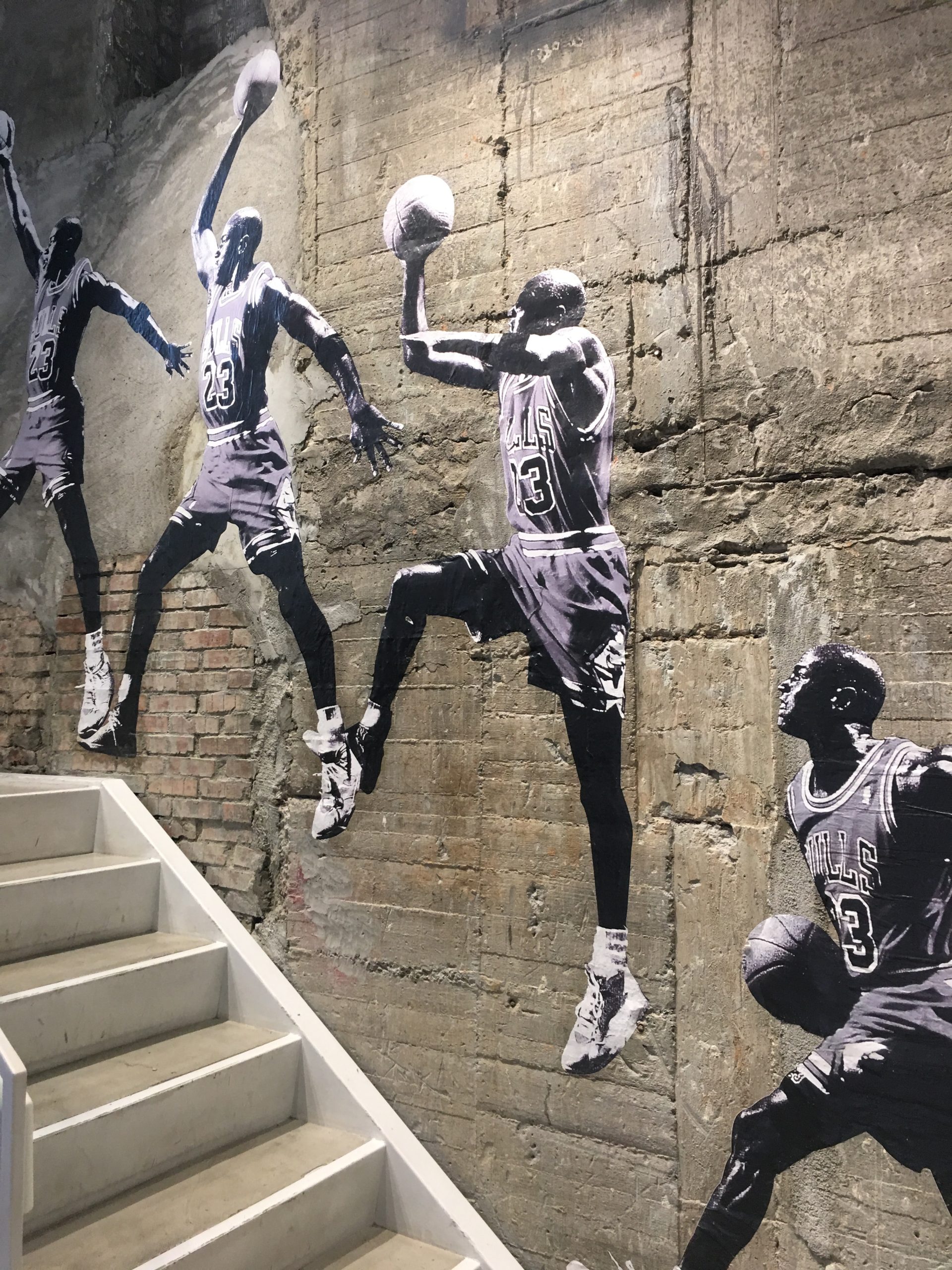
While some social media influencers may have a large following, they typically don’t have the same athletic prowess as professional athletes. Athletes can leverage their athletic achievements to demonstrate their dedication, discipline, and skill, and appeal to sponsors who value those qualities. Michael Jordan, widely regarded as the greatest basketball player of all time, has leveraged his success on the court to become one of the most lucrative athlete endorsers in history. His most successful deal was with Nike in 1984 to launch the Air Jordan sneaker brand. The brand continues to succeed: it generated over $2B in revenue last year alone. 

Athlete Influencer Marketing

Collaborating with the right brands

Athletes can leverage their platform to collaborate with brands that align with their personal brand. This could involve partnering with a clothing or equipment brand, promoting a health and wellness product, or supporting a local business or charity. Finding the right brands with the same values can lead to winning long-term partnerships over traditional influencers. Professional surfer, Brisa Hennessy, recently became a UNICEF Costa Rica Ambassador. This partnership builds Brisa’s brand by showing the world her passion for bringing awareness to children’s rights and her love for her home country, Costa Rica.   

Athlete Influencer Marketing

Create innovative content

Athletes can also build their personal brand by creating original content such as videos, podcasts, or blog posts that showcase their personality and expertise. This content can help athletes grow a loyal following and attract potential sponsors who value their unique perspectives and voice. Amber Torrealba, for example, is a professional skimboarder with her own unique style of content creation. Her action-packed drone and GoPro shots have landed her brand deals companies like Blenders Eyewear. 

Work with a sports marketing team

Athletes can benefit from working with a sports marketing team specializing in building personal brands and securing sponsorship opportunities. While general marketing agencies provide some value for athletes, an agency specializing in sports can provide athletes with meaningful industry connections and help construct sports-centric storylines. These agencies often already share relationships with brands already embedded in sports. By investing in a sports marketing team, athletes can better identify potential sponsors, negotiate contracts, and manage their personal brand to maximize their earning potential and combat the influencer marketing trends.

Sources:

  1. https://sports.yahoo.com/why-did-eddie-bauer-lay-002201023.html?guccounter=1&guce_referrer=aHR0cHM6Ly93d3cuZ29vZ2xlLmNvbS8&guce_referrer_sig=AQAAAA1dbGzKKG0QQRURKQSQ_66xcfJmbGaxRCkeDgyTyeXh5S-xYGDj2b2WvHWES3x5izo_xLol9l0m481MJp_UP2BhSqg6W1jZpfW4xAwxOX6u3btzezTPYjgnRa2lkvZFnnYDj_Kf6IjTxVCDN0L9Gbxl8xUnGm6uhAUxdNGf1MvP
  2. https://www.kreedon.com/easy-steps-to-help-athletes-find-sponsorship/
  3. https://creatitive.com/how-to-secure-a-sports-sponsorship-advice-for-athletes-sports-teams/
  4. https://www.themanual.com/culture/sports-endorsement-history/#:~:text=Multiple%20sources%20cite%20the%20Pittsburgh,them%20to%20identify%20their%20owners
  5. https://www.si.com/fannation/sneakers/news/jordan-brand-launched-25-years-ago-today

Social Media for Athletes: Balancing Performance with Personal Brand

Athlete Social Media Strategy Starts With Performance

Much has changed since the 80s, when John McEnroe never lost sleep over internet trolls, and Michael Jordan never agonized over an unflattering Instagram Reel. It’s 2023 now, and for better or worse, the media landscape has changed dramatically. With social media pressure at an all-time high, athletes must now juggle both their performances on the field and online. Some athletes greet social media’s explosivity with open arms, while others set boundaries to maintain steadiness on the field. Let’s explore different ways athletes tackle social media branding and its impact on their careers. 

Social Media for Athletes

How Naomi Osaka Redefined Athlete Authenticity Online

After experiencing negativity online, athletes like Naomi Osaka now strike a balance between cultivating an inspirational brand identity and keeping social media at a distance. Osaka is an Australian Open and U.S. Open champion who shares a complicated relationship with the press. Osaka describes herself as “naturally introverted,” and admits she does not “court the spotlight.” Given these traits, fame can prove challenging, especially if the spotlight draws negative attention. After pulling out of the 2021 French Open to focus on her mental health, Osaka received backlash from sports fans around the world. Hundreds spammed Osaka’s Twitter and Instagram pages with hateful, abusive comments. In response, Osaka shut them out and temporarily deleted all her social media accounts. Naomi would later write an op-ed piece for Time, admitting to the world that in that moment, she “was not okay.” Naomi’s words highlighted her vulnerability and courage after enduring such a difficult experience. Her candidness transformed her image from a gifted tennis player into a relatable figure willing to speak the unspeakable. Her since-reopened Instagram profile encapsulates this reclaimed image.

Osaka’s new chapter on Instagram is an authentic one. She utilizes the platform to showcase her personality and style, highlighting important projects and brand partnerships that matter. One post features her new children’s book, The Way Champs Play, and another depicts her modeling for Victoria’s Secret’s new body-positive rebrand. And, of course, there are photos of her dominating on the tennis court. Through Instagram, Osaka shows the world she’s multifaceted and the author of her own story. Her brand can’t be boxed in. As a result, Osaka’s 2.7 million followers– spanning across a wide range of demographics– all find various reasons to identify and relate to her experience on a human level.

Social Media for Athletes

Cristiano Ronaldo and Lionel Messi: Turning Global Fame Into Digital Fortune

For world soccer icons Cristiano Ronaldo and Lionel Messi, Instagram is about expanding their fan base and elevating their image. Both opt to capitalize on their social media presences, creating ultra-lucrative brand deals along the way. Cristiano Ronaldo’s 536 million followers makes him the most followed man in the world. At 421 million, Messi is not far behind. Brands recognize that a partnership with these athletes is a worthy investment that maximizes exposure and reach. 

Before the World Cup, Ronaldo possessed the greatest worldwide reach. He used Instagram to monetize this influence, making more money on the platform in 2022 than he did on the field. His sponsorships span far and wide: from the Free Fire mobile game and the LiveScore app to Herbalife, Therabody, Nike, and Binance. Compared to Ronaldo, the World Cup catalyzed Messi’s follower count the most; it made him Ronaldo’s contender both on and off the field. With the game’s worldwide exposure, Messi saw his followers jump by over 25M across the globe. His Instagram is more monetizable than ever with his Adidas-sponsored posts generating 150 million impressions and nearly $7 million in ad value. And while both players’ Instagrams let fans in on personal moments with family and friends, it’s not their main objective on the platform. Depicting brand deals and career achievements like Messi’s most-liked World Cup post are priority #1. 

Social Media for Athletes

How Dani Speegle Turned #GirlsWhoEat Into a Movement of Empowerment

Athletes like Dani Speegle use social media unapologetically, sending followers a message that promotes female empowerment and authenticity. Speegle is one of the top CrossFit athletes in the world and has competed in 4 CrossFit World Games. With over 2M Instagram followers, she’s built a platform to express herself and market her #GirlsWhoEat brand. Speegle’s Instagram experienced a boom last year through a viral moment at the Rogue Invitational. Wearing her signature Girls Who Eat tee, she successfully lifted a 215 pound log overhead and smiled for the camera. Her Instagram following grew overnight from its already impressive status. Since then, she’s gained enough social media momentum to launch her #GirlsWhoEat clothing line.

Despite her broadening fanbase, Dani curates her Instagram with the same attitude she’s held from the start. She tells others: “you can’t please everybody,” and that when creating a brand, “you have to go on and be authentic and be happy with what you produce.” Speegle’s mindset has led to Instagram success, and brands are taking notice. She currently promotes protein brand Dymatize and meal-prep service, Trifecta. One Dymatize post garnered over 100K impressions. Like other athletes in the branding world, when Dani wins, the brands she partners with win, too. 

No matter what route athletes take on Instagram, their performance on the field is paramount. They first set out to dominate in their respective sport, not necessarily to become a social media star. But as social media becomes the new norm, the value of an Instagram following is undeniable. Athletes recognize this changing landscape and find ways to capitalize. They channel their career success into an Instagram brand that boosts sponsorships and name recognition. And if you take a look at their sponsorship deals, one thing’s for sure. . . brands love to see it. 

Sources:

  1. https://www.instagram.com/dellespeegle/?hl=en
  2. https://www.instagram.com/naomiosaka/?hl=en
  3. https://www.instagram.com/leomessi/?hl=en
  4. https://www.instagram.com/cristiano/?hl=en
  5. https://www.forbes.com/sites/carlieporterfield/2022/12/20/61-million-likes-messi-tallies-another-milestone-with-the-most-liked-instagram-post-ever/?sh=677e8593731d
  6. https://www.forbes.com/sites/kurtbadenhausen/2019/08/03/social-medias-most-valuable-athletes-ronaldo-mcgregor-and-lebron-score/?sh=5ea8c4222f98
  7. https://theathletic.com/4063742/2023/01/07/messi-ronaldo-brand-world-cup/
  8. https://www.sportico.com/personalities/athletes/2021/cristiano-ronaldo-social-accounts-75-million-dollars-1234631157/
  9. https://smartseries.sportspromedia.com/thought-leadership/cristiano-ronaldo-instagram-marketing-sponsor-value
  10. https://time.com/6077128/naomi-osaka-essay-tokyo-olympics/
  11. https://www.essentiallysports.com/wta-tennis-news-these-arent-real-people-naomi-osaka-reveals-reason-behind-quitting-social-media/
  12. https://dailyevergreen.com/148420/sports/the-new-essential-worker-in-sports-business-digital-content-creators/
  13. https://www.texasmonthly.com/being-texan/dani-speegle-rogue-invitational-log-lifts/

Social Media’s Influence on UFC Athletes

The UFC is the leading presence in the modern MMA world and has revolutionized the sport by creating a market for fighting and making it popular across the world. As recently as a decade ago, MMA was still seen by those unfamiliar with the sport as an underground activity. The UFC has influenced the combat sport more than any other company as it set the rules and standards for other MMA leagues. As a result of the UFC’s success, MMA is one of the fastest-growing sports worldwide. One of the keys to the sport’s success has to do with the fighter’s ability to use social media as an asset to connect with their fans and share their personality and life outside of the octagon.

Individual Opportunities

Unlike many other major sports, UFC differs for the athlete as it is a completely individual sport. Showcasing their personalities is key for athletes to build a following and popularity, and social media platforms have afforded them the ability to communicate their true and authentic selves to the world. Because the athletes are not surrounded by a team to build their brand up, they are forced to take the initiative to create their own brand – which in turn, provides endless opportunities and creativity when it comes to delivering their message. This also makes the sponsorship and partnership aspect of this industry so unique in the way that athletes must prove their value through their social media accounts. Without the ability to attach themselves to a team account, they are reliant on themselves alone to highlight their achievements and create their own community.

Broadening Audiences

The UFC knows people are consuming sports content across a variety of traditional and social media, so they have actively worked to show up through constantly evolving media platforms, using social media to their advantage to put their athletes on the map with existing and new fans. The league grew its social feed through a partnership with Snapchat back in 2020 with goal of targeting a younger audience. The UFC’s digital footprint has since branched out to news platforms like TikTok, focusing their efforts on promoting the sport and the athletes as they look for new ways to work more closely with the athletes, delivering higher quality content.

Harnessing Attention for Profit

The big names from the UFC that come to mind include the likes of Conor McGregor, Israel Adesanya, and up-and-comer, Sean O’Malley, but not just for their greatness in the ring. These athletes are also well-known for what they’re posting on social media, drawing in an audience that spans beyond the UFC fans. McGregor specifically was very successful in his use of social media, drawing hype for his fights that translated into heavily viewed programming. Now retired, McGregor is still reaping the benefits of the social media presence he created when he was at the pinnacle of his career. With 46 million followers on Instagram, he touts a highly valuable account, garnering the attention of major brands to this day, despite his retired athlete status. McGregor has been able to use that following to his own personal advantage, developing and promoting his own whiskey brand, Proper Whiskey, to his millions of followers on social. 

Talent on the Rise

With the power that social media holds, athletes are finding new ways to grow their platforms now more than ever. “Sugar” Sean O’Malley has gained a lot of popularity recently through his activity on social media. By design, O’Malley is doing a lot outside of fighting for the UFC and it’s why he’s already one of the top stars in the league, despite the fact that he has yet to even crack the top 10 of his division. Just recently before his fight in October against Petr Yan, O’Malley took to Twitter both as a form of instigation for his opponent, but more importantly, a conversation starter for fans of the sport and general audiences alike: “I’ll be surprised if I get hit once.” Almost immediately hundreds of responses flooded in. In a world where, increasingly, engagement is king, O’Malley is thriving. He has 2.4 million followers on Instagram which is more than all but two of the UFC’s current champions. As he continues to rise in the sport, his athletic prowess coupled with his high engagement on social will propel him to convert this social success to profit. 

By utilizing social media to their advantage, fighters are not only able to create diversified income sources outside of the UFC, but also help continue to grow the sport beyond its current following. These platforms allow them to connect with fans and new audiences in a way they haven’t previously been able to, allowing rising stars the ability to surpass their better-known predecessors when it comes to engagement and notoriety, even at the brink of their careers. 

Sources:

  1. https://himaya.medium.com/ufc-heavyweight-content-marketing-ea6f1338ba9
  2. https://frontofficesports.com/ufc-snapchat-partnership/
  3. https://www.usatoday.com/story/sports/ufc/2014/10/13/for-ufc-fighters-social-media-posts-bring-extra-payday/17224607/
  4. https://www.espn.com/mma/story/_/id/34834646/ufc-280-sean-omalley-go-internet-troll-title-shot-win-petr-yan

Become a Sponsor.

Join us in making a difference. Tell us a bit about yourself and we’ll be in touch with sponsorship details.

By submitting this form, you agree to be contacted by the Athelo Group team regarding sponsorship opportunities.