More Than A Green Jacket

By Thomas Calhoun

A tradition unlike any other. Five words that mean nothing to some, but more than anything to others. Famously coined by the great Jim Nantz, this catchphrase carries its weight in gold. The Masters tournament at Augusta National Golf Club is the first of the four major tournaments in the golf season, but what makes it different from any other event? The Masters is one of the most prestigious sporting events in the world and one of the most coveted brands in golf. It is more than just a historic tournament on a difficult course, it’s an experience altogether. 

Why Is the Masters Golf Tournament So Important?

As you walk into the main gates of the tournament, you will notice the strict no cell phones policy. This is one of the most unique things about The Masters compared to every other tournament in the world. It allows the patrons to connect with the course, and each other without any outside distractions. I had the privilege of attending the tournament last week, and something that stood out was how quiet it was in the mornings. There was no one running, no one yelling or talking on their phone, just people taking in the beauty of the course. It makes you soak up every possible moment and you realize how different it is from watching on TV the year before. The grounds are much hillier, the grass is much greener, and even the azaleas are pinker. 

How the Masters Shapes Golf’s Global Identity

To make it even more special, only a select few thousand people can attend The Masters every year. Ticketing is extremely different from other events as well because they are only available to members of the club, businesses that have had them for decades, and a lottery system for the general public. Anyone is able to enter the lottery system to gain access to The Masters but only around one out of every two hundred entries get selected. Some people wait their whole lives for a ticket and never even get the chance to attend, no matter if they have the money for it or not. This seems a bit unfair, but then again it is just another reason why going at all is so special. 

The Business Behind Augusta: Sponsorships, Branding & Legacy

Another aspect of the tournament that makes it different from all other sporting events is the merchandise. The merchandise sales at The Masters this year surpassed $69 million, this includes all shirts, hats, flags, sweaters, and all other items specially made for the week. The shirts and hats are the two top-selling items year after year with Peter Millar being the only outside brand that is sold in the shop, the rest is branded Masters Tech. Essentially The Masters makes all of their own merchandise and only sells it one week out of the entire year. 

They also have to protect the brand by sweeping the web for patrons that try and resell items online. It is rumored that the cyber security team even goes as far as to remove listings from the internet and ban patrons for life if they are caught reselling the merchandise. Just another way that Augusta National protects the brand and continues to make it an exclusive club, for paying patrons only. 

Concessions play a huge role in any sporting event, usually coming with an unruly price tag, but not in Augusta. With sandwiches ranging from $1.50 for the world-famous pimento cheese sandwich to a whopping $3.50 for a chicken salad sandwich. The idea here is for patrons to be able to get an enjoyable experience while inside the gates and not have to worry about spending a fortune on food or drinks. Beer is the same way, with domestics, imports, and even the Masters specialty beer only costing $5, an incredible price to pay for such a prestigious event. Like everything else at the tournament, it is strictly Masters branded. There are no sponsorships from food or beverage companies, not even for beer or chips. 

The biggest takeaway from the week was the lack of any total sponsorship or signage at the tournament. Even when watching on TV, there are only a handful of official Masters sponsors and most of them have lifetime deals. AT&T, Mercedes-Benz, Rolex, UPS, Delta, and IBM are the only official sponsors of The Masters and they have been for years. The tournament could make millions of dollars if they took on more companies as sponsors but in Augusta, it’s not all about the money. The tournament also does not take in domestic TV revenue, they simply retain complete control over the broadcast on ESPN and CBS in exchange for no compensation. It is a relationship that goes back decades and benefits both parties exceptionally well. 

According to Sports Pro Media, around 9.5 million people watched The Masters last year compared to just 5 million for the PGA Championship, which happens to be the next major tournament on the schedule. This shows how much more popular The Masters is than any other golf event, even as a tournament that has sold the least amount of tickets over the years. Masters Sunday is just one of those sporting events that you have to tune into whether you are a golf fan or not. It’s a day that brings people all around the world together not just to watch a tournament, but to witness a piece of history. A day that consistently brings both chaos and tranquility and grows the game year after year. With Scottie Scheffler winning the green jacket this year, it just goes to show that we have a lot of great tournaments left ahead of us. This special week in north Georgia blows the golf season wide open and brings the spark back to the game of golf. 

What the Green Jacket Symbolizes Today

It’s not all about the money at The Masters, it’s about history and tradition. A wise man once said, “sometimes it is more important to value community over currency”, and I think those words apply perfectly here. Sure The Masters brings in over $142 million in revenue a year but that is a minuscule number compared to what they could be making. A small price to pay to be the most respected brand in sports. They make enough to keep the course in perfect condition, pay all of their bills and still have plenty leftover. It’s important not to let greed get in the way of something perfect, to begin with. The Masters brand holds its weight in gold and won’t ever change, and that’s something to really admire. 

Sources
  1. https://frontofficesports.com/the-numbers-behind-the-masters/
  2. https://www.sportspromedia.com/news/the-masters-2021-cbs-espn-tv-ratings-final-round-hideki-matsuyama/

The State of Disc Golf

There has been an explosion in disc golf‘s popularity over the last two years, and the sport’s rapid growth has been notable across the globe. New players, leagues, and courses have popped up rapidly, and there has been explosive growth in nearly every sector of participation: casual, competitive, junior, age-sanctioned, and women.

The sport’s popularity has grown so much that the number of disc-golf courses is increasing at a rate of more than five a day, according to UDisc. That’s up from 3.5 per day in 2020 — a 50% increase.

Why Disc Golf is on the Rise

UDisc reported that more than 1.1 million people used the scoring app in 2021, logging more than 17 million rounds of disc golf, a nearly 50% increase over 2020. More than 15x as many rounds were recorded in UDisc last year compared to five years ago!

The Professional Disc Golf Association released its 2021 Demographics Report, breaking down the organization and sport’s growth over another booming year for disc golf.

The report finds that there was a 67% increase in new member growth in 2021. While the percentage growth wasn’t as high as in 2020 (84%), the PDGA continued to attract a huge influx of new members. There was strong growth from junior players and a 92% renewal rate contributed to a more than 50% increase in total active membership. It’s important to note that it’s the first time there have been more than 100,000 PDGA members in a season!

Membership has grown by 105% since 2019! The exponential increase in members means that the membership has more than doubled in the last two years alone. Events are up 48% since 2019; the number of courses is up by just 25%. The disparity in growth rates has meant that popular courses are more crowded than ever.

While there remains a big disparity between the number of male and female PDGA members, there has been strong growth in female membership over the past two years. For the first time, female membership growth (67%) outpaced male membership growth (54%).

Disc golf is accessible for everyone. Disc golf is a game with an extremely low barrier for entry, inexpensive and accessible for people of any age and skill level. One of the mean beauties of this sport is that a lot of our public parks have baskets that you can play for free. Beginning players have access to free courses.

The Top Players in Disc Golf

Maybe disc golf isn’t for you but you’re interested in watching it at the professional level, here are some notable players to keep an eye on:

Paige Pierce

Paige Pierce has won 5 World Championships and 15 total Major Championships. Pierce has been consistently ranked among the top professional women since 2011. In 2018, she broke the record for the highest PDGA player rating a woman had ever achieved at 978. She was awarded with the PDGA Female of the Year in 2015, 2017, 2018, and 2019.

In addition to holding several PDGA National Tour wins, she is the all-time leading women’s winner on the Disc Golf Pro Tour.

Catrina Allen

Catrina Allen is a U.S. Champion and 2x World Champion, and has been ranked among the top four women in the world between the years of 2012 to 2019. Allen entered the professional tour in 2011, where she won 15 events and the PDGA Female Rookie of the Year Award. In 2012, Allen became the second woman to win the PDGA Female Player of the Year Award the year after winning Rookie of the Year.

Allen has won five unique Majors, including the World Championships, and has won the Worlds Mixed Doubles Championships all three times she has competed (2011, 2012, 2013).

Hailey Kinge

Hailey Kinge is the youngest competitor to win the PDGA National Tour Series title at the age of 19 after she won the series finale at the 2021 Music City Open. For 2022, she plans to attend the Disc Golf Pro Tour Elite Series and all PDGA Major events. She has high hopes for the future, “I want to be the best woman to ever play this game and I think that’s possible with the help of Innova.”

Ricky Wysocki

Ricky Wysocki is a 2x PDGA-World Champion and is widely regarded as one of the best players in the world, holding the highest PDGA rating currently. Recently, Wysocki signed a four-year, $4 million endorsement deal with Dynamic Discs as the largest amount in disc golf history.

Wysocki won the PDGA Rookie of the Year Award in 2011 and the Male Player of the Year Award in 2012. Wysocki has won the PDGA-World Championship two times. In 2016, he won the PDGA National Tour Series, the Disc Golf World Tour Points series, and the Disc Golf Pro Tour points series.

Paul McBeth

Paul McBeth has won the PDGA World Championships four times in a row and again in 2019, making him a 5x Champion. McBeth has not finished outside the top 2 at a World Championship for the past 9 years. He was the top-rated player of the PDGA in 2015, 2017, 2018, and again in 2019.

Although he played his first professional event in 2006, McBeth’s professional career began in 2008, when he played in 29 professional events and earned the PDGA Male Rookie of the Year Award. Along with his five World titles, McBeth has received the PDGA Male Player of the Year three times.

Chris Dickerson

Anyone who’s followed the professional disc golf scene over the past several years is familiar with the name Chris Dickerson. As someone with a United States Disc Golf Championship victory under his belt, an insane career tournament win rate, and a seemingly permanent position near the top of the Disc Golf World Rankings, Dickerson is one of the biggest talents in disc golf.

What’s Next for Disc Golf as a Sport

Disc golf is undoubtedly becoming more popular across the globe. It’s a cheap, accessible, and easy sport for anyone to learn and love! Like traditional golf, disc golf can be played at any age and at any skill level, which also contributes to its rise in popularity. The PDGA is still working to grow the sport around the world through establishing course construction guidelines, starting club teams at colleges and teaching kids how to play through public schools.

It takes one disc and a trip to your neighborhood course to set your disc golf addiction in motion.

5 of the Best NIL Deals throughout March Madness

By: Andrew Stallings

Ah yes, the first week of April is upon us and sports fans are frothing for the NFL Draft, MLB baseball, and the playoff push for the NHL and NBA. Well hold the damn phone though, March Madness is not over yet! With one of the most popular sports weekends of the year upon us, let’s take a step back from the competition on the hardwood and focus on some of the more recognizable NIL partnerships that have unfolded throughout the last month or so, and what makes them so special.

Continental Tires plays the long game.

On March 26th, Continental Tires introduced a new series that takes some of the NCAA’s top stars for a drive around their hometowns for an intimate look at their roots.

It certainly doesn’t hurt that two of the three athletes featured in the first three episodes will be playing in the Final Four this weekend (Duke’s Trevor Keels and Villanova’s Collin Gillespie), but giving fans a destination narrative to follow in the long and boring weekdays where we have no basketball to watch is strategic while also finding the right place to tell a story that works well into their brand messaging.

Wings are punny.

Buffalo Wild Wings made a splash by signing Saint Peter’s Hero, Doug Edert, to a NIL deal at the peak of the shock of all basketball fans. However, competitor Wingstop kept it simple while also lifting up the women’s side of the game by partnering with 11 different NCAA Women’s Basketball Stars who play the “wing” position.

We love a good pun, we love supporting the women athletes, but they also are running free delivery and some great bundle promotions during this window as well.

Well done, Wingstop. Well. Done.

Adidas creates a world of their own.

Ahead of the 50th anniversary of Title IX, Adidas put the focus on inclusivity and equality with student-athletes at schools where they have existing relationships to empower opportunities for paid partnerships at different scales. This large undertaking will be launching in four phases over the next 12 months. The network will begin with Historically Black Colleges and Universities (HBCUs) and Power-5 conference schools in Fall 2022, with hopes to hit all of their school programs by April 2023.

Every single person dreams of an apparel deal. For Adidas to step up and build this out while also recognizing there is a lot of room to infiltrate shows promise for the universities, the athletes, and the brand for years to come. As always, let’s revisit this in 12 to 18 months to see the impact to date.

Influencers are cool, but Chin-fluencers are all the rage.

When Dollar Shave Club made the announcement that they were going to be the official razor of March Madness they had to make sure they found the best facial hair to compliment the product as such.

Insert Gonzaga star, Drew Timme.

I just wish that if Gonzaga went all the way, instead of screaming “I am going to Disney World!”, the Gonzaga star would shave it all off at center court.

Hey Dollar Shave Club, we are here for all your creative marketing needs. Just saying for next year.

Does Deja Kelly really like blooming onions?

I have no clue, but maybe I can check out the menu at my local Outback Restaurant and find the answer. 

Outback rolled out one of the more unique NIL programs to date which lets their customers choose NCAA Tournament star ambassadors (men and women from different universities across the country) to guide the restaurant goers on what to get by highlighting their favorite menu items.

As an extension of their already stout footprint in the NIL space with their TeamMATES program, the brand took a multi-layered approach, which also will include a consumer-driven sweepstakes that began on February 7th.

I will leave you with this: those that are able to execute multi-channel campaigns flawlessly while being forward-thinking on the evolution are rare breeds.

It takes a lot of work to execute programs at this scale with the amount of red tape, approvals, and negotiations that go into this.

We’re curious about your favorite NIL partnership to date. Drop us an email at [email protected] and we will pick some of our favorites to feature and send some swag to!

Sources

  1. https://www.nrn.com/fast-casual/wingstop-announces-11-nil-partnerships-giving-women-spotlight-and-bringing-free-delivery
  2. https://www.globenewswire.com/news-release/2022/03/27/2410567/0/en/adidas-Announces-an-Equitable-and-Inclusive-Name-Image-Likeness-Network-Open-to-50-000-Student-Athletes.html
  3. https://www.prnewswire.com/news-releases/dollar-shave-club-becomes-official-razor-of-march-madness-and-creates-the-worlds-first-chin-fluencer-301498743.html
  4. https://www.on3.com/news/outback-announces-nil-deal-with-multiple-college-basketball-stars-trevor-keels-lexi-gordon-marcus-bagley-jade-loville-caleb-love-deja-kelly-hunter-dickinson-naz-hillmon/

March Madness: The Road to Equity

By Jakob Fox

Many sports fans will argue that March is the best month of the year, and for good reason – we get March Madness! This year is the first time that the phrase March Madness will include both the men’s and women’s tournaments. While March Madness has been used when talking about the Men’s NCAA tournament since Brent Musberger began using the term in the early 1980s, this is the first year that the Women’s NCAA tournament will see the same branding. The NCAA announced this move as part of the changes that came from last summer’s 114-page gender equity in basketball championships report. The report was produced following the attention that was received during last year’s tournament. Last year, Oregon Ducks forward Sedona Prince helped to shine a spotlight on the inequities that were taking place between the men’s and women’s tournaments with her TikTok videos. Now the NCAA, along with sponsors and other companies, are trying to solve the gender equity issues.

Brackets, Breakout Stars & What Equity Looks Like in March

So far through the first weekend of both tournaments, there seems to be progress with bridging the gap, but it is not enough for it to have long-lasting changes yet. While it is understandable that change will take more than one year, the NCAA is seeming to play catch-up for the women and just give them enough to match what the men get. Besides the two obvious changes with the branding of March Madness and the women’s tournament fielding 68 teams for the first time, the NCAA is only highlighting changes that seem like no-brainers. The NCAA made sure to include in a presentation from earlier this month that both men and women will receive gift boxes that include a notebook, a sleeveless hoodie, and a hat. They also mentioned that the women will now have a yogurt bar and pasta station to match the men’s, as well as have a ping-pong table, three big-screen TVs, and the same amount of pillows in the Final Four lounges – yes, the NCAA specified that there will be 28 pillows in the lounges. It is great to see the attempts and push for change, however, when watching the games from both tournaments it’s apparent how much more work needs to be done.

The Pay-Gap, Visibility & Why Women’s and Men’s Tournaments Matter

To start with, the men’s tournament is played in neutral host venues across the country with national branding of March Madness throughout. When you turn on a men’s tournament game, it is clear that this is a big game. The courts are all decked out with March Madness and NCAA logos and for every round, they changed parts of the court to showcase what round it was. For a casual fan, it was obvious they were watching the tournament. On the women’s side, that has not been the case. The first weekend of the women’s tournament has historically been held at the home arenas for the 1 through 4 seeds and continues this year. It is understandable to have this be the case given that the revenue is not the same but when you turn on a women’s tournament game there is not a lot to let you know you are watching the tournament. The courts and most of the signage around the court still display the host school, which in some cases is not even playing. There were digitally added March Madness logos for the TV broadcasts on the court, but they were relatively small and not seen during every camera angle. It may be costly to change out the courts for the first two rounds, but if the NCAA is trying to run two equitable tournaments then this is one visual change that would make the tournament feel bigger for the women. It may seem like an unnecessary detail but if you are doing it for the men, why not for the women? 

Visually the courts are one of the bigger things a casual fan may notice, but there is more to it. The TV media rights are a major difference between the two tournaments. For starters, the men play on CBS and Turner’s family of channels which the NCAA also streams on their website and app. The women’s games are on ESPN’s family of networks and are not streamable from the NCAA’s website. For some people, their TV plan does not include ESPNU or ESPN News, so they have been unable to watch some of the women’s games. This lack of accessibility is something that pushes fans away from following and watching the tournament.  

Beyond the actual channels, the men’s tournament brings in huge financial dollars from their media rights deal, while the women are not even given the opportunity to get a media rights deal. The men’s most recent media rights extension with CBS and Turner was $8.8 billion for eight additional years. The women’s tournament on the other hand is packaged into ESPN’s larger deal that includes 29 NCAA championships with an annual payment of $34 million. Nobody is expecting the women’s tournament to reach the media rights numbers that the men have, but currently, they are not even allowed to pursue their own deal. The gender equity report estimated that the women’s tournament could get a deal between $81 and $112 million annually, so the lack of opportunity here is holding back the women’s tournament and leaving millions of dollars on the table.

How Brands, Rights-Holders & Schools Can Close the Gap

Although the NCAA is not maximizing their financial interest in the women’s tournament, that is not stopping brands and sponsors from attempting to right the wrongs. Last year, the NCAA denied offers from businesses and pro athletes to provide gift cards for food and other amenities to the women because they were for competitors of their corporate sponsors. Again, the NCAA seemed to be holding back others who wanted to help address the equity issues, and in a way, they are still holding sponsors back this year. While CBS and Turner do not broadcast the women’s tournament, they own the rights to the NCAA corporate sponsorship program until 2032. There is an incentive here for them to push the sponsorship for the men’s tournament. When partners buy into a deal, they are required to purchase rights to the men’s tournament. There is not an option for a standalone deal for the women’s tournament, so sponsors interested in supporting the women’s tournament also have to get in on the men’s tournament. Companies simply cannot only sponsor the women’s tournament but they can only sponsor the men’s. This is something the NCAA could change by buying CBS out of that portion of their contract. Despite all of the barriers that are blocking potential sponsors from getting involved in the women’s tournament, there will be eleven sponsors that will activate at the Women’s Final Four which is up from the seven from last year. Additionally, Disney advertising announced that they sold out of their commercial inventory for the women’s tournament. Further showcasing that brands want to be involved and see the value in the women’s tournament.

Inclusion, Expansion & Fan Impact for March Madness

So far, both tournaments have provided fantastic moments on the court. Although this is no surprise to those that watch both tournaments, a lot of skeptics have tried to make the argument that the women’s tournament is not as exciting and has fewer upsets. These two arguments are invalid, as we have seen with big-time programs being upset already and games going into multiple overtimes. The women’s tournament as a whole has seen a boost in interest. The selection show itself had 1.1 million viewers (a 160% increase from 2021) and was placed on Sunday night rather than Monday like in years past. To this point, the changes have been small and are certainly not enough, but it is a positive sign to see so many trying to help address the gender equity issues between the two NCAA tournaments. While there are still a lot of changes that need to be made, it does appear like change is coming, even if it is slow. 

Sources

  1. https://www.sportscasting.com/where-did-the-term-march-madness-come-from/
  2. https://theathletic.com/news/march-madness-to-be-used-for-womens-basketball-championships-starting-in-2022/gQsuMBtOo7zQ/
  3. https://www.si.com/college/2022/03/18/ncaa-womens-tournament-equity-2022-daily-cover 
  4. https://frontofficesports.com/battle-equity-ncaa-basketball/
  5. https://www.wsj.com/articles/march-madness-womens-college-basketball-ncaa-tournament-11616155596
  6. https://www.sportico.com/leagues/college-sports/2021/march-madness-womens-tournament-more-tv-money-1234626484/
  7. https://chicago.suntimes.com/2021/9/29/22700525/ncaa-womens-basketball-tournament-march-madness-gender-equity
  8. https://www.washingtonpost.com/sports/2022/03/11/ncaa-womens-tournament-changes/
  9. https://espnpressroom.com/us/press-releases/2022/02/disney-advertising-scores-big-with-sold-out-ncaa-di-womens-basketball-tournament-on-espn-networks/
  10. https://www.tiktok.com/@sedonerrr/video/6941180880127888646 

Major League Baseball Finally Turns the Page

By Thomas Calhoun 

Lockouts in sports tend to be messy, but this year’s lockout almost broke the record books. The 2022 Major League Baseball lockout occurred because the MLB Collective Bargaining Agreement from 2017 expired this year and a resolution had to be met in order for the season to take place. The Collective Bargaining Agreement, often referred to as the (CBA), is an agreement between The Major League Baseball Players Association and Major League Baseball describing the rules of employment and financial structure of the game. When both sides were not able to come to an agreement, the players were locked out of the league and essentially unemployed. 

In this case, the owners wanted to extend the playoff season because it would provide the teams with more money while the players would see little to no increase in pay. This would mean more games played for the players and still not being able to reap the benefits of postseason revenue. The players union wanted a bit more, but all requests seem justifiable. For starters, there has been a shrinking percentage of revenue going to the players because the MLB had been using so-called “creative accounting methods” to show why the players’ salary is fair. Players also wanted to have more stake in their own free agency decisions and provisions to protect prospects and their salaries in the minors so that they can be brought up at a reasonable time. The union also wants to see tanking addressed, teams are often forced to tank their season in order to gain draft picks and therefore benefit from the league’s revenue sharing. All the players want from this is to see that teams are incentivized to win again and pay players their fair share. Finally, the playoff expansion issue. The players’ main concern is that teams won’t try as hard during the season because as long as they reach the playoffs, they can make all of the money back from TV revenue. 

Now that the lockout is over, what does this mean for the players and the brands that are involved? For starters, let’s take a look at how the players were affected. The players got a lot of what they wanted, beginning with increased pay for younger players, which will help the league continue to develop talent. They also received a universal designated hitter, which previously was reserved for only players in the American League. The playoff terms met at the middle ground with a twelve-team tournament versus the proposed fourteen. The players also received financial based incentives from the league such as centralized bonuses for pre-arbitration players that would be based on performance; a measure that will decrease anti-competitive behavior. When all is said and done, the players got what they deserved and ownership will still be able to make the millions that they have been making for decades. 

So we see how the lockout affected the players, but what did the brands and sponsors get out of this? Big news came out this week about MLB uniforms being able to wear advertisements on their jerseys. We have seen the National Hockey League (NHL) and National Basketball Association (NBA) do this over the past couple of years and it has been a huge revenue generator for all organizations. According to an article from Chicago Business, branding on NBA jerseys will return a whopping $225 million to its teams this year. This gives brands a tremendous opportunity to promote themselves on top of a previously existing brand. However, we come back to the same conversation of certain teams being able to take advantage more than others. For example, the New York Yankees are going to have larger sponsorship deals than the Baltimore Orioles, which in return will give them the ability to sign better players. This is similar to the NIL discussion in college athletics in a way because the larger organizations will inevitably attract more revenue. It also brings the topic of fans remaining loyal to a company rather than the team they have always followed. There are many different crossroads like this when you bring outside money directly onto the team’s uniforms. Many people are opposed to it because they think it will affect the integrity of the game, but I say it is just the game evolving. If you don’t keep up, you are going to be left in the dust. This should be something that excites fans because the more money you can pump into a team, the better the franchise will become. 

Over the last few years, we have seen baseball fade out as “America’s game” and lose popularity to sports like basketball or football, and the lockout certainly did not help. According to a poll from the Los Angeles Times, 6 out of 10 Americans said they did not describe themselves as baseball fans, and out of those that described themselves as fans, 6 out of the 10 said the lockout made them start to lose interest. Attendance has been falling year after year despite the lockout, with 2019’s average attendance sitting at just over 28,000, the lowest number since 2002. Fans have the largest influence in sports, if they aren’t at the game or watching on TV, then no one is making money. The lockout lasted 99 days and it is a bit embarrassing when you consider that a 44-year-old Tom Brady’s retirement was over quicker than the MLB could give its employees a fair shot. However, I think there are a few things that can be done to restore the love in America’s greatest game. For starters, the implementation of sports betting all over the country is growing sports, even for people who aren’t really fans. Companies like DraftKings are building sportsbooks into stadiums like Wrigley Field in Chicago and Bet MGM at Nationals Park in DC. This will drive traffic to the ballparks and help make baseball more fun to all generations, above 21 years old of course. I do think that expanding the postseason is good for baseball, it may be tougher on the players but it will keep fans more engaged. 

At the end of the day, Major League Baseball was walking on very thin ice with this lockout and had Opening Day been canceled, the ice may have broken. However, Players received a lot of what they deserved and the fans can rest easy for five years until the new CBA deal is up.

Sources

  1. https://www.chicagobusiness.com/sports/new-mlb-deal-brings-sponsor-patches-player-uniforms-first-time
  2. https://www.nytimes.com/2022/03/10/sports/baseball/mlb-lockout-ends.html#:~:text=It%20took%2099%20days%20of,day%20scheduled%20for%20April%207.
  3. https://www.latimes.com/sports/story/2022-03-08/mlb-lockout-most-fans-losing-interest-in-baseball-los-angeles-times-surveymonkey-poll#:~:text=Impact%20of%20MLB%20lockout,fewer%20games%20as%20a%20result.&text=Poll%20taken%20March%203%2D7,said%20they%20were%20baseball%20fans.
  4. https://www.baseball-reference.com/bullpen/Collective_bargaining_agreement#:~:text=The%20Collective%20Bargaining%20Agreement%20
  5. https://www.cbssports.com/mlb/news/mlb-lockout-timeline-of-cba-negotiations-between-mlbpa-and-owners-as-lockout-ends-after-three-months/

Athlete & Brand Partnerships for Change

By Morgan Alessi

Over the past two years, charitable giving as an entirety increased while global factors related to the COVID-19 pandemic changed society. As social distancing and political opinions separated us, this last year or two the odd connotation of money bringing societies together often times rang true. Corporations around the world began to increase and publicize their CSR and charitable giving in parallel.  

The Shift Toward Impactful Partnerships

Even prior to the pandemic, as consumers, deciphering between genuine corporate charitable values and ones linked solely to marketing strategy was a difficult task. Now more than ever, organizations are exploiting the public relations benefits of giving back. The issue, with so many exaggerated corporate responsibility initiatives and corporate charitable gifting programs, companies that are truthfully dedicated to a cause are getting lost in the crowd. 

Profit percentage donation is the first and most obvious sign that a company is putting its money where its mouth is. Cold hard numbers can be the clearest and most true sign of a warm-hearted organization. Similarly, if the company is activating its charitable values by including ambassadors in its philanthropic efforts, you can oftentimes assume that giving is a priority to the organization. 

Included in almost every athlete partnership the Athelo Group has incubated is a philanthropic activation. When an athlete and brand hold the same values, why not join forces to give back, do good, and connect over shared ideals? More times than not, a company with strong community values and a shared charitable connection with an athlete will become excited about the philanthropic proposal. Including a charitable event, custom line with proceeds going to a shared cause, or whatever it may be to give back is something that truly takes sponsorship to the next level and connects a brand, its sponsored athlete, and consumers. 

Companies including but not limited to Snow Monkey, Mannkind, and Chobani have all proven their genuine charitable efforts by creating amazing philanthropic collaboration opportunities.

Impactful Brand Partnership Examples

Snow Monkey & Brisa Hennessy

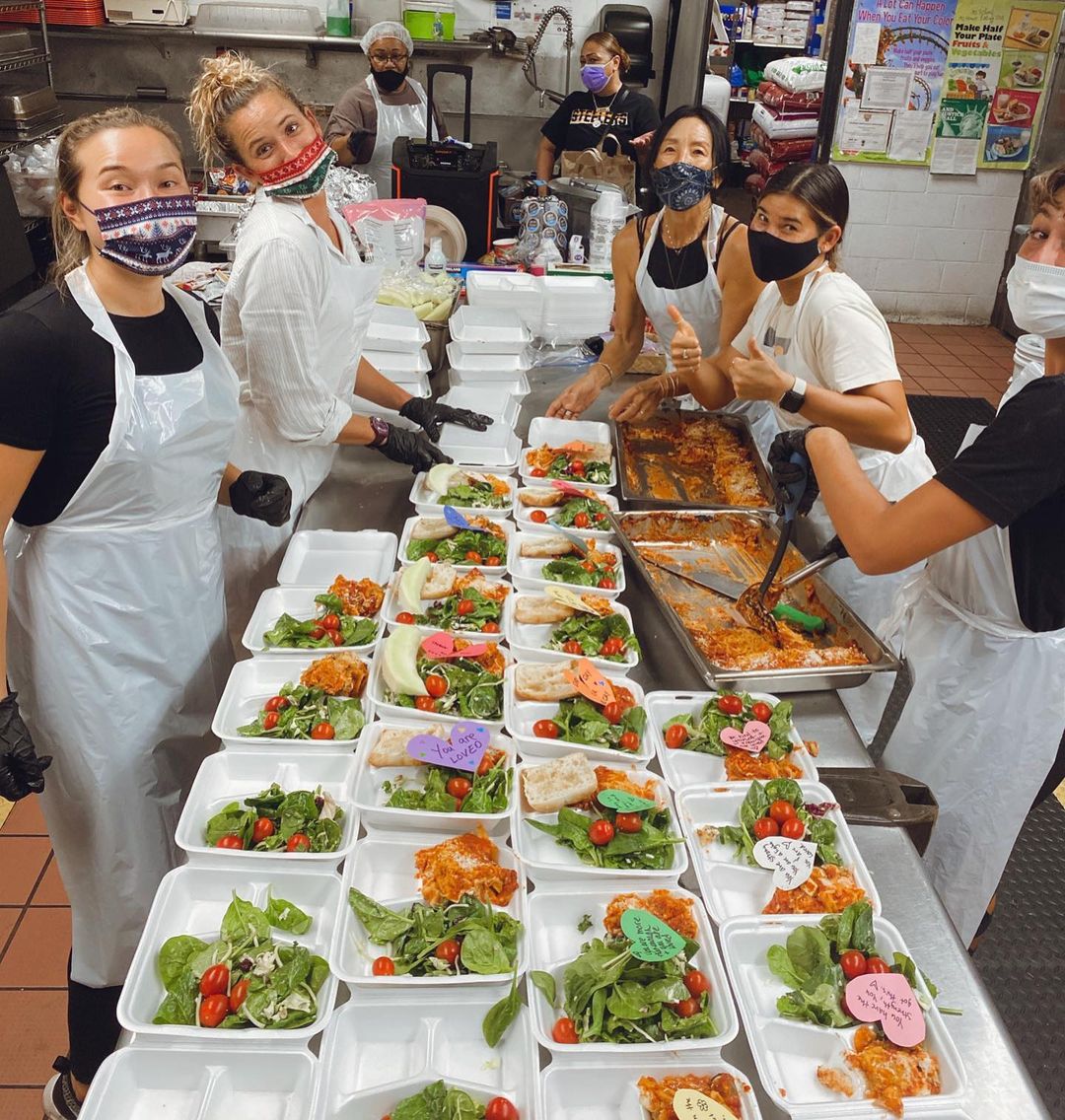
In 2021, the vegan ice cream brand, Snow Monkey and its founder Rachel Geicke were joined by World Surf League surfer Brisa Hennessy to create over 300 meals for the Institute of Human Recourses Hawaii. With Snow Monkey and Hennessy sharing values within their community as well as their love for plant-based foods, this charitable collaboration was one of authenticity which became the foundation of their inspirational multi-year partnership.

Mannkind & Conor Daly

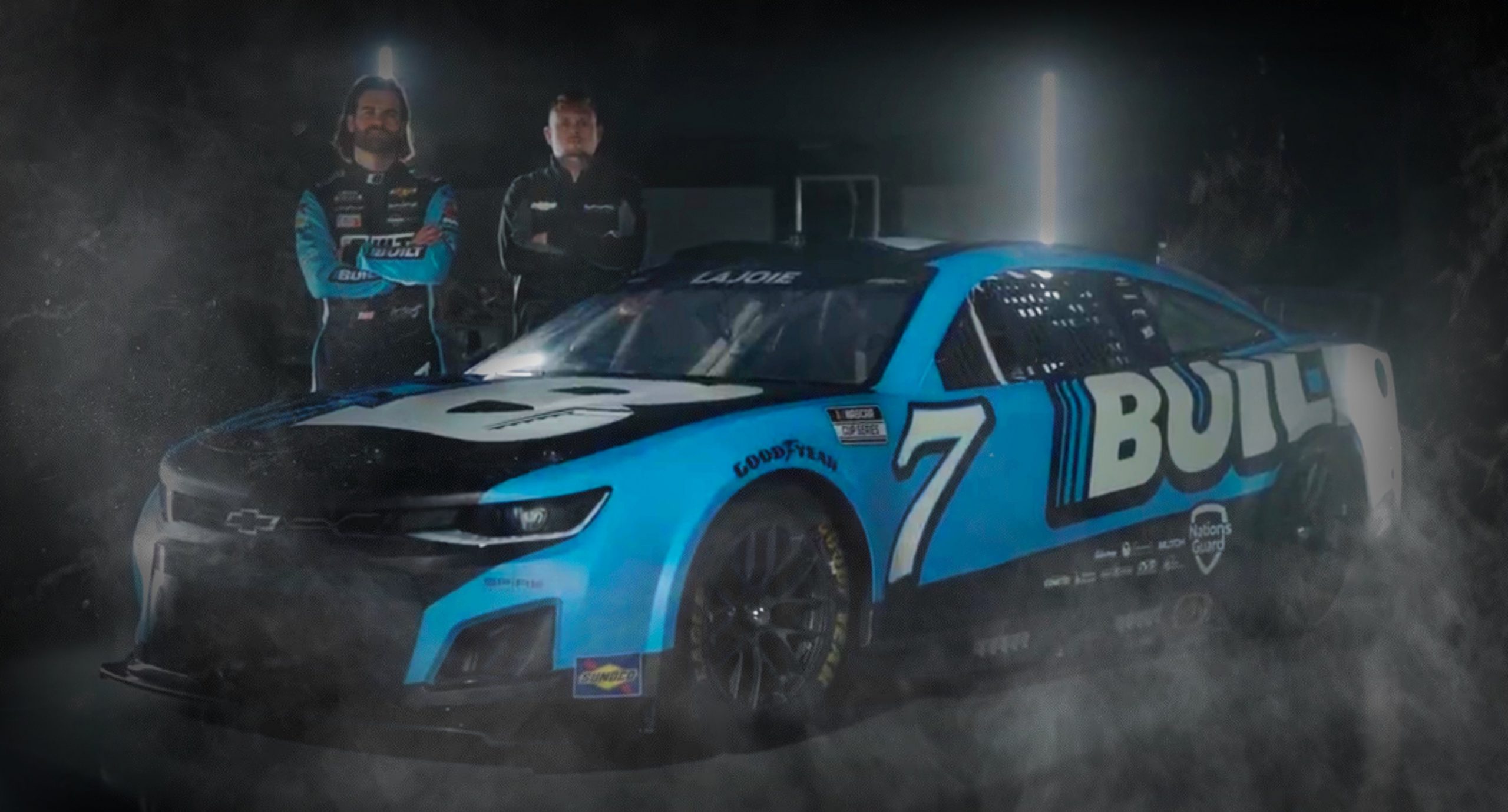
Biopharmaceutical company, Mannkind worked with Children With Diabetes and NTT IndyCar driver Conor Daly to inspire twenty young teens by having Conor share his Type 1 Diabetes journey with children experiencing the same condition. Through telling his story and teaching these children how to live their lives to the fullest, starting with go-kart races, Conor and Mannkind create a true community impact event. Although publicized, the national television attention was used to inspire children outside of the twenty kids that attended the event. 

Chobani

Chobani recently released their co-branded limited edition packaging called the Hero Batch with Operation Homefront. With this collaboration, Chobani and Operation Homefront have raised over 2 million dollars which will be donated to support and serve America’s military families. 

The Future of Cause-Based Collaboration in Sports Marketing

With these three brands used as prime examples, the importance of actually implementing corporate charitable giving is clear and concise. Working with ambassadors, athletes, or collaborative organizations is the most authentic way to initiate public or private community contributions while engaging your consumers, employees, and audience demographic.

Sources

  1. https://www.chobani.com/herobatch/
  2. https://www.nytimes.com/2022/02/19/opinion/pandemic-charity-remittance.html
  3. https://www.prnewswire.com/news-releases/indycar-driver-conor-daly-to-share-his-personal-diabetes-story-and-race-go-karts-with-local-youth-on-tuesday-may-25th-301295902.html
  4. https://www.inc.com/molly-reynolds/4-ways-that-supporting-charity-is-good-for-business.html

Women in Motorsports: Breaking Barriers in Racing’s Future

While motorsports may seem like a man’s world, that is not exactly the case. To help celebrate International Women’s Day we are taking a look at some of the notable women involved in motorsports over the years and who to watch out for in the upcoming years.

How Women Broke Into Motorsports

Motorsports has been a predominantly male hobby since day one. Many would say all forms of motorsport are still too male-dominated, but women have continued to prove that they can compete with men.

Sara Christian became the first female NASCAR driver when she raced in NASCAR’s first race in 1949. She was joined by Ethel Mobley and Louise Smith in the 1949 Daytona Beach Road Course, which made it the first race to include three women.

Later, in 1977, Janet Guthrie made history twice by becoming the first woman to drive in the Daytona 500 and Indy 500. Guthrie raced in 33 NASCAR races and 11 IndyCar races, which included three Indy 500s. She’s been inducted into the International Women’s Sports, International Motorsports, and Automotive Hall of Fames.

Since Guthrie, there have been nine other women to race in the Indy 500 including Danica Patrick, who has had success competing in both the IndyCar and NASCAR Series. She’s the only female to win an IndyCar race and the only woman to win the Pole for the Daytona 500.

Here are a few female drivers who’ve followed their dream, ignoring the status quo, and are changing the racing game for the better.

The NASCAR Cup Series is the highest level of stock car racing in the world. Reaching the Cup Series is the ultimate goal for every NASCAR driver. The sport is open to everyone, regardless of gender. However, there hasn’t been a female driver in the Cup Series since 2017.

One of the biggest struggles for women in motorsports has been a lack of sponsorship, which has held many women back. Last month Busch Light announced their Accelerate Her Program which plans to give more resources to female drivers in NASCAR. They have committed $10 million towards elevating female drivers through the NASCAR ranks. Their plan includes getting female drivers more track time, media exposure, and training.

Today’s Trailblazers: Meet the Women Racing to the Top

Below are some of the up-and-coming drivers that could move up to the Cup Series. A few compete in the lower levels, but they’re looking for their big break.

Brittney Zamora

Brittney Zamora, 22, competes part-time in the ARCA Menards Series, driving the No. 30 Ford for Rette Jones Racing.

She recently completed her sixth season in Super Late Models in the Northwest Super Late Models Series as well as her second season in the NASCAR ARCA West Series.

Zamora has achieved race wins, won track championships, broken many track records, received multiple Rookie of the Year awards, and received the NASCAR Wendall Scott Trailblazer Award.

Natalie Decker

Natalie Decker, 24, is a young and upcoming racer who competes part-time in the NASCAR Xfinity Series, driving the No. 33 Toyota Supra for Reaume Brothers Racing.

Decker has competed at the NASCAR Camping World Truck Series, ARCA Menards Series and in 2015 participated at the Drive for Diversity.

Toni Breidinger

Toni Breidinger, 22, became the first NASCAR driver of Arab-American heritage in NASCAR. She currently competes full-time for Venturini Motorsports in the ARCA Menards Series, driving the No. 25 Toyota Camry.

She started her career at a young age when she raced go-karts. As a teen she moved up to the Auto racing ranks and is now at the age of 21, being the only woman with 19 United States Auto Club Wins.

Jennifer Jo Cobb

Jennifer Jo Cobb, 48, professional stock car racing driver and team owner of Jennifer Jo Cobb Racing, has been an active name in the industry. She began her career in 2004 through the Xfinity Series, where she managed to make 27 total starts. Cobb holds several records in NASCAR’s Camping World Truck Series including the highest finishing female driver in the overall points for a season, most starts by a female driver in the series, and will soon hold the record for the most starts by any woman in NASCAR.

Hailie Deegan

Hailie Deegan, 20, has dominated the scene and is working her way up the ranks in Short-Course Off Road, ARCA and NASCAR.. She competes full-time in the NASCAR Camping World Truck Series, driving the No. 1 Ford F-150 for David Gilliland Racing.

Deegan was a NASCAR Drive for Diversity member in 2016, and received the NASCAR Diversity Young Racer award the following year. In May 2017, Deegan was one of nine drivers named to the 2017 NASCAR Next class, in which she was both the youngest member and the only woman.

In Deegan’s first season driving in the NASCAR K&N Pro Series West in 2018, she scored her first win at Meridian Speedway in Idaho, and went on to capture two more checkered flags in the 2019 season making her the only female to have won races in the K&N Pro Series to date.

“I’m out there trying to develop and be the best driver I could possibly be, not just be the best girl, obviously. I want to be an inspiration for other girls to get into racing. But, I don’t try to set a standard differently because I am a girl,” says Deegan.

Tatiana Calderon

Colombian driver, Tatiana Calderon, 28, will join the field as the latest female driver to compete in the majority of an IndyCar season. Calderon became the first woman since Simona de Silvestro in 2013 to earn a regular spot on the IndyCar grid as a full-time driver.

This year Calderon made her debut for AJ Foyt Racing in St. Petersburg after spending two seasons competing in Super Formula and the past four years serving as a test driver for the Alfa Romeo F1 team.

“Looking back at the history of women in IndyCar, when you compare it to the level of single-seaters in Europe, or anywhere really, you see that IndyCar has had more,” Calderon said. “That is something that I was quite happy about and why I also wanted to come to this side of the world. I’m super happy to be representing women around the world in one of the toughest series out there.”

Why Women’s Roles in Motorsports Will Explode

Female drivers have been leaving their mark in NASCAR and IndyCar history. These women are the proof that stereotypes are often distorted. “Female participation in motorsport is set to “explode” in the next 10 years as more emerging drivers prove that being competitive isn’t an “anomaly”, says ex-Formula E racer Katherine Legge. While women still make up a minority in current motorsports demographics, at all levels of racing, from grassroots to professional, women make up a greater proportion of competitors than ever before. Moving forward, they will continue to pave their way in the male-dominated field. 

Who Are NASCAR’s Next Gen Fans?

By Jakob Fox

With the NASCAR season now officially underway, the drivers head west for the first of three races in a row. NASCAR is returning to California for the second time this month when the Cup Series heads back to the Auto Club Speedway for the first time in two years. While the next few weekends out west may not seem like a big deal, NASCAR is coming off of one of its headline races of the season with the Daytona 500 and looking to bring the excitement back west. NASCAR is looking to build off the success from the Busch Light Clash that was held at the Los Angeles Memorial Coliseum for the first time on February 6th and continue the momentum of introducing the sport to new fans.

Breaking Into New Markets: NASCAR’s LA Coliseum Moment

According to Fox News, about two-thirds of the 50,000 fans who attended the Clash had never been to a NASCAR race before, myself included. This is not a major surprise for a sport that has seen recent success while navigating through the pandemic. The Clash was the first race in Southern California since the Auto Club 400 that took place in March of 2020 right before COVID-19 hit. That race took place more than 50 miles away from Los Angeles in Fontana, which is not the easiest place to fight traffic to get to for a casual fan. By building a track in such an iconic location like the Coliseum and having the exhibition race take place in a new market of Los Angeles, NASCAR is continuing to move forward in an attempt to gain more fans. Despite the non-traditional length and location of the Clash race, it was the most successful Clash since 2016. The exhibition event pulled in 4.28 million viewers which is 168% more viewers than the 2021 Clash race that took place on a Tuesday night in Daytona. The Clash race drew more than a million more viewers than the Championship race at Phoenix last November. There are many reasons for the success of the Clash, but ultimately the curiosity of holding a NASCAR race inside a football stadium helped draw in fans, who judging from the positive experiences seem to be hooked. Now NASCAR has to keep these new fans on the west coast interested and engaged in a sport that primarily takes place in the south and east.

From the South to the West: NASCAR’s Geography of Growth

NASCAR historically has dominated the southern markets with 18 of the 38 races (Clash and All-Star included) this season taking place in either Alabama, Florida, Georgia, North Carolina, South Carolina, Tennessee, or Virginia. Overall, 80% of the races this season will take place east of the Rockies, which leaves seven races split between Arizona, California, and Nevada. By the middle of March, four of the west coast races will have been driven, leaving fans out west with one race in Sonoma in June and then the two playoff races in Vegas and Phoenix in October and November respectively. This upcoming West Coast swing will be important to gauge how well NASCAR has done to retain their new fans and grow their interest in the sport through the summer months. WSN analyzed Google Trends data to compare NASCAR’s popularity across every state. The map below does not show many surprises but it does add further proof of the issue that they are trying to face.

NASCAR and the West Coast are no strangers. One of NASCAR founder Bill Francis’ biggest things he accomplished in the sports first decade was to make a push on the west coast. In the early years, he established multiple races on the west coast and got west coast drivers involved. Over the last 30 years, NASCAR races have become a mainstay in a handful of west coast towns however not to the extent of other locations in the south and east. Phoenix Raceway has hosted races every year since 1988 and has been the home of the NASCAR Championship race for the past two seasons and will be for 2022 as well. Las Vegas Motor Speedway has held different levels of NASCAR races since the mid 19990s. California has the largest connection to NASCAR, having had numerous different tracks host a race. Riverside International Raceway was one of the bigger locations which hosted races from 1958 to 1988. Sonoma and Fontana are the two most established, active tracks in the state, with Auto Club Speedway (Fontana) hosting at least one Cup Series race every year from its opening in 1997 until now, with 2021 being an exception due to COVID. Sonoma has hosted the SaveMart 350 road race every year since 2003, excluding 2020. In addition to having a solid presence in four tracks every year, nearly a quarter of the Cup Series active full-time drivers come from either Arizona, California, or Nevada, including defending champion, Kyle Larson. The legacy of west coast racing has had a positive impact on the sport and while the west coast may not seem like a NASCAR hotbed, it is one to look out for, especially if the plan is to continue to focus on new markets.

Next Gen Fan Strategy: New Locations, New Formats, New Viewers

NASCAR has been slowly making moves to build its fanbase by racing in new locations. The Xfinity Series will host a race in Portland, Oregon this year, which will be the first time that the sport heads to the Pacific Northwest. Additionally, this season the Cup Series will be at the World Wide Technology Raceway outside of St. Louis, Missouri for the first time and will return to Nashville for the second straight year. These new locations, along with other shifts including moving the Clash race are part of NASCAR’s recent effort to combat their decline in popularity. With the great success of Formula 1’s Drive to Survive on Netflix, NASCAR is also venturing into docuseries themselves with Bubba Wallace’s Race that premiered this week on Netflix and plans for their own docuseries. 

Retention vs. Reach: Keeping New Fans Long-Term

With all of the recent positive changes that NASCAR has made, the question now is what is next? This is a multilayered question, but with regards to their success out west with the Busch Light Clash and their changes to grow their fanbase, they need to continue pushing forward. The Clash race was a great introduction for new fans in a different market and with an exhibition race like that, it is definitely possible to have that be a one-off event that changes locations. The next few weeks will be important to see how much retention NASCAR can achieve with another race in a nearby location. The exact future of NASCAR’s growth remains unknown, but if the Clash race and the progress from recent years are any indications, then we could be seeing the beginning of a larger growth for the sport that could reach all corners of the country and potentially beyond. 

Sources

  1. https://www.foxnews.com/auto/nascar-clash-coliseum-tv-ratings-smash
  2. https://www.wsn.com/nascar/most-popular-states/
  3. https://www.lvms.com/media/track-history/
  4. https://www.autoclubspeedway.com/track-facts/
  5. https://www.phoenixraceway.com/track-history/ 
  6. https://www.nascarhall.com/blog/west-coast-firsts
  7. https://www.forbes.com/sites/maurybrown/2022/02/06/nascar-clash-race-at-la-coliseum-is-just-the-start-of-other-exhibition-races-in-stadiums/?sh=67b472bb790f
  8. https://www.foxsports.com/stories/nascar/nascar-delivers-big-success-with-clash-at-the-coliseum
  9. https://www.nbcnews.com/news/sports/nascar-rare-sport-has-found-success-navigating-era-upheaval-n1232872
  10. https://m.nascar.com/news-media/2021/09/29/xfinity-series-breaks-into-pacific-northwest-with-portland-date-in-2022/

The Steroid Era

By Thomas Calhoun

Anyone who follows sports know’s the term steroids, PED’s or “juicing”, but what does that really mean? According to the Alcohol and Drug Foundation, anabolic steroids are drugs that help the growth and repair of muscle tissue. They are synthetic hormones that imitate male sex hormones, specifically testosterone. Medically, the drug is sometimes used for treatments all the way from hormonal issues to battling cancer. But in sports, the word steroids carries a completely different meaning.

The Origins of the Steroid Era

Steroids in the sports world were first recorded in the 1950’s when Russian weightlifters were given high levels of testosterone to improve performance and recovery time. The drug is meant to help your muscle tissue recover faster so that you can get back in the gym and continue to build on your progress. The problem is, this was not usually by choice for athletes at the time. It is documented that in the 70’s and 80’s, East German female swimmers were given anabolic steroids and other drugs by their coaches and trainers. Girls as young as 11 years old were given these drugs without consent from themselves or their parents. Another recurring issue was that there were no set rules on what was legal and illegal, so many teams and individuals tried to walk the fine line. There were many allegations throughout these decades, but never any action taken. Finally in the late 90’s, the IOC took organized action to create anti-doping rules and regulations. They began testing all Olympic athletes and catching many of them in the 2000 Summer games and the 2002 Winter games. Several medals that were awarded in cross country skiing and weightlifting were stripped from contestants after tests coming back positive. It was a real unfair advantage that finally was being brought to bay, or so we thought.

Russia’s Systemic Doping and the Global Fight for Clean Sport

Russian figure skater Kamila Valieva tested positive at the beginning of the 2022 Winter games for a banned substance and has refueled tensions between Russia and the rest of the sports world. The Russians athletes are representing the country under The Russian Olympic Committee because of past doping violations. At just 16 years of age, Valieva is unable to obtain the drug Trimetazidine which again falls on her trainers and team. The Olympics are allowing her to continue to compete because she is protected under the World Anti-Doping Agency (WADA) by virtue that she is 16 or younger. Despite being allowed to continue, it is uncertain whether Valieva and her team will be able to receive medals as ruled by the International Olympic Committee. This is just the most recent accusation to come from Russia and their athletes since the country was banned in 2014 for major doping violations. According to the Wall Street Journal, the U.S. Olympic and U.S. Paralympic Committee’s Sarah Hirshland said, “this appears to be another chapter in the systematic and pervasive disregard for clean sport by Russia ”. It is clear that we have still not reached a level playing field in the Olympic games, but hopefully this instance will continue to push the world towards higher ground.

The Sport at the Heart of PEDs

This brings us to the American stage of the steroid battle, baseball. There is no defined steroid era in baseball either, but it is considered to be the late 80’s through the mid 2000’s. Although steroids were illegal in the sport of baseball, testing for these drugs did not begin until 2003, which leaves a large gap of uncertainty regarding many of the game’s greats. Names like Mark McGwire, Roger Clemens, Barry Bonds, Sammy Sosa were headliners year after year not only for their incredible seasons but also for their skeptical habits. This age made for what some say to be the most exciting time in baseball history, but at what cost? Many superstars had their integrity stripped, and so did the game of baseball. Hundreds of baseball players tested positive for some form of anabolic steroids, but many others did not despite speculation. 

On January 25th, baseball legends Barry Bonds and Roger Clemens missed out on their last year of Hall of Fame eligibility because of steroid accusations after being on the ballot for a decade. The hall of fame is voted on by baseball writers, and they felt that these players did not deserve to get in because of suspicions regarding PED’s. This ruling came with many mixed emotions as many feel both players should be inducted as there is a lack of evidence in the investigations and the fact that both players dominated the game well before any accusations were made.

What It Takes to Clean Up Sports

The talk continues to move to making sports clean from any and all performance enhancing drugs to make every sport an even playing field. I think the only way to eliminate doping from all sports is to test every player, multiple times a year no matter what. Furthermore, if an athlete gets caught, make the penalty worse. This would be a very case by case basis, but if the punishment is only a slap on the wrist like it was in the Olympics, then why would anyone stop. More testing and harsher punishments are the only answer to this continuing problem. This is a war that may never be won, but everyone involved has to at least try. 

Sources

  1. https://nida.nih.gov/publications/research-reports/steroids-other-appearance-performance-enhancing-drugs-apeds/what-history-anabolic-steroid-use#:~:text=Professional%20athletes%20began%20misusing%20anabolic,Russian%20weightlifters%20were%20given%20testosterone.&text=Other%20countries%2C%20such%20as%20Mexico,smuggled%20into%20the%20United%20States.
  2. https://adf.org.au/drug-facts/steroids/
  3. https://www.espn.com/mlb/topics/_/page/the-steroids-era#:~:text=Unlike%20other%20MLB%20%22eras%2C%22,leaguewide%20PED%20testing%20until%202003.
  4. https://www.forbes.com/sites/christianred/2020/12/03/former-feds-say-barry-bonds-and-roger-clemens-steroid-evidence-indisputable/?sh=1909c1187baa
  5. https://www.espn.com/mlb/news/story?id=3112982
  6. https://www.forbes.com/sites/christianred/2020/12/03/former-feds-say-barry-bonds-and-roger-clemens-steroid-evidence-indisputable/?sh=1909c1187baa

Modern Sports Partnerships: How Brands & Athletes Collaborate

By Alyssa Turner

True Partnership. This is something we strive for with every single one of our deals on behalf of our athletes and partners. But, what does this mean, exactly? And why do we, and many, continuously run into roadblocks when it comes to seeing the win/win mentality in a partnership? There are three key areas we have identified where things seem to be falling flat and perhaps with a little effort on all sides, we will start to see more collaboration, compassion, and ultimately, success for all parties involved.

What a Modern Athlete-Brand Partnership Looks Like

It all begins with that first phone call or email. Understanding a party’s intentions behind their interest in a particular athlete is key to evaluating what they are looking for out of the relationship. More than likely, they are aiming to drive awareness and ultimately lift sales. And all of that is great – unless it’s all they’re looking for. If the sole focus is more “me” vs. “we”, this immediately begs the question: do you actually care about THIS athlete, and if not, why should you expect the athlete to care as much about this project beyond the transaction and base deliverables? Have you done your research on this athlete beyond simply what their following is on social media? Do you know what they care about, what they stand for? Does that align with your core values and principles? Do you want to grow with them? Support them in their career and beyond? I guess it begs a number of questions, actually. These early discussions are key to vetting potential opportunities and determining whether it makes sense to move forward or not.

Lead With Purpose: Building Authentic Athlete Relationships

The partners that come to us with purpose, research, and questions truly ignite the flames early on. Understanding and appreciating the human element of working with athletes makes a world of difference when considering the different types of assets you can tap into. Sure, an athlete’s audience on social media is a great tool, but more partners should look at athletes as their consultants and liaisons into their world. Most athletes are incredibly connected and educated on the way partners can activate, but they rarely feel like partners care enough to tap into the years they have spent in this space. Really diving into who that athlete is as a person often uncovers substantial opportunity – ripe with authentic ways to tie them into the things that matter to your brand the most.

Why Mutual Respect Builds Stronger Deals

Once we’ve established a mutual benefit to collaborate – things move to negotiations, and we frequently see one common thread: the lack of negotiations. Any time two parties come to the table to form a contractual agreement, there should naturally be some push and pull on both sides. The expectation that either party should simply sign with no questions should never happen. Imagine approaching an A-list celebrity and saying, “Here is the contract, take it or leave it.” Yeah, they’re going to leave it. Why treat any other athlete that has built true credibility within their category differently?

Let’s say we make it through the contract seamlessly and we’re finally ready to execute. Brainstorming meetings are held, strategies are put in place, and everyone involved is excited at the creative possibilities of what can be achieved together. But one day, a call comes in, and a partner needs some content to go up a week earlier than communicated or they need the athlete to fly across the country for a photoshoot within a few days’ notice and no, this is not negotiable. Despite best efforts to plan ahead and stay on the same page, these things happen – we get it. Humility is often overlooked when the bottom line is held like a gun to everyone’s head. All parties need to ground themselves in the fact that there are people behind everything we do and obligations that take precedent. Just because an athlete is hired to work with a brand does not mean that they are working around the clock for that brand, or that they should be on call at any waking moment to jump on something out of the blue to fix or edit. They are people, too, with families and lives, just like all of us. Partners owe more respect to the time and efforts their athletes dedicate to the creative process because at the end of the day, great content is never rushed, and they will ultimately see better results if they put less pressure on quick-turn requests.

Educate, Communicate, and Elevate Every Partnership

So, where do we go from here? The first step, we think, is rooted in education. If a partner has grown accustomed to certain behaviors or responses when it comes to talent, they have no reason to believe things should be done another way. It’s on managers, agents, and agency partners to broach these difficult, but incredibly important conversations with partners and their respective marketing teams to help guide them through the process. Ask the tough questions – what are they really trying to get out of this? Help them understand the importance of mutual language in contracts. Remind them to lead with compassion and empathy. Encourage them to be a difference-maker. Establish a foundation of equal benefit and reward – that’s where the true magic happens. Bottom line: communication and compassion not only go the distance in a partnership but they resonate significantly with your consumers and fans as well.

Become a Sponsor.

Join us in making a difference. Tell us a bit about yourself and we’ll be in touch with sponsorship details.

By submitting this form, you agree to be contacted by the Athelo Group team regarding sponsorship opportunities.