Scoring into the Olympics: Surfing

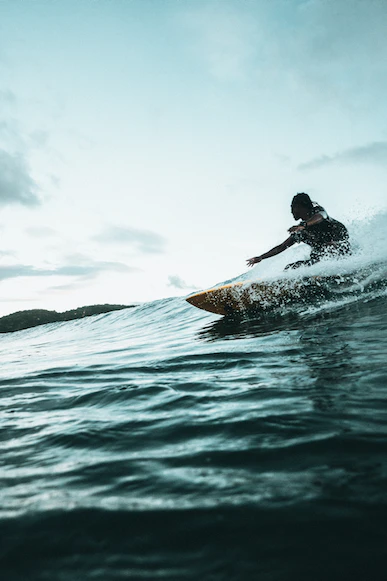
How is surfing scored? In recent years, surfing has grabbed a foothold in the Summer Olympics. Though it is not an Olympic year, the sport of surfing is heavily on our minds during this week of the WSL finals, and we are going to get into the nitty-gritty of how athletes in such a niche sport score their way into the Olympics, as well as why the International Olympics Committee fulfilled the long overdue request of adding surf to the Games.

How Surfing is Scored in the Olympics

Surfing is scored by a panel that consists of five judges who score on a scale of 1-10. Every wave that is surfed by the athlete in their given heat, varying between 20 and 35 minutes, receives a score. The judge’s highest and lowest scores are thrown out on each wave and the surfer receives an average score of the three remainings. At the end of the heat, the surfers’ two highest scores from every wave surfed are combined to give them a total score – 20 points being the highest; a perfect ride.

As viewers, we are always in awe of what these athletes are capable of doing on the water, but the judges have a more critical eye and a variety of what they are looking for on the water. This includes, commitment and degree of difficulty, innovative and progressive maneuvers, variety of maneuvers, a combination of major maneuvers, as well as speed, power, and flow with a range of scores from 0.00 to 1.90 > Poor Wave Ride to 8.00 to 10.00 > Excellent wave ride. International Surfing Association technical director Erik Krammer says, ”Everything is really connected, together all the elements of the criteria just reflect what the general public thinks is good surfing. That’s what the judges want to see, what the athletes want to see and that’s what the contest wants to see.” Qualifying for the Olympics is determined by The World Athletics Rankings which are based on the average of the best five results for the athlete over the qualifying period.

Why Is Surfing Now in the Olympics?

The topic of introducing surfing into the Olympics has been in the conversation for over 100 years. Duke Kahanamoku, a Hawaiian swimmer, and Olympic gold medalist was a big advocate for the sport to be added to the Olympic program. In 2016, the International Olympic Committee voted to add surfing to the program for the 2020 Tokyo Olympic Games as a way of appealing to younger viewers and fulfilling a long overdue request, and it did just that; making up 5 of the top 10 most viewed Olympic programs in Brazil during the first week of the Games. Becoming a part of the Olympics took the sport to a new level and upped the talent, drive, and exposure of these athletes; also bringing on the pressure for surfers who are now fighting for a top 20 spot in the Olympics. 

As a result of the adding surfing to the Olympics and the pandemic-inspired outdoor boom all occurring at once, outdoor activities, especially water sports, struck an interest in those wanting a way to remain active during the pandemic, and in the surf world, board sales rose a sharp 113%. 

WSL (World Surf League) surfer and Athelo Group Athlete, Brisa Hennessy, has first-hand experience with the pressures of scoring into the Olympics as she competed in the 2020 Tokyo Olympic Games. Clenching her spot in the WSL women’s final five, Brisa is sitting at a #4 ranking in the world. Placing in the WSL is part of the journey for surfers with sights set on the Olympics, and though It is not yet an Olympic year, time doesn’t mean downtime. Big waves or small, these niche athletes are on the water, working toward that gold goal. 

Surfing and the Olympics: What the Future Wave Holds

Becoming an Olympian is one of the top goals for many professional surfers, and after 100 years of fighting for a spot, they are facing their next opportunity in Tahiti; surfing at the 2024 Paris Olympic Games. This next round of games means large opportunities for athletes to develop and spotlight their personal brand. As surfing in the Olympics debuted, the new Olympians made their mark in the media. These Games were referred to by some as “the most inclusive Olympics ever” and the “TikTok Games.” Major sharing platforms where athletes could give their audience a behind-the-scenes look into the Games initiated a huge spark in viewers, pulling them into the content and feeling as if they were a part of the experience. The Olympic year is the window in which these surfers have all eyes on them and they can share their personal brand and their story with the whole world. With two more years of social media evolution between now and then, we can’t wait to see what the next Olympic Games will bring.

Sources:

  1. https://olympics.com/en/news/surfing-explained-how-the-new-olympic-sport-is-judged
  2. https://www.surfertoday.com/surfing/how-surfing-is-scored
  3. https://kooksonlysurf.com/how-surfing-is-scored-in-competitions/
  4. https://olympics.com/en/news/miguel-pupo-courtney-conlogue-wsl-tahiti-pro-brisa-hennessy-finals
  5. https://www.usatoday.com/story/sports/olympics/2021/07/21/surfing-new-sport-tokyo-summer-olympics/5263423001/
  6. https://www.straitstimes.com/sport/olympics-surfing-skating-boosts-viewership-lack-of-fans-has-zero-impact-says-ioc
  7. https://www.edelman.com/insights/olympics-firsts-what-brands-can-learn-tokyo-games
How to Become a NASCAR Driver

The process of becoming a NASCAR driver is a long and tedious road. Driving at top speeds of 200 mph is not something that the average person can imagine doing, but for some it is their entire life and not just the actual driving part of it.

NASCAR and global professional motorsports as a whole is a sport that continues to evolve at a rapid rate and continues to gain interest from several different stakeholders. As fascinating as the cars, on-track battles, and business side of this world can be, something almost every Driver is asked when meeting fans or strangers is “how did you get into this?”

Similar to other sports, most NASCAR drivers begin driving as children. They get exposed to the sport in their early life, racing go-karts. Eventually, they work their way up to cars as they get older and more comfortable with the vehicles. The cars get faster and more powerful as they get older in age and improve in skill. The ultimate goal of progression is to be racing under the big lights in front of thousands on the NASCAR stage. Through countless hours of training, driving and practice, only the best of the best will have what it takes to make it to the NASCAR stage.

There are four major national racing series which include the NASCAR Cup Series, NASCAR Xfinity Series, NASCAR Camping World Truck Series, and ARCA Menards Series. Once they get recognition from high-level drivers, racing teams or companies that want to sponsor them, they can go to racing school and get a license. This is where the process towards professional NASCAR driving gets very competitive. 

The responsibility of growth both on the track but the business side weighs very heavily on the Driver which is different from many other sports. Few have the luxury of letting their talent lead them to the pearly gates of victory lane and top tier team benefits. The business side of motorsports is an ever evolving space that is far from crystal clear.

The interesting thing about obtaining a NASCAR racing license is that, according to many NASCAR drivers, there isn’t a definitive way to get into the NASCAR scene as a driver. While many follow the same route, NASCAR is not set up like many other sports. There is no path to NASCAR through college athletics so it is very important to make connections in the sport.

The most straightforward path to becoming a NASCAR driver is gaining racing experience as young as possible and winning important races to gain notice and create a buzz within the community. While getting a license is a must, many paths can be followed.

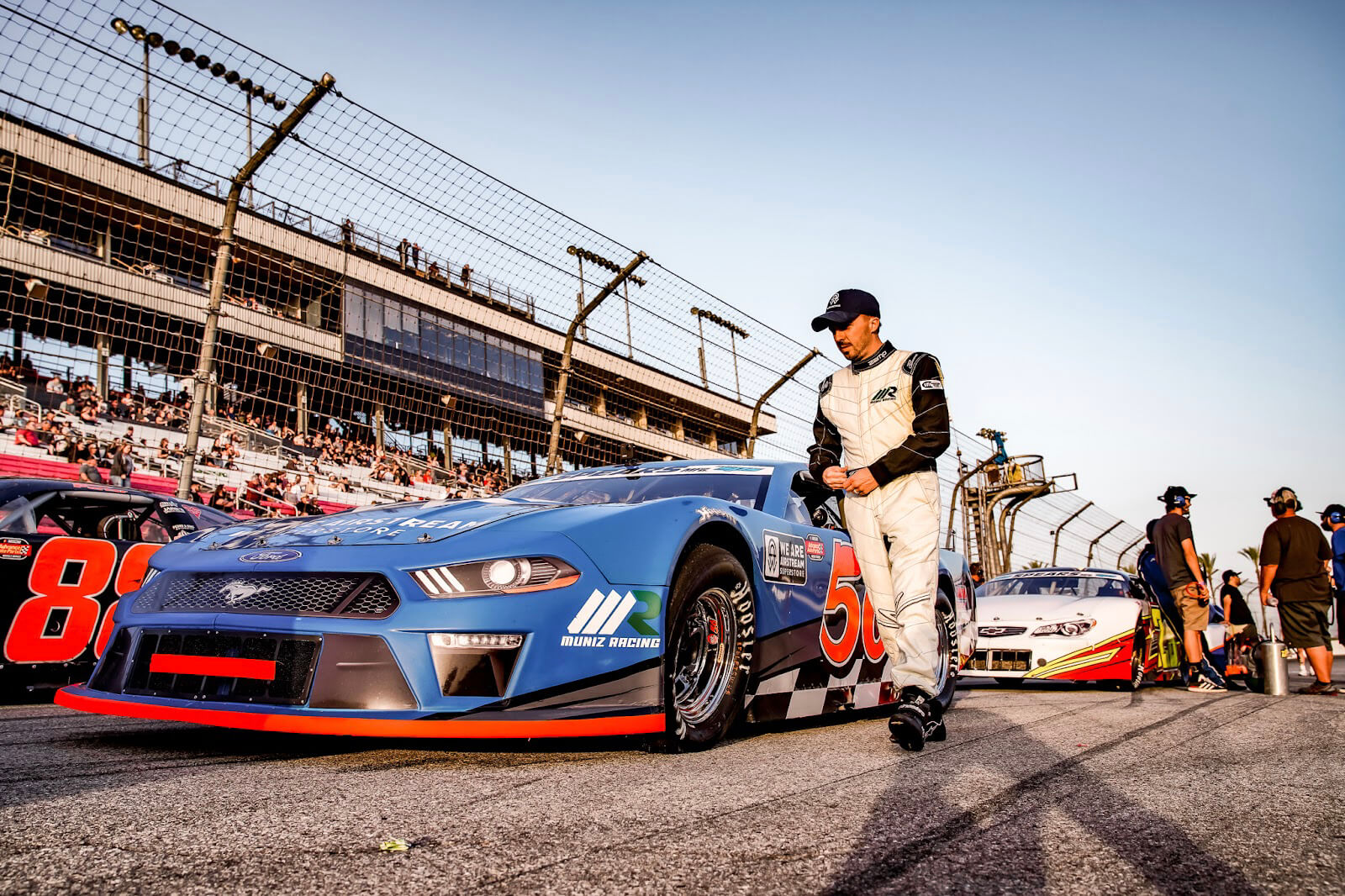
There are outliers in the pack like Frankie Muniz that have taken a different route in the pursuit of becoming a NASCAR driver. He was mostly known for his acting endeavors throughout the early 2000’s. Frankie Muniz has also quietly had a progressive career in racing that has stemmed from his passion for sports cars and motorsports racing. In late 2021, Muniz began putting the plans in place to go racing full time as a professional motorsports driver with his primary goal being full time NASCAR racing in 2023.  Muniz is licensed to race in the ARCA Menards Series and will make an announcement about his racing plans for the 2023 season soon.

Although there is not one straight path to becoming a NASCAR driver, it is possible for anyone with the drive and ambition to pursue a career in racing. NASCAR driving requires a lot of skill and it takes a certain mindset to achieve such high levels of driving. One thing is clear in every driver’s mind, their ultimate goal is to be racing in NASCAR Cup series going for gold.

Sources:

  1. https://www.jacksonville.com/story/sports/motorsports/2012/02/16/pit-road-money-pit-costs-field-nascar-team-are-staggering/15875590007/
  2. https://www.nascar.com/long-form/frankie-in-the-fastlane/
  3. https://www.softschools.com/facts/us_history/nascar_facts/3163/

Russia/Ukraine War – Athletes’ War Too?

By Sasha Matar

For athletes and fans, sports can be an outlet to decompress from life stressors. Professional sports are supposed to be an outlet for entertainment and friendly competitions (even when it’s competitive). They are also supposed to be a forum where professional athletes can be their truest selves. So how is it that the Russia/Ukraine war has become an athlete’s war too?

In February, just days after the Russia/Ukraine war erupted, the International Olympic Committee (IOC) announced in an official statement that the IOC “recommends that International Sports Federations and sports event organizers not invite or allow the participation of Russian and Belarusian athletes and officials in international competitions”. The IOC did not only implement an Olympic ban on Russian and Belarusian athletes, but also encouraged all sanctioning bodies in the Sports world to do the same.

The International Sports Organizations That Have New Rules for Russia

As the months passed by, more athletes, teams and international sports organizations moved to boycott Russia, thus affecting Russian athletes as well as athletes in surrounding countries. However, different sports organizations have reacted to the war differently. Let’s take a closer look at some sports.

Change in Tennis: Neutral Flags and Wimbledon

The International Tennis Federation (ITF) has announced that athletes will be able to participate in ITF tour events, but they can’t compete under Russian or Belarusian flags. However, Wimbledon announced that they will ban Russian and Belarusian players from participating in the June tournament. As a result, the World Tennis Association and ATP tour announced that they will not be awarding ranking points from this year’s Wimbledon tournament.

Soccer: FIFA and UEFA Suspend Russia Teams

Both FIFA and UEFA announced that Russia’s national team and club teams are suspended from all international competitions until further notice. The 2022 Champions League final was supposed to take place in St. Petersburg, Russia and was eventually moved to France as a result of the war and sanctions.

International Paralympic Committee From Neutral Entry to Complete Reversal

Few months ago, the IPC announced that Russian and Belarusian athletes will be allowed to participate in the 2022 Beijing Paralympic Games under a neutral flag, but they quickly reversed that decision and expressed that those athletes are “the victims of their governments’ actions”.

Motorsports: FIA Allows Drivers, Bans Russian Events

The International Federation of Automobile (FIA) announced that Russian and Belarusian drivers are allowed to compete under the “FIA flag”, considered as the neutral flag. Nevertheless, there will be no FIA competition in Russia or Belarus.

Skiing: FIS Cancels Russian Events and Bans Athletes

Following the IOC recommendation, the International Ski Federation (FIS) also banned Russian and Belarusian skiers from competing in any competition until further notice, and they proceeded to cancel all remaining 2021-2022 tournaments in Russia.

Hockey: IIHF Bans Russian and Belarusian Teams

The International Ice Hockey Federation (IIHF) also suspended all national teams and clubs from Russia and Belarus as well as withdrew Russia’s hosting rights for the 2023 IIHF World Junior Championships.

When Athletes Become Soldiers: Ukraine’s Sports Heroes at War

Russian and Belarusian professional athletes are definitely suffering from the aftermath of this war, but what about Ukrainian athletes and other professional athletes caught in the political crossfire? In a figurative and literal sense, this has become an athlete’s war too. Half of the athletes are left with no courts/fields/gyms to train. The other half are wondering how they can continue to participate in international tournaments while their country is at war. Ukrainian professional athletes are now swapping their sports equipment and sportswear for weapons and body armor. Two-time Olympic gold medalist Vasiliy Lomochenko, star tennis player Sergiy Stakhovsky, and Olympic Skier Dmytro Mazurchuk are among the many athletes who left the comfort of their homes (outside of Ukraine) and families to sign up to the Ukrainian military.

Professional athletes all over the world are also affected by this war. The ATP tour’s decision of revoking Wimbledon’s rankings has turned this prestigious event into a simple exhibition. Players who performed very well last year are being punished by this decision and big tennis stars like Naomi Osaka are considering sipping the Wimbledon tournament altogether. Novak Djokovic is expected to lose his No 1 ranking, while a lot of mid-ranked players will be out of the top 100. With more international tournaments coming up, decisions can be made and changed at any time.

Athletes Speak Out: Solidarity, Division, and the #NOtoWar Movement

The sports world does not have a united front as to how to deal with this situation nor does any decision seem fair to all parties involved – in the end, this is a war between two nations. Russia’s most recognized athletes have gone to social media expressing their support for Ukraine and urging for the war to stop. Fedor Smolov, a recognized soccer player on the Russian national team, posted a black square on Instagram with the hashtag #NOtowar. This gets even more complicated for people and athletes with mixed Russian-Ukrainian heritage that are caught in the midst of it all. Tatiana Volosozhar, Russian-Ukrainian Olympic figure skater and world champion, was born and first skated in Ukraine but has Russian parents. She also posted a black square with the hashtag #NOtowar.

Not to mention that this war will have detrimental damage and wreck athletic capabilities of Russian sports teams and sports in general for decades to come. Financially, teams and athletes won’t be allowed to participate in international leagues, thus affecting revenue tremendously. More importantly, athletic youth will be affected the most as this is their time to shine and learn from participating in different international tournaments and camps.

The Unanswered Questions Facing Global Sports

How will this continue to unfold? What will Russian and Belarusian professional athletes do as their professional sporting career comes to a halt with no foreseeable positive outcome? How will International Sports Federations deal with the unknown? Well, those are questions for yet another blog.

Sources:

  1. https://bleacherreport.com/articles/10033224-report-wimbledon-bans-russian-belarusian-players-this-year-after-ukraine-invasion
  2. https://boardroom.tv/russia-ukraine-invasion-sports-impact/
  3. https://www.nytimes.com/2022/05/23/sports/tennis/french-open-ukraine-russia-wimbledon.html
  4. https://www.fifa.com/tournaments/mens/worldcup/qatar2022/media-releases/fifa-uefa-suspend-russian-clubs-and-national-teams-from-all-competitions
  5. https://www.rferl.org/a/paralympics-russia-belarus-banned/31735533.html#:~:text=The%20International%20Paralympic%20Committee%20
  6. https://www.fis-ski.com/en/international-ski-federation/news-multimedia/news-2022/fis-cancels-all-remaining-2021-22-season-events-in-russia
  7. https://us.motorsport.com/f1/news/fia-outlines-code-of-conduct-for-russian-drivers/8690663/
  8. https://www.politico.eu/article/ukraine-sports-stars-ballerina-boxer-fight-russia/
  9. https://www.tennismajors.com/wimbledon-news/players-most-affected-by-atp-wtas-removal-of-ranking-points-at-wimbledon-600912.html
  10. https://www.abc.net.au/news/2022-02-28/russian-athletes-against-war-in-ukraine-fifa-ioc-measures/100866956
  11. https://cnr.ncsu.edu/news/2022/03/ukraine-invasion-russian-sports/

OPINION: Athletes Should Be On LinkedIn

By Andrew Stallings

When it comes to the social networking platform known as LinkedIn, you either fall on one or two sides of the coin:

  • Die-hard savant that prefers it over Instagram
  • Have no clue why you even have the app on your phone or likely have not even thought about making an account – like, ever.

It’s rare that a social platform has had such a house divided, but the brand has been working diligently in the last year to close that gap. How, might you ask?

Building Your Professional Brand: LinkedIn as the Overlooked Athlete Platform

Athletes.

One thing is for certain when it comes to the careers of any athlete: all good things inevitably come to an end. When they do and how they do is not always certain, but the last thought any athlete wants to be faced with without proper preparation is, “what the hell do I do now?” We have seen recently that athletes like NFL Quarterback Jameis Winston have returned to school to complete their degrees. Winston received his bachelor’s degree after taking classes online at his Alma Mater, Florida State University, seven years after he left to play in the NFL. It is one of many examples of athletes beginning to take their post careers more seriously, realizing that the time to prepare for their futures is not in the future, it’s now. 

LinkedIn can be a great tool if used properly.

Hold your eye rolls and hear me out.

What Brands and Agents Look for on LinkedIn When Recruiting Talent

The platform has a unique audience of folks who are engaged and looking for something that is going to help them professionally. Athletes who are learning and interested in growing in business can tap into this market with true relatability. The platform has an audience of 800M+ users and climbing, and the possibilities to interact with them are endless. While athletes are under high scrutiny to have the most high-quality content visually across the board, the pen is mightier than the sword on LinkedIn, and being able to share longer-form thoughts is a mostly untapped arena for athletes.

How to Get Started on LinkedIn as an Athlete

If you want the ten best ways to get started on LinkedIn for athletes, drop Andrew Stallings a DM on Instagram and he will send you his findings.

Sources:

  1. https://bettermarketing.pub/pro-athletes-are-joining-linkedin-how-can-this-benefit-you-ce065ffefb10
  2. https://about.linkedin.com/
  3. https://www.cbssports.com/nfl/news/saints-jameis-winston-graduates-from-fsu-seven-years-after-leaving-university-as-no-1-overall-pick/

Gender Inequality in Sports

One of the most controversial topics that sports face is gender inequality. There is not just inequality in participation and opportunity, but also with pay. That comes mainly in professional sports, wherein in almost all cases, men make more money than women.

Understanding the Gender Gap in Sports Participation & Pay

Male athletes in basketball, golf, soccer, baseball and tennis make anywhere from 15% to 100% more than female athletes. There are many reasons why that is. A popular argument is that women’s sports do not nearly bring in the revenue that men’s sports do. Using that logic, the question of, “So why should they get paid the same?” is often asked. The fact is that many arguments go beyond that one point that would suggest that sports are naturally unfair to women and that they are not granted the same opportunities that men are to even be able to earn the amount of money that men do.

Why Women’s Sports Still Get Less Media, Sponsorship & Exposure

In catching up with professional boxer Sarah Thomas, she was able to grasp and explain some of the concepts that may lead to the unfair pay gap in sports, specifically combat sports. 

Sarah was asked to describe her opinion on the gender pay gap in sports. 

She replied, “One of the bigger arguments I have heard regarding women in sports making less money than their male counterparts, is that fewer people watch women’s sports, so the women are paid proportionately based on demand. Simply put, more people watch men’s sports. This results in higher revenue. Therefore, there is more available money to give to male athletes. I do agree that this logic is fair. Sports are a business just like any other business. The companies pay salaries that are typically reflective of how much money the companies are bringing in. However, I think there should be a shift in focus. Female athletes should be marketed better. Successful marketing could lead to more revenue and higher-paying salaries.”

What’s Changing and What Still Needs to Happen

This is an interesting point. Women’s sports are not nearly as marketed as men’s sports are. Sports Illustrated did a study on media coverage in sports. Women’s sports account for 5.7% of media coverage by ESPN. As well as 80% of sports news programs and highlights that this study analyzed covered zero stories on women’s sports. So perhaps if fans were more exposed to women’s sports, that would draw a lot more interest thus significantly increasing revenue. 

Sarah was also asked about where in sports has she seen progress and if that is a direction that the sport of boxing should go in as well. 

She replied, “Mixed martial arts is a combat sport that has successfully closed the pay gap. I believe boxing organizations should take notes from the UFC. The UFC has successfully marketed its female athletes. Many main events are female fighters and some of the sport’s biggest stars are women.”

That is very true. Stars like Amanda Nunes and Ronda Rousey were some of the highest-paid athletes in the world, despite their gender. That could be something boxing could take as well. Using women in their main events more, or switching up marketing tactics to gain more exposure. It should not just be up to the media to expose these hard-working athletes, but there is so much that the sports itself can do to further expose their athletes. 

The issue of gender inequality in sports is not going away anytime soon. However, there are very clear ways in how the gap can become smaller. Marketing is probably the best answer because it directly contradicts any argument of how men bring in more revenue so they should be paid more. 

Sources

  1. https://www.actionnews5.com/2021/02/01/best-life-female-athletes-speak-out-against-gender-gap/
  2. https://www.si.com/sports-illustrated/2021/03/24/womens-sports-gender-study-discrepancy

Athlete Mental Health: Breaking the Stigma in Professional Sports

Competing at the highest level of sport is every athletes’ dream. They train their entire lives to live up to not only their own standards but those of fans, coaches, teammates, and more. Game time has its obvious pressures, but many viewers often forget the struggles athletes endure on the journey to get there. Simone Biles, Naomi Osaka, Kevin Love, Michael Phelps, and so many other top athletes have spoken out about mental health throughout the years. After millions supported the physical and mental wellbeing of Biles in Tokyo, athlete mental health has never been a more frequent topic of conversation.

Why Elite Athletes Are Facing a Mental Health Crisis

Many athletes succumb to outside pressures allowing themselves to believe stereotypical ideals of what it takes to succeed. One of the most celebrated athletes, Muhammad Ali, once said: “Suffer now and live the rest of your life as a champion”. This narrative of sacrificing the physical, emotional, and mental well-being of athletes has now shifted as more athletes continue to speak out. Icons like Biles and Phelps have proven that athletic excellence is more than the sport and that it should not come at the expense of one’s wellbeing. Medals, rings, and trophies are not sustainable, and finding a balance is key to protecting athletes mental health.

So, what mental health risks are athletes prone to, what are the signs, and how can they seek treatment?

The pressures of competing and training cause athletes to endure high levels of stress which are attributed to large changes in self-esteem and sensation-seeking measures. Athletes who compete at high degrees of competition tend to have greater self-esteem and sensation-seeking levels, but these levels are fragile due to the ever-changing environment of sports. Stress and anxiety are thought to be normative in the competition, therefore, causing mental health disorders to often go undiagnosed and untreated.

The Hidden Risks: Anxiety, Depression & Eating Disorders

Unique studies have been conducted to help differentiate mental health disorders from simple competitive nature. Athletes have historically been prone to mental health disorders including eating disorders (ED), depression, and anxiety.

Depression and anxiety in athletes are understudied fields. Injury, external and internal performance expectations, extreme time demand, and identity linkage to athletics are all risk factors specifically for depression in athletes. Lack of focus, commonly mistaken for lack of interest, anger, insomnia, and fatigue are all signs of depression in athletes. Fear of failure and social judgment are the most common athlete-specific causes of anxiety. Aside from cognitive behavioral therapy, there are specific pharmaceutical treatments for both anxiety and depression that won’t affect performance.

Along with normal causes, performance measures, weigh-ins, and injuries have all been triggers for eating disorders in athletes. Perfectionism is also a common characteristic in those with ED which can be problematic as this trait is usually praised in athletics. ED screening metrics and tools have been created specifically for athletes and can be used to help diagnose athletes. While working to maintain a healthy weight, athletes can work with physicians, nutritionists, and mental health professionals to continue their sport as they are treated.

From “Mental Toughness” to Mental Health

There is a stigma about mental health in athletics and as more athletes speak out about their experience with mental health issues, more information, studies, and treatments will arise specifically related to athletics. Over a quarter of professional athletes have been reported to suffer a mental health crisis and coaches, fans, and sports organizations are starting to take the initiative the help. The psychological aspect of training elite athletes is beginning to shift from ‘mental toughness’ to how ‘mental health’ can improve overall performance. Some may say this change is showing weakness, but the truth is that mental health is another tool in achieving and sustaining athletic excellence.

Sources

  1. https://journals.lww.com/cjsportsmed/fulltext/2020/03000/mental_health_issues_and_psychological_factors_in.8.aspx
  2. https://www.usatoday.com/story/sports/olympics/2021/07/29/photos-13-athletes-who-have-talked-mental-health-wellbeing/5399219001/
  3. https://crossroadshealth.org/the-importance-of-addressing-the-mental-health-of-athletes/
  4. https://www.athletecareertransition.com/post/exploring-athlete-retirement-the-identity-crisis
  5. https://www.athletesforhope.org/2019/05/mental-health-and-athletes/

Become a Sponsor.

Join us in making a difference. Tell us a bit about yourself and we’ll be in touch with sponsorship details.

By submitting this form, you agree to be contacted by the Athelo Group team regarding sponsorship opportunities.