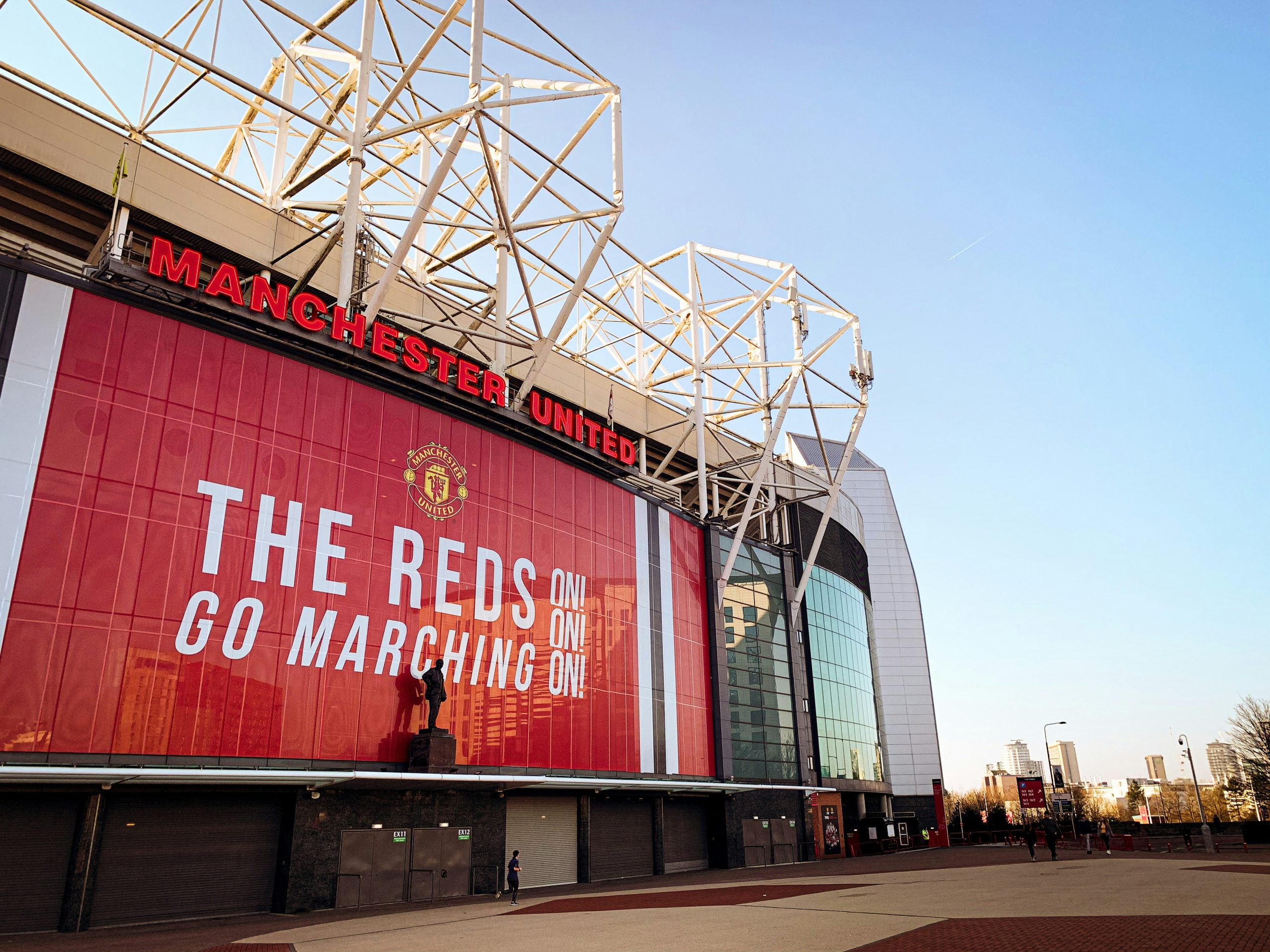
Balancing the Books: New UEFA Regulations and Their Impact on European Football Clubs

The COVID-19 pandemic dealt a heavy blow to European football clubs, resulting in huge revenue losses while costs such as player wages remained fixed. Faced with a net loss of over €6 billion between 2019 and 2021, the Union of European Football Associations (UEFA) had to crack down on overspending clubs. Their solution came in 2022 with the rollout of Licensing and Financial Sustainability regulations. Built on pillars of solvency, sustainability, and cost-control, UEFA’s end goal is to ensure sustainable competition and the longevity of the game. Its implementation is still in progress today, and it has high-spend clubs like Manchester United tightening their wallets. These are the new rules they must play by in order to avoid strict sanctions: 

Solvency

This component emphasizes the importance of financial stability and timely payments for European football clubs. Clubs will now undergo more frequent assessments, conducted quarterly instead of biannually. Any payments overdue by more than 90 days will be seen as a serious issue, indicating reduced tolerance towards late payers and potentially aggravating factors for the club.

Stability

This facet introduces the football earnings rule, which replaces the previous break-even requirement. While the acceptable deviation from financial stability has been extended from €30 million to €60 million over a three-year period, clubs must ensure any losses are covered through existing equity or fresh capital injections. Additionally, UEFA will scrutinize transactions at fair value to prevent manipulation of financial positions.

Cost Control

The most significant innovation lies in the introduction of the squad cost ratio. This ratio limits a club’s expenditure on wages, transfers, and agent fees to 70% of its total revenue. To facilitate adjustment, this threshold will be gradually implemented, commencing at 90% in the initial year, decreasing to 80% the subsequent year, and ultimately stabilizing at 70%. The objective of this measure is to address concerns regarding escalating player remunerations, transfer outlays, and agent commissions, thereby fostering prudent investments and safeguarding against reckless overspending.

european football

The Ripple Effect

As a result of these new rules, clubs will need to rearrange their wage bills and transfer spending to comply with the squad cost ratio, which could lead to more conservative player recruitment. Barcelona, known for their lavish spending on high-profile transfers like Philippe Coutinho and Antoine Griezmann, may need to prioritize value-for-money signings or focus on developing talent from their famed La Masia youth academy. Similarly, Manchester United, who have historically been one of the highest-paying clubs in terms of player wages, may need to be more selective with their expenditure. 

With costs capped as a percentage of revenue, clubs may intensify their efforts to diversify and grow their revenue streams. This could include exploring new commercial partnerships, enhancing stadium experiences with new technology to drive matchday revenue, or leveraging social media platforms to expand their global reach and fan engagement. Clubs like Ajax, known for their successful youth development program, could further invest in nurturing young talent as a sustainable strategy for talent acquisition.

The introduction of the squad cost ratio also has the potential to level the playing field in domestic leagues and European competitions. Bigger clubs with significant financial resources may find it more challenging to leverage their wealth to gain an unfair advantage, as they will be subject to the same cost control measures as their rivals. This could foster a more competitive environment, where smaller clubs like Leicester City or Atalanta who have achieved success with limited financial resources, may have a better chance of competing with the traditional powerhouses like Manchester City or Real Madrid.
While the primary objective of the new regulations is financial sustainability, their impact on the competitive landscape of European football remains to be seen. The success of these regulations will depend on their effective implementation and enforcement by UEFA, as well as the ability of clubs to adapt their strategies and operations to comply with the new rules. As the football world navigates these changes, fans and stakeholders alike will be watching with keen interest to see if the regulations can truly promote a more sustainable and competitive future for the sport.

Sources:

  1. https://www.uefa.com/insideuefa/protecting-the-game/financial-sustainability/
  2. https://documents.uefa.com/r/UEFA-Club-Licensing-and-Financial-Sustainability-Regulations-2023-Online
  3. https://theathletic.com/4819225/2023/08/31/manchester-united-transfer-news-ffp-amrabat/
  4. https://www.sportingnews.com/us/soccer/news/premier-league-profit-sustainability-rules-financial-fair-play/42ef3c1a91043e191482250d
  5. https://theathletic.com/5198425/2024/01/13/premier-league-ffp-financial-fair-play/
The Caitlin Clark Effect: Can the WNBA Sustain the Momentum?

Just last week, Iowa’s Caitlin Clark announced her commitment to enter the 2024 WNBA draft once this season comes to a close. Days later, Clark broke the record for most career points in NCCA history. After an absolutely scorching season and college career, the WNBA has the opportunity to capitalize and turn this momentum into a movement for women’s basketball – but can they sustain it?

The WNBA has struggled since its inception to garner support from fans, paling in comparison to its NBA counterpart. The NBA is a multi-billion dollar business while the WNBA remains in the low millions to this day. Viewership has massive disparities between the leagues. In 2023, the WNBA drew an average of 728K viewers during finals – an impressive stat considering its 36% increase over the previous year and 20-year-high record viewership overall. In contrast however, the NBA witnessed an average of 11.64M viewers. Despite incredible growth in recent years, the metrics simply do not come close.

But there is growth – an exponential shift taking place that could set the league on a path to greater success.

How the Caitlin Clark Effect Has Re-energized the WNBA

Leveraging the wave of support fans have built for star players like Clark and LSU’s Angel Reese (a duo that, together, blew records off the door with an astonishing 9.9M viewers tuning into their rival championship game) is the key to the future of the WNBA. Many talented women’s basketball players have similar stories – the rise up through their college teams, taking March Madness by storm, and winning NCAA Championships. Diana Taurasi, Sheryl Swoopes, Sue Bird, Lisa Leslie… the list could go on and on. The level of skill and ability to get a crowd off their feet is unmatched, but something different is happening with the latest generation. 

caitlin clark

Breaking Viewership Records and Brand Opportunities in Women’s Basketball

The excitement for these young women has blossomed in a way that we haven’t quite seen before. The 2024 Big Ten Tournament has sold out completely for the first time, ever, in anticipation of Caitlin Clark’s appearance in the tournament. This comes after a completely sold out 2023-2024 season for Iowa women’s basketball – another first of its kind stat for the school. Not only are they selling out, but the average prices for seats at one of Clark’s games skyrocketed, setting sales records all season. There is an evident shift in the appetite of fans to show up and show out for their star players – something that must be harnessed by the WNBA to sustain its success and continue to flourish.

Leveraging unique viewing opportunities and spotlighting exciting players through social media is certainly a piece of the puzzle. In anticipation of Clark’s recent game against Maryland, Fox tapped into its TikTok audience with the Caitlin Clark Cam – providing an experience for viewers unlike the typical game feed that resulted in viewership of over 800K people alone. Cross-collaboration is another: the recent NBA All-Star Weekend first of its kind 3-Point Challenge with Sabrina Ionescu vs. Stephen Curry put these fan favorites in a toe-to-toe match that eclipsed the dunk contest by a mile, causing a storm of media excitement.

caitlin clark

What Teams, Sponsors & Agencies Must Do to Maintain the Momentum

In just six weeks the WNBA draft will prove a solid indicator of what’s ahead. With Caitlin Clark projected as the No. 1 pick by the Indiana Fever, ticket sales have already soared. Ticket website Vivid Seats estimates prices to double year-on-year with Clark on the squad. As for the WNBA, the league has a ways to go to catch up with NBA’s massive fan base and revenue. But armed with Clark and the next generation of female basketball stars, they’re definitely headed in the right direction.

Sources:

  1. https://frontofficesports.com/big-ten-womens-tournament-sells-out-for-first-time/?utm_source=Athelo+Group&utm_campaign=1c1992aadb-EMAIL_CAMPAIGN_2020_08_20_10_53_COPY_01&utm_medium=email&utm_term=0_9477e18c65-1c1992aadb-
  2. https://www.wsn.com/nba/nba-vs-wnba/
  3. https://www.statista.com/statistics/240377/nba-finals-tv-viewership-in-the-united-states/#:~:text=The%202023%20NBA%20Finals%20were,the%20Boston%20Celtics%204%2D2.
  4. https://www.usatoday.com/story/sports/ncaaw/2024/02/28/caitlin-clark-tickets-final-home-game-most-expensive/72776115007/
  5. https://www.nba.com/news/2024-stephen-vs-sabrina-3-point-challenge
  6. https://twitter.com/caitlinclark22/status/1763313652277412179?s=42&t=BC9_zv0yoQ3gzEhZIjkJAw
  7. https://www.nytimes.com/2023/04/03/sports/ncaabasketball/lsu-iowa-womens-tournament-ratings-record.html
  8. https://www.thegazette.com/iowa-basketball/iowa-womens-basketball-sells-out-2023-24-season-tickets-for-first-time-in-program-history/ 

From Olympic Basketball to Flag Football: How the Olympics Boost Youth Sports

Ever since the 1992 Dream Team, there have been major benefits to NBA players participating in the Olympic basketball. Flash forward to today, and the NBA is a global brand with audiences from all corners of the world and all age groups. So when will other big U.S. sports follow suit? The NBA, NFL, and MLB have been left out of the Olympics for the better part of a decade and potentially will be in 2028 and 2026, neglecting a major opportunity for global expansion. Most critical to growth, putting these sports on the Olympic stage captures younger audiences and maximizes exposure. During periods in which NBA players compete in the Olympics, there are large spikes in participation among youth basketball compared to overall participation. Considering U.S. basketball has won gold in sixteen of the nineteen Olympic tournaments they’ve entered, the correlation is no surprise. Sporting success at the highest level inspires younger generations to pick up the game. 

olympic basketball

The NBA Success Model

While Olympic participation isn’t the only factor in youth participation, it provides an undeniable boost. After the 2008 Olympics when the U.S. clinched gold, more kids than ever took up basketball for the first time. There was a surge in participation for children aged 7-11 and 12-17 for youth basketball in 2009. For the NBA to continue this growth, they need future generations to stay engaged year-on-year. To make this possible, they must secure their top players’ participation in the Olympics. Lebron James hasn’t played since 2012, and Steph Curry has never played in the Games. Lebron and Steph are just two of many All-NBA players who have opted out in recent years. As we’ve seen with players like Paul George, Olympic participation does open up risks for injury outside of regular season play. Star basketball players in the NBA will have to weigh this risk with how their participation could benefit the league and basketball at large.

As other top American sports leagues explore the potential of Olympic expansion, they lean on the NBA’s success as a model. The NHL, for example, recently announced it would allow their players to participate in the Olympics for the first time since 2014. Similarly, flag football will be included in the Olympics beginning in 2028, which allows for NFL players to get in on the action. Baseball is also set to make its return as an Olympic sport that same year. These additions could provide massive boosts for the sports individually and the Olympics as a whole.

olympic basketball

NHL Seeks Another “Miracle on Ice” Moment

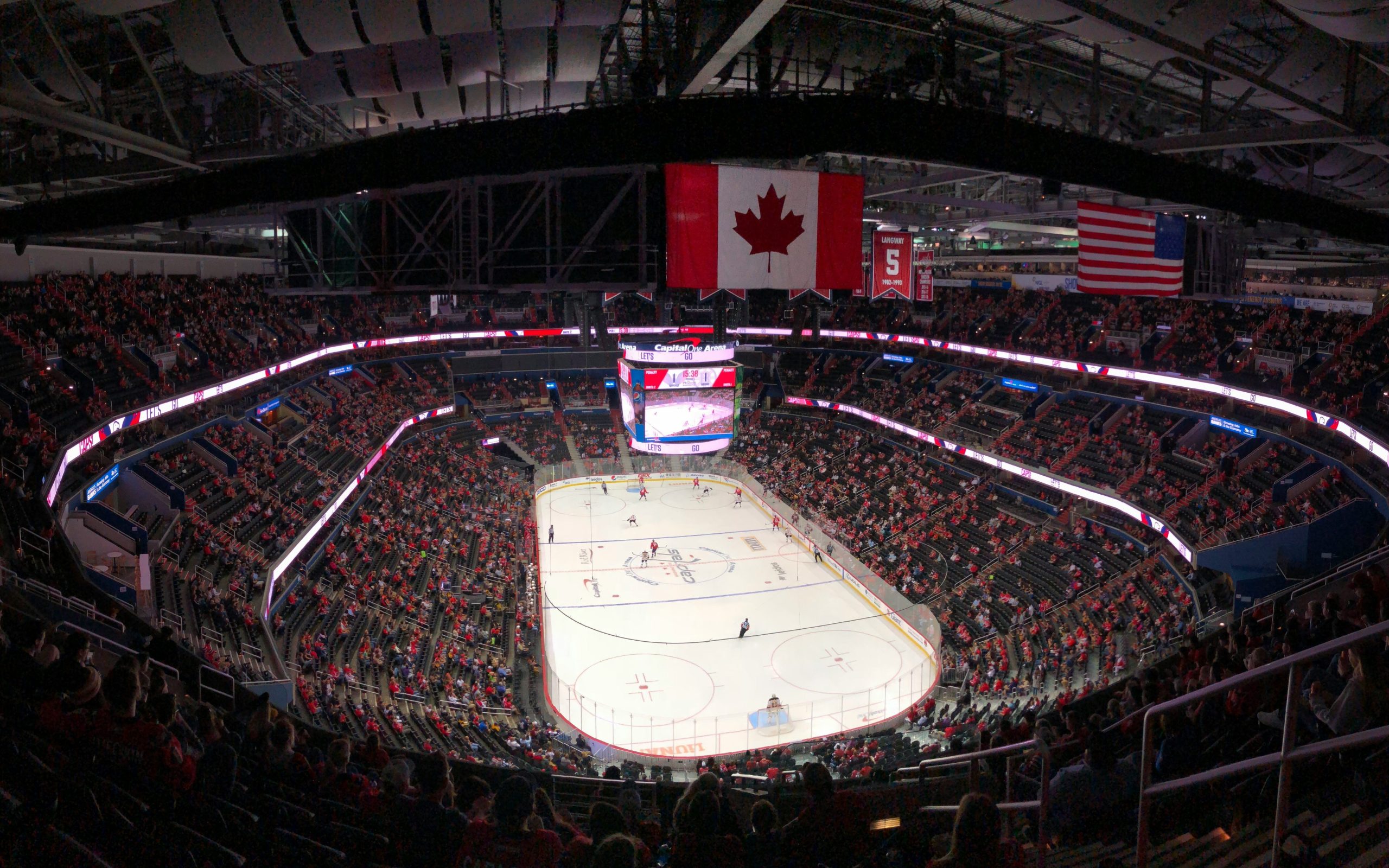
U.S. ice hockey has yet to secure another Olympic gold medal since the 1980 “Miracle on Ice.” Back in the 80s, their victory sparked an increase in youth participation, providing young American players with a memorable triumph to cherish. Decades later, U.S. hockey hasn’t medaled since 2010, and without consistent NHL participation, they haven’t even reached the bronze medal game. This all could change in 2026, as the NHL announced they’re returning to Olympic participation in time for Milan’s Winter Games. NHL commissioner Gary Bettman called the decision “the right thing to do,” citing that it “came down to doing something because the players really wanted it.” With players like Pittsburgh Penguins’ Sidney Crosby competing on the world’s stage in 2026, U.S. ice hockey awaits an exciting opportunity to capture a younger generation of players and fans.

MLB‘s Olympic Revival

MLB has been on a recent campaign to reignite engagement with rule changes and pitch clock enforcement. Olympic participation is one more avenue for MLB to supplement their growth plan, but much depends on the sport’s inclusion in future Games. While baseball returned to the Olympics in Tokyo after a 12-year absence, it will not be featured in Paris this summer. The sport is slated to make its Olympic comeback once more in 2028, with many major leaguers eager to participate. Reports indicate that both owners and players have advocated for major league athletes to compete in 2028. Despite a decline in children playing baseball since 2008, which saw just 17% of children ages 6-12 regularly participating, having MLB stars in the Los Angeles Olympics could reignite youth viewership, interest, and participation—a trend MLB has been striving to foster.

olympic basketball

NFL and Flag Football

The next sport to enter the Olympics is flag football. Many NFL players have expressed interest in participating including Dolphins star wide receiver Tyreek Hill. American football in any capacity has never been a part of the Olympics, so this move could play a major role in growing the game amongst youth outside of America. The NFL has already taken steps to increase its international presence, with games in London, Germany, Mexico, and soon to be Brazil. They have also introduced the International Home Marketing Areas initiative. This gives teams the opportunity to market to strategic countries, ideally creating a secondary home territory of international fans. Coupling these efforts with participation in Olympic flag football, the NFL has the push it needs to appeal to youth on an international level.  

Looking Ahead

No matter the sport, there’s an undeniable phenomenon tying youth participation and the Olympics together. Kids see their home country competing on the world’s biggest stage and feel inspired to take up the sport themselves. We saw this best back in 1992 when U.S. basketball’s Dream Team, stacked with legends like Charles Barkley and Scottie Pippen, captivated adults and children alike. The NBA’s global presence steadily climbed and more kids picked up a basketball than ever before. As more and more popular U.S. sports join the Games, many believe a similar Olympic effect is destined to occur.

Sources:

  1. https://apnews.com/article/nhl-olympics-b251c32f624639f76be2a3f510d7a313
  2. https://sports.yahoo.com/mlb-team-owners-increasingly-supportive-of-allowing-stars-to-participate-in-2028-la-olympics-per-report-024059541.html#:~:text=There%20won’t%20be%20any,Athletic’s%20Evan%20Drellich%20reported%20Wednesday
  3. https://www.nfl.com/news/tyreek-hill-other-nfl-players-could-play-flag-football-in-2028-olympics#:~:text=NFL%20executive%20Peter%20O’Reilly,by%20the%20International%20Olympic%20Committee 
  4. https://www.samford.edu/sports-analytics/fans/2016/olympics-good-or-bad-for-the-nba 
  5. https://www.tandfonline.com/doi/pdf/10.1080/13504851.2015.1068916#:~:text=The%20trickle%2Ddown%20effect%20assumes,sporting%20success%20to%20participate%20themselves
  6. https://abcnews.go.com/Sports/phillies-bryce-harper-hopes-mlb-allows-players-olympics/story?id=104024883#:~:text=Professional%20players%20were%20first%20allowed,Olympics%20(held%20in%202021)
  7. https://www.statista.com/statistics/982278/participation-kids-baseball/ 
  8. https://operations.nfl.com/journey-to-the-nfl/the-nfl-s-international-impact/the-nfl-international-series/
  9. https://operations.nfl.com/updates/the-game/nfl-announces-additional-international-home-marketing-areas/

The World Cup Comes to North America: What to Expect in 2026

For the first time in over 3 decades, the world’s most-viewed sporting event is coming to North America in 2026. The last time the World Cup touched American soil was in 1994 when the United States was the sole host. In just two years, however, the United States, Mexico, and Canada will act as joint hosts with games to be played and influence to be spread all throughout North America. The 2026 World Cup will showcase soccer on some of the largest and most modern stages, with matches taking place in renowned venues like AT&T Stadium in Dallas and cutting edge, grandiose venues such as SoFi Stadium in Los Angeles. For decades, soccer in the United States has been overshadowed by The Big 4 American sports, but hosting the 2026 FIFA World Cup finally presents it at the forefront. This tournament has the potential to inspire a whole new generation of young athletes to pick up a soccer ball, further cementing the game in American sporting culture for years to come.

2026 world cup

The Host Cities

The 16 cities set to host matches represent the premier sports destinations across the United States, Mexico, and Canada. Mexico brings iconic soccer capitals like Mexico City, Guadalajara, and Monterrey to the table, while Canada offers up Vancouver and Toronto. The U.S. cities showcase soccer’s expansion into top-tier American sports markets, with massive stadiums in New York/New Jersey, Los Angeles, Dallas, Atlanta, and San Francisco on display. Emerging hotbeds like Seattle, with its 69,000-seat Lumen Field soccer stadium, Kansas City, home to the first soccer-specific stadium built in the U.S. in 2011, and Houston, whose MLS team draws over 15,000 fans per game, highlight soccer’s grassroots growth in infrastructure and fan support across the country. Other key metro areas include Boston, Philadelphia, and Miami. This blend of established soccer cities and untapped markets offers the perfect mix to bring the spectacle of the World Cup to all of North America.

The Final Destination

Earlier this month, FIFA announced a historic decision: the 2026 World Cup Final will be held at MetLife Stadium in East Rutherford, New Jersey, just outside the bright lights of New York City. This decision marked the first time the World Cup Final would be played in the New York metropolitan area. MetLife Stadium, home of the NFL’s New York Giants and New York Jets, seats over 80,000 fans and is full of state-of-the-art amenities such as luxury suites, Wi-Fi connectivity, and a variety of food and beverage options. Moreover, to meet FIFA regulations, MetLife Stadium will have to change their infamous artificial turf to natural grass. FIFA cited the New York region’s world-class facilities, transportation infrastructure, and experience hosting major sporting events as reasons for selecting MetLife Stadium. 

Hosting the final in New Jersey positions the World Cup finale in one of the biggest media markets in the world. For traveling fans, MetLife’s proximity to New York City will combine attending the Final with visiting one of the most desired cities in the world, the Big Apple. The renowned sights and sounds of New York City will enhance the spectacle of the World Cup Final, leaving fans with memories of both the match and the electric atmosphere of the city. Traveling supporters can immerse themselves in New York City’s vibrant culture by exploring the famed museums, bustling shops, Broadway shows, and iconic architecture during their trip.

2026 world cup

Future Impact 

Co-hosted by the United States, Canada, and Mexico, The 2026 World Cup has the potential to greatly enhance the popularity and development of soccer in the United States. As the most-watched sporting event globally, hosting World Cup matches will introduce soccer to a vast American audience. With games held in large NFL stadiums across the U.S. filled with passionate fans and curious newcomers alike, the event promises an unparalleled experience of the world’s favorite sport at its pinnacle. This surge in attention could inspire more Americans, both young and old, to engage with soccer, fostering its growth and prosperity in the country. Major sponsors such as Visa, Adidas, and Qatar Airways have extended their support, amplifying the World Cup’s visibility in the coveted U.S. market.

Additionally, young American fans will have the chance to witness global superstars like Kylian Mbappe, Jude Bellingham, and Vinicius Jr. showcase their skills on American soil for the first time. Witnessing Mbappe’s speed and clinical finishing, Bellingham’s box-to-box dominance at midfield, and Vinicius’ artistry and dance moves up close will hook the next generation of athletes. Beyond their on-field prowess, the marketability and social media presence of these stars could encourage more young athletes to embrace soccer over traditional American sports. The domestic league, Major League Soccer, will also benefit from heightened interest and engagement, leading to increased revenue opportunities. This surge in interest should bolster youth development programs and club teams across the U.S. as more aspiring athletes are drawn to the allure of the beautiful game. 

Looking past 2026, the effects of a North American World Cup could sustain for years to come. Beyond record American engagement, the competitiveness of U.S. national soccer teams should increase as well. Notably, as the host nation, the U.S Men’s National Team (USMNT) will receive an automatic bid to play in the 2026 World Cup. This gives the USMNT invaluable experience on the biggest global stage, as well as increased recognition and support from American fans. Whether you plan to watch from the stadium or from the couch, we can all look forward to an electric year for U.S. soccer in 2026. With world-class stadium infrastructure and elite competition on U.S. soil, there’s no doubt the World Cup will serve as a pivotal moment for soccer in America, further elevating the sport’s popularity and prominence.

Sources:

  1. https://theathletic.com/live-blogs/world-cup-2026-schedule-announcement-live-updates-final/r7oDr4oG9qK4/
  2. https://www.sportingnews.com/us/soccer/news/fifa-world-cup-2026-match-schedule-final-venue-host-city/fa82de358aeeff31bd30efdb
  3. https://www.business-standard.com/sports/football-news/new-york-to-host-fifa-world-cup-2026-in-victory-over-dallas-los-angeles-124020500064_1.html
  4. https://www.petcashpost.com/p/2026-world-cup-and-its-massive-looming https://www.sportspromedia.com/insights/opinions/2026-fifa-world-cup-sponsors-north-america-nielsen/?zephr_sso_ott=CCGpLo

New Movement on the Ice: PWHL Skyrockets to Success

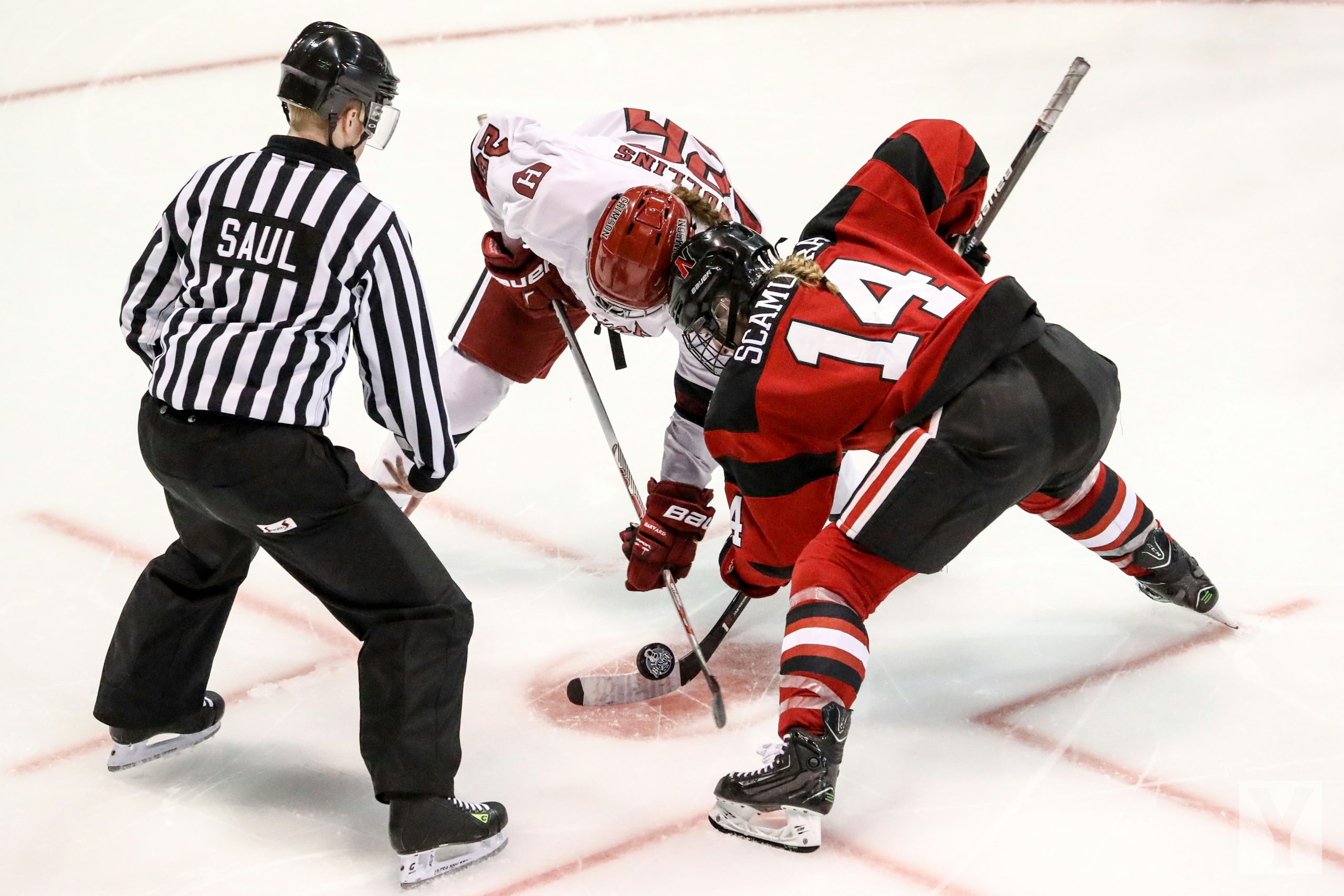
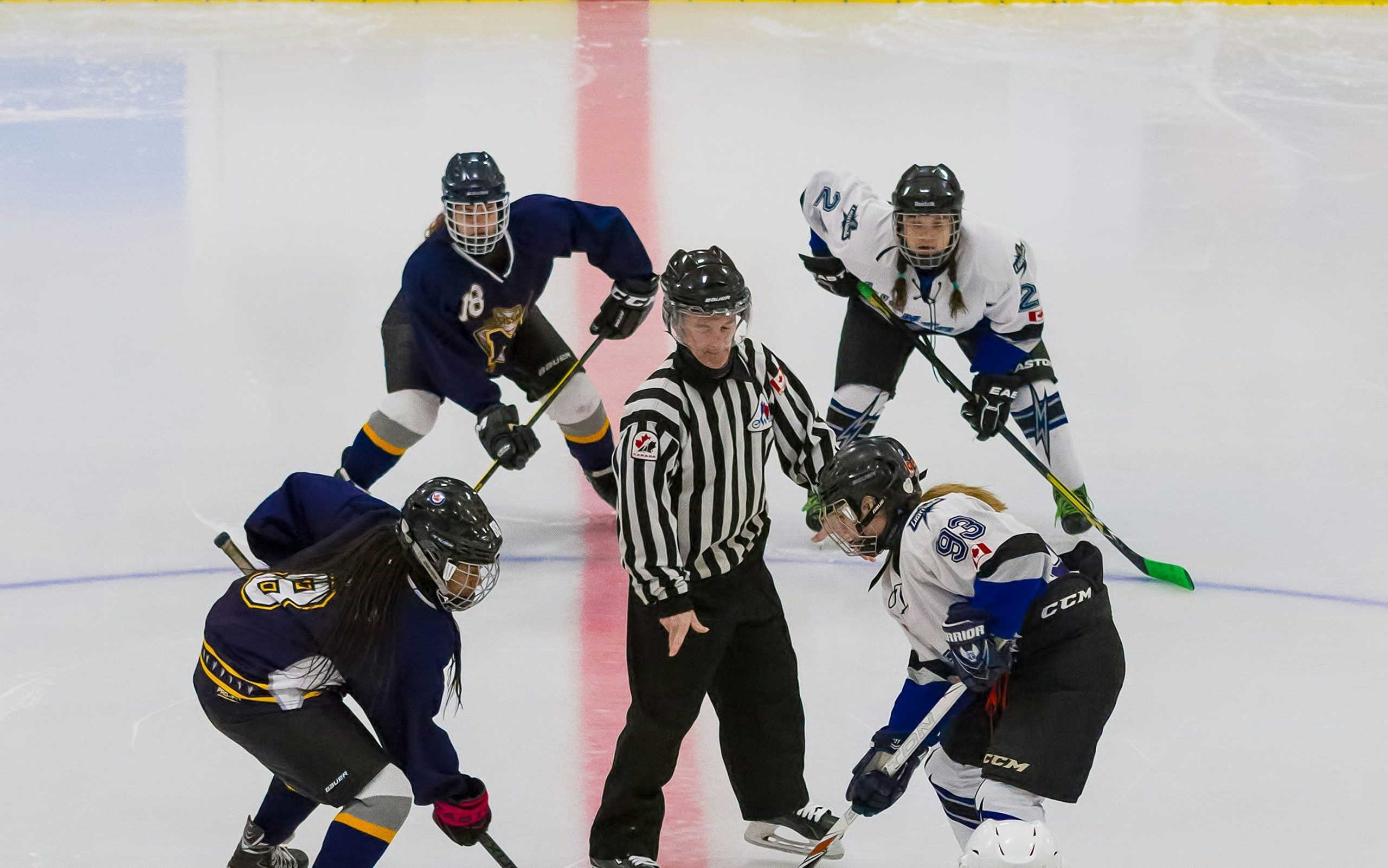
Up until this year, there were no professional hockey leagues for females, a disparity greatly contributing to gender inequality within sports. As the growth of U.S. hockey skyrockets, a new all-female hockey league is finally underway. The first-of-its-kind Professional Women’s Hockey League (PWHL) kicked off its inaugural season on New Year’s Day with a matchup between Toronto and New York at Mattamy Athletic Centre, the former arena of the Toronto Maple Leafs. Tennis legend and women’s sport advocate Billie Jean King was in attendance for the ceremonial puck alongside over 2,500 excited fans. From its early success to widespread support, the PWHL has already reached unprecedented heights and shedding light on the importance of women’s sports in America.  

Mapping Out the League

The PWHL features six teams with 3 in the United States and 3 in Canada. American teams include PWHL New York, Boston, and Minnesota, while the Canadian teams include PWHL Montreal, Toronto, and Ottawa. Each team’s respective cities already possess the infrastructure with established NHL teams and arenas. Games will take place in the men’s arenas, in addition to some junior and minor league venues.

Dodgers co-owner Mark Walter and his wife Kimbra bring the financial backing: they bought and dissolved the Premier Hockey Federation last year, using the new assets to launch the PWHL. Walter’s group claims the league’s creation will unify women’s hockey under one league, making the sport more viable and professional. With the support of the NHL behind them, the PWHL looks to secure long-term success with the expansion of additional franchises in the future.

pwhl

Early Success

The PWHL’s season-opener drew 2.9M viewers in Canada alone and was the highest viewed sports program that day on TNT, CBC, and Sportsnet. Engagement spanned to streaming services as well, with the first several games garnering over 130K views on YouTube. The league has also inked broadcasting deals with Sportsnet and CBC/Radio-Canada, as well as more regional partnerships in the United States with Bally Sports North and MSG Networks. Easily-accessible PWHL game broadcasts are a win for league growth, as it allows for games to reach new audiences across North America. 

Attendance records serve as another measure of early success and public interest. With each game, attendance figures soar, often surpassing previous records. Since the season began, total attendance has exceeded 100,000 fans, reflecting a growing enthusiasm among supporters. This surge in fan attendance has prompted the consideration of larger venues. For instance, the upcoming matchup between Toronto and Montreal is scheduled to be held at the 20,000-seat Scotiabank Arena, home of the Toronto Maple Leafs. The transition from smaller arenas to potentially filling NHL-sized venues underscores the undeniable success of this emerging professional women’s league.

Sponsorship Buzz

The sponsorships within the PWHL are certainly abundant, too. The premier partner of the PWHL is Air Canada, which serves as the official airline of the league. In addition, Air Canada reserves the right for intellectual property of the league, as well as jersey branding rights for PWHL Montreal. Other official sponsors jumping on board include Bauer, CCM Hockey, Discover, and UPS. Inking deals with Bauer and CCM Hockey, two of the most recognizable brands in all of hockey, indicates the female league’s backing on a commercial level. As for apparel and merchandise, the PWHL partnered with Line Change, a female-owned clothing brand. Line Change already has several partnerships within the NHL and AHL, and now they’re ready to hit the ground running with the PWHL. Co-founder of Line Change Julie Petry says it’s “synergistic” to work with a league who is promoting women’s hockey, and believes the goal of the PWHL is “perfectly aligned” with Line Change’s mission.

pwhl

NHL All-Star Weekend

After this month’s NHL All-Star Weekend, several of PWHL’s star players gained even more attention as they participated in a 3-on-3 showcase. This is not the first time female players have been invited to participate in All-Star events– they’ve placed high in All-Star competitions like fastest skater and accuracy shooting. But this year’s 2024 All-Star game marks the first time women were given their own main event, and the players did not disappoint! Ottawa defender Savannah Harmon stole the show with a hat trick and two assists to lift her team to a 5-3 win. Harmon’s teammates celebrated her historic moment by throwing their gloves on the ice. Players all expressed their gratitude for the opportunity but mentioned their hunger for more. With a stage like this, the PWHL seized the moment to show off their impressive skills and their infectious passion for the game.

The surge in exposure and fan interest surrounding women’s hockey presents an exciting opportunity for the sport’s growth. Players like Hilary Knight, who gained fame through her impactful debut with Team USA, exemplify the immense potential within the league. Her partnerships with renowned brands like Nike, Chipotle, and Visa further signify the commercial viability of women’s hockey players and the commitment of industry stakeholders. With a trajectory mirroring that of women’s basketball and soccer, the future is bright for the league and its players. As the season progresses, we eagerly anticipate the rise of new stars, cementing women’s hockey’s place in the sporting landscape.

Sources:

  1. https://www.espn.com/nhl/story/_/id/38282089/new-professional-women-hockey-league-reveals-six-franchises
  2. https://www.cbc.ca/sports/hockey/pwhl/pwhl-rule-book-tweaks-1.7072145
  3. https://thehockeynews.com/womens/pwhl/pwhl-drawing-strong-television-and-online-viewership
  4. https://www.sportsvideo.org/2024/01/02/the-professional-womens-hockey-league-tsn-and-rds-announce-broadcast-rights-agreement/
  5. https://theathletic.com/5246240/2024/02/02/2024-pwhl-all-star-showcase-nhl-toronto/
  6. https://www.sportspromedia.com/news/pwhl-air-canada-premier-partner-rogers-broadcast-deals/
  7. https://thehockeynews.com/womens/pwhl/pwhl-launches-apparel-and-merchandise-line

Women’s Volleyball Recruitment and Social Media: The New Double-Edged Sword

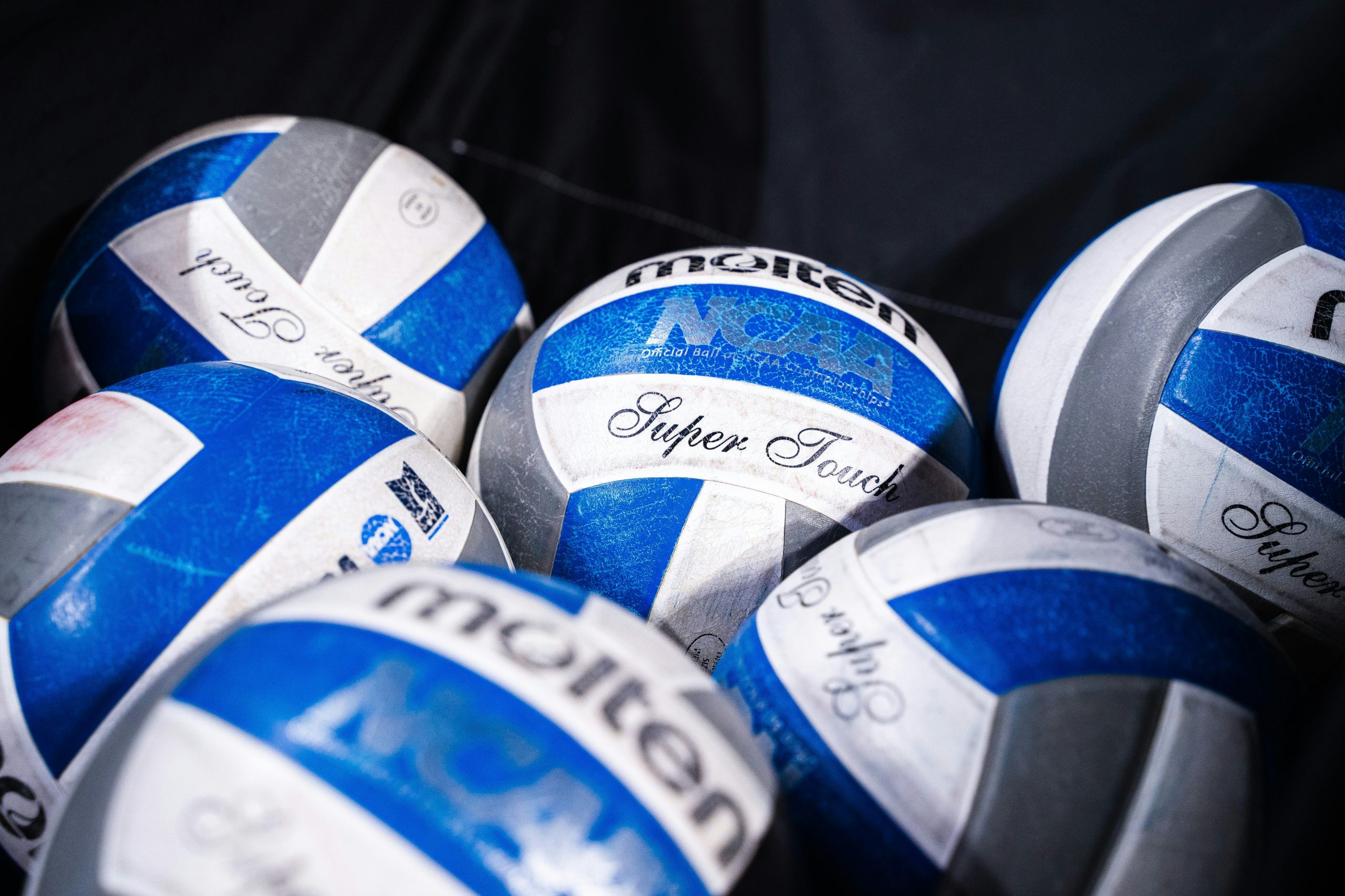
It’s no surprise that social media has become an integral part of our lives, influencing how we communicate and  even how we present ourselves professionally. In the world of collegiate women’s volleyball, social media offers recruits a unique opportunity. Aspiring recruits can now create content to showcase skills, connect with coaches, and potentially secure coveted spots on college teams. As women’s sports grow in recognition and marketing spend, their social media expansion seems only natural. However, beneath the surface of this seemingly beneficial tool lies pitfalls that can severely impact an athlete’s recruitment journey and career trajectory. 

Communicating Through a Personal Brand

Platforms like Instagram, Twitter, and TikTok provide athletes a global stage to display their talents, engage with fans, and attract the attention of college recruiters. Charlotte Glass, one of the top setters in the country, quickly amassed 37K Instagram followers doing just that. From hype reels with teammates to short-form setting tutorials, Glass crafted a personal brand that highlighted her athleticism and dedication. Duke Volleyball took notice and Glass ultimately committed to the team for 2025. Stories like this one aren’t uncommon. In fact, 83% of collegiate coaches conduct online research of prospective student-athletes to inform their recruiting decisions.

Social media also allows athletes to bypass traditional recruitment channels and directly connect with college coaches and programs. Potential women’s volleyball recruits must adhere to the official NCAA recruitment timeline, which restricts communication with coaches until the summer before junior year. After this window, social media offers an outlet beyond email to connect with coaches on a more personal level. Platforms provide a level of transparency that benefits both athletes and recruiters, allowing them to gauge mutual interest and compatibility before committing to a formal recruitment process.

Navigating Risks

Despite its benefits, social media in collegiate volleyball recruitment carries risks, notably the potential distortion of athletes’ abilities and character. As sports commentator Joe Davis points out, athletes may rely on social media for performance validation, leading them to embellish skills to stand out in fierce competition. This can create a false narrative that may backfire during recruitment. Additionally, the relentless pursuit of likes and followers can divert athletes from their primary goal: becoming better volleyball players.

The pressure to maintain an attractive online presence may prioritize aesthetics over substance, detracting from skill improvement. In the competitive world of women’s volleyball, this can adversely affect athletes’ well-being. Prominent athletes like Victoria Garrick Browne, a former University of Southern California recruit, stated that she “couldn’t take a wrong step without feeling like her world was coming down.” Browne struggled with mental health as she balanced social media with her performance on the court. After graduation, Browne went on to share her story on social media with content tackling topics like body image, anxiety, and depression. By pivoting away from the pitfalls of social media and leaning into authenticity, the former college recruit has amassed nearly half a million followers on Instagram. 

women's volleyball

Perpetuating Inequality 

Beyond risks, the influence of social media marketing in collegiate volleyball recruitment can also perpetuate systemic inequalities within the sport. Athletes from affluent backgrounds may have a distinct advantage in funding polished, high-quality content that garners attention from recruiters. Conversely, athletes from underprivileged backgrounds or those lacking social media savvy may struggle to compete on an uneven playing field, further widening the gap in recruitment opportunities. Some volleyball bootcamps, organized by “recruitment specialists” that aim to lend knowledge in harnessing the power of social media, charge a whopping $800 for enrollment. With club play already costing high school athletes between $2-30K a year, lower income students cannot afford this extra edge. 

While social media marketing holds undeniable potential as a tool for collegiate volleyball recruitment, its inherent risks cannot be overlooked. From the dangers of misrepresentation and distraction to the threat of systemic inequalities, athletes must approach social media with caution. By prioritizing authenticity, integrity, and a balanced approach to online presence, aspiring collegiate volleyball players can navigate the complexities of social media marketing while safeguarding their recruitment prospects.

Sources:

  1. https://www.youtube.com/watch?v=1PZMgU8EGAk
  2. https://www.ncsasports.org/womens-volleyball/recruiting-rules-calendar
  3. https://www.victoriabrowne.co/
  4. https://sportsrecruits.com/athlete/charlotte_glass2
  5. https://www.instagram.com/charlotteglassvolleyball/?hl=en
  6. https://econtent.hogrefe.com/doi/10.1024/2674-0052/a000060
  7. https://www.stack.com/a/how-to-get-ahead-in-recruiting-without-getting-scammed/

Golf’s New Rollback Rule: Is it Really the Right Decision?

With massive changes underway in the golf world, last month’s rollback rule is one more element shaking up the game. It was recently confirmed that the USGA and R&A will enforce the infamous rollback rule for both PGA and LIV golfers in 2028, followed by a universal rollback for every golfer in 2030. The rollback rule, which poses new guidelines to regulatory golf balls, will render every ball in circulation to be non-conforming in just a few short years. Both governing bodies deemed modern distance dangerous for the sport, as courses have failed to keep up with longer hitters. 

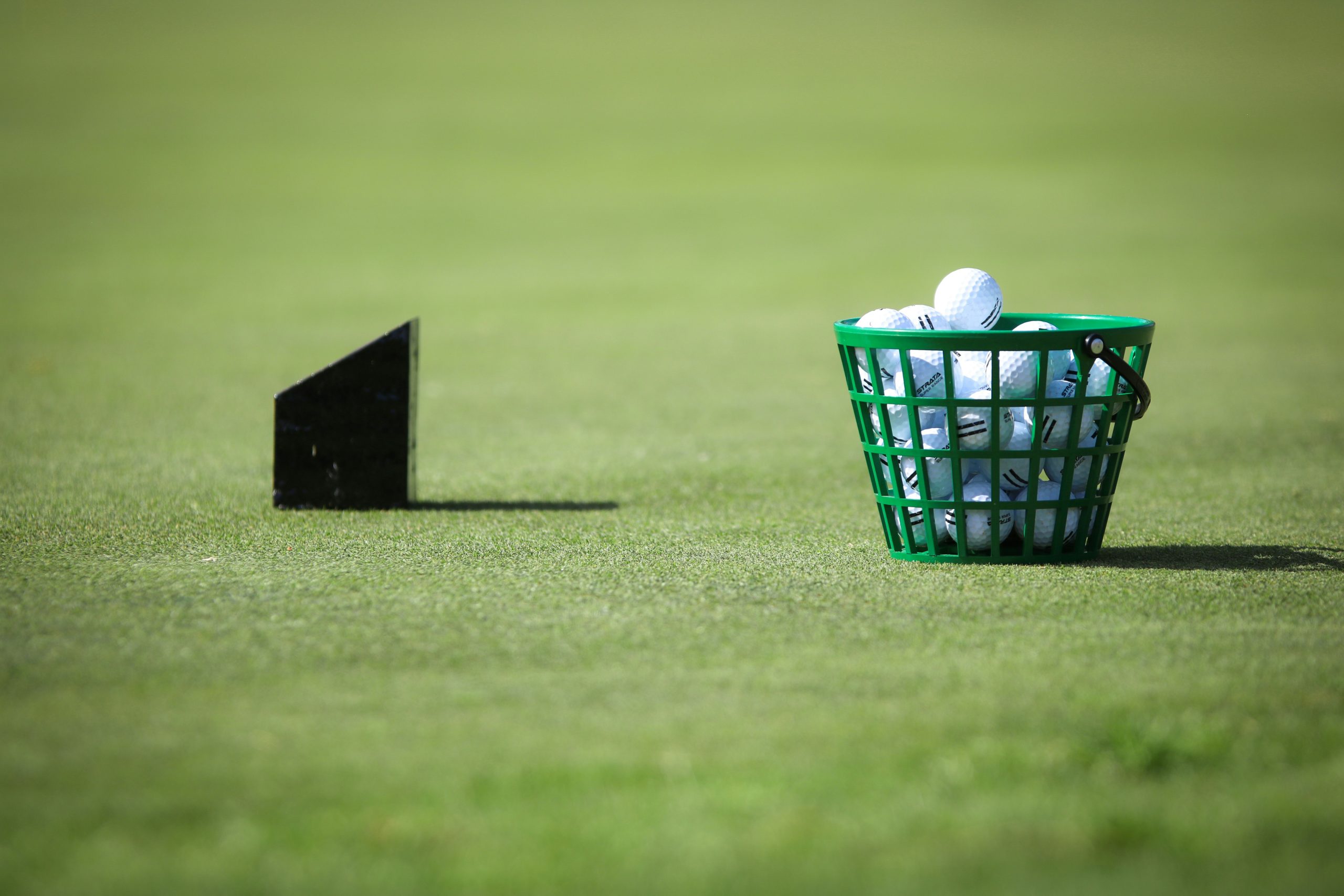
While leaving clubs alone for now, the golf ball has become the target of this investigation. After extensive testing, the results are in: modern swing conditions require a distance-restricted ball, forcing ball manufacturers to develop new technology. Both athletes and companies are up in arms over the change. With newfound distance being one of the sport’s most exciting aspects, the rollback rule has the potential to reduce viewership and consumer-brand loyalty.

golf rollback rule

Why Does Golf Need a Rollback?

Through technological and swing developments, driving distance has undoubtedly skyrocketed. Over the last 25 years, some golfers have gained over 30 yards in driving distance. Over the last decade, the number of PGA players who average upwards of 300-yard drives has increased nearly 8-fold. Between land and financial constraints, golf courses stand zero chance of resolving this distance concern. Augusta National, home of the famous Masters Tournament and widely coveted Green Jacket, spent roughly $25M to extend just one hole through the purchase of neighboring land. This decision came in an attempt to restore the famous hole’s arduous nature, as improved distance left players hitting mid-irons for their second shot on the par 5. Less prosperous courses, however, cannot endure similar reconstruction without facing potentially fatal financial blows.

Implications of the Rollback

With the future of golf in question, the USGA and R&A updated testing requirements in hopes of preserving the qualities of the game that have faded throughout recent years. Testing is carried out through a robot-controlled swing with an increased new standard speed of 125 mph. The ball’s spin rate has decreased alongside a slight increase in launch angle. The maximum travel distance for golf balls is capped at 317 yards, prompting ball manufacturers to create shorter-traveling balls. The expected effects on golfers include an average 10-yard loss for elite males, a 6-yard loss for elite females, a 4-yard loss for amateur males, and a 2-yard loss for amateur females. But what about outliers such as Bryson DeChambeau or Rory McIlroy who are known for their extraordinary driving capabilities? Taking away arguably the most impressive aspect of their game could devastate many fans and pose major issues to professional golf viewership.

golf rollback rule

How Might the Rollback Affect Athletes and Sponsors

Professional golf’s expansion hinges on factors like increased viewership and financial gains. The sport has recently experienced massive growth in several areas, especially with the creation of new leagues, content, and technology. As viewership spikes, so does revenue. But with setbacks like the rollback rule’s effect on driving distance, golf could experience decreased engagement and a potential strain on athlete and brand sponsorships. Major companies like Titleist and Callaway garner a substantial amount of their marketing from professional events. If their balls are used less, it could reduce their airtime and create space for competitors to increase their brand awareness. Everyday golfers might resist conforming to new rules, affecting manufacturers’ income and pushing some towards cheaper alternatives. This shift could impact major companies and lead to changes in sponsorships. Amid challenges, opportunities arise, such as professionals reconsidering the balls they play, reminiscent of Tiger Woods’ switch after leaving Nike.

While the effects of the rollback rule will not be seen for years to come, it brings light to an abundance of situations in which golf could fall victim. Will we see leading golf ball brands collapse? Will professionals stay loyal to their sponsorships? Everything is up in the air. However, one thing is for certain: the new rollback rule has left golf’s seemingly bright future somewhat blurry.

Sources:

  1. https://golf.com/gear/golf-balls/golf-ball-rollback-official-what-it-means/
  2. https://www.golfdigest.com/story/usga-r-and-a-golf-ball-rollback-announcment-explained
  3. https://theathletic.com/5114481/2023/12/06/golf-ball-rollback-pga-tour-recreational/
  4. https://www.todays-golfer.com/news-and-events/equipment-news/golf-ball-rollback-and-bifurcation-explained/
  5. https://golf.com/gear/golf-balls/equipment-manufacturers-golf-ball-rollback/

How NBA Jerseys Are Boosting the Fan Experience

When the NBA Jersey Patch Program was mentioned over a decade ago, deputy commissioner Adam Silver believed it would bring in a combined revenue of $100M across all 30 NBA teams. At first, fans feared this would merge the NBA with the corporate world. Critics drew comparisons to European soccer teams and worried brand placements would overshadow the team or city across the players’ chests. But sponsorship was nothing new within the sport: companies already sponsored basketball venues like the United Center, Barclays Center, and the Kia Center. It was only a matter of time before sponsored NBA jerseys became the new norm.

jersey sponsors

Teams and Sponsors Win Big

In the current NBA landscape, the program is projected to bring in over $250M annually, with innovation occurring year by year within jersey patch sponsorships. Last season, these sponsorships comprised nearly 15% of overall NBA sponsorship revenue, which netted a total $1.6B. And the benefits are mutual: companies with their logo on an NBA jersey win, too. They generate constant brand exposure to the millions of fans watching worldwide and earn opportunities to directly impact the fan experience at NBA games.

Fostering Fan Connections

The NBA first rolled out jersey patch sponsorships back in 2017, with two-thirds of teams joining this new-age marketing mechanism. Flash forward to this season, and fans will notice only three teams without them. Teams like the Orlando Magic and the Toronto Raptors have remained loyal to their sponsors for all seven seasons. Although teams may change sponsors, they typically stick with local brands and resonate with their fans and culture. For example, the Utah Jazz are in their first year of a jersey patch sponsorship deal with LiveView Technologies, a Utah-built and based national provider of innovative life safety and security technology. Ryan Smith, governor of the Utah Jazz, said, “We’re excited to feature the LVT logo on our jerseys and continue using that prominent space to celebrate the innovative, hard-working mindset that Utah is all about.” Sharing similar goals and mindsets is a key factor in developing a sports partnership, which is why LVT was a slam–dunk sponsorship fit for the Utah Jazz.

nba jerseys

Netting Engagement Among Younger Audiences

NBA teams are also utilizing jersey patch sponsorships to cater to younger audiences. By appealing to younger age ranges, typically 18–32, these teams are building longevity for their brand. The Charlotte Hornets’ new jersey patch sponsorship with MrBeast’s snack brand, Feastables, exemplifies this tactic. The sponsorship signifies the first creator-led company to partner with an NBA franchise. With over 230M subscribers on Youtube– the most by an individual creator– MrBeast has made a substantial impact in the content creator space. Considering 77% of internet users 15–35 years old watch YouTube, there’s a high probability this demographic either consumes or is familiar with MrBeast’s content. With the increase in influencers on YouTube and other social media apps like TikTok and Instagram, the Hornets could be the first franchise of many to wade into influencer marketing. Sponsorships could become less about showcasing faceless brands and instead move to elevating the platforms of online creators. In this new era, we can expect to see more NBA teams follow suit by placing a special focus on how younger audiences identify with their sponsors. Capturing the next generation not only ensures that the NBA maintains its millions of viewers each season, but also increases the revenue within the Jersey Patch Program.  

nba jerseys

Innovative Tech in NBA Jerseys

As technology becomes more prominent in our lives, we are bound to see innovation within jersey sponsorships on and off the court. We have already seen this from the Indiana Pacers, whose jersey patch sponsor, Spokenote, debuted their QR Code feature this month. This allows Spokenote to deliver content from within a live game, showcasing their “digital sticky note” product. For the Phoenix Suns, their jersey patch sponsorship deal with PayPal will elevate the fan experience by offering innovative payment solutions at the arena as well as online. This new agreement at the beginning of 2023 includes a Jersey Giveback program, where a portion of proceeds from jersey sales will be donated to non-profit organizations in the Phoenix area. This not only benefits the team and its sponsor but also the local communities of these teams, showcasing technological innovation and sports sponsorship centered around fan engagement.

While NBA jersey sponsors were initially met with skepticism, they now give significant boost to team finances and the NBA at large. Across professional sports, partnerships are increasingly embraced by companies aiming to leave their mark on one of the world’s highest revenue-generating industries. In just seven years of jersey sponsorships, there has been tremendous growth. With more teams switching to tech, financial sponsors, and even entertainment entities like MSG’s Sphere, there is promising improvement in not only delivering live content to fans but also in the overall fan experience at NBA games.

Sources:

  1. https://www.sportsbusinessjournal.com/Articles/2024/01/03/indiana-pacers-spokenote-jersey-ad-patch
  2. https://www.dailymail.co.uk/sport/nba/article-11792607/New-York-Knicks-eye-record-30m-year-jersey-sponsorship-rival-league-high-Nets-deal.html
  3. https://analyticsblog.blinkfire.com/blog/2022/10/26/2022-23-nba-jersey-patch-sponsors/
  4. https://www.forbes.com/sites/mikeozanian/2023/10/16/nba-sponsorship-revenue-hits-record-166-billion/?sh=326dfa972279
  5. https://www.sportspromedia.com/news/us-sports-sponsorship-revenue-2023-sponsorunited-mlb-nfl-nba-mls-nhl-wnba/#:~:text=National%20Basketball%20Association%20(NBA)%20franchises,over%20the%202022%2F23%20season
  6. https://www.marketingbrew.com/stories/2023/10/27/some-of-the-newest-nba-jersey-sponsors-are-brands-you-might-not-expect
  7. https://neoreach.com/feastables-sponsorship/#:~:text=The%20Feastables%20sponsorship%20could%20potentially,to%20a%20brand’s%20marketing%20strategy.
  8. https://newsroom.paypal-corp.com/2023-04-12-PHOENIX-SUNS-AND-PAYPAL-EXTEND-PARTNERSHIP-AGREEMENT-THROUGH-2026-NBA-SEASON-WITH-A-FOCUS-ON-ENHANCING-FAN-EXPERIENCE-AND-COMMUNITY-INVESTMENT#:~:text=As%20one%20of%20the%20largest,donated%20to%20local%20non%2Dprofits.
  9. https://www.nba.com/jazz/news/utah-jazz-announce-utah-based-lvt-as-jersey-patch-partner
  10. https://www.theshelf.com/the-blog/youtube-user-habits/

Teeing Off Tradition: The Bold Shift in Golf Apparel Brand Partnerships

The 2024 PGA Tour year kicked off at the Sentry Tournament of Champions at Kapalua. Familiar faces like Scottie Scheffler, Viktor Hovland, and Collin Morikawa are back in action. However, fan favorite Jon Rahm was not in the field this year as he shocked the golf world and made his transition to LIV Golf. Among the star-studded field at Kapalua were the current #6 ranked golfer in the world, Xander Schauffele, and former #1 golfer in the world and major champion Jason Day. But something was different about the golfers this time: Schauffele wasn’t wearing his typical Adidas outfits, and Day wasn’t representing his usual Nike apparel. As the tournament unfolded, it became evident that a significant shift was underway in the golf world, with top players like Schauffele and Day breaking away from their traditional sponsors and signaling a new era of golf apparel brand partnerships.

golf apparel brand

Xander Schauffele

One of the most popular golfers on the PGA tour right now, Xander Schauffele, will be teeing it up this year without the classic three stripes. After debuting on the tour in 2015, Schauffele signed with Adidas and has been very successful during his time on tour. Schauffele started the year at Kapalua in pursuit of another victorious year, but he was wearing Descente this time. Descente, a Japanese apparel company specializing in skiwear, is known for its functional beauty and cutting edge technology within sportswear. The brand was founded in 1935 but launched its very first golf apparel brand line just under ten years ago.

This year, Descente announced that Schauffele had agreed to a multi-year contract for golf wear, training wear, and accessories. Schauffele isn’t the only professional golfer to switch to Descente; Descente also sponsors former Masters champion Danny Willett. Descente has also dipped their toe into women’s professional golf, inking a contract with LPGA star Danielle Kang. Danielle was recently playing with a Descente crop-top hoodie on the course, signaling a new look for the LPGA. Schauffele will work closely with Descente’s product development team and looks to contribute to the company’s success. 

Jason Day

Like Schauffele, Jason Day kicked off his new year at Kapalua, but it wasn’t with the iconic swoosh on his clothes. Since 2016, Day has been striping fairways and winning tournaments with Nike. Yet, on January 2nd, 2024, Malbon Golf announced on their social media that Jason Day would be their first professional golf ambassador, a move that shocked the golf world. Regarding the transition, Day explained he was tired of seeing the same outfits on everyone and sought a more forward-thinking golf fashion brand. In a recent interview, Day stated that being a Maldon ambassador “marks the opening of another door, allowing me to bring the same sense of relaxation and refine my personal style on the golf course as I do in the comfort of my home.” Malbon isn’t your traditional golf apparel company— they aim to inspire the youth by integrating golf apparel into their lifestyle wardrobe. Rather than the stereotypical golf uniform of dress pants and a polo, Maldon seeks a more casual approach. With Day as their ambassador, the brand has big plans to revolutionize how golfers present themselves on the course. 

golf apparel brand

Tiger Woods and Nike

Tiger Woods and Nike are one of the most iconic brand partnerships of all time. Ever since Woods became a brand ambassador in 1996, the partnership has spanned countless advertisements and memorable moments in Tiger’s Sunday red. In fact, Nike was one of the few partners to stick with Tiger through all of his off-the-course drama. And their move paid off: Nike was also alongside him when he made one of the greatest comebacks of all time, winning the Masters Tournament at 43 in 2019. However, when Tiger appeared at the 2023 PNC Championship to compete with his son, Charlie Woods, he wore FootJoy golf shoes. When asked about his relationship with Nike, Tiger responded bluntly: “I’m still wearing their product.” As of right now, it’s all speculation, but there could be a chance the famous Tiger and Nike alliance could be coming to a close. As more and more golfers move towards new, dynamic apparel partnerships, it’s possible this Nike loyalist could make a move.

Future Implications

The recent shifts in apparel partnerships among professional golfers signal a potential transformation in the golf industry’s landscape. As top players like Xander Schauffele and Jason Day break away from established brands like Adidas and Nike, they pave the way for a more diverse market of apparel sponsors. The golf industry may see more players exploring unconventional collaborations and endorsing brands that align with their personal preferences, marking a departure from the conventional norms that have dominated the sport for decades. This shift could influence how golfers approach their brand image in the years to come.

Sources:

  1. https://golf.com/news/rahm-surprise-aberg-new-caddie-sentry/
  2. https://www.descente.com/en/news/18082
  3. https://www.sportsbusinessjournal.com/Articles/2024/01/03/xander-schauffele-adidas-descente-jason-day-malbon
  4. https://hypebeast.com/2024/1/why-jason-day-switched-from-nike-golf-to-malbon-interview
  5. https://golfweek.usatoday.com/2023/12/17/tiger-woods-nike-golf-rumors-partnership-ending/
  6. https://www.mirror.co.uk/sport/golf/schauffele-adidas-tiger-woods-nike-31795364
  7. https://www.descente.co.jp/en/company/history/

The Evolution of NIL Deals: Is There a Dark Side?

On July 1, 2021 the NCAA officially gave student athletes the NIL green light, allowing them to monetize their name, image, and likeness. Fast-forward to 2023, and student-athletes like Livvy Dunne and Bronny James are signing million dollar deals with mega brands like Nike, Under Armour, and Adidas. When NIL was first introduced, not many people could have predicted this high of an earning potential. While the evolution of NIL deals is a great financial opportunity for student athletes, the ruling also poses negative effects with athletes transferring for bigger deals and the increased risk of student-athlete exploitation. 

Student Athletes Get Their Payday

The NCAA and member schools have financially benefited from student athletes for decades, and NIL finally gives student athletes a piece of the pie. Some of the deals that these student athletes are securing has the ability to change their families’ lives. Anthony Leal, a basketball player on the Indiana Hoosiers, was able to help his sister pay off her student loans because of the money earned from NIL deals. Athletes like Leal are finally getting a chance to capitalize on their personal brand’s popularity.  

We’ve also seen college athletes profit from commercial appearances as part of their NIL deals. Caleb Williams, for example, appeared in a series of Wendy’s commercials where he stood on a podium and announced that he was “transferring to Wendy’s.” While Williams would not disclose the compensation amount, he did admit that payouts from NIL opportunities have “changed his life.” Iowa women’s basketball star, Caitlin Clark, has also benefited from these brand commercial opportunities. Clark was the first college athlete to sign with State Farm and has appeared in a series of commercials quipping their signature line: “like a good neighbor State Farm is there.” Clark said that her deal opens up other opportunities for female athletes and helps to grow the women’s game.

The Transfer Portal Problem

While NIL gives student-athletes more financial opportunities, not everyone is a beneficiary. Since NIL is now a factor in college recruitment, larger teams are using its appeal to lure elite level players in ways smaller schools can’t. We are seeing this most prevalent in college football as more and more players decide to transfer schools with more favorable NIL deals. When the transfer portal opened up this year, a total of 538 scholarship players entered the portal, which is an 18% increase from last year’s opening day. Top players in the portal attract interest from SEC, Big Ten, and ACC schools, which, due to their size and brand appeal, can provide more lucrative NIL deals. The evolution of NIL has favored major schools, giving them an edge in recruiting top talent and adversely affecting smaller schools that struggle to compete financially for players.

We are currently seeing this play out in real time with Cameron Ward’s transfer out of Washington State. The sought-after quarterback is predominately considering ACC, Big Ten, or SEC schools. During meetings with these schools, they’ve all emphasized the potential NIL earnings he could make by joining the squad. Miami is currently leading the race, but regardless of his choice, Ward is expected to secure a seven-figure NIL deal with his chosen school. While moves like these financially boost players and top football programs, they limit opportunities for smaller programs and emphasize money over the spirit of the game. 

nil deals

Risk of Exploitation

With newfound opportunities to profit from their name, image, and likeness, student athletes face a risk of exploitation due to their limited business knowledge. Given their youth and lack of expertise in contracts, caution is essential when dealing with brands or player representation groups. It’s disheartening to see college students potentially exploited, emphasizing the need for genuine concern for their well-being in these engagements.

This exact situation transpired last year when former Florida Gator Gervon Dexter signed an NIL deal with Big League Advance Fund II, agreeing to a payment of over $400K. The deal required him to pay 15% of his pre-taxed NFL earnings for the next 25 years. Dexter, drafted by the Chicago Bears, is now suing to void the agreement. His legal team cites violations of Florida’s NIL laws, lack of licensing in the state, and failure to notify the University of Florida within 72 hours. This case underscores the importance for all student athletes to be aware of potential negative situations that could impact their future. 

While NIL is an undeniable financial asset for student athletes, the rule book is still being written. As we dive into the new year, we’ll see the structure of NIL continue to evolve. New regulations may come into play with NCAA’s recent proposal to allow schools to pay athletes in ways not directly tied to educational resources. The NCAA claims these new rules can help create a model for greater governance over NIL in the future. The proposed changes seem like good news for student athletes, but only time will tell if this developing structure works in their favor.

Sources:

  1. https://iconsource.com/everything-about-nil/
  2. https://www.businessinsider.com/olivia-dunne-nil-earnings-brand-deals-collective
  3. https://sports.yahoo.com/top-nil-earners-ncaa-153252893.html
  4. https://www.alligator.org/article/2023/09/former-gator-gervon-dexter-files-lawsuit-over-nil-deal#:~:text=Dexter%20signed%20with%20the%20group,NFL%20earnings%20for%2025%20years.
  5. https://www.theshorthorn.com/sports/nil-symposium-offers-student-athletes-glimpse-into-their-future-after-college/article_90bda846-8f3e-11ee-b14b-535034a937c0.html
  6. https://theathletic.com/5113559/2023/12/05/college-football-transfer-portal-entries-players/
  7. https://caneswarning.com/posts/miami-football-reports-on-staggering-cam-ward-nil-numbers-01hhta63kz1r
  8. https://www.usatoday.com/story/sports/ncaaw/2023/10/10/caitlin-clark-sign-nil-deal-with-state-farm/71131146007/#
  9. https://firstroundmock.com/2023/10/caleb-williams-partners-with-wendys-for-yet-another-nil-deal/
  10. https://www.espn.com/college-sports/story/_/id/39047353/ncaa-proposes-rule-let-schools-athletes-enter-nil-deals

Become a Sponsor.

Join us in making a difference. Tell us a bit about yourself and we’ll be in touch with sponsorship details.

By submitting this form, you agree to be contacted by the Athelo Group team regarding sponsorship opportunities.