
Fear vs. Fatigue: Free Solo Climbing

What is free solo climbing? 

This increasingly popular sport is a style of rock climbing in which the climber uses only their body strength and chalk to ascend. This is done all without the safety net of ropes, harnesses, or protective gear. Climbers instead rely entirely on their strength, mental focus, and technique.

The sport has recently gained worldwide attention and popularity. This is largely thanks to free soloist Alex Honnold. Climbers like Honnold highlight not only the extreme risks, but also the incredible skill that free solo climbing requires.

While it may appear to be a purely physical challenge, free solo climbing is actually a true battle between fear and fatigue. The mind and body push their limits in order to maintain control and keep themselves alive. 

Quick Highlights

  • Free solo climbing is considered the most dangerous form of climbing over bouldering, free climbing, and sport climbing, due to its high mortality risk. 
  • Climbers solo rocks and buildings nearing 3,000 feet without the safety net of padding or harnesses.
  • ‘Skyscraper Live’, the Netflix documentary featuring Alex Honnold’s free solo of Taipei 101 has amassed over 6.2 million views. 
  • Only one person has successfully free soloed El Capitan, the premier big-wall rock climbing destination in Yosemite.

free solo climbing

Free Solo Climbing v.s. Free Climbing

Many people often confuse free solo climbing with free climbing. While similar, the lack of ropes and other protective gear gives meaning to the word ‘solo’. 

In traditional free climbing, climbers have the help of harnesses with ropes, as well as padding on the ground that saves them from a fall. Additionally, the harnesses can be used to manually ascend the climber if they find themselves stuck. 

While ropes may not seem like a large difference, the consequence of a solo fall is almost always fatal. Climbers solo rocks and buildings nearing 3,000 feet, all without the safety net of padding or harnesses. Falling is not an option.  

Taipei 101

Alex Honnold recently took on the famous skyscraper Taipei 101, which was the tallest building in the world from 2004-2010.

At 1,667 feet, this building towers over the city of Taiwan. 

Honnold performed the feat of climbing it solo, with nothing but a bag of chalk and reliance on his training. His performance was documented by Netflix, creating a thrilling live drama leaving the viewers on the edge of their seats. The documentary has amassed over 6.2 million views. 

Just 50 years ago, free solo climbing was even more unheard of than it is now. 

95% of Americans believed that “mountain climbers” ascended difficult rock cruxes by throwing a grappling hook attached to a hemp rope 30 feet in the air, then scaling the rope hand-over-hand.

With the extreme sport gaining visibility on platforms like Netflix, people who have never climbed before could begin to engage in the risk without proper training or preparation. 

@netflix

Alex Honnold holding on with nothing but his feet at over 1,400 feet above Taipei?!? #skyscraperlive

♬ original sound – Netflix

The Mental Battle

If asked, many climbers would immediately reject the idea of a solo climb. 

Fear is a survival instinct, and not something most people are able to overcome for a supposed quick thrill. Fear is something that free solo climbers must learn to control

Half the battle of free solo climbing is separate from gym training. This includes mental visualization, meditation, memorizing routes, and rehearsing moves. They must be able to remain calm even in extreme situations of exposure, or when something doesn’t go to plan.

The psychological pressure faced is extreme. Even with moves calculated to the centimeter, rock breakage or weather could put the climber in fatal danger. The knowledge of this can lead to stiff or hesitant movements that increase the risk of failure. As long climbs progress, mental fatigue runs the risk of setting in. 

Training and Physical Limits

The physical training that goes into a successful free solo climb is critical. To preserve energy, climbers train efficient body positions and holds to conserve their strength during long and tedious climbs. 

Climbers often simulate ‘Cross-fit’ style circuits. They also participate in finger grip exercises, endurance, and push-pull drills to get as prepared as possible for the climb. Long hangboard sessions often simulate the deep fatigue that will plague climbers’ arms during a free solo. Deep physical fatigue can affect a climber’s grip strength, reaction time, and coordination. 

In climbing, injury prevention and rest are vital. Climbers strengthen muscles, core, and shoulders to withstand the tenuous climbs. Proper rest and recovery allow muscles to rebuild and adapt to intense training sessions. Stretching and mobility work also help maintain flexibility and reduce fatigue. 

free solo climbing

Gym Confidence to Outdoor Reality

Naturally, smaller indoor climbing gyms provide climbers with the safety and security to practice climbing in a controlled environment. They are able to attempt the lifts and grabs they will have to perform thousands of feet in the air from the safety of 15 feet. 

The challenge of training in indoor facilities is that climbers can get too comfortable with movements and the ability to fall. 

There is an immense mental battle for climbers to transfer to the real surfaces.

Where Control Replaces Fear 

Free solo climbing remains one of the most extreme and dangerous sports in the world. Climbers must balance intense training, careful route planning, and the ability to remain calm in situations where a single mistake could be fatal. 

While documentaries and media coverage have brought greater attention to the sport, they also highlight the reality that free solo climbing is far from a casual thrill. The sport is a discipline built on years of preparation and calculated risk. 

Ultimately, free solo climbers push the boundaries of human capability. They show how far the mind and body can go when working together under the most extreme conditions.

FAQ:

  1. What is the tallest free solo climb in history? The tallest free solo climb was completed by Alex Honnold on January 25, 2026. Honnold ascended Taipei 101 in Taiwan, which stands at 1,667 feet. This climb took 91 minutes. 
  2. Is free solo climbing legal everywhere? Yes. Free solo climbing is generally legal in outdoor climbing areas, however the regulations differ by location. Environmental, safety, or conservation concerns can place restrictions. 
  3. How do free solo climbers memorize routes? Climbers have a wide variety of ways in which they attempt to memorize routes and simulate the climb before the real attempt. They climb the route many times using ropes and other protection, while building repetition. This creates the ability to practice sequences of moves in section breaks and memorize hands and footholds. Off the surface, they can mentally rehearse the climb.  
  4. What are ethical concerns surrounding the promotion of free solo climbing? The promotion and filming of free solo climbs can encourage risky behavior. When hit shows or Youtube videos receive millions of views and the climbers large sums of money, beginners can be encouraged to attempt free solo climbing without the skill or training. This also puts pressure on even experienced climbers to attempt more dangerous feats. 
  5. Is free solo climbing the same as ‘free climbing’? No. In free climbing, the ability to use ropes, harnesses, and padding is available to climbers. In free solo climbing, the ascent must be made with just your body and chalk. 
  6. How do climbers deal with fear during a free solo climb? Experienced climbers have all formulated their own routine on how they handle fear before and during a climb, however it is inevitable. They often climb routes that they know well, and prepare extensively for routes they don’t. Most practice mental focus techniques off the surfaces daily, and know to avoid climbing if they feel uncertain or distracted. 

Athlete-Owned Media Is Changing Sports Coverage

There was a time when hearing directly from an athlete meant catching a postgame interview or waiting for a segment to air on ESPN. Reporters controlled the questions. Producers decided what made it to broadcast. The athlete was the subject of the story and rarely the one telling it.

Now, that dynamic has quietly flipped.

Over the past several years, athletes have moved into podcasting, YouTube, and full scale media ventures with a confidence that’s caught a lot of people off guard. This isn’t just moonlighting between seasons. Some of these platforms are drawing audiences that rival traditional sports networks like ESPN, CBS, and NBC.

The athletes utilizing owned-media seem to understand something those sports outlets are still catching up to.

Quick Highlights

  • Athlete-owned podcasts have generated more than 7 billion YouTube views, 725 million TikTok likes, and 37 million Instagram followers combined.
  • A 2025 USC Annenberg study found 33 athlete-owned production companies producing over 370 media properties worldwide.
  • The global podcast industry was a heavy hitter in the entertainment industry, and was valued at nearly $40 billion by the end of 2025.
  • Brands and sponsors are increasingly choosing athlete podcasts shows as advertising platforms due to the strong engagement from fans.
athlete-owned media

Traditional Sports Coverage

Within sports media, athlete frustration has been building for years over misquotes and selective editing stripped of context. A two hour conversation gets reduced to a single pulled quote. A nuanced opinion becomes a headline designed to generate outrage. 

We live in a world where a clipped video or a screenshot taken out of context can reach millions of people before anyone bothers to fact check. Social media moves fast, and corrections almost never travel as far as the original story. For athletes who are already among the most visible and most misrepresented public figures in the country, this has created a major issue. 

Traditional media was never set up to give athletes control over their own narratives. They have had to live with whatever version of themselves ended up in print or on television.

Marshawn Lynch is an infamous form of what that frustration can look like. He was fined over a million dollars across his career for refusing to comply with NFL media obligations. The coverage painted him as difficult and uncooperative, and that’s largely where the story stopped. 

What rarely made it into the narrative was why he felt the way he did. He grew up in an environment that made being forced to perform for the press feel immoral. That context existed, it just had nowhere to go. Years after retiring, he laid it all out on various podcasts, in his own words, without anyone shaping it into something else. 

Without that personal perspective, the public version of Marshawn Lynch was just a guy who wouldn’t speak to reporters. This didn’t come close to capturing it.

Athletes Taking Control

Podcasts have changed that dynamic across the board. 

When an athlete is talking directly into a microphone for an hour, there is no editor cutting for time, no reporter filtering the message, no network sweating over advertising. The audience hears what was said, in full, in the actual context it was meant in.

That kind of direct access simply did not exist at scale before this format came along.

LeBron James recognized this early. Uninterrupted, the platform he helped build, was designed around a straightforward idea: let athletes talk without someone else shaping the message. No click bait reactions and no manufactured drama – just perspective.

The Kelce brothers landed on something similar, though it came together differently. New Heights isn’t built in the way a network show is. It wanders and it gets personal.

That looseness is the whole point. It gives fans something a standard broadcast would never make room for. It shows who they truly are.

@newheightshow

Everyone loves Uncle Travvy and Randy Moss NEW EPISODE OUT NOW!!! Link in bio

♬ original sound – New Heights

Building While Still Playing and After Retirement

What’s changed most noticeably is the timing. Athletes used to wait until after retirement to transition into media. That’s no longer how it works.

Draymond Green launched his show while still active in the NBA, which created something genuinely unique. The audience was shown analysis from someone who had just been in the locker room the night before. The gap between player and commentator shrank in a way that felt hard to fake.

Pat McAfee is maybe the clearest example of what the high stage looks like. He built a digital show from scratch after his playing career ended and grew it into something ESPN eventually paid serious money to partner with. He also did so by refusing to sound like traditional sports radio. The fact that he was a retired NFL player helped – but it wasn’t the whole story. Plenty of former players have tried this. Most have not built what he has built.

For athletes watching all of this, the business logic is hard to ignore. Media presence drives sponsorship value. It builds an identity that outlasts any contract. In a profession where a single injury can end everything, that kind of security is surely worth chasing.

Why Personality Is Beating Production Value

The audience perspective of this is also worth paying attention to. Sport fans haven’t just accepted athlete led media. In a lot of cases, they actually prefer it.

Paul George’s podcast doesn’t try to be a debate show. JJ Redick built The Old Man and the Three around long conversations that assumed the listener actually cared about basketball, not just highlights. That show, more than anything else, explains why the Lakers looked at him differently when a coaching job opened up. He’d spent years demonstrating how he thought about the game.

There’s a version of sports media that’s still chasing outrage because outrage drives clicks. That model hasn’t disappeared, but it’s competing now with something that feels more like a real conversation. A growing share of the audience seems to prefer the latter.

@bustedopenonsiriusxm

☝️🏿The World’s Strongest Man Acknowledges @officialjellyroll! MarkHenry reacts to Smackdown, SNME & Cena-Cody SummerSlam Contract Signing on the bustedopen247 podcast 📅Catch BOAD Weeknights After Wrestling on ProWrestlingNation247 Ch. 156

♬ original sound – BustedOpenonSiriusXM – BustedOpenonSiriusXM

Where It Goes From Here

The athletes coming up now have never known a sports landscape without this. For them, social media, content creation, and personal branding are not second careers to think about someday. They are already baked into how these athletes move through the world and how they build a following long before they reach the professional level.

The broader implications of this go well beyond podcasts. When athletes own their platforms, they also own their revenue streams. Sponsorship conversations shift. Brands no longer need to go through a network or a league to reach an audience; they can go directly to the athlete, whose audience is often more loyal and more targeted than traditional networks. That changes the financial scope of being a professional athlete in ways that are still playing out.

It also changes culture. Athletes have always shaped what people wear, listen to, and care about. That influence used to be filtered through endorsements and highlight reels. Now, it comes through in real conversation and the actual texture of who these people are. That kind of access builds something different than a commercial does. It builds genuine connection, and genuine connection turns casual fans into communities.

Athelo’s own Mark Henry is a good example of what this looks like. The Busted Open podcast, which Henry co-hosts, has become one of the most respected in professional wrestling media. He spent decades inside the industry as a competitor, and that background gives the show insider perspective delivered without a filter. Fans are not getting a produced segment. They are getting a real conversation with someone who actually lived it. 

For Athelo Group, Henry represents exactly the kind of athlete-owned media that is reshaping how sports figures connect with their audiences long after their playing days are behind them.

The microphone used to sit in front of the athlete. Now they are the ones holding it, and they are not planning to hand it back.

FAQ:

  1. What is athlete owned media? It’s exactly what it sounds like. It consists of athletes running their own podcasts, social media, and/or production companies instead of waiting for a network to give them a segment. They own it, they run it, and they decide what gets said.
  2. Why are so many athletes doing this now? Telling your own story is important. Once athletes realized they could just talk directly to fans without a middleman, a lot of them didn’t look back. The financial gain is also a focus for many players.
  3. Are people actually watching and listening? More than most people realize. Athlete owned podcasts have combined for billions of views and likes across social media platforms. Some of these shows are pulling numbers that even rival traditional sports media.
  4. Are athletes really doing this while still in their prime? Draymond Green was still suiting up for the Warriors when he launched his show and Travis Kelce was still competing for Super Bowl runs. That’s actually what made it interesting. You’re getting takes from someone who has a first person perspective of the game.
  5. Does any of this actually pay off financially? Media presence drives sponsorship deals, attracts brands, and builds income that doesn’t disappear the moment a career ends. For athletes in sports where one bad injury changes everything, that kind of option matters a lot.
  6. Can a podcast really change how people see an athlete? Ask JJ Redick. He spent years having genuine basketball conversations on his show, and by the time the Lakers needed a coach, he had already proven how he thought about the game.
  7. Why do fans seem to prefer this over traditional coverage? Because it feels real. There’s no producer cutting to commercials at the good part. No anchor steering the conversation somewhere safe. It’s just people talking, and fans have noticed the difference.
  8. Is this just a trend or is it here to stay? It looks permanent. The podcast industry has boomed within the entertainment realm and sports topics are among the top genres.

Who is the Greatest Athlete of All Time?

Many argue that greatness is measured in rings, records, or reputation. Others will say greatness is something harder to quantify, something that changes the way a sport is played forever. If greatness is about statistics, the answer would already be settled. However, sports aren’t played on spreadsheets. 

Greatness in sports is dominating competition, influence, and becoming a reference point for generations who come after. The greatest athlete of all time isn’t just a name. It’s an argument. The issue? Many argue without a true definition.

Quick Highlights

  • Tom Brady redefined winning in the NFL with 7 Super Bowl rings, 5 Super Bowl MVPs, and 89,000+ passing yards.
  • Michael Phelps is the most decorated Olympian in history, earning 23 Olympic gold medals and 28 total medals.
  • LeBron James has built a 20+ year case for longevity and dominance, winning 4 NBA titles, 4 MVPs, and scoring 40,000+ career points.
  • With 24 Grand Slam singles titles, Serena Williams holds the most titles in the Open Era.
greatest athlete of all time

A Framework for Measuring Sports Greatness

Greatness in sports isn’t just about being the best. It’s about being exceptional in ways that change the standard. This brings us to the age old debate: Who is the greatest athlete of all time? 

Introducing the G.O.A.T. Index: This system breaks down greatness into five categories. Skill vs Technique, Talent vs Work Ethic, Dominance vs Longevity, Era of Difficulty, and Cultural Impact. 

Skill vs. Technique: What Separates Elite Athletes from Competition?

The first lens through which we define greatness is the tension between skill and technique. 

Skill is an athlete’s natural abilities, creativity, fluidity and instinct. Skills also include attributes like spatial awareness, reaction time, and impeccable hand eye coordination. Highly skilled athletes make their sport or game look easy. 

Technique is the mastery of mechanics that allows athletes to perform almost seamlessly under pressure. Some attributes that fall into this category include proper footwork, timing and balance, shooting/striking form, and technical precision. 

Stephen Curry’s shooting range and off-ball movement are nothing short of technical mastery. He doesn’t just take shots, he invents them, repeats them, and perfects them.

Roger Federer is another star, who may be the clearest modern example of technique elevated to artistry. The mix of Federer’s impeccable footwork, balance, and seamless timing prove why he is the ultimate technical athlete. 

While the exact details look different across every sport, one thing remains the same. Technique is trainable, repeatable and measurable. Highly technical athletes are able to minimize wasted movements to help them outperform their competition.

The true GOAT isn’t defined by just one trait. Pure raw talent without refinement eventually plateaus, and technical skill without elite natural ability has clear limitations. The greatest athletes in the world combine rare genetic gifts with obsessive development. They transform natural skill into consistent, repeatable excellence. The GOAT are the athletes who turn rare talent into repeatable excellence.

greatest athlete of all time

Talent vs. Work Ethic: Are GOATs Born with Natural Ability or Built Through Training?

The second pillar of the GOAT index explores one of the most debated topics in sports history: talent versus work ethic. This is where sports psychology, player development, competitive edge, and high-performance habits collide to determine who rises above the rest.

Talent is an athlete’s physical capacity. Every athlete sits somewhere in between genetic advantages and relentless effort. Talent includes attributes such as height, wingspan, speed, strength and cognitive processing speed. This shows that some athletes are at an advantage before they even begin to train for their sport. 

Work ethic includes attributes such as recovery discipline, repetition, mental resilience, and competitive obsession. This category exists because a GOAT isn’t just born different. They choose to stay different. 

LeBron James is an athlete who exemplifies both natural talent and relentless training. Throughout his career, he has consistently worked to improve his jump shot after early career criticism. He also has shifted play-style to extend efficiency, and became more cerebral as his innate athleticism naturally declined. 

Another example is Michael Phelps. Phelps is not only physically engineered to dominate in swimming, but his medals stand for themselves. His wingspan, torso length, and ankle flexibility gave him a structural advantage in swimming. His consistent training has earned him 28 Olympic medals. 

Some athletes may have overwhelming natural advantages but will never maximize them. Others are not physically outstanding, but outworked their peers to close the performance gap. A true GOAT has an elite and rare combination of peak physical advantages and obsessive grit.

Dominance vs. Longevity

Dominance is about separation. This includes record breaking seasons, undefeated stretches, championship runs, and statistical superiority over your competitors. We see how dominant athletes don’t just win – they overwhelm. The question is, what does it mean about their greatness if they do not stay there for a sustained period of time? 

In the realm of dominance, athletes like Mike Tyson excel. Tyson was the youngest heavyweight champion, fought with devastating knockout power, and had the ultimate fear factor amongst his opponents. At his peak, Tyson overwhelmed opponents in minutes. However, his dominance was relatively brief compared to all-time fighting legends. 

Longevity includes durability, discipline, evolution and consistency and building legacies.

Athletes like Serena Williams champion longevity. Her tennis career lasted over two decades. Williams has faced multiple generations of competitors, consistently reinvented her game over time, and was able to return from injuries.

While these examples do not settle the GOAT debate, they show that dominance makes you undeniable. Longevity makes you unforgettable.

@usopen

Remembering that time Serena Williams won her first US Open in 1999 🥰 #serenawilliams #tennis

♬ original sound – Kellan

Era of Difficulty: How Competition Level, Rule Changes, and Sports Science Impact the GOAT Debate

Greatness doesn’t exist in a vacuum; it lives inside an era.

To compare greatness across generations, the question is: how dominant would they have been in someone else’s time? Modern day athletes have advantages and benefits that previous generations did not have. Athletes in today’s era of sport are able to track every single aspect of their lives, on and off the field or court. Earlier eras relied more on grit and science. 

Technology has influenced how sports are played and how athletes are evaluated. Athletes today are more intensely studied. Weaknesses are exposed quicker, and strengths are highlighted across the media faster than we have ever seen. 

The globalization of sports has resulted in deep talent pools. With more athletes, improved training, and scouts across the globe, it makes the idea of modern dominance harder to conceptualize. The margin between elite and average is thinning. 

Rule adjustments are also critical to analyze. This includes physicality tolerance and changes in officiating standards across different eras. Some eras of sport were more physical, while others focused more skill and stamina. 

Ultimately, this category makes us question if we are evaluating an athlete’s greatness relative to the conditions of their time, or are we imagining how they’d translate to today’s game? To find the true greatest athlete of all time, we are required to consider both.

Greatness isn’t just about benefiting from better tools. It’s about separating yourself despite everyone having access to them.

Cultural Impact in Sports: How the Greatest Athletes Shape Society Beyond the Game

Cultural impact is the force that turns elite competitors into global icons and household names. It measures influence beyond the scoreboard; worldwide recognition, cultural relevance, social change, and the ability to shape conversations far outside the lines of the game. 

Lionel Messi winning the FIFA World Cup in 2022 was not just a victory for him and his team. It was historic, emotional, and touched generations of Argentinians. In the 2022 FIFA World Cup, Messi fulfilled a national dream that had lingered since Diego Maradona lifted the cup in 1986. He strengthened cultural identity and inspired perseverance. He redefined what it meant to carry a nation on your shoulders.

Similarly, Muhammad Ali was known for his dominance in the ring and his political activism. Ali was a global icon and the first to win the heavyweight champion title three times. However, he wasn’t just an elite athlete. He spoke boldly against racial injustice during the Civil Rights Movement, using his global platform to challenge racial inequality and redefine the role of the Black athletes in America. His political activism transformed sports. He proved that athletes could be powerful political voices. 

Billy Jean King won the “Battle of the Sexes” in 1973. She fought for equal prize money in tennis and helped found the Women’s Tennis Association (WTA). She also advocated for Title IX and gender equity. King’s impact wasn’t just competitive – it was institutional. Women’s professional sports opportunities today are directly tied to her activism. 

The GOAT reshapes their sport. They lead their communities and create impactful movements that spread across the globe.

sports culture

The Final Verdict: Who Truly Deserves the GOAT Title?

 So who is the greatest athlete of all time?

This GOAT index shows that this debate will never be simple. Greatness in sports isn’t one-dimensional. Greatness is layered, contextual, and deeply human. Every individual should and will have different answers to who they think the GOAT is. 

The answer to this question depends on what you value most. These categories and the way one perceives them is what makes this debate timeless. The GOAT isn’t just a name. It’s a reflection of our philosophy about greatness itself. Perhaps, that’s why the argument never ends.

FAQ:

  1. Who is considered the greatest athlete of all time? There is no universal answer. The debate often includes names like Michael Jordan, LeBron James, Tom Brady, Serena Williams, Michael Phelps, and Lionel Messi, depending on how greatness is defined.
  2. What defines the greatest athlete of all time? Greatness can be defined by championships, dominance, longevity, skill, physical profile, cultural impact, and the era in which the athlete competed.
  3. Is the GOAT determined by championships or individual performance? Championships matter, but they don’t tell the full story. Some athletes dominate statistically without winning as many titles, while others benefit from stronger teams. The GOAT debate needs to balance team success with individual impact.
  4. Does the era of competition affect who the greatest athlete is? Yes. Athletes from different eras faced different levels of competition, training resources, recovery tools, and technology. Comparing eras requires context about how the sport has evolved.
  5. Does physical profile determine greatness? Physical advantages like height, wingspan, speed, and strength can create a competitive edge, but they do not guarantee greatness. Many elite athletes maximize average physical tools through preparation, refinement and mental toughness.
  6. Who are the most common athletes mentioned in the GOAT debate? Athletes frequently included are Michael Jordan, LeBron James, Tom Brady, Serena Williams, Michael Phelps, Lionel Messi, and Usain Bolt.
  7. Can athletes from different sports be compared? Comparing athletes across sports is difficult because each sport requires different physical and technical demands. However, shared qualities like dominance, longevity, and cultural impact allow for meaningful comparison.
  8. Why does cultural impact matter in determining the GOAT? The greatest athletes transcend their sport and influence society. They are able to inspire social change, grow global audiences, and redefine expectations. Cultural impact often separates great athletes from legendary ones.
  9. Is there ever a clear answer to who the GOAT is? Not definitively. The GOAT debate depends on what qualities you value most. The personal decision and value placed on the categories of dominance, longevity, skill, championships, talent and influence are part of what makes this an ongoing debate.

Elite Athletes We Still Call Performers

The modern sports industry prides itself on measuring performance. We celebrate speed, power, endurance, recovery metrics, and data-driven evaluations. Media ecosystems revolve around statistics and athletic output, yet some of the world’s most physically demanding performers remain outside the cultural definition of “athlete.” 

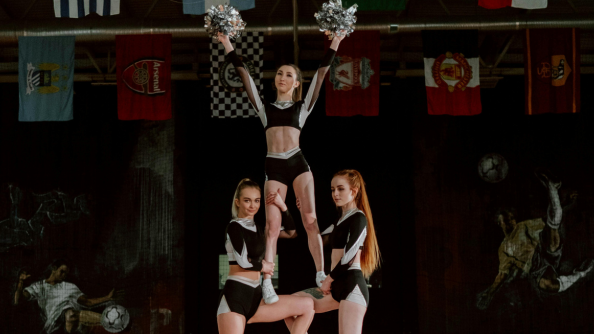
Dance, ballet and cheer exist at a strange intersection. They require elite levels of strength, flexibility, precision and endurance. However, they are still routinely categorized as entertainment rather than sport. 

Cheerleading’s governing bodies have earned Olympic recognition, and competitive formats like STUNT are now advancing to NCAA championship status. Yet culturally, the stereotype remains: performance athletes and artists are seen as athletes secondarily. 

This disconnect reveals a larger blind spot in sports culture. Athleticism is defined not by physiological output, but by visibility, broadcast value, and legacy structures.

As sports continue evolving toward hybrid forms of competition, the question becomes harder to ignore: If we judged athleticism purely by physical demand, would these performers still be considered “outside” of sport, or have we simply been measuring the wrong things?

Quick Highlights

  • Research shows that professional ballet dancers can reach VO2 levels similar to endurance-based athletes during performance. 
  • Injury patterns in dancers mirror high-performance sports, with professional and pre-professional dancers experiencing overuse injuries at rates similar to gymnastics and running.
  • Competitive dance already functions as a judged sport, using scoring systems based on execution, difficulty, artistry and synchronization, much like gymnastics and figure skating.
  • Professional athletes regularly incorporate ballet and dance training to improve balance, strength, and injury prevention.
  • Visibility, media rights and sponsorship, not physiology, often determine what qualifies as “sport,” leaving performance-based disciplines under-recognized despite comparable physical demands.
dance elite athletes

The Physiology of Performance 

At a physiological level, the distinction between “athlete” and “performer” becomes increasingly difficult to defend. Ballet dancers, competitive dancers and cheer athletes routinely train with workloads that mirror elite sport environments. This includes strength development, cardiovascular endurance, mobility and repeated high-impact movement. 

Research examining professional dancers shows that performance and rehearsal demand significant aerobic output. Cardiovascular demands can approach those seen in endurance-based training contexts. While dance is often framed as artistic expression, the physical reality includes sustained exertion and precise recovery between explosive sequences.

The biomechanical demands are equally substantial. Dancers require exceptional strength-to-weight ratios to execute lifts and controlled landings while maintaining technical precision and form. Many movements combine extreme flexibility with stability and force absorption. 

Cheerleading presents a similarly measurable athletic profile. Tumbling passes, aerial stunts and synchronized routines demand coordination, balance, and power output comparable to gymnastics-based disciplines.

If performance disciplines were evaluated purely through biomechanics, training load, and injury risk, their place within the broader athletic landscape would be far less disputed. The body does not distinguish between a leap executed for artistry and one performed for points. 

The Role of Competition

One of the most common arguments used to separate dance and other “performance” sports from traditional sports is that they are “art, not competition.” The implication is that artistry somehow disqualifies physical performance from athletic legitimacy. Yet across many sports, the line between art and sport has never been as clear as this argument suggests. 

Competitive dance already functions within structured judging systems. Athletes are scored on technique, execution, synchronization and performance quality, criteria that closely resembles scoring frameworks used in established judged sports. Competitive circuits continue to grow internationally. They bring standardized rules and ranking systems that mirror the competitive structures found throughout athletics. 

Olympic figure skating offers a clear example of sport and artistry coexisting. The International Skating Union’s judging system formally combines technical elements with program components such as composition, presentation and artistry. Performance quality is not separate from sport. It’s embedded within how athletes are evaluated. 

Gymnastics operates similarly. Olympic scoring explicitly includes artistic components alongside execution and difficulty. This shows that aesthetic expression and measurable athletic performance have long coexisted at the highest levels of sport.

Cheerleading has followed a comparable evolution. Once widely viewed only as sideline entertainment, modern cheer now features structured competitions and world-level championships governed by standardized rules and judging criteria. Events such as the ICU World Cheerleading Championships bring national teams together under international sport governance. This reinforces cheer’s role as a global competitive discipline. 

The existence of these systems raises an important question: if artistry and competition can coexist in figure skating and gymnastics, both as fully recognized sports, why are other performance-based disciplines still viewed differently? The distinction appears less rooted in competitive structure and more heavily influenced by historical perception, media exposure and tradition. 

elite cheer athletes

Media & Market Influence 

Recognition in modern sports culture rarely develops from physical demand alone. Visibility, shaped largely by media and market forces, plays a central role in determining which activities receive legitimacy. 

Television and streaming contracts have become some of the strongest indicators of cultural status within sport. Media rights generate revenue and define which competitions audiences see regularly, which athletes become household names, and which leagues attract long-term investment. As media exposure grows, sports move from niche participation to mainstream relevance. 

Sponsorship tends to follow that visibility. Brands invest where audiences gather, meaning broadcast exposure often drives commercial partnerships more than the inherent difficulty or athleticism of a discipline. This dynamic can create a feedback loop. Greater visibility attracts more sponsors, which in turn fuels growth and broader recognition. 

Institutional legitimacy frequently follows investment. Governing bodies, collegiate programs and professional leagues expand where sustained revenue and audience demand exist. Recognition is less about whether a discipline requires elite skill, and more about whether it can demonstrate commercial visibility within the modern sports ecosystem. 

The result is a sports landscape shaped as much by economics as by athletic performance. Activities that are easy to package for television and sponsorship often gain legitimacy faster than disciplines with comparable physical demands but less established media infrastructure. The sports industry rewards what it can monetize, and visibility can matter as much as physiology in defining what the public recognizes as sport. 

The Opportunities Ahead 

As the definition of athleticism continues to evolve, the gap between performance-based discipline and traditional sports presents a clear opportunity both culturally and commercially. Dance, ballet and cheer already demonstrate comparable training demands and competitive structures. The next step may depend on how the industry chooses to invest in and market these athletes. 

One emerging area is name, image and likeness (NIL) monetization. The rapid expansion of NIL in collegiate athletics has created new pathways for athletes to build personal brands outside traditional sponsorship models. As dance and performance programs grow at the collegiate level, dancers may increasingly tap into that same creator-driven economy. 

For brands, this creates potential for expansion into underdeveloped performance-based markets. Audiences are increasingly engaged with hybrid forms of sport and entertainment across digital platforms. This allows for disciplines that combine artistry with elite physical skill to present new storytelling opportunities and sponsorship categories beyond traditional team sports. 

Expanding the Definition of Elite

Athleticism is continuously evolving. As sport continues to blend entertainment, performance and competition, the traditional boundaries that once separated athletes from performers are becoming difficult to justify. 

One of the clearest signals of this shift is the emergence of the newly founded Pro Cheer League (PCL), which represents a significant step toward the professionalization of cheer as a standalone athletic discipline. As leagues like the PCL gain visibility, they help challenge outdated definitions of elite sport. 

The future of sports culture may not depend on choosing between art and competition, but on recognizing that the two have long coexisted. As media, institutions and brands continue to reshape the landscape, the next generation of athletes may be defined less by the label attached to their discipline and more by the measurable performance they bring to it. 

The next era of sport should acknowledge what the body has always known. Ballerinas, dancers and competitive cheerleaders are not redefining athleticism because they have embodied it all along. 

Why Women’s Pro Volleyball Is Finally Gaining Traction in the US

It’s always been a struggle for women’s professional volleyball to establish a stable position in the United States. Despite being one of the most widely played sports among women at both the youth and collegiate levels, the professional game has lacked opportunities. This includes visibility and consistent investment. 

That narrative is finally shifting.

Over the past few years, women’s pro volleyball has begun to rise in popularity. This comes as a result of changes in fan behavior, digital media, and league structure. 

This growth isn’t happening randomly. It reflects broader trends across women’s sports, where participation, media attention, and brand investment are increasingly aligned.

Quick Highlights

  • Volleyball consistently ranks among the top sports for female participation in the U.S., especially in high school and college.
  • In 2023, Nebraska volleyball set a world record for attendance at a women’s sporting event, with 92,003 fans at Memorial Stadium.
  • Leagues like Athletes Unlimited, the Pro Volleyball Federation, and LOVB focus on shorter seasons, city-based teams, and keeping top college stars local to grow fan support.
  • In 2025, Volleyball World events saw over 62 million engagements across social media platforms and gained 350,000 new followers.
  • Sponsorship deals across major women’s sports properties grew about 12% between 2024 and 2025, expanding nearly 50 percent faster compared to men’s pro leagues.
women's pro volleyball

A Fanbase That’s Always Been There

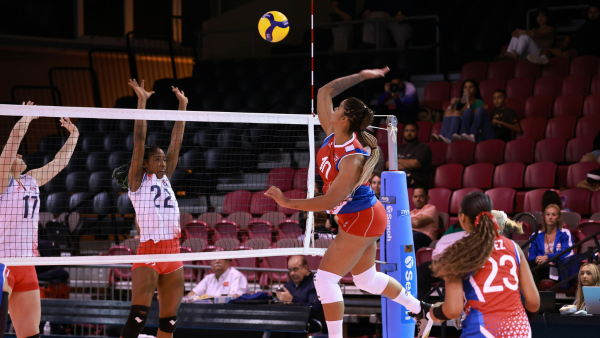
Volleyball consistently ranks among the top sports for female participation in the United States, particularly at the high school and NCAA levels. For decades, this created a huge disconnect. Athletes and fans were very interested in the sport, but didn’t have any clear professional teams to support once collegiate careers ended.

Like many women’s sports, volleyball seems to disappear after college. New U.S. leagues are changing that. Professional volleyball is tapping into an audience that already knows and loves the game.

In 2025, the Omaha Supernovas drew nearly 11,000 fans per game by putting together a roster with many Nebraska alumni. This shows how familiar college stars can drive attendance.

Instead of trying to create interest from scratch, these leagues are connecting with a community that’s already passionate about volleyball. 

This is similar to other women’s sports, like the new Women’s Professional Baseball League, where early exhibition games sold out quickly and drew large crowds of fans already following baseball. 

Social Media Has Reshaped Visibility

Digital platforms have played a big role in why volleyball is getting more attention. Short-form videos and behind-the-scenes clips make it easy for fans to discover the sport and feel connected to it. 

Volleyball naturally fits social media. The rallies are fast, the reactions are genuine, and the highlights don’t need much explanation. A single clip can capture the energy of an entire match.

Nebraska volleyball is one of the clearest examples of this in action. Players post “get ready with me” videos, locker room jokes, and practice clips. This gives followers a glimpse into the personality behind the program.

That digital connection mirrors the program’s real-world support. In 2023, Nebraska set a world record for attendance at a women’s sporting event. 92,003 fans filled Memorial Stadium for a match against Omaha, proving just how deeply rooted volleyball is in that community.

This kind of visibility helps teams and leagues grow without relying solely on traditional TV coverage. It also opens the door for sponsors, who can connect with engaged audiences through both official league platforms and individual athletes.

How Smarter League Models Are Growing the Sport

One of the biggest differences between past attempts at professional volleyball and what’s happening now is strategy. Their new approach is centered on steady growth and long-term success.

Leagues like Athletes Unlimited, the Major League Volleyball, and LOVB each have their own model, but they share a common mindset. That is to not grow faster than the audience can follow.

Many focus on shorter seasons, regional teams, and clear development paths. LOVB has focused on keeping top college stars in the same cities where they built their fan bases. This makes it easier for supporters to continue following them at the professional level.

That city-based approach strengthens local identity and gives fans a reason to keep showing up. Professional volleyball is taking cues from other leagues and laying a foundation built to last.

Increased Brand Interest in Women’s Sports

Brand investment in women’s sports is growing fast, and volleyball is starting to see the impact. Sponsors are naturally drawn to sports with strong community ties and real stories they can connect with.

Volleyball’s audience often overlaps with lifestyle and wellness communities. This makes this sport a great fit for long-term partnerships. Getting involved early lets sponsors grow alongside the leagues and build trust with fans.

Skims’ partnership with LOVB shows how a high-profile brand can make a true impact while the league is still growing. The brand took a major role in athlete activations, community events, and league marketing. This approach has become a key part of what makes partnerships in women’s sports successful.

@leagueonevolleyball

LOVB 🤍 SKIMS     SKIMS is now the official loungewear, intimates and sleepwear partner of LOVB. The partnership will see LOVB and @SKIMS work together to accelerate the future of professional women’s volleyball, as well as empower girls and women both in sports and beyond 🫶 #skims #lovb #volleyball

♬ original sound – LOVB

Why This Moment Feels Different

This moment feels different for women’s professional volleyball. Not because of sudden interest, but because the pieces are finally falling into place. Participation has always been strong. What was missing was consistent visibility and connection.

Now, with leagues refining their strategy and brands investing earlier and more intentionally, women’s pro volleyball has a real opportunity to establish itself in the U.S. The growth doesn’t feel rushed or reactive. It feels steady and built to last.

Why Does Chicago Have Two Baseball Teams?

Chicago, Illinois is one of the few cities in the United States that has two Major League Baseball teams; The Chicago Cubs and the Chicago White Sox. 

Why does Chicago have two baseball teams? The reasoning lies in the rich history, league competition, and geography of the city. 

Along with cities like Los Angeles and New York, Chicago’s sports culture is shaped by the team’s infamous rivalry and has ultimately impacted the city’s economy and tourism. 

Quick Highlights

  • In 2025, the Cubs hosted 3,017,983 total patrons during their season, and the White Sox had a total of ​​1,445,738 attendees. 
  • In the 1980s, Chicago’s population grew by 600,000 residents in one decade.
  • In 2025, the White Sox hosted the Cubs and had a total of 38,762 attendees – over 20,000 more than the White Sox home game average. 
  • The Cubs are currently valued at 4.6 billion dollars and the White Sox are not far behind, sitting at a value of 2 billion. 
chicago

Population and Early Love

In the late 1890s and early 1900s, Chicago experienced a rapid population growth that was fostered by industrialization. This also contributed to a rise in the baseball fandom. Just in the 1980s alone, the city’s population grew by 600,000 people. By 1900, the city’s total population was 1.7 Million. 

This sudden growth provided the perfect market for Chicago to capitalize on increased revenue. Baseball quickly emerged as one of the city’s favorite pastimes. 

This cultural connection between the city and the franchises began to deepen as generations passed and traditions continued. The lasting enthusiasm behind both teams created long term economic viability that allowed the franchises to strengthen their roots within Chicago. While both teams have their distinct communities and fan bases, they both make up a large part of Chicago’s Identity.

Two Rival Leagues in the Same City

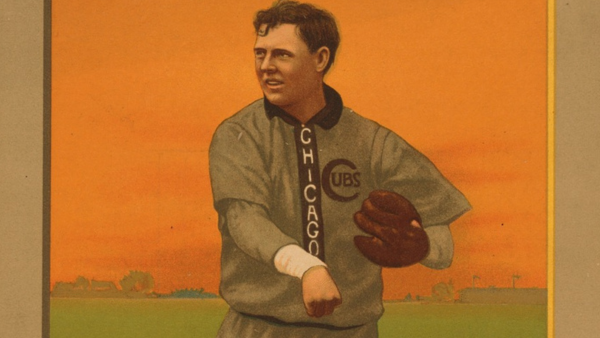
The ‘Chicago White Stockings’, now the Chicago Cubs, was one of the few charter teams the National League established in 1876. A few years later, when the Cubs were being established under their new name, the Charles Comiskey American League Initiative founded the Chicago White Sox. 

Since the two franchises were in different leagues, they were able to avoid direct competition within league championships. Having two teams in Chicago fostered a healthy rivalry, while simultaneously creating a dynamic sports culture. 

Rivalries are proven to increase fan engagement and motivate players to perform better. Ahead of the 2025 season, CBS Sports ranked the Cubs vs. White Sox rivalry game the second best game in MLB rivalry matchups. 

Every season, the two teams play each other in the “Crosstown Classic”. This series is made up of six games, and gains some of the highest viewership rates of the season. 

In 2025, Game 1 of the White Sox vs. The Cubs series held 38,762 attendees. This was significantly higher than the White Sox average game attendance, which stood at 18,021. 

chicago baseball

North vs. South Side

The divide between the North and South side of the city is deeply rooted in diversity and baseball history. 

The city spans 25 miles from North to South. The size naturally shapes fan loyalty through geography and generations of family tradition.

North Side:

The Cubs play at the famous Wrigley Field in Wrigleyville, located north of downtown Chicago. It draws fans from surrounding neighborhoods and a broad cross-section of the city. This is shaped by proximity, culture, and long-standing community ties.

South Side:

The White Sox are based out of Rate Field located in the Armour Square neighborhood and in the south of downtown Chicago. The White Sox are deeply rooted in Chicago’s working-class communities, driven by strong local pride and loyalty.

Economic Impact and Tourism

The two franchises drive the local economy and tourism substantially. Both teams continuously generate millions of dollars in revenue for the city. Currently, the Cubs are valued at $4.6 billion, and the White Sox are valued at $2 billion. 

The two fields also provide benefits for nearby hotels, restaurants, and local businesses, as they support tourism revenue streams. 

Both teams and stadiums provide thousands of seasonal, part-time, and full-time job opportunities. This creates a stronger job market throughout the city as a whole. 

Chicago also currently sits at the third largest media market in the U.S. This makes the teams a prime target for sponsorships and promotional opportunities. 

chicago baseball

Why There are Still Two Teams Today

The Historical evolution of both the Cubs and White Sox has left a lasting impact on Chicago. Both franchises continue to play an important role in the city’s economy, sports culture, and pride. 

Block Club Chicago wrote, “In Chicago, one’s preferred baseball team isn’t simply about baseball. It’s a way of life and a communal identity that fans possess – which has, in part, kept the rivalry alive for so long.”

Chicago’s expansive fan base, cultural diversity, and powerful economy make it one of the few cities capable of sustaining two rival Major League franchises. With the Cubs competing in the National League and the White Sox in the American League, the rivalry is built not only on sport. It’s built on history, identity, and community.

Together, the Cubs and White Sox continue to shape Chicago’s cultural fabric. They fuel the city’s growth while strengthening its place at the heart of America’s baseball tradition.

America’s Favorite Sport: The Rise and Reign of Football

41% of adults consider football to be their favorite sport to watch. This statistic reflects how the game has grown into more than just a pastime. Football has become a weekly routine and a national obsession woven into everyday American life.

American Football has remained the country’s most popular sport for more than 50 years.  It has evolved beyond the action on the field to keep fans engaged year-round, even long after the season ends.

Fantasy football, sports betting, and nonstop social media coverage ensure constant interaction. The Super Bowl’s blend of competition and entertainment transforms the sport into a national phenomenon that dominates conversation and culture across the country.

Quick Highlights

  • The 2025 NFL season is projected to generate $30 billion in sports betting wagers.
  • 41% of adults list American football as their favorite sport to watch, reinforcing its dominance in U.S. sports culture.
  • The 60th Super Bowl will feature Bad Bunny as its headliner – showing the event’s blend of sports and entertainment.
  • In 2024, 25% of viewers tuned in solely for the halftime show, while 21% watched just for the commercials.
America's favorite sport

Fantasy Football Changed How Fans Watch the NFL

Football fans have never cared more about the outcomes of teams they do not root for, or even about how well the running back on their most rivaled team is performing. The era of solely tracking your favorite football team is over.

With fantasy sports participation at an all-time high, fans are now closely tracking the statistics of individual players across the league. This shift means fans have a personal stake in nearly every game. This leads to tuning into matchups they would normally ignore. It represents a major cultural change driven by emotional investment and high-stakes moments tied to fantasy team performance.

Fantasy football has also created a new audience: the temporary fan. These are participants who engage primarily because of the community built within workplaces, friendships, and families.

These temporary fans, who did not previously exist, are now locked into a sport they otherwise would not have invested their time in. The culture fantasy football has cultivated has drawn both fans and non-fans into caring about game outcomes and player performance.

Sports Betting Increased Fan Engagement and Makes Each Game More Exciting

As sports betting has become widely accepted as a societal pastime, it has fundamentally changed how fans watch games. It has turned every play into something personal, emotional, and high-stake.

In the United States, football attracts the most bettors and the highest volume of frequent betting activity. Wagers are predicted to reach $30 billion this season. Sports betting also appeals to those who may not enjoy the sport itself as much as they enjoy betting. This adds a layer of excitement that extends beyond team loyalty.

Once financially invested, bettors become focused on whether their parlays will hit. This makes games that might otherwise seem boring feel far more intense.

Social media has also shortened attention spans, a challenge sports like football continue to face. Player props and spreads help keep fans engaged throughout the entire game. Fans and general bettors actively tune in to monitor their bets and outcomes.

This heightened engagement pushes viewers to stay informed on more than just their favorite teams. Instead, fans follow football news as a whole to better understand and support their betting decisions. 

sports betting

Why Football Wins the Week, Not Just Sunday

Social media usage is more prominent than ever, driven by content formats that cater to every generation. As social media has become a key measure of influence and popularity, American football has consistently thrived in this space.

In a digital era built around concise content, social platforms have become essential for maintaining interest in sports – even during the offseason. YouTube Shorts, Instagram Reels, TikTok, and similar platforms have made sports media more accessible. This allows fans to engage with trending content throughout the week.

As content spreads across platforms, conversation extends far beyond a single moment. Within minutes, big plays, highlights, and memes appear before, during, and after games. This keeps teams, players, and major moments constantly visible and top of mind from Monday to Sunday.

Even in the offseason, football teams continue to push content, ensuring there is always something to react to. With content moving quickly and football generating it endlessly, the sport remains relevant every day – not just during the season and not just on game day.

Super Bowl: Where Sports Meets Entertainment

The Super Bowl remains one of the most anticipated mega-events year after year. Culturally, it never loses momentum. Even when the same team appears three years in a row, the stadium sells out and viewership stays massive. This is fueled by the event’s intersection with entertainment.

More than the teams themselves and often unknown until weeks before, the most anticipated question is always who will perform. Each year, speculation builds for months, culminating in a polarizing announcement. This season, Bad Bunny’s selection sparked both excitement and backlash. 

This prompted the NFL Commissioner to publicly defend the decision: “He’s one of the leading and most popular entertainers in the world… That’s what we try to achieve… It’s carefully thought through. I don’t think we’ve ever selected an artist without some blowback or criticism.”

The Super Bowl is a spectacle by design, and the NFL leverages it to draw as many eyes as possible – and it works. The halftime show alone brings in roughly 25% of total viewership, attracting audiences who don’t typically follow the NFL. Every year, social media fills with posts from viewers who tune in solely for those 20 minutes.

By positioning the Super Bowl as both a sport and cultural event, the NFL consistently captures a multifaceted audience. This includes people who may not be year-round football fans, but who are deeply invested in the Super Bowl itself.

America's favorite sport

Football Owns the Calendar and the Culture

American football has remained the most popular sport in the United States for 54 years. This is largely because of its ability to adapt alongside shifting cultural preferences. As fan habits change, football continues to evolve with them.

Fantasy football has deepened that engagement by expanding participation beyond traditional fans to include friends and family. This shift has made viewers more invested in the league as a whole – not just individual teams. This drives higher viewership and stronger emotional attachment.

Football’s dominance has also translated into becoming the most bet-on sport following legalization. Bettors now watch more games to inform their decisions. This increases engagement, viewership, and excitement across every matchup.

Social media and marquee events like the Super Bowl keep football culturally relevant year-round. From short-form content to commercials and halftime performances, football consistently stays in the national conversation. This reinforces its position at the center of both the sports calendar and American culture.

The Harsh Economic Impact of Hosting the Winter Olympics

1.9 billion dollars, 17 days, two cities. This is the number of the operating costs the Milano-Cortina Olympic committee will be working with for this upcoming February’s games, which only spans 17 days. The desire for prestige often leads host cities running themselves into debt and economic strain for years to come. 

When most of us think about the Winter Olympics, we tend to think high-speed thrills, ice and snow, and extreme athletic performances in cold conditions. What often goes unnoticed is the complex and costly effort required to stage the Games, and the lasting impact they leave on host cities and athletes long after the closing ceremonies.

Quick Highlights

  • Milano-Cortina’s proposed budget is $1.9 billion, rising to nearly $6 billion when infrastructure investments are included.
  • Spending for the 2014 Sochi Games exceeded $50 billion – nearly four times the original bid.
  • The Games can create upwards of 100,000 jobs, but most are not sustainable for longer than a year. 
  • The 2026 Milano-Cortina Winter Games are predicted to emit around 930,000 tons of emissions. 
winter olympics

Lessons From Past Games

There is a longstanding tradition of over spending and over building with the Winter Olympic Games. The 2014 Sochi Games shows the risks of extreme cost overruns. Spending exceeded $50 billion and limited long-term economic return from Olympic-specific infrastructure. 

In contrast, Salt Lake City’s 2002 Games are frequently cited as a more successful example. Venues were reused and costs were more controlled. Facilities continue to generate revenue to this day through ongoing sporting events and tourism.

Vancouver 2010 shows a middle-ground outcome. Investments in transportation infrastructure delivered lasting urban benefits. However, overall economic gains fell short of early projections.

Past Games suggest that the economic success of the Winter Olympics depends less on the event itself. They depend on cost discipline, governance, and how well Olympic investments align with long-term regional needs.

The Upfront Costs and Public Expenditure

Historically, the budget set for the Winter Olympics is largely underestimated and is frequently exceeded by double or triple the original amount. 

The 2014 Sochi Games had a budget of around $12 billion and went on to spend over $50 billion. The $1.9 billion dollar budget estimated for Milano-Cortina represents the operating budget. This does not include additional expenses like new competition venues or International Olympic Committee provided funding. 

A large portion of these additional costs is absorbed by government funding, shifting the financial burden to taxpayers. While sponsorship revenue provides meaningful support, host cities continue to bear significant financial risk for economic returns that are uncertain and challenging to measure. 

olympic skiiing

Infrastructure and Long-Term Usage

Infrastructure projects such as transportation upgrades, security systems, and athlete villages are often justified as long-term investments. However, many struggle to generate sufficient economic returns after the Games conclude. These facilities are frequently designed for highly specific Olympic needs, resulting in limited post-Games functionality. 

As seen in past host cities such as Sochi, Athens, and Sarajevo, the challenge lies in repurposing Olympic infrastructure in ways that are both economically viable and socially sustainable. 

Milano-Cortina aims to address this issue by redefining Olympic tourism through a multi-destination model. It will rely on existing urban centers and larger-capacity venues. This strategy emphasizes upgrading current transportation networks rather than constructing entirely new infrastructure that may not deliver long-term value. 

Community Impact and Employment Sustainability

While the Olympics can provide significant short-term benefits, particularly for businesses in food service and lodging, residents often experience daily disruptions. 

Although tens of thousands of jobs are created, host cities frequently struggle to sustain employment once the Games end. The Olympics have a longstanding history of causing disruption and chaos in the lives of the people that reside in the host cities. 

The Tokyo 2020 Games proved to be one of the harsher on its residents. Over 300 households were displaced or relocated. Over the last 50 years alone, gentrification and new growth in host cities has caused 2 million people to lose their homes. 

winter olympics

Environmental Sustainability

For Milano-Cortina specifically, there is a strong focus on environmental sustainability and responsibility. Much of this focus comes after facing backlash from athletes about the polluting sponsors. 

The Winter Olympics already produce significant emissions, and fossil fuel sponsorships only amplify this impact. In some cases, this nearly triples the total environmental footprint. In response to this backlash, Milano-Cortina has committed to using existing venues, transportation, and structures.  

Organizers have emphasized public transportation and sustainable construction to reduce emissions. However, critics argue these measures only partially offset the environmental impact of international travel and corporate sponsorships. This tension highlights a broader challenge facing the Winter Olympics: balancing economic interests and global visibility with long-term environmental responsibility.

Economic Outcomes and Insights

Every four years, the Winter Olympics force host cities to balance global spectacle with long-term economic and environmental responsibility. While the Games offer short-term excitement, global visibility, and temporary economic boosts, history shows these benefits often come at a lasting cost.

Without strict budget discipline and long-term planning, Olympic hosting risks becoming a financial burden rather than a legacy.

Ultimately, the success of the Winter Olympics depends not on the spectacle itself, but on whether host cities prioritize long-term public value over short-term prestige.

Future of the WNBA: How Expansion Teams Will Shape the League

The Women’s National Basketball Association (WNBA) is at a major turning point. The league will begin a new era following years of steady growth in attendance and popularity

The impact of WNBA executives’ plans to expand the league from 13 to 18 teams by 2030 goes beyond adding more games to the schedule. This expansion will bring professional women’s basketball to Cleveland, Toronto, Portland, Detroit, and Philadelphia. 

Beyond competitive changes on the court, new expansion teams have the potential to change women’s sports culture.

Quick Highlights

  • The 2025 WNBA postseason set a new viewership record on ESPN, averaging 1.2 million viewers per game across 24 playoff matchups.
  • The Golden State Valkyries, an expansion team, led the league with an average home attendance of 18,064 fans per game.
  • The 13 franchises of the WNBA increased in value by an average of 180% from 2024 to 2025
  • In 2024, the WNBA recorded nearly 2 billion social media video views, which was more than four times higher than in 2023.
Women's Basketball

Roster Growth and New Competition

The distribution of talent across more teams is among the most prominent outcomes of league expansion. More talented female athletes will have the chance to compete at the highest professional level with more roster spots available. This boosts competition throughout the league and fosters an increased demand for talent development as well as supplying more jobs and careers.

The Golden State Valkyries, the league’s first expansion team in more than ten years, have demonstrated that new teams can immediately make a name for themselves on the court. They are the first WNBA expansion team to make the playoffs in their first season. In 2025, Golden State ranked 4th in the Western Conference, averaging 77.7 points per game. Valkyries star Veronica Burton averaged 11.9 points and 6.0 assists per game while starting all 44 games, earning the WNBA Most Improved Player award.

Naturally, more rivalries will also be cultivated by this newly found competition. The New York Liberty and Connecticut Sun already have a strong Eastern Conference rivalry due to their close locations and frequent matchups. The establishment of a Philadelphia team could add even more excitement to the East Coast rivalries.

WNBA expansion team

Which Location is The Right Location?

Even while more teams lead to greater opportunity, not every market can sustain a WNBA franchise. The league must give priority to cities with strong basketball culture and a current interest in women’s sports if it intends to expand in the long run.

Philadelphia, Detroit, and Cleveland are prime examples of this tactic. The Cleveland Rockers and Detroit Shock, two former WNBA teams who had devoted fan bases prior to their respective collapse and relocation, both have significant basketball histories. Their comeback rekindles community spirit and draws on previously established support. 

Philadelphia, on the other hand, emerges as a new market with a legendary basketball culture and sporting facilities under construction. This includes the New South Philadelphia Arena, which is scheduled to open in 2030 and house the new WNBA franchise.

Lessons from previous professional leagues are reflected in the league’s focus on areas with strong fan bases. NBA, NFL, NHL, and MLB expansions demonstrate that success often depends on media engagement, advertisement, and fan loyalty which are factors that guarantee long term exposure and financial sustainability.

Economic Effect

For possible cities and states, expansion presents substantial economic potential. In addition to creating jobs for marketing teams and stadium employees, professional sports teams may boost local businesses by drawing fans to restaurants, hotels, and stores on and around game days. A new WNBA franchise may boost a city’s reputation both locally and globally by stimulating tourism and consumption.

The WNBA may avoid errors and adopt sustainable growth strategies by learning from both successful and unsuccessful expansion efforts in other major American sports leagues. With Cleveland in 2028, Detroit in 2029, and Philadelphia in 2030, the expansion shows signs of meticulous planning to hold competitive balance while strategically growing the league.

The Golden State Valkyries give an idea of how growth may create economic momentum. They contributed to greater media coverage and attendance in the Bay Area, generating additional employment and business possibilities. Their addition also increased the WNBA’s visibility in a significant sports market, showing how expansion teams can support the league’s long term financial success while swiftly boosting local economies.

WNBA transformation

Cultural Impact

The effects of expansion extend beyond money. Expansion is necessary in order to enhance the culture of women’s sports. Younger generations of athletes and fans will be inspired by the increased exposure of female athletes as more teams compete and get media attention

The WNBA’s expansion is consistent with many shifts in women’s sports, where greater funding and media attention have created new possibilities and changed how not only sports fans, but how society views female athletes. By entering new markets, the league continues to push women’s basketball forward both culturally and socially.

Building The Next Era of The WNBA

The WNBA’s climate is changing significantly as it continues its historic expansion. The introduction of more franchises provides players with greater opportunities and additional cultural and economic advantages for surrounding communities. 

The WNBA is not only expanding in size, but also solidifying its position as a major force in women’s sports by choosing these potential cities and using lessons learned from precedent.

With a larger platform for women’s basketball to flourish, the next era promises new rivalries, packed arenas, and long-term opportunities for future generations.

The John Cena Formula Behind WWE’s Global Growth

WWE is a global entertainment powerhouse valued at over $16 billion. Built on long-term storytelling, larger-than-life personalities, and a loyal fanbase, WWE continues to grow despite other sports properties struggling to retain attention.

John Cena’s final match reflects this formula, one that helped WWE scale into one of the most durable and recognizable sports-entertainment brands in the world. 

 WWE takes raw talent like Cena’s and turns athletes into global sensations. By developing character arcs, leaning into authenticity, and maximizing entertainment value, the franchise creates and leverages superstars that elevate the brand.

Despite strong feelings about the end of Cena’s career, WWE is quickly forging ahead and ready to repeat the formula.

Quick Highlights:

  • The global professional wrestling fanbase was roughly 5.8 billion in 2024, and it expected to grow to around 9 billion by 2030. 
  • Viewership for the most recent Wrestlemania, WWE’s biggest yearly event, saw a 114% increase over the record that was set at last year’s Wrestlemania. 
  • Episodes and appearances tied to John Cena’s final run generated higher viewership and engagement, with his final RAW appearance generating 3 million more viewers than the previous week’s show. 
  • WWE currently has media deals with Netflix, ESPN, and NBC. In 2024, they signed a 10 year, $5 billion deal with Netflix for Monday Night Raw.
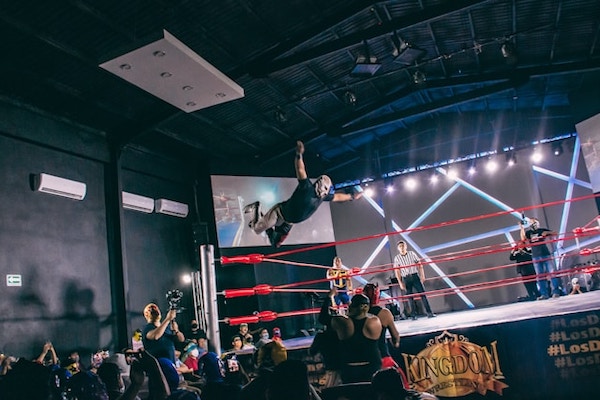
wrestling match similar to john cena in wwe

The WWE Business Model: Storytelling First

Unlike traditional sports, where the game itself is the product, WWE sells storytelling above all else. Matches matter, but the stories behind them matter more.

Rivalries stretch across months or even years. Characters evolve. Heroes fall, villains rise, and redemption arcs keep fans emotionally invested long after the bell rings. This serialized style turns WWE into ongoing entertainment, perfectly suited to today’s binge-ready media landscape.

That narrative foundation makes the biggest events — Royal Rumble, SummerSlam, WrestleMania — feel massive. They conclude major storylines, settle long-standing feuds, and pay off months (or years) of emotional buildup.

Adaptation & Long-Term Character Building

WWE pivots quickly when a character isn’t clicking. Many of its biggest stars started with a completely different gimmick before finding what worked.

Athelo Group’s own Mark Henry debuted as the proud Olympic medalist representing the USA. When that didn’t connect, WWE shifted to his ladies’ man persona, and Henry became a top-tier entertainer.

John Cena began as just another generic wrestler on the verge of being cut. A viral backstage rap freestyle changed everything — he embraced the “Doctor of Thuganomics” character and became a household name.

Cena’s final match carried so much weight because fans had followed the entire journey: the rise, the dominance, the criticism, the injuries, the resilience, and the unmatched longevity.

WWE builds up to these moments, layer by layer. That storytelling-first approach drives weekly TV, premium live events, and constant social engagement, keeping the company culturally relevant all year long.

John Cena: The Blueprint for WWE Superstar Branding

From the “Doctor of Thuganomis” to being the face of the franchise for an entire generation, Cena became a global ambassador for WWE. His crossover success into film, television, commercials, and philanthropy introduced WWE to entirely new audiences, with many new fans following Cena back to the wrestling product.

Every movie role, red-carpet appearance, and viral interview expanded the WWE footprint. John Cena didn’t just benefit from WWE’s platform, it was mutually beneficial.

Once, Cena surprised people at a movie theater about to watch his blockbuster new movie Suicide Squad, but showed up in full WWE character. As one of the most philanthropic figures in wrestling, there have been countless times of him making kids’ wishes come true to meet him.

His farewell moment underscores WWE’s long-standing strategy: build authentic stars, let them grow beyond the ring, and allow their success to reflect back on the brand.

Superstar Brands Drive WWE’s Scale

WWE’s roster is intentionally diverse in personality, presentation, and audience appeal. No two superstars are interchangeable, as each one is treated as a distinct brand with a unique voice, look, and story.

This approach lets WWE connect with different audiences at once. Hardcore fans stay locked into long-term storylines, casual viewers grab quick social clips, and new people discover WWE through movies, podcasts, fashion drops, or influencer culture.

Take Dave Bautista. WWE fans know him well, but most people recognize him as Drax from Guardians of the Galaxy. That Hollywood fame brought many of his 6+ million followers into the WWE world.

From John Cena and Roman Reigns to Becky Lynch, Hulk Hogan, and Mark Henry, WWE grows through stars who resonate far beyond the ring. Their individual fanbases stack together, creating a bigger, more durable ecosystem. In today’s attention economy, personality is the product, and WWE gets that better than almost anyone.

WWE’s Modern Media Takeover

WWE’s growth comes from smart media strategy. Long-form storytelling lives on weekly shows and premium live events, while short-form moments flood TikTok, Instagram Reels, and YouTube Shorts.

Promos go viral. Entrances become memes. Emotional moments spread instantly across platforms, pulling in fans who might never watch a full show. Every public moment in WWE turns into promotion for the brand.

John Cena’s final match was a perfect example. The match itself sparked nostalgia, emotion, debate, and massive shareability. Right before he tapped out, Cena was caught smiling.

Fans immediately connected it to his “Never Give Up” motto, debating whether the smile meant he was ready to retire. Cena fans were upset he lost, and the match blew up online.

WWE’s Instagram Reels usually get 1-2 million views each. Videos from the day of Cena’s last match and its aftermath averaged 3-4 million views. These moments don’t end when the bell rings; they live on forever in the digital space.

The Future of WWE Storytelling

John Cena’s exit isn’t slowing WWE down. It’s a chance to keep building an already strong brand.

WWE constantly creates the next generation of stars by blending athletic performance with character development and adapting to fan reactions. New superstars arrive as people with fresh personalities and arcs that fans can follow for years. With fan numbers projected to continue rising, there’s endless room for fresh stories and new generations.

Cena’s final chapter proves WWE’s greatest asset lies in making fans care and stay invested. That’s why the brand keeps growing stronger.

Look at the lead-up to Cena’s last match: Cody Rhodes, the WWE champion, faced Oba Femi, the NXT champion. The match didn’t go as planned, but it introduced Femi, a former college shot-put athlete with freakish strength and athleticism, as a future headline-maker. He’s a great fighter and an even better entertainer ready to rise in the wake of Cena’s retirement.

Become a Sponsor.

Join us in making a difference. Tell us a bit about yourself and we’ll be in touch with sponsorship details.

By submitting this form, you agree to be contacted by the Athelo Group team regarding sponsorship opportunities.