
Embracing CBD for Athletes as a Recovery Tool

Recovery tools like ice baths, foam-rolling, sauna, and nutrition have always been critical to athlete performance. Top athletes know their recovery is just as important as training

In recent years, shifting league policies and medical research have opened the door to a new recovery tool: cannabidiol, or CBD, a compound derived from the hemp plant. 

Once considered taboo, CBD has entered the mainstream recovery conversation thanks to mounting evidence and athlete testimonials highlighting its effects on inflammation, pain relief, mental stress, and overall repair.

Quick Highlights

  • In 2018, the World Anti-Doping Agency (WADA) removed cannabis from its banned list, opening the door for CBD-based recovery products.
  • By 2024, major U.S. leagues including the NCAA, MLB, NBA, and NFL had relaxed cannabis testing or approved CBD sponsorships.
  • MLB’s $30.5 million partnership with Charlotte’s Web marked the first league-wide CBD deal in professional sports.
  • A 2023 study found athletes using CBD after exercise reported less soreness and discomfort, supporting what many have claimed anecdotally.
  • The CBD market in sports recovery is projected to exceed $6 billion globally by 2030, driven by expanding league acceptance and athlete advocacy.
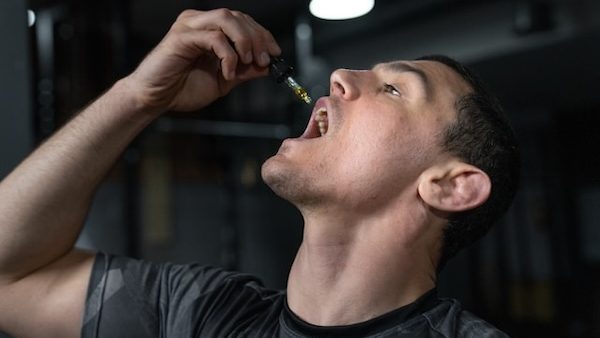
athlete ingesting cbd for recovery

Current Policy Landscape on Cannabis

In 2018, the World Anti-Doping Agency (WADA) removed cannabis from its list of banned substances. THC and other psychoactive cannabinoids still remain prohibited. The door for cannabis-based recovery tools is narrow: any product containing even trace levels of THC risks violating anti-doping rules.

In June 2024, the NCAA Division I Council voted to remove cannabinoids from its banned substances list for championships and postseason football. Individual schools can still choose to test for THC, but the policy marks a broader shift toward acceptance. Across U.S. professional sports, no single unified policy exists, yet leagues are increasingly re-evaluating their stance on cannabis.

How Leagues Are Adapting

Major League Baseball has led the way, removing cannabis from its banned list years ago and, by 2022, allowing CBD sponsorships under strict NSF-certified standards. 

That same year, MLB struck a $30.5 million multi-year deal with Charlotte’s Web, making it the official CBD brand of the league. Soon after, the Chicago Cubs partnered with MYND Drinks, and the Kansas City Royals with Pure Spectrum CBD.

Other leagues are following suit. The NBA has dropped marijuana testing entirely, the NFL no longer tests for THC, and the UFC stopped treating marijuana positives as violations. Even college programs like the USC Trojans have signed CBD sponsorships. 

Across sports, the “recovery tool” narrative has become the clearest and most legitimate entry point for CBD brands.

cbd product

Athlete Testimony & Market Narratives 

Recent studies have started exploring CBD’s role in athletic recovery. One 2023 trial found that participants who took CBD after exercise reported feeling less soreness and discomfort than those who didn’t. 

While large-scale studies are still limited, the early signs point toward potential recovery benefits that athletes have long described anecdotally.

Former NHL enforcer Riley Cote called CBD a “game changer” for managing chronic pain and brain trauma after his playing career. NFL Hall of Famer Champ Bailey has said cannabis helped him avoid heavier pharmaceuticals and “just calm my mind and get through it.” Similarly, Rob Gronkowski has been vocal about using CBD for recovery, partnering with CBDMedic to develop topical pain treatments.

Sleep, pain, inflammation, stress are all among the recovery demands of athletes. Positioning cannabis as an alternative for athletes to opioids and heavy NSAID use could be an effective and realistic strategy for brands. 

Limitations & Implications

Research on CBD and recovery remains limited. Most studies are small, use non-athlete samples, and don’t isolate CBD’s effects. Until larger trials emerge, CBD should be viewed as one piece of the broader recovery ecosystem alongside mobility, sleep, nutrition, and load management.

For brands, the focus should be on safety and transparency. Products must be completely free of THC, with clear compliance standards to protect both the athlete and the brand. Once that foundation is set, authentic storytelling becomes the differentiator, sharing real experiences of recovery and wellness.

CBD and recovery-focused brands are especially well aligned with high-intensity sports like football, CrossFit, soccer, and rugby. One example is Athelo Group’s own DJ Diveny, who partnered with Snapbac, a recovery apparel brand using heat and ice therapy technology to support athletic repair.
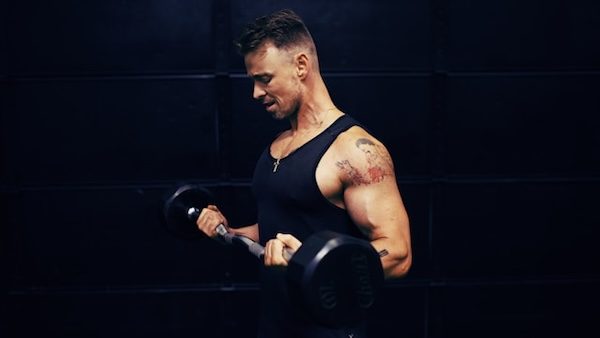
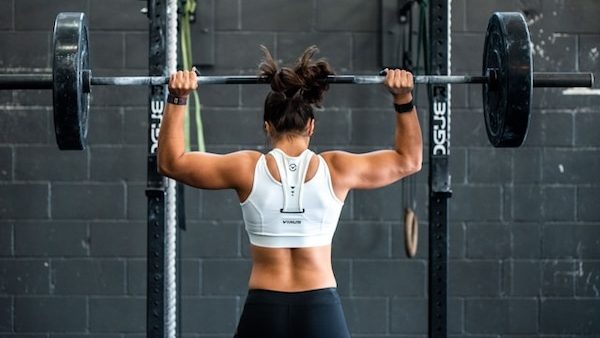
athlete lifting weights

Trends & Opportunities

Any recovery tool with legitimate benefits inevitably finds its place in high-performance settings. CBD in sports isn’t a fleeting trend; it’s about extending an athlete’s ceiling and redefining sustainable performance.

As U.S. leagues continue to open up to CBD sponsorships and recognize its legitimacy, investment in the space will grow. Athelo Group is helping brands and athletes position themselves at the forefront of this movement.
Short Form Content Is Winning the Sports Viewership Game

Social media has become central to how people consume information, and sports are no exception. Instead of sitting down to watch a full game, fans can now catch the most exciting moments in short form content delivered straight to their phones.

These bite-sized highlights package the best plays into quick, shareable content that spreads fast. The shift is changing how athletes, leagues, and sponsors think about marketing, fan engagement, and the overall viewing experience.

Quick Highlights:

  • In a 2021 survey, 58% of MLB fans, 54% of NBA fans, and 48% of NFL fans aged 18–34 said they prefer highlights over full games.
  • 43% of young adult sports fans follow their favorite league on social media.
  • In 2025, the average social media video length has dropped 13%.
  • The WNBA saw a 470% jump in average engagement per post from 2023 to 2024.
  • In the first half of 2025, vertical video formats (Reels, TikToks, etc.) made up 63% of all content — an 87.5% year-over-year increase.
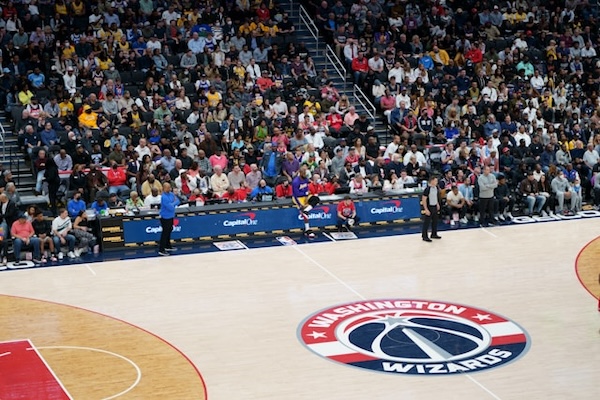
nba fans at washington wizards game

How Short-Form Content and Social Media Link

The rise of platforms like TikTok and Instagram has changed how quickly information spreads and how people consume it. Instead of long-form content, audiences are now primed to receive and prefer shorter bursts of media.

Easily accessible technology has accelerated this shift, especially among younger generations. A Microsoft study found the average attention span has dropped to less than nine seconds… even shorter than a goldfish’s.

With most sporting events lasting hours, it’s no surprise fans are leaning toward highlights that match this shorter focus. In January 2025, a clip of NBA star Ja Morant dunking over Victor Wembanyama went viral with over 11 million views, despite the play being called off. For fans, every big moment — even those that don’t count — is still worth watching.

The NBA: A Highlights League

A recent example of short-form highlights shaping sports comes from NBA commissioner Adam Silver. At a September 16 press conference, Silver drew backlash after saying that “there’s a huge amount of our content that people essentially consume for free. [The NBA] is very much a highlights-based sport.”

In 2025, the NBA’s average audience was 1.04 million — a 5% year-over-year drop from the 2023–24 season. Many fans criticized Silver for promoting highlights over live broadcasts.

Still, Silver may have a point. Billionaire Mark Cuban defended him, arguing that while the wording could have been better, Silver is one of the few executives acting in fans’ best interests.

For all the pushback, short-form highlights could end up being a long-term advantage for the NBA.

nba court

Are Highlights Impacting Fan Engagement?

While live broadcasts are seeing declines, highlights are driving a surge in fan interactions. During the 2022–23 season, NBA social accounts generated 32 billion views with an increase of over 10% year over year. By posting highlights openly on social media, leagues make it easier for casual fans to connect with teams and players.

Highlights also serve as a powerful promotional tool. A recent study found that 64% of sports fans engage with teams or athletes on social platforms, giving organizations a way to spotlight upcoming events or showcase rising talent.

In short, even as live viewership dips, highlights are proving to be one of the strongest tools for keeping fans more connected and more engaged than ever.

A Rise in Athlete Recognition

It takes one piece of short-form content for an athlete’s brand to instantly boom. In the first half of 2025, 3.5 million highlights were published in real time, up 19% from 2024.

One example came during a recent WNBA game, when Indiana Fever’s Sophie Cunningham defended teammate Caitlin Clark after a hard foul. A clip of the exchange went viral that same night, and Cunningham’s following skyrocketed. Before the video, she had around 200K followers on TikTok and 350K on Instagram. 

Today, those numbers have grown to 1.6 million on TikTok and 1.3 million on Instagram. This kind of visibility not only builds personal brands for established athletes, but also gives amateurs a chance to showcase their ability and get noticed by high-level organizations.

The Shift in Sponsorship

Brands have noticed a substantial increase in short-form content viewership, and it is changing the way they sponsor sports.

Daniel Kirschner, Co-Founder and CEO of Greenfly, explained that “short-form content is now a primary way fans engage with sports, and rights holders must tap into its media and sponsorship value.”

To reach younger demographics, brands are leaning on social media instead of traditional signage. Rights deals tied to short-form content are delivering unprecedented returns, while billboards and static ads lose relevance.

The sports sponsorship market is projected to hit over $55 billion in 2025, an 8% increase from 2024. With short-form content now central to sports marketing, that growth should not come as a surprise.

Continued Growth and Relevance

The rise of short-form content shows no signs of slowing down. Instagram Reels, launched only four years ago, now draws more than 2 billion people to its short-form videos.

Sports highlights will remain a key driver of this growth. For athletes, leagues, and sponsors, short-form content has become an effective way to reach fans and strengthen engagement across platforms.

Certain sports may lean into this trend more than others. Motorsports and lacrosse, for example, are well positioned to benefit from a highlight-driven approach. Fans can expect to see athletes in these spaces, like Chandler Smith and Marcus Holman, appearing more frequently in their feeds.

How AI in Sports Revolutionizes the Fan Experience 

The fan experience is all about how people interact with their favorite team, athlete, or brand. It’s more than just “watching the game.” It’s about building a lasting emotional connection.

Wimbledon shows how this is evolving. Their “Match Chat” feature lets fans ask an AI assistant questions during matches, while “Likelihood to Win” delivers real-time win percentages. Both are powered by IBM’s language model and stem from a 35-year partnership between IBM and Wimbledon. Together, they highlight how technology is reshaping what it means to be a fan.

At Athelo Group, we’ve seen AI in sports extend well beyond major tournaments. Athletes are using similar tools to connect more authentically with their communities. From frictionless stadium energy to instant highlight reels and smarter data, the fan experience is becoming more personal and interactive than ever.

Quick Highlights

  • The Cleveland Cavaliers saw an 83% jump in app downloads after rolling out AI-personalized highlights with WSC Sports.
  • WSC Sports’ editing tools generated over 16,000 highlight clips in a single Cavs season.
  • 46% of Gen Z fans watch live games because of the athletes they follow, not team loyalty, making AI-driven personalization crucial.
  • MLB’s Go-Ahead Entry program using facial recognition delivers ticket scans 2.5 times faster than traditional gates.
  • AI targeting has cut media waste by 40% while boosting conversion rates for sports brands.
  • The market for AI in sports is projected to reach $4.6 billion by 2032, up from $2.2 billion in 2022.
mlb stadium using ai to enhance fan experience

Personalized Highlights: Any Play, Any Player 

The Cleveland Cavaliers were the first NBA team to test a new wave of AI-driven content through their partnership with WSC Sports, an AI-powered sports content firm. They became the guinea pigs for personalized highlights.

WSC’s platform recognizes that no two Cavs fans are alike. Using AI, the app lets users create custom reels around their favorite players and moments.

Want every Donovan Mitchell dunk or every Jarrett Allen block? The system automatically compiles it. The results speak for themselves: 83% more app downloads and over 16,000 clips generated in a single season.

This type of technology won’t stay limited to basketball. Athelo Group sees applications across all sports—from MLB to surfing. Imagine surfers like Zoe Benedetto releasing custom highlight edits to showcase her moves and connect with fans on a deeper level. The sky’s the limit.

The Data-Driven Superfan 

AI personalization has redefined how fans engage, but the biggest shift is the rise of real-time data. It’s no longer just about watching the game—it’s about understanding it on a deeper level.

During the NBA Playoffs, Sportradar processed hundreds of thousands of data points live to calculate win probabilities and generate game forecasts.

These insights gave gamblers and fans alike access to information that once sat behind closed doors with coaches and analysts. Suddenly, the fan experience isn’t just emotional, it’s analytical, with numbers shaping the way people consume every possession.

The same model applies to athletes themselves. Just as fans track player performance on the court, training data can reveal an athlete’s strengths, weaknesses, and progress over time. 

Take CrossFit athletes like Laura Sanchez, for example. The strength metrics collected during her workouts can be quantified to measure efficiency, recovery, and long-term growth. The line between fan engagement and athlete development is blurring, all powered by data.

crossfit athlete using ai in sports to measure military press performance

Biometrics: A New Normal for Game Day

​​Biometrics are reshaping the in-stadium experience in MLB through programs like “Go-Ahead Entry,” which uses facial recognition at ballparks such as Oracle Park and Nationals Park. Fans upload a photo into the MLB Ballpark app, link their ticket, and access the stadium through special gates—cutting ticket scan times by 250%.

Several NFL teams are now adopting similar systems, including the Tennessee Titans at Nissan Stadium. Their Express Entry program, powered by Wicket and Verizon, allows fans who upload a selfie in advance to use facial recognition for faster gate access. Shorter lines and added security make the case clear for teams and venues.

At the same time, concerns about data privacy are growing. Orrick, Harrington & Sutcliffe note that “state regulators are increasingly concerned about biometric data privacy, and state laws that grant private rights of action present significant risk for this type of sensitive information.”

Stadiums will need to weigh transparency and clear disclosure against the push for convenience. For fans who value privacy, the question isn’t just whether this technology works, it’s whether they can trust it.

biometric fingerprint showcasing ai in sports

Information Overload 

New technology and AI in sports have given fans and leagues access to a depth of information never seen before. A recent Snowflake / Sports Innovation Lab collaboration found that AI-driven targeting reduced media waste by 40% and boosted fan conversion rates across multiple brands. Personalized highlights, biometric systems, and predictive analytics are only the start.

At Athelo Group, we see this moment as both an opportunity and a challenge. Technology is reshaping how fans connect, but athletes and brands need the right strategy to cut through the noise. Authenticity remains the key to lasting engagement.
Our work helps athletes harness these tools in ways that strengthen relationships and expand fan communities. From smarter content delivery to data-driven engagement, we focus on innovation without losing sight of trust.

Learn more about our projects and partnerships here.

Adaptive Sports: The Future of Representation in Marketing

In August, the first U.S. Women’s National Sled Hockey Team competed in Slovakia at the inaugural Para Ice Hockey Women’s World Championship.

Sled hockey is part of a growing adaptive sports movement, combining the intensity and physicality of traditional hockey with the accessibility of adaptive play. Adaptive sports include competitive and recreational activities designed for individuals with physical or cognitive disabilities.

As adaptive sports athletes step into the spotlight, they embody resilience, authenticity, and empowerment. Forward-thinking brands are recognizing the partnership potential, bringing genuine storytelling to their marketing and pushing adaptive sports from niche to mainstream coverage.

Quick Highlights

  • Nearly 1 in 4 Americans live with a disability, yet they lack authentic representation in the media.
  • The global adaptive sports market was valued at $5 billion in 2024 and is projected to reach almost $11 billion by 2032.
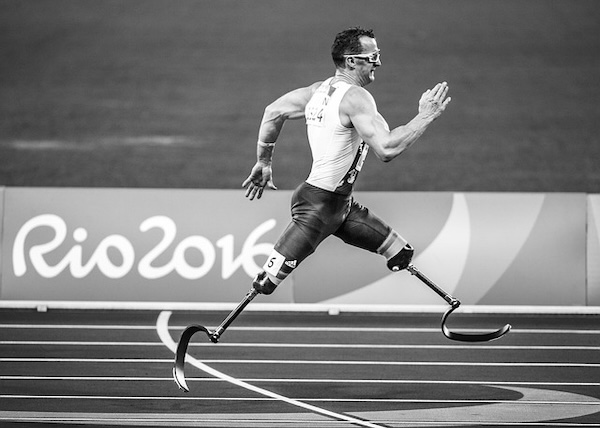
  • The Paris 2024 Paralympic Games broke every broadcasting record with live audiences up 40% from Tokyo 2020 and 117% compared to Rio 2016.
  • For the first time, all 22 Paralympic sports were broadcast at the Paris 2024 Games. Para powerlifting and Para rowing doubled their audience numbers compared to Tokyo.
  • The inaugural Para Ice Hockey Women’s World Championship took place this year, marking another major step toward Paralympic inclusion by 2030.
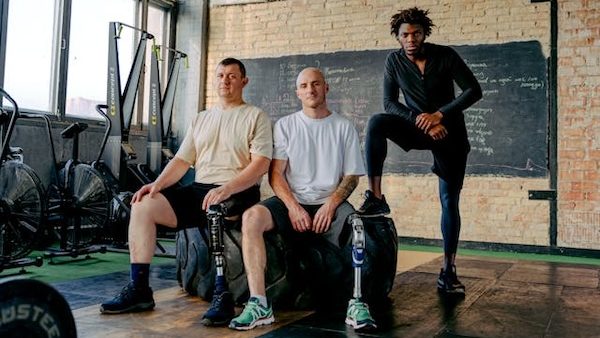
adaptive athletes posing in gym

Brands for Adaptive Sports

The growth of adaptive sports is fueled by athletes who raise awareness while building powerful personal brands. 

Paralympic track athlete Hunter Woodhall, for example, lost his legs due to a congenital birth defect. Despite this tragedy, he’s dominated the adaptive sports space and cultivated a strong social media following in the process.

Woodhall shares authentic moments with his 3M TikTok followers, from his wedding day to his breakfast and race days. His high engagement and inspirational story make him a natural partner for brands like Lululemon.

With nearly 1 in 4 Americans living with a disability, brands that partner with adaptive athletes tap into a highly engaged audience while advancing authentic representation.

Adidas innovation director Emily Jagos calls it “a huge opportunity,” pointing to the community’s significant purchasing power. Adidas’s investment in adaptive sports innovation underscores the commercial potential for companies willing to embrace this space.

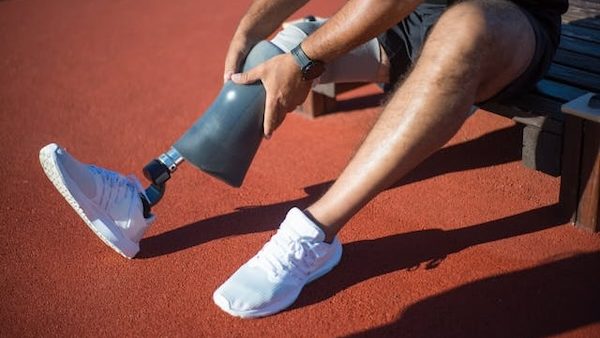
adaptive athlete putting on prosthetic leg for running

A Valuable Asset: Compelling Storytelling

Adaptive athletes hold a unique power in marketing and advertising: their ability to deliver authentic storytelling. Long overlooked and underrepresented in mainstream media, they now have a platform to share their stories of perseverance and excellence.

This past summer, Paralympic champion Ezra Frech debuted his docuseries Adaptive on Peacock, serving as executive producer for the behind-the-scenes series that follows several U.S. Paralympians. 

Frech, who competes in sprinting, long jump, and high jump, told interviewers: “The way ‘Adaptive’ portrays me is a hyper-obsessive, competitive kid who will stop at nothing that’s in front of him to get to his goals.”

Unique narratives like Frech’s fuel performance and inspire audiences to rise stronger after setbacks. In sports marketing, this is what brands love to capture. Campaigns featuring adaptive athletes often move beyond endorsements to bridge the gap between brand messaging and consumer relatability.

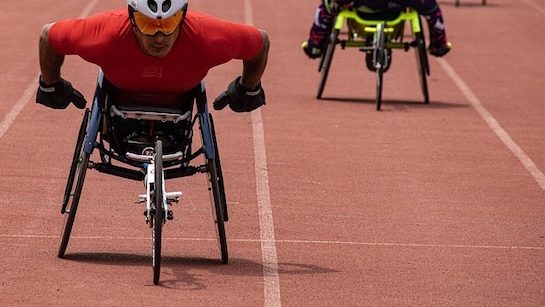
Paralympic athletes racing on track

The Role of Adaptive Athletes

Adaptive athletes are leading the way in popularizing their sports, and brands are increasingly turning to them as campaign leaders. Partnerships have raised awareness and transformed the adaptive sports world, with the Paris 2024 Paralympic Games breaking every broadcasting record.

Athelo Group’s own Amy Bream and Chris Ruden exemplify how sponsorship can amplify reach. Chris, an adaptive weightlifter and fitness entrepreneur, has partnered with brands like Nike, RockTape, and Quest Nutrition to merge performance with advocacy for diabetes awareness and disability inclusion. 

Amy, a CrossFit athlete and motivational speaker, joined forces with Under Armour in its The Only Way Is Through campaign. She has also collaborated with Reebok, showcasing how adaptive athletes can represent mainstream performance brands while challenging industry norms.

Adaptive athlete partnerships expand representation, break down stigmas, and inspire new audiences. By sharing both victories and daily challenges, adaptive athletes build authentic connections with audiences, turning relatability into influence.

Looking Ahead

As global sports events approach, adaptive athletes will play a central role in shaping inclusive marketing. Milan Cortina 2026 Winter Games and Los Angeles 2028 Summer Games will be great opportunities to see this in action.

Brands like Uber, Airbnb, and Omega have already committed as partners for upcoming Games, signaling adaptive sports’ growing appeal.

For companies, the message is clear: aligning with adaptive athletes is more than “good optics.” It’s a chance to lead in inclusivity and connect with one of the most engaged audiences in sports today.

How Athletes Like Ilona Maher Turn Influence Into Income

Professional athletes have more opportunities to turn their talent into money than ever before. Thanks to the rise of digital platforms, athletes’ sponsorships, endorsements, and media deals often impact earnings more than salaries or prize money.

Take Ilona Maher and Chloe Kim: their brand partnerships and media presence show how athletes in niche sports can earn more off the field than on it. These revenue streams highlight how modern sports have evolved into a broader business model.

Quick Highlights

  • The modern athlete is both competitor and entrepreneur, blending sport and business.
  • Salaries can be massive, like Lionel Messi’s Inter Miami contract worth up to $150 million over 2.5 years.
  • Endorsements often outweigh competition earnings. Rory McIlroy earned $4.2 million for his Masters win, but his 10-year Nike contract is worth over $200 million.
  • NIL and social media have created new income streams. LSU gymnast Livvy Dunne earns seven figures annually, while Ilona Maher built and monetized a following of 3.6 million on TikTok.
  • Brand partnerships can be highly lucrative. Chloe Kim’s deals with Nike, ROXY, and Toyota during her Olympics season brought in an estimated $3 million alone.
headshot of professional snowboarder

Salaries and Prize Money

Salaries and prize money still remain a core part of athletes’ earnings.

In team sports like the NBA, NFL, and Premier League Soccer, contracts exceed hundreds of millions. For example, Lionel Messi’s contract with Inter Miami will earn him up to $150 million in 2.5 years. 

Individual sports like tennis or golf also pay out significant prize pools. Rory McIlroy received $4.2 million after his win at the Masters Tournament.
However, these salaries often only account for a smaller percentage of total income. For example, Lionel Messi earned $60 million on the field but beat that with $75 million in endorsements, making competitive payouts only half of his total income.

This financial shift shows how athletes’ performance is only one part of the modern athlete’s earning potential, and why building a personal brand is becoming more and more important.  

Sponsorship Deals

Sponsorships remain one of the strongest revenue streams for athletes. Companies pay for visibility through logos, endorsements, and co-branded product lines. Deals like LeBron James’ lifetime Nike contract, worth over $1 billion, show just how lucrative this can be.

These partnerships extend well beyond sportswear. Serena Williams has worked with Wilson, Gatorade, and Beats by Dre, reflecting how athletes’ influence spans multiple industries.

Social media has pushed sponsorships from simple logo placements into lifestyle collaborations. Chloe Kim’s partnerships with Nike, Toyota, and ROXY tie her athletic success directly to global consumer brands.

Merchandising has become an equally powerful piece of the model. Michael Jordan’s historic negotiation for Air Jordan royalties and Kim’s ROXY apparel line show how athletes now profit not just from visibility, but from products built around their personal brand.

basketball player dribbling on the court

Social Media and Personal Branding

Athletes increasingly turn their fame into business opportunities by building personal brands. Platforms like Instagram, TikTok, and YouTube allow them to act as influencers while running their own media channels.

Michael Jordan set the standard with his Jordan Brand, which included royalties on every shoe sold and went on to generate billions in revenue. More recently, Russell Westbrook’s streetwear line Honor the Gift and Livvy Dunne’s NIL-driven social media deals show how athletes extend their reach beyond competition.

Ilona Maher, for example, built a massive TikTok following by sharing humorous, relatable content during the Tokyo Olympics. The attention not only boosted her career but also elevated rugby’s visibility, ultimately leading to major sponsorships with brands like L’OrĂ©al Paris and Paula’s Choice.

Personal branding now goes beyond content to storytelling. By showing who they are off the field, athletes create authentic connections with fans, making them more valuable to brands and broadening their influence.

Alternative Revenue Streams

Diversifying is essential to long-term financial success, and many athletes are now entrepreneurs

Investments in startups, real estate, and media companies have become common. LeBron James co-founded SpringHill Company, producing shows and films, while Kevin Durant’s Thirty Five Ventures manages investments from innovative startups, while also producing content through its media platform. 

Even college athletes under NIL are launching apparel brands and training academies, building wealth and legacies beyond their sport. These ventures also provide a buffer against short careers or injuries, proving that business savvy is just as important as being game-ready.

professional skier skiing down mountain

The Business of Being an Athlete

The playbook has shifted. Athletes are starting early, with NIL giving high school and college players the chance to build brands that inspire, engage, and generate revenue.

Today, success is measured by more than contracts and performance. The athletes who stand out are those who build a lasting brand that can generate income long after competition ends.

Athelo Group helps athletes and brands navigate this evolving landscape, building partnerships, launching businesses, and creating sustainable careers. If you are a brand looking to partner with our athletes, or an athlete seeking representation, contact us to start building what’s next.

Sports Sponsorship ROI: Why Brands Invest Billions in Athletics

Not long ago, an athlete’s role in sports sponsorship was simple: wear the logo, smile for the camera, maybe appear in a TV ad. Today, the playbook looks very different. Athletes have become storytellers, creative drivers, and trusted voices.

Through years of competition, personal struggle, and triumph, they build credibility that authentically connects with audiences. From Dani Speegle sharing her training routine to Brisa Hennessy partnering with Pura Vida to highlight her connection to her Costa Rician roots, these moments show who athletes truly are.

This sports marketing shift isn’t just cultural. It’s measurable.

Quick Highlights

  • Authentic voices deliver 7Ă— higher ROI than traditional influencers thanks to audience trust.
  • Girls Who Eat, a movement promoting healthy and empowered relationships with food, sparked widespread social resonance and drew hundreds of thousands of followers who connected with Dani Speegle’s message of strength over aesthetics.
  • Travis Hunter’s partnership with Celsius in the “Essential Six” campaign generated 1.2M+ impressions and a 5.8% engagement rate through personal and training content.
  • NIL is creating new opportunities for college athletes and brands, with 40% of varsity athletes landing brand deals within their first year.
  • Fans of women’s sports are 2.8Ă— more likely to purchase products endorsed by female athletes, proving influence extends beyond exposure.
athlete sponsored by gymshark

The Sports Sponsorship Evolution

The campaigns people remember aren’t always the ones with the biggest logo. They’re the ones that tell a story worth following. Dani Speegle’s Girls Who Eat campaign, for example, champions body positivity and female empowerment within strength sports. 

These partnerships challenge stereotypes, spark cultural conversations, and grow communities beyond competitive athletes.

As platforms like Instagram Reels, TikTok, and YouTube pull fans deeper into athletes’ daily lives, the content that resonates most feels unscripted and personal. Emily Loogman Rethwill connects with her audience through training clips and motivational captions, but also by sharing everyday moments with her daughter.

This balance of performance and authenticity shows why athlete partnerships have become a core strategy for cultural relevance and long-term engagement.

Turning Athletes into Brand Storytellers

Modern athlete partnerships thrive when athletes are given creative freedom to share their stories. Instead of just promoting products, they integrate brands into authentic glimpses of their daily lives, routines, and personal experiences. 

This approach allows fans to connect with both the athlete and the brand on a deeper level.

Former college football players like Travis Hunter and DJ Uiagalelei share content that reflects their training, campus life, and personalities. Hunter’s partnership with Celsius highlighted his workouts and gameday prep, while Uiagelelei because the first active college athlete featured in Dr. Pepper’s “Fansville Campaign.” 

The fans are loving it: Hunter has 2.2 million followers on Instagram and Uiagalelei has garnered over 80K likes in a single post. When brands fit seamlessly into their content, the result is more valuable than exposure— it’s authentic engagement.

The NIL Revolution

The 2021 Supreme Court ruling on Name, Image, and Likeness (NIL) rights transformed collegiate sports marketing. For the first time, college athletes could monetize their personal brands, opening doors once reserved for professionals. Within a year, Harvard Business Review reported that 40% of varsity athletes at Texas Tech alone had landed brand sponsorships.

NIL deals give brands access to highly engaged, authentic audiences. Programs like the Tennessee Volunteers’ partnerships provide athletes with financial support while introducing brands to loyal, built-in fanbases. 

Professional athletes are also inspired by NIL-style collaborations. NBA player Isaac Okoro works with smaller lifestyle-aligned brands like Holo Footwear for creative freedom, producing content that blends athletic performance with personal interests. Rising stars like Sydney Grimes are collaborating with viral brands like Gold Hinge, creating lifestyle-focused content that feels genuine and relatable.

This new era makes one thing clear: athletes are no longer just endorsers. They are partners and storytellers, shaping culture, driving consumer behavior, and creating measurable value for the brands they align with.

athlete wearing nike shoes

The Power of Athlete Storytelling

In a world where consumer attention is fragmented, sports are one of the last shared stages. Athletes command focus across platforms, bridging live moments with digital storytelling. For brands, betting on sports sponsorship is really a bet on owning scarce, high-trust attention.

At Athelo Group, we bring brands and athletes together to turn that attention into impact. Ready to bet on sports? Learn how we’ve transformed sports sponsorships into growth strategies.

Sports Docuseries: On the Rise or Losing Steam?

As streaming continues to dominate the entertainment industry, sports and TV are blending seamlessly into the popular sports docuseries genre. 

Shows like Drive to Survive and Full Swing have proven they can captivate large audiences of sports fans, casual viewers, and even newcomers to the sport.

What makes these sports docuseries so compelling to a variety of audiences? It seems like Netflix has the answer. 

Quick Highlights:

  • Between October 2024 and February 2025, Netflix increased its sports catalog by 98.6%.
  • After watching the Netflix series Drive to Survive, 34% of US viewers became an F1 fan.
  • From 2021 to 2024, 33% of consumers watched sports documentaries.
  • In just one week, Quarterback recorded 3.3 million views, with over 21 million hours watched.
  • As of Q2 in 2025, sports count for 12% of commissioned documentaries, an increase from 3% in 2019.
person watching netflix sports docuseries

The Beginnings of the Sports Docuseries

The sports docuseries trend began with HBO’s Hard Knocks, which debuted in 2001. This groundbreaking series offered unprecedented access to NFL locker rooms and facilities, giving viewers a behind-the-scenes look at top teams. Hard Knocks remains a staple, releasing new seasons to this day.

In 2020, ESPN and Netflix released The Last Dance. During the global pandemic, when sports fans were desperate for content, the series offered an in-depth, behind-the-scenes look at one of the greatest athletes of all time, Michael Jordan. The show quickly became a cultural phenomenon.

The Last Dance averaged 5.6 million viewers per episode, won an Emmy for outstanding documentary, and became ESPN’s most-watched docuseries, surpassing even the beloved 30 for 30 series.

The Potential of Success and Viewership

As Netflix continues to release new series across various sports, the impact on viewership is often compared to that of Drive to Survive, Netflix’s Formula 1 docuseries.

First airing in 2019, Drive to Survive has continued to captivate audiences, with its seventh season released this year. Many credit the series with introducing Formula 1 to a broader, more diverse audience.

The numbers speak for themselves. Average viewership of Formula 1 in the United States soared to 934,000 in 2021, a 71% increase since the first season. Today, the racing championship draws an average of 1.3 million viewers per race. 

This success has sparked other sports, both niche and mainstream, to create their own docuseries in hopes of attracting similar new, younger, and casual audiences.

formula 1 car

The Netflix Blueprint

Sports docuseries make up a small slice of the streaming landscape, accounting for just 0.72% of titles and 0.74% of streaming revenue. 

While these numbers seem small, the picture changes when Netflix is excluded. Without Netflix, sports docuseries represent 0.75% of titles but only 0.56% of streaming revenue, showing how the platform has set itself apart in this subgenre.

One example of Netflix’s success is the NFL docuseries Quarterback, which topped the U.S. most-watched chart within just two weeks and also cracked the top 10 in Canada, Switzerland, and Ireland. Following Quarterback‘s success, shows like Receiver and Any Given Saturday adopted a similar production style and achieved comparable success. 

Netflix’s formula focuses on unique storytelling, highlighting the stars not just as athletes, but as individuals. It offers a behind-the-scenes look at their personal lives, revealing the highs and lows of the sports that brought them fame.

Can the Drive to Survive Effect be Repeated?

It’s far from a sure thing.

Drive to Survive showed how a sports docuseries can transform viewership, but not every title sparks that same magic. When Netflix released the track and field series SPRINT in 2024, fans hoped for a Formula 1–style boom. The series earned positive reviews, but the sport’s overall audience has yet to see a major lift.

Some projects have faced even steeper challenges. Netflix’s rugby series Six Nations: Full Contact made brief appearances in the top 10 of several countries, yet it never broke into the global top 10 and was cancelled after just two seasons.

The tennis docuseries Break Point met a similar fate. It ran for two seasons before ending, and one fan pointed out that in 2023 it ranked 617th among Netflix shows, well behind its Formula 1 and PGA Tour counterparts at 121 and 274. Those numbers underline just how difficult it is to match the reach of the genre’s biggest hits.

While Netflix continues to produce high-quality sports storytelling, the success of a docuseries often depends on finding the perfect mix of sport, personalities, and drama. The Drive to Survive effect isn’t impossible to repeat, but it’s a high bar to clear.

sprinter on netflix sports docuseries SPRINT

Recent Difficulties for Sports Docuseries

In some of the recent series released, Netflix has received complaints about its approach to certain sports.

Many fans of track and field pushed back on the SPRINT series, with one report claiming, “It doesn’t want to tell a story. It wants to sell the sport.” A common criticism is that the series focuses almost exclusively on winners, leaving out the struggles and realities faced by athletes who don’t reach the podium.

As the genre’s popularity has grown, some athletes have taken a more active role in shaping their own narratives. Star soccer player David Beckham, for example, served as executive producer on his own docuseries and chose its director. While not inherently an issue, critics pointed out that controversial parts of his story were missing, raising concerns about athletes controlling the narrative.

Adding to the challenge, Netflix has already released 13 sports docuseries in 2025, with seven more planned before year’s end. With so many titles flooding the market, there’s a real possibility of viewer fatigue. In a crowded field, not every series can replicate the success the genre has enjoyed in the past.

What to Look For in the Future

As interest in the genre grows, many other sports are exploring docuseries of their own. Sports like CrossFit and surfing could benefit athletes such as Athelo Group’s Dani Speegle, Emily Rethwill, Brisa Hennessey, and Zoe Benedetto.

For these projects to succeed, they need to tell stories that authentically reflect the sport rather than simply spotlighting a few star athletes. Taking more time between releases could also help maintain audience interest and avoid oversaturation.

Docuseries have real potential to expand a sport’s audience, but success will depend on how streaming platforms approach production and storytelling as they work to keep public interest high.

The Athleisure Evolution

Once confined to the gym, athleisure has now made its way to sidewalks, runways, and social feeds. Defined as “casual clothing designed to be worn both for exercising and general use,” the genre has become a staple of modern wardrobes.

Just as athleisure has evolved, so too has the image of the athlete. Sports may launch their public identity, but their personal brand is shaped by lifestyle, style, and authentic self-expression. Athletes today move markets, set trends, and have become cultural figures with athleisure as their official uniform.

Its rise signals a growing fusion between fitness and fashion, reimagining what it means to be well-dressed.

Quick Highlights

  • The global athleisure market value reached $425 billion in 2025.
  • Nike holds strong as the top athleisure brand with a 21% market share followed by adidas at nearly 15%. Lululemon has a market share of 4.76%. 
  • From smart fabrics to sustainable materials, technological advancements in athleisure enhance performance while maximizing comfort. 
  • Yoga apparel is the fastest-growing athleisure type, driven by the global popularity of yoga and wellness-centered lifestyles.
  • In the United States alone, consumers spend an estimated $500 billion annually on wellness-related products.
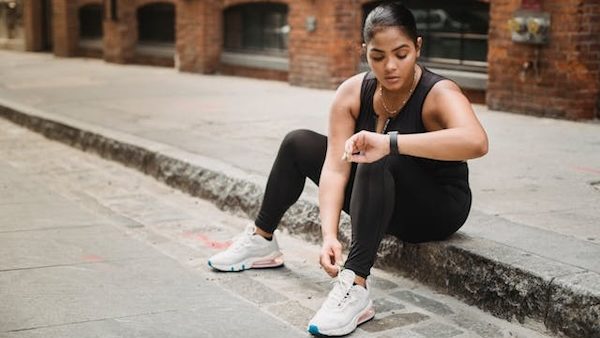
woman in athletic-wear and necklace

Merging Athletic Identity and Fashion

Brands are evolving far beyond athlete sponsorship deals. Dynamic partnerships like Skims and the NBA, Free People and tennis, and Ralph Lauren with Team USA demonstrate this culture shift. 

In 2023, Kim Kardashian’s Skims became the official underwear partner of the NBA, WNBA, and USA Basketball. Co-founder and CEO Jens Grede noted that “the NBA’s modern approach and significant impact on pop culture, entertainment, and fashion is unparalleled in sports.”

The NBA’s commitment to broad representation across its league and fan base made it a natural fit. With 41% of consumers more likely to engage with inclusive and culturally relevant brands, Skims was a smart, profitable match.

The partnership helped propel Skims to $750 million in sales in 2023, up from $500 million the year prior, proving the power of cross-industry collaboration.

Lifestyle Brands on the Court

In the tennis world, lifestyle brands are making similar moves to embed themselves in athletics. You might’ve spotted FP Movement sets on players during Wimbledon.

Free People launched FP Movement as its activewear line, which became a standalone brand in 2020. Since then, it has made tennis a key focus, signing players like Sloane Stephens and Danielle Collins, and recognizing the sport’s cultural reach far beyond match play.

Tennis remains one of the most widely-played sports across age groups and communities, blending competition with lifestyle appeal. That accessibility has helped position FP Movement as a leader in merging performance with everyday style.

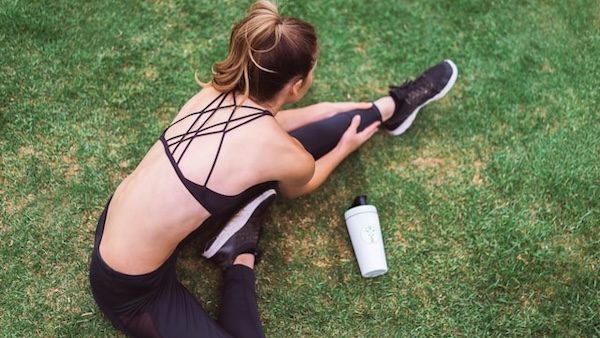
woman in athleisure stretching on grass

Dressing the Nation

One of the most iconic modern partnerships is Ralph Lauren’s longstanding collaboration with Team USA. Since 2008, the brand has designed official opening and closing ceremony uniforms, blending classic American heritage with elite athletic competition. It is a symbol of national pride through athletic excellence.

Rooted in themes of Americana and aspirational style, Ralph Lauren’s presence elevates the image of U.S. athletes. The partnership places athleisure within the realm of high fashion, showing that what athletes wear can be just as powerful as how they perform.

Ahead of the 2024 Olympics, Ralph Lauren reported a 25% surge in online searches in anticipation for the brand activation. As fashion and sport continue to intersect, this collaboration reflects the successful integration between luxury fashion and competition on the world stage.

The New Definition of “Well Dressed”

In recent years, fashion has shifted from formal to functional. Sundresses have been replaced by workout onesies, jeans swapped for leggings, and tennis skirts have become everyday wear. Even classic men’s khakis are being reimagined by athleisure brands like Vuori.

This evolution reflects a larger cultural shift toward comfort, wellness, and ease. The $2 trillion global wellness industry continues to grow, fueled by younger generations prioritizing movement, clean eating, and intentional living. And fashion has adapted in step.

Trends like the viral #hotgirlwalk—now at over 641 million TikTok views—highlight this intersection. These walks merge self-care with style, often featuring sleek, coordinated sets inspired by athletes’ training wear.

Luxury fashion has followed suit. High-end brands like Gucci and Miu Miu are now offering elevated activewear and designer sneakers, making it easy to look effortlessly put-together while embracing a lifestyle rooted in wellness.

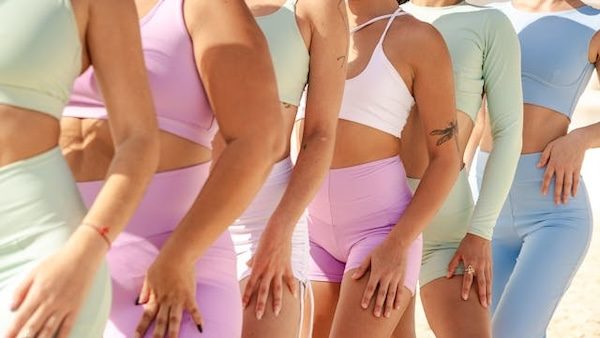
yoga athleisure

How Social Media Propelled Athleisure’s Rise

Social media amplifies fashion trends, and athleisure is no exception. Vuori recognized this early, launching an NIL partnership with gymnast Livvy Dunne in 2021. Through Dunne’s social content, Vuori quickly positioned itself as a serious player in the athleisure space.

Another athlete embracing this intersection is Athelo Group’s own Sydney Grimes. She embodies the look-good, feel-good mentality, blending golf, fitness, and style in a way that feels effortless. Her partnerships with brands like Ghost Golf and Gold Hinge don’t feel promotional; they’re simply part of her daily life.

This kind of authenticity resonates. For today’s audience, especially Gen Z, trust and relatability matter more than polish. Athletes and influencers no longer need to push product. A morning routine, a gym fit, or a healthy breakfast all become lifestyle content, and athleisure is the through line tying it together.

Athleisure’s Staying Power

Athleisure’s rise wasn’t a trickle-down from celebrities and major brands. Micro-influencers and athletes fueled its success from the ground up. These creators and sports figures present a version of wellness and style that feels more accessible, and their loyal followers trust them to set the blueprint.

Instead of pushing clothes alone, micro-influencers promote habits. Followers don’t just buy leggings or sneakers; they buy into the routine behind them. For brands, partnering with these voices offers a more personal, authentic feel that resonates deeper than traditional advertising.

Looking ahead, expect brands to double down on this approach. As consumers continue to crave relatability, “just-like-me” influencers and inspirational athletes will remain key to shaping how athleisure is marketed, worn, and embedded into everyday culture.

WNBA Viewership Growth Offers a Blueprint for Women’s Sports

For years, the WNBA was underestimated and viewed as a secondary product, not a commercial force. Its numbers may still trail those of men’s leagues, but perhaps not for long. The WNBA is quickly becoming a business case study in how women’s sports can scale.

Driven by major gains in media deals, WNBA viewership growth, and a wave of rising global talent, the league is offering a real-time example of how to build women’s sports the right way.

Quick Highlights:

  • WNBA viewership jumped 170% from 2023 to 2024, with the Finals peaking at 18.7 million, its highest in 25 years.
  • The league’s 2025 expansion draft saw three international players taken in the top 10, highlighting the rise of international talent.
  • A new 11-year, $2.2 billion media deal and 42+ sponsors reflect growing commercial momentum and long-term confidence.
  • The league added the Golden State Valkyries in 2025. Toronto and Portland are set to join by 2026, with plans to reach 18 teams by 2030.
  • Stars like Caitlin Clark and A’ja Wilson have sparked record jersey sales and become generational role models inspiring young fans.
  • Globally, over 180,000 girls have participated in FIBA’s “Her World, Her Rules” program since 2018. 86 national federations signed on for 2025.
female basketball players on the court

Caitlin Clark and the Next Generation of Women’s Basketball

No story in sports last year has captured more attention than what people are calling the “Caitlin Clark Effect.” Drafted No. 1 overall by the Indiana Fever, Clark entered the league with record-breaking NCAA credentials, millions of social media followers, and the kind of spotlight usually reserved for top NBA prospects. And she’s lived up to the hype.

Wherever she plays, she generates numbers. Even her regular-season games have pulled in TV ratings that rival some NBA playoff matchups. Her debut against the Connecticut Sun drew 2.1 million viewers, the most-watched WNBA game in over 20 years. 

And when Clark returned from a quad injury in June 2025, her comeback broadcast averaged an extraordinary 2.2 million viewers, marking ESPN’s third most-watched WNBA game ever and trailing only her own previous records.

Kamilla Cardoso, Angel Reese, Paige Bueckers, and Dominique Malonga are also helping shape the league’s future. With standout play, social reach, and an entrepreneurial mindset, they’re drawing younger, more diverse fans and even influencing how the league and veteran players think about branding.

female basketball players dribbling

WNBA Viewership Figures: An Outstanding Model for Growth

While it’s difficult to pinpoint one sole factor behind successful business growth, the WNBA stands out as a clear example of how an audience-focused and commercially sustainable sports league can take shape.

The WNBA’s landmark 11-year, $200M annual media rights deal with Disney, Amazon Prime Video, and NBC Universal kicks off in 2026. That figure more than triples the league’s current media revenue. Additionally, the partnerships guarantee greater WNBA viewership, with over 125 games broadcast each year. 

The momentum expands beyond media rights. Breanna Stewart, Vice President of the WNBPA, is leading efforts to expand player influence. Through critical labor negotiations on pay equity and working conditions, she is developing a league where athlete voices drive policy.

Off the court, players are leveraging their brands year-round with Caitlin Clark as the top runner. With her upcoming Nike signature shoe, the deal is projected to generate $100 million, and her record-breaking jersey sales are examples of new revenue streams and growing fan engagement that extend beyond game time. 

Together, these developments illustrate how the WNBA is setting a new standard in women’s sports by combining athletic excellence and strategic brand activations.

WNBA basketballs

Why Education Matters in the WNBA’s Growth Model

Education is crucial to advancing women’s sports, not only by encouraging girls to participate, but by transforming how society values and supports female athletes.

Programs like the WNBA’s mentorship initiative, which reached over 50,000 girls in its first year, and the 50% rise in female enrollment at Sydney sports schools after the Women’s World Cup, show how education and visibility create lasting opportunities.

When it comes to constructing a more informed and supportive culture around women’s sports, education is paramount. Raising awareness around category-specific issues like fertility care and ACL injuries helps ensure the game continues to grow on and off the court.

future WNBA basketball player looks up at the net

The Cost of Building Something New

The WNBA has never had an easy financial path, with reports estimating annual losses of around $10 million per season. But that’s starting to change.

What was once seen as a long-term uphill battle is now showing signs of real progress. With rising WNBA viewership and attendance, stronger player branding, and a wave of new corporate investment, the league’s financial outlook is finally beginning to shift in a promising direction. 


How Private Equity Is Driving Esports Growth

Private equity firms have played an increasingly pivotal role in shaping the modern esports ecosystem. Early on, esports growth was fueled by venture capital, focused on user acquisition and rapid expansion. 

But as the industry matured and stabilized, private equity entered with a longer-term vision and an eye toward commercializing the space. Much like their recent interest in traditional sports, PE firms see esports as an undervalued media property with strong growth potential.

Quick Highlights

  • The global esports market grew from $1.97 billion in 2023 to a projected $5.18 billion by 2029. 
  • 29.6 million monthly U.S. esports viewers are expected in 2025, increasing by nearly 12%.
  • Sponsorships represented over 60% of global esports team revenue in 2022, totaling approximately $800 million.
  • Savvy Games Group acquired ESL and FACEIT in 2022 for a combined $1.5 billion, one of the largest private equity investments in esports to date.
  • Atlanta Esports Ventures paid over $30 million for Overwatch League and Call of Duty League franchise slots, signaling that PE groups see serious commercial value in competitive gaming.
dreamhack open esports tournament

The Role of Private Equity in Esports Expansion

One of the most visible signals of this shift came in 2022, when Savvy Games Group, backed by Saudi Arabia’s Public Investment Fund, purchased ESL and FACEIT for $1.5 billion. That acquisition consolidated two of the most influential tournament platforms under one roof. 

Similarly, Atlanta Esports Ventures, backed by Cox Enterprises, committed between $30 million and $60 million for slots in the Overwatch and Call of Duty Leagues. Meanwhile, companies like GameSquare Holdings have merged competitive teams with creator-driven content brands such as FaZe Clan, further monetizing esports as lifestyle entertainment.

esports streamer playing call of duty

Audience Growth and Market Opportunity

Esports’ rapid audience expansion makes it an attractive target for both investors and sponsors. Globally, esports viewership now exceeds 500 million, with most fans between 18 and 34—an increasingly difficult audience to reach through traditional media like cable television.

According to SponsorPulse, the U.S. esports audience is expected to reach 29.6 million monthly viewers in 2025, up almost 12% year-over-year. Latin America is experiencing one of the fastest-growing esports audiences in the world, expected to reach over 60 million esports fans by the end of 2025. 

Similarly, esports in Africa is showing significant growth. The continent’s gaming market was valued at $1.8 billion in 2024, with more than 300 million gamers. These trends suggest that younger audiences, increasing internet access, and a mobile gaming surge are driving esports’ expansion.

The global esports market was valued at $1.97 billion in 2023 and is projected to reach $5.18 billion by 2029. This reflects a compound annual growth rate of 17.5%. These figures demonstrate why private equity sees esports not just as entertainment, but as a scalable media and brand engagement platform.

esports player competing on desktop

Shifting Sponsorship Dynamics

Sponsorships have evolved from gaming-adjacent logos to high-value, multi-platform brand integrations. Historically, esports sponsors were mostly endemic. These included PC hardware brands like Alienware and gaming chairs like Secretlab.

But as private capital entered the space, non-endemic sponsors became more prominent. By 2022, sponsorship made up over 60% of global esports team revenue, totaling approximately $800 million.

Mainstream brands such as McDonald’s, Nissan, Nike, and Champion became key partners for teams like FaZe Clan. Meanwhile, Louis Vuitton collaborated with Riot Games on digital fashion skins for League of Legends, and BMW partnered with five global teams in a campaign unified by the hashtag #UnitedInRivalry.

PE-backed teams and event organizers now offer content production, campaign integration, and performance analytics. Sponsorships often include influencer activations, branded streams, and even collaborative product launches that turn teams into media engines.

two people playing video games

ESG and Sponsorship Scrutiny

As esports attracts more institutional money, it is also facing greater scrutiny, particularly around ESG (Environmental, Social, and Governance) concerns. A 2024 report found that more than 30 esports sponsorships had ties to polluting industries such as oil, gas, and military contractors. This drew criticism from fans and advocacy groups, many of whom argue that esports’ young, globally connected audience deserves more ethical brand partnerships.

Controversies like Team Liquid’s Honda split have further fueled debate over brand safety. As teams take on more mainstream sponsors, the expectations around player conduct, organizational transparency, and content moderation are rising. In response, many PE-owned esports entities implemented internal compliance policies and vetting frameworks to reduce reputational risk.

esports tournament

The Private Equity Advantage

Unlike early venture-backed teams, private equity–backed esports orgs bring capital and operational infrastructure that supports brand partnerships, legal compliance, creative services, and international growth. These investments generate greater sponsorship value and enable long-term strategy.

PE also drives consolidation. Companies like GameSquare are bundling teams, creator brands, and tournament rights into unified properties, letting sponsors activate across platforms through one deal. It’s a more efficient, scalable model that benefits brands and teams alike.

At Athelo Group, we view this shift as an opportunity to build deeper, more strategic partnerships around talent. As PE reshapes the business side of esports, we ensure the human side of athlete development, authentic partnerships, and cultural relevance remains front and center.

Become a Sponsor.

Join us in making a difference. Tell us a bit about yourself and we’ll be in touch with sponsorship details.

By submitting this form, you agree to be contacted by the Athelo Group team regarding sponsorship opportunities.