
Lacrosse Growth: How Youth Development and Inclusivity Are Shaping the Future

Lacrosse, North America’s oldest team sport, has deep roots dating back to 1100 when it was played by the Haudenosaunee people. While it was later seen as a sport reserved for exclusive schools and affluent communities, times are changing. Lacrosse is becoming more inclusive and accessible, reaching a diverse range of communities and demographics.

This push, along with a rise in youth participation, is fueling the sport’s rapid growth across America. Although the pandemic briefly slowed its momentum, lacrosse growth has bounced back, with a renewed focus on youth development and inclusivity leading the way.
lacrosse growth

Youth Development: Building a Strong Foundation

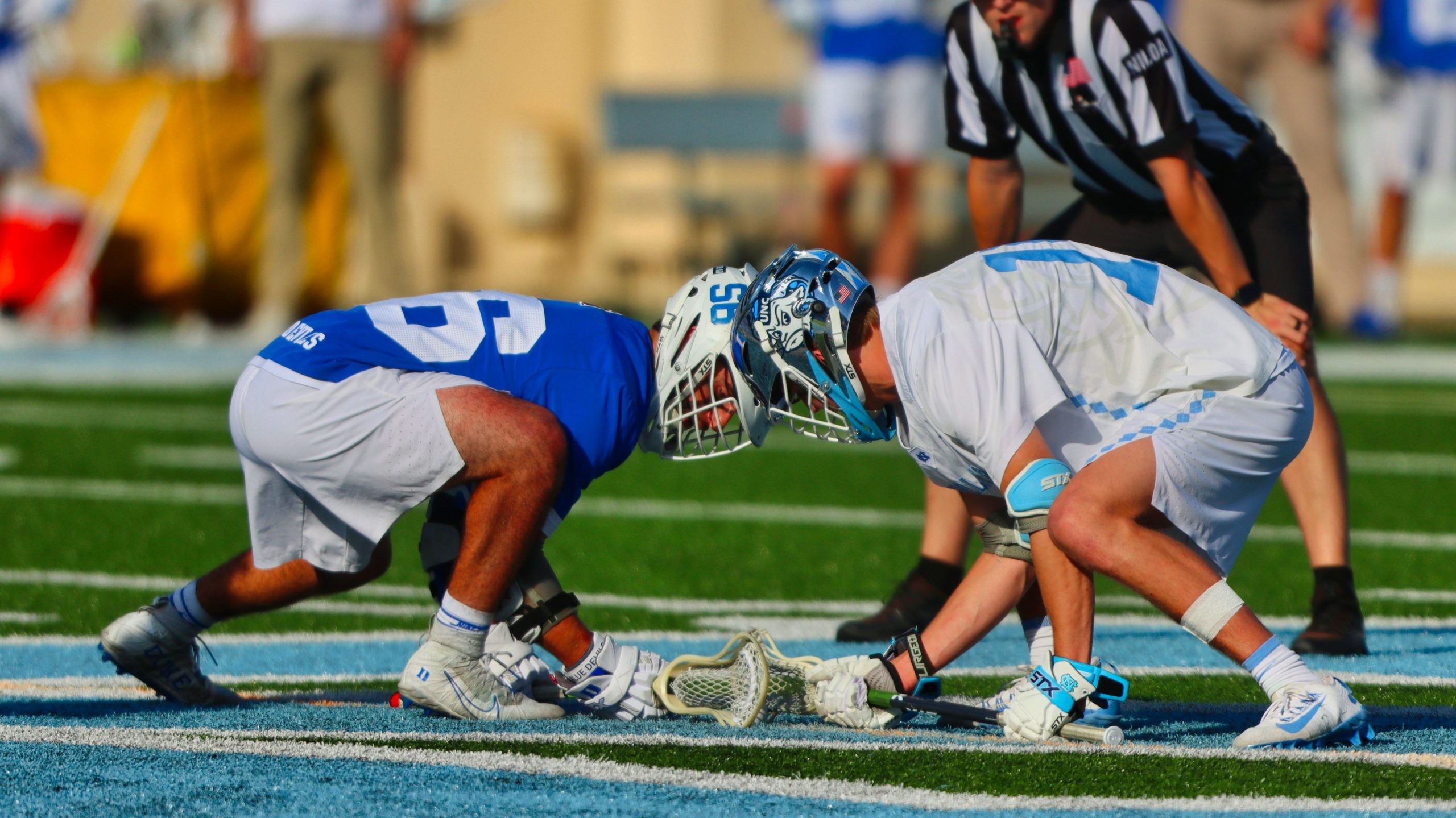
Youth participation has been a major factor in lacrosse’s rapid growth. Programs like Green Bay Youth Lacrosse and Lawrence University’s new men’s team highlight the increasing interest. The sport appeals to young athletes because it combines skills from other popular sports like basketball, soccer, and hockey, making it easy for players to transition and build their abilities.

This versatility has made lacrosse one of the fastest-growing sports in North America, with participation rising by 25% between 2012 and 2018.

The Premier Lacrosse League (PLL) has also played a role, launching grassroots initiatives like PLL Play, which aims to expand youth programming and make the sport more accessible across the country. These programs not only focus on skill development but also provide equipment grants and scholarships to ensure children from diverse backgrounds have the opportunity to participate.

This inclusive approach is essential for building the next generation of players and expanding the sport’s reach nationwide.
lacrosse growth

Accessibility and Inclusivity: Opening the Game to All

Another reason for the sport’s rapid growth is its refocus on accessibility and inclusivity, particularly highlighted during Disability Awareness Month. USA Lacrosse’s Adaptive Lacrosse Guidebook offers coaches and programs strategies to make the sport accessible for athletes with varying abilities, including those with physical and developmental disabilities.

Initiatives like these are vital, as they address the significant gap in opportunities for athletes with disabilities, creating safe, enjoyable ways for them to participate.

Partnerships with local disability networks are crucial in expanding adaptive lacrosse programs, helping ensure that athletes with disabilities have access to the sport. Parkville Adaptive Lacrosse is an example of how these initiatives reach a wider audience.

Stella Stakolosa, a young girl with cerebral palsy, participates using a specially designed adaptive stick, showing how these programs create meaningful opportunities.
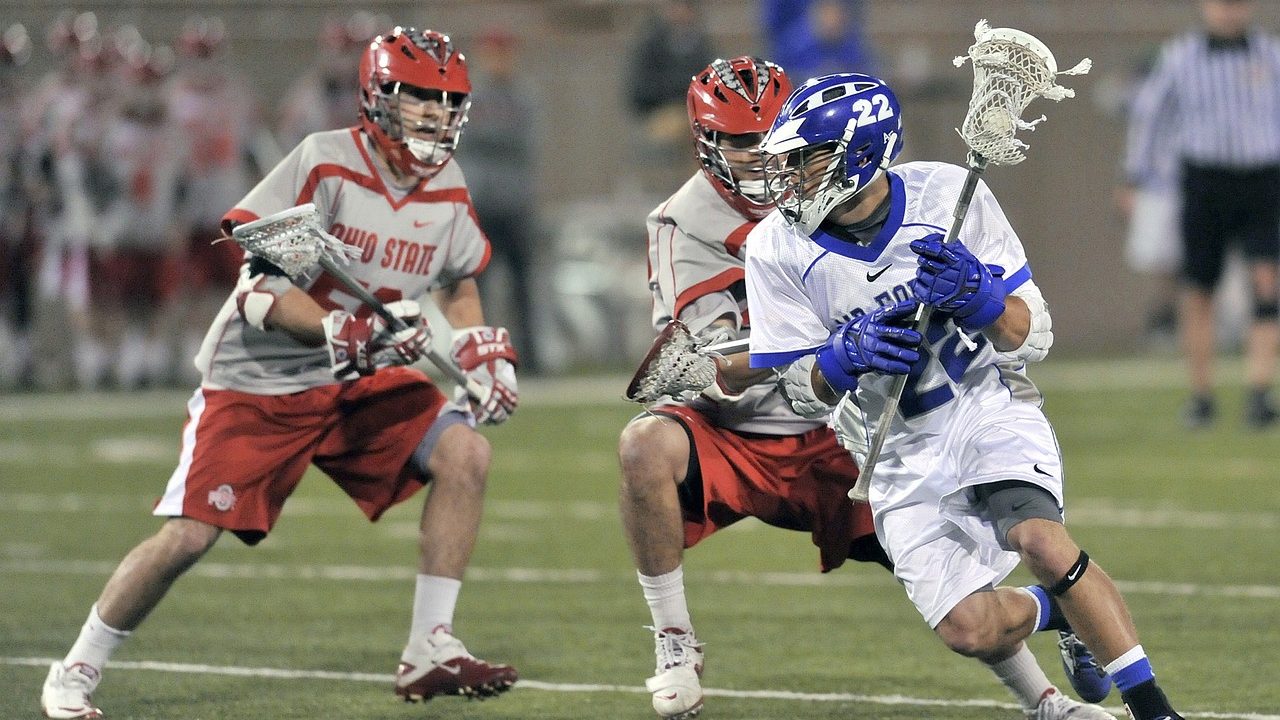
lacrosse growth

Lacrosse’s Push for Inclusivity 

Beyond physical disabilities, lacrosse is becoming more accessible to historically marginalized communities through programs like Harlem Lacrosse and USA Lacrosse’s Diversity Grant Program.

These initiatives are designed to provide resources, equipment, and coaching to underserved communities, giving more students from economically disadvantaged backgrounds the opportunity to engage with the sport.

Programs like Harlem Lacrosse have shown that introducing the sport to low-income communities can have a profound impact on participants. Many players report that their involvement in lacrosse has not only given them a new sport to enjoy but also provided mentorship and academic support.
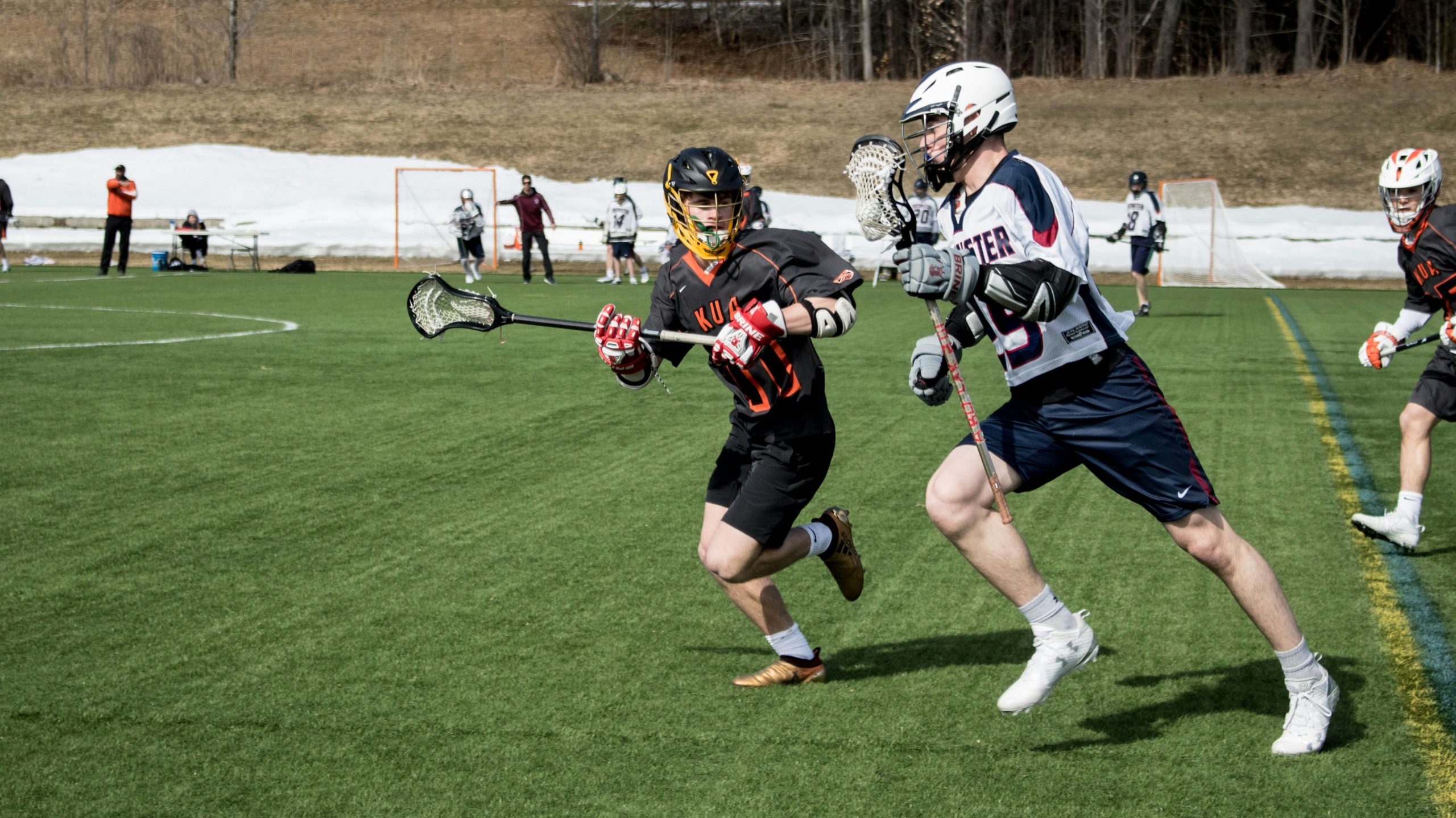
lacrosse growth

The Future of Lacrosse: Growth and Diversity

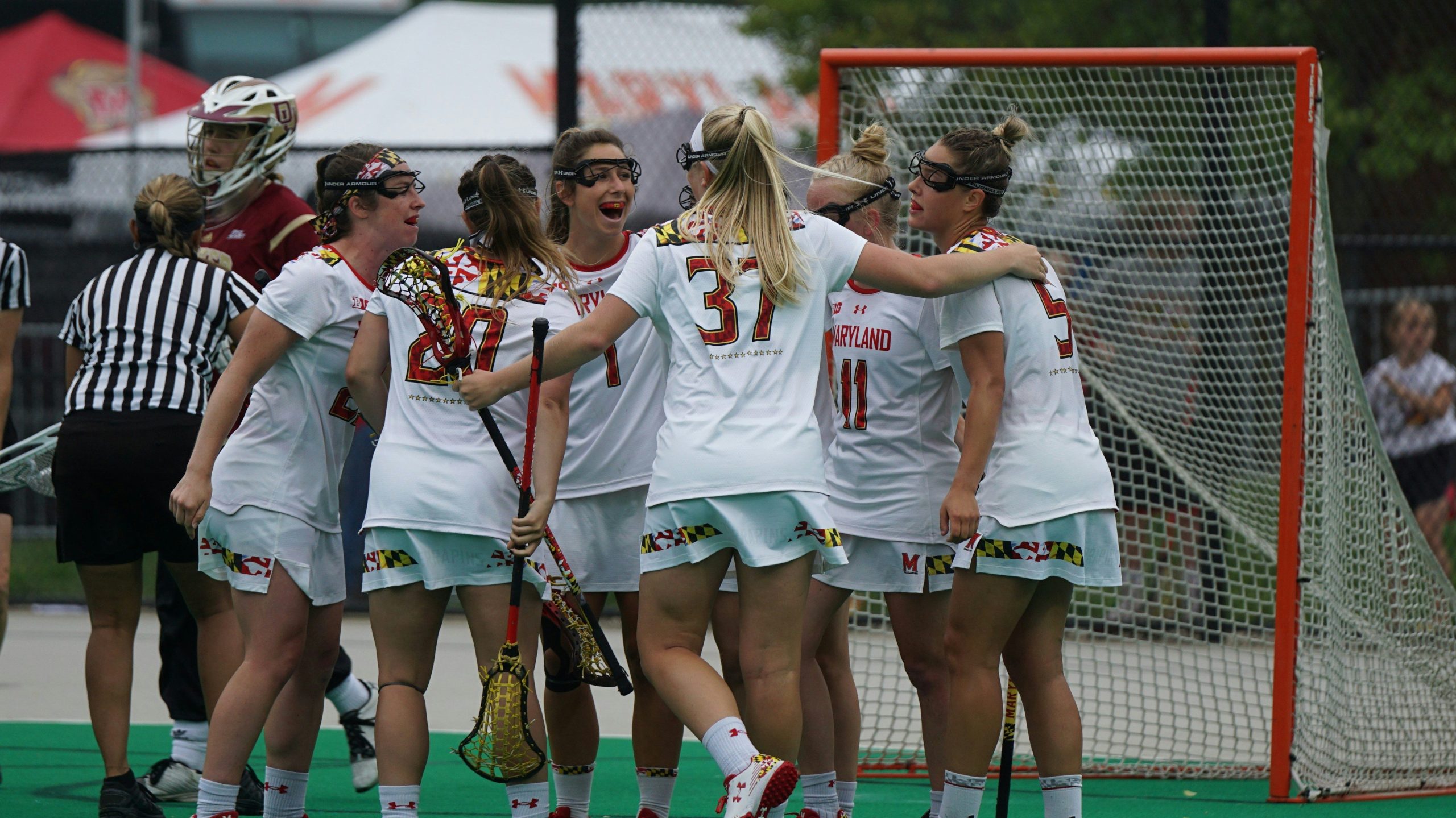
Lacrosse’s growth extends beyond youth and college levels; professional leagues like the Premier Lacrosse League (PLL) and the National Lacrosse League (NLL) are also expanding, with more games now airing on ESPN. Additionally, the women’s league, Athletes Unlimited, is playing a significant role in promoting the sport, especially for female athletes.

Another positive development is the increasing diversity within lacrosse. Participation from underrepresented groups has recently grown 2.5 times, thanks to programs like Harlem Lacrosse and Denver City Lax, which help kids from diverse backgrounds discover the game. This shift towards inclusivity is helping lacrosse become a sport where players of all backgrounds can thrive.

Sources:

  1. https://worldlacrosse.sport/article/lacrosses-reflection-of-black-history-month-its-the-work-we-are-currently-doing/#:~:text=There%20is%20more%20representation%20at,increase%20in%20just%20one%20year.
  2. https://www.usalacrosse.com/news-media-blog/adaptive-guidebook-reaffirms-lacrosse-everyone
  3. https://sportsplanningguide.com/lacrosse-is-growing/#:~:text=From%202001%20to%202014%2C%20lacrosse,grown%2025%20percent%20since%202012.
  4. https://www.lacrossethenations.org/blog/category/Grow+the+Game?gad_source=1&gclid=Cj0KCQjwgrO4BhC2ARIsAKQ7zUkZQ-njH_yJ1W9x6PPJ1W-FqvQBrexHd4FdZCrVLn8tUUSAJOuRvFYaAsh3EALw_wcB
  5. https://www.washingtonpost.com/dc-md-va/2024/05/29/college-park-academy-adaptive-lacrosse-stick/
  6. https://www.history.com/news/lacrosse-origins-native-americans

Sports Pop-Up Shops: How Brands Use Experiential Retail to Win

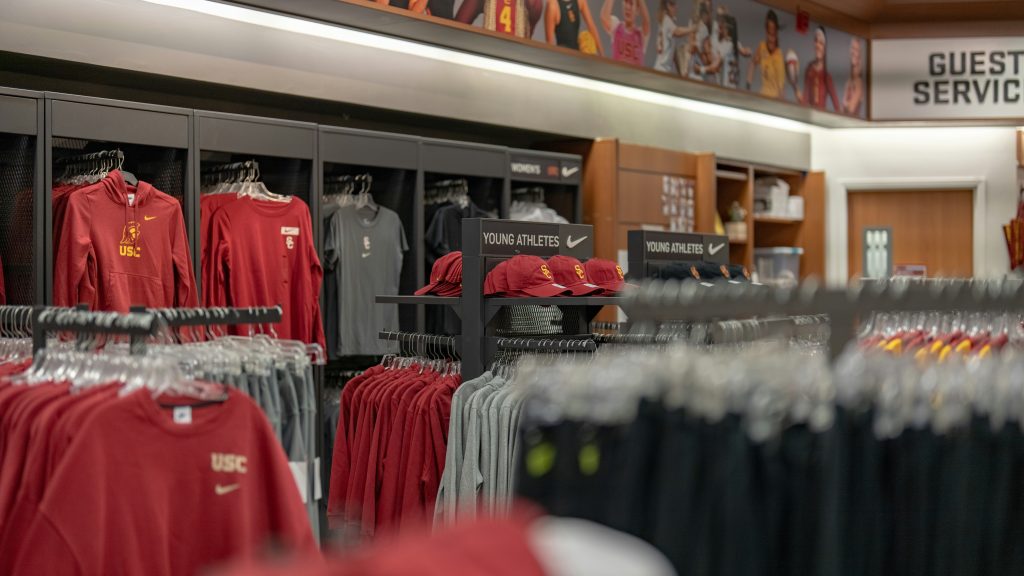
As online shopping becomes the new norm, sports brands are increasingly embracing pop-up shops as a flexible and dynamic alternative to traditional brick-and-mortar spaces. These temporary setups allow brands to deliver immersive, experiential shopping experiences that resonate with modern consumers, offering the chance to collaborate with athletes and complementary brands. Such collaborations, often cross-promoted, not only engage customers through interactive experiences but also help brands gather insights, increase awareness, and test new products—all without the constraints of permanent stores. For example, American Express and NBA 2K22 launched “The American Express x NBA 2K22 Experience” pop-up near Crypto.com Arena, featuring exclusive products, a face scan studio for custom avatars, and an immersive “Infinity Cube.” Stars Paul George and Breanna Stewart also faced off in a live-streamed game. Other brands are following suit as the pop-up shop becomes an exciting new avenue for sports brand retail. 

pop up shop

Pop-Up Power: Elevating Athlete Visibility and Brand Engagement

In the world of sports retail, pop-up stores offer a unique platform for collaborative partnerships that can elevate both brand and athlete visibility. These temporary retail spaces enable brands to partner with high-profile athletes, creating one-of-a-kind experiences that traditional stores cannot replicate. For instance, athletes can launch exclusive merchandise in a pop-up, or participate in live events, autograph signings, and social media takeovers, all of which create memorable, immersive brand experiences for consumers. 

Collaborations between sports brands, athletes, and other companies can expand customer reach and share marketing costs. These partnerships often offer engaging, sensory-driven experiences that build customer loyalty. For instance, the NBPA’s 2023 Summer League pop-up, in partnership with Amazon’s Black Business Accelerator, featured NBPA member-led brands, exclusive merchandise, and support for Black-owned businesses. The event showcased apparel from players like Jaylen Brown and Kevin Porter Jr. and included special collaborations. Such pop-ups highlight athlete entrepreneurs and create meaningful experiences for fans, while also increasing brand awareness and generating buzz.

Where Collaboration Meets Innovation

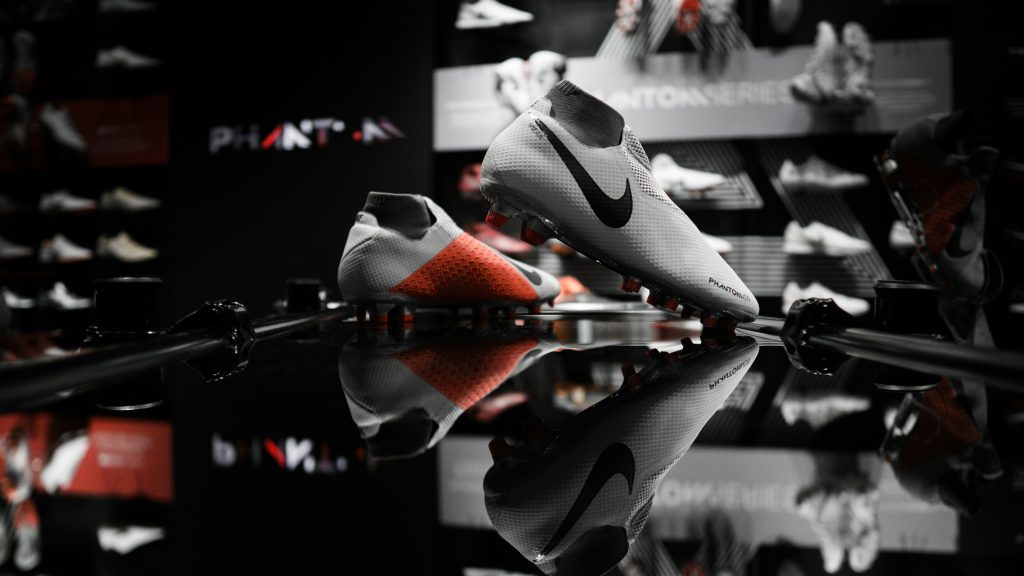
As e-commerce grows, pop-ups provide engaging, in-person shopping experiences that online platforms can’t match. These temporary spaces let brands, from established names to new entrepreneurs, create immersive environments where customers interact with products, building a sense of community. Success often comes from collaborations that help brands share resources, reduce costs, and expand customer bases. For example, Nike’s pop-ups at events like the NBA All-Star Game and the Olympics offer exclusive products and personalized experiences, attracting both loyal and new customers.

Collaborations also help small businesses test markets and build awareness without the costs of permanent spaces. Under Armour’s recent pop-up in Paris, in partnership with Salvy, offered gym enthusiasts a three-day event focused on fitness and community, showcasing the brand’s commitment and connecting with local consumers. Such collaborations not only boost short-term foot traffic but also attract long-term customers.

pop up shop

Pro’s and Con’s: Brick-and-Mortar vs. Pop-Up Shops

Brick-and-mortar stores offer consistent shopping experiences, allowing customers to interact with products and build long-term loyalty. They provide convenience and variety, boosting a brand’s market presence and sales. Retailers like JD Sports and Intersport Group have succeeded with this model, benefiting from established visibility and customer trust. However, these stores come with high costs, including rent, staffing, and inventory management, making them a major financial commitment. Additionally, competition in these spaces can dilute brand identity, as products often sit alongside similar items from rival brands.

In contrast, pop-up shops are a flexible, cost-effective option. These temporary spaces incite urgency and exclusivity that generates excitement for new product launches or seasonal collections, while allowing brands to test new markets and demographics. Adidas’ Terrex launch and ASICS’ Paris Fashion Week event are examples of how pop-ups create buzz and drive sales through interactive experiences and targeted marketing. In some cases, a hybrid approach—combining elements of both models—can be most effective. This strategy leverages the stability of brick-and-mortar with the excitement of pop-ups, creating an adaptable and engaging shopping experience that maximizes visibility and builds community connections in the competitive sports retail landscape.

pop up shop

Ultimately, the future of retail will likely depend on blending tradition with innovation, leveraging the immersive nature of pop-up stores to enhance athlete visibility and community. Brands that embrace this shift will be better positioned for success in the competitive market.

Sources:

  1. https://finance.yahoo.com/news/pop-shops-future-retail-140640382.html
  2. https://www.ispo.com/en/sports-business/multi-brand-stores-vs-pop-stores-retail-strategies-sports-brands
  3. https://fastercapital.com/content/Collaborative-partnerships–The-Power-of-Collaboration-in-Pop-Up-Retail.html
  4. https://nbpa.com/news/nbpa-prepares-to-launch-first-ever-fan-shop-pop-up-during-summer-league
  5. https://blog.sportheroes.com/10-examples-of-innovative-experiences-in-sport#anchor4
  6. https://magazine.gopopup.com/en/success-stories-brands-that-have-transformed-pop-up-stores-into-unforgettable-experiences/#:~:text=1.,significant%20buzz%20on%20social%20media.
  7. https://www.thestorefront.com/mag/sport-sportswear-pop-up-store-examples/

Riding the Wave: The Growth of Professional Surfing

Surfing is a global phenomenon, captivating millions with its mix of athleticism and artistry. Despite being romanticized as a laid-back, easy pastime, professional surfing is an entirely different beast. At its highest level, it’s a fiercely competitive and dangerous sport, where elite athletes ride some of the world’s most notorious waves, all for a shot at immortalizing their name in surf history. Since the founding of the World Surf League (WSL) in 1976, the sport has grown rapidly, solidifying its legitimacy with a structured competition system. The WSL features three distinct tours, with the Championship Tour showcasing the best of the best in nine events throughout the season, leading to the ultimate Final. Far from being just a thrilling spectacle, professional surfing is a booming sport anchored by its premier events and growing fan base.

professional surfing

The Thrill Behind Surfing Competitions

Major surfing events, like those organized by the WSL, play a critical role in elevating the sport’s appeal. Planning these events involves everything from picking the right location to coordinating with local authorities and managing logistics. A dedicated team, including organizers, safety crews, and judges, ensures each competition runs smoothly. The unpredictability of ocean conditions adds an extra challenge, requiring quick decisions based on weather and wave quality. This mix of excitement and uncertainty keeps competitors and spectators on edge.

The Lexus Pipe Pro at Banzai Pipeline in Oahu showcases the complexity of these events. Organizers carefully select dates based on wave patterns, while judges assess surfers’ skills and safety crews remain ready for emergencies. The local community adds to the event’s festive feel, offering food, entertainment, and surf culture celebrations. This blend of competition and community engagement makes the Lexus Pipe Pro a standout in professional surfing.

professional surfing

The Evolving Role of Media in Professional Surfing

Media and broadcasting have transformed how professional surfing reaches global audiences. With advancements in technology and the rise of streaming platforms, fans can now watch surfing competitions in real-time from anywhere in the world. The 2024 WSL Finals, for example, aired on ESPN, Sky Sports, Fox Sports, YouTube, and the WSL app, making the event accessible to a broader audience. This shift allows viewers to experience the excitement of the sport from their homes or on the go. Social media also plays a crucial role, with surfers sharing highlights, personal stories, and behind-the-scenes content, creating a deeper connection with fans.

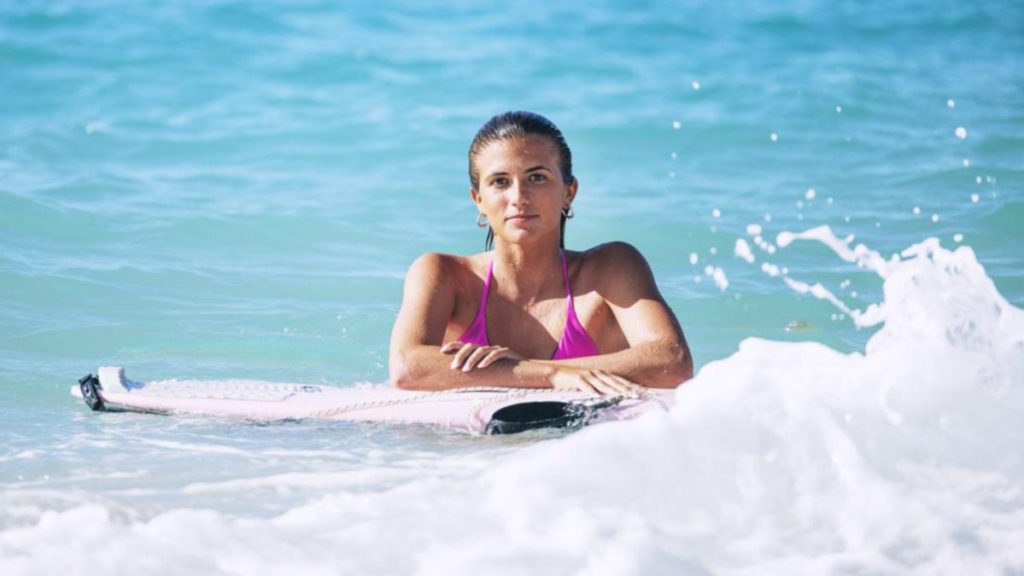
Zoe Benedetto, a rising star in the surfing world, exemplifies how surfers can use social media to build a personal brand. With over 100,000 Instagram followers, she shares her journey as a competitive surfer, offering fans a glimpse into her routines and adventures. Her engaging posts and relatable content inspire a diverse audience, fostering a sense of community. By leveraging platforms like Instagram, Zoe has successfully highlighted both her talent and passion for surfing, helping professional surfing evolve into a global spectacle that captivates millions.

zoe benedetto

The Economic Impact of Surfing Events: The Case of Nazaré

Major surfing events can significantly boost local economies by drawing tourists, increasing business revenue, and creating temporary jobs in hospitality and event management. A prime example is NazarĂ©, Portugal. Once a small fishing village, NazarĂ© has transformed into a global surfing destination. In the mid-2000s, legendary big wave surfer Garret McNamara set out to find the world’s biggest rideable wave. After hearing about the massive waves in NazarĂ©, he couldn’t resist. In 2011, Garret surfed a 78-foot wave, earning a Guinness World Record and forever putting NazarĂ© on the map. Now known for having the world’s biggest wave, the town hosts surfers each year for competitions and record-breaking attempts. The World Surf League held its first NazarĂ© Big Wave Challenge in 2016, further cementing the town’s place in the surfing world.

Over the past decade, surfing has had a huge impact on Nazaré’s economy and culture. In 2010, nearly 45,000 tourists stayed in local hotels; by 2019, that number had soared to over 130,000—a 295% increase. This influx has generated millions in revenue for local businesses, including hotels, restaurants, and shops. The events not only raise the town’s profile but also foster community pride and cultural exchange, as locals and visitors connect over shared interests. Investments in infrastructure and services to support these events also help ensure Nazaré’s long-term success as a sustainable tourist destination.

Nazaré, Portugal

The Power of Sponsorship in Surfing

Sponsorships play a vital role in the surfing industry, giving brands significant exposure while supporting events like the Shiseido Tahiti Pro and Lexus Pipe Pro. Major partnerships, such as Pura Vida’s commitment to surf culture and Red Bull’s alignment with extreme sports, show how brands connect with an adventurous lifestyle and passionate fan base. These collaborations allow companies to showcase their products in ways that resonate with their audience, creating a sense of authenticity and shared values. In 2023, sponsorship revenue in professional surfing reached an estimated $150 million, a 30% increase from the previous year, reflecting the sport’s growing popularity and its value as a marketing platform.

Professional surfers aren’t just competitors; they’re influential brand ambassadors whose personal stories and lifestyles resonate deeply with fans. Carissa Moore, for example, leverages partnerships with Nike and Red Bull to promote products that align with surf culture, while Brisa Hennessy’s advocacy for environmental sustainability and mental health awareness extends her influence beyond the sport. Through social media, these athletes cultivate loyal communities, making them valuable to brands across apparel, wellness, and lifestyle markets. Their participation in events, campaigns, and even signature product lines enhances market presence and helps shape public perception of surfing. As they build successful personal brands, surfers like Moore and Hennessy fuel the sport’s growth while setting an example for aspiring athletes on how to turn talent and passion into long-term success.

professional surfing

Surfing’s Next Wave

As surfing continues to evolve, its future holds immense potential for growth and innovation. Advances in technology, such as virtual reality (VR) and augmented reality (AR), could revolutionize how fans experience competitions, allowing them to feel as if they’re riding the waves alongside their favorite surfers. The development of artificial wave pools, like Kelly Slater’s Surf Ranch, could also become a more prominent part of the sport, offering controlled environments for year-round competition and training. Sustainability will remain a crucial focus, with many surfers and brands already advocating for ocean conservation and reducing the environmental impact of events. We may also see increased diversity, with the WSL pushing to include more women and surfers from regions like Asia and Africa, expanding the global talent pool. These changes will not only enhance the sport’s visibility but also ensure that surfing remains a progressive, eco-conscious, and globally inclusive movement that continues to inspire future generations.

Sources:

  1. http://www.the-businessreport.com/article/the-economic-power-of-surf/#:~:text=The%20waves%20have%20made%20us,before%20the%20Garrett%20McNamara%20act
  2. https://www.redbull.com/us-en/history-of-big-wave-surfing-at-nazare 
  3. https://surfsimply.com/magazine/cant-look-away
  4. https://www.surfandsun.com.au/blog/20241/the-history-of-the-world-surf-league.php
  5. https://www.linkedin.com/pulse/riding-wave-remarkable-growth-world-surf-league-future-angus-yeates-ukpbc
  6. https://www.surfertoday.com/surfing/world-surf-league-interesting-facts-about-the-pro-surfing-organization
  7. https://www.forbes.com/sites/isabellebousquette/2021/07/27/as-surfing-makes-its-olympic-debut-billionaire-owned-world-surf-league-hopes-to-catch-a-wave-of-opportunities/
  8. https://www.surfnewsnetwork.com/these-companies-make-it-happen/
  9. https://www.surfertoday.com/surfing/the-business-empire-of-kelly-slater
  10. https://www.riotimesonline.com/brazil-news/brazil/with-italos-gold-the-billion-dollar-surfing-business-heads-for-its-peak/

Game Changers: The Powerful Role of Women in Sports Today

In recent years, women in sports have taken center stage, not only on the field but in leadership, media, and governance. This shift is evident in major events like the 2023 FIFA Women’s World Cup, which set a viewership record with nearly 2B global viewers, and the Paris 2024 Olympics, which will feature gender-equal medal events for the first time. These milestones underscore the growing influence of women in sports and the increased visibility they’re receiving globally. From football to leadership programs, women are leading the charge and inspiring the next generation to reach new heights. 

Shaping the Future of Football

Football has long been a male-dominated sport, but that’s changing rapidly. According to a recent Front Office Sports feature, women are driving progress both on and off the field. From coaching to team management, roles once seen as inaccessible are now being filled by women. For example, the NFL has seen a 38% increase in women in front-office positions since 2019, a major step forward in diversifying leadership in football.

Sam Rapoport, the NFL’s Senior Director of Diversity, remarked, “We are at the forefront of change and innovation in football. The contributions of women have broadened the horizons of the sport.” This transformation is opening doors for young girls to not only aspire to be athletes but also to pursue careers in football administration, coaching, and executive roles. Women like Katie Sowers, the NFL’s first openly gay female coach, and others who are breaking into traditionally male spaces are proving that there are no limits to what can be achieved in the world of sports. Their influence is not only inspiring future generations but is also expanding the scope and future of football itself​.

women in sports

The Power of Representation

The recent Girls on the Run Women in Sports Summit featured a powerful panel focused on the importance of representation in sports. Female athletes and industry leaders shared personal stories of overcoming obstacles and achieving success. One standout speaker was five-time Olympic swimmer Dara Torres, who highlighted the importance of visibility: “You can’t be what you can’t see. It’s vital for young girls to see women in positions of power in sports.” Her words reflect the growing recognition that female role models are key to inspiring future generations.

Research presented at the summit underscored this idea, revealing that 94% of women in C-suite executive roles participated in sports at some point in their lives. This data illustrates a clear link between athletic involvement and professional success, suggesting that early engagement in sports can foster skills like leadership, teamwork, and resilience. Representation matters not just on the field, but in every aspect of life, as it shows young girls they can aspire to leadership and greatness in any arena.

women in sports

Youth Sports: Building Leadership and Confidence

A recent study by the Women’s Sports Foundation, When Girls Play, We All Win, shows that youth sports play a critical role in shaping future female leaders. The study found that 74% of women in top leadership positions credit sports with helping them develop leadership skills. Girls who engage in sports are more likely to have higher confidence, self-esteem, and ambition, which can pave the way for success in various fields.

Stephanie Adams, CEO of the Women’s Sports Foundation, emphasized the broader benefits of sports for young girls, saying, “It’s not just about physical activity—it’s about setting them up for success in all areas of life.” The study also revealed that girls who play sports are more likely to stay in school, avoid risky behaviors, and enjoy better mental health. These individual benefits contribute to a positive ripple effect, as communities and industries thrive when women take on leadership roles​.

women in sports

A Future Powered by Women

Whether through football, sports panels, or youth programs, women are leading the charge in transforming the sports world. As barriers are broken down, we are witnessing a more inclusive and inspiring future—one where young girls know they can succeed in any field. Women in sports aren’t just participating; they’re changing the game for the better.

With a 38% increase in women in NFL front offices and clear evidence that sports backgrounds shape future female leaders, the message is undeniable: when women lead in sports, everyone benefits. This growing representation is paving the way for a stronger, more equitable sports industry​.

Sources:

  1. https://www.womenssportsfoundation.org/
  2. https://frontofficesports.com/video/the-women-fueling-the-future-of-football/
  3. https://www.girlsontherun.org/blog/women-in-sports-summit-panel/
  4. https://www.prnewswire.com/news-releases/new-womens-sports-foundation-research-proves-youth-sports-fuel-womens-leadership-when-girls-play-we-all-win-302243796.html

NFL Media Blitz: Balancing Global Growth with Fans’ Rising Costs

After securing major broadcast deals with Disney, NBC, and Amazon through 2035, the NFL is poised for an unprecedented media strategy. These agreements aim to capture every market and demographic nationwide while expanding the league’s global presence. However, despite partnerships with some of the biggest media companies, fans are raising concerns about one key issue: the rising cost of watching NFL games. As the league spreads its broadcasts across multiple NFL streaming platforms and other outlets to fulfill these contracts, access costs have skyrocketed.

In addition to expanding its presence in America, the NFL is set to host games in Brazil, Germany, and England as part of its international growth strategy. These games will not only boost revenue but also elevate the league’s global stature. However, the increased fragmentation of streaming platforms has left fans worried. According to Market Watch, it could cost viewers over $1,700 to watch the entire NFL season, as they’ll need to subscribe to up to seven different platforms. While the NFL’s massive popularity gives it leverage to profit from every angle, fans are now left to decide whether the price is worth it.

nfl streaming platforms

NFL Partners With Media Giants

The NFL’s long-term deals with Disney (including ESPN and ABC), NBC, and Amazon highlight the league’s focus on maximizing media exposure. Disney will air Monday Night Football across both cable and its streaming platform, ESPN+. NBC will maintain its long-standing Sunday Night Football coverage, still one of the most-watched primetime shows in the U.S., while also streaming on Peacock. Meanwhile, Amazon has secured exclusive rights to Thursday Night Football, signaling a move toward streaming-first experiences.

These deals ensure that the NFL has a presence on traditional television while also tapping into NFL streaming platforms, allowing the league to reach audiences on all platforms. This media blitz positions the NFL to cater to both older fans accustomed to cable TV and younger viewers who prefer streaming.

nfl streaming platforms

Global Expansion

In recent years, the NFL has ramped up efforts to expand its international reach, and the 2024 season is no exception. With games scheduled in Brazil, Germany, and England, the NFL is taking its global presence to the next level. This strategic move aims to tap into international markets, engage new fanbases, and increase the sport’s overall valuation.

In the UK, the NFL has already built a strong following, with the London games becoming a fixture on its calendar. Germany, a newer market for the league, has shown high demand, with tickets for upcoming games selling out in record time. Meanwhile, Brazil represents an untapped but promising market where the NFL hopes to grow a fanbase eager for American football. The success of these games will further expand the NFL’s international appeal and boost its global revenues.

nfl streaming platforms

Sponsors Taking Advantage

As the NFL continues to expand both domestically and globally, sponsors are keen to capitalize on the league’s vast audience. The NFL’s appeal is undeniable, drawing millions of fans from diverse demographics. Major brands such as Nike, PepsiCo, and Verizon have long-standing partnerships with the NFL, and with the league expanding its media coverage and international footprint, these companies are eager to strengthen their presence.

Sponsors are capitalizing on the NFL’s extensive media deals to connect with consumers across various platforms and markets. From in-game ads to integrated brand experiences on NFL streaming platforms, companies are finding new ways to engage fans at every touchpoint. Toyota, the NFL’s automotive sponsor, has launched a season-long campaign showcasing its role in football nationwide. The campaign features stars like Eli Manning, Brock Purdy, and Puka Nacua. This is especially important as the NFL expands internationally, offering sponsors new opportunities to reach global audiences. These partnerships not only boost brand visibility but also generate significant revenue for both the NFL and its sponsors.

nfl streaming platforms

Implications for Fans Worldwide

While the NFL’s expansion and media deals offer plenty of growth opportunities, fans are facing rising challenges, especially with costs. This issue isn’t limited to the U.S.—international fans are encountering similar difficulties. Although the NFL’s push to bring live games to new markets is exciting, fans in those regions may struggle to access full NFL content due to platform restrictions, blackout rules, or steep subscription fees.

The NFL must address these concerns if it wants to keep its loyal fanbase while pursuing aggressive expansion. Gone are the days when fans could tune in to a single network for coverage. Balancing profit with accessibility will be more important than ever as the league seeks to capture new markets without alienating its core audience.

Sources:

  1. https://pressroom.toyota.com/toyota-delivers-star-packed-nfl-campaign-that-invites-fans-to-roll-deep-together-all-season-long/
  2. https://www.cnbc.com/2024/09/04/nfl-media-rights-media-landscape.html 
  3. https://www.marketwatch.com/story/want-to-watch-every-nfl-game-this-season-its-going-to-cost-you-nearly-2-500-31c4d300 
  4. https://www.nfl.com/international/international-games 
  5. https://www.hbs.edu/faculty/Pages/item.aspx?num=62434 
  6. https://www.forbes.com/sites/mikeozanian/2023/08/30/why-the-nfl-could-reap-more-than-126-billion-in-tv-money-by-2033/ 
  7. https://www.nbcsports.com/nfl/profootballtalk/rumor-mill/news/espn-nfl-network-are-believed-to-be-closing-in-on-a-deal 

How Young Athletes Are Challenging Sports Legends

In the world of sports, each era is defined by its legendary athletes—figures like Lionel Messi, Serena Williams, and LeBron James, who have set records and reached seemingly untouchable heights. Yet, as the sporting world evolves, a new generation of athletes is emerging. Young stars like Iga Świątek and Erling Haaland are not only learning from the GOATs but increasingly challenging and sometimes surpassing them. From breaking records to changing the game, these young athletes are transforming the landscape of sports. Their rise is fueled by massive advancements in training, sports science, and social media.

Iga ĹšwiÄ…tek

Breaking Records, Setting New Standards

The rise of young stars like Kylian MbappĂ© in soccer and Iga ĹšwiÄ…tek in tennis shows that the younger generation isn’t just playing in the shadows of legends—they’re making their own mark. MbappĂ©, for instance, won his first FIFA World Cup at just 19 and has since been compared to some of the greatest players of all time. Even Lionel Messi, his former PSG teammate, praised his immense talent, stating, “Kylian MbappĂ© is still very young, but his talent is extraordinary.” With MbappĂ© and Erling Haaland often competing for top honors, Messi further predicted that their time would come, leaving fans excited for a new era in soccer.

Similarly, Iga ĹšwiÄ…tek has taken the tennis world by storm. By age 19, she won her first Grand Slam title and quickly ascended to world No. 1 in the WTA rankings. Her dominance on clay courts has drawn comparisons to Rafael Nadal, and her mental toughness at such a young age is setting new standards for success in tennis.

Iga ĹšwiÄ…tek

The Role of Technology and Training

One of the key reasons behind the rapid rise of young athletes like Carlos Alcaraz and Jannik Sinner is the integration of cutting-edge sports science and technology into their training regimens. Advanced data analytics, biomechanical assessments, and wearable technology have allowed these athletes to optimize their performance and reduce the risk of injury.

But what exactly is biomechanics? Biomechanics in sports explores the mechanical principles behind how the body moves and functions. Paired with technology, it allows for more precise analysis to improve efficiency, power, and safety. Using video analysis and motion sensors, athletes and coaches can identify small irregularities in movement that may increase injury risk or hinder performance.  In Luka DonÄŤić’s case, biomechanics helps optimize his shooting mechanics by analyzing his body alignment, muscle usage, and shot trajectory, which reduces unnecessary strain and increases shooting efficiency.

Iga ĹšwiÄ…tek

The Impact of Social Media

Social media plays a crucial role in amplifying the rise of young athletes. Platforms like Instagram, TikTok, and Twitter allow athletes to connect with fans globally, build personal brands, and increase their visibility in ways traditional media outlets can’t match. MbappĂ©, for example, has mastered the art of maintaining his brand through social media, where he shares both his on-field brilliance and off-field activities, further cementing his influence beyond the pitch.

Athletes like Naomi Osaka have also used their platforms for advocacy, raising awareness about mental health and social justice. Osaka’s openness about her mental health struggles made headlines, and through her social media presence, she continues to inspire a younger generation of athletes to use their influence for good​.

Social media also amplifies highlight moments. Whether it’s a viral dunk from Ja Morant or an epic save from a young goalkeeper, these moments are shared and reshared, making them accessible to millions within minutes. This instant exposure has enabled young athletes to gain massive followings and secure sponsorship deals that elevate their careers before they’ve even reached their peak​.

Iga ĹšwiÄ…tek

Changing the Game

Young athletes aren’t just challenging the records of the GOATs; they’re also changing the way their sports are played. In soccer, Erling Haaland’s physical dominance and technical ability are setting new standards for the striker position, blending strength, speed, and precision in ways not seen before.

In basketball, Ja Morant is redefining the point guard position with his athleticism and playmaking ability. Morant’s combination of agility, quick decision-making, and leaping ability has earned him a reputation as one of the most explosive players in the NBA today. His stats back up this claim—Morant led the NBA in points in the paint for a guard in the 2021-2022 season, with an average of 16.6 points per game coming from this area. This is an extraordinary achievement for a point guard, who traditionally plays away from the basket, but Morant’s fearless drives and aerial displays are transforming the position. His unique playstyle is pushing other young players to adapt and innovate, forcing the game to evolve.

This younger generation is taking what they’ve learned from their legendary predecessors, refining it, and creating something entirely new. They’re blending generations of skills and, in the process, evolving their sports in real-time. The rise of young athletes in various sports is a testament to the evolving nature of competition and the relentless pursuit of excellence. Armed with better training, technology, and social media influence, these athletes are challenging the GOATs in ways that were previously unimaginable.

Sources:

  1. https://psgtalk.com/2024/01/mbappe-messi-ronaldo-exits-europe/
  2. https://www.tennisworldusa.org/tennis/news/Tennis_Interviews/148031/boris-becker-gave-honest-analysis-on-sinner-and-alcaraz-s-rivalry/
  3. https://www.espn.com/nba/story/_/id/35197166/the-explosiveness-finesse-feel-turned-ja-morant-elite-paint-presence
  4. https://www.nba.com/news/ja-morant-welcome-to-the-paint
  5. https://www.sportspromedia.com/insights/analysis/sports-teams-athletes-social-media-teamworks-influencer-nashville-predators-irfu/
  6. https://www.wsj.com/articles/luka-doncic-big-data-nba-11552413548
  7. https://theknickswall.com/jalen-brunson-biomechanics-god/

College Football Playoff Expansion: 12-Team Format Explained

In the rapidly evolving landscape of college football, the upcoming 12-team College Football Playoff (CFP) expansion promises to be a game-changer. This shift from a 4-team to a 12-team format is poised to transform the competition, offering new opportunities and challenges for teams, players, and fans alike. As the 2024 season approaches, key questions arise: Will this expansion dilute the importance of the regular season, or will it enhance the excitement and competitiveness of the sport? And how will it impact the financial and recruiting dynamics across college football programs?

college football playoff

Increased Opportunities for Underdogs

One team to watch in the 2024 College Football Playoff expansion is Cincinnati. While they narrowly missed the playoff in 2022, experts project that they could return as Big 12 champions in 2024, potentially securing a top-four seed. However, not everyone is excited about the 12-team format. Critics argue that expanding to 12 teams may dilute the exclusivity of the playoff, similar to concerns raised during the expansion of March Madness. They fear that adding more teams could lessen the significance of regular-season success and lead to a less prestigious postseason.

Maintaining the Integrity of the Regular Season

While some critics argue that expanding the playoff field might devalue the regular season, proponents believe it will add significance to more games across the board. With more spots available, even late-season matchups that previously had no bearing on the playoff race will now carry weight, keeping fans engaged throughout the entire season. This change could lead to increased viewership and revenue as more games have playoff implications.

Revenue Growth

The financial impact of the 12-team playoff is expected to be substantial. More games mean more television contracts, ticket sales, and sponsorship opportunities, benefiting conferences, schools, and the NCAA. ESPN recently signed a six-year, $7.8B deal to retain exclusive media rights through the 2031-32 season, which includes coverage of all rounds of the new 12-team playoff format. This massive agreement not only adds four first-round games to ESPN’s existing coverage but also secures exclusive rights to programming like the CFP Selection Show and Top 25 rankings. These expanded rights, coupled with the influx of games, will open up new opportunities for brand sponsorships, giving companies increased visibility during high-stakes playoff matchups. Mega-brands like VBRO, Chick-fil-A, and Modelo have signed on as sponsors, hoping to take advantage of the heightened attention and excitement surrounding college football’s marquee event.

Balancing the Benefits Across Conferences

However, this financial windfall may not be evenly distributed. Power 5 conferences, which already command significant resources, are poised to gain the most. Meanwhile, Group of 5 conferences could see only marginal increases in revenue, perpetuating the existing inequalities within college football. The challenge will be finding ways to ensure that the benefits of the expanded playoff are shared more equitably, so that all programs can compete on a level playing field.

college football playoff

Impact on Player Workload and Development

With more games on the schedule, concerns about player workload and potential injuries are bound to grow. SEC chief medical officer Catherine O’Neal told the press that with the playoff extension, the SEC plans to adjust its injury management protocols. Coaches and trainers will need to balance the demands of a longer season with the physical and mental health of their players. On the plus side, the added exposure from more playoff games could speed up player development as athletes gain experience in high-pressure situations earlier in their careers.

2024 Projections

As anticipation builds for the 2024 College Football Playoff, experts are already weighing in on which teams are likely to secure a spot in the new 12-team format. According to The Athletic, teams such as Georgia, Ohio State, and Texas are among the favorites to make deep runs this season. The model also predicts underdogs like Boise State and Ole Miss could break into the playoff conversation, creating the potential for thrilling matchups. With powerhouse programs and mid-major teams vying for a national title, the expanded CFP promises to deliver even more excitement and unpredictability in the coming season.

Sources:

  1. https://www.espn.com/college-football/story/_/id/39766079/college-football-playoff-espn-agree-deal-2031-32
  2. https://www.nytimes.com/athletic/5701128/2024/09/05/college-football-playoff-projections-odds/
  3. https://www.usatoday.com/story/sports/college/2024/09/07/nonconference-games-college-football-playoff-12-team-cfp/75076654007/

Athlete Micro-Influencers vs Pro Endorsements: The New Marketing

In today’s fast-changing world, brands are rethinking the traditional model of athlete endorsements as they navigate the complexities of social media-driven marketing. While elite professional athletes have long been the go-to choice for high-profile partnerships, the rise of micro and nano influencers is challenging the status quo. These smaller-scale influencers, with their highly engaged and niche audiences, are proving to be powerful players in brand marketing. This shift raises critical questions: are traditional, high-cost endorsements with star athletes still necessary, or are more targeted, authentic connections through nano and micro-influencers the key to driving brand success in this new era?

micro-influencers

Athlete-Influencers’ Time is Now

The shift toward micro and nano influencers isn’t just about cutting costs—it’s about delivering authentic results. As Isabella Ingrid from Sports Kred points out, the era of celebrity dominance in marketing is fading. Micro-influencers, with their more intimate and engaged followings, are proving far more effective at building genuine connections with audiences. Their personal touch fosters greater trust and authenticity, which are crucial in today’s marketing strategies.

Moreover, working with multiple micro or nano-influencers allows brands to stretch their marketing budgets across various audiences, offering a strategic way to increase reach and engagement. Take, for example, Athelo Group’s partnership with Wow Wipes. They launched a campaign featuring athletes like Alex Aust, Brisa Hennessy, Dani Speegle, Kyra Milligan, and Zoe Benedetto. By collaborating with athlete-influencers in niche sports from surfing to CrossFit, Wow Wipes was able to connect with multiple distinct audiences instead of focusing on a single celebrity endorsement that would target just one demographic. This approach underscores the changing landscape of athlete endorsements, challenging the past focus on traditional high-profile partnerships.

micro-influencers

The Rise of NIL Marketing in College Sports

The rise of NIL (Name, Image, Likeness) deals has opened up new opportunities for athlete endorsements, allowing brands to partner with college athletes in ways that were previously impossible. Since the 2021 Supreme Court ruling, companies like McDonald’s, Microsoft, and Gatorade have jumped at the chance to connect with younger audiences through these athletes. College athletes offer a cost-effective way to tap into the deep loyalty that fans—especially alumni—have for university sports teams. These deals also allow brands to build early relationships with athletes who might later go pro or compete in the Olympics while engaging with niche sports and diverse audiences.

Partnering with college athletes is more than a cost-cutting exercise. Brands are increasingly valuing the character of the athletes they endorse, sometimes even more than their social media follower counts. This focus on authenticity reflects broader trends in influencer marketing, where genuine connections and trust are key. Take Jared McCain, for example. Last season, he was one of Duke basketball’s best players, creating content that stayed true to his authentic self—even if it didn’t fit the typical athlete mold. His ability to balance sports content with his personal brand made him attractive to companies seeking genuine representation. By carefully choosing athletes who align with their values and ensuring their social media presence is authentic and relatable, companies can reduce the risks of endorsing younger, less established figures while still benefiting from these dynamic partnerships.

micro-influencers

Influencer vs. A-Lister

When comparing social media influencers to traditional celebrity endorsements, each brings unique strengths and challenges. Influencers often excel in credibility and relatability, particularly within specific niches, which fosters trust and drives higher engagement. Their ability to connect with targeted audiences and deliver measurable ROI makes them a cost-effective choice for many brands. However, influencer marketing isn’t without its downsides. As influencers gain more followers, their engagement rates can drop, and while they generally carry less risk than celebrities, they aren’t entirely immune to controversy.

Celebrity endorsements, though typically more expensive and less targeted, can deliver massive visibility and prestige. This can result in either a big win or a serious setback for the brand. A prime example is Ugg’s 2012 partnership with NFL star Tom Brady. The brand aimed to reverse declining sales and expand beyond their primarily female consumer base. The endorsement ultimately fell flat and sales continued to drop. In contrast, GymShark’s work with micro YouTube influencers connected deeply with online fitness communities, contributing to the brand’s growth into a billion-dollar company. Whether a brand opts for a household name or influencers with a small base of loyal followers, a campaign’s success or failure largely depends on authenticity.

micro-influencers

In today’s social media-driven marketing world, athlete endorsements are undoubtedly shifting from celebrity partnerships to micro and nano influencers. These smaller influencers connect authentically with niche audiences, making them increasingly attractive to brands. The rise of NIL deals and the integration of athletes in broader entertainment collaborations further highlights this change. While celebrity endorsements still offer great visibility, brands are increasingly focusing on targeted and cost-effective influencer marketing in 2024 and beyond.

Sources:

  1. https://www.linkedin.com/posts/dancrosby_marketingstrategy-brandbuilding-biosteel-activity-7229086830061608962-R02d/?utm_source=share&utm_medium=member_ios
  2. https://hbr.org/2024/05/how-marketers-choose-college-athlete-influencers
  3. https://sportskred.com/navigating-the-evolving-landscape-of-influencer-marketing
  4. https://m7.agency/nil-influence-how-brands-can-score-big-in-the-new-era-of-athlete-influencers/
  5. https://www.google.com/url?q=https://www.isportconnect.com/trends-in-the-sports-sponsorship-business-in-2024/
  6. https://swaygroup.com/social-media-influencers-new-celebrities/
  7. https://collabstr.com/blog/how-gymshark-built-a-billion-dollar-empire-through-influencer-marketing
  8. https://247wallst.com/sports/2024/08/29/these-athlete-endorsement-deals-were-complete-disasters/

Playing the Long Game: How the NFL is Innovating Player Safety

Injuries are a part of every athlete’s career, but with the recent spike in NFL concussions, safety is more important than ever. To stay in the game longer, athletes need to be physically fit and ready for both game day and training. In high-contact sports like American football, fitness alone isn’t enough to prevent injuries. Cutting-edge equipment becomes the last line of defense. Known for its gladiator-like intensity, football puts athletes’ bodies on the line, making them heavily reliant on protective gear. That’s why the NFL, alongside several companies, are working hard to develop equipment like Q-Collar to keep players safe and protect their long-term health.

q-collar

 Q-Collar: A New Safety Innovation

Brain injuries are among the most common in the NFL, yet we’ve made only minor progress toward addressing this issue. However, a recent innovation in player head safety, the Q-Collar, offers a simple but potentially effective solution. The Q-Collar is a lightweight, padded device worn around the neck alongside traditional safety gear. It gently restricts a small amount of blood flow, without causing discomfort, to keep a bit more blood in the cranium. This extra blood acts as a protective layer, helping to reduce the impact of sub-concussive blows. 

In a pre-clinical study, the Q-Collar reduced damage to brain neurons and axons—key indicators of brain injury—by 83% through jugular compression. The FDA has approved the Q-Collar as a medical device, further validating its effectiveness. While it doesn’t eliminate the risks of brain injuries, this simple innovation is making a positive difference for NFL players. Former Carolina Panthers linebacker Luke Kuechly was an early adapter to the device in 2016, and now over 100 NFL players are electing to wear it.

NFL Helmet Technology Advancements

The helmet is the most crucial piece of equipment for protecting players’ heads, and the NFL has recently begun encouraging innovation in its design. In 2019, the NFL launched the Helmet Challenge, a competition where teams of engineers vie to create the safest helmets, with a prize of up to $1M. The challenge has been a success, with both of the latest additions to the league’s list of approved helmets coming from winning teams. Beyond this challenge, the NFL conducts annual tests to determine which helmets offer the best protection. These tests help ensure that safer, newer helmets are added to the league’s approved list, while outdated and less effective helmets are phased out. Additionally, the NFL is exploring position-specific helmets and has seen promising results in this area.

A recent innovation is the Guardian Cap, worn by players like Colts running back Jonathan Taylor and Steelers offensive guard James Daniels. This soft shell fits over the helmet, adding an extra layer of protection against impact by absorbing an additional 10% of force. If both players in a collision are wearing the cap, the protection doubles. Since 2022, the NFL has required certain positions to wear the cap during training, which has helped reduce training camp concussions to a seven-year low. This season marks the first time players can wear the cap during games, and many are taking advantage of this added safety measure.

q-collar

Digital Athlete Predicts Injuries

In today’s digital era, the lack of innovative technological solutions for athlete safety is puzzling.  The NFL’s new Digital Athlete technology will be a game changer in this space, predicting and preventing injuries. In collaboration with Amazon Web Services, the NFL created the Digital Athlete to analyze player data and prevent injuries. This unique and innovative collaboration gathers data from training, practice, and games to provide teams and coaches with comprehensive information regarding which players are at the highest risk of injury.  With this information, coaches and trainers can provide players with individualized injury prevention, training, and recovery programs.  Starting this season, all 32 teams will have access to this tool and its effectiveness at reducing injuries will be measured.

Athlete Safety Products and Sport Sponsorship

As player safety initiatives expand, athletes have more opportunities to benefit financially and raise awareness through brand partnerships. When seeking partnerships, it’s crucial for athletes to align with products they genuinely enjoy. With significant time and money invested in developing innovative safety products, nearly every athlete can find opportunities to authentically support and use these items. 

For example, athletes like Luke Kuechly, Marcus Holman, and Tony Pollard have become ambassadors for the Q-Collar, helping raise product awareness. As we gain a deeper understanding of the long-term health risks in professional sports, the market for athlete safety products is expected to expand. Supporting both their short and long-term health is a cause athletes can truly get behind, making them ideal spokespeople for safety-focused brands.

q-collar

Looking to the Future

As we consider what’s ahead, the focus on athlete safety in high-contact sports like football is becoming increasingly important. The integration of innovative safety products and practices will likely become even more advanced. A key factor in this progress will be the continued collaboration between the NFL, equipment manufacturers, and the athletes themselves. By prioritizing player health and embracing these advancements, we can hope to see a game that not only excites fans but also ensures the long-term health of its players.

Sources:

  1. https://www.nytimes.com/2022/12/19/sports/concussion-q-collar.html
  2. https://thehill.com/homenews/nexstar_media_wire/4429819-some-nfl-players-are-wearing-collars-on-their-necks-why-arent-they-all/
  3. https://q30.com/pages/science?srsltid=AfmBOopUU6RFFC1LIRInHyqyvDXeoLDXWNaUmIX3UQ6AsHUNR-AwuUPz
  4. https://www.nfl.com/playerhealthandsafety/equipment-and-innovation/equipment-testing/nfl-raises-standard-for-helmet-performance-as-five-new-models-achieve-record-high-testing-results
  5. https://www.nfl.com/playerhealthandsafety/equipment-and-innovation/innovation-challenges/nfl-helmet-challenge
  6. https://www.nfl.com/playerhealthandsafety/equipment-and-innovation/aws-partnership/video-predicting-player-injury-with-the-digital-athlete
  7. https://www.nfl.com/playerhealthandsafety/equipment-and-innovation/rules-changes/nfl-health-and-safety-related-rules-changes-since-2002
  8. https://www.nfl.com/news/jonathan-taylor-among-colts-players-to-wear-guardian-caps-in-sunday-s-preseason-game

Doping in Sports: How Anti-Doping Agencies Fight for Fairness

In light of the Paris Olympics, doping in sports is no longer just a battle between athletes and governing bodies. Chinese swimmers are now under scrutiny for potential doping in both Tokyo and Paris, leading the U.S. to launch a formal investigation. In response, China levied doping allegations of their own, honing in on U.S. track and field athletes. The conflict reveals deep-seated tensions between global anti-doping agencies, highlights the serious consequences of athlete oversights, and the fallout for those denied of their rightful victories. As the fight continues to evolve, preventing doping in sports depends on consistent enforcement and a collective commitment to fair play.

USADA, WADA, and CHINADA Clash

A major conflict is brewing in the realm of anti-doping enforcement, pitting the United States Anti-Doping Agency (USADA) against the World Anti-Doping Agency (WADA). This long-standing tension has been further complicated by the rise of China’s own anti-doping body, the China Anti-Doping Agency (CHINADA). The disagreements between these authorities center on how anti-doping laws should be implemented and how athlete cases should be handled.

USADA and WADA have had their differences for years. USADA pushes for stricter and more transparent anti-doping rules, wanting national agencies to have more power. On the other hand, WADA, which works globally, prefers a uniform international approach. This often leads to conflicts over suspension lengths, handling of therapeutic use exemptions (TUEs), and case resolution speed. Recently, CHINADA’s involvement has added more complexity to the situation.

doping in sports

Athlete Pay the Price For Minor Oversights

In professional golf, doping isn’t as common as other sports. However, even minor oversights by athletes can lead to significant consequences due to strict doping regulations. Recently, Graeme McDowell, a seasoned golfer and former U.S. Open champion, found himself at the center of a doping controversy. He tested positive for levomethamphetamine, the active ingredient in Vicks VapoInhaler, which is on LIV Golf’s list of banned substances. McDowell used the over-the-counter nasal decongestant to help him sleep before a tournament and took full responsibility for the oversight. He shared on social media: “As a professional golfer, I understand the importance of checking all medications and the option to apply for a Therapeutic Use Exemption (TUE). Unfortunately, I did not take the time to do this due to the over-the-counter nature of this medicine and deeply regret the oversight.”

LIV Golf acted swiftly, imposing a $125K fine on McDowell and suspending him for one tournament. Additionally, he had to forfeit the $127K he won by finishing 42nd at the LIV Golf Nashville competition. Other athletes like track record-holder Shelby Houlihan and Olympic medalist Devin Logan have made similar mistakes. These incidents highlight the importance of vigilance and responsibility in an era where even minor oversights can have major consequences.

doping in sports

Delayed Justice: Olympic Medal Reallocation

Doping doesn’t just affect the athletes who get caught—it has ripple effects that can alter the lives and careers of others. This was painfully evident in a recent medal reallocation ceremony, where Beverly McDonald and Lashinda Demus finally received the Olympic medals they deserved after years of waiting.

Beverly McDonald, a Jamaican sprinter, was upgraded from silver to gold for her performance in the 2000 Sydney Olympics after Marion Jones was disqualified for doping with anabolic steroids. Similarly, Lashinda Demus, an American hurdler, was awarded gold for the 2012 London Olympics following the disqualification of Russia’s Natalya Antyukh.

This reallocation was bittersweet for McDonald and Demus. While it was a long-overdue recognition of their achievements, it also served as a stark reminder of the years they lost, the celebrations they missed, and the emotional toll of being denied their rightful place on the podium. Their stories underscore the lasting impact of doping on clean athletes and the ongoing battle for justice in sports.

doping in sports

The Fight Against Doping: An Ongoing Struggle

As these stories show, the fight against doping in sports is far from over. Anti-doping agencies continue to develop new methods to detect and prevent the use of banned substances, but for every victory, a new challenge seems to arise. Athletes and coaches constantly look for new ways to gain an unfair advantage, making it clear that this battle is ongoing and complex.

The world of sports is a reflection of our society’s values, and as long as there are those who seek to compete fairly, the fight against doping will continue. It’s a fight that requires vigilance, innovation, and a commitment to preserving the integrity of competition—because, in the end, true victory can only be achieved through honesty and hard work.

Sources:

  1. https://www.npr.org/2024/08/08/nx-s1-5067767/feuding-anti-doping-agencies-usada-wada-chinada-olympics
  2. https://frontofficesports.com/graeme-mcdowell-liv-vicks-250k-pga/
  3. https://www.marca.com/en/olympic-games/track-and field/2024/08/11/66b8d7d6e2704e4f258b45aa.html
  4. https://www.usatoday.com/story/sports/olympics/2024/08/09/reallocated-medals-ceremony-beverly-mcdonald-lashinda-demus/74737989007/
  5. https://apnews.com/article/olympics-2024-china-swimming-doping-51cd4e42bf73f4b9b0f8bb37453775a2
  6. https://nationalpost.com/sports/olympics/kamila-valieva-the-unlikely-possibility-of-testing-positive-for-doping-via-saliva

Become a Sponsor.

Join us in making a difference. Tell us a bit about yourself and we’ll be in touch with sponsorship details.

By submitting this form, you agree to be contacted by the Athelo Group team regarding sponsorship opportunities.