Copa America 2024 Issues: What They Mean for 2026 World Cup

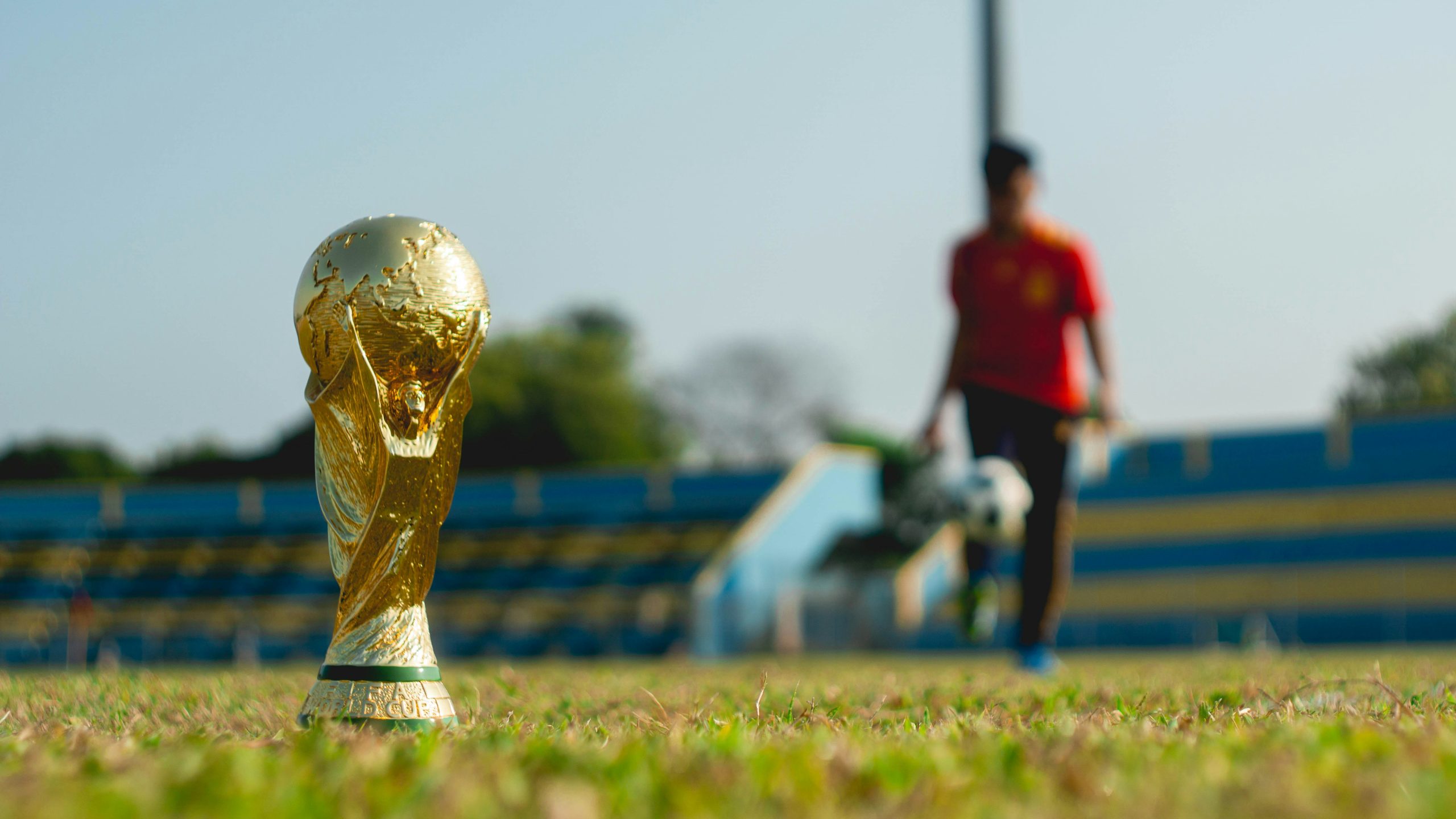
The world’s most thrilling soccer tournament returns to U.S. soil in 2026 for the first time since 1994. But following a series of unfortunate events at the recent Copa America, the anticipated FIFA World Cup does not come without controversy. Established in 1930, the tournament spans nearly 6 weeks of intense competition between the most talented players from the largest nations in the world. The Federation Internationale de Football (FIFA), the sport’s global governing body, is tasked with setting the rules, establishing standards, organizing tournaments, managing transfers, and promoting the sport. 

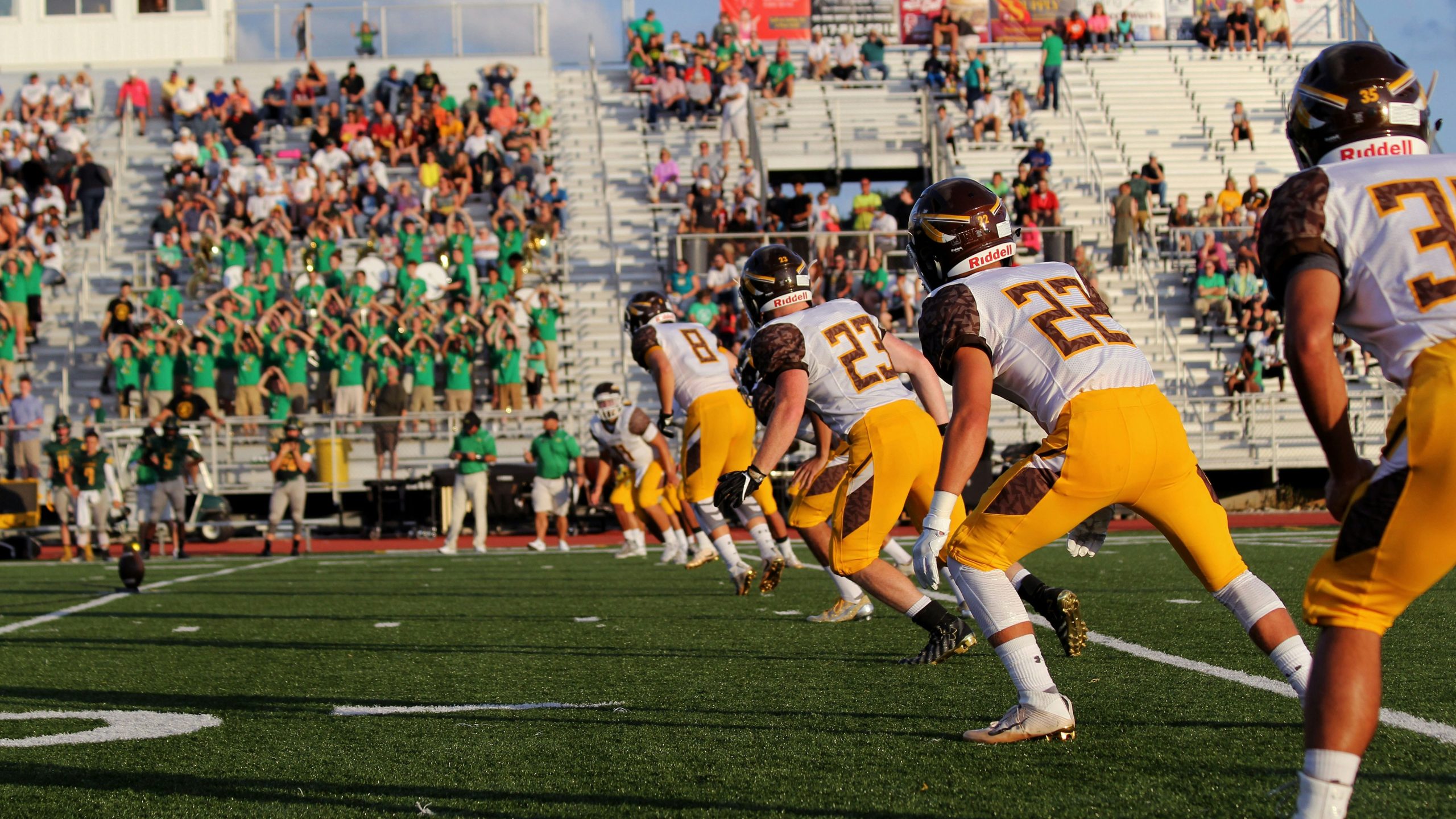
The 2026 World Cup will be hosted across 16 cities in North America, with most matches taking place in the United States. Iconic venues like MetLife Stadium, AT&T Stadium, Arrowhead Stadium, and SoFi Stadium—each with a capacity of around 80,000—will be key locations. These same stadiums recently hosted the Copa America, where security issues, safety concerns, and fan violence were prevalent. While the Copa America showcased remarkable matches, it was also marred by poor field conditions, oppressive heat, and sky-high ticket prices that left many seats empty. These challenges set the stage for what promises to be a complex and intriguing World Cup in two years.
copa america

Ensuring Fan and Player Safety

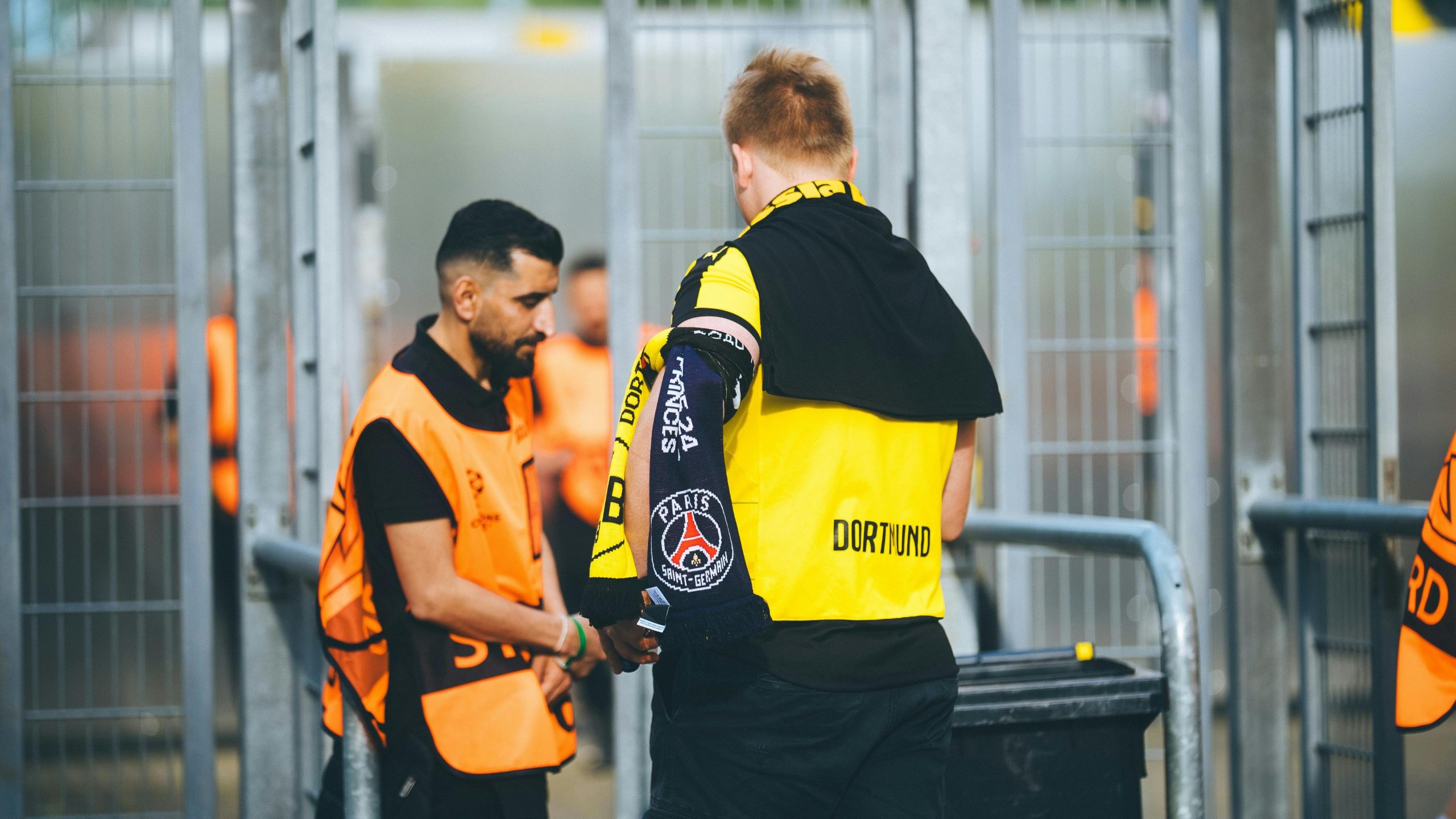
Following the Copa America, the fan experience in 2026 is poised for significant changes. Heightened security measures will be implemented to address the issues that millions witnessed on television. During a semifinal match between Uruguay and Colombia, Uruguayan players rushed into the stands to protect their families from violent behavior, triggering a brawl between players and fans that took nearly ten minutes for police to control. Additionally, pitch invasions were a frequent occurrence throughout the tournament, raising further concerns for the World Cup. FIFA will conduct a thorough review of these security failures and strategize to ensure a better execution for the upcoming event.

Beyond security concerns, the NFL stadiums used for these games and the upcoming World Cup are not ideally suited for soccer.  Most venues could only accommodate a 100m by 64m field, falling short of the World Cup’s minimum requirement of 105m by 68m. Players and coaches also reported uneven field conditions. The grass used across the U.S. involved a special technology where seeds are placed on a bed of plastic to ensure uniform growth. Although these platforms were chosen for their ease of transportation and installation, each stadium applied different treatment methods during the tournament, leading to inconsistent results. This was due to varying weather and construction conditions. To address these issues, FIFA plans to launch a research and development project aimed at achieving optimal field conditions for the 48-team World Cup in two years.

copa america

Referee Controversy

One of the most significant controversies during the tournament, especially for American fans, centered around the officiating. In the United States’ crucial match against Uruguay, referee Kevin Ortega’s decisions came under intense scrutiny. Ortega, who has a history of questionable calls, was inexplicably chosen to officiate one of Copa America’s most critical games. Notably, he once took a bribe and awarded a controversial game-winning penalty. To make matters worse, after millions tuned in to watch, Ortega refused to shake the hand of the U.S. captain, sparking nationwide outrage. In a tournament meant to promote soccer in America, such incidents undermined its integrity. As FIFA prepares to bring the world’s best players to America, it will undoubtedly learn from these officiating issues to ensure a smoother World Cup experience.

Bad Behavior and Stadium Mismanagement

One question at the forefront of the World Cup controversy is how FIFA can control the fan experience on U.S. soil. During the Copa America final in Miami, the excitement surrounding Argentina and Colombia’s match-up quickly descended into chaos. The game was delayed for over an hour as fans threw rocks and debris at gate officials, forcing them to close all entrances and call in armed SWAT patrols. Thousands of people without tickets pushed past security, leading to nearly 7,000 unauthorized entries. Meanwhile, legitimate ticket holders, who had spent thousands of dollars, were left stranded outside. With the heat index around 90 degrees, people were fainting, and their families were desperately seeking help. Videos even showed fans attempting to climb a canopy to gain entry, only to fall to the ground.

In the aftermath, tournament organizers and venue authorities began pointing fingers, blaming each other for the chaos. With the United States set to host the World Cup in less than two years, this incident highlights the urgent need for effective crowd control measures. While FIFA will undoubtedly play a role in developing strategies to manage such extreme crowds, the question remains: Is the U.S. truly ready to host the World Cup in 2026 after this Copa America disaster?

copa america

Future Implications for Fans, Sponsors, and the Sport

The lead-up to the World Cup carries significant implications for both fans and sponsors. Fans expect thrilling matches in a safe and enjoyable environment, making it crucial for FIFA and organizers to rebuild trust with stringent security measures. Addressing concerns about ticket prices and availability is also essential to avoid empty stadiums. Some fans, disheartened by recent incidents, are already considering watching from home instead of attending in person.

For sponsors, the World Cup presents massive opportunities to reach billions of viewers, but they need assurance that the event will run smoothly. Clear communication from FIFA and local organizers about safety measures can enhance brand reputation and elevate soccer’s profile in the U.S., turning a challenging situation into an opportunity for long-term growth and fan engagement.

Sources:

  1. https://www.insidehook.com/sports/copa-america-chaos-isnt-ready-world-cup
  2. https://huddleup.substack.com/p/disastrous-copa-america-final-has 
  3. https://www.espn.com/soccer/story/_/id/40562604/copa-america-2024-review-controversies-surprises-analysis-reaction 
  4. https://frontofficesports.com/copa-america-fallout-greater-logistical-challenges-await-2026-world-cup/ 
  5. https://www.sportsbusinessjournal.com/Articles/2024/07/15/copa-america-final-world-cup-test-run  
  6. https://www.espn.com/soccer/story/_/id/40548890/uruguay-marcelo-bielsa-copa-america-2024-organizers-usa-players 
  7. https://www.espn.com/soccer/story/_/id/40491687/copa-america-poor-pitch-conditions-united-states-2026-world-cup 

PGA Tour LIV Golf Merger: How Saudi PIF Is Reshaping Golf

The world of professional golf is undergoing a seismic shift as recent negotiations between the Public Investment Fund (PIF) and the PGA TOUR unfold. Coupled with pressure from LIV Golf, these developments are poised to reshape the sport’s landscape. The influx of financial investments, the tug-of-war for player loyalty, and the broader implications of globalization are all central to this evolving narrative. The PIF, a sovereign wealth fund of Saudi Arabia, aims to diversify the country’s economy by investing in various sectors globally, including PIF golf initiatives. As the dynamics of professional golf transform, the future of the sport hangs in a delicate balance.

pif golf

A New Era of Investments

The negotiations between PIF golf and the PGA TOUR mark a pivotal moment in professional golf, with the PIF’s substantial financial commitment poised to revolutionize the tour’s financial structure. This financial boost is crucial in attracting and retaining top-tier players, ensuring that the PGA TOUR maintains its status as the pinnacle of professional golf. Enhanced prize distributions and increased investment in infrastructure and player development are just a few of the anticipated benefits. For instance, the proposed financial infusion is expected to significantly enhance the tour’s prize pool, making it more attractive for top players globally. This is similar to how the introduction of the FedEx Cup Playoffs increased competitiveness and player participation due to the lucrative prizes offered.
This financial windfall also brings challenges. The emergence of LIV Golf, with its aggressive recruitment strategies and substantial financial packages, poses a significant threat to the PGA TOUR. Golfers now face difficult choices, balancing the historical prestige and established pathways of the PGA TOUR against the enticing monetary rewards offered by LIV Golf. This competition has intensified debates about player loyalty and the future direction of the sport.

pif golf

The Loyalty Dilemma

The rivalry between LIV Golf and the PGA TOUR has placed many golfers in a challenging position. LIV Golf offers players guaranteed money, unlike the performance-based earnings of the PGA TOUR. For example, Brooks Koepka reportedly received a contract worth over $100 million to switch to LIV Golf, making it difficult for traditional tours to compete financially. Players must now weigh their historical affiliations with the PGA TOUR against potential financial gains, sparking intense debates within the golfing community. Player loyalty, once a given, is now a contentious issue as the lines between tradition and financial incentives blur.

Brooks Koepka’s decision to join LIV Golf underscores the significant pull of financial incentives, even for players with deep ties to the PGA TOUR. “Look, I’ll be honest with you – I signed for the dough,” Koepka admitted to Paul on his BS w/ Jake Paul Podcast, highlighting how LIV Golf’s lucrative offers create a strong financial allure that traditional tours struggle to match. His move has prompted discussions about the sustainability of traditional golfing institutions in the face of high-paying competition. As more players consider their options, the future landscape of professional golf remains uncertain.
pif golf

Globalization of Golf

Strategic maneuvers by both the PIF and LIV Golf underscore a broader trend towards globalization in professional sports. Investments from international entities like the PIF are driving a shift towards a more interconnected and expansive market. This globalization effort is not only about financial investments but also about capturing new markets, broadening the sport’s appeal, and fostering a more inclusive global community of golf enthusiasts.

The impact of globalization is evident in the increasing number of PGA international tournaments, such as the European Tour and the Asian Tour, and the growing presence of non-American players on the PGA TOUR. In the 2024 season, 86 players from 28 countries are competing on the PGA TOUR, highlighting its diverse and international nature. The influx of international talent and investments is reshaping the sport with more diverse competition. This trend towards globalization is essential for the future growth and sustainability of professional golf.

Advances with the DP World Tour

The PGA TOUR’s negotiations with the PIF also include significant advancements with the DP World Tour. Formerly known as the European Tour, the DP World Tour is a professional golf tour headquartered in Wentworth, England and is considered the premier tour for professional golfers outside of North America. The discussions aim to bring the DP World Tour on board as a minority co-investor in PGA Tour Enterprises. This strategic partnership is expected to unify the different tours, innovate the game, and invest in the growth of golf globally. The collaboration intends to extend the PIF’s Framework Agreement with the PGA and align schedules to prevent major tournament conflicts. 

Looking Ahead: The Future of Professional Golf

As the dynamics between the PIF, LIV, and the PGA TOUR evolve, golf fans can expect exciting opportunities for an enhanced game. One anticipated outcome is the launch of the International Golf Series, a set of 10 international tournaments aimed at unifying the top players from different tours. This series will not only boost the sport’s global reach but also offer substantial financial incentives to attract top talent. 

For professional golf to thrive, it is imperative that major leagues and stakeholders continue to invest in player development, infrastructure, and market expansion. Ensuring the health and sustainability of the sport requires a delicate balance between honoring tradition and embracing innovation. As the golfing world watches these developments closely, the future of professional golf remains a compelling narrative of financial power, competitive spirit, and global ambition.

Sources:

  1. https://golf.com/news/9-things-learned-senate-investigation-pga-tour-pif/
  2. https://www.pgatour.com/article/news/latest/2023/12/31/pga-tour-board-updates-players-on-extending-pursuing-negotiations-with-strategic-sports-group-public-investment-fund-dp-world-tour
  3. https://www.pgatour.com/americas/future
  4. https://www.pgatour.com/article/news/latest/2024/06/08/pga-tour-enterprises-transaction-subcommittee-releases-statement-on-negotiations-with-pif
    https://www.mirror.co.uk/sport/golf/tiger-woods-pga-tour-pif-33256865
  5. https://www.golfmonthly.com/news/full-swing-cameras-capture-moment-brooks-koepka-revealed-liv-golf-fee-was-over-dollar100m
  6. https://www.internationalseries.com/
  7. https://www.pgatour.com/players/international&ved=2ahUKEwi9zf-EiNWHAxXARjABHfLVNc8QFnoECCAQAQ&usg=AOvVaw216cAfUNx9cO6JzxRRx2FK
  8. https://www.pgatour.com/article/news/latest/2023/12/31/pga-tour-board-updates-players-on-extending-pursuing-negotiations-with-strategic-sports-group-fund-dp-world-tour
  9. https://www.pgatour.com/article/news/latest/2024/06/08/pga-tour-enterprises-transaction-subcommittee-releases-statement-on-negotiations-with-pif
  10. https://www.pgatour.com/players
  11. https://golf.com/news/9-things-learned-senate-investigation-pga-tour-pif/

Will We Soon See the NCAA Paying Athletes Directly?

Over the last decade, college sports have undergone significant transformations, particularly concerning the payment of student-athletes. These changes are driven by intense legal battles and evolving public opinions on whether college athletes should be recognized as employees and receive direct compensation. 

The concept of the NCAA paying athletes directly could come sooner than we think. A game-changing new NCAA proposal aims to tackle the fairness issues within the billion-dollar industry of college sports, challenging the long-standing notion of amateurism. It marks a pivotal moment, promising to change how college athletes are compensated and challenge the traditional model of college athletics.

Historic Settlement and Its Effects

On May 24, 2024, the NCAA and Power 5 conferences agreed to a major legal settlement in the House v. NCAA class-action lawsuit. This deal, if approved by a federal court, could change the amateur status of college athletes by allowing schools to pay them directly. The settlement includes two key points: distributing $2.75B to athletes who played before July 2021 and enacting a revenue-sharing model that permits schools to grant nearly $20M a year to athletes.

However, not all athletes will benefit equally from NCAA paying athletes directly. Football and men’s basketball players at NCAA Division I schools with large athletic programs are the main winners because their sports bring in the most revenue. While women’s basketball players may also get a payday, athletes in less popular sports may not see any money. This could potentially widen the gap between wealthy, high-revenue schools and smaller institutions.

ncaa paying athletes directly

The Employee Status Debate

A key component of this changing landscape is whether or not college athletes should be recognized as employees. On July 11, 2024, the U.S. Court of Appeals for the Third Circuit ruled against the NCAA’s motion to dismiss Johnson v. NCAA, a case where athletes argue they are employees under the Fair Labor Standards Act. The ruling requires a new test to determine if athletes are employees, which could have big financial impacts on colleges and the NCAA.

If athletes are considered employees, they would be entitled to minimum wage and overtime pay, challenging the NCAA’s long-standing amateurism model. The case, led by former Villanova football player Ralph “Trey” Johnson, highlights the extensive control schools have over athletes’ time and labor and strengthens the argument for their recognition as employees.

ncaa paying athletes directly

Broader Legal and Financial Implications

The new test introduced by the Third Circuit’s ruling is designed to distinguish between students who play sports for fun and those whose efforts resemble work. The test would analyze three factors: whether the athletes’ services primarily benefit the schools, the level of control exerted by the institutions, and whether the athletes receive compensation. 

These legal battles are part of a broader scrutiny of the NCAA’s practices. Just three years ago, the Supreme Court ruled in NCAA v. Alston that the NCAA’s restrictions on education-related benefits violated antitrust laws. This decision paved the way for athletes to earn money from their name, image, and likeness, adding pressure on the NCAA to adapt to a rapidly changing environment.

ncaa paying athletes directly

Future Directions and Ongoing Challenges

As these legal cases progress, unforeseen challenges are sure to arise for athletes, conferences, and schools alike. Schools will need to navigate the complexities of Title IX, ensuring gender equity in payments, and addressing the financial disparities between different sports and institutions. The potential designation of athletes as employees could lead to extensive changes in how college sports are managed and funded.

Moreover, the NCAA’s appeal to Congress for a federal antitrust exemption underscores the challenges it faces in maintaining its current model. The evolving legal landscape suggests that college sports are on the brink of significant transformation, with far-reaching consequences for athletes, schools, and the NCAA itself.

Sources:

  1. https://www.npr.org/2024/05/24/nx-s1-4978680/house-ncaa-settlement-pay-college-athletes
    https://www.espn.com/college-sports/story/_/id/40541501/court-ruling-seeks-test-decide-athletes-employees
  2. https://www.sportico.com/law/analysis/2024/third-circuit-johnson-ncaa-flsa-case-1234780117/
  3. https://www.vox.com/policy/352083/ncaa-college-athletes-pay-settlement-winners-losers
  4. https://www.nytimes.com/2024/05/25/business/ncaa-settlement-paying-athletes-unionizing.html
  5. https://www.nbcnews.com/news/sports/ncaa-signs-deal-change-landscape-college-sports-paying-student-athlete-rcna153852
  6. https://www.pbs.org/newshour/show/what-the-historic-2-8-billion-settlement-to-pay-ncaa-players-means-for-college-sports

Big East Inks New Media Rights Deal

The Big East has signed a new media rights deal with broadcasting giants Fox, NBC, and TNT. Fox will serve as the lead network in this six-year agreement, which will begin at the start of the 2025-26 academic year and run through 2031. This new deal represents a significant financial boost for the Big East. By the end of the current 12-year deal, the conference will have collected $500M in rights fees, averaging just under $41.7M per year. The new agreement is estimated to nearly double the annual rights payments. This increased revenue is set to create new opportunities not only for men’s basketball, but also for women’s basketball and niche women’s sports.

the big east

Big East Gains NBC, TNT as CBS Exits

CBS, a longtime media partner with the Big East, has decided not to renew its contract with the conference. However, the addition of NBC and Warner Bros. Discovery-owned TNT compensates for the loss, ensuring that over 150 men’s basketball regular-season games will be broadcast across various platforms. This coverage includes all league games and Big East tournament matchups. To maintain its position as the lead partner, Fox will air at least 80 men’s and women’s basketball games each season and will continue broadcasting the iconic men’s Big East Tournament final.

Peacock, a subsidiary of NBC, will expand its live sports portfolio by covering 25 regular-season games and 5 tournament games for the league’s men’s basketball this season. In the 2025-26 season, Peacock will take on an even bigger role, airing over 60 games, including both men’s and women’s basketball. TNT Sports will broadcast around 65 regular-season games per year once the new deal begins. These changes ensure extensive and diverse media coverage for Big East basketball, including streaming to enhance visibility and accessibility for fans.

Boost in Recruitment and Financial Stability 

The conference expects that this new media rights deal will attract top transfer portal talent due to the financial flexibility it provides to Big East universities. Creighton University President Daniel Hendrickson stated, “The arrangement will provide enhanced revenue and long-term stability for the conference, create benefits for our student-athletes, and allow us to remain nationally competitive in our marquee sport: basketball.”

Women’s basketball talent, in particular, will feel the impact of this deal due to the combination of financial flexibility and tripling of TV coverage. Many female athletes want to play on the big stage, and the Big East can now facilitate that. Attracting new transfer talent has already begun with Jada Blagrove moving to St. John’s, Kaitlyn Chen to UConn, and Faith Masonius to Seton Hall.

A New Era for Women’s Sports Visibility

The new media rights deal significantly boosts coverage for women’s sports, tripling the visibility of women’s basketball and ensuring the annual broadcast of women’s championship matches in soccer, lacrosse, volleyball, and softball. With major networks like Fox, NBC, and TNT now airing these events, niche women’s sports will reach a larger audience and gain greater recognition.

This increased exposure can attract more sponsorships and support for women’s athletic programs, improving facilities and resources for female athletes. It also marks a pivotal shift towards equality in sports media coverage, driven by standout performances from athletes like Caitlin Clark. Showcasing women’s sports on major networks gives these athletes the recognition they deserve and provides young girls with role models. This can inspire a new generation of female athletes, fostering broader acceptance and fandom of women’s sports, and promoting a more inclusive and diverse athletic landscape.

More NIL Deals for Women

With the rise of Name, Image, and Likeness (NIL) deals, female athletes can capitalize on their growing popularity. During the latest March Madness basketball season, four of the top five NIL earners were women, such as Caitlin Clark, Angel Reese, Flau’jae Johnson, and Paige Bueckers. The expanded media coverage ensures that NIL opportunities extend beyond men’s basketball and football, enabling female athletes in niche sports to secure endorsements and build personal brands. This holistic boost drives equality and expands the overall landscape of collegiate athletics.

the big east

Looking ahead for the Big East, it’s clear the conference’s storied history is poised for even greater heights. The new influx of cash will attract top talent and keep the conference competitive. The expanded coverage, especially for women’s sports, is a major win, giving these athletes the visibility they deserve. With the rise of NIL deals, female athletes in niche sports can now secure endorsements and grow their personal brands. This deal not only strengthens the Big East’s legacy but also promotes equality and growth in college sports, setting the stage for an exciting future.

Sources:

  1. https://www.sportspromedia.com/news/big-east-conference-fox-nbc-tnt-sports-media-rights-deals/#:~:text=Fox%20to%20continue%20as%20league’s,2031%2C%20while%20CBS%20exits%20partnership.&text=The%20Big%20East%20Conference%20has,TNT%20Sports%20as%20new%20partners.
  2. https://www.sportsbusinessjournal.com/Articles/2024/06/24/big-east-fox-nbc-tnt-sports-media-rights-deal
  3. https://www.sportico.com/business/media/2024/big-east-media-rights-deal-fox-sports-nbc-tnt-1234785885/
  4. https://247sports.com/college/xavier/article/big-east-new-tv-deal-media-streaming-fox-nbc-warner-brothers-tnt–233293363/
  5. https://www.nbcsports.com/pressbox/press-releases/big-east-announces-new-media-rights-agreement
  6. https://www.thenexthoops.com/ncaaw/big-east/big-east-notebook-media-rights-deal-top-transfer-talent/
  7. https://iconsource.com/blog/empowering-women-in-college-sports/

Shifting Gears: F1’s Evolution in the Modern Era

Formula 1 (F1), the pinnacle of motorsport, has always been synonymous with high-performance racing, cutting-edge technology, and a pursuit of excellence. However, as the world changes, so does F1. The sport is undergoing a big transformation driven by new teams, F1 car evolution, new regulations, and continuous technological innovations. This shift ensures that F1 not only maintains its reputation for thrilling races but also embraces a more responsible and forward-thinking approach.

Audi’s Entry Into F1

Audi’s acquisition of Sauber brings financial stability and promises to elevate the team to new heights with Audi’s technical and engineering capabilities. The move marks Audi’s first ever entrance into Formula 1, bringing a fresh wave of innovation and competition to the sport. Known for their prowess in automotive technology, especially in electric and hybrid vehicles, Audi is likely to introduce several groundbreaking features:

Advanced Powertrains– Audi’s expertise in electric and hybrid technology will likely be reflected in their F1 power units. Expect a highly efficient hybrid system with advanced battery technology, ensuring a balance between performance and sustainability.

Aerodynamics– Audi’s experience in endurance racing, particularly in the World Endurance Championship (WEC), has honed their skills in aerodynamic efficiency. This could lead to F1 car evolution, ushering in novel aerodynamic solutions that enhance downforce and reduce drag.

Lightweight Materials– Audi is known for its use of cutting-edge materials like aluminum and carbon fiber-reinforced polymers to reduce weight while maintaining structural integrity. This approach will be crucial in F1, where every kilogram counts.

Commitment to Sustainability

F1’s commitment to sustainability is another critical aspect of its evolution. Recognizing the environmental impact of motorsport, F1 has set an ambitious target to achieve net zero carbon emissions by 2030. This goal is supported by multiple new regulations set to be implemented in 2026. A key strategy is maximizing the use of recycled and sustainable materials in car construction and other areas of the sport. For instance, F1 teams are now integrating recycled carbon fiber into car chassis and using biodegradable materials for various components. 

The introduction of sustainable fuels is another significant step towards F1’s environmental goals. Starting in 2026, all F1 cars will use 100% sustainable fuels from renewable sources. The shift not only reduces the carbon emissions associated with racing but also demonstrates F1’s leadership in promoting sustainable technologies in the automotive industry.

Sustainability efforts also extend beyond the cars. At the Australian Grand Prix, race organizers are working with Green My Plate to cut down on single-use catering ware on race day. They also partnered with Reground to implement a coffee grounds collection service and the Victorian Container Deposit Scheme to recycle cans, containers, and bottles. AGPC’s Sustainability Manager, Sarah Lowe, explained that this suite of efforts is meant to “supercharge the circular economy of the race.”

Technological Innovations: Redesigned Power Units

F1’s redesigned power unit is set to debut in 2026 and marks a major leap forward in performance and efficiency. One of its standout features is increased battery power, which will significantly enhance overall performance. The design aims for an equal balance between the internal combustion engine (ICE) and electric power to boost efficiency and reduce environmental impact. The integration of 100% sustainable fuels with the new power unit further underscores F1’s dedication to sustainability. These fuels, combined with the advanced hybrid powertrain, will significantly reduce the carbon emissions of F1 cars, making the sport more environmentally friendly without compromising performance.

Looking Ahead

F1’s move to net carbon zero can significantly reduce greenhouse gas emissions and set the tone for how organizations combat climate change. Motorsport events traditionally have a high carbon footprint due to travel, logistics, and energy use. By investing in sustainable technologies like hybrid and electric propulsion systems, F1 car evolution will drive innovation in the automotive space. In the future, these advancements may trickle down to consumer vehicles, accelerating the adoption of cleaner technologies in the automotive industry.

Sources:

  1. https://www.formula1.com/en/latest/article/how-the-australian-grand-prix-is-boosting-reuse-and-recycling-as-f1-embraces.ywK32SHTZoT6jnIqAQFcl
  2. https://www.nytimes.com/athletic/5270710/2024/02/16/f1-engine-changes-rules-fuel-electric-2026/
  3. https://www.gpblog.com/en/news/285474/audi-f1-engine-2026-already-on-the-test-bench.html
  4. https://www.formula1.com/en/latest/article/audi-expands-commitment-to-formula-1-with-100-takeover-of-sauber.4g5fNv9jl03sw5btt4LuSw
  5. https://www.the-race.com/formula-1/major-audi-sauber-f1-project-decision-explained/
  6. https://www.audihenderson.com/audi-ultra-audi-space-frame.htm
  7. https://www.skysports.com/f1/news/12433/13116470/formula-1-on-track-to-be-net-zero-carbon-by-2030-after-revealing-13-per-cent-emissions-reduction-in-impact-report#:~:text=Formula%201%20says%20it%20is,50%20per%20cent%20emissions%20reduction.

NCAA Conference Realignment: How College Football Is Changing

Viewers should prepare for college football to look a little different this year. Recent changes in college sports have shifted power dynamics among the previously-known Power Five conferences: the ACC, Big Ten, Big 12, Pac-12, and SEC. This transformation is largely due to different payment structures and value disparity in TV rights deals. As a result, many teams left their original conferences to join others.

The Pac-12 has now dwindled to just two teams, and the Big 12 lost Texas and Oklahoma to the SEC. While the ACC hasn’t lost teams yet, their top schools are frustrated with revenue discrepancies and have filed lawsuits. Although there is talk of a super league in college sports, no significant progress has been made toward this concept. The SEC and Big Ten will continue to dominate for now, while the other conferences scramble to rebuild and resolve their issues amidst NCAA conference realignment.

ncaa conference realignment

Pac-12 Topples to Pac-2

The Pac-12 has experienced the most tragic downfall of all the conferences, now reduced to just Oregon State University and Washington State University. The decline began two years ago when USC and UCLA agreed to join the Big Ten, setting off a chain reaction. Oregon and Washington also moved to the Big Ten, while Arizona, Arizona State, Colorado, and Utah joined the Big 12, and California and Stanford went to the ACC. Losing the Los Angeles schools and that major media market stalled the Pac-12’s media rights negotiations, leading to a wait-and-see approach that pushed out multiple schools and drastically lowered the value of the deals offered to the conference.

Now, with two schools that have not been relevant in football or basketball for years, the Pac-12 is working with the Mountain West conference on a football scheduling alliance for this season and is considering a future merger. OSU and WSU will pay the Mountain West to play their teams this year but won’t be eligible for any conference championship. The next step likely involves OSU and WSU joining the Mountain West, signaling the end of the Pac-12.

Big 12 Gets Bigger

The Big 12 conference took a step back when it lost its two most-followed teams, Oklahoma and Texas, to the SEC due to NCAA conference realignment. Despite this setback, the Big 12 added Arizona, Arizona State, Colorado, Utah, BYU, UCF, Cincinnati, and Houston to form a 16-team conference. These additions came from the Pac-12 and Group of 5 conferences.

In the past year, the Big 12 successfully renegotiated its TV rights contract with ESPN and Fox, securing $2.6B over the next 13 years. This deal allows the conference to surpass the ACC and Pac-12 in yearly team revenue, with each team receiving nearly $32M. By 2026, all the new teams are set to evenly share revenue with the rest of the conference, a process that typically takes much longer.

Looking ahead, Big 12 leaders are considering private equity investment by a Luxembourg-based firm of up to $1B for a 15-20% stake. Although losing their top teams was a significant blow, the new TV deal and potential investment positions the Big 12 to remain competitive. They are now the clear third conference in per-team revenue after the Big Ten and SEC.

ncaa conference realignment

ACC Shake-up

The ACC faces an uncertain future despite recent additions of California, Stanford, and SMU. These new teams won’t receive full revenue sharing until their 10th season. To integrate them, the ACC has removed divisions, increased in-conference games, and introduced provisions for West Coast travel. Over the next seven years, each team will play home and away games against every conference team, with the top two teams competing for the football championship. 

The conference’s biggest weaknesses remain its TV rights deal and revenue sharing. Since signing a 20-year deal with ESPN in 2016, the ACC has lagged behind other conferences in revenue, earning only $17M per team annually. This has frustrated top football programs like Clemson and FSU, who argue it hinders their competitiveness. Tensions escalated when FSU missed the College Football Playoff, prompting the school to seek an exit from their grant of rights agreement and sue the ACC, which countersued. Clemson followed with legal action three months later.

If either FSU or Clemson breaks their grant of rights, it could trigger a mass exodus and weaken the ACC significantly. These schools have dominated ACC football, and losing them would cripple the conference’s future, especially in securing new media rights deals once the current ESPN contract expires.

ncaa conference realignment

So What’s Next? 

With all the political chaos of NCAA conference realignment, new powerhouse schools may emerge and lower conferences could gain some spotlight. Schools like UCF and SMU, which moved into power conferences, can benefit from more national TV coverage. Conferences like the Mountain West can gain exposure by having OSU and WSU face their schools. With the downfall of the Pac-12 and the rapid movement of its schools, we may see schools becoming more comfortable swapping conferences. Since the ACC reworked its schedule to accommodate new West Coast schools, other conferences might do the same to add new members. Although talks of a super league have occurred, many officials have dismissed the possibility. But for now, as we have seen, anything can happen.

Sources:

  1. https://herosports.com/fbs-college-football-realignment-pac-12-mountain-west-merger-stanford-cal-heading-to-aac-cpcp/
  2. https://www.espn.com/college-football/story/_/id/40119917/acc-spring-meetings-2024-clemson-florida-state-lawsuits
  3. https://www.cbssports.com/college-basketball/news/college-football-playoff-finalizes-tv-deal-beginning-in-2026-as-fbs-leaders-settle-on-revenue-distribution/#:~:text=The%20new%20contract%20is%20expected,(%2412%20million%20per%20school).
  4. https://www.nbcbayarea.com/news/sports/acc-stanford-cal-2/3308750/
  5. https://businessofcollegesports.com/current-college-sports-television-contracts/
  6. https://www.si.com/college/oregon/football/oregon-football-big-ten-conference-sec-conference-college-football-super-league-greg-sanky-rejects 
  7. https://www.sportingnews.com/us/ncaa-football/news/pac-12-teams-landing-spots-oregon-washington-football-2024/a12390637a0a4d3cd81fb1a0 
  8. https://www.freep.com/story/sports/college/university-michigan/2024/01/08/what-happened-pac-12-washington-oregon-usc-ucla-joining-big-ten/72088532007/ 
  9. https://www.tennessean.com/story/sports/college/SEC/2023/12/19/alabama-georgia-most-viewed-teams-college-football-season-2023-nielsen-ratings/71975148007/ 
  10. https://www.espn.com/college-football/story/_/id/38794541/big-12-unveils-16-team-conference-football-matchups-2027 
  11. https://www.cbssports.com/college-football/news/big-12-considering-private-equity-investment-of-up-to-1-billion-for-as-much-as-20-of-conference/ 
  12. https://theacc.com/news/2023/10/30/acc-announces-future-conference-football-schedule-model.aspx 

UFC Drug Testing: Are USADA Policies Effective Enough?

Since its inception, the Ultimate Fighting Championship (UFC) has always implemented drug testing policies to detect and deter the use of performance-enhancing drugs (PEDs) among its athletes. However, with PED use still so prevalent, people are questioning how effective these policies really are. The UFC has made progress in catching those who break the rules, but there’s definitely room for improvement. By testing more often, upgrading testing methods, and revamping punishments, the UFC could take its anti-doping efforts to the next level and ensure a fairer, cleaner sport for everyone.

UFC Drug Testing Breakdown 

The UFC’s partnership with the United States Anti-Doping Agency (USADA) aims to maintain the sport’s integrity, but it hasn’t been without controversy. One of the most debated aspects of the UFC’s anti-doping program is the effectiveness of its current testing protocols. Under the existing guidelines, fighters are subject to both random out-of-competition testing and in-competition testing.

The UFC follows the World Anti-Doping Agency (WADA) Prohibited List, which includes hundreds of banned substances across various categories. Punishments for violating the anti-doping policy vary based on factors like the type of substance and the extent of the violation. Despite these measures, some athletes have consistently found ways to exploit the testing process, raising concerns within the UFC community about the system’s effectiveness.

ufc drug testing

The “Grey Area” Within Current Protocols

Critics argue that the UFC’s testing protocols aren’t comprehensive enough to catch all forms of doping. Some fighters use sophisticated methods to evade detection, such as micro-dosing or using substances not yet on the banned list. For instance, erythropoietin (EPO), a hormone that boosts red blood cell production, is popular among athletes looking to enhance endurance. Fighters caught using EPO can face suspensions of up to two years for a first offense and a potential lifetime ban for repeat offenses. Similarly, anabolic steroids like testosterone are strictly prohibited, with suspensions ranging from six months to two years depending on the circumstances.

Additionally, some fighters who test positive for banned substances successfully argue that the result was due to contaminated supplements or unintentional ingestion. In 2016, Jon Jones, one of the UFC’s most prominent fighters, tested positive for clomiphene and letrozole, both banned substances. Jones claimed the positive test was from taking contaminated sexual enhancement pills, reducing his suspension from two years to one. Cases like these raise questions about the reliability of the testing process and the fairness of the adjudication system.

ufc drug testing

Lack of Consistency

Concerns about the consistency and transparency of the UFC’s anti-doping program persist. Some fighters claim that testing is not applied equally to all athletes, with high-profile fighters receiving preferential treatment or more lenient punishments. For example, when Conor McGregor, one of the UFC’s biggest stars, was involved in an altercation with officials at a Bellator event in 2017, he faced no disciplinary action from the UFC or USADA, despite clearly violating the UFC’s code of conduct.

There have also been calls for greater transparency in the testing process, with some advocating for the public release of all test results to ensure accountability. As the UFC continues to grow and evolve, it is important for the organization to address these concerns and work towards a more effective anti-doping program. This would uphold the sport’s traditional values and ensure a level playing field for all competitors.

Room for Improvement

To improve the UFC’s drug testing policies, increasing the frequency and randomness of out-of-competition testing would make it harder for fighters to cycle PEDs without detection. Advanced methods like hair follicle testing, which can reveal drug use over several months, would help identify long-term or intermittent PED use that might go unnoticed with traditional urine or blood tests.

Additionally, the UFC should collaborate closely with supplement companies to ensure their products are free from banned substances and properly labeled, preventing unintentional ingestion. Emphasizing education and prevention programs will help athletes understand the risks and consequences of PED use. With proper education and safe supplementation available, athletes have no excuse for ignorance. The UFC should also enforce harsher and more consistent punishments like longer suspensions and larger fines to create a stronger deterrent against doping in the sport.

ufc drug testing

Should the UFC Allow PEDs for All?

Some argue that allowing PEDs in the UFC could level the playing field and enhance performance. However, the long-term health risks, such as heart disease, liver damage, and hormonal imbalances, far outweigh any short-term benefits. Permitting PED use could also send a dangerous message to aspiring fighters and young athletes, implying that chemical enhancement is necessary for success in sports.

No matter which side you’re on, the impact of banned substances on competition fairness and athlete health is undeniable. Recent speculation about Conor McGregor’s alleged doping is a prime example. During his time out of competition, McGregor has gained significant muscle mass, and his face has noticeably aged— all potential side effects of PED use. Additionally, his increasingly erratic behavior has fueled suspicions. While these changes don’t prove McGregor has used PEDs, they highlight the need for stricter anti-doping policies in the UFC to ensure abstinence. By taking a firm stance against doping, the UFC can protect the well-being of its athletes and uphold the integrity of the sport, especially given recent concerns about high-profile fighters like McGregor.

Sources:

  1. https://www.usada.org/athletes/antidoping101/athlete-guide-anti-doping/ 
  2. https://www.ufc.com/news/ufc-announces-details-new-anti-doping-program?language_content_entity=en
  3. https://apnews.com/ufc-says-ex-champ-anderson-silva-tests-positive-for-steroids-8e8fd774f6514a26855548981351ce11#
  4. https://www.bbc.com/sport/mixed-martial-arts/64823146#:~:text=Former%20UFC%20champion%20Jones%20was,a%20cheater%2C%22%20Jones%20said. 
  5. https://www.espn.com/mma/story/_/id/38673740/a-detailed-explainer-happening-ufc-usada-conor-mcgregor

Greener Games and New Sports Await at Paris Summer Olympics

All eyes are on Paris, the host of this year’s Summer Olympics. The Games return to Paris after a century, kicking off with the opening ceremony on July 26th and concluding on August 11th. Paris was chosen as the host city not only for its iconic landmarks but also for its vision of blending tradition with a new era of change. This year, we will see several changes in the sporting events and practices aimed at bringing a new level of sustainability to the Games.

paris summer olympics

New Sports in the Mix

Breakdancing, also known as “break,” makes its Olympic debut this year. It gained significant attention during its introduction at the Buenos Aires 2018 Summer Youth Olympic Games, leading to its inclusion in the Paris 2024 Olympic agenda. There will be two divisions: a men’s 16 B-Boys and a women’s 16 B-Girls, where competitors will face off one-on-one. Originating in the Bronx of New York in the 70s, this addition of break can be seen as an attempt to have the Olympics reach their target audience: the younger generation.

Surfing will return after being introduced at the Tokyo 2020 Olympics, but it will not take place on mainland France. Instead, surfing events will be in Teahupo’o, Tahiti in French Polynesia. This decision aims to increase engagement and showcase the diverse culture of France by bringing an Olympic event to a French territory. Several top surfers will return, including reigning Team USA gold medalist Carissa Moore and Brisa Hennessy, the Costa Rican who is currently the No. 1 female surfer in the world. With its stunning landscape and ideal wave conditions, the surfing competitions in Teahupo’o will be a must-watch for viewers worldwide.

After making its debut in Tokyo, skateboarding will be on the program again in Paris. A temporary venue has been constructed in Place de la Concorde, one of Paris’ largest open spaces, for the competitions. This urban playground for athletes offers spectacular views of famous landmarks like the Eiffel Tower and the Arc de Triomphe and features stages for DJ sets and artist performances. The world’s most famous skateboarders, including Great Britain’s 15-year-old prodigy Sky Brown and USA pro Nyjah Huston, will compete in two categories: street and park, showcasing their best tricks.

paris summer olympics

Historic Shift: The Introduction of Prize Money

In addition to the excitement of new sports, prize money is another significant change on the horizon. For the first time in Olympic history, event winners will receive cash prizes in addition to medals. Track and field is the first sport to introduce prize money, with gold medalists earning $50,000. Silver and bronze medal prizes are expected to be introduced at the Los Angeles 2028 Olympics. A total of $2.4 million for all track and field winners has been funded by World Athletics. This initiative aims to pave the way for future athletes to be rewarded for their contributions to the Olympic Games’ global impact. However, the concept is not entirely new, as many countries and governments already reward their gold medal-winning athletes with money.

Swimming in the Seine

The IOC prioritizes sustainability when selecting host cities for future Olympics due to the environmental and financial costs of building new infrastructure. Paris aims to break the cycle of “white elephant” structures by ensuring 95% of their venues are temporary or preexisting, and intends to reduce carbon emissions by 50% compared to the London 2012 and Rio 2016 Games. Despite plans to use the Seine River for open-water events, challenges arise due to historical pollution levels, with over $1.5 billion invested in treatment plans. President Emmanuel Macron and Mayor Anne Hidalgo’s pledge to swim in the Seine reflects their commitment to addressing these concerns and meeting regulatory standards ahead of the Olympics.

paris summer olympics

The upcoming Paris 2024 Games will introduce many firsts, offering viewers a chance to see and appreciate numerous changes and additions, from sports to venues to the overall operation of the Games. Hosting the Olympics is no easy task, as previous host cities know well, but Paris aims to break that trend. As the city eagerly awaits the lighting of the ceremonial torch to commence the 2024 Summer Olympics, all eyes are on them to deliver the most “green” Games to date.

Sources:

  1. https://www.cbsnews.com/news/track-and-field-sport-prize-money-olympics/
  2. https://www.espn.com/olympics/story/_/id/40238384/olympics-2024-iba-award-prize-money-boxing-medals
  3. https://www.nbcolympics.com/news/new-what-are-new-sports-and-events-2024-paris-olympics#:~:text=Other%20changes%20at%20the%202024,which%20will%20debut%20in%20Paris.
  4. https://www.theguardian.com/sport/article/2024/may/24/olympic-games-clean-up-aims-to-leave-parisians-swimming-in-the-seine
  5. https://olympics.com/en/paris-2024/venues/teahupo-o-tahiti
  6. https://olympics.com/ioc/news/less-better-and-for-longer-five-ways-paris-2024-is-delivering-more-sustainable-games
  7. https://www.nbcolympics.com/news/skateboarding-2024-paris-olympic-games
  8. https://www.nbcolympics.com/news/surfing-101-us-olympic-roster-and-athlete-news

WNBA’s Internal Struggle: Uphold Fairness or Chase Money?

The WNBA has recently experienced drastic growth through superstar players like Caitlin Clark and Kamilla Cardoso making their debuts. The 2024 draft saw an unprecedented average viewership of almost 2.5M, more than quadrupling the figures from the previous year. With a wave of momentum carrying the WNBA into the spotlight, organizations have been making moves to capitalize on its heightened popularity. The deal making the most headlines revolves around the Las Vegas Aces.

las vegas aces

Inside The New Las Vegas Deal

The Las Vegas Aces have struck a new deal with the Las Vegas tourism authority that grants each player an additional $100K every season. Initially designed to support a successful local team, the deal is now facing backlash from both fans and players. It has even triggered an investigation into the Aces organization. Critics argue that the deal undermines the spirit of salary cap rules and creates an unfair advantage by retaining Aces players and attracting new recruits. Although the deal does not technically violate salary cap regulations, many view it as unethical. While it could help grow the WNBA, this growth could come at the expense of the league’s values and competitiveness.

An Enticing Offer

When comparing WNBA salaries to their male counterparts in the NBA, the deal seems inconsequential. After all, NBA players’ inflated salaries are no secret. Stars like Devin Booker, Kevin Durant, and Anthony Edwards earn nearly $250M over just five years. Compared to these figures, $100K seems like a drop in the bucket, hardly enough to retain a player. However, WNBA contracts are significantly lower. For instance, Caitlin Clark, arguably the best women’s college basketball player in history, has a salary of just $75K. The Aces’ Jackie Young earns a team and league-high of $252K, highlighting why an additional $100K is unquestionably a game changer.

las vegas aces

The Ethical Dilemma

Although the deal does not violate WNBA salary cap rules, it has raised concerns among players and fans about its impact on recruiting. The uniqueness of this deal, unmatched by any other team or city, makes it particularly notable. Critics worry that it promotes a pay-to-play atmosphere, which could be problematic if confirmed by the WNBA’s investigation. The Las Vegas Convention and Visitors Authority (LVCVA) argues that the money functions as a sponsorship, requiring players to wear Las Vegas-related gear off the court. Since all Aces players are paid equally regardless of fame or court value, the money could be viewed as a bonus, thus not violating any rules. LVCVA President and CEO Steve Hill countered the pay-to-play criticism by noting that if the Aces win the title this year for a three-peat, players will receive more money, indicating the deal is performance-based.

Those in Favor

Some land on the other side of the coin, stating that the deal will aid in the advancement of the league and is a side product of its expansion. Reflecting on the fact that her organization has been investigated several times before, Aces’ star A’ja Wilson was adamant in her beliefs that investigation cannot always be the go-to. She feels that the deal will help grow the game and benefit both the franchise and its players. Aces coach, Becky Hammon, seconds the notion. She explains that the LVCVA “wanted the whole team.” Like a true sponsorship, LVCVA reached out to individual players and agents and “the Aces have nothing to do with it.”

las vegas aces


Despite an ongoing investigation, the future is not written in stone. Perhaps the deal will prompt other cities to similarly support their local players and teams, pouring more money into the sport. Maybe the deal will remain one-of-a-kind and attract the best players to the Aces, creating a dynasty like never before. In a different turn of events, the deal could be found to violate regulations and be terminated immediately. Whatever the outcome may be, we will find out what is more important to the WNBA– upholding fairness or chasing money.

Sources:

  1. https://www.sportspromedia.com/news/wnba-las-vegas-aces-tourism-sponsorship-payments-investigation/#:~:text=The%20Women’s%20National%20Basketball%20Association,the%20arrangement%20on%2017th%20May.
  2. https://www.nytimes.com/athletic/5503533/2024/05/18/wnba-investigation-aces-sponsorship/
  3. https://www.sportico.com/law/analysis/2024/wnba-aces-investigation-sponsorships-1234779579/
  4. https://www.sportingnews.com/us/wnba/news/caitlin-clark-tv-ratings-wnba-viewership-records/4f55c44f4a0965aa14e72fa7#:~:text=Behind%20No.%201%20pick%20Caitlin%20Clark%2C%20WNBA%20Draft%20sets%20TV%20record&text=An%20average%20of%202.45%20million,draft%2C%20which%20averaged%20572%2C000%20viewers.
  5. https://www.sportingnews.com/us/wnba/news/wnba-10-highest-paid-players-2024/1104a976fdfdbd322602b4c4

Baseball’s Downfall: How MLB Blackout Rules Destroy Viewership

Baseball has been long known as America’s pastime, but soon this may not be the case. Major League Baseball is facing a critical challenge: shrinking viewership. A significant factor contributing to this decline is MLB’s controversial blackout policy. First implemented over 50 years ago, blackouts restrict live game broadcasts in specific regions. They were originally meant to protect exclusive media rights for Regional Sports Networks and fill stadiums. But now that streaming is king and many RSNs are battling bankruptcy, it’s clear these regulations are a relic of the past. 

Impact of MLB Blackouts on Fans

To confront changing times, MLB introduced their first-of-its-kind service, MLB.tv, back in 2002. This was meant to become the gold standard for sports streaming. Flash forward to 2024 and MLB.tv still struggles to gain widespread success largely due to its inability to address blackout regulations. MLB blackouts give RSNs exclusive rights to broadcasting, preventing streams through the platform in teams’ home territories. For instance, if you live in Dallas, you can’t stream Texas Rangers games. The same applies to residents of Chicago wanting to watch the Cubs or White Sox, and to Houston fans looking to watch the Astros. Essentially, these rules affect every city with an MLB team.

Fans experiencing blackouts who live close to the stadium can attend the games in person, which aligns with MLB’s goal of driving ticket, food, and merchandise sales. However, not all blackout areas are within driving distance of the stadiums. For example, a fan in Tulsa, Oklahoma, would face blackouts for Houston Astros, Kansas City Royals, and Texas Rangers games. This fan would need to drive 4 hours to Kansas City or Arlington, 6 hours to St. Louis, and nearly 8 hours to Houston to see these teams play live. This setup makes MLB.tv an impractical service for many fans who want to watch their favorite teams, regardless of their proximity to the stadiums.

Alarming Decline in World Series Viewership

Today’s audiences are used to the accessibility of streaming their favorite sports all season long. As blackouts hinder fans following regular-season play, they also lead to less engagement on baseball’s biggest event: The World Series. This wasn’t always the case– just over 10 years ago, 19M viewers tuned in to watch the Red Sox capture their eighth Series over the St. Louis Cardinals. 10 years later, when the Texas Rangers beat the Arizona Diamondbacks, the World Series averaged 9M viewers, becoming the least watched on record. 

This mark continued the trend of declining audiences, with the past four World Series’ ranking as the four least-watched in history. The Rangers-Diamondback matchup was especially alarming as viewership dropped 23%. This can’t be because baseball is “getting boring.” In fact, it’s growing worldwide, with players like Japanese phenom Shohei Ohtani leading the way. Postseason games are featured on FOX, ESPN, and ABC, so both cable and streaming subscribers can tune in. It’s the regular season blackouts that make it so difficult for fans to access games.

Bally Sports Blackout Leaves Fans Without Local MLB Games

While blackouts are still going strong, the RSNs they’re designed to protect are not. Bally Sports, a group of regional networks in the United States, went dark at the beginning of May after Comcast and Bally’s operator, Diamond Sports Group, failed to agree on a new contract. This has left MLB fans across the country unable to watch their local teams.

Diamond Sports Group holds broadcasting rights to 12 MLB teams. 4 of these teams have alternate viewing options, but fans of the other 8 are unable to watch local games unless they are picked up nationally. Will MLB.tv lift blackout restrictions for these eight teams without a RSN? Unfortunately not. MLB cannot lift blackout restrictions due to contract stipulations. As a result, fans of these 8 teams will have to watch on their devices if they choose to stay within legal viewing options.

Blackouts Impact MLB Sponsorship Value

While blackouts pose pain points for viewers, it’s only a matter of time before sponsors feel it too. Sponsorship value is dependent on audience size, and if MLB viewership continues to decline, sponsors may renegotiate their agreements or pull out entirely. This would be a massive hit to MLB who earned $1.5B in sponsorship deals just last year alone. Longtime sponsors like Anheuser-Busch, Mastercard, and PepsiCo rely on MLB to reach large audiences. Blackouts undermine their partnerships by reducing viewership, which means fewer eyes and less engagement. This could lead to brands shifting their ad spend towards sports and leagues with growing audiences like U.S. soccer and the WNBA.

Ultimately, blackouts are a significant barrier to growing a viewership base in today’s age. MLB needs to serve its fans better and find a way to work around these blackouts, especially for the fans of the 8 teams with no RSN home. The future of baseball depends on MLB’s ability to adapt to the evolving media landscape, and addressing blackout policies is the first step to making that happen. 

Sources:

  1. https://nondoc.com/2023/05/23/its-time-to-fix-the-confounding-mlb-blackout-problem/
  2. https://www.mlb.com/live-stream-games/help-center/blackout-policy
  3. https://www.baseballamerica.com/stories/cooper-mlb-blackouts-impact-baseball-fans-ability-to-witness-history/
  4. https://www.mlb.com/live-stream-games/help-center/blackouts-teams
  5. https://www.forbes.com/sites/maurybrown/2013/10/31/game-6-that-sees-red-sox-win-world-series-a-massive-tv-ratings-homerun/?sh=796ad9127c4a
  6. https://www.sportspromedia.com/news/mlb-world-series-2023-tv-ratings-viewership-fox-texas-rangers/#:~:text=TV%20audiences%20dropped%20by%2023,per%20cent%20on%20last%20season
  7. https://www.espn.com/mlb/story/_/id/40071329/bally-sports-channels-pulled-air-comcast

Become a Sponsor.

Join us in making a difference. Tell us a bit about yourself and we’ll be in touch with sponsorship details.

By submitting this form, you agree to be contacted by the Athelo Group team regarding sponsorship opportunities.