
How Freshmen Like Tre Johnson Are Changing College Basketball

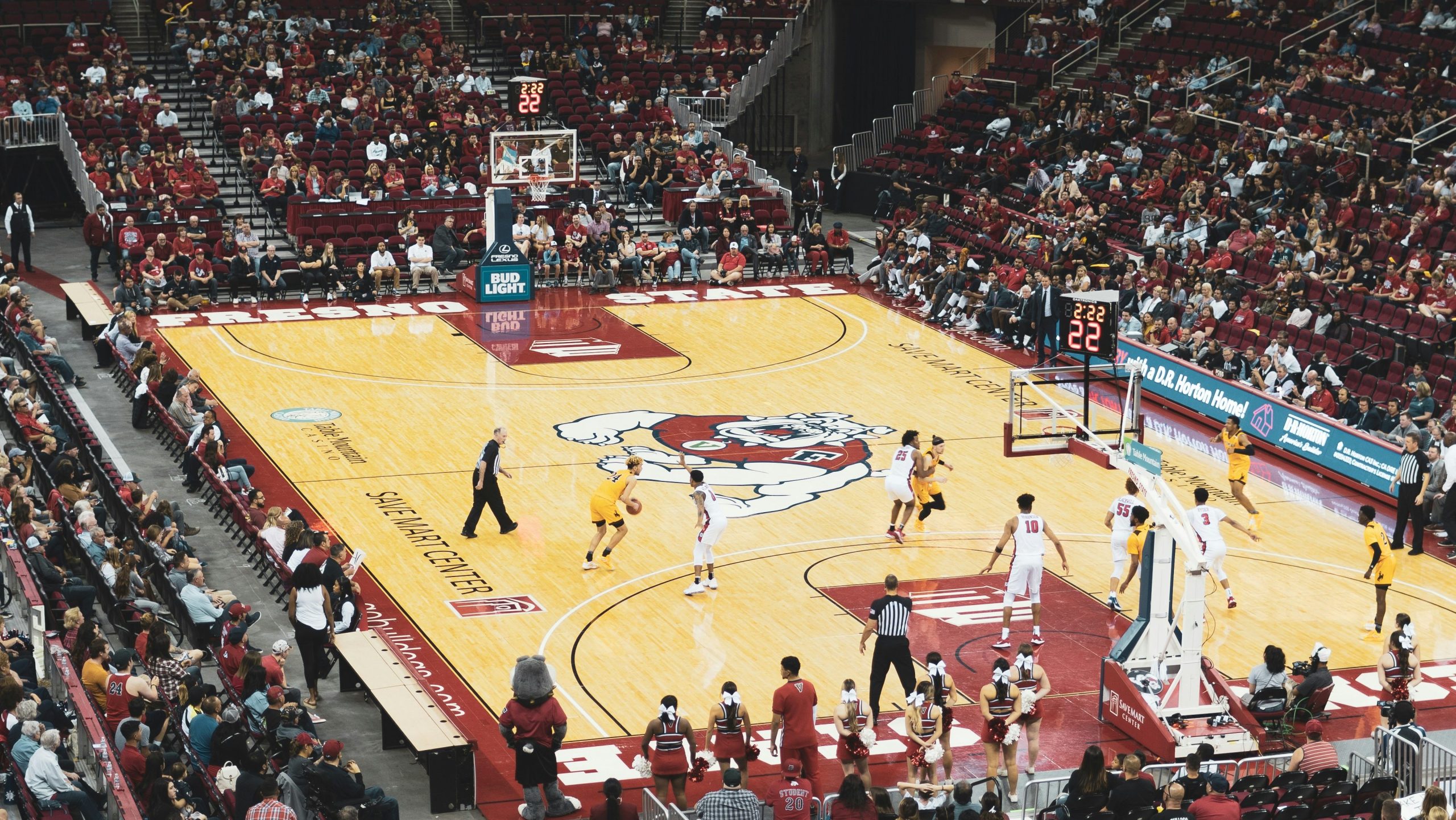
The 2024 college basketball season has already delivered plenty of excitement, thanks to the influx of young talent. A new generation of freshmen has made their presence felt, shaping the national landscape. Rookies like Tre Johnson aren’t just filling out rosters; they’re altering the balance of power in major conferences and pushing teams toward NCAA Tournament contention.
Freshmen Leading the Charge for NCAA Tournament Bids

At Michigan State, freshman Egor Denim has seamlessly transitioned into the college game. His ability to score, facilitate, and defend has been key for Tom Izzo’s Spartans. Denim’s early success has made Michigan State a strong contender in the Big Ten this season.

At UConn, freshman Liam McNeeley has provided an immediate impact. His perimeter shooting, defense, and basketball IQ have been vital in UConn’s bid to defend the national title. McNeeley’s versatility fits well in their fast-paced system, and his role will grow more crucial for their tournament aspirations.

tre johnson

NIL Deals Fueling Freshman Confidence and Performance

The introduction of NIL deals has had a noticeable impact on freshmen players. Financial backing through NIL allows young stars to focus more on development, leading to stronger performances.

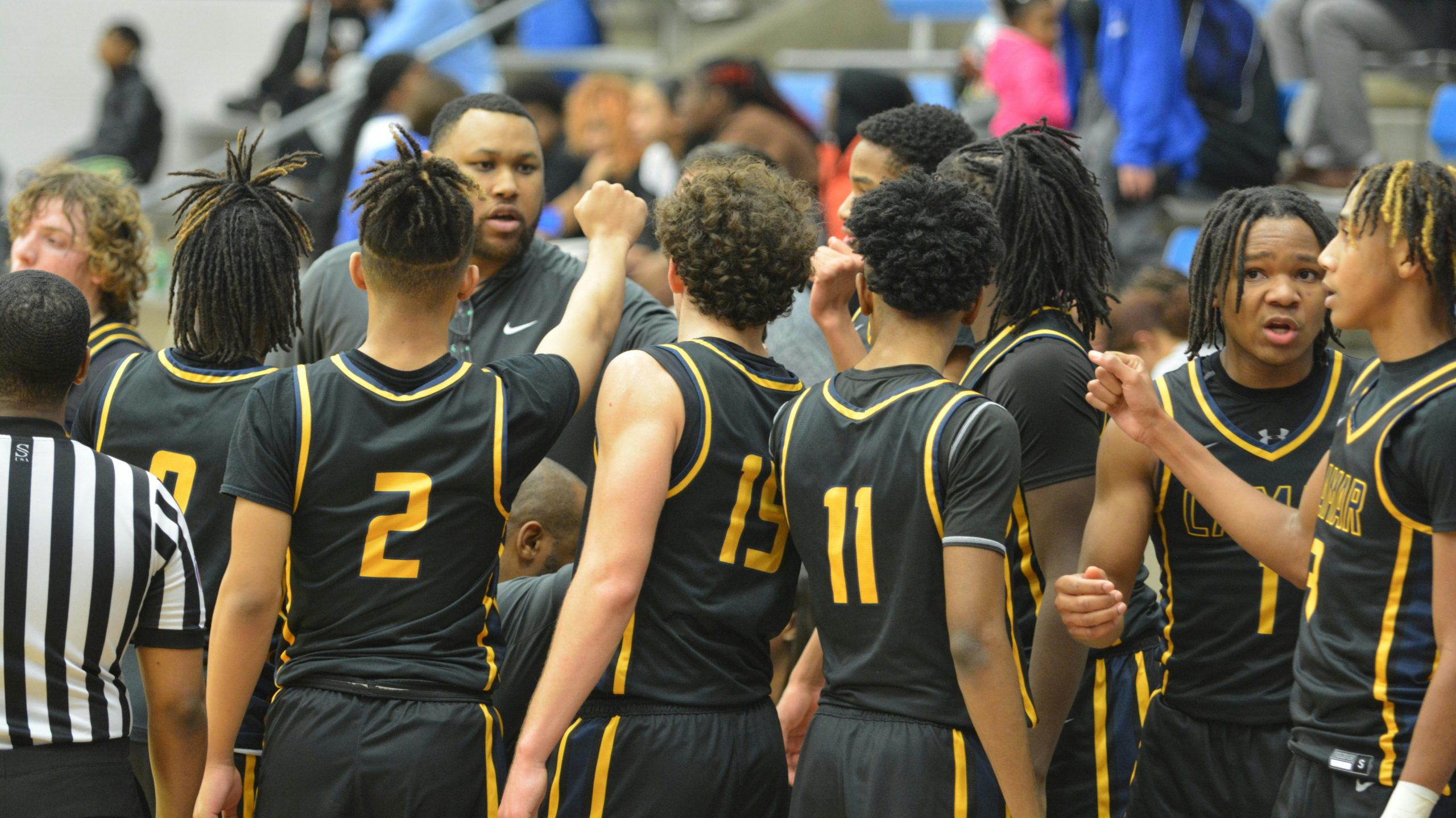
Tre Johnson, a standout freshman for Texas, is already projected as a potential NBA lottery pick. He secured his first NIL deal in high school through Panini America, a sports trading card company, and his valuation has since risen to $1.3M. Johnson’s scoring, defense, and leadership have been crucial to Texas’ success in the Big 12.
tre johnson

Coaching Strategies Shifting to Maximize Freshmen Talent

As freshmen play an increasing role, coaches are adjusting strategies to utilize their unique skillsets. Some programs have shifted tactics to highlight freshmen strengths, benefiting both individual performances and team success.

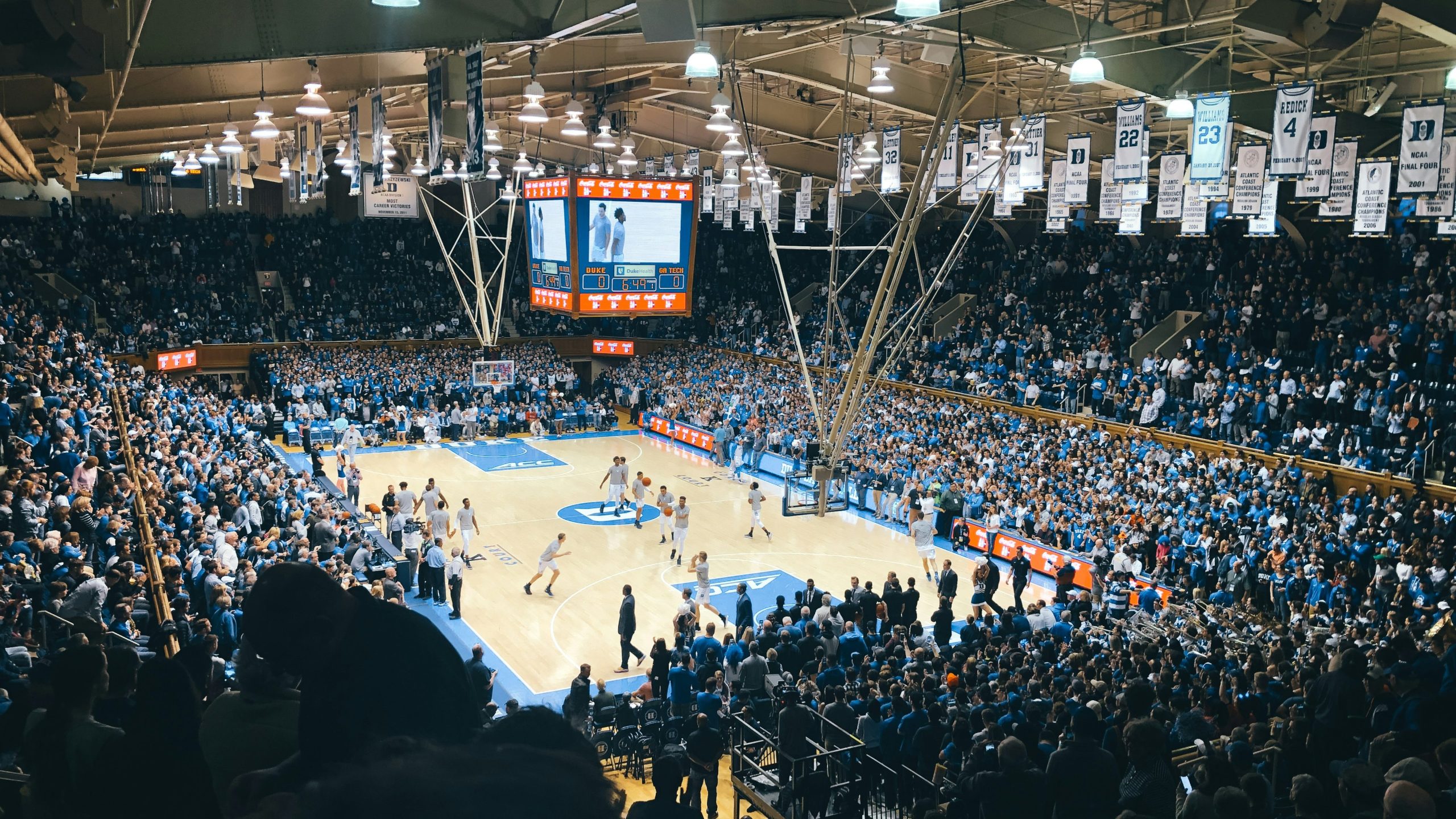
At Duke, Coach Jon Scheyer has tailored his system to capitalize on Cooper Flagg’s versatility. Flagg’s ability to guard multiple positions, rebound, and push the ball in transition fits perfectly in Duke’s up-tempo offense. Scheyer’s integration of Flagg has contributed to his early success.
tre johnson

Freshmen Shaping the Future of Their Programs

These freshmen are reshaping their programs and instilling a renewed sense of optimism. Their ability to step in and perform at a high level has elevated expectations for future seasons.

Dylan Harper at Rutgers is helping reshape the culture of a program that’s historically been on the fringes of NCAA Tournament contention. Harper’s performances have lifted Rutgers into the upper ranks of the Big Ten. As the team grows around him, Rutgers could become a regular tournament fixture.
tre johnson

A Look Ahead

As the 2024 season progresses, freshmen are proving they’re no longer just supplementary players—they’re transforming the game. With stars like Cooper Flagg, Egor Denim, Dylan Harper, Tre Johnson, and Liam McNeeley leading their teams, the future of college basketball is in good hands. Their performances will shape the sport’s next great era and define the upcoming NCAA Tournament.

Sources:

  1. https://www.cbssports.com/college-basketball/news/ranking-college-basketballs-best-freshmen-auburns-tahaad-pettiford-earns-freshman-of-the-week-honors/
  2. https://www.ncaa.com/news/basketball-men/article/2024-09-23/top-12-freshmen-2024-25-mens-college-basketball-season-ranked-andy-katz
  3. https://bleacherreport.com/articles/10142903-top-25-for-2025-ranking-best-freshmen-to-watch-this-mens-college-basketball-season
  4. https://bleacherreport.com/articles/10145825-2025-mens-college-basketball-early-report-card-grades-for-top-freshmen
  5. https://www.on3.com/nil/news/tre-johnson-basketball-2024-recruiting-class-2025-nba-draft-baylor-kentucky-texas-kansas/
NIL Rules in College Sports: What You Need to Know

In the four years since NIL rules were introduced, college sports—especially football—have been completely transformed. What was once a strictly college-level pursuit now mirrors the high-stakes world of the NFL, with athletes landing major sponsorships, promoting products, and building their own brands.

On top of that, schools are now able to directly pay players, thanks to new agreements from major conferences. This shake-up has turned college athletics into a thriving business and sparked debates about fairness, competition, and where the sport is headed.

nil rules

What Is NIL, and Why Is It Important?

NIL became official on July 1, 2021, when the NCAA allowed athletes to profit from their name, image, and likeness. For years, NCAA rules banned athletes from making money, despite college sports like football and basketball generating millions for schools. The new NIL rules permit athletes to make money in a variety of ways, including through social media, endorsement deals, and even personal merchandise.

Since then, athletes have seized the opportunity to become more than just players—they’ve started building powerful personal brands. This shift has been especially impactful in high-profile sports like football and basketball. Take Bryce Young, former Alabama quarterback and Heisman Trophy winner, who reportedly earned over $1M in NIL deals during his college career.

Athletes Are Now Brand Ambassadors

Colorado head coach Deion Sanders signed with Nike in the ’90s as their premier NFL athlete, releasing his own signature shoe for five consecutive years. Thanks to NIL, his son now has the chance to follow in his footsteps while still in college. Just like his dad, Colorado QB Shedeur Sanders will partner with Nike on a line of apparel and footwear, all before even landing an NFL contract.

This new era of NIL has many athletes, including Shedeur, thinking strategically about how to build their brands while still in school. “Athletes are empowered to make money, and many of them are embracing the chance to build their brands while still in college,” said SEC Commissioner Greg Sankey. But creating a personal brand isn’t always straightforward—it requires significant effort, and some athletes may need guidance when it comes to contracts, social media, and sponsorships.

nil rules

Social Media: A Big Part of NIL Success

One of the major ways athletes are making money today is through social media. Platforms like Instagram, TikTok, and YouTube allow athletes to connect with fans and brands, giving them a powerful tool to promote products or build their personal brands.

Athletes like gymnast Olivia Dunne (LSU) and basketball players Haley and Hanna Cavinder (Miami) have turned their massive social media followings into profitable deals with brands like Vuori, American Eagle, and Stanley. Now, many are teaming up with agents and marketing experts to manage their social media, negotiate deals, and grow their brands—essentially becoming their own businesses.

How NIL Is Changing College Sports

One of the biggest changes is the rise of the “transfer portal.” With athletes now able to make money, some are switching schools to secure better NIL deals, choosing colleges based on financial incentives rather than just sports programs or academic reputation.

This shift has created noticeable tension in college sports. Coaches and universities are adjusting to a new reality where NIL deals play a key role in recruitment. Former Alabama coach Nick Saban summed up the change, saying, “All the things that I believed in for all these years… no longer exist in college athletics.” 

Some worry athletes may prioritize money over academics or team goals, while others see it as a chance for fair compensation and a more equitable approach to college athletics.

nil rules

What’s Next for NIL?

Critics argue that NIL has stripped college sports of its traditional values, like academic focus and team loyalty. They believe the emphasis on money is shifting athletes’ priorities and could erode the foundation of college athletics.

On the other hand, supporters see NIL as a long-overdue change that finally allows athletes to profit from their own name, image, and likeness. In the future, we might see a system where athletes are fairly compensated without losing sight of their educational and athletic goals. The challenge will be striking a balance that keeps both the athletes and the spirit of college sports in check.

Sources:

  1. https://www.sportsbusinessjournal.com/Articles/2024/12/11/sbj-iaf-nil-panel
  2. https://www.si.com/fannation/name-image-likeness/nil-news/college-football-free-agency-transfer-portal-trends-and-nil-impact
  3. https://www.espn.com/college-sports/story/_/id/41040485/what-nil-college-sports-how-do-athlete-deals-work
  4. https://www.espn.com/college-sports/story/_/id/40206364/ncaa-power-conferences-agree-allow-schools-pay-players
  5. https://1819news.com/news/item/nick-saban-on-nil-all-the-things-that-i-believed-in-for-all-these-years-no-longer-exist-in-college-athletics

The Rise of Athlete Entrepreneurs: From Brand Partnerships to Equity Holders

Athletes are no longer just endorsing brands—they’re building them. This marks a significant shift from the traditional brand partnerships model, where athletes were seen merely as spokespeople, sharing their name and image with a product in exchange for lucrative but mostly short-term deals.

Now, a growing number of athletes are seizing opportunities to go beyond brand partnerships. They’re not just faces on commercials—they’re equity partners, investors, and even founders. This entrepreneurial approach aligns with a broader trend of athletes taking control of their careers and financial futures, leveraging their platforms to create sustainable, long-term wealth.

By aligning with brands that resonate with their personal values and goals, athletes are creating authentic connections with their audiences and reshaping consumer ideas. The rise of athlete entrepreneurs isn’t just transforming their individual careers—it’s transforming industries, influencing consumer trends, and redefining the nature of athlete branding.

brand partnerships

A New Era For Athlete-Brand Relationships

Historically, athletes were the faces of marketing campaigns, trading their image for a paycheck. While endorsements provided short-term financial gain, they often lacked the deeper connection athletes craved with the brands they represented. 

Today, a new model has emerged: equity-based deals and entrepreneurial ventures. These arrangements empower athletes to take ownership of the products they promote, aligning their personal brands with their business interests.

Notable examples include Serena Williams’ Serena Ventures, which has invested in over 60 startups, and Stephen Curry’s SC30 Inc., which facilitates ventures into production, tech investments, and brand partnerships. 

Meanwhile, LeBron James famously turned down a $15M endorsement deal with Reebok early in his career to prioritize long-term equity opportunities. His equity stakes in brands like Blaze Pizza and SpringHill Company have skyrocketed in value. These examples illustrate how equity deals are reshaping the athlete marketing landscape.

Athletes: Why Equity Deals and Entrepreneurship Work

Unlike traditional endorsement deals with short-term rewards, equity stakes and entrepreneurial ventures provide athletes with long-term financial stability and the potential for exponential growth. By actively participating in the decision-making process—whether as co-founders, investors, or advisors—they align their values and personal brands with the businesses they support. 

NBA star Stephen Curry’s investment in Tonal, a smart home gym company, highlights this trend. He serves as both an ambassador and an equity holder in the company.

Curry’s involvement in marketing and product development boosts the brand’s appeal among fitness-conscious consumers. It also reflects his dedication to fitness and innovative health solutions, making him an authentic and credible advocate for the brand.

By choosing equity over quick cash, athletes send a powerful message: they are visionaries shaping the future. This approach strengthens their personal brands as trailblazers and innovators, securing a legacy that extends far beyond their athletic achievements.

brand partnerships

Brands: Why Equity and Entrepreneurship Deals Work

Partnering with athletes as equity stakeholders gives brands a strategic advantage. Unlike one-off endorsement deals, equity partnerships create a symbiotic relationship where both parties share a vested interest in mutual success. Athletes bring unique insights that can shape product development, marketing strategies, and consumer engagement. 

The enduring success of the Air Jordan brand demonstrates the power of equity partnerships vs. traditional brand partnerships. Michael Jordan’s direct involvement in the design and promotion of the iconic sneaker line has made it a cultural phenomenon. As part of the deal, Jordan receives royalties and maintains influence over the brand’s direction, ensuring its longevity.

Transforming Emerging Industries

Athletes are increasingly investing in cutting-edge tech startups, wearable fitness devices, and esports platforms. Venture capital initiatives like Kevin Durant’s Thirty Five Ventures target disruptive technologies blending sports and lifestyle.

Athletes such as Chris Paul and Naomi Osaka promote eco-conscious brands, shaping consumer expectations and driving industries toward greener practices. Athlete-driven brands like Tom Brady’s TB12 Sports and Simone Biles’ Gold Over America Tour reshape consumer engagement with sports and wellness products. These ventures blend accessibility with aspirational marketing, influencing behaviors across demographics.

brand partnerships

The Broader Impact on Athlete Branding

As athletes embrace entrepreneurship, their influence extends far beyond the field. They blur the lines between sports, business, and culture, making them pivotal players in shaping modern consumer trends.

These efforts redefine brand partnerships, encouraging athletes to be seen as creators and innovators. The athlete-entrepreneur trend is still emerging, with more athletes investing in startups, co-founding companies, and prioritizing equity over endorsements. This evolution leads to greater representation in brand development and invigorates new industries such as augmented reality, health tech, and renewable energy.

Sources:

  1. https://moneywise.com/investing/investing-basics/athletes-investing-in-tech 
  2. https://insider.fitt.co/issue-no-99-the-athlete-vc/ 
  3. https://moneysmartathlete.com/the-business-side-of-being-an-athlete/entrepreneurial-athletes-building-businesses-beyond-sports/
  4. https://www.investopedia.com/who-are-the-most-famous-athlete-investors-5078036 
  5. https://afrotech.com/serena-williams-helped-14-companies-reach-unicorn-status 
  6. https://www.matesbrands.com/news/the-celebrity-athletes-winning-at-investing 
  7. https://sbf.capital/athletes-endorsements-influence-consumer-decisions-brand-value/

Sustainability in Sports: The Brands and Athletes Driving Change

Sustainability in sports has become a critical focus in the world of sports marketing. Both brands and athletes are using their platforms to advocate for environmentally conscious practices and inspire positive change. These efforts are reshaping the industry and showing how sports can play a pivotal role in promoting a greener future.

Through innovative partnerships and eco-friendly products, brands are taking a leading role in addressing environmental challenges. At the same time, consumer demand for sustainable practices is driving companies to act. With athletes lending their voices to these initiatives, the sports world is setting new standards for sustainability.

sustainability in sports

Brands Leading the Charge

Sports brands are at the forefront of sustainability efforts. Adidas, for example, has partnered with Parley for the Oceans to create performance footwear made from recycled ocean plastic. This initiative has helped prevent millions of pounds of plastic waste from polluting the oceans.

Adidas’ commitment resonates with eco-conscious consumers who expect brands to address global challenges. “Our aim is to inspire and enable everyone to play their part in ending plastic waste,” the company stated in 2023. This collaboration highlights how brands can combine environmental impact with innovative product design.

Similarly, Nike is making sustainability a core part of its strategy. The brand’s Move to Zero initiative aims to reduce waste and carbon emissions across its supply chain. Nike’s Space Hippie collection, crafted from factory scraps, exemplifies this effort. According to Seana Hannah, Nike’s VP of Sustainable Innovation, “Sustainability is about more than products—it’s about inspiring the industry to follow suit.”

sustainability in sports

Athletes as Sustainability Advocates

Athletes have become powerful advocates for sustainability. Lewis Hamilton, a seven-time Formula 1 world champion, is leading efforts to promote eco-consciousness in motorsports. Through his work with Formula E, Hamilton champions electric racing and carbon neutrality.

Beyond his professional career, Hamilton uses his social media platforms to inspire fans to adopt sustainable lifestyles. “We all have a responsibility to leave the world in a better place for the next generation,” he shared in a 2023 interview with Sky Sports. His advocacy has made him a prominent voice in the fight against climate change.

In outdoor sports, Jeremy Jones is driving environmental awareness. The professional snowboarder founded Protect Our Winters to combat climate change and protect natural landscapes. “As athletes who depend on the natural world, it’s our duty to protect it,” Jones stated. His leadership showcases how athletes can mobilize their communities to take meaningful action.

sustainability in sports

Consumer Demand for Sustainability

Younger generations are playing a significant role in driving sustainability efforts. Millennials and Gen Z are prioritizing eco-friendly products and partnerships, reshaping how brands approach marketing. A 2023 Nielsen report found that 73% of Gen Z consumers are willing to pay more for sustainable products.

To meet these expectations, brands are aligning with athletes who share their values. Naomi Osaka, for example, has partnered with Nike and Beats by Dre to promote sustainability-focused initiatives. By collaborating with athletes like Osaka, brands can connect with younger audiences and emphasize their commitment to the environment.

This consumer-driven shift is encouraging companies to adopt greener practices. As eco-conscious consumers continue to grow in influence, brands that embrace sustainability will stand out in the competitive sports market.

A More Sustainable Future

Sustainability is no longer a side effort in sports marketing—it is now central to how brands and athletes operate. With initiatives like Adidas’ Parley partnership and Nike’s Move to Zero campaign, companies are making a tangible environmental impact. At the same time, athletes like Lewis Hamilton and Jeremy Jones are using their platforms to advocate for meaningful change.

As consumers increasingly demand eco-friendly products, the collaboration between brands, athletes, and fans is transforming the sports industry. Together, they are proving that sustainability is not just good for the planet—it’s also good for business.

Sources:

  1. https://www.adidas.com/us/go/campaign/impact/planet
  2. https://report.adidas-group.com/2023/en/group-management-report-our-company/sustainability/rooted-in-our-purpose.html
  3. https://sustainabilitymag.com/sustainability/how-adidas-is-innovating-to-make-sportswear-more-sustainable
  4. https://www.skysports.com/f1/news/12433/12066332/lewis-hamilton-launches-team-for-extreme-e-the-electric-off-road-series
  5. https://www.cnbc.com/2021/08/10/the-environment-is-gen-zs-no-1-concern-but-beware-of-greenwashing.html
  6. https://kadence.com/en-us/why-gen-z-values-sustainability-tips-for-marketing-to-the-eco-conscious-generation/
  7. https://protectourwinters.org/about-pow/

How Gen Z Trends Are Shaping the Sports Economy

Gen Z trends are reshaping sports consumption as fans move away from cable toward dynamic, bite-sized clips on social media. Instead of sitting through long games, Gen Z prefers highlights, behind-the-scenes content, and interactive videos that keep them engaged in quick bursts.

Leagues are adapting quickly. The NFL is working with influencers like Brazilian streamer Casimiro Miguel to promote content on social platforms, while the MLB launched a TikTok Creator Class to connect with younger fans. These changes show how important it is for sports organizations to meet Gen Z trends where they are—online, with content that’s fast, fun, and easy to share.

gen z trends

A Values-Driven Generation

Gen Z doesn’t just watch sports for entertainment; they want the teams and athletes they follow to stand for something. Causes like sustainability, mental health, and racial justice are priorities for this socially-conscious generation. Teams that embrace these causes build stronger connections with Gen Z fans. 

For example, Adidas’s efforts to clean up ocean plastics and USA Lacrosse’s diversity grants resonate with this audience. When leagues and players back important causes, Gen Z pays attention and sticks around. About 60% of Gen Z and Millennials in the U.S. say they’re more loyal to brands that tackle social issues. On the flip side, organizations that ignore these values risk losing this critical fan base.

gen z trends

Spending Power That’s Changing the Game

With $143B in spending power, Gen Z is sending waves through the sports economy. Prioritizing affordability and inclusivity, Gen Z pushes teams to offer eco-friendly merchandise and accessible, meaningful game-day experiences.

Their influence mirrors trends in industries like fashion, where Gen Z’s preference for sustainable and inclusive brands has led to a rise in eco-conscious products. Sportswear companies have also embraced these values, blending lifestyle and performance to capture Gen Z’s loyalty through sustainable and inclusive offerings.

This shift is prompting leagues to create more meaningful ways for fans to engage, like interactive events and behind-the-scenes content. For example, the Los Angeles Lakers’ “Backstage: Lakers” series offers fans unprecedented access to the team’s inner workings, enhancing their connection to the players and organization.

Gen Z wants to feel like they’re part of the action, and organizations that deliver authentic experiences are the ones winning their loyalty and their dollars.

gen z trends

The Future of Sports in a Gen Z’s Digital- First World

Gen Z’s habits and values are forcing the sports world to evolve. They want fast, digital content, teams that stand for something, and experiences that feel accessible and meaningful. Leagues that adapt to these expectations are better positioned to capture this generation’s attention and loyalty. Gen Z isn’t just a new audience—they’re redefining what it means to be a sports fan, and they’re setting the tone for the future of the industry. For teams and leagues ready to evolve, the opportunities are limitless.

Sources:

  1. https://www.nytimes.com/2022/01/12/sports/video-games-nfl-gamers-gen-z.html
  2. https://www.oliverwyman.com/our-expertise/insights/2023/oct/gen-z-reshaping-professional-sports-economics.html
  3. https://nielsensports.com/why-gen-z-is-challenging-the-notion-of-the-hard-core-sports-fan/#:~:text=Gen%20Z%20sports%20consumption%20trends&text=Our%20research%20shows%20Gen%20Z,any%20long%2Dterm%20contractual%20commitment.
  4. https://medium.com/ipg-media-lab/gen-zs-impact-on-the-future-of-sports-87930b83b672
  5. https://www.ourperspectives.com/article/28785-gen-z-will-reshape-the-economics-of-professional-sports

How Analytics & AI In Sports Are Transforming Partnerships

In today’s tech-filled world, analytics and AI in sports are redefining partnerships by creating unprecedented opportunities for personalization and precision. Beyond simply tracking metrics, analytics empower teams, leagues, and brands to foster deeper connections with fans through hyper-targeted campaigns and real-time engagement strategies. 

By combining technology with creativity, organizations can maximize sponsorship value while reshaping how fans experience sports. This data revolution not only redefines ROI and KPI measurement but also highlights the human element in sports partnerships, where insights drive authentic and lasting connections.

ai in sports

Data-Driven Marketing in Formula 1 and MotoGP

In the high-stakes world of Formula 1 and MotoGP, data-driven marketing is essential for maximizing audience reach, fan engagement, and sponsorship impact. By leveraging analytics, brands can track metrics like social media engagement and broadcast visibility. These insights help measure partnership success and refine strategies in real time.

Amazon Web Services (AWS) has transformed the Formula 1 fan experience by delivering real-time race data. This enriches broadcasts while bolstering AWS’s reputation in cloud computing and analytics. Similarly, platforms like F1 Fan Voice collect fan feedback, allowing brands to fine-tune campaigns for deeper audience connection.

This data-driven approach helps sponsors create targeted, high-impact activations that resonate globally. It strengthens fan loyalty and ensures strong returns on sponsorship investments. For Formula 1 and MotoGP, analytics is not just a tool—it’s a competitive advantage.

ai in sports

AI and AR in Tech-Driven Partnerships

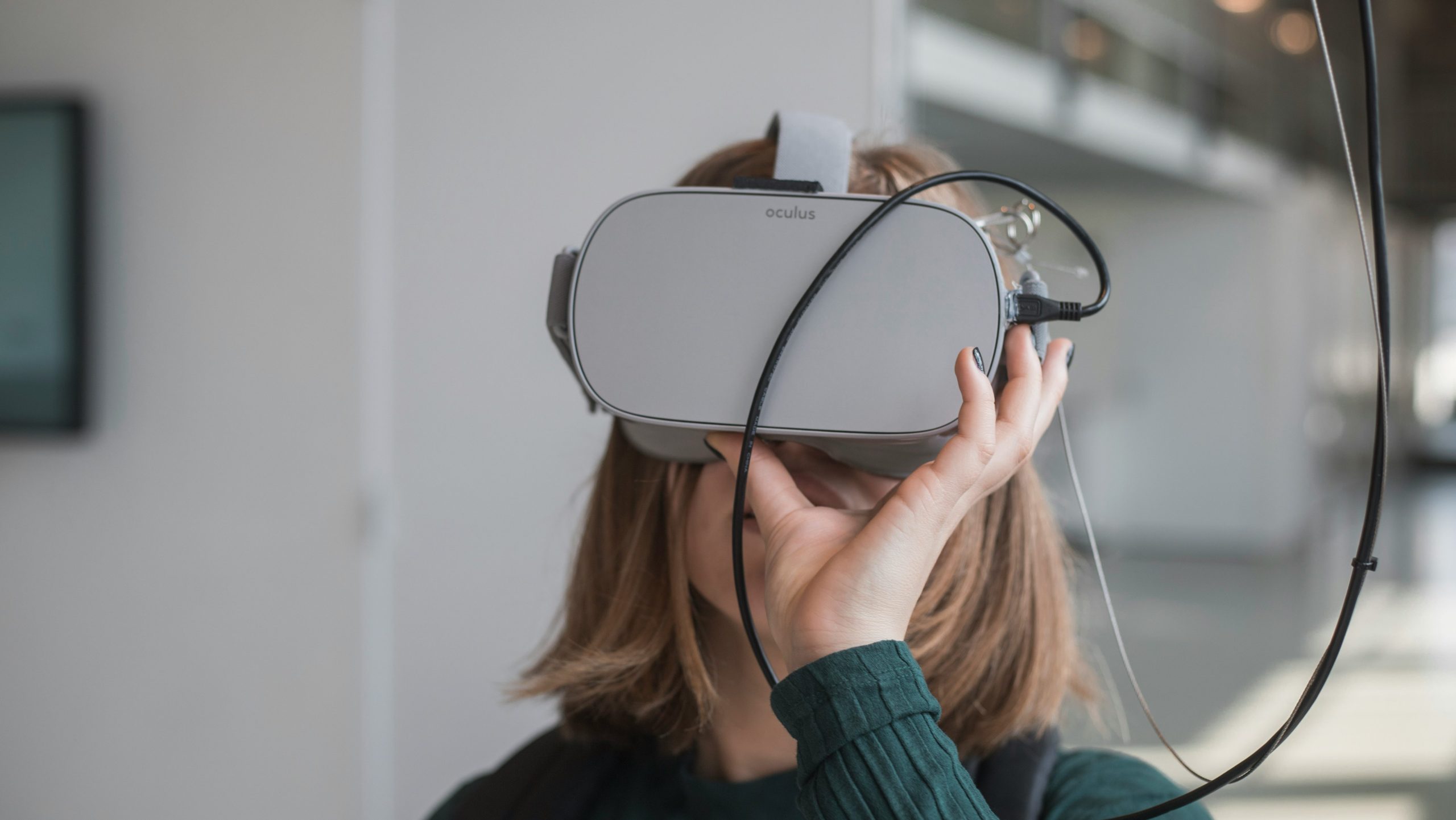
AI and augmented reality (AR) are reshaping both athlete training and the sports partnership landscape. They offer brands innovative ways to interact with fans and measure engagement. Tools like performance analytics and AR provide access to data that drives better strategies and enhances fan experiences.

AR, for instance, enhances live events by delivering real-time stats and immersive content. This makes sponsor messages more engaging and boosts fan enjoyment. Sponsors can use these insights to craft highly targeted campaigns that resonate deeply with their audience.

As sports tech startups like ShotQuality and StatusPro attract significant investments, they continue to introduce fresh solutions. These innovations help brands and teams build dynamic, measurable, and impactful partnerships. The intersection of technology and sports is creating a win-win for fans and sponsors alike.

ai in sports

Redefining Sports Sponsorship at Paris 2024

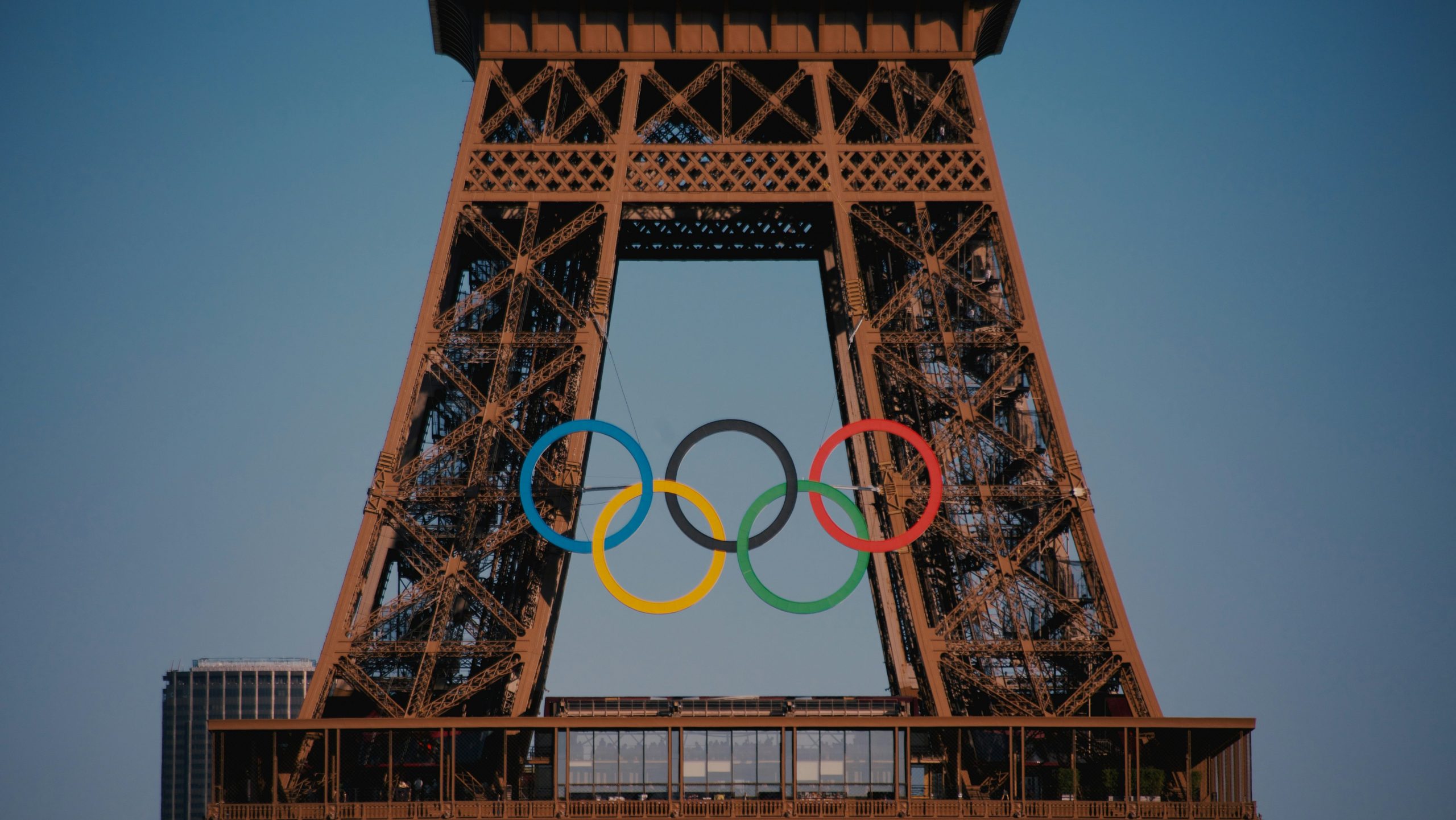
AI and technological innovations at Paris 2024 are transforming the athlete experience while reshaping sports partnerships. Collaborations with tech giants like Intel, Alibaba, and Samsung are introducing new ways for brands to engage fans and maximize sponsorship value.

For example, AI-powered systems will create personalized highlight reels tailored to specific audience segments. This approach enhances engagement with digital and social media campaigns. Sponsors can connect with fans more effectively by delivering content that feels relevant and unique.

Innovative partnerships, such as those with Samsung and Orange, equip smartphones on each country’s boat during the Opening Ceremony. This offers sponsors a chance to create unforgettable fan experiences, both on-site and online. These initiatives blend technology and creativity to redefine fan interaction.

By integrating cutting-edge technologies, sponsors can measure impact more precisely and refine strategies. Paris 2024 is leading the way in creating data-driven, immersive partnerships that set a new benchmark for fan engagement and sponsorship success.

ai in sports

How Sports Analytics Transformed Partnership Evaluation in 2024

The NBA’s collaboration with Microsoft and its NBA CourtOptix platform highlights how data enhances fan engagement. Real-time game insights, player metrics, and interactive content create more personalized, immersive experiences both in-stadium and online.

By leveraging analytics, organizations can better target fan segments and tailor campaigns to boost engagement across platforms. Sponsors benefit by measuring partnership effectiveness through fan behavior, media consumption, and social media insights. This enables real-time strategy adjustments that drive results.

Advancements in analytics, including AI-powered insights, are further reshaping the industry. Real-time data during live events supports personalized promotions and interactive content, strengthening fan connections. As technology advances, sports teams and sponsors are delivering more impactful campaigns that elevate partnerships and drive success.

ai in sports

Looking Ahead

By leveraging data-driven insights, organizations can understand fan preferences and behaviors like never before. This allows for partnerships that resonate deeply and deliver measurable results.

From Formula 1 to the Olympics, AI-powered personalization and real-time data analysis are setting new standards for fan interaction. Tech-enabled experiences are enhancing sponsor satisfaction and redefining engagement metrics.

As technology advances, analytics and AI will continue to shape the future of sports partnerships. The focus will shift from traditional visibility metrics to engagement, relevance, and sustained loyalty. This evolution provides a blueprint for maximizing sponsorship value in a fast-changing industry.

Sources:

  1. https://sportfive.com/beyond-the-match/insights/power-of-sportsmarketing-formula1-motogp
  2. https://economictimes.indiatimes.com/tech/technology/tech-innovations-ai-changing-the-game-for-modern-sports-training-methodologies/articleshow/112461311.cms?from=mdr
  3. https://olympics.com/ioc/news/ai-and-tech-innovations-at-paris-2024-a-game-changer-in-sport
  4. https://capitalsports.agency/en/blogs/the-role-of-data-in-sports-marketing
  5. https://www2.deloitte.com/us/en/pages/consumer-business/articles/fan-engagement-analytics-improve-fan-experiences.html
  6. https://www.wired.com/sponsored/story/the-nbas-game-changing-approach-to-data/#:~:text=Every%20night%2C%20when%20a%20game,shot%2C%20pass%2C%20and%20play.
  7. https://www.sportspromedia.com/news/statuspro-google-ventures-nfl-pro-era-tech/

Harnessing Data Analytics in Sports for Targeted Sponsorship

Data isn’t just shaping the game on the court— it’s revolutionizing how leagues like the NBA and its sponsors connect with fans and drive revenue. Specifically, the NBA’s partnership with Microsoft leverages data analytics in sports to study fan engagement across platforms, game attendance, and merchandise sales. These insights empower the league and its sponsors to create targeted, personalized campaigns, such as tailored advertisements during broadcasts or exclusive promotions for specific fan segments. As competition for consumer attention grows, data-driven strategies like these help brands resonate more deeply with audiences, boost sponsorship effectiveness, and gain a decisive edge.

data analytics in sports

Understanding Fan Demographics

The foundation of any successful sponsorship strategy is a deep understanding of fan demographics. Brands can analyze data from various sources, including social media platforms, ticket sales, and fan surveys, to gain insights into the demographics of their target audience. For instance, Wow Wipes has successfully leveraged social media platforms like Instagram to engage younger fans through their collaborations with influencers and athletes like surfing star Brisa Hennessy. By focusing on platforms where millennial and Gen Z audiences spend time, Wow Wipes reaches a highly targeted demographic, maximizing engagement and brand visibility.

data analytics in sports

Behavioral Analytics

In addition to demographic insights, behavioral analytics play a crucial role in refining sponsorship strategies. By studying fan behavior such as purchasing patterns, online interactions, and event attendance, brands can identify high-value fan segments that are more likely to engage with their products. The NFL has used behavioral analytics to tailor merchandise offerings based on fan preferences. By analyzing purchasing trends, the league identified that fans of specific teams, like the Dallas Cowboys, are especially eager to buy branded gear. They then created targeted campaigns for these high-value fan segments, offering exclusive items and timed discounts.

Data-driven insights can also inform the timing and channels for marketing efforts. Brands can determine when fans are most engaged—whether during game days, off-season, or special events—and tailor their campaigns accordingly. By focusing resources on these key times, brands can maximize their impact and improve the overall effectiveness of their data analytics in sports sponsorships.

Predictive Analytics

One of the most powerful tools in data analytics is predictive analytics. By leveraging historical data and advanced algorithms, brands can forecast future trends in fan engagement and sponsorship effectiveness. This capability allows companies to anticipate changes in fan behavior and adjust their strategies proactively. PepsiCo has utilized predictive analytics to stay ahead of sports sponsorship trends. Noticing the growing interest in esports, PepsiCo invested in partnerships with organizations like Team SoloMid (TSM) and expanded their portfolio into the gaming sphere, positioning themselves early in a rapidly growing market.

This technology also enables brands to calculate the potential value of sponsorship opportunities with precision. By studying past performance data, companies can pinpoint which partnerships are most likely to drive engagement and revenue, ensuring marketing dollars are spent wisely. Platforms like Google Analytics enhance this process by offering a granular view of fan preferences and behaviors, equipping brands with actionable insights to make confident, data analytics in sports-driven decisions.

data analytics in sports

Measuring and Maximizing Sponsorship Impact Through Collaboration

Effectively measuring sponsorship impact is critical for ensuring a positive return on investment. By using data-driven metrics, brands can evaluate key aspects like brand awareness, engagement rates, and campaign performance. Real-time tracking of key performance indicators (KPIs) allows sponsors to refine their strategies on the fly, optimizing outcomes.

Collaborative data sharing between teams and sponsors is taking these efforts to the next level. By pooling insights, both parties gain a deeper understanding of fan preferences and behaviors, leading to more effective activations and campaigns. For example, Nike’s partnership with the NBA showcases the power of shared data. By analyzing team-provided fan demographics and attendance data, Nike tailored campaigns promoting limited-edition sneakers to specific markets. Simultaneously, Nike’s insights into customer buying trends helped the NBA identify untapped opportunities to enhance fan engagement. This mutually beneficial approach not only elevated sponsorship effectiveness but also enriched the overall fan experience.

data analytics in sports

Future of Data in Sports Sponsorship

The future of sports sponsorship lies in the ability to harness data to create meaningful, lasting connections with fans. By leveraging insights into fan demographics and behaviors, brands can craft personalized marketing strategies that drive deeper engagement and greater success. Prioritizing data analytics will not only enhance the effectiveness of sponsorships but also ensure brands remain relevant and impactful in an increasingly competitive landscape.

Sources:

  1. https://www2.deloitte.com/us/en/pages/consumer-business/articles/fan-engagement-analytics-improve-fan-experiences.html
  2. https://www.pwc.com/us/en/industries/tmt/library/sports-sponsorships-playbook.html
  3. https://www.sponsorcx.com/the-importance-of-data-analytics-in-sponsorship-management/
  4. https://www.thedrum.com/open-mic/making-sponsorships-a-team-sport-with-data-collaboration
  5. https://business.fiu.edu/academics/graduate/insights/posts/the-role-of-data-in-sports-management.html
  6. https://www.nielsen.com/insights/2019/how-to-win-with-data-driven-decision-making-in-sports-sponsorship/

AI in Sports: How ESPN Is Leveraging Tech to Highlight Niche Sports

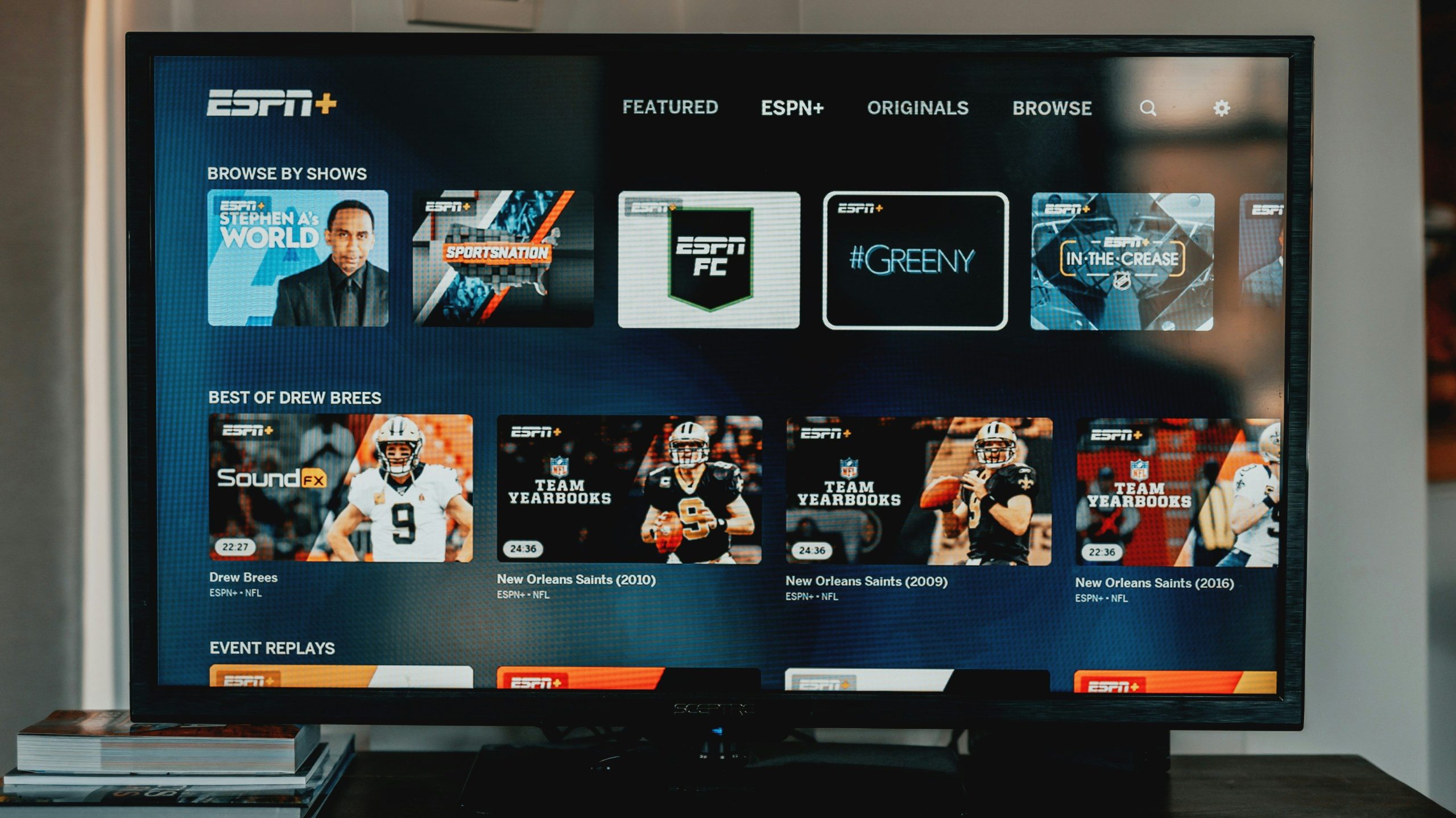
The NFL recently partnered with Genius Sports, a data and technology company, to bring artificial intelligence to the forefront of sports broadcasting. With cloud technology and machine learning, broadcasts can now display real-time metrics and player trails directly on screen. AI in sports doesn’t end with major leagues, either. In recent years, AI has been transforming the entire sports media landscape, making it easier to cover sports with niche fan bases, like lacrosse and women’s soccer. For large networks like ESPN, AI helps them deliver timely, diverse content for fans of these less-publicized sports without stretching their resources.

ai in sports

AI-Powered Coverage for Niche Sports

ESPN has recently partnered with Microsoft to integrate AI into its coverage, allowing it to automate the creation of game recaps, highlights, and summaries in real time. By using machine learning to identify key plays and scoring moments, ESPN can generate instant updates without the need for manual editing. These updates are directly available on ESPN’s app, providing fans with quick access to scores, play-by-play recaps, and game highlights for leagues like the Premier Lacrosse League (PLL) and the National Women’s Soccer League (NWSL). 

AI has become essential for sports networks, helping to fill in coverage gaps as journalists are often stretched thin covering high-profile games in the NBA, NFL, or MLB. With AI handling the time-consuming tasks of summarizing and creating recaps, reporters are freed up to dive deeper into analysis and breaking news, ultimately enhancing the depth and quality of sports coverage.

ai in sports

Personalization and Accessibility

One of the most exciting benefits of AI integration at ESPN is the level of customization it provides for viewers. AI analyzes viewing habits, preferences, and even favorite teams to create a unique SportsCenter experience tailored to individual users. For instance, fans can receive personalized highlight reels or recap videos focusing on specific players, teams, or game moments they care about most. Additionally, ESPN’s AI-driven features include voice-narrated news segments, allowing fans to stay informed hands-free—a great option for commutes or multitasking. For accessibility, AI also generates closed captions and language-adaptive highlight reels, making it easier for fans with hearing impairments or language barriers to stay connected to the content they love.

The goal is to ensure that fans of all sports—even the more niche ones—receive timely, relevant updates that rival the coverage of mainstream sports. ESPN chairman Jimmy Pitaro emphasizes that AI is not just a tool for efficiency but a way to enhance the fan experience. He envisions AI as a bridge, offering personalized experiences like tailored highlight reels and interactive SportsCenter options that make every fan feel engaged, regardless of the sport they follow.

ai in sports

 Weighing the Impact on Journalism

Incorporating AI into sports media has certainly raised some concerns about the impact on jobs, especially after the controversy with Sports Illustrated using AI-generated articles. Initially, many journalists and readers were upset by the idea of automation replacing human writers, fearing it would diminish the quality of sports journalism. However, AI in sports media is intended to complement, not replace, human writers by automating repetitive tasks such as generating game summaries. This allows reporters to focus on more in-depth and nuanced coverage, such as analysis and breaking news, while AI fills in the gaps. As this technology continues to evolve, the balance between efficiency and maintaining human storytelling remains a central ethical consideration in the industry.

ai in sports

The Future of AI in Sports Media

With AI tools enhancing sports media, sports like lacrosse and women’s soccer now have greater opportunities to connect with new audiences. As this technology advances, we can expect even more personalized and inclusive fan experiences. For journalists, AI offers the chance to prioritize impactful storytelling over routine tasks. Looking ahead, AI’s role in reshaping sports media will continue to grow, ensuring that every sport gets the attention it deserves and that fans, no matter their interest, stay engaged. The future of sports coverage is evolving—are we ready for it?

Sources:

  1. https://www.poynter.org/commentary/2024/espn-artificial-intelligence-pll-nwsl-coverage/
    https://www.sportspromedia.com/insights/features/sports-broadcasting-artificial-intelligence-production-content/
  2. https://www.espnfrontrow.com/2024/09/enhancing-espns-game-recaps-for-underserved-sports-using-ai/
  3. https://www.espn.com/pll/story/_/id/41101353/whipsnakes-edge-outlaws-11-10-pll-quarterfinal-thriller 
  4. https://www.sportspromedia.com/insights/features/sports-broadcasting-artificial-intelligence-production-content/
  5. https://www.pbs.org/newshour/economy/sports-illustrated-found-publishing-ai-generated-stories-photos-and-authors

Personal Branding Examples: How Niche Athletes Leverage Storytelling

Brisa Hennessy, a world-class surfer and environmental advocate, grew up on a remote Costa Rican island where she formed a strong bond with the ocean. Her journey, fueled by a love for surfing and a mission to protect marine life, has captivated fans who admire her athleticism and dedication to the planet. Today, athletes aren’t defined only by their on-field performance. Niche athletes, particularly those in sports that don’t receive mainstream media attention, are becoming the ultimate personal branding examples. By sharing authentic stories of resilience, challenges, and personal ties to their sport, they’re forging connections with audiences that go beyond their athletic abilities. Platforms like Instagram, TikTok, and YouTube give these athletes the power to shape their own stories, connect with fans, and attract brands eager to share in their unique journeys.

personal branding examples

The Power of Storytelling in Personal Branding

In an era where audiences value authenticity, niche athletes are tapping into storytelling to communicate their personal values, experiences, and passion for their sport. Unlike athletes in more mainstream sports who might rely on large media outlets to tell their stories, niche athletes have taken matters into their own hands. They are using their platforms to humanize their journey, offering fans an inside look at their day-to-day lives, training regimens, and the obstacles they face in life. 

Take CrossFit and Olympic weightlifting athlete Kyra Milligan, for example. Kyra’s story isn’t just about lifting heavy weights—it’s about balancing her rigorous training schedule with her pursuit of a degree in dental hygiene. By sharing her journey, Kyra connects with followers who value hard work, discipline, and balancing multiple passions. This authenticity makes her more than just an athlete; she writes in her Instagram bio, “DO IT ALL WITH A SMILE,” which helps position her as a relatable and inspiring figure, capable of attracting both fans and brands that align with her values.

personal branding examples

Aligning Personal Narratives with Brand Partnerships

Brands are increasingly recognizing the value of unique stories, allowing niche athletes to secure partnerships that align with their personal journeys. In a crowded marketplace, brands are looking for more than just high-profile athletes—they want ambassadors whose stories and values reflect their brand ethos. Authenticity is crucial, and niche athletes provide it in abundance through their storytelling.

Pro surfer Zoe Benedetto, for example, has teamed up with sustainable fashion brands like Pura Vida, reflecting her commitment to protecting the environment. Through her campaigns with Pura Vida, she shares her passion for ocean conservation, connecting with fans who care about cleaner beaches and eco-friendly practices. These partnerships boost Zoe’s brand and create powerful campaigns for sponsors, showing how authenticity and storytelling can drive impactful collaborations.

personal branding examples

Building Emotional Connections Through Authenticity

One of the most significant advantages of storytelling for niche athletes is its ability to build deep emotional connections with their audience. By showcasing their struggles, triumphs, and personal values, these athletes invite followers into their world in a way that feels intimate and genuine. This emotional connection fosters loyalty among fans, who often feel invested in the athlete’s journey and success.

Consider Chris Ruden—by sharing his journey from being labeled “broken” because of his disability to becoming a record-holding powerlifter and motivational speaker, Chris has inspired a community that values his resilience and authenticity. His story of turning obstacles into opportunities and his message of “creating your world without limits” form a strong emotional bond with supporters who see their own challenges and victories in his. This genuine connection not only grows Chris’s loyal fanbase but also makes him an ideal partner for brands looking for meaningful, authentic engagement.

personal branding examples

Becoming Thought Leaders and Ambassadors

Through storytelling, niche athletes can position themselves as thought leaders and ambassadors within their communities. By sharing their expertise, insights, and experiences, these athletes often become key voices in their sport’s culture. Their connection to their sport and their audience allows them to represent both their personal brand and the broader community they belong to.

For instance, DJ Diveny, a professional freestyle soccer athlete, uses his platform to share his journey from a recreational player to a professional. His story, filled with passion and determination, resonates with aspiring athletes. By positioning himself as a thought leader in freestyle soccer, DJ is able to secure partnerships with BodyArmor, Frito Lay, and DirectTV. His storytelling has enabled him to build credibility and become an ambassador for the sport, allowing him to influence his fans and the broader soccer community.

personal branding examples

Now more than ever, niche athletes are harnessing the power of storytelling to build personal brands that are both authentic and compelling. By sharing their journeys and values, these athletes are creating deep emotional connections with their audience, positioning themselves as thought leaders within their sports and securing meaningful partnerships with brands. As storytelling continues to be a powerful tool for building authentic relationships, niche athletes have an incredible opportunity to carve out unique spaces for themselves on the field and online.

Sources:

  1. https://www.jamprime.com/guides/using-storytelling-as-a-personal-branding-strategy/ 
  2. https://www.brandedagency.com/blog/personal-branding-for-athletes 
  3. https://www.sportshack.io/the-power-of-storytelling-in-sports-marketing/ 
  4. https://sparkplug.app/blog/strategies-for-activating-athletes-and-ambassadors-as-brand-storytellers 
  5. https://www.getstoryteller.com/blog/the-rise-of-storytelling-in-sports 
  6. https://www.yellowbrick.co/blog/sports/boost-your-athlete-branding-proven-strategies-to-dominate-the-game 

Success in Athlete Brand Partnerships: Insights for Emerging Talent

Athlete partnerships are at the forefront of modern sports marketing, with emerging talent playing a critical role in shaping the future of brand partnerships. One current example is Carlos Alcaraz, the young tennis sensation who recently inked deals with Nike and Rolex, further highlighting how brands are capitalizing on his rise to stardom. His dominance on the court, paired with his growing global fanbase, makes him a prime example of the power of athlete-brand partnerships. For athletes looking to follow in his footsteps, understanding what brands prioritize—social media reach, authenticity, and long-term potential—is essential.

brand partnerships

Social Media Reach and Engagement

When brands consider partnering with an athlete, their social media presence and engagement are key factors. Take Cristiano Ronaldo, who has become a social media powerhouse with millions of followers across multiple platforms. His partnership with Nike showcases how brands value athletes who can engage large audiences. Ronaldo consistently interacts with his fans through personalized content and stories, making him one of the most marketable athletes in the world.

For emerging athletes, maintaining high engagement is crucial. Athletes like Chloe Kim, who partnered with Monster Energy and Nike, use platforms like Instagram to share behind-the-scenes content, helping brands directly connect with a younger, more engaged audience. Kim’s consistent engagement with her fans, along with her snowboarding accomplishments, makes her an attractive partner for brands looking to leverage both performance and influence.

brand partnerships

Authenticity and Brand Alignment

Authenticity is another critical factor that brands consider when selecting athletes. They want athletes whose values align with the brand’s identity. Serena Williams is a prime example of an athlete who exemplifies authenticity. Her partnerships with Nike and Gatorade reflect her commitment to health, fitness, and female empowerment—values these brands prioritize.

Another breakthrough talent is Emma Raducanu, who became the face of Dior after her US Open win. Dior sought Raducanu because her elegance and global appeal aligned perfectly with the brand’s image. For emerging athletes, clearly communicating personal values, whether it’s fitness, sustainability, or social causes, can help them secure partnerships with brands that resonate with their lifestyle and audience.

brand partnerships

Marketability and Long-Term Potential

Lastly, brands look for athletes with long-term marketability and potential for growth beyond their sport. Naomi Osaka, for instance, has secured deals with Louis Vuitton, Nike, and Beats by Dre, largely because of her social activism, mental health advocacy, and media presence, in addition to her tennis prowess. Brands value athletes like Osaka, who have a clear trajectory of growth and who can evolve as influential public figures.

Another athlete excelling in long-term potential is Giannis Antetokounmpo, the NBA star who signed a multi-year deal with Nike. Giannis’s relentless work ethic, combined with his growing influence off the court, makes him an ideal long-term partner for brands seeking athletes with staying power. Emerging athletes can follow this model by showing their commitment not just to their sport, but to broader endeavors that will extend their marketability beyond athletic performance.

brand partnerships

For emerging athletes, securing brand partnerships requires a keen understanding of what brands are looking for. Social media reach, authenticity, and long-term potential are the building blocks of successful sponsorships. By taking cues from athletes like Carlos Alcaraz, Cristiano Ronaldo, Naomi Osaka, and Emma Raducanu, rising stars can position themselves to attract the right brands and build sustainable, impactful partnerships.

Sources:

  1. https://www.sponsorunited.com/reports/year-in-review-2023
  2. https://www.firstfivemarketing.com/blog/unpacking-athlete-sponsorship-how-does-it-work
  3. https://www.teamsnap.com/blog/brand-marketing/7-trends-in-sports-sponsorships-to-look-out-for
  4. https://www.adweek.com/resource-library/the-most-important-sports-and-entertainment-sponsorship-trends-of-2023/
  5. https://www.sportspromedia.com/news/emma-raducanu-dior-brand-ambassador-endorsement-deal-tiffanys/
  6. https://www.sportsbusinessjournal.com/Daily/Issues/2021/05/19/Marketing-and-Sponsorship/Osaka.aspx
  7. https://www.marca.com/en/lifestyle/celebrity-net-worth/2024/04/23/66282baeca4741c5278b45b6.html

Become a Sponsor.

Join us in making a difference. Tell us a bit about yourself and we’ll be in touch with sponsorship details.

By submitting this form, you agree to be contacted by the Athelo Group team regarding sponsorship opportunities.