Cadillac Joins Formula 1 in 2026 as America’s Newest Contender

On March 7, 2025, Cadillac F1 officially secured its place as the 11th team on the Formula 1 grid, set to debut in 2026. This marks a significant moment for American motorsports, as General Motors and Cadillac become only the second U.S.-based team in F1 history.

While Haas F1 was the first, many fans do not view it as a true “American-first” team due to its European operations and close technical partnership with Ferrari.

Quick Highlights

  • Cadillac will officially join Formula 1 in 2026 as the 11th team on the grid, further solidifying America’s presence in the sport.
  • Andretti Global will play a key role in building and operating the team but will not retain the official naming rights.
  • Cadillac is expected to invest approximately $750 million in research, development, and infrastructure before making its highly anticipated 2026 debut.
  • Colton Herta has emerged as a fan-favorite candidate for a seat, but securing a spot on the grid comes with significant challenges and competition.

Cadillac F1 Entry Strengthens American Expansion

For Formula 1, Cadillac’s entry aligns with the sport’s growing focus on the American market. Bringing in a well-established automotive brand like Cadillac strengthens this initiative, as the company is synonymous with luxury, performance, and a strong heritage in the industry.

Its involvement not only elevates F1’s presence in the U.S. but also provides a significant commercial opportunity for American investors and sponsors looking to enter the global racing scene.

The road to this approval has been eventful. In 2023, Andretti Global, a highly respected name in American motorsport with teams in IndyCar, Indy NXT, and Formula E, submitted a bid to join F1.

However, Liberty Media rejected the proposal, citing concerns over competitiveness, commercial value, and the belief that it was not a fully General Motors-backed initiative. This decision was met with disappointment from motorsport fans who saw Andretti as a natural fit for F1.

Cadillac Takes the Lead, Andretti’s Role Shifts

With Cadillac now leading the project, the structure has changed. Andretti remains involved, but now centers its role around team operations and racing expertise rather than branding. 

This distinction appears to have been a key factor in gaining approval, as Cadillac’s global recognition and financial backing align with F1’s long-term business objectives.

Cadillac F1: The Cost of Competing

Cadillac will pay a $200 million entrance fee, a requirement for all new entrants as of 2025. This fee offsets the dilution of the Formula 1 prize pool, which is currently divided among the 10 existing teams. With an additional team joining the grid, the payout per team will decrease, and the fee ensures the new entrant’s commitment to F1’s long-term growth.

In addition, Cadillac must invest heavily in R&D, including aerodynamics, chassis, and engine development. The team’s infrastructure will cost roughly $250 million, with wind tunnels alone adding $20 million. Though General Motors will supply power units starting in 2028, Cadillac will pay Ferrari for power units in its first two seasons, costing another $20 million.

Overall, Cadillac will spend around $750 million before racing even begins, all while adhering to the $140 million cost cap for salaries, operational costs, and logistics.

Sponsorship and Revenue Potential for Cadillac F1

Despite these high initial costs, Cadillac’s entry into F1 presents significant revenue potential. The brand’s presence offers an untapped sponsorship portfolio and a major opportunity for American companies to establish themselves in the sport, with a focus on U.S. innovation and heritage. 

Team principal Graeme Lowdon has already noted strong interest from potential partners, calling the response “extremely encouraging.”

While Cadillac has yet to announce any official partnerships beyond key investors like Guggenheim and Andretti, the brand’s financial strategy hinges on attracting partnerships to maximize revenue as they navigate the challenges of their initial investment.

​​Driver Selection: The Final Puzzle Piece

As F1 continues to expand its influence in the United States, Cadillac’s involvement marks a pivotal step in solidifying American participation in the sport. With many critical decisions still hanging in the balance, selection of the team’s two drivers remains most significant. Lowdon has stated that driver selection will be based on merit, regardless of nationality. 

Speculation is already swirling, with American IndyCar star Colton Herta often mentioned as a top contender. The main hurdle for Herta is that he has only 32 points on his Super License, a qualification required by the FĂ©dĂ©ration Internationale de l’Automobile (FIA) to compete in Formula 1. F1 mandates drivers to accumulate at least 40 points.

Exploring the Driver Pool

Herta might be the perfect driver on paper, but it won’t matter if he doesn’t have enough points on his license. Other experienced F1 drivers, such as Valtteri Bottas, Sergio Pérez, and Mick Schumacher, are also potential options, alongside promising drivers from other Formula series looking for an opportunity in F1.

While performance will be the priority, the team will also face external pressure from stakeholders and fans to include an American driver, further strengthening the sport’s appeal in the U.S. Logan Sargeant, who raced for Williams F1 last season, could be considered, but his struggles to prove himself as a viable long-term option make his selection unlikely.

A Game-Changing Opportunity for American Racing

With growing excitement among fans and brands eager to align with F1’s newest American team, Cadillac has a unique opportunity to shake up the grid. 

If executed correctly, the brand can establish itself not just as a competitive force in Formula 1 but as a team that embodies American racing heritage and innovation on the world stage. All eyes will be on how Cadillac navigates this next chapter—both on and off the track.

As the excitement builds, brands looking to align with this momentum will be watching closely. With the right partnerships, Cadillac’s entry into Formula 1 could redefine how American motorsport resonates globally. At Athelo Group, we specialize in helping athletes and brands navigate these opportunities, ensuring they maximize their impact both on and off the track.
NRL Games in America: Opportunities, Challenges, and the Path Ahead

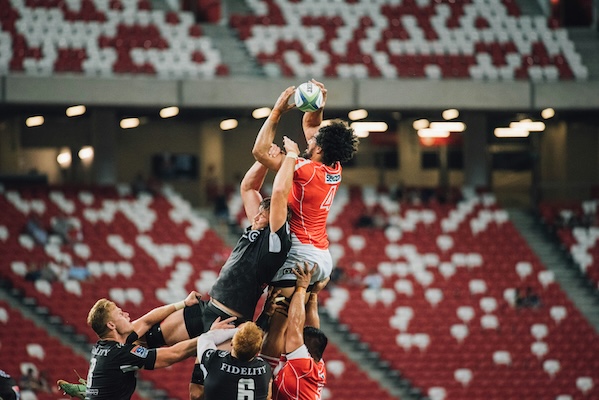
The National Rugby League (NRL Telstra Premiership) is a top-tier professional rugby league in Australia and New Zealand, captivating fans since 1908. Now, the NRL is focusing on expanding to the United States, aiming to attract American audiences with the fast-paced action of NRL games and minimal padding compared to American football.

Quick Highlights:

  • 4 NRL games hosted in Las Vegas, Nevada, during the first weekend of March 2025
  • 45,209 spectators attended, a significant increase from last year’s crowd
  • New Zealand’s audience surpassed 300,000 across SKY Sport platforms, tripling the previous year’s viewership for the Las Vegas matches.
  • England and Australia’s Women’s teams faced off in the inaugural Women’s sporting contest at Allegiant Stadium, drawing attention for its historical significance
  • Around 10,000 English fans traveled for a Super League fixture between Wigan and Warrington, showcasing the growing international fanbase

Fan and Media Reactions from Las Vegas

The NRL has been received very warmly by American fans and spectators.

Premiership winner Michael Ennis highlighted several aspects of the game that are likely to captivate U.S. audiences, particularly the differences from the NFL: “[Americans] love the no stoppage. They’re fascinated by the no pads and no helmets.”

This was widely confirmed on matchday. One Vegas Raiders fan who attended the showcase described the experience as, “Exciting, amazing, incredible, non-stop action. [The players] aren’t padded up, which surprised me a lot.”

The raw athleticism on display also left a strong impression. UNLV Football Foundation Director and former Iowa College football player noted, “The power of the hits is unbelievable… there’s no way I would do this. It’s just a different level of athletic ability, I love it.”

Growing the Game of Rugby

Fox Sports has made a significant investment in the NRL’s U.S. expansion. This marks the second year of a five-year partnership between the league and the broadcaster, which allows select NRL games (including the Las Vegas matches) to be aired on FS1 in the United States.

Fox League’s Braith Anasta emphasized the importance of this move: ““This is our showcase event. This is big for us. To bring it to the United States of America, to get your fans hopefully on board.”

Foxtel CEO Patrick Delany added: “We come from this little island at the bottom of the world. The images that went back to Sydney and Melbourne and everywhere last year, Australians were just knocked out.” Delany also noted the success of the venture, pointing out that the visibility in the U.S. has made a significant impact in attracting American interest in the league.

Expanding Viewership and Engagement

The crowd of 45,209 exceeded last year’s turnout, and two new global sponsors—Red Bull and JD Sports—joined the event. Although American TV viewership numbers are still pending, broadcasting the event on Fox introduces the sport to millions of new potential viewers.

Other broadcasters are also eager to tap into this growing audience. Kayo Sports is promoting their membership for streaming the 2025 NRL Telstra Premiership live, offering new customers the chance to stream every game with no ad breaks in play, including shows like NRL 360 and The Late Show with Matty Johns. For a limited time, Kayo is offering their standard and premium memberships for just $1 in the first month, down from the usual $25 and $40, respectively.

Why America?

The U.S. presents an attractive market for the NRL, with a population of 316.67 million—a whopping 14 times larger than Australia’s. This gives the league a significant potential audience for growth.

The massive U.S. population has a strong appetite for both sports and sports betting, which has been a significant revenue source for the NRL through Australian sportsbooks. While American sportsbooks currently don’t support the same revenue model, the NRL sees the U.S. betting market as a major growth opportunity.

Americans regularly place bets on a wide range of events, even low-level sports, and when broadcasts are available, bettors tend to stay engaged throughout the game, often placing additional bets as the event unfolds. The NRL is positioning itself as a “non-traditional” sport for U.S. sportsbooks, aiming to generate more revenue from American audiences by leveraging live broadcasts.

Key Challenges Ahead

The UK’s Super League already broadcasts its rugby matches on FanDuel, directly competing with the NRL for the same audience. However, due to the significant time zone difference between the UK and Australia, overlapping broadcasts are unlikely to be a major issue.

One challenge that has emerged is the length of the showcase. The NRL is considering shortening its Vegas event to three games in 2026. While the Women’s Test match between Australia and England and the Super League fixture between Wigan and Warrington attracted thousands of spectators from England, the four back-to-back matches proved too lengthy for many fans.

Crowd size began to dwindle after the second game (between NRL teams Canberra and the Warriors), with noticeably fewer supporters attending the final match (Cronulla vs. Penrith), despite it being the most highly anticipated game of the day.

Many suggested spreading the games across two days, but this would increase costs significantly, making it an unlikely solution.

What the Future Holds

The growing popularity of rugby and the NRL in the U.S. presents unique opportunities for players, teams, and leagues to connect with fans through broadcasts and social media.

Between January and September 2023, NRL clubs saw significant growth on social media, adding nearly 400,000 new followers on Instagram—an increase of almost 12%—and more than 90,000 new followers on Facebook.

At Athelo Group, we recognized rugby’s growing appeal among American audiences when we signed U.S. rugby player Christian Dyer in 2023—and we’ve believed in its rise ever since. We align athletes with scalable, emerging sponsorship opportunities that have international appeal. As social media engagement grows and the sport expands into new markets, rugby provides a powerful platform for players and brands to collaborate and reach a wider global audience.

NFL Pro Bowl Viewership Slumps, NHL’s Global Focus Strikes Gold

This year, the NHL skipped its traditional All-Star Game, instead opting to feature a four-team tournament between Finland, Sweden, Canada, and the United States. Narratives surrounding the Trump Presidency’s economic and political relations with Canada propelled the recent Four Nations Face-Off into the limelight. The NHL, ESPN, and players capitalized on this moment, raising questions about the future of All-Star events across sports.

Quick Highlights

  • The NHL’s Four Nations Face-Off tournament between Finland, Sweden, Canada, and the United States drew 9.3 million U.S. viewers, becoming the most-watched non-Olympic hockey game ever.
  • The U.S.-Canada game saw a dramatic 3 fights in the first 9 seconds of play.
  • Players, coaches, and celebrities, including JJ Watt, praised the new format, suggesting it could shape the future of All-Star events.
  • The NFL’s Pro Bowl flag football contest saw a sharp 18% decline in viewership from the previous year, with only 4.7 million viewers tuning in.
  • The NBA’s reimagined All-Star Game attracted 4.7 million viewers, marking a 13% decline from the previous year and making it the second-least watched All-Star Game in NBA history.

Fan and Media Reactions to the Four Nations Face-Off 

The National Hockey League’s in-season tournament between the United States, Canada, Finland, and Sweden was an enormous success. Held during the traditional NHL All-Star break, the tournament was a bold departure from the norm. The risk the NHL took by announcing this shakeup at last year’s All-Star Game paid off big-time. 

The Four Nations Face-Off shattered records, attracting 9.3 million viewers and becoming the most-watched non-Olympic hockey game ever in the U.S. Beyond the impressive TV ratings, the event sparked a social media frenzy and ignited excitement for best-on-best hockey at the 2026 Winter Olympic Games.

The finale was an overtime thriller, capped with a Connor McDavid goal to win the tournament for Canada, 3-2. Jordan Binnington, the often-critiqued Canadian goalie of the St. Louis Blues, put on an epic display with several highlight saves in the third period and overtime.

“Man. What a game,” proclaimed NFL Hall of Fame Defensive End JJ Watt. Geopolitical drama, masterful social media promotion, and world-class hockey combined to catapult the NHL’s innovative new tournament to success.

Mixed Results for 2025’s NFL Pro Bowl and All-Star Games

In January, the NFL’s Pro Bowl Games saw record-low viewership as star players sat out and fan interest in the flag football contest remained low. Only 4.7 million viewers tuned in, marking an 18% decline from the previous year. The NBA’s All-Star Weekend, with its new tournament format, became the second least-watched game in the event’s history.

Although viewership for the NBA’s reimagined All-Star Game was down, the event thrived on social media, generating significant impressions and airtime for corporate partners like Emirates and FanDuel. This reflects a broader trend of creating short, engaging content aimed at Gen Z sports fans.

NBA fans and stars like Victor Wembanyama have suggested that a competition between American and international players could be “more purposeful” and inspire players to take “more pride in it.”

Growing the Game of Hockey

It’s no secret that the NHL has made it a mission to grow the game of hockey through the promotion of international competition. The league’s decision to replace the traditional All-Star Game with the Four Nations Face-Off exemplifies this strategy, bringing together elite players from Canada, the United States, Finland, and Sweden for a high-stakes mid-season tournament. 

This shift not only bolstered fan engagement but also strengthened hockey’s global appeal by showcasing top-tier talent in a competitive setting. The NHL’s renewed commitment to allow its players to participate in the Olympics further highlights its focus on international expansion.  By prioritizing meaningful international events, the NHL aims to cultivate a broader, more engaged fan base while elevating the sport’s global significance.

The growth of the NHL outside its familiar North American markets also presents the opportunity to grow its portfolio of corporate sponsors with global brands. Through its Premier Series and Global Series games played in nations across Europe and Asia, the NHL has secured partnerships with foreign brands such as Kaufland, Czechicehockey.tv, and Veikkaus.

The Shift Toward International Competition

The NFL and NBA have long recognized the importance of a global audience. The NFL’s international growth strategy targets untapped markets in Latin America and Europe, while the NBA’s global success has even influenced the NHL’s decision to allow athletes to compete in the Winter Olympics starting next year.

Given the decline in viewership for both the NFL Pro Bowl Games and NBA All-Star Weekend, should these leagues follow the NHL’s lead and replace their traditional weekend events with opportunities for international competition? This conversation is already taking place between NBA executives and NBC, and in the future, we could see a team of stars like Antetokounmpo, Wembanyama, Jokic, Doncic, and others compete against the best of the U.S.

The Future of the NFL Pro Bowl Games

In comparison to other North American leagues, the NFL has fewer international stars. Viewership for the NFL’s flag football contest continues to decline, and with players reluctant to participate in full-contact play, what does the future of the Pro Bowl Games hold? There’s optimism that the inclusion of flag football in the 2028 Los Angeles Olympics may boost the sport, potentially with star players like Tyreek Hill.

Despite the dip in interest, the NFL Pro Bowl Games’ skills challenges have seen stable viewership. These challenges may receive more focus in future Pro Bowl Weekends, providing engaging, clip-worthy moments for social media.

Future Sponsorship Implications

The growing global popularity of North American sports presents opportunities for leagues and teams to leverage international players, global series games, and social media to secure partnerships with foreign brands.

As fan interest in the Pro Bowl and All-Star Games’ main events declines, the focus shifts to amplifying social media content, driven by viral moments from skills competitions, player interactions, and media appearances. This year’s Super Bowl ads highlighted the power of authenticity, storytelling, humor, and athlete influence—traits that continue to generate the highest engagement and impact for sponsors.

At Athelo Group, we prioritize authenticity in our campaigns, leveraging athletes’ global reach to create content with international appeal and scale partnerships beyond U.S. markets.

Super Bowl LIX’s Main Event: The Commercials

The Super Bowl is more than just the final NFL game of the season; it’s a cultural event that unites millions through music, sports, and entertainment. Brands pay big to secure a Super Bowl commercial spot, aiming to reach millions of viewers and make an impact on social media.

The match-up between the Kansas City Chiefs and Philadelphia Eagles might have been the least interesting part of this year’s Super Bowl as the Eagles dominated the Chiefs from start to finish. Instead, Kendrick Lamar’s halftime performance and the advertisements were the real entertainment for viewers this year.

Quick Highlights

  • The fee for a: 30 second slot in this year’s broadcast was an estimated 8 million dollars, an increase from 7 million dollars in the 2024 Super Bowl.
  • FOX sold around 51 minutes of advertisements.
  • Super Bowl LIX brought in a record 127.7 million US viewers, a 3% increase from last year and the second straight year that the audience for the Super Bowl has broken records.
  • 50 brands purchased a slot in this year’s Super Bowl with snack brands buying the most time, including Doritos, Häagen-Dazs, Lay’s, and more.
  • 11% of viewers watch the Super Bowl primarily for the commercials.

Top Commercials that Stole the Show

Coming in the top spot on USA Today’s Ad Meter is Budweiser and their classic commercial featuring Clydesdale horses. This year, the ad showed a young Clydesdale proving its worth by rolling a forgotten keg to the herd. The Budweiser commercials are normally a fan favorite as they lean on emotional sentiments and wholesome positioning.

Another commercial that struck an emotional chord was Lay’s ‘The Little Farmer,’ which showed a young girl raising a potato on her family farm. Set to the song ‘All I Want Is You,’ the ad highlights the role of farmers in American food production.

Super Bowl Ads that Didn’t Score

One of the least effective commercials came from OpenAI, the artificial intelligence company behind ChatGPT. In its first-ever ad, a series of pixels formed various scenes before revealing the brand, but it lacked a clear message or emotional appeal. It’s ironic that an AI company, often criticized for its lack of human connection, would produce an ad that felt similarly devoid of emotion.

Another misstep came from Robert Kraft, owner of the New England Patriots, and his foundation No Reason to Hate, which focuses on combatting anti-Semitism.

The commercial featured Tom Brady and Snoop Dogg humorously revealing what they ‘hate’ about each other, with a message about how we’re more alike than different. However, some viewers felt the message was diluted by Snoop Dogg’s past performance at President Trump’s inauguration, which led to mixed reactions.

Humor and Celebrities on Display

This year’s Super Bowl showcased a polarized social and political climate, pushing brands to capture attention without sparking controversy. To strike the right balance, many turned to humor and celebrity appearances to create lighthearted commercials.

Celebrities were everywhere, with stars like Ben Affleck for Dunkin’ Donuts, Eugene Levy for Little Caesars, and Nate Bargatze for DoorDash adding charm and humor to ads. Bud Light stood out, combining Post Malone, Shane Gillis, and Peyton Manning for a fun neighborhood block party vibe that resonated with viewers.

Humor has long been a Super Bowl staple, and when used correctly, it can leave a lasting, positive impact. Brands aimed to navigate this delicate balance, with varying success.

One fumble came from Coffee Mate’s cold foam ad, which featured a man’s tongue experiencing the product. While many found it off-putting, the resulting buzz on social media at least boosted brand awareness.

Super Bowl Commercials: What They Show About the State of Advertising

The current state of advertising combines a blend of old and new methods. While there’s still a place for heartwarming nostalgia, there’s also an increase in ads that push boundaries and tap into the latest trends. 

This year’s commercials reveal that the modern advertising world is about more than just selling a product; it’s about creating an experience, a conversation, and an emotional connection.

Advertisements reflect cultural ideas, shifts, and attitudes making the landscape dynamic and ever-changing. Last year, the big technological ads centered around sports betting and crypto while this year they are focused on artificial intelligence like OpenAI and Meta. 

As commercial prices rise, brands must create memorable ads that spark social media conversations for a lasting impact. Many release teasers before the game to turn a brief ad into a larger campaign. For example, Pringles released teaser videos featuring celebrities like Adam Brody and Nick Offerman, generating buzz and setting the stage for their full Super Bowl commercial.

As we look ahead to the next Super Bowl, it will be exciting to see how Super Bowl commercials evolve with new technologies like AI, virtual reality, and personalized content. The possibilities for creative marketing are endless.

Redefining Brand Partnerships: Authenticity, Storytelling, and Athlete Influence

Advertising is increasingly focused on organic partnerships that feature unique storytelling, fostering genuine relationships between brands, ambassadors, and their audiences. Gone are the days of simple product graphics—today’s consumers want to feel connected through real stories and shared experiences.

At Athelo Group, we prioritize authenticity in brand partnerships, working with athletes who genuinely use and enjoy the products they endorse. This approach helps brands resonate with their target audiences by showcasing relatable endorsements from figures they admire.

Athletes, too, are expanding their personal brands beyond sports. For example, Dani Speegle’s initiative, Girls Who Eat, empowers young women to view food as fuel rather than an adversary, drawing from her own struggles with insecurities and body image.

Storytelling, authenticity, and positivity are reshaping advertising, and they will continue to influence how brands connect with consumers in the future.

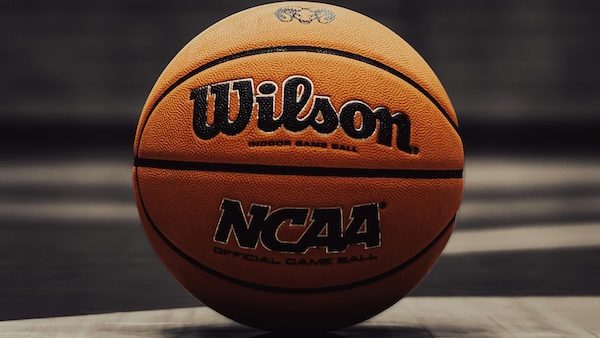
House vs. NCAA: The Legal Battle Changing College Football

College football is at a crossroads. The ongoing House vs. NCAA lawsuit could reshape college sports as we know it.

The case challenges how athletes are compensated, with potential consequences for football programs, recruitment, and even smaller sports. This lawsuit could lead to massive changes in how college athletics are funded and how athletes are treated across all sports.

Quick Highlights

  • The House vs. NCAA lawsuit could lead to $2.78 billion in athlete compensation, with $1.2 billion allocated over the next decade.
  • Division I football programs will increase scholarships from 85 to 105 starting in 2025, with some teams splitting them into partial awards to manage costs.
  • Top programs like the University of Texas secured $50,000 annual NIL deals for each offensive lineman in 2023, initiating a competitive recruitment advantage.
  • Recruitment could be dominated by wealthier programs, with schools in Power Five conferences already outspending smaller schools by millions in NIL deals. 
  • Non-revenue sports, including women’s soccer, could face funding cuts as schools prioritize football and basketball, with smaller programs operating on budgets under $40 million annually—far less than the $250 million-plus budgets of top-tier schools.

What is the House vs. NCAA Case?

The House vs. NCAA lawsuit revolves around the rights of college athletes to receive compensation beyond their scholarships. The plaintiffs argue that the NCAA’s restrictions on education-related benefits and Name, Image, and Likeness (NIL) opportunities violate antitrust laws.

This legal battle follows the landmark Alston decision in 2021, which allowed schools to provide athletes with unlimited education-related benefits and paved the way for the current NIL era. 

The House case pushes the boundary even further, seeking direct revenue sharing with players. If the ruling favors the athletes, it could open the door for broader financial compensation, impacting how programs fund their football teams and athletic departments at large.

This lawsuit is not just about football; it could create a power imbalance across collegiate sports. Revenue-dominant programs like football and men’s basketball stand to benefit the most, while athletes in non-revenue and niche sports–such as fencing, rowing, and gymnastics–could be left fighting for scraps. Critics argue that Olympic and niche sports athletes, who often rely on scholarship support, may see their funding reduced as schools prioritize revenue-generating programs.

Athletes like Dani Speegle, who transitioned from collegiate sports to become a top-tier CrossFit competitor, underscore the importance of investing in athletes beyond the major sports. Her success highlights the untapped potential of athletes in non-revenue sports, a group that could face increased challenges if funding shifts away from them.

Impact on Football Scholarships and Team Budgets

Football programs, particularly those in Division I, could face major budgetary shifts. Schools may have to reallocate funds to compensate athletes, potentially reducing the number of scholarships or cutting costs in other areas like facilities or coaching staff. Smaller programs with limited budgets might struggle to keep up with powerhouse schools, deepening the divide between major conferences and smaller institutions. 

According to industry reports, Ohio State’s athletic budget exceeded $251 million in 2023, while smaller programs like those in the Mid-American Conference (MAC) often operate on less than $40 million annually. Revenue sharing could stretch these lower-budget schools to their financial breaking point. 

Additionally, non-revenue sports could be at risk. Take the case of women’s soccer–while the sport has grown rapidly, it still relies heavily on institutional funding. A shift toward revenue sharing could result in fewer resources for those teams.

Recruitment and Competitive Balance

If players can earn more through NIL deals and direct compensation, recruitment strategies will shift significantly. High-profile football programs with bigger media markets and sponsorship opportunities could dominate recruitment, leaving smaller schools at a disadvantage. This could lead to a “pay-to-play” atmosphere, where the richest programs attract the best talent, challenging the NCAA’s commitment to maintaining competitive balance.

For example, the University of Texas reportedly secured a $50,000 annual NIL deal for each offensive lineman on scholarship in 2023. This level of compensation is far beyond what most Group of Five or FCS programs can offer, creating an uneven playing field. 

Beyond football, elite gymnasts like Olivia Dunne have built multi-million dollar NIL brands. While this is a win for top-tier athletes, it further illustrates how marketable stars benefit most, while less-known athletes struggle to attract deals. 

Opting Out of the Settlement: What Does It Mean?

While the proposed settlement represents a significant step toward athlete compensation, both individual athletes and Ivy League schools like Harvard, Yale, and Princeton have chosen to opt out. Some athletes are pursuing individual lawsuits for potentially higher payouts, though it comes with risks like prolonged legal battles.

Meanwhile, schools like those in the Ivy League have opted out entirely, choosing to forgo direct payments to athletes to preserve their academic-focused athletic model. These opt-outs could fragment the college sports landscape further, creating disparities in how athletes are compensated and shaping future legal challenges for both institutions and players.

The Future of College Football: Professionalization or Preservation? 

Critics argue that this case could push college football closer to a professional model, blurring the lines between amateur and professional sports. While some see this as a necessary evolution to fairly compensate athletes for their contributions, others worry it will erode the traditional college sports experience. 

The NCAA’s long-standing model of “amateurism” has defined college sports for over a century, but legal experts argue that clinging to this ideal is no longer sustainable in a billion-dollar industry. In 2022, the SEC alone generated $802 million in revenue. With these figures in mind, the argument for player compensation becomes increasingly difficult to ignore. 

For niche sports, however, professionalization may pose a risk. Athletes in sports like swimming or track and field often rely on the collegiate system as a stepping stone to the Olympics. If funding shifts disproportionately toward football and basketball, these athletes could lose critical development opportunities.

We Think It’s About Time

At Athelo Group, we believe it’s time to fully embrace the future and turn all of college athletics into a full-blow professional system. Salaries, trades, free agency, the works. Let boosters operate like team owners, let athletes sign multi-year contracts out of high school, and turn the transfer portal into a televised draft event with ESPN-grade coverage.

Want to see Stanford trade its top swimmer to Florida for cash and future recruiting considerations? Why not. If college sports are a business, let’s lean all the way in and let the chaos reign.

Regardless of the outcome, House vs. NCAA will set a precedent for how college football operates in the future. 

As the legal battle unfolds, fans, athletes, and institutions alike will need to adapt to the new reality of college sports. While college football has always been more than just a game, this ruling could accelerate its transformation, pushing the sport further toward treating players as employees rather than student-athletes. 

Esports Growth in Latin America & Africa: Market Analysis

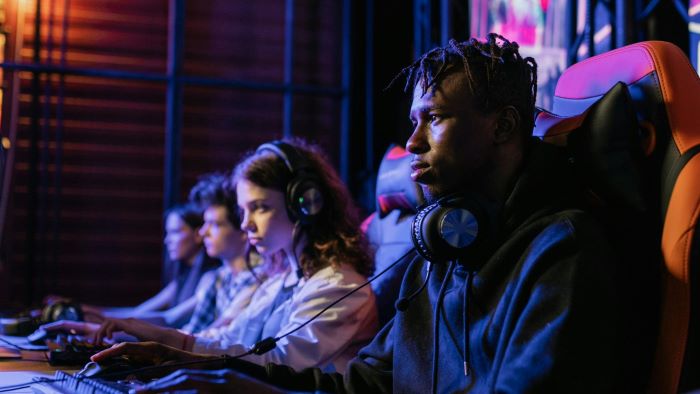
Over the past decade, esports has quickly grown from an isolated online game to a multibillion-dollar industry. While this relatively recent practice connects millions of users globally, North America, Europe, East Asia and the Middle East have historically dominated the competitive gaming landscape.

In 2024, the global esports market was valued at approximately $2.09 billion, with projections estimating it will exceed $2.2 billion in 2025, and around $9.6 billion in 2032. This rapid expansion is not only taking place in traditional markets but is also being fueled by emerging regions like Africa and Latin America, where the sport is gaining significant traction in both participation and viewership.

Quick Highlights

  • Global brands like Red Bull and Nike are investing in Latin America and Africa’s esports scenes like never before.
  • Latin America’s esports audience is projected to exceed 70 million by 2022. 
  • Improved Internet Infrastructure in Brazil has enabled greater access to participation, with fiber-optic internet reaching 67% of households in 2023.
  • The expansion of high-speed internet access through Kenya’s National Optic Fibre Backbone Infrastructure (NOFBI) has boosted participation nationwide.
  • Increased investments by governments and private groups in Latin America and Africa are driving important growth to the market.
  • The global connectivity is driven through streaming platforms and advanced technology.

Latin America’s Growing Esports Market

Latin America, with countries like Argentina, Brazil, and Mexico leading the way, has quickly become a major hub for esports. Just a decade ago, the region faced several challenges— few local events, limited professional teams, and underdeveloped infrastructure. But that’s changing fast as governments, international companies, and esports organizations recognize the area’s potential.

The growth is being driven by the rise of mobile gaming and new partnerships with global brands like Mastercard and Coca-Cola. International streamers like Skyrozz, who now lives in Mexico, are also helping bring attention to the region’s growing scene.

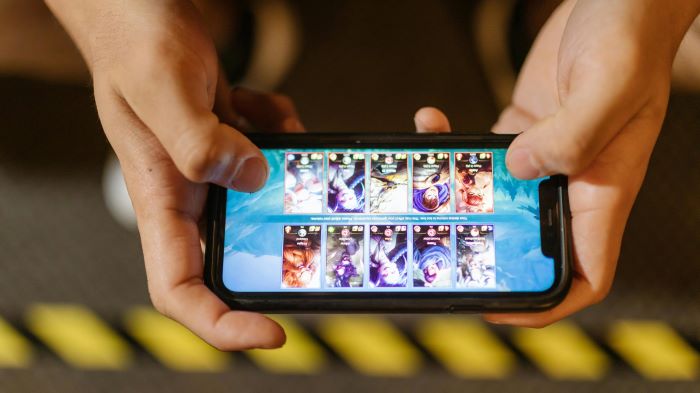
According to a Newzoo report, Latin America is now the fastest-growing esports audience globally, with over 60 million fans expected by 2025. Games like PUBG, Call of Duty Mobile, and Brawl Stars, designed for lower-end devices, are making mobile esports highly accessible, drawing millions of viewers to tournaments.

In the past two years, the region has seen a surge in partnerships, strengthening its position on the global stage. Notable collaborations include KRĂś Esports with Samsung Electronics and Mobile Global Esports with INFINITY.

Africa’s Market Potential: Overcoming Challenges to Reach New Heights

Although esports is still emerging in Africa, it holds significant growth potential, largely due to its young population. With 50% of Sub-Saharan Africa’s population under 25 and growing access to affordable mobile and gaming devices, the region is primed for rapid expansion. The GSMA Mobile Economy Report 2023 projects that 70% of the population will be using smartphones by 2025, further boosting esports’ potential.

The rise of local and international tournaments, such as the Carry1st Africa Cup and regional events backed by the African Esports Federation (AESF), is helping create opportunities for African players to showcase their talents on the global stage. However, significant obstacles remain, including limited internet access and the high cost of equipment in many countries.

Additionally, the lack of well-known African esports players or influencers hinders growth. Without prominent figures to drive branding and storytelling, it’s challenging to build fanbases or generate media attention. Overcoming these challenges will require substantial investment in infrastructure and the development of local talent.

The Middle East Leads the Way for Emerging Regions

Middle Eastern countries like the UAE and Saudi Arabia have rapidly become major players in the esports world. Initially limited by lack of infrastructure and competitive gaming culture, these nations have recognized the sport as a key strategy for economic diversification and youth engagement. Initiatives like the Saudi Esports Federation and the NEOM project have helped build the necessary foundation.

Saudi Arabia, in particular, has hosted major tournaments such as ESL One and the Esports World Cup (formerly Gamers8), positioning itself as a global hub. Dubai has also made its mark, hosting events like the Dubai Esports and Games Festival, attracting international tournaments like Fortnite and League of Legends.

While the budgets and goals of regions like Latin America and Africa differ, the Middle East’s vision and commitment serve as a model. Saudi Arabia’s National Gaming and Esports Strategy, aiming to create 39,000 jobs and add $13.3 billion to the GDP by 2030, highlights the economic potential of the gaming industry. The country’s 12-year partnership to host the Esports Olympics underscores the value placed on youth engagement and economic growth through online gaming.

Towards a More Inclusive Esports World

Esports is set to continue its rapid global expansion, with regions like Latin America and Africa emerging as key players in the digital economy. As more countries engage in these regions, grassroots programs, local tournaments, and investments in infrastructure will be essential for building a strong foundation for future growth.

Esports stands out for its diverse, inclusive community, and as the industry grows, we hope to see even more countries and communities from around the world contributing to the gaming experience, making it richer and more dynamic for everyone.

Money Talks: Gen Z Sparks Sustainability in Sports

As sustainability in sports becomes a growing priority for consumers, English football clubs are beginning to feel the pressure to adopt eco-friendly practices. This demand is being driven largely by Generation Z, a generation that is redefining how businesses approach environmental responsibility.

Gen Z, born between 1995 and 2010, is the first generation to grow up fully connected in the digital world. They’re using their collective power to encourage change, especially when it comes to the environment. By 2030, Gen Z’s combined income is expected to reach $33 trillion, surpassing the millennials that came before them.

What’s important is that 73% of Gen Z is willing to spend more on sustainable products, and three-quarters of them care more about a product’s sustainability than its brand. This shift is hard to ignore, and sports clubs, including those in English football, are starting to take action to meet this demand.

Quick Highlights

  • Gen Z will control a quarter of global income by 2030. 75% are more concerned about product sustainability than the brand.
  • Sports clubs like the English Premier League are working on sustainability but lack ambitious, verified commitments. Fans are demanding more action.
  • The league introduced their Environmental Sustainability Commitment, including emission tracking and senior leadership accountability, aiming for long-term change.
  • MLS Clubs collectively diverted more than 61 tons of food to donation programs.
  • Food diversion efforts reduced about 146 tons of CO2 emissions.
  • FIFA faced backlash over misleading carbon neutrality claims for the 2022 World Cup, raising concerns about greenwashing in sports.

How Clubs are Taking Action

English football is a great example of how fans are pushing for more focus on sustainability. 64% of fans believe football clubs and sponsors should prioritize sustainability, and even more think governing bodies should consider the climate impact of player travel when scheduling matches.

Younger fans are twice as likely to consider the environmental impact of sports compared to those over 55. However, they’re less likely to demand net-zero carbon emissions within the next decade. This suggests younger generations prefer “realistic” emission reductions over ambitious goals that clubs and companies often set for publicity but fail to meet.

Recent data paints a mixed picture of Premier League clubs’ sustainability efforts. While many highlight their initiatives on dedicated sustainability pages, only a few have set ambitious net-zero targets or earned third-party recognition for their environmental work.

Some clubs have adopted tangible measures like on-site clean energy or sustainable transport policies. Despite this, many clubs are engaging with sustainability in principle but lack commitment to comprehensive, externally verified strategies. 

The Environmental Sustainability Commitment

In 2024, the Premier League rolled out the Environmental Sustainability Commitment, setting clear expectations for all clubs. 

By the end of the 2024/25 season, each club must have a solid sustainability policy in place and appoint a senior leader to take charge of these efforts. Having a senior figure leading the charge is essential for holding clubs accountable— both for fans and outside organizations.

This commitment extends beyond the 2024/25 season, setting the stage for future policies. By the 2025/26 season, clubs must develop detailed GHG emissions data covering all three scopes. They’ll also collaborate with the Premier League Sustainability Working Group to standardize tracking and create a unified action framework, driving greater accountability and lasting environmental impact.

MLS Leads the Charge for Sustainability in Sports

For Earth Day 2024, Major League Soccer launched their “One Planet Pre-Match Jerseys.” These jerseys, with the message “One Planet. One Chance,” were made from recycled materials and came in three colors representing soil, wood, and water.

Fans could buy the jerseys online or at select club retail locations, but the initiative didn’t stop there. MLS also partnered with local charities and food organizations, working together on environmentally-friendly projects to benefit communities. Clubs distributed leftover meals from match days to those in need, helping to reduce food waste.

In total, MLS clubs diverted over 61 tons of food, preventing around 146 tons of CO2 emissions—roughly the same environmental impact as 467 one-way flights from San Jose to Montreal.

Holding the Sports World Accountable

When sports organizations fail to meet their sustainability goals or present misleading data, they open themselves up to significant criticism. FIFA faced backlash over its claims about the 2022 World Cup in Qatar, which it promoted as being carbon neutral. One independent researcher said, “It’s a fantasy to consider that this World Cup was carbon neutral.”

The tournament ended up producing over 3.8 megatons of CO2, far exceeding the 3.6 megatons that carbon consultancy South Pole had initially estimated. Notably, 48% of the emissions that weren’t reduced or avoided could have been offset. South Pole itself came under scrutiny after an investigation revealed they had inflated the number of carbon offsets available in Zimbabwe for profit.

In the end, the Swiss Fairness Commission ruled that FIFA could no longer claim the 2022 World Cup was CO2-neutral, following a complaint filed by Carbon Market Watch and other environmental groups.

Sustainability Goals Under Fire?

Organizations adopting sustainability goals and standards haven’t escaped criticism, especially when considering that several Premier League clubs are indirectly owned by Gulf States, whose wealth is built on fossil fuels.

Wycombe Wanderers midfielder David Wheeler expressed this frustration to BBC Sport, stating: “Waiting two and a half years for a sustainability strategy is dragging your feet. A lack of moral leadership is evident in football’s top organizations, from FIFA to the Premier League. While sustainability professionals drive progress, CEOs and board members seem to hinder positive change.”

Wheeler also called for a cap on domestic flights, accusing the league of “condoning” pre-season tours that generate “colossal amounts of emissions.” He added that football’s ever-expanding calendar is damaging both players and the environment, arguing, “You can’t have infinite growth on a finite planet.”

A Way Forward

With more voices from across the sports industry pushing for more sustainable practices, real progress will depend on bold leadership and a steadfast commitment to transparency. This is the path forward to push the sports industry into a more sustainable future and protect the planet we all call home.

New Leagues Like Unrivaled Are Shaping the Future of Pro Sports

At the start of 2025, two groundbreaking sports leagues—Unrivaled and The Kings League—have captured the attention of the media and fans. The Kings League World Cup, held January 12th, became an overnight sensation, attracting 1.5 billion impressions without the backing of traditional TV broadcasters.

Meanwhile, Unrivaled, a new 3v3 women’s basketball league, tipped off its inaugural season on January 17th, with an ambitious mission to transform the experience for WNBA players. Both leagues are making waves by addressing players’ needs, engaging new audiences, and offering fresh perspectives on sports marketing in the digital age.

Quick Highlights

  • Kings League garnered an average viewership of 700,000 per game, with a peak of 1.3 million viewers.
  • Juventus became the first professional soccer team to sponsor a Kings League team, Zebras FC.
  • Unrivaled will provide players with an average salary of $200,000 across the league and a 15% equity share in the league’s revenue.
  • Unrivaled aims to address long-standing concerns about player amenities in the WNBA, hoping to influence changes in the WNBA’s 2027 Collective Bargaining Agreement (CBA). 

The Kings League: A New Era for Soccer

The Kings League, founded by former soccer player Gerard Piqué and Spain’s top online streamer, Ibai Llanos, is turning soccer on its head. Its distinctive format and quirky rule changes set it apart from traditional soccer, drawing comparisons to LIV and TGL Golf

Played with seven-a-side teams, the matches are 40 minutes long, divided into two 20-minute halves. Before each match, teams pick from a set of “golden cards” that offer various in-game advantages, like granting a penalty or removing an opposing player. These innovative twists have been a hit, drawing an average of 700,000 viewers per game, with peaks hitting 1.3 million.

The Kings League blends soccer with entertainment, appealing to Gen Z and Gen Alpha audiences on platforms like TikTok, YouTube, and Twitch. While it’s not a direct competitor to traditional soccer, the Kings League offers a fresh, entertaining experience that draws in a younger, digitally-native fanbase. In fact, some of the biggest names in soccer, including Javier “Chicharito” Hernández and Sergio Agüero, have joined the competition to generate cross-generational appeal.

Emerging Partnerships

Professional soccer teams are taking notice of this rapidly growing league. Juventus, Italy’s powerhouse club, made history by sponsoring Zebras FC, becoming the first professional team to sponsor a Kings League team. The team will compete in the debut season of the Italian Kings League this upcoming year. 

Through the partnership, Zebras FC gains access to Juventus’ exclusive training facilities and content creation labs, offering unique opportunities for fan engagement and media exposure. This kicks off a trend of professional clubs teaming up with leagues like the Kings League to win over young, affluent fans without firm team loyalties.

Unrivaled: Rewriting the Rules for Women’s Basketball

Just days after the Kings League’s explosive World Cup final, Unrivaled, a new 3v3 women’s basketball league, made its debut. WNBA stars Breanna Stewart and Napheesa Collier cofounded Unrivaled to improve player experience through benefits like increased salaries and better family support services.

The league has set a high bar for player compensation, with an average salary of over $200,000, an $8 million salary pool, and 15% of the league’s revenue pot split among the players. This approach is a significant step up from the WNBA’s current CBA, where the top players earn just over $200,000 and the supermax salary caps out at $241,000. 

Members of the league have access to childcare, with a nursery and playroom staff onsite. Additionally, players’ wellness amenities include saunas, cold plunges, a state-of-the-art gym, and a hair and makeup room. These features aim to expose the shortcomings of current WNBA accommodations and advocate for better treatment for female professional athletes.

Unrivaled isn’t designed to compete with the WNBA but to complement it during the offseason. However, it remains a powerful statement by modeling how female basketball players should be supported. By offering players better salaries, more family support, and a larger share of the revenue, Unrivaled is setting a new standard.

The Bigger Picture: What These Leagues Mean for Professional Sports

Both the Kings League and Unrivaled offer bold lessons for how new competitions can support existing professional leagues while also forging their own path.

The Kings League leverages digital platforms to engage with younger audiences in ways that traditional sports can’t match. It incorporates video game-style sound effects during rule changes and features interactive livestream elements, like real-time voting on match outcomes. Unrivaled, on the other hand, addresses the economic and personal challenges faced by female athletes, providing a platform that speaks to their needs.

For professional soccer clubs and leagues like the WNBA, these new competitions are not competitors, but collaborators. By tapping into these new and innovative leagues, soccer clubs can reach fresh audiences and strengthen their brand. Meanwhile, leagues like Unrivaled can create opportunities for athletes to shine, elevating the status and visibility of women’s sports as a whole.

The inception of these leagues is not just about the games played on the field; it’s about creating a more inclusive, dynamic, and profitable sports ecosystem—one that puts athletes first and taps into the power of digital engagement to build lasting, global fan bases.

TGL Golf Debut Draws Strong Viewership, Directing the Future

On January 7th 2025, the TMRW Golf League (TGL) debuted in front of an energetic live stadium audience, with over 900,000 viewers tuning in to the broadcast on ESPN. High viewership was not the only source of excitement– the league’s rule changes and unique format have been generating plenty of buzz ever since. 

Quick Highlights

  • TGL reaches 900,000 viewers for debut match, expands viewership to 1.13 million for Tiger Woods’ first appearance in week 2
  • New simulator technology proves potential for captivating broadcasts, but players and fans agree that it needs refinement
  • Fast pace-of-play keeps engagement and energy high
  • Unprecedented direct access to star players likely to boost sponsorship value

What is TGL Golf?

The TMRW Golf League (TGL) is revolutionizing the game of golf by merging tradition with technology. Designed to captivate both dedicated fans and a younger, tech-savvy audience, TGL offers an experience unlike anything the sport has seen before.

Matches are held in the SoFi Center, where players compete on a custom-built virtual course and hit real golf shots into a massive screen. Cutting-edge analytics and live data keep fans engaged, while putting takes place on a simulated green that blends precision with strategy. This level of technological innovation is central to the TGL’s differentiation from traditional golf, and creates opportunity for partnerships with high-tech sponsors.

The league boasts an impressive roster of investors, including Tiger Woods and Rory McIlroy, who have helped shape its innovative approach. Celebrity team owners like Serena Williams and Alex Morgan further elevate TGL’s appeal, ensuring it resonates far beyond the golf world.

TGL promises a fresh take on golf centered around technological innovation, match presentation, fan engagement, and star power. Backed by corporate sponsors such as SoFi, FanDuel, Genesis, Best Buy, Business Solver, and leading golf brands, the league has successfully leveraged its innovative format to drive significant partnership revenue.

The TGL’s Teams and Format

The TGL brings together some of the best golfers in the world, representing six major U.S. markets: New York, Los Angeles, Boston, Atlanta, the San Francisco Bay Area, and South Florida.

Each team has four players, including golf legends Tiger Woods and Rory McIlroy, as well as top-ranked talents like Collin Morikawa, Xander Schauffele, Justin Thomas, and Ludvig Ă…berg.

These teams face off in head-to-head matchups throughout the season, with the playoffs arriving in March and a chance to compete for a share of the $21 million purse. The team that comes out on top will walk away with a $9 million prize.

When and How Did the TGL Debut?

On January 7, 2025, TGL kicked off its inaugural match between the Bay Golf Club and New York Golf Club at the SoFi Center in Palm Beach Gardens, Florida. The custom-designed venue seats 1,500 fans, while nearly a million viewers watched the match live on ESPN, TGL’s official broadcast partner. The match highlighted TGL’s mission to make golf faster, more tech-driven, and centered on star power.

The Bay Golf Club secured a dominant 9-2 victory with a roster featuring Ludvig Ă…berg, Wyndham Clark, Min Woo Lee, and Shane Lowry. Hot mics gave fans unique insight into player strategy and personality, while a 40-second shot clock kept the action fast-paced. This level of direct access, coupled with advanced analytics and FanDuel betting odds, delivered a fresh and engaging viewing experience for fans.

For those unable to catch the broadcast, TGL introduced Matchup Live, an innovative feature powered by Next League. This tool provides shot-by-shot tracking, real-time scores, and a live feed of the stadium’s simulator screen via TGL’s app and website.

Simulator Troubles and Tiger’s Defeat

The second match of the TGL season, played between Jupiter Links GC and the Los Angeles Golf Club on the following Tuesday, saw Tiger Woods’ squad defeated by LAGC’s Collin Morikawa, Sahith Theegala, and Justin Rose in a 12-1 trouncing. 

The match was also marked by frustrations from some of the players with the golf simulator technology. At times, the players were overheard on the hot mics questioning the accuracy of the Full Swing technology behind SoFi Center’s simulators and launch monitors. “I didn’t even hook that” was uttered amidst the peak of the players’ frustration with the venue’s simulator.

TGL’s Early Successes and Challenges: What They Mean for the Future of Golf

As the TGL carries on its inaugural season, its rule changes, broadcast style, and technological innovations are already making waves in the sport. The league’s approach promises to influence golf far beyond its arenas.

Unlike the traditional norms of the PGA Tour, TGL events encourage fans to shout and cheer, making the crowd an active part of the experience for the first time. The energy at the SoFi Center is contagious, with both fans and players embracing the lively atmosphere. Wyndham Clark and Shane Lowry described it as “the most fun [they] ever had playing golf.”

The TGL broadcast style places a strong emphasis on player reactions and fan connection. Split-screen views show players’ emotions alongside simulator shots and play-by-play commentator Matt Barrie conducts real-time interviews with competitors during downtime. This level of access to the world’s best golfers doubles down on the impact of relatable media like Netflix’s golf documentary Full Swing.

Faster play, analytics, betting integrations, fantasy sports potential, and a vibrant crowd atmosphere set TGL apart from the PGA Tour and LIV Golf. With fewer formalities and a focus on entertainment, TGL has the potential to expand golf’s appeal among younger fans and newcomers to the sport.

The Future of Corporate Partnerships in the TGL

The advent of the TGL opens up opportunities for corporate sponsors to engage with golf and its fans in fresh, innovative ways. The league’s current partners are already capitalizing on this momentum, and as the TGL grows, more brands are expected to join. Best Buy’s TV ad captures this modern energy, asking fans, “What if tomorrow’s tech met tomorrow’s golf?”

Partnerships in the TGL center on athletes, analytics, and technology. Endemic golf brands will value the personality, humor, and access the league offers through its athletes. Golfers entering stadiums to “Eye of the Tiger” and trash-talking on hot mics create viral moments that engage fans, with apparel, alcohol, and equipment brands set to benefit.

The TGL also provides brands access to a new generation of golf fans drawn to its fast-paced style. Companies like Dryvebox, targeting tech-savvy audiences, are capitalizing on this shift. Additionally, the league’s network of investors, owners, and celebrities opens doors for lucrative corporate partnerships, such as One Flight International, which connects with high-profile clients within the TGL ecosystem.

The Impact of Analytics on TGL Sponsorship

The TGL’s focus on analytics enhances broadcasts, web pages, and live events, opening doors for partnerships in golf coaching, data solutions, fantasy sports, and sports gambling. FanDuel and CapTech are already leveraging this focus. FanDuel’s live odds and one-click betslips bring interactive engagement, while CapTech showcases its ScoreSight features as an example of custom enterprise solutions for the league.

Mobile apps like Sportsbox AI, which use computer vision for golf swing coaching, hint at the potential for more innovative companies to target TGL’s tech-savvy audience. With high-energy moments and creative sponsorships, the league’s future promises to sustain its momentum. Tiger Woods’ appearance boosted week 2 ratings to 1.13 million peak viewers, but competitive matchups like New York Golf Club vs. Atlanta Drive GC will be key to keeping fans engaged.

Want to lean more into leveraging sports events and championships for your brand? We help businesses expand in the sports world to get their name seen and build their fan base. See what Athelo Group can do for you with our Brand Marketing Services.

Sources:

  1. https://www.palmbeachpost.com/story/sports/pga/2025/01/09/tiger-woods-rory-mcilroy-tgl-tv-rat ings/77550079007/ 
  2. https://golf.com/news/tgl-debut-match-genius-rule-twist/
  3. https://www.sportico.com/business/media/2025/tgl-golf-debut-viewers-espn-woods-1234823223/
  4. https://www.pgatour.com/article/news/netflix/2023/02/15/the-netflix-effect-how-golf-can-capitalize-on-the-success-of-full-swing-rory-mcilroy-tony-finau-scottie-scheffler-justin-thomas-jordan-spieth
  5. https://corporate.bestbuy.com/2025/tgl-best-buy-tech/
  6. https://golf.com/news/tgl-golf-league-heres-how-much-money-is-up-for-grabs/
  7. https://golf.com/news/tiger-woods-tgl-debut-highlights/


Modernizing the Viewer Experience: The Debut of WWE’s Monday Night Raw on Netflix

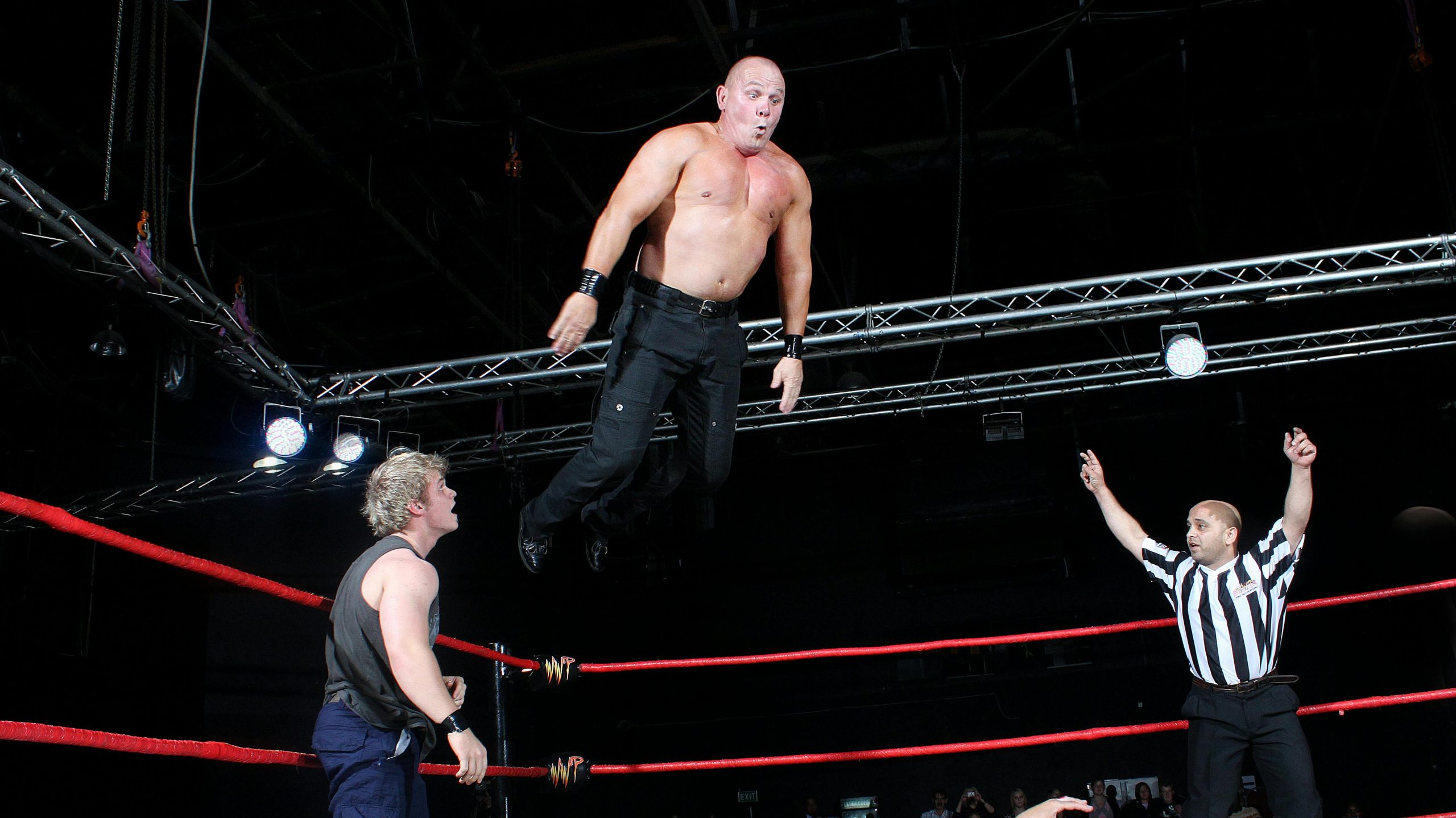
On January 6th, 2025, WWE and Netflix kicked off their partnership in style with the debut of Monday Night Raw on the streaming giant. The deal is valued at $5B over 10 years, with an option for Netflix to exit after the first 5. The inaugural event took place in a sold-out Intuit Dome in Inglewood, California, filled with passionate fans.

After streaming issues during Netflix’s Jake Paul vs. Mike Tyson fight, many questioned the platform’s broadcasting capabilities. This time, the event went off with minimal issues, allowing viewers at home to be just as enthralled as those in the stands. With a star-studded lineup, celebrity appearances, and exciting matchups, Monday Night Raw saw a successful debut.

monday night raw

Ratings & Stats for the WWE Monday Night Raw Debut on Netflix

  • WWE Monday Night Raw launched on Netflix on January 6th, 2025.
  • WWE Monday Night Raw deal is valued at $5B over 10 years.
  • 4.9M people watched the debut on Netflix.
  • Average households reached: 2.6M.
  • This was the most viewed Monday Night Raw broadcast in the last 5 years.
  • #WWERaw trended in the top spot on X in the United States, Australia, the United Kingdom, and Brazil after debuting.

A Star Studded Monday Night with Netflix and the WWE

From the moment the event began, former WWE star and current Chief Content Officer, Paul Levesque, captivated fans. He played a high-energy video capturing the story of professional wrestling and its evolution. Levesque filled the introduction with promotions for the new WWE-Netflix partnership, branding the transition as “the Netflix Era” for WWE.

Later, Dwayne “The Rock” Johnson made an appearance. He announced that this Monday Night Raw was the largest arena gate in WWE history with 17,514 fans in attendance at the Intuit Dome.

The first matchup was the Tribal Combat which saw Roman Reigns defeat Solo Sikoa to become the undisputed Tribal Chief, a title awarded to the best Samoan wrestler. Rhea Ripley later defeated Liv Morgan to claim the Women’s World Championship. Next, Jey Uso and Drew McIntyre sent fans into a frenzy with Uso walking out victorious.

The final event featured Seth Rollins falling to CM Punk in a widely anticipated bout.

monday night raw

Raw in Review: Highs, Lows, and the Streaming Shake-Up with Netflix

Highest Viewership for a Broadcast in the Past 5 Years

The first installment of Monday Night Raw on Netflix saw success as it captured 4.9M viewers worldwide. The event averaged 2.6M households on Netflix, making it the highest Monday Night Raw broadcast in over 5 years. This marked a 116% increase from the average households reached in 2024, which was 1.2M viewers on USA Network.

New Big Changes in the WWE Arena

Monday Night Raw was packed with announcements and celebrity appearances. John Cena revealed he will enter the Men’s Royal Rumble on February 1st as part of his farewell tour. Logan Paul, the former United States Champion, also made news by announcing he is now fully committed to being a WWE Superstar, so fans can expect to see a lot more of him.

WWE and Netflix made a big impact on social media, with #WWERaw trending in the top spot on X in the United States, Australia, the United Kingdom, and Brazil. Throughout the event, fans took to the platform to share reactions and engage with content. WWE Raw held 6 of the top 7 trending spots on X for the US audience.

monday night raw

A New Era for the WWE and Live Event Programming

The night’s theme was all about the global reach Netflix gives WWE, as Levesque made clear in his opening. He pumped up the crowd, saying, “This is the moment all of you are being seen and heard by the entire globe…show them who you are!”

With over 280M users across 190 countries, Netflix lets WWE reach new fans and gives current ones more access. The shift from cable to streaming broadens audiences and frees WWE to push boundaries and bring more energy and less censorship to their shows.

This transition marks a greater change in how sports and entertainment meet evolving viewer habits. WWE’s integration with Netflix not only enhances production value—like dramatic camera angles and live performances—but also fosters a more relaxed, real-time fan experience. With collaborations like Travis Scott joining Jey Uso’s entrance, the Netflix Era promises to redefine live event production and keep WWE fans engaged.

Sources:

  1. https://www.forbes.com/sites/conormurray/2025/01/03/what-to-know-about-wwe-streaming-on-netflix-premiere-on-monday-featuring-john-cena-travis-scott-logan-paul/
  2. https://www.espn.com/boxing/story/_/id/42418997/netflix-experiences-streaming-delays-leading-tyson-paul-fight
  3. https://bleacherreport.com/articles/10149884-wwe-raw-on-netflix-debut-results-winners-live-grades-reaction-and-highlights
  4. https://www.wrestlingattitude.com/2025/01/wwe-raw-on-netflix-premiere-breaks-record-for-largest-arena-gate-in-wwe-history.html
  5. https://www.wrestlinginc.com/1754192/wwe-raw-netflix-debut-january-6-2025-3-things-we-hated-3-things-we-loved/
  6. https://corporate.wwe.com/about/news/2025/01-09-2025-0
  7. https://abcnews.go.com/Entertainment/wireStory/wwes-monday-night-raw-netflix-debut-averages-26m-117523414
  8. https://variety.com/2025/tv/news/wwe-monday-night-raw-netflix-debut-paul-levesque-1236269872/
  9. https://www.bbc.com/news/articles/c8xjzxwxxq0o

Become a Sponsor.

Join us in making a difference. Tell us a bit about yourself and we’ll be in touch with sponsorship details.

By submitting this form, you agree to be contacted by the Athelo Group team regarding sponsorship opportunities.