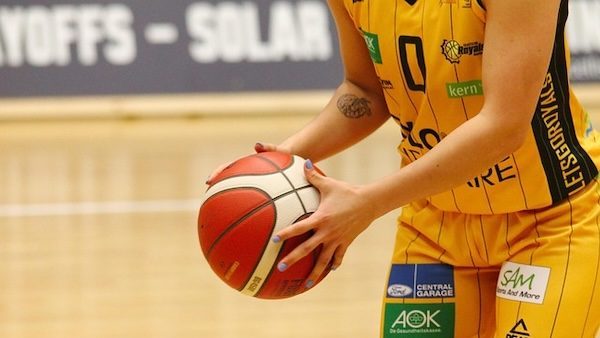

The Sportswashing Debate: Unpacking Saudi Arabia’s Investments

In recent years, Saudi Arabia has made headlines for its aggressive expansion into global sports and esports. Through its sovereign wealth fund, the Public Investment Fund (PIF), the Kingdom has made multibillion-dollar investments in marquee properties ranging from professional golf and soccer to esports organizations and gaming platforms. 

This surge of capital reflects a broader effort to diversify Saudi Arabia’s economy and reshape its global image, a strategy both praised for its ambition and criticized as a form of “sportswashing.”

Quick Highlights

  • Saudi Arabia’s PIF is now valued at over $925 billion, making it one of the largest sovereign wealth funds in the world.
  • LIV Golf, backed by Saudi funding, has received nearly $5 billion since launching in 2022 and merged with the PGA Tour in 2023.
  • Cristiano Ronaldo signed with Saudi Arabia’s Al Nassr in 2023 for a contract reportedly worth up to $200 million per year.
  • PIF subsidiary Savvy Games Group has pledged $38 billion toward gaming and esports industry development.
  • Saudi Arabia secured hosting rights for the 2034 FIFA World Cup, further cementing its global ambitions in sport in addition to its permanent inclusion in the Formula 1 calendar since 2021.

monument in riyadh where saudi arabia is accused of sportswashing

The Strategic Context: “Vision 2030”

Saudi Arabia’s sweeping investment in sports and entertainment is directly tied to its Vision 2030 initiative, a comprehensive strategy to diversify the country’s economy and reduce its dependence on oil revenue. 

Sports and esports are front and center in this push, seen as vehicles for soft power, tourism, and youth engagement. Beyond international perception, the focus is domestic: building arenas, attracting events, and creating jobs across media, infrastructure, and tech. 

By acquiring global sports properties and locking in high-profile partnerships, Saudi Arabia is securing both economic return and cultural influence in sectors that increasingly shape global conversation.

The Scope of Saudi Investment in Traditional Sports Properties

Saudi Arabia has dramatically expanded its presence in global sports through the PIF, which now holds assets estimated at over $925 billion. One of its most high-profile moves came with the launch of LIV Golf in 2022, which has received nearly $5 billion in funding and disrupted the global golf ecosystem, eventually leading to a merger with the PGA Tour

In soccer, the Saudi Pro League has invested heavily in international talent, signing stars like Cristiano Ronaldo to contracts reportedly worth up to $200 million annually. The PIF has also taken majority control of four domestic clubs and is backing the country’s efforts to host global events like the 2034 FIFA World Cup.

Additional investments have gone toward hosting major events in Formula 1 and heavyweight boxing, including title fights featuring Tyson Fury and Anthony Joshua.
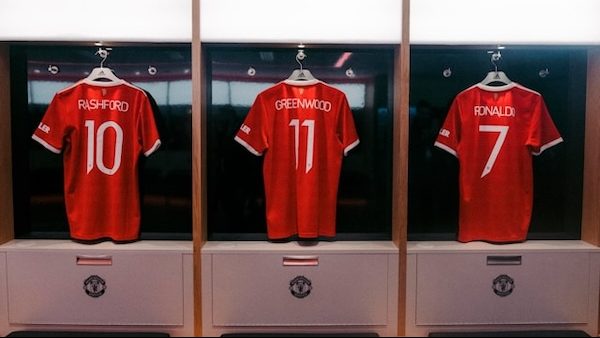
ronaldo jersey in locker room

The Esports Expansion

Saudi Arabia has also made substantial inroads in esports, aligning with national goals to grow its digital sector and connect with younger audiences. In 2022, the PIF launched Savvy Games Group and pledged $38 billion toward gaming and esports. Key acquisitions like ESL and FACEIT, which merged into ESL FACEIT Group, help position the Kingdom as a rising force in global competitive gaming.

In 2023, Savvy Games also expanded into mobile gaming with its $4.9 billion acquisition of Scopely, one of the largest deals in the sector’s history. The Kingdom has become an active host of global esports events, with the Gamers8 festival in Riyadh offering a record-setting $45 million prize pool in 2023 and drawing top-tier teams and fans worldwide. 

These efforts are anchored in Saudi Arabia’s National Gaming and Esports Strategy, which forms part of its broader Vision 2030 framework and aims to generate 39,000 jobs in the esports sector by the end of the decade. 

With over 3 billion active video game players worldwide, the gaming industry continues to grow at a breathtaking pace. Saudi investment in esports seeks to capitalize off of this trend.

Criticism and the “Sportswashing” Debate

Despite its economic ambition, Saudi Arabia’s surge in global sports investment has drawn sustained criticism from human rights groups and media organizations who argue the efforts represent a form of “sportswashing”: using high-profile events to distract from its poor record on free speech, gender equality, and press freedom. 

The murder of journalist Jamal Khashoggi and the imprisonment of dissenters remain prominent concerns for critics of Saudi policy. Organizations such as Amnesty International and Human Rights Watch have warned that major sports tournaments and celebrity endorsements risk obscuring these issues. 

Some athletes, such as Tiger Woods and Phil Mickelson, have faced scrutiny over their involvement with LIV Golf, while brands and broadcasters working with Saudi-backed entities must navigate the reputational risks associated with aligning with an authoritarian state. 

As these investments grow, the global sports community continues to grapple with ethical questions surrounding legitimacy, complicity, and the appropriate boundaries of partnership.
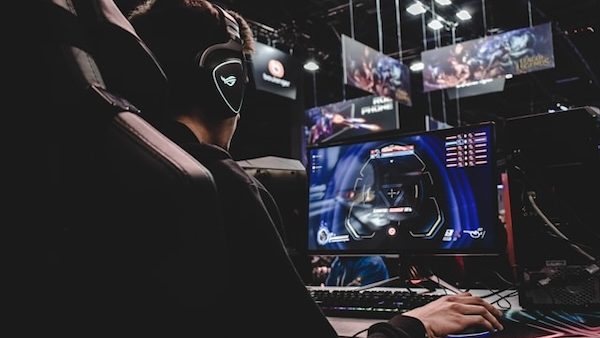
esports in saudi arabia

Influence vs. Ideology

Despite criticism, Saudi investment has already reshaped key areas of global sports and esports. For many organizations like the PGA Tour and Gamers8, the scale and stability it offers outweigh ideological concerns—especially in fast-growing, underfunded sectors. With deep financial resources and defined national goals, Saudi Arabia shows no sign of slowing down.

The confirmed 2034 FIFA World Cup will mark a major milestone for the Kingdom, providing a global stage to showcase its transformation. Continued acquisitions and world-class events such as Gamers8 are likely to deepen its influence in esports.

At the same time, scrutiny over Saudi Arabia’s human rights record has raised concerns. Human Rights Watch calls its strategy “an effort to sportswash its appalling human rights record,” while other critics cite ongoing restrictions on free expression. 

Saudi officials, however, position sports investment as a pillar of transformation. “We are delivering a future that is brighter for our youth,” said Sports Minister Prince Abdulaziz bin Turki Al-Faisal. That tension between ethics and opportunity is likely to shape the Kingdom’s next chapter.

In the coming years, how that tension plays out will ultimately determine Saudi Arabia’s future on the global sporting stage.


ACL Injuries in Women’s Sports: Why Rates Are Rising & Solutions

The sports industry recently witnessed a major shift towards addressing gender-specific health concerns, especially surrounding anterior cruciate ligament (ACL) injuries in female athletes

Historically, sports medicine research predominantly focused on male athletes, often ignoring the key physical and biomechanical differences in women. But now, growing research is helping explain why female athletes face higher risks for ACL injuries.

This turning point is influencing both sports science and brand strategies

Quick Highlights

female athlete risking acl injury on tennis court

Understanding the Gender Disparity in ACL Injuries

Female athletes are at a much higher risk to tear their ACLs compared to their male counterparts due to a mix of biological and physical factors.

There is a mix of modifiable and non-modifiable aspects that play a part in the difference between male and female risk.

Dr. Mary K. Mulcahey, division director of Sports Medicine at Loyola University highlights that “non-modifiable risk factors, things we cannot change, include gender-related differences in knee anatomy, like the size of the ACL and hormonal fluctuations during the menstrual cycle.” 

She mentions that other factors, like muscle strength and landing technique, can be improved through training and conditioning. With focused research, there is potential for improvements in preventative health for female athletes to better understand their bodies and prevent injury.

The Rise of Female-Focused Medical Research

For decades, most medical and sports science research relied heavily on male participants, shaping protocols, treatments, and training standards based on male bodies and physiology. However, there’s been a growing recognition that female athletes have unique needs that require dedicated attention, from hormones and joint stability to recovery patterns and injury prevention.

This broader trend of female-focused medical research is finally gaining traction across multiple fields. In fact, there is an estimated 10 to 20 percent annual increasing rate of research dedicated to female athletes.

Researchers are finding that sex-based differences impact everything from drug efficacy to pain tolerance. In sports, that includes injury risk — yet female athletes are still less likely to receive targeted injury prevention training. One study found that less than half of high school girls reported access to these programs, despite their elevated risk.

This means women need different prevention strategies than men. And for the sports industry, it’s more than a medical update; it’s a strategic opportunity. With better data on women’s physical health, there’s room to rethink training programs, design gear that actually fits, and build recovery systems that protect and empower female athletes.

two female athletes playing soccer on field

Industry Response: Brands’ Commitment to Research

Recognizing the need for focused research, FIFA has pledged support to studies investigating the causes of ACL injuries in female athletes. A notable example is a year-long study at Kingston University in London, which tracks hormonal fluctuations in female athletes aged 18–35 and analyzes their performance during different menstrual phases

The goal is to correlate hormonal changes with movement patterns indicative of injury risk, such as during direction changes or landings. This research aims to contribute to broader efforts to lower ACL injury rates in women’s football, acknowledging that there is no one-size-fits-all solution.

Nike is tackling ACL injuries in women’s sports through Project ACL, a three-year study launched with FIFPRO, the Professional Footballers Association, and Leeds Beckett University. The project looks at risk factors like workload, travel, and match frequency to improve injury prevention and management. By including player feedback, it aims to build more practical, athlete-informed solutions.

Product Innovation

The increasing emphasis on female-specific sports research presents significant opportunities for brands targeting female athletes. Companies like Nike and PUMA are already capitalizing on this trend.

PUMA has invested in a research study to explore ACL injuries in women’s football, aiming to develop an effective training program and enhance women’s fit for football footwear. This commitment underscores the importance of providing tailored equipment and support to female athletes.

Nike created the Phantom Luna boot, designed specifically to curb the risk of an ACL tear by including a circular traction pattern to ensure soccer players are able to pivot freely on the turf.

From designing footwear that accommodates unique biomechanical requirements to creating training programs that address gender-specific injury risks, there is a growing market for innovations that prioritize female athletes’ health and performance.

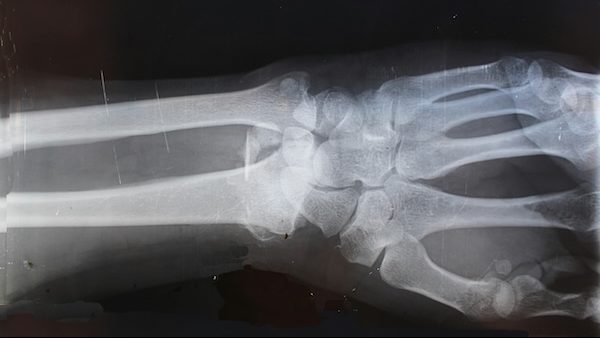
x-ray of acl injury

Authenticity and Purpose-Led Marketing

Today’s consumers, especially Gen Z and millennial women, actively seek out brands that stand for something. It’s not just about products anymore; it’s about values. Companies investing in research, supporting athlete wellbeing, and advocating for gender equity in sport build deeper emotional connections with this audience.

Campaigns that spotlight long-term athlete health, particularly in areas where women have been historically underserved, help reinforce trust and loyalty. Adidas leaned into this with its “The Ridiculous Run” campaign, which called attention to the safety challenges women face while running and encouraged men to step up as allies.

Athletes themselves are also pushing for change. Allyson Felix, one of the most decorated track and field athletes, publicly criticized Nike after the company refused to guarantee that her sponsorship wouldn’t be penalized during pregnancy. Her New York Times op-ed sparked a wave of attention, leading Nike to implement a new policy that ensures 18 months of protected pay for pregnant athletes.

Brands that authentically back this kind of advocacy, by funding research, promoting safe training environments, or supporting athletes through life transitions, aren’t just making statements. They’re building credibility and long-term loyalty with both athletes and the consumers who support them.

Investing in Women is Investing in the Game

The growing focus on ACL injuries in female athletes signals real progress in sports science and the sports industry at large. 

As leaders like FIFA and Nike invest in research and innovation, brands have a clear opportunity to meet the specific needs of women athletes and build meaningful, lasting connections with consumers.

At Athelo Group, we see this as part of a broader responsibility. We’re committed to supporting our athletes on and off the field, from injury prevention and performance to advocacy and representation. Championing women’s sports isn’t a trend for us, it’s part of how we do business.

MotoGP vs. F1 Teams: Pushing the Limits of Extreme Racing

The high-speed worlds of Formula 1 and MotoGP are both thrilling, but each pushes motorsport in a different direction. F1 teams represent the peak of open-wheel engineering and data-driven strategy, while MotoGP showcases the fastest bikes and most fearless riders on two wheels.

Both are filled with elite athletes, cutting-edge machines, and massive global followings, but couldn’t be more different when it comes to how they test the boundaries of speed, strategy, and human endurance. 

With recent momentum building around U.S. interest in international racing thanks to series like Drive to Survive and standout Grand Prix moments, now’s the perfect time to break down what sets F1 teams and MotoGP apart.

Quick Highlights:

  • F1 cars reach top speeds of ~231 mph, while MotoGP bikes hit ~225 mph.
  • F1 drivers endure up to 6 Gs of force in corners, with cockpit temperatures exceeding 140°F.
  • F1 cars weigh ~1,760 lbs (including driver) with 1,000+ hp. MotoGP bikes weigh just ~350 lbs with ~280 hp, resulting in a much higher power-to-weight ratio.
  • MotoGP sees far more crashes per season (1,000+ across all classes in 2023) due to the open nature of the sport. F1 crashes are rare, but often more violent.
  • F1 relies on massive teams of 300-1200 people. MotoGP prioritizes rider instinct and physical agility, with much smaller team operations.
motogp racer

Machines Made for Mayhem

F1 might win the top-speed stat sheet, but MotoGP’s acceleration and agility put them nearly neck and neck. F1 cars generate immense downforce that lets them corner like no other vehicles on Earth. Think Lewis Hamilton carving through Maggotts-Becketts at over 170 mph, a move that highlights how critical precision and grip is in F1 racing.

In contrast, MotoGP riders rely on body control and instinct, like Marc Márquez’s famous 2019 save in Thailand when he caught a slide with his elbow mid-turn.

Where F1 thrives on aerodynamic mastery, MotoGP is all about physical finesse and control. Each sport demands a different type of athleticism, pushing the human body in unique ways.

Two Forms of Athleticism

F1 drivers are often overlooked as athletes, but their necks must endure immense G-forces while maintaining control for up to two hours in extreme heat. In Drive to Survive, Daniel Ricciardo and Carlos Sainz Jr. are shown performing resistance band neck workouts to prepare for the extreme lateral forces of racing, which can reach up to 6Gs during high-speed corners and braking zones.

On the other side, MotoGP athletes must physically wrestle their machines through corners, keep balance on two wheels, and adapt to rain, wind, and flat conditions with no protective cockpit. Riders like Fabio Quartararo and Marc Márquez spend hours on core work using wobble boards, BOSU balls, and stability discs to simulate the constant balance adjustments required on a bike leaning at over 60 degrees.

Both sports demand elite conditioning, but training comes in very different forms.

Danger Factor

Despite incredible advances in safety, F1 remains a dangerous sport. But when it comes to risk, MotoGP arguably takes it up a notch. Riders are fully exposed, making even minor crashes a serious threat. Protective leathers and tech have helped reduce injury, but the margin for error is razor thin.

One striking example was Marc Márquez’s 2020 crash at Jerez, where a low-side slide quickly escalated into a violent high-side that launched him into the air, resulting in a fractured humerus and multiple surgeries.

While MotoGP now employs airbag suits that deploy within milliseconds, the fact remains: riders lack the structural protection F1 cockpits provide, and even with high-tech suits and reinforced helmets, the physical toll can be immediate and severe.

F1 Teams vs. MotoGP Individuals

F races are won through tire strategy, pit stops, and data-driven decisions made by massive support teams. Hybrid power units combine turbocharged engines with energy recovery systems to deliver up to 1,000 hp with improved efficiency. Engineers use wind tunnels and simulated modeling to fine-tune aerodynamics down to the smallest winglet.

MotoGP, by contrast, centers on rider instinct. There is no radio coaching mid-race. Riders manage tire wear, execute overtakes, and make real-time decisions at 220 mph. Bikes feature seamless shift gearboxes, ride height devices, and traction control, but the rider is the deciding factor.

f1 teams repairing car

Sponsorship Niches

F1 draws polished, luxury-focused sponsors like Rolex, Emirates, and Richard Mille—brands that value exclusivity and global prestige. Even tech giants like Amazon Web Services and Lenovo have joined the grid, tapping into F1’s innovation and massive reach. With global sponsorship revenue set to reach $2.9 billion in 2025, it remains one of the most valuable platforms in sports.

MotoGP appeals to a more grassroots, performance-first audience. Brands like Monster Energy, Red Bull, and Alpinestars align with its raw intensity and loyal fan base, especially across Europe and Southeast Asia. While overall sponsorship revenue is smaller, brand affinity runs deeper, with partners prioritizing authenticity over polish.

At Athelo Group, we see this same dynamic in sports like surfing, where non-endemic brands build credibility through community-driven partnerships and athlete-first storytelling. For brands entering motorsports, the choice isn’t just about budget—it’s about fit. F1 offers high-gloss global exposure, while MotoGP opens the door to deeper, culturally embedded brand moments.

race track where f1 teams compete

Where the Extremes Meet

F1 might be the more extreme sport when it comes to speed and innovation, but MotoGP makes its case through danger, athleticism, and raw competition.

We believe both racing series offer brands and athletes a compelling entry point into motorsports’ growing appeal. Whether you’re after the polish of F1 or the edge-of-your-seat thrills of MotoGP, the opportunities to connect, inspire, and evolve are limitless.

Surf Brands and the Next Wave of Sponsorship

Surfing has always been tied to a strong sense of culture and lifestyle. For a long time, sponsorship in the sport was led mainly by core surf brands such as Rip Curl or Quicksilver. But nowadays, the cards have been reshuffled and a number of new players have joined the game.

Since joining the Olympic Games, surfing has gained global exposure and drawn interest from brands beyond the traditional surf world. As a result, sponsorship strategies are evolving, and brands are actively pursuing new commercial opportunities.

Quick Highlights:

  • The global surfing market was valued at approximately $4 billion in 2023, with projections nearing $6 billion by 2032.
  • The surfing Equipment Market, which includes surfboards, apparel, accessories, and gear was estimated at $4.13 billion in 2024.
  • Surfing was among the 10 most-watched sports in Brazil during the Tokyo 2020 Olympics.
  • The 2023 Rip Curl WSL Finals set a new record with 10.7 million video views, marking a 29% increase over the previous year.
  • Hurley signed an 8-year, $30 million deal with John John Florence, one of surfing’s biggest contracts.
female surfer holding board in the water

The Pillars of Surf Sponsorships

Surfing is nearly inseparable from the brands that helped define it. Companies like Rip Curl, Quiksilver, Billabong, O’Neill, and Hurley laid the foundation for what surf marketing looks like today.

Rip Curl remains a major force, backing iconic events like the Rip Curl Pro Bells Beach— the longest-running professional surfing competition in the world. Billabong, under Boardriders Inc., continues to support world champs like Italo Ferreira and rising stars like Bettylou Sakura Johnson. Hurley has also stayed active by partnering with both pro and influencer surfers, including Zoe Benedetto.

Newer surf-focused brands are making moves, too. Vissla and Outerknown, co-founded by 11-time World Champion Kelly Slater, are gaining traction by putting sustainability at the center of their business models. Last year, the brand released the first-ever shirt made of seaweed!

Sustainability isn’t just a trend in surf— it’s a strategic choice that resonates with the sport’s eco-conscious audience. Outerknown, for example, pledged to make 100% of its products circular by 2030 and already meets that standard with 75% of its fabrics.

male surfer catches wave

The Rise of Non-Endemic Sponsors

While endemic brands still lead the space, non-endemic companies are gaining ground in surfing as the sport’s sponsorship value continues to climb.

Red Bull is a standout example. The brand supports athletes like North Shore surfer Mason Ho and creates original surf content and events such as Red Bull Magnitude. While not surf-specific, Red Bull’s deep roots in action sports like BMX and snowboarding give the brand strong credibility with the surf audience.

Corona, owned by AB InBev, has taken a more purpose-driven approach. As a global sponsor of the World Surf League, the brand aligns itself with ocean conservation through campaigns like “Protect Our Beaches.” These efforts show how non-endemic brands can break category norms and deliver messaging that resonates with surf fans.

Jeep entered the surf world in 2015 by becoming the official global automotive partner of the WSL. The deal included naming rights to the men’s and women’s Championship Tour rankings and introduced the “Jeep Leaderboard.” Jeep vehicles were awarded to WSL Champions, with branding featured prominently throughout events and broadcasts.

jeep surf brand

Navigating Authenticity and Exposure

Breaking into surfing isn’t about budget—it’s about belonging. The smartest non-endemic sponsors know surfers can spot inauthenticity instantly, so they invest in grassroots efforts, tell real stories, and show up for the community. Red Bull’s athlete-first model is a strong example, prioritizing partnership over pure promotion.

This is also what we focus on at Athelo Group. We’re proud to be driving this shift by helping athletes use authentic storytelling to build real and lasting connections with brands beyond traditional surf culture.

Brisa Hennessy’s partnership with Flamingo, a body care and razor brand reflects this approach. The collaboration shows how unexpected partnerships in surfing can thrive when they feel real to both the athlete and the audience.

What’s Next for Surf Sponsorship?

With climate change directly impacting the oceans, it’s no surprise that eco-conscious brands are stepping deeper into the sport. The World Surf League (WSL) has been carbon neutral since 2019, offsetting emissions tied to athlete travel, event operations. In addition, the organization launched its “One Ocean” initiative to engage fans and support conservation projects across the globe.

Technology is also becoming part of surfing’s everyday rhythms as more surfers are using smartwatches, AI surf forecasts, and drones to capture their sessions.

Athelo Group sits at the intersection of these shifts, helping brands tap into surf culture through partnerships that are both purpose-driven and tech-forward. As the sport evolves, we’re building strategies that reflect where surfing is headed, not just where it’s been.

FIFA Club World Cup 2025: Schedule, Teams & Format Explained

The 2026 FIFA World Cup will be the first ever co-hosted by three countries: the United States, Canada, and Mexico. Featuring 48 teams, the tournament aims to expand global reach and raise the level of competition. Matches in iconic North American cities will create a landmark event for fans, players, and sponsors.

This year’s 2025 FIFA Club World Cup serves as an exciting precursor, offering a preview of the energy and global attention that the World Cup will bring.

Quick Highlights:

  • FIFA Club World Cup expanded to 32 clubs from 5 global federations (AFC, CAF, Concacaf, OFC, UEFA).
  • There is a $1 billion total prize pool, with $125 million awarded to the champion.
  • FIFA projects a combined $47 billion economic impact, 290,000 new U.S. jobs, and $62 billion in global GDP growth from the Club World Cup and upcoming World Cup cycles.
  • Each host city will receive $1 million in FIFA “legacy contributions” for local soccer development.
  • DAZN acquired the global streaming rights for the 2025 Club World Cup tournament, worth a reported $1 billion.
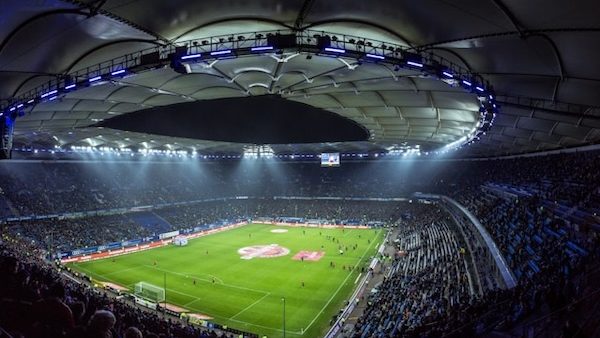
fifa club world cup stadium

About the Tournament

The FIFA Club World Cup has been a fixture on the international stage for years. Founded in 2000 as an annual competition, it ran every year until 2023 (except for a break from 2001–2004), bringing together the best clubs from around the world. FIFA initially hoped the tournament would rival the success of the UEFA Champions League.

Over time, the tournament faced challenges in gaining global recognition, competing against established leagues and continental championships. Still, its ability to bring together top-tier clubs from diverse regions earned it prestige among football fans.

After the 2023 edition concluded, FIFA announced that the Club World Cup would become a quadrennial event (held every four years) starting in 2025.

What to Expect This Year

The 2025 edition will feature 32 teams from five federations: AFC (Asia), CAF (Africa), Concacaf (North and Central America and the Caribbean), OFC (Oceania), and UEFA (Europe). Eight groups of four teams will compete in a round-robin format, with the top two teams from each group advancing to the knockout stages. The tournament has a $1 billion prize pool.

FIFA will debut body cameras for referees and enforce stricter penalties for goalkeepers wasting time. A total of 117 match officials—35 referees, 58 assistant referees, and 24 video match officials—from 41 member associations will oversee matches, including two from the Premier League. FIFA hopes that a diverse and highly reputable officiating pool will reduce referee controversy, an issue that marred the 2024 Copa America.

players with ball in fifa club world cup

FIFA Club World Cup’s Community Impact

Local communities and cities like Atlanta are already reaping the benefits of the tournament. Recently, FIFA President Gianni Infantino announced that FIFA would be donating $1 million towards the sport’s development in the Atlanta community. 

Infantino said, “it’s important to support a city’s social life—maybe with mini soccer pitches for kids where they’re needed most. That ball isn’t just a sports tool; it’s a source of joy and happiness.”

Where Brands Can Win

The Club World Cup has presented numerous branding opportunities, including the trophy itself. This year’s 24-karat gold trophy is custom-made by world-renowned jeweler, Tiffany & Co. The brand took to Instagram to unveil the collaboration, calling it “a proud symbol of [their] long-standing commitment to sporting excellence.”

Other sports properties are finding ways to align themselves with the tournament. The Philadelphia Eagles brought some international flair to Lincoln Financial Field, inviting FIFA to show off the Club World Cup trophy next to the Lombardi. Eight Club World Cup matches will kick off there later this year. 

More U.S. cities and sports organizations like Miami, Dallas, and Los Angeles are building partnerships around the Club World Cup, using the tournament’s momentum to create marketing activations tied to global soccer.

The tournament also creates momentum for the 2031 Women’s World Cup, which will be held in the United States. FIFA’s president has already teased Atlanta as a potential host city, reinforcing the America’s growing role in global soccer.

fifa club world cup stadium

Soccer’s Growing Footprint in the U.S.

All Club World Cup host cities are set to receive $1 million from FIFA in legacy contributions to help grow soccer and build community pitches after the tournament ends.

FIFA’s legacy contributions to Club World Cup host cities are part of a bigger effort to invest in local soccer infrastructure. FIFA President Gianni Infantino emphasized the need for more accessible facilities in North America, calling it a key step toward growing the sport at the grassroots level.

FIFA Club World Cup’s Economic Impact

The winning team will walk away with $125 million of the $1 billion prize pool. That kind of payout is enough to lure the world’s biggest clubs away from traditional pre-season tournaments, which have been especially lucrative for European teams.

FIFA projects that the Club World Cup combined with the World Cup in 2026 will have an economic impact of $47 billion, create 290,000 new jobs within the United States, and $62 billion in gross domestic product globally over the next two summers.

fifa soccer player kicking the ball

The Future of Global Sports Partnerships

The economic impact of the Club World Cup and the 2026 World Cup shows the growing value of global sporting events for cities, industries, and brands. As new opportunities open across emerging sports markets, brands that move early will be best positioned to win.

At Athelo Group, we help brands seize these opportunities by building strategic partnerships across new and growing sports properties worldwide. As momentum around the global game continues to build, the possibilities for brands willing to invest early have never been greater.

WWE’s WrestleMania 41 Continues Its Record-Breaking Run

WrestleMania 41 was nothing short of historic. Held in Las Vegas, it proved itself as one of the most watched, talked-about, and profitable sporting spectacles of the year. 

Beyond the ring, it marked the peak of WWE’s evolution, driven by smart business strategy, massive digital growth, and an entertainment model tailor-made for the social media era.

In the last five years, WWE has managed to build one of the most successful business models in all of sports entertainment.

wrestlemania 41 wrestler

From 19,000 Fans to Over 100 Million Eyes

WrestleMania was born in 1985 at Madison Square Garden. Back then, the main draw was Hulk Hogan and Mr. T, accompanied by celebrity appearances from Muhammad Ali and Cyndi Lauper.

Over 19,000 fans packed the arena with another million watching via closed-circuit TV–  a bold experiment that would go on to be a pinnacle event for the WWE brand.

By WrestleMania III (1987), the live crowd had jumped to 93,173 at the Pontiac Silverdome, a record that held for decades.

WrestleMania 32 (2016) pushed that number to 101,763 at AT&T Stadium in Texas. The scale of the event kept rising, but it’s been the digital transformation over the last 3–5 years that has truly sent viewership into the stratosphere.

Recent WrestleMania Viewership Growth

  • WrestleMania 36 (2020) debuted the two-night format.
  • WrestleMania 38 (2022) brought that format to full stadium capacity, backed by strong attendance and growing digital engagement.
  • WrestleMania 39 (2023) shattered records with:
    • Over 500 million social media views.
    • $21.6 million in gate revenue.
    • 11 million hours of video consumed over the two days, a 42% increase over WrestleMania 38. 
  • WrestleMania 40 (2024) raised the bar again:
    • 145,298 fans packed the stadium across two nights.
    • 660+ million social media views, the most in WWE history.
    • 67 million YouTube views in a single day, a channel record.
    • Gate revenue surged 78% year-over-year, nearing $40 million.
    • Total viewership jumped 41% compared to WrestleMania 39.
    • The return of The Rock and the payoff to Cody Rhodes’ storyline drove immense engagement.
wrestler in wrestling match

WrestleMania 41 Results

WWE reported a combined attendance of 124,693 across both nights at Allegiant Stadium—61,467 on Night 1 and 63,226 on Night 2—marking a sellout. While official streaming numbers are unconfirmed, the Netflix, Peacock, and YouTube broadcasts averaged 85,000 live viewers.

Jey Uso Wins World Heavyweight Championship
Jey Uso opened Night 1 by submitting Gunther to win his first world title, ending Gunther’s 259-day reign. The 2025 Royal Rumble winner used three top-rope splashes and a rear naked choke to seal the win.

Seth Rollins Takes Main Event of Night 1
In a Triple Threat match, Seth Rollins defeated Roman Reigns and CM Punk after Paul Heyman shockingly turned on both Reigns and Punk, handing Rollins a steel chair. This marks Rollins’ third WrestleMania main event win.

John Cena Secures Record 17th Title
On Night 2, John Cena beat Cody Rhodes to become a 17-time world champion, breaking Ric Flair’s record. Assisted by Travis Scott and underhanded tactics like a low blow and a title belt strike, Cena’s win was part of his 2025 retirement tour and likely his final WrestleMania match.

WWE’s Digital Strategy: YouTube and Beyond

At the heart of WWE’s explosive growth is its YouTube presence, where the company’s ability to package thrilling, highlight-driven moments perfectly suits the platform. As of 2025, WWE’s channel has:

  • Over 108 million subscribers
  • More than 93 billion lifetime views
  • Ranked as the 11th most-subscribed YouTube channel in the world

WWE’s blend of scripted drama and athletic spectacle is engineered for digital consumption. The viral potential of finishers, crowd reactions, and dramatic storyline twists creates a loop of engagement across YouTube, TikTok, Instagram. 

wrestling match similar to wrestlemania 41

The Business Behind the Boom

WWE’s success isn’t just creative storytelling, it’s strategic outlining and planning. Since 2019, the company has more than doubled its EBITDA, going from $175 million to $415 million by 2023, ahead of the TKO merger with UFC

This growth came despite cutting back on 75% of non-televised events, a bold decision under the leadership of Nick Khan, Ari Emanuel, and Mark Shapiro. Rather than exhausting talent with constant shows, WWE focused on fewer, bigger events that allowed for their crown jewel events like WrestleMania to flourish. 

What Comes Next After WrestleMania 41?

With WrestleMania 41’s success, it’s clear WWE has found a model that works beyond wrestling. It has become a masterclass in brand building, digital growth, and live event strategy that any sports league would envy. As WWE continues to grow its global following, expand its streaming presence, and build stars who transcend the ring, WrestleMania will only get bigger.

The ability to capitalize on social media figures like IShowSpeed, Logan Paul, and Travis Scott also helps grow the sport and drive viewership to WWE’s polished highlights content on YouTube and other platforms. Travis Scott’s walkout during the peak of the Cena and Rhodes match shows WWE’s ongoing effort to bring in celebrities and connect with new audiences.

What started as a gamble in 1985 has become one of the most dominant entertainment franchises on the planet.

IndyCar 2025: FOX Sports Deal & What It Means for Racing Fans

IndyCar is accelerating into a new era of visibility as fans tune into races like never before. In June of last year, IndyCar and FOX Sports announced their multi-year partnership to bring all 17 NTT IndyCar Series races to fans tuning in on TV or via the Fox Sports App. In the season-opening race in St. Petersburg, Florida, the race drew record-high viewers for any non-Indy 500 event since 2011. 

As the new home of the ‘Greatest Spectacle in Racing,’ FOX Sports has introduced several technological innovations to enhance the viewing experience. With premier production and top-tier promotion, FOX is bringing the excitement to new audiences. The biggest winners of this record-setting viewership are the corporate partners riding shotgun with race teams this season.

Quick Highlights

  • FOX’s St. Pete broadcast marked the largest non-Indy 500 audience in over a decade with 1.4 million viewers.
  • The 2025 season has seen double-digit percentage growth in viewership among fans aged 18 to 34.
  • FOX Sports broadcasts now include over 12 in-car cameras, heads-up display overlays, and extensive drone coverage.
  • Practice No. 1 and qualifying for Race 2 averaged 323,000 viewers on FOX — compared to just 20,000 average viewers on Peacock during NBC’s tenure.
  • Fox’s 2025 IndyCar marketing campaign generated almost 90% positive sentiment on social media ahead of its debut.
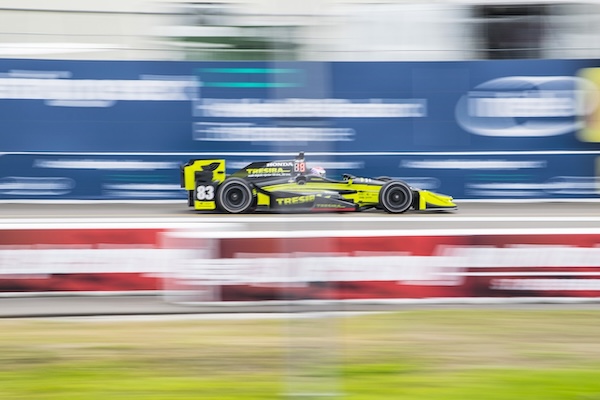
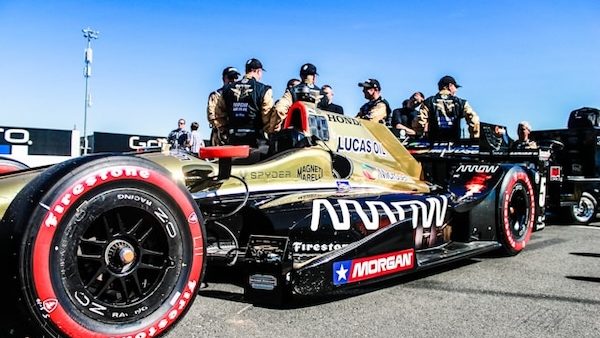
indycar series drivers posing with car

FOX’s Innovative Coverage

FOX Sports has revolutionized the 2025 IndyCar Series broadcasts, leveraging its 25 years of experience with NASCAR. New technology includes the extensive use of drone cameras, offering unique aerial perspectives that highlight the speed and strategy of races. Additionally, FOX’s “GhostCar” AI feature provides live overlays of a virtual vehicle, similar to the technology used by the NFL combine to compare athletes’ 40-yard dash paths.

12+ in-car cameras and the integration of heads-up-displays for drivers and fans are another new addition. As drones take to the sky to capture creative camera angles, their value on street courses becomes very clear. Aerial shots of the race allow fans at the race track to view far more of the action than they would otherwise have access to. 

FOX Sports will introduce a driver’s eye POV camera later this season similar to ESPN’s recent F1 broadcasts. These innovations, alongside a new graphics package inspired by IndyCar machinery, set a new gold standard in motorsports broadcasting.

indycar series race

Impact on Race Day Ratings

With the help of FOX Sports, the 2025 IndyCar Series drew the largest non-Indy 500 audience in over a decade. Alex Palou’s victory at the Firestone Grand Prix in St. Pete garnered an average of 1.4 million viewers.

Viewership dropped for the second race of the year, partly due to its scheduling overlap with the NASCAR Cup Series’ Straight Talk Wireless 400. However, an average of 323,000 fans tuned into Friday’s Practice No. 1 and Saturday’s qualifying session broadcasts. When NBC aired these sessions on Peacock, the average viewership was only 20,000.

The FOX Sports effect on both broadcast quality and ratings has been tangible to start the season. This weekend’s race continued the trend.

indycar series car driving on track

Corporate Sponsorship Implications

The jump to FOX Sports isn’t just a ratings win for the 2025 IndyCar Series, it’s a branding bonanza. Some of the biggest winners have been the corporate partners that are leveraging the 2025 IndyCar season for what it is — the sport’s breakthrough year. Increased visibility from network television means more eyeballs on logos, liveries, and on-track activations than in previous seasons.

The 2025 season’s first races have also drawn a younger audience than ever before. Amidst the booming popularity of motorsports dating back to the release of Netflix’s Drive to Survive, NBC-tenured IndyCar struggled to capture younger fans. 

Just two races into the FOX era, the number of fans between 18 and 34 has seen double-digit percentage growth. Brands seeking to capture the brand loyalty of this valuable segment have reaped the benefits of this growth through their partnerships with race teams so far this year.

Non-endemic motorsports brands have phenomenal reach to audiences beyond the dedicated racing fans with FOX as the new broadcast provider. Living room TVs across America are increasingly tuned in to FOX Sports’ broadcasts of race weekends, but are also more frequently advertising the races thanks to FOX’s promotional campaigns.

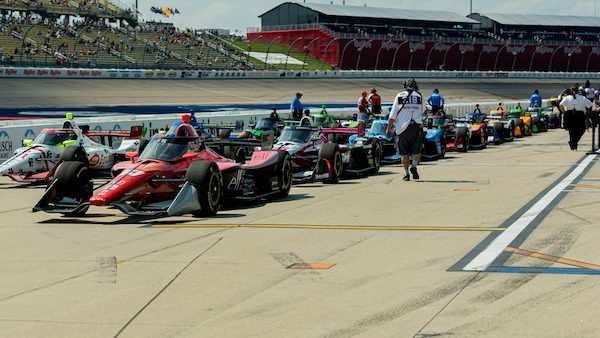
indycar series drivers lining up for race

How Brands Can Maximize IndyCar’s Impact

The best way to maximize motorsports partnerships during the sport’s current surge is by engaging fans on and off the track. Drivers like Conor Daly are growing their influence through social media and podcasts, creating new spaces for brands to connect. Co-branded content and influencer-style campaigns help partnerships reach beyond core race fans and tap into broader audiences.

Netflix’s Drive to Survive proved fans want behind-the-scenes content and personal stories. Gen Z, in particular, responds to fast, authentic short-form content that feels real. When brands show up in these spaces on race weekends, they build stronger ties with fans and add depth to their sponsorships.

The sponsors that will win are those thinking beyond signage. FOX may be boosting motorsports visibility, but brands need to turn that attention into lasting fan connections. At Athelo Group, we help brands make the most of this opportunity.

Sports Marketing Influencers: How to Choose the Right Partners

In today’s digital environment, consumers are bombarded with content, making it difficult for brands to stand out. One effective way to break through the sports marketing noise is by partnering with the right sports personalities. These athletes not only reflect the brand’s values but also create strong emotional connections with their audiences.

Recent research in influencer marketing and consumer psychology highlights the growing influence of athlete endorsements on brand trust, credibility, and loyalty. As marketing strategies evolve, trust remains crucial, especially in sports, where the authenticity of a campaign can highly impact its success.

Quick Highlights

  • SMART objectives help brands can make more strategic partnership decisions while streamlining the athlete selection process.
  • 61% of people trust influencers more when their values align with a brand’s.
  • Micro-influencers with 10,000 to 100,000 followers can achieve up to 60% higher engagement rates compared to larger influencers.
  • 83% of marketers state that long-term collaborations outperform short-term ones.
  • Authenticity drives sales, as 92% of consumers trust influencer recommendations more than traditional ads.
adidas brand shoe in sports marketing campaign

Identifying Brand Goals and Objectives

The first step in selecting the right influencer is understanding your brand’s goals. Are you aiming for increased awareness, loyalty, or promoting a specific product? Knowing your objectives will guide the choice of an athlete who can spark the right kind of engagement.

A prime example of this is Nike’s partnership with marathoner Eliud Kipchoge for the Breaking2 campaign. The collaboration wasn’t just about selling shoes; it was about showcasing Nike’s commitment to innovation and pushing human limits. The 2017 campaign solidified Nike’s credibility in the running community and inspired athletes around the world to strive for greatness.

Athletes vs. Digital Influencers

When it comes to brand partnerships, choosing between athletes and digital influencers comes down to impact. Athletes bring a level of authenticity and deep fan loyalty that influencers can struggle to match. When someone like Serena Williams or Patrick Mahomes endorses a product, fans see it as a genuine extension of their success. 

Digital influencers, especially those in niche sports, are rewriting the playbook. Fitness personalities like Noelle Benepe or lacrosse star Paul Rabil have built strong, engaged communities that brands are eager to tap into. In 2022, micro-influencers with audiences between 10,000 and 100,000 followers achieved engagement rates up to 60% higher than top-tier social media celebrities. 

Brands aiming to scale visibility fast often find success partnering with athletes who dominate on and off the field. Athletes active in mainstream sports already have exposure across ESPN, brand deals, and global fanbases. Meanwhile, brands looking to foster stronger ties within specific communities are finding that working with smaller influencers can drive more authentic and lasting connections.

athlete influencer in fitness sports marketing campaign

The Athlete-Brand Fit

Picking the right sports influencer is about more than just numbers. It starts with making sure the athlete’s values, public image, and the brand’s mission actually fit together. In a 2021 Edelman survey, 61% of people said they trust influencers over traditional celebrities, but only when the partnership feels real and aligned.

When the athlete’s personal brand lines up with the company’s message, the connection hits harder. Athletes with a clear focus use storytelling to show fans what they stand for, which makes them a natural fit for brands that share their values. A partnership that feels forced never works, but when it clicks, fans notice.

A perfect example is the Wow Wipes campaign, where Athelo Group teamed up with athletes like Brisa Hennessy, Zoe Benedetto, Dani Speegle, Kyra Milligan, and Alex Aust. Every athlete lives a high-intensity, on-the-go lifestyle, so showing them using the product felt natural. That authenticity is what made the campaign take off and why followers bought into it.

On a larger scale, Beats by Dre’s partnership with LeBron James proves how powerful a real match can be. LeBron’s work ethic, intensity, and cultural impact synced perfectly with Beats’ brand of performance and street-smart style. When fans saw that connection, it became a social movement.

The Power of Knowing Your Audience

After finding the right athlete, brands must ensure the athlete’s audience matches their target market. A large following isn’t enough if the fans aren’t the right fit. Brands have to look at factors like age, location, and buying habits to make sure the partnership will actually move the needle.

Coca-Cola nailed this during the 2014 World Cup by partnering with Lionel Messi. As an official sponsor of the tournament, Coca-Cola made Messi the face of a campaign built around a $500 million global marketing push. His reach across Latin America, Europe, and Asia helped drive a 5% sales increase in Latin America alone, making it one of Coke’s strongest performances worldwide. Coca-Cola even localized its messaging by country to personalize the campaign everywhere it ran.

The best partnerships happen when brands actually know their audience. Without solid audience data, even the biggest campaigns can miss the mark. A Nielsen report found that only 26% of marketers fully trust their audience data, which shows just how much room there is to get sharper and smarter in building athlete collaborations that actually land.

sports player throwing soccer ball

Why Focusing on Long-Term Partnerships Matters

One-off influencer campaigns create quick buzz, but long-term partnerships build real brand loyalty. When a brand works with an athlete over time, the connection with fans grows deeper and feels more authentic. A lasting relationship turns a brand’s message into part of the athlete’s story.

A prime example of this is Nike’s 27-year partnership with Tiger Woods. This enduring relationship has allowed Nike to not only market products but to integrate Woods’ personal journey into their brand narrative. The star became the face of the Nike Golf brand, representing excellence and perseverance.

This evolution aligns with the broader trend of athletes taking on entrepreneurial roles. Rather than serving as temporary endorsers, many athletes are now seeking equity stakes and long-term involvement in the brands they represent. We’ve seen this with Woods’ creation of TMRW Golf League and Allyson Felix’s women’s footwear brand Saysh, which raised $8 million in Series A funding. 

The shift toward deeper partnerships matters for brands too. A Marketing Dive report found that 83% of marketers believe long-term influencer relationships are more effective than short-term deals. Fans stick with athletes they believe in, so long-term partnerships help brands build deeper trust and stronger recognition among consumers.

Partnerships for Lasting Brand Success

KPIs are important, but they are not the full picture. Long-term partnerships often build value over time by turning athletes into authentic ambassadors who shape how fans see a brand. Real success comes when an athlete’s connection with a brand feels bigger than a single campaign.

Looking ahead, brands that want to expand reach and loyalty in sports will need a smarter strategy. Partnering with a sports marketing agency like Athelo Group can help brands move beyond short-term wins and build long-term athlete relationships. Success will depend less on quick sales spikes and more on deeper metrics like sentiment analysis and brand affinity, setting the stage for partnerships that truly resonate with fans.

NCAA Women’s March Madness: Is the Gender Gap Closing?

March Madness has long been a cultural cornerstone of American sports, drawing millions of viewers and generating billions in revenue. But historically, that spotlight has skewed toward the men’s tournament. In 2025, however, the narrative is shifting.

With record-breaking attendance, landmark media deals, and NIL momentum building for female athletes, the gender gap in college basketball is beginning to narrow.

Quick Highlights

  • ESPN sold out ad inventory for the 2024 Women’s NCAA Tournament, with brands like Nike, State Farm, and Gatorade driving record-breaking revenue.
  • The 2023 Women’s NCAA Championship drew 9.9 million viewers, shattering previous records and outdrawing the NBA on several nights.
  • NIL valuations for top women’s basketball players are rising, with young players like Flau’jae Johnson climbing to an estimated 1.5 million in 2025.
  • The WNBA secured a landmark media rights agreement valued at $200 million annually, underscoring a growing investment in women’s sports.
  • Athletes like Caitlin Clark, Angel Reese, and Paige Bueckers have become household names and top NIL earners, setting the tone for long-term brand building.

The Rise of Women’s March Madness

For years, the NCAA Women’s March Madness tournament was treated like an afterthought—less coverage, fewer resources, and minimal marketing support. In 2021, viral social media posts exposed the glaring disparities between the men’s and women’s facilities, sparking outrage and forcing the NCAA to reevaluate its approach. 

By 2023, the results spoke for themselves. The women’s championship between LSU and Iowa averaged nearly 10 million viewers—a 103% increase from the previous year.

That level of visibility translated into influence. Players like Angel Reese and Caitlin Clark became not just stars, but brands. The energy of March Madness has evolved from one-month hype to year-round momentum for women’s basketball.

women's basketball player preparing to shoot the ball

NIL and the Power of Personality

Female athletes are increasingly building NIL success by leaning into personality, community, and storytelling. Rather than relying solely on on-court dominance, they use lifestyle branding and authentic messaging to engage fans.

USC’s Juju Watkins, one of the most exciting sophomores in the country, has already inked deals with Nike and Celsius.

LSU’s Flau’jae Johnson, known equally for her basketball skills and her music career, boasts partnerships with Puma and Raising Cane’s.

Meanwhile, Hannah Hidalgo, Notre Dame’s breakout guard, has seen a spike in national attention due to her tournament performance, setting her up for NIL growth in 2025 and beyond.

These rising stars are reshaping the NIL conversation—and providing proof that success in college sports doesn’t need to wait for a pro contract.

players in women's march madness game

A Media Machine Catching Up

ESPN and ABC have upped their investment in women’s sports. For the first time, all rounds of the Women’s NCAA Tournament are being broadcast across national networks. Media rights for the tournament are expected to grow exponentially in the next deal cycle, signaling long-term confidence in the product. 

Sedona Prince, known for her viral TikToks and advocacy, recently signed a deal to host a digital March Madness breakdown series. As media becomes more decentralized and athlete-driven, women are leading the charge.

Our Take on What’s Next

There’s still work to do– pay gaps, media bias, and cultural expectations haven’t disappeared. But the tide is turning. With continued investment, athlete empowerment, and a new generation of fans demanding equity, March Madness might just become the most balanced battleground in sports. This shift is not only reshaping the game but also redefining the power dynamics within the sports industry.

At Athelo Group, we’ve always believed the future of sports is inclusive, marketable, and athlete-powered. NCAA Women’s March Madness is proving just that.

Whether it’s through NIL innovation, brand building, or audience engagement, female athletes are stepping into the spotlight and staying there. As this movement grows, we’re committed to supporting the athletes driving it forward.

The Rise of Behind-the-Scenes Content Like NFL Hard Knocks

Early sports media focused almost exclusively on performance, leaving little room for the personal side of athletes. Today, social media and behind-the-scenes content like NFL Hard Knocks are shifting that dynamic. Stars like LeBron James and Naomi Osaka are using their platforms to discuss mental health and social issues, building deeper connections with fans. 

As fans demand more than just scores and stats, behind-the-scenes footage and shows offer an intimate look into athletes’ lives, helping break down the barriers between professional sports and their audiences. As technology has evolved, fans now expect more from the brands they follow, driving digital platforms to enter the sports industry.

Quick Highlights

  • Personal connection for fans, especially younger demographics, makes them more likely to support an athlete or team.
  • 70% of Gen Z fans keep up with social media posts and updates from their favorite teams.
  • Netflix’s “Drive to Survive” achieved over 90 million viewing hours for Season 5 during its first few months.
  • NFL Hard Knocks’ 2024 premiere smashed records, making it the most-watched premiere in the last 5 years.
  • The “Caitlin Clark effect” led to a $136 million sponsor media value in the 2024 WNBA regular season, driven by increased social media engagement and fan interest.
  • 31% of Gen Z sport fans want access to BTS content from athletes.
players on nfl hard knocks

The Shift in Sports Media

Sports media was dominated by companies like ESPN, CBS, and FOX, focusing primarily on broadcasting rights, interviews, and highlight reels, often overlooking athletes’ personalities and team operations. This surface-level coverage didn’t give fans insight into aspects like training, locker room culture, or travel.

For example, Pat McAfee, once a low-profile punter for the Indianapolis Colts, became a household name after joining ESPN. His radio show and takeover of College GameDay allows him to showcase his fun-loving personality, connecting with fans on a more personal level. His engaging presence increased viewership in the 18-to-24 demographic by 34% compared to the previous year.

As platforms like YouTube, Instagram, and X gained popularity, athletes and teams found new ways to connect directly with their fans. This shift has fueled a demand for continuous content, with fans now seeking more involvement and connection beyond just the games.

NFL Hard Knocks Peels Back the Curtain

Behind-the-scenes footage allows fans to peek inside the lives of their favorite teams, making them more than just figures on a screen. This access creates a level of intimacy that was previously unavailable, helping to build deeper connections.

The NFL has capitalized on this trend through its in-house content development with NFL Films, showcasing players in dramatic, inspiring ways using exclusive footage. The content creates a new connection point for fans, making them feel closer to the athletes.
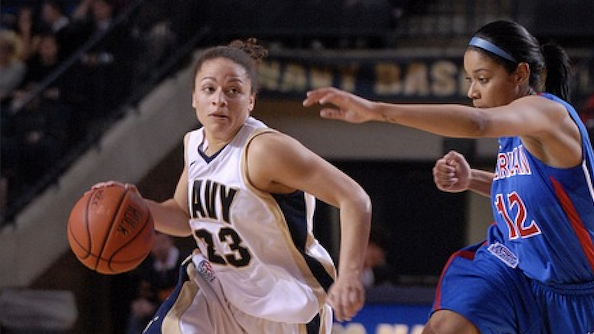
The NFL’s Hard Knocks series has been a successful avenue for offering fans a closer look at teams throughout the season. Recently, the series expanded to include off-season and training camp coverage, providing a more comprehensive view of team dynamics. During the 2024 season, viewers got an inside look at the New York Giants’ decision-making process regarding star running back Saquon Barkley, a storyline that sparked widespread conversation among fans.

social media apps to follow nfl hard knocks content

Netflix and Formula 1 Draw New Audiences

Netflix broke into the live sports industry by broadcasting NFL/ NBA games and WWE’s Monday Night Raw, but initially lacked surrounding programming and storytelling. Formula 1, a major European sport, hadn’t gained significant traction in the United States until the league partnered with Netflix. To diversify their portfolios and tap into new fan bases, Netflix and F1 collaborated to create Drive to Survive.
Drive to Survive offers unprecedented access to drivers, managers, and team owners, providing fans with previously unavailable insights. The series has significantly expanded F1’s audience. Over 6.8 million viewers have tuned in globally, with 31% of the audience aged 18 to 29.

Viewers witness athletes navigating personal and professional challenges, from team politics to media scrutiny, deepening their connection to the sport. By showcasing intense rivalries and behind-the-scenes moments, the series drives loyalty among fans, enhancing their understanding of both the on-track action and off-track dynamics.

More Than The Game: Knowing The Ins And Outs

Due to social media’s popularity with younger audiences, sports teams have shifted focus to content beyond just the game. For example, 29 of the 32 NFL teams have joined TikTok. Each team averages 234,000 followers, highlighting widespread adoption and engagement across the league.

Several NFL teams, including the Los Angeles Chargers, use the platform to showcase roles that help athletes perform at their best. For example, the Chargers posted a video of their dietician preparing for game day, surprising fans with the behind-the-scenes look.

Other teams, like the Tampa Bay Buccaneers and New England Patriots, have followed suit. The Buccaneers highlighted the challenges of booking hotels for the team, while the Patriots gave fans an inside look at their equipment team’s preparations for a new player’s arrival.

@patriots

equipment gearing up for the new guys to arrive 🏈 #newengland #patriots #equipment #eq

♬ original sound – New England Patriots

When Athletes Become Influencers

Athletes are a powerful source of insider content, admired by fans eager to learn more about them. With the rise of social media, many athletes have embraced the role of influencers, using their platforms to build personal brands, connect with fans, and offer exclusive behind-the-scenes content.

Rugby star Ilhona Maher gained fame during the Paris Olympics with her relatable, empowering TikTok posts. Her social media presence helped her land a spot on Dancing with the Stars, and she’s now known for her authentic views on body image and the balance between strength and femininity.

While athletes often gain large followings based on their sports achievements, more are using social media to create exclusive content and connect with fans. Athlete influencers see a 3.9% engagement rate on Instagram, significantly higher than standard influencers. LSU gymnast Livvy Dunne, for example, has become a prominent figure despite gymnastics’ lower profile, sharing personal and athletic content to make herself more relatable to fans.

fans at a sports game

A New Future For Sports Fandom

Seeing athletes beyond the stat lines humanizes them, helping fans connect on a deeper level. More detailed and holistic coverage lets fans feel part of the team, enhancing the fan experience.

At Athelo Group, we specialize in storytelling that humanizes athletes, building personal brands and stronger fan connections. We highlight each athlete’s unique journey—like Chris Ruden, an elite powerlifter with Type 1 diabetes who uses his story to inspire others. We’ve helped him partner with brands like Eversense to strengthen his connection with his audience and make a positive impact.

The shift toward behind-the-scenes content reflects the changing nature of sports media. Simply covering the game isn’t enough anymore—fans want more insight into athletes’ lives and challenges. As the industry adapts, this deeper connection leads to greater fan engagement and loyalty.

Become a Sponsor.

Join us in making a difference. Tell us a bit about yourself and we’ll be in touch with sponsorship details.

By submitting this form, you agree to be contacted by the Athelo Group team regarding sponsorship opportunities.