Sports Docuseries: On the Rise or Losing Steam?

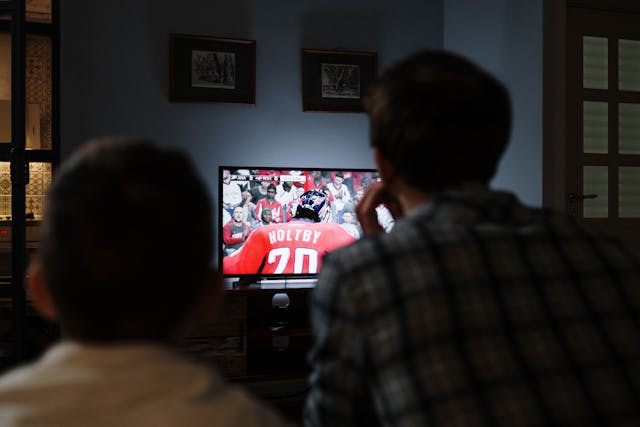
As streaming continues to dominate the entertainment industry, sports and TV are blending seamlessly into the popular sports docuseries genre. 

Shows like Drive to Survive and Full Swing have proven they can captivate large audiences of sports fans, casual viewers, and even newcomers to the sport.

What makes these sports docuseries so compelling to a variety of audiences? It seems like Netflix has the answer. 

Quick Highlights:

  • Between October 2024 and February 2025, Netflix increased its sports catalog by 98.6%.
  • After watching the Netflix series Drive to Survive, 34% of US viewers became an F1 fan.
  • From 2021 to 2024, 33% of consumers watched sports documentaries.
  • In just one week, Quarterback recorded 3.3 million views, with over 21 million hours watched.
  • As of Q2 in 2025, sports count for 12% of commissioned documentaries, an increase from 3% in 2019.
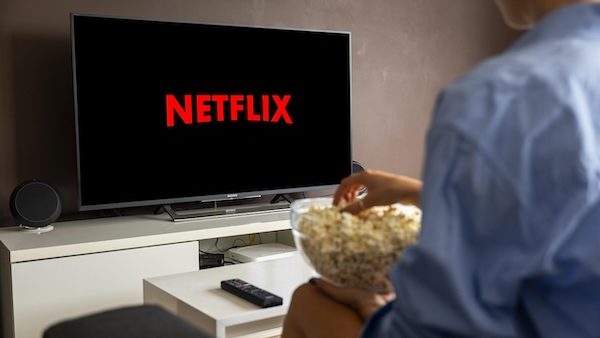
person watching netflix sports docuseries

The Beginnings of the Sports Docuseries

The sports docuseries trend began with HBO’s Hard Knocks, which debuted in 2001. This groundbreaking series offered unprecedented access to NFL locker rooms and facilities, giving viewers a behind-the-scenes look at top teams. Hard Knocks remains a staple, releasing new seasons to this day.

In 2020, ESPN and Netflix released The Last Dance. During the global pandemic, when sports fans were desperate for content, the series offered an in-depth, behind-the-scenes look at one of the greatest athletes of all time, Michael Jordan. The show quickly became a cultural phenomenon.

The Last Dance averaged 5.6 million viewers per episode, won an Emmy for outstanding documentary, and became ESPN’s most-watched docuseries, surpassing even the beloved 30 for 30 series.

The Potential of Success and Viewership

As Netflix continues to release new series across various sports, the impact on viewership is often compared to that of Drive to Survive, Netflix’s Formula 1 docuseries.

First airing in 2019, Drive to Survive has continued to captivate audiences, with its seventh season released this year. Many credit the series with introducing Formula 1 to a broader, more diverse audience.

The numbers speak for themselves. Average viewership of Formula 1 in the United States soared to 934,000 in 2021, a 71% increase since the first season. Today, the racing championship draws an average of 1.3 million viewers per race. 

This success has sparked other sports, both niche and mainstream, to create their own docuseries in hopes of attracting similar new, younger, and casual audiences.

formula 1 car

The Netflix Blueprint

Sports docuseries make up a small slice of the streaming landscape, accounting for just 0.72% of titles and 0.74% of streaming revenue. 

While these numbers seem small, the picture changes when Netflix is excluded. Without Netflix, sports docuseries represent 0.75% of titles but only 0.56% of streaming revenue, showing how the platform has set itself apart in this subgenre.

One example of Netflix’s success is the NFL docuseries Quarterback, which topped the U.S. most-watched chart within just two weeks and also cracked the top 10 in Canada, Switzerland, and Ireland. Following Quarterback‘s success, shows like Receiver and Any Given Saturday adopted a similar production style and achieved comparable success. 

Netflix’s formula focuses on unique storytelling, highlighting the stars not just as athletes, but as individuals. It offers a behind-the-scenes look at their personal lives, revealing the highs and lows of the sports that brought them fame.

Can the Drive to Survive Effect be Repeated?

It’s far from a sure thing.

Drive to Survive showed how a sports docuseries can transform viewership, but not every title sparks that same magic. When Netflix released the track and field series SPRINT in 2024, fans hoped for a Formula 1–style boom. The series earned positive reviews, but the sport’s overall audience has yet to see a major lift.

Some projects have faced even steeper challenges. Netflix’s rugby series Six Nations: Full Contact made brief appearances in the top 10 of several countries, yet it never broke into the global top 10 and was cancelled after just two seasons.

The tennis docuseries Break Point met a similar fate. It ran for two seasons before ending, and one fan pointed out that in 2023 it ranked 617th among Netflix shows, well behind its Formula 1 and PGA Tour counterparts at 121 and 274. Those numbers underline just how difficult it is to match the reach of the genre’s biggest hits.

While Netflix continues to produce high-quality sports storytelling, the success of a docuseries often depends on finding the perfect mix of sport, personalities, and drama. The Drive to Survive effect isn’t impossible to repeat, but it’s a high bar to clear.

sprinter on netflix sports docuseries SPRINT

Recent Difficulties for Sports Docuseries

In some of the recent series released, Netflix has received complaints about its approach to certain sports.

Many fans of track and field pushed back on the SPRINT series, with one report claiming, “It doesn’t want to tell a story. It wants to sell the sport.” A common criticism is that the series focuses almost exclusively on winners, leaving out the struggles and realities faced by athletes who don’t reach the podium.

As the genre’s popularity has grown, some athletes have taken a more active role in shaping their own narratives. Star soccer player David Beckham, for example, served as executive producer on his own docuseries and chose its director. While not inherently an issue, critics pointed out that controversial parts of his story were missing, raising concerns about athletes controlling the narrative.

Adding to the challenge, Netflix has already released 13 sports docuseries in 2025, with seven more planned before year’s end. With so many titles flooding the market, there’s a real possibility of viewer fatigue. In a crowded field, not every series can replicate the success the genre has enjoyed in the past.

What to Look For in the Future

As interest in the genre grows, many other sports are exploring docuseries of their own. Sports like CrossFit and surfing could benefit athletes such as Athelo Group’s Dani Speegle, Emily Rethwill, Brisa Hennessey, and Zoe Benedetto.

For these projects to succeed, they need to tell stories that authentically reflect the sport rather than simply spotlighting a few star athletes. Taking more time between releases could also help maintain audience interest and avoid oversaturation.

Docuseries have real potential to expand a sport’s audience, but success will depend on how streaming platforms approach production and storytelling as they work to keep public interest high.
Incoming Social Media Trend: The Hybrid Athlete

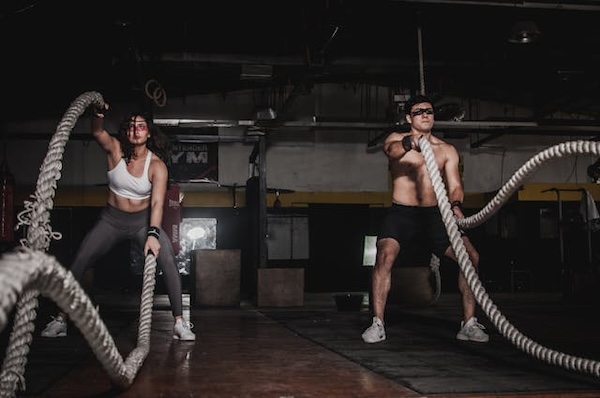
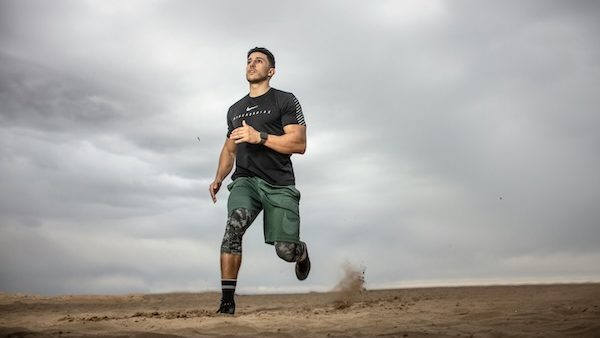
The hybrid athlete weaves strength and endurance into a training style that’s gaining traction on Instagram and TikTok. Once separated into distinct worlds like bodybuilding, CrossFit, and running, these disciplines are now merging into a performance-driven lifestyle that offers strong potential for brand placement.

This shift reflects a generational change in how fitness is approached online. Gen Z’s focus on balance and overall wellness, accelerated by the Covid-19 pandemic, has pushed the industry toward a more holistic approach to training.

Quick Highlights 

  • The #hybridathlete tag has surpassed 280K posts and 85M TikTok views, with creators like Alex Kukla, Nick Bare, and Ashley Horner driving daily content.
  • Hybrid fitness events like HYROX are seeing over 600,000 competitors in the 2024/25 season, up from just 650 at launch.
  • HYROX reached 1 million tickets sold in May 2025, signaling explosive growth.
  • CrossFit Open 2025 saw a 32% decline in registrants while HYROX’s greater accessibility drove a surge in participation. 
  • Brands like PUMA, Red Bull, and Amazfit are sponsoring hybrid fitness events. Peloton also joined HYROX last week with a new collaboration.
hybrid athlete running in desert

A New Breed of Athlete

Gone are the days of the one-dimensional fitness influencer. This new wave of hybrid creators might deadlift 400 pounds for sets, then knock out a 6-mile ruck right after.

Luke Hopkins stands out on social media for showcasing the hybrid lifestyle. His day in the life video garnered 1M+ views on YouTube, which included:

  • 6:00 AM – 29.14 mile stationary bike averaging 188 watts
  • 8:15 AM – 8 mile run averaging 8:17 pace
  • 12:15 PM – Deadlift for sets up to 405lbs, then back workout
  • 4:20 PM – Form work in the pool 

Viewers gravitate to this content because of the sheer volume of work and the discipline it takes to maintain. The “day in the life” format gives an inside look at the hybrid athlete’s mindset and training load.

Hybrid Events: The Newest Branding Arena

As hybrid athletes gain momentum, hybrid events are exploding in popularity. Competitions like HYROX, DEKA, and GoRuck test both strength and endurance through timed circuits of sprints, sled pushes, and lifts, creating plenty of Instagram-worthy moments. 

Brands like Puma, Concept 2, and MyProtein have already jumped on HYROX sponsorships.

Unlike the CrossFit Games, which require years of technical training and multiple qualifiers, hybrid events are open to all fitness levels with simple, time-based rankings. That accessibility makes them appealing to athletes and a prime opportunity for brand activations.

With the sport still growing, it’s a key moment for brands to establish a foothold, much like Rogue and Reebok did early in the CrossFit era.

resistance bike for hybrid athlete

The Gold Rush for Hybrid Athletes 

Brands have a short window to get in early as hybrid athelete-influencers continue their rise. 

Hybrid athletes are highly marketable because of the breadth of products they touch—pre-workout and hydration supplements, heart rate monitors, smartwatches, and athleisure. Their daily training routines create natural opportunities for product integration.

Nick Bare shows the engagement opportunity for this space: his 1.4M+ YouTube and Instagram followers have helped turn Bare Performance Nutrition into a multimillion-dollar brand, powered by his hybrid training content.

With participation in hybrid events climbing each season, these athletes are positioned to become key faces for sponsorships in the next five years, similar to how Athelo Group positioned Liquid IV early in the functional hydration market.

Fresh Faces in Fitness

Gen Z grew up watching Chris Bumstead and Ronnie Coleman dominate YouTube with iconic bodybuilding content, shaping early online fitness culture around muscle and aesthetics.

As that audience matures, so does their definition of health. They’re shifting from pure aesthetics to optimization and performance, wanting athletes who can blend strength, endurance, and longevity.

Will Tennyson is a standout example of this evolution. Known for his mix of hybrid training and highly shareable content, he’s built a 4M+ subscriber YouTube channel and a fast-growing supplement line by leaning into the lifestyle side of fitness. 

His ability to entertain while showcasing training variety has made him one of the most marketable creators in the space.

With hybrid events making this style of training accessible to a broader audience, the opportunity for brands is clear: align with athletes redefining what modern performance looks like.

Breaking Tradition

As social media continues to reward grit and authenticity, expect influencers to keep blurring the line between sports and lifestyle. While traditional fitness partnerships will always hold weight, the future is in creators who combine athleticism with relatable, day-to-day content.

Athelo Group specializes in building strategic partnerships with rising athlete creators, including hybrid athletes. Explore our work to see how athlete influencers are changing the game for brands.

Mental Performance Coaching: The Next Competitive Advantage

Historically, training in sports has centered around physical capabilities like speed, strength, endurance, and mechanics. As sports and competition continue to evolve, athletes, teams, and brands are embracing mental performance coaching. 

From the highest stage of competition in the Olympics, all the way down to youth sports, the mental side of the game is becoming one of the most powerful competitive advantages in sports. Now the focus isn’t just on external results but on strengthening athletes from the inside out.

Quick Highlights:

  • Studies have found that over 35% of athletes have concerns surrounding their mental health.
  • Roughly 73–75% of youth athletes experience performance anxiety, yet less than 15% have access to sports psychology support.
  • An NCAA survey found 30% of female and 25% of male college athletes report constant mental exhaustion during the season.
  • The US Olympic Committee formed a team of 15 full-time mental performance coaches for their athletes, leading a trend among major sporting organizations.
  • Major brands are shifting campaigns to normalize these conversations, with Nike’s “Winning isn’t for everyone” campaign leading the way.
athlete working on mental performance

What is Mental Performance Coaching

Many professionals refer to mental training in sports as essential to the success of an athlete. Mental performance coaching can be seen through an athlete’s composure, confidence, and ability to perform under pressure. 

Most mental performance coaches have sports psychology or counseling backgrounds and use strategies such as breathwork, positive self-talk, and mindfulness training. Athletes like Serena Williams, Usain Bolt, Michael Phelps, and Simone Biles credit part of their success to mental performance coaching.

One of Biles’ coaches, Robert Andrews, has played a major role in helping her stay balanced under pressure. Biles has described the value of having a mental performance coach: “It’s honestly petrifying trying to do a skill but not having your mind & body in sync. 10/10 do not recommend.” 

Many teams are now recognizing mental training as a key focus, especially as the importance of the subject grows for newer generations of sports fans.

The Numbers Don’t Lie

A Harvard study found that MLB players who worked with a mental skills coach during their career extended their playing years by an average of 2.3 years. Those players also performed at statistically higher levels of baseball, reaching the equivalent of 1.25 levels above athletes without access to mental coaching.

In youth sports, the benefits are even more pronounced. Research shows that when young athletes use mental performance tools, enjoyment levels increase by 67%.

Access to these resources also reduces burnout rates by 41% and boosts long-term participation in sports by more than 50%. This suggests that mental coaching can sustain both performance and passion over time.

athlete swimming in pool

Sport Organizations Take Notice

Sport organizations are making athlete mental health a core focus. The United States Olympic and Paralympic Committee now has a full-time psychological services staff of 15 professionals offering support from personal crises to performance guidance.

The NWSL requires every team to have mental health professionals on staff and has adopted general mental health leave policies. These measures aim to protect athlete well-being while boosting on-field performance.

Youth athletes are also seeing stronger support networks. Morgan’s Message, a mental health nonprofit, is active on over 1,600 college and high school campuses, creating resources for younger players.

Teams are also turning to former athletes for support roles. The Seattle Mariners hired Adam Bernero, a former MLB pitcher, to work with players on stress, anger management, and in-game mentality.

Private specialists are contributing too. Hannah Huesman’s company, Mental Sweat, works with brands like Adidas and the MLB, offering one-on-one coaching and team consultations to help athletes “master their mental game.”

Growth of Mental Performance Technology

The rise of new digital platforms and AI programs has contributed to the growth of mental health coaching. In fact, mental training programs are some of the fastest growing categories of sports tech with a 47% projected growth rate through 2026. 

Through this popularity, platforms that integrate wellness features, not just performance stats, have experienced over 3x higher daily user rates.

Looking into the future, youth sports programs are creating a massive $2.3B market opportunity by 2027, highlighting how necessary mental wellness is to all businesses in the sports industry.

athlete in mental performance coaching session

Brands Shifting Their Marketing Strategies

Mental wellness is influencing all aspects of the sports industry, including marketing. Major brands are building campaigns that align with themes of mental strength and vulnerability.

Nike’s 2024 Olympic campaign carried the tagline “Winning Isn’t for Everyone,” highlighting the pressure of elite competition. The ad sparked conversations about mental well-being in a culture long-focused on winning at all costs.

Brands are also weighing how authentically athletes advocate for mental health. Marketability now goes beyond follower counts to include those genuinely invested in the message.

Brisa Hennessy, an AG athlete, exemplifies positioning mental health as a core part of her platform. She has shared her struggles and her path to becoming a stronger, more confident competitor on surfing’s world stage.

Our Outlook

At Athelo Group, we recognize mental performance coaching as a necessity for athletic success. Supporting our athletes’ mental health is a priority, not something we brush over. 

Whether it’s with surfers, CrossFitters, or influencers, we want to work with people who are committed to being their best versions of themselves, both on and off the field.

As the sports world continues to evolve, we see mental health as inseparable from performance, and that belief shapes every athlete’s path forward.

The Athleisure Evolution

Once confined to the gym, athleisure has now made its way to sidewalks, runways, and social feeds. Defined as “casual clothing designed to be worn both for exercising and general use,” the genre has become a staple of modern wardrobes.

Just as athleisure has evolved, so too has the image of the athlete. Sports may launch their public identity, but their personal brand is shaped by lifestyle, style, and authentic self-expression. Athletes today move markets, set trends, and have become cultural figures with athleisure as their official uniform.

Its rise signals a growing fusion between fitness and fashion, reimagining what it means to be well-dressed.

Quick Highlights

  • The global athleisure market value reached $425 billion in 2025.
  • Nike holds strong as the top athleisure brand with a 21% market share followed by adidas at nearly 15%. Lululemon has a market share of 4.76%. 
  • From smart fabrics to sustainable materials, technological advancements in athleisure enhance performance while maximizing comfort. 
  • Yoga apparel is the fastest-growing athleisure type, driven by the global popularity of yoga and wellness-centered lifestyles.
  • In the United States alone, consumers spend an estimated $500 billion annually on wellness-related products.
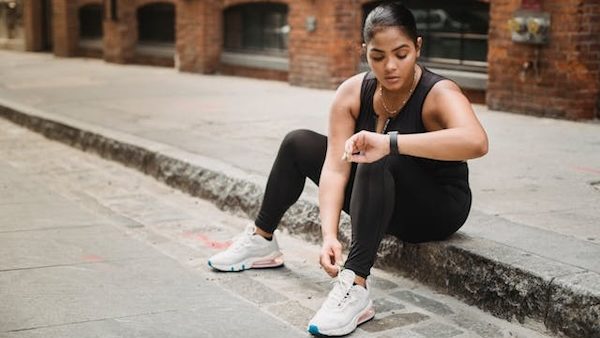
woman in athletic-wear and necklace

Merging Athletic Identity and Fashion

Brands are evolving far beyond athlete sponsorship deals. Dynamic partnerships like Skims and the NBA, Free People and tennis, and Ralph Lauren with Team USA demonstrate this culture shift. 

In 2023, Kim Kardashian’s Skims became the official underwear partner of the NBA, WNBA, and USA Basketball. Co-founder and CEO Jens Grede noted that “the NBA’s modern approach and significant impact on pop culture, entertainment, and fashion is unparalleled in sports.”

The NBA’s commitment to broad representation across its league and fan base made it a natural fit. With 41% of consumers more likely to engage with inclusive and culturally relevant brands, Skims was a smart, profitable match.

The partnership helped propel Skims to $750 million in sales in 2023, up from $500 million the year prior, proving the power of cross-industry collaboration.

Lifestyle Brands on the Court

In the tennis world, lifestyle brands are making similar moves to embed themselves in athletics. You might’ve spotted FP Movement sets on players during Wimbledon.

Free People launched FP Movement as its activewear line, which became a standalone brand in 2020. Since then, it has made tennis a key focus, signing players like Sloane Stephens and Danielle Collins, and recognizing the sport’s cultural reach far beyond match play.

Tennis remains one of the most widely-played sports across age groups and communities, blending competition with lifestyle appeal. That accessibility has helped position FP Movement as a leader in merging performance with everyday style.

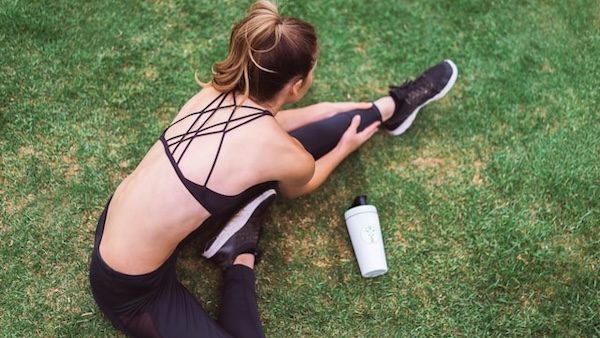
woman in athleisure stretching on grass

Dressing the Nation

One of the most iconic modern partnerships is Ralph Lauren’s longstanding collaboration with Team USA. Since 2008, the brand has designed official opening and closing ceremony uniforms, blending classic American heritage with elite athletic competition. It is a symbol of national pride through athletic excellence.

Rooted in themes of Americana and aspirational style, Ralph Lauren’s presence elevates the image of U.S. athletes. The partnership places athleisure within the realm of high fashion, showing that what athletes wear can be just as powerful as how they perform.

Ahead of the 2024 Olympics, Ralph Lauren reported a 25% surge in online searches in anticipation for the brand activation. As fashion and sport continue to intersect, this collaboration reflects the successful integration between luxury fashion and competition on the world stage.

The New Definition of “Well Dressed”

In recent years, fashion has shifted from formal to functional. Sundresses have been replaced by workout onesies, jeans swapped for leggings, and tennis skirts have become everyday wear. Even classic men’s khakis are being reimagined by athleisure brands like Vuori.

This evolution reflects a larger cultural shift toward comfort, wellness, and ease. The $2 trillion global wellness industry continues to grow, fueled by younger generations prioritizing movement, clean eating, and intentional living. And fashion has adapted in step.

Trends like the viral #hotgirlwalk—now at over 641 million TikTok views—highlight this intersection. These walks merge self-care with style, often featuring sleek, coordinated sets inspired by athletes’ training wear.

Luxury fashion has followed suit. High-end brands like Gucci and Miu Miu are now offering elevated activewear and designer sneakers, making it easy to look effortlessly put-together while embracing a lifestyle rooted in wellness.

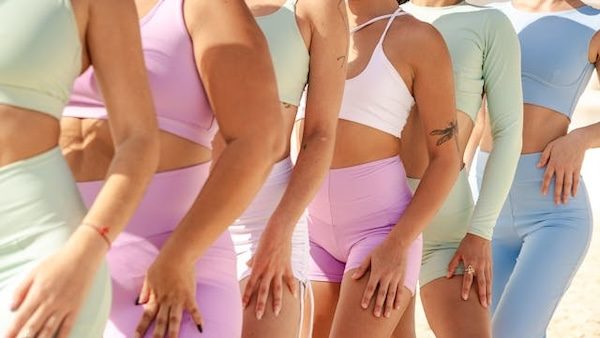
yoga athleisure

How Social Media Propelled Athleisure’s Rise

Social media amplifies fashion trends, and athleisure is no exception. Vuori recognized this early, launching an NIL partnership with gymnast Livvy Dunne in 2021. Through Dunne’s social content, Vuori quickly positioned itself as a serious player in the athleisure space.

Another athlete embracing this intersection is Athelo Group’s own Sydney Grimes. She embodies the look-good, feel-good mentality, blending golf, fitness, and style in a way that feels effortless. Her partnerships with brands like Ghost Golf and Gold Hinge don’t feel promotional; they’re simply part of her daily life.

This kind of authenticity resonates. For today’s audience, especially Gen Z, trust and relatability matter more than polish. Athletes and influencers no longer need to push product. A morning routine, a gym fit, or a healthy breakfast all become lifestyle content, and athleisure is the through line tying it together.

Athleisure’s Staying Power

Athleisure’s rise wasn’t a trickle-down from celebrities and major brands. Micro-influencers and athletes fueled its success from the ground up. These creators and sports figures present a version of wellness and style that feels more accessible, and their loyal followers trust them to set the blueprint.

Instead of pushing clothes alone, micro-influencers promote habits. Followers don’t just buy leggings or sneakers; they buy into the routine behind them. For brands, partnering with these voices offers a more personal, authentic feel that resonates deeper than traditional advertising.

Looking ahead, expect brands to double down on this approach. As consumers continue to crave relatability, “just-like-me” influencers and inspirational athletes will remain key to shaping how athleisure is marketed, worn, and embedded into everyday culture.

WNBA Viewership Growth Offers a Blueprint for Women’s Sports

For years, the WNBA was underestimated and viewed as a secondary product, not a commercial force. Its numbers may still trail those of men’s leagues, but perhaps not for long. The WNBA is quickly becoming a business case study in how women’s sports can scale.

Driven by major gains in media deals, WNBA viewership growth, and a wave of rising global talent, the league is offering a real-time example of how to build women’s sports the right way.

Quick Highlights:

  • WNBA viewership jumped 170% from 2023 to 2024, with the Finals peaking at 18.7 million, its highest in 25 years.
  • The league’s 2025 expansion draft saw three international players taken in the top 10, highlighting the rise of international talent.
  • A new 11-year, $2.2 billion media deal and 42+ sponsors reflect growing commercial momentum and long-term confidence.
  • The league added the Golden State Valkyries in 2025. Toronto and Portland are set to join by 2026, with plans to reach 18 teams by 2030.
  • Stars like Caitlin Clark and A’ja Wilson have sparked record jersey sales and become generational role models inspiring young fans.
  • Globally, over 180,000 girls have participated in FIBA’s “Her World, Her Rules” program since 2018. 86 national federations signed on for 2025.
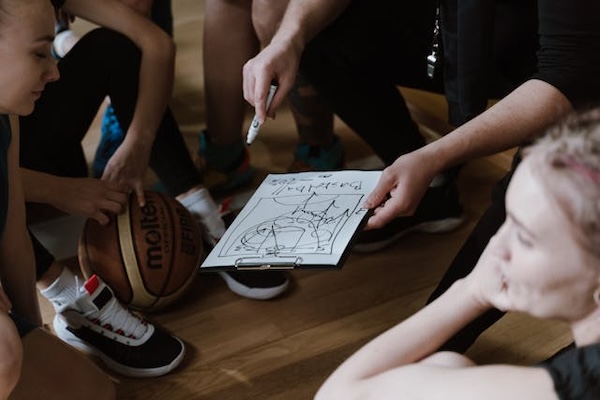
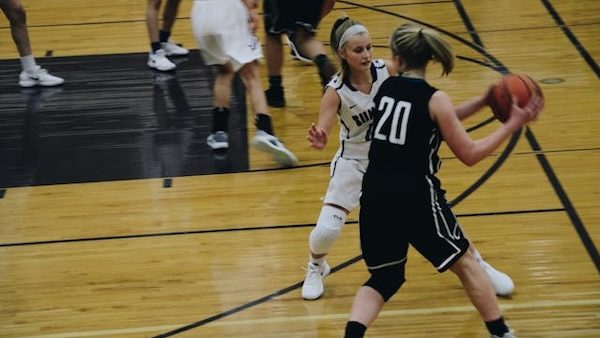
female basketball players on the court

Caitlin Clark and the Next Generation of Women’s Basketball

No story in sports last year has captured more attention than what people are calling the “Caitlin Clark Effect.” Drafted No. 1 overall by the Indiana Fever, Clark entered the league with record-breaking NCAA credentials, millions of social media followers, and the kind of spotlight usually reserved for top NBA prospects. And she’s lived up to the hype.

Wherever she plays, she generates numbers. Even her regular-season games have pulled in TV ratings that rival some NBA playoff matchups. Her debut against the Connecticut Sun drew 2.1 million viewers, the most-watched WNBA game in over 20 years. 

And when Clark returned from a quad injury in June 2025, her comeback broadcast averaged an extraordinary 2.2 million viewers, marking ESPN’s third most-watched WNBA game ever and trailing only her own previous records.

Kamilla Cardoso, Angel Reese, Paige Bueckers, and Dominique Malonga are also helping shape the league’s future. With standout play, social reach, and an entrepreneurial mindset, they’re drawing younger, more diverse fans and even influencing how the league and veteran players think about branding.

female basketball players dribbling

WNBA Viewership Figures: An Outstanding Model for Growth

While it’s difficult to pinpoint one sole factor behind successful business growth, the WNBA stands out as a clear example of how an audience-focused and commercially sustainable sports league can take shape.

The WNBA’s landmark 11-year, $200M annual media rights deal with Disney, Amazon Prime Video, and NBC Universal kicks off in 2026. That figure more than triples the league’s current media revenue. Additionally, the partnerships guarantee greater WNBA viewership, with over 125 games broadcast each year. 

The momentum expands beyond media rights. Breanna Stewart, Vice President of the WNBPA, is leading efforts to expand player influence. Through critical labor negotiations on pay equity and working conditions, she is developing a league where athlete voices drive policy.

Off the court, players are leveraging their brands year-round with Caitlin Clark as the top runner. With her upcoming Nike signature shoe, the deal is projected to generate $100 million, and her record-breaking jersey sales are examples of new revenue streams and growing fan engagement that extend beyond game time. 

Together, these developments illustrate how the WNBA is setting a new standard in women’s sports by combining athletic excellence and strategic brand activations.

WNBA basketballs

Why Education Matters in the WNBA’s Growth Model

Education is crucial to advancing women’s sports, not only by encouraging girls to participate, but by transforming how society values and supports female athletes.

Programs like the WNBA’s mentorship initiative, which reached over 50,000 girls in its first year, and the 50% rise in female enrollment at Sydney sports schools after the Women’s World Cup, show how education and visibility create lasting opportunities.

When it comes to constructing a more informed and supportive culture around women’s sports, education is paramount. Raising awareness around category-specific issues like fertility care and ACL injuries helps ensure the game continues to grow on and off the court.

future WNBA basketball player looks up at the net

The Cost of Building Something New

The WNBA has never had an easy financial path, with reports estimating annual losses of around $10 million per season. But that’s starting to change.

What was once seen as a long-term uphill battle is now showing signs of real progress. With rising WNBA viewership and attendance, stronger player branding, and a wave of new corporate investment, the league’s financial outlook is finally beginning to shift in a promising direction. 


How Private Equity Is Driving Esports Growth

Private equity firms have played an increasingly pivotal role in shaping the modern esports ecosystem. Early on, esports growth was fueled by venture capital, focused on user acquisition and rapid expansion. 

But as the industry matured and stabilized, private equity entered with a longer-term vision and an eye toward commercializing the space. Much like their recent interest in traditional sports, PE firms see esports as an undervalued media property with strong growth potential.

Quick Highlights

  • The global esports market grew from $1.97 billion in 2023 to a projected $5.18 billion by 2029. 
  • 29.6 million monthly U.S. esports viewers are expected in 2025, increasing by nearly 12%.
  • Sponsorships represented over 60% of global esports team revenue in 2022, totaling approximately $800 million.
  • Savvy Games Group acquired ESL and FACEIT in 2022 for a combined $1.5 billion, one of the largest private equity investments in esports to date.
  • Atlanta Esports Ventures paid over $30 million for Overwatch League and Call of Duty League franchise slots, signaling that PE groups see serious commercial value in competitive gaming.
dreamhack open esports tournament

The Role of Private Equity in Esports Expansion

One of the most visible signals of this shift came in 2022, when Savvy Games Group, backed by Saudi Arabia’s Public Investment Fund, purchased ESL and FACEIT for $1.5 billion. That acquisition consolidated two of the most influential tournament platforms under one roof. 

Similarly, Atlanta Esports Ventures, backed by Cox Enterprises, committed between $30 million and $60 million for slots in the Overwatch and Call of Duty Leagues. Meanwhile, companies like GameSquare Holdings have merged competitive teams with creator-driven content brands such as FaZe Clan, further monetizing esports as lifestyle entertainment.

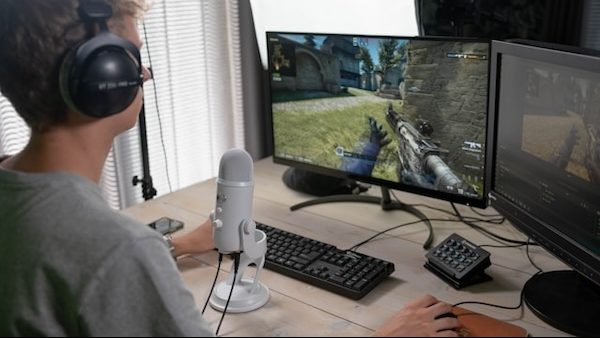
esports streamer playing call of duty

Audience Growth and Market Opportunity

Esports’ rapid audience expansion makes it an attractive target for both investors and sponsors. Globally, esports viewership now exceeds 500 million, with most fans between 18 and 34—an increasingly difficult audience to reach through traditional media like cable television.

According to SponsorPulse, the U.S. esports audience is expected to reach 29.6 million monthly viewers in 2025, up almost 12% year-over-year. Latin America is experiencing one of the fastest-growing esports audiences in the world, expected to reach over 60 million esports fans by the end of 2025. 

Similarly, esports in Africa is showing significant growth. The continent’s gaming market was valued at $1.8 billion in 2024, with more than 300 million gamers. These trends suggest that younger audiences, increasing internet access, and a mobile gaming surge are driving esports’ expansion.

The global esports market was valued at $1.97 billion in 2023 and is projected to reach $5.18 billion by 2029. This reflects a compound annual growth rate of 17.5%. These figures demonstrate why private equity sees esports not just as entertainment, but as a scalable media and brand engagement platform.

esports player competing on desktop

Shifting Sponsorship Dynamics

Sponsorships have evolved from gaming-adjacent logos to high-value, multi-platform brand integrations. Historically, esports sponsors were mostly endemic. These included PC hardware brands like Alienware and gaming chairs like Secretlab.

But as private capital entered the space, non-endemic sponsors became more prominent. By 2022, sponsorship made up over 60% of global esports team revenue, totaling approximately $800 million.

Mainstream brands such as McDonald’s, Nissan, Nike, and Champion became key partners for teams like FaZe Clan. Meanwhile, Louis Vuitton collaborated with Riot Games on digital fashion skins for League of Legends, and BMW partnered with five global teams in a campaign unified by the hashtag #UnitedInRivalry.

PE-backed teams and event organizers now offer content production, campaign integration, and performance analytics. Sponsorships often include influencer activations, branded streams, and even collaborative product launches that turn teams into media engines.

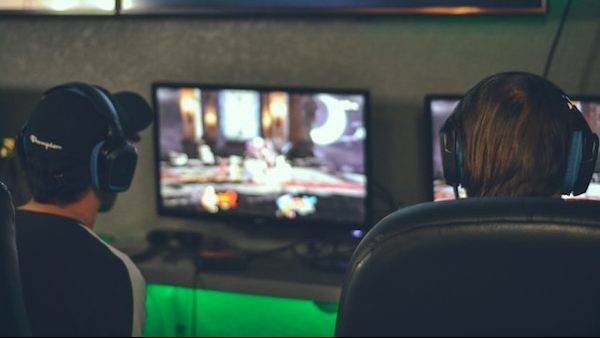
two people playing video games

ESG and Sponsorship Scrutiny

As esports attracts more institutional money, it is also facing greater scrutiny, particularly around ESG (Environmental, Social, and Governance) concerns. A 2024 report found that more than 30 esports sponsorships had ties to polluting industries such as oil, gas, and military contractors. This drew criticism from fans and advocacy groups, many of whom argue that esports’ young, globally connected audience deserves more ethical brand partnerships.

Controversies like Team Liquid’s Honda split have further fueled debate over brand safety. As teams take on more mainstream sponsors, the expectations around player conduct, organizational transparency, and content moderation are rising. In response, many PE-owned esports entities implemented internal compliance policies and vetting frameworks to reduce reputational risk.

esports tournament

The Private Equity Advantage

Unlike early venture-backed teams, private equity–backed esports orgs bring capital and operational infrastructure that supports brand partnerships, legal compliance, creative services, and international growth. These investments generate greater sponsorship value and enable long-term strategy.

PE also drives consolidation. Companies like GameSquare are bundling teams, creator brands, and tournament rights into unified properties, letting sponsors activate across platforms through one deal. It’s a more efficient, scalable model that benefits brands and teams alike.

At Athelo Group, we view this shift as an opportunity to build deeper, more strategic partnerships around talent. As PE reshapes the business side of esports, we ensure the human side of athlete development, authentic partnerships, and cultural relevance remains front and center.

Fertility Care in Women’s Sports: How Athletes Balance Family

Women’s sports are entering a pivotal phase, one where athletes are no longer expected to sacrifice personal milestones, like starting a family, to maintain competitive status. Fertility care and motherhood, once largely invisible in the world of elite competition, are now being recognized and supported by some of the world’s most prominent leagues and clubs.

From tennis to soccer, organizations are taking bold steps to support female athletes holistically by offering fertility protection, parental leave, and medical benefits. This shift is not just reshaping sports culture but creating a meaningful opportunity for brands to connect authentically with fans.

Quick Highlights

  • In 2025, the WTA introduced a groundbreaking policy allowing players to retain ranking protection during fertility-related absences, an expansion of its previous maternity rule.
  • Multiple NWSL players have received fertility treatment support, including hormone therapy coverage and time off for egg retrieval.
  • Racing Louisville FC partnered with Kindbody in 2021 to offer fertility preservation services to all players, believed to be a first-of-its-kind deal in pro sports.
  • Veteran WNBA players are eligible for a $60,000 reimbursement for adoption, fertility treatments, and surrogacy costs.
  • The LGPA has removed the 10-game limitation for golfers on maternity leave to enhance player autonomy.
  • FIFA mandates 14 weeks of paid maternity leave for all female footballers under its governance as well as 8 weeks paid leave for those who adopt a child under the age of 2.
female athletes cheering on soccer field

The Overdue Recognition of Fertility Care in Sports

Fertility care has long been overlooked in elite athletics, despite its critical role in female health.

Treatments like egg freezing and in vitro fertilization (IVF) are physically demanding and time-sensitive, often clashing with an athlete’s competition schedule. Olympic bobsledder Kaillie Humphries opened up about her struggle to balance the IVF process while still maintaining her training regimen. Humphries navigated the hardships of ovary stimulation, egg retrieval, and more while actively gearing up for the Olympics. 

Until recently, female athletes risked losing their rankings, contracts, or roster spots simply for prioritizing reproductive health. In a recent study by Cofertility spanning hundreds of female athletes, 70% of participants revealed they have postponed having children due to their careers. An even greater percentage expressed concerns that having children could negatively impact their earning potential and long-term career opportunities. 

New policies from organizations like the WTA and NWSL are finally acknowledging that reproductive health is essential in empowering female athletes and advancing the game.

Redefining Athlete Support: The WTA’s Historic Maternity Initiative

In a groundbreaking move, the Women’s Tennis Association (WTA) and Saudi Arabia’s Public Investment Fund (PIF) have introduced the PIF WTA Maternity Fund Program, marking the first time in women’s sports history that comprehensive maternity benefits are available to independent, self-employed athletes.

This pioneering initiative provides eligible WTA players with up to 12 months of paid maternity leave, grants for fertility treatments, including egg and embryo freezing and IVF, and two months of paid parental leave for those becoming parents through adoption, surrogacy, or partner pregnancy.

To build on this support, the WTA followed up these provisions with a new policy to protect player rankings while they are away for fertility reasons. 

The program is a significant step forward in supporting female athletes, offering financial stability and flexibility to balance professional careers with family life. It empowers players to make personal decisions without the fear of jeopardizing their careers, setting a new standard for athlete support in women’s sports. 

These initiatives also highlight the importance of partnerships in driving positive change.

While the collaboration with PIF has faced scrutiny due to concerns over Saudi Arabia’s human rights record, both the WTA and PIF emphasize the transformative potential of the program in creating a more inclusive environment where athletes can thrive both professionally and personally.

female athlete kicking soccer ball

Changing the Game: Fertility and Family Support in Women’s Soccer

In recent years, the NWSL has emerged as a leader in redefining what athlete wellness looks like through fertility, pregnancy, and motherhood support.

In 2021, the NWSL Players Association ratified its first collective bargaining agreement (CBA), which included comprehensive paid parental leave, adoption support, and guaranteed housing for players with children.

A new CBA executed last year expands on those rights. It states that if a player’s contract expires during her pregnancy, her team must invite her back to give her a chance to earn her spot again. 

Since then, several clubs have gone even further. Racing Louisville FC, for instance, became the first team in professional sports to partner with a fertility care provider, offering players access to egg freezing and fertility preservation through Kindbody, a groundbreaking move that acknowledged the very real-time pressure female athletes face when it comes to reproductive choices.

But the NWSL has not yet standardized fertility support. In some cases, NWSL reimburses players for hormone therapies or provides time off for egg retrievals, however access varies depending on club policies and individual insurance plans. This uneven landscape highlights both the progress made and the work still ahead.

For Brands, Purpose Drives Connection

Consumers today, especially Gen Z and millennial women, expect brands to stand for something. Companies that back fertility access, parental support, and gender equity in sports are setting the tone for modern advocacy.

Take WHOOP, for example. The wearable tech brand invested in extensive research to launch its Menstrual Cycle Coaching feature, helping female users better understand their physiology. It’s a move that signals real investment in women’s health, not just performance.

This kind of purpose-driven work also delivers returns. A recent study found that fans of women’s sports are 2.8 times more likely to buy products endorsed by female athletes. These endorsements land with more impact because women athletes are seen as 7 points more trustworthy than their male counterparts, largely due to their authenticity.

That authenticity deepens when brands support athletes holistically, honoring the entirety of their lives, including family planning.

The most successful brand campaigns in women’s sports have tapped into that message. Nike’s revision of its maternity policy following public criticism from Allyson Felix not only repaired its reputation, it deepened its connection with women worldwide. Likewise, brands that support fertility care in leagues like the NWSL or WTA have the opportunity to lead with empathy and true action.

female tennis player swinging racket

A Smarter Model for Athlete Development

Maternity leave and fertility care aren’t “extras,” they’re essentials.

For too long, elite sports treated these aspects of health and life as optional or even burdensome. But as more female athletes speak openly about fertility struggles, pregnancy, and parenting, it’s becoming clear: these experiences are not interruptions to a career, they’re part of it.

By embedding fertility and parental support into athlete wellness strategies, leagues are safeguarding careers from being cut short by life events that disproportionately impact women. This matters especially in sports where peak performance years often overlap with the limited window for starting a family.

Athletes who feel supported holistically—physically, emotionally, and financially—are more likely to stay in the game longer, transition into coaching or leadership roles, and give back to the ecosystem that empowered them. This creates a virtuous cycle of mentorship, visibility, and institutional knowledge that elevates the entire sport.

Investing in the Whole Athlete

Athelo Group is helping drive that shift by empowering its female athletes with the resources and brand alignment needed to allow them to navigate their personal lives without compromising their professional goals. 

Investing in athletes as whole people extends beyond sport. It sends a cultural message that women in any high-performance field shouldn’t have to compartmentalize or delay motherhood in order to be taken seriously. Leagues that prioritize fertility care are modeling what inclusive, future-ready leadership actually looks like.

How Golf Is No Longer Just the Gentleman’s Sport

For generations, golf was defined by elitism and exclusivity, tied to private clubs and reserved for a privileged few. But in recent years, due to factors like the growth of women’s golf, the sport is rapidly changing.

With new talent, younger crowds, and social media shaking things up, golf is finally moving past its old-school image and reaching a broader, more diverse audience. From record youth participation to new league formats and cultural figures like Steph Curry launching golf gear, today’s golf is more vibrant, inclusive, and culturally relevant than ever.

Quick Highlights:

man playing at topgolf

The New Contributors to the Game

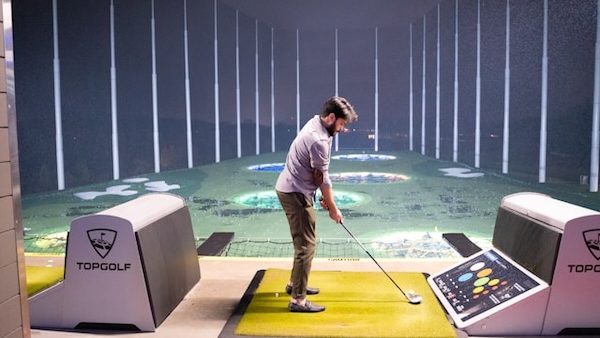
One of the strongest signals of change is participation: over 47 million Americans played golf in 2024. While both on and off-course play have grown, off-course participation driven by entertainment venues has jumped 173% over the past decade. It’s now a major force in golf’s evolution, creating space for new formats and innovation.

Concepts like TGL, the indoor simulator league launched by Tiger Woods and Rory McIlroy, are redefining how the game is played and consumed. Designed to attract new and casual fans, TGL features live audiences, advanced visuals, and primetime broadcasts to deliver a more immersive experience.

Women’s Golf on the Rise

Women’s golf is becoming a major force behind the sport’s growth and evolution. 

 In 2024, the National Golf Foundation reported that 28% of on-course golfers in the United States were women, marking the highest share ever recorded. Women and girls also accounted for 60% of the overall growth in participation since 2019. That same year, 7 million women and girls played golf, the most since 2006.

This surge is fueled by efforts to build community and expand access. Groups like Women Who Golf now span multiple countries, while programs like LPGA and USGA Girls Golf help to make the game more welcoming and accessible.

With greater visibility for female professionals, rising prize money, and new formats tailored to women, golf is finally for the girls.

women's golf game

New Screens, New Fans

Golf has also entered the streaming world, netting new audiences in the process. Netflix’s Full Swing, which launched in February 2023, quickly ranked in the platform’s global Top 10. 63% of Full Swing viewers tuned into PGA Tour coverage within two months of the show’s debut, and 11% were new viewers.

Furthermore, social media is now one of golf’s biggest stages. Influencers like Roger Steele reach millions of views each month and rising stars like Sydney Grimes bring innovative and entertaining content to the table. 

This shift reflects a broader trend in how younger audiences engage with sports, with Gen Z fans more likely to watch highlights or interact on social media than to view full live matches. Such behavior underscores the growing influence of Gen Z preferences in shaping the modern sports economy.

golf bag for women's golf game

The Rise of Disruption

Few things have shaken up the golf world like LIV Golf. Backed by Saudi Arabia’s Public Investment Fund, LIV Golf burst onto the scene in June 2022 with over $5 billion in investment to date, quickly attracting top talent with massive guaranteed contracts. The roster featured stars such as Bryson DeChambeau, Phil Mickelson, and Brooks Koepka.

The move triggered intense media coverage and conflict with the PGA Tour, leading to merger talks in 2023 that ultimately stalled. While its funding sparked controversy, LIV’s impact is clear: it’s brought in younger, more global fans and pushed the sport toward a faster, flashier, more entertainment-driven model.

man swinging golf club

What Can We Expect?

Golf is changing faster than ever before. With the global golf simulator market reaching $1.74 billion in 2025 and projected to nearly double by 2033, technology is opening the door to a whole new generation of players. 

As rising stars like Sydney Grimes gain visibility and new leagues continue to build momentum, golf is steadily moving beyond its traditional roots.

Looking ahead, we can expect even more creativity, deeper engagement from younger audiences, and continued growth in off-course experiences through simulators and other types of immersive digital technology.

IIHF World Championship: New Technology and Sponsor Activations

The 2025 IIHF (International Ice Hockey Federation) World Championship, the premier international ice hockey tournament, wrapped up on Memorial Day with the United States defeating Switzerland 1-0 in overtime. 

NHL star Tage Thompson scored the game-winning goal, securing the U.S.’s first gold medal in 92 years. What made this year’s competition stand out was its expanded global reach, attracting new audiences and boosting international participation like never before.

Quick Highlights:

  • IIHF launched IIHF.tv, a centralized OTT streaming platform, to broadcast the tournament in over 100 territories and vastly expand its global reach.
  • Each game featured at least 31 camera angles, with the final using 34. 
  • Ĺ koda marked its 32nd year sponsoring IIHF and debuted new electric vehicles and redesigned the MVP trophy, enhancing fan experience with interactive fan zones.
  • Unibet joined as an official sponsor, aiming to deepen fan engagement through digital content and experiences.
hockey puck in iihf world championship

Global Reach

Prior to this year’s competition, the International Ice Hockey Federation announced IIHF.tv., a new centralized OTT streaming platform.

The IIHF’s exclusive media and marketing partner Infront took charge of this streaming initiative, while Sportsway Media group was responsible for coverage of lower division tournaments. IIHF.tv will now broadcast up to 600 ice hockey games per season, including the World Men’s, Women’s, Under-20, and Under-18 World Juniors tournaments. The content is accessible in over 100 territories through a subscription model.

According to Amikam Kranz, Senior Vice President of Media, Betting & Technology at Infront, the launch of IIHF.tv “marks a new opportunity for international ice hockey to grow and welcome new fans on a global scale with a digital home of hockey. Easily accessible content, live and on-demand streaming, and flexible subscriptions will help us to reach untapped audiences.”

Select matches were also broadcast on NHL Network and made available to stream on Fubo.

ice hockey goalie

Innovative Broadcasting

The 2025 IIHF Ice Hockey World Championship pushed production boundaries, using at least 31 camera angles per game—34 for the gold medal match between the U.S. and Switzerland. Camera operators were granted more time on the ice, including during penalty shootouts, giving fans immersive angles that bring them closer to the action than ever before.

Super slow-motion replays and in-goal cameras now feature embedded game clocks for precise video reviews. “These situations come down to 1/10 of a second,” said Uzi Kakuda, head of Infront Productions. “So we embed the game clock into the in-goal camera feeds for the game officials, which the viewer also gets to see.”

With hockey’s fast pace, every upgrade counts. Remote-operated cameras had to respond faster than in almost any other sport, and those placed inside goals were specially reinforced to withstand direct puck impacts.

broadcast camera in iihf world championship

Challenges and Market Competition

Timing posed one of the key challenges for the IIHF World Championship. The tournament overlapped with the Stanley Cup Playoffs, a marquee event that draws massive attention across the hockey world.

Another drawback to the Stanley Cup Playoffs overlapping with the World Championship is that several NHL superstars including Connor McDavid, Brad Marchand, and Roope Hintz were unavailable to compete for their national teams. This has fueled a narrative that without full-strength rosters, the tournament is less meaningful.

Finally, the early elimination of Team Canada, the hockey-obsessed nation, was a major blow to tournament viewership. Canada’s shocking 2–1 loss to cohost Denmark in the quarterfinals marked one of the biggest upsets in tournament history. While dramatic stories like this can boost global interest, Canada’s exit likely led to a steep domestic drop-off in engagement.

toronto maple leafs

Strategic IIHF World Championship Sponsorships

At Athelo Group, we focus on scalable long-term strategic partnerships, and one of the major success stories of the IIHF World Championships has been the relationship between the IIHF and Czech automobile manufacturer Škoda. A main partner since 1993, Škoda used this year’s tournament to execute a multifaceted brand activation, demonstrating how sponsorships can go beyond simple visibility and create true audience engagement.

Škoda created the MVP trophy for the tournament in 2018 and redesigned the award for this year, drawing inspiration from its “Modern Solid design language.” The brand also debuted two new fully electric vehicles—the Enyaq RS and Enyaq Coupé RS during its activation event.

To increase presence across host cities, Ĺ koda provided 45 vehicles to the event, including 30 fully electric cars and 15 hybrids. The brand helped draw 490,000 spectators to Ĺ koda-sponsored fan zones in Sweden and Denmark, offering interactive activations like mini games, karaoke, and sessions inside a specially equipped Elroq.

Unibet also became an official sponsor of this year’s tournament. “By engaging fans with exciting content and experiences, we aim to enhance the excitement of the tournament and make this a truly memorable event for everyone involved,” said Philip Lagström, general manager at Kindred Group Sweden.

Ĺ koda car, the sponsor of iihf world championship

What the Future Holds

The popularity of ice hockey has grown steadily, with the 4 Nations Faceoff drawing 16.2 million viewers across North America and becoming ESPN’s most-watched hockey game ever, with 9.3 million tuning in from the U.S. alone.

While this year’s IIHF World Championship faced challenges—NHL playoff overlap, notable player absences, and an early Canadian exit—it still delivered compelling hockey and strong brand activations. And the timing couldn’t be better.

With NHL players returning to Olympic play in 2026 and the World Cup of Hockey slated for 2028, ice hockey is on the brink of a global breakout.

How a Brand Partnership Can Transform the Sport

When we talk about brand partnerships in sports, the conversation usually centers on what brands get out of the deal— exposure, cultural relevance, maybe a boost in sales. But here’s what we’re missing: the best partnerships don’t just benefit the sponsor. They fundamentally transform the sports property itself.

The most successful collaborations go far beyond writing a check and slapping a logo on a jersey. They turn teams, leagues, and events into cultural phenomena that transcend sports entirely, breaking into fashion, music, technology, and art in ways that seemed impossible just a few years ago.

Quick Highlights:

  • PSG x Jordan Brand elevated the club into a global fashion icon, selling over 1 million jerseys and driving commercial revenue over $450 million.
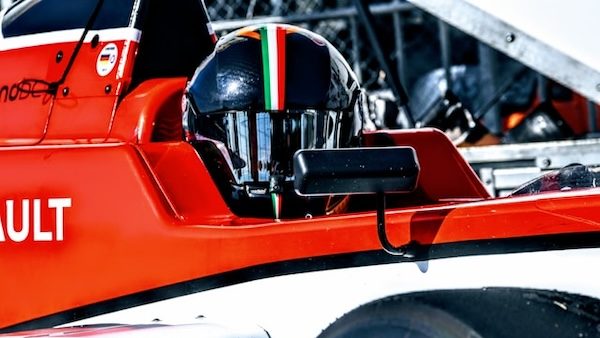
  • Formula 1 and LVMH inked a 10-year, $1 billion partnership set to redefine F1 as a luxury lifestyle brand, attracting younger and more diverse audiences.
  • Como 1907 x Uber’s multi-year partnership signals the club’s ambition to build international credibility and align with a globally recognized brand.
f1 driver with brand partner logo

PSG x Jordan Brand: When Football Meets Streetwear Culture

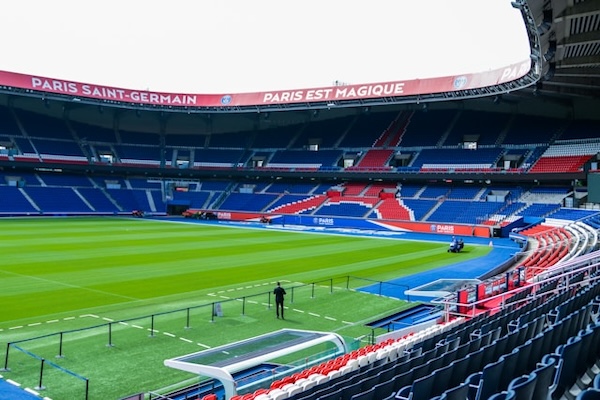
Let’s start with what one of the most game-changing brand partnerships in modern sports marketing: Paris Saint-Germain and Jordan Brand. PSG had been with Nike since 1989, but everything changed when they launched their Jordan collaboration in 2018.

Before Qatar Sports Investments acquired PSG in 2011, the club was barely a blip on the international radar. But instead of just throwing money at big-name players, PSG’s leadership took a different approach. They positioned the club as more than a football team; they made it a lifestyle brand that embodied Parisian culture, complete with streetwear aesthetics, music collaborations, and high-fashion sensibilities.

The results speak for themselves: PSG sold over 1 million Jordan-branded jerseys in the first year alone, suddenly attracting a younger, style-conscious audience across the U.S. and Asia who might never have cared about Ligue 1 football.

air jordan shoes

The numbers tell the story of this transformation:

  • In 2017-18, PSG’s revenue was around $544 million.
  • By 2023-24, they’d crossed $907 million, making them the third highest-earning football club globally.
  • Their commercial revenue jumped from $337 million in 2016 to over $453 million by 2023.
  • Their current Nike deal is worth $90 million annually through 2032, now one of the most lucrative in football.
  • The club has over 160 million followers on social media, ranked 4th most of all football clubs in the world.  

What started as a three-year partnership became a cultural phenomenon that redefined what a football club could be.

Formula One x LVMH: Racing Meets Luxury

Formula One’s 2025 partnership with LVMH represents another seismic shift in sports branding. This 10-year, $1 billion agreement aims to completely reimagine how fashion and luxury influence F1’s cultural identity. 

While F1 had always flirted with luxury through partnerships like Rolex, the LVMH deal brings brands like Louis Vuitton, TAG Heuer, and MoĂ«t & Chandon into every aspect of race weekends. We’re talking bespoke trophy trunks, luxury champagne celebrations, and limited-edition timepieces that turn each Grand Prix into a premium lifestyle experience.

This strategy aligns perfectly with F1’s broader ambitions. The sport has successfully attracted celebrities, fashion icons, and lifestyle media coverage, especially at glamorous venues like Monaco and Miami. Today, over 40% of F1’s global audience is under 35, with a rapidly growing female fanbase, demographics that traditional motorsports struggled to reach for decades.

monaco grand prix

Como 1907 x Uber: The Underdog’s Bold Play

At first glance, Como 1907’s jersey sponsorship with Uber might seem like an odd choice, especially given that Uber’s ride-hailing services are technically restricted in Italy. But the move reflects a smart, forward-thinking strategy.

Newly promoted to Serie A after 21 years, Como isn’t trying to match legacy clubs like Juventus or AC Milan on traditional football terms. Backed by the Indonesian Djarum Group, with Cesc Fàbregas as minority owner and head coach and Thierry Henry as a shareholder, the club is building something more ambitious. Como is positioning itself as a global lifestyle brand.

With its lakeside stadium and postcard-worthy setting in Lombardia, Como has leaned into its unique identity. The Uber partnership signals international intent, offering global recognition and brand alignment well beyond Italian borders.

The club has doubled down on this vision by partnering with L.A.-based luxury fashion label Rhude. In October 2024, Rhude founder Rhuigi Villaseñor was named Como’s Chief Brand Officer, tasked with overseeing creative direction and brand strategy across lifestyle and consumer ventures. The goal: elevate Como from provincial team to cultural icon.

The strategy is working. By the end of the 2024–25 Serie A season, Como ranked 9th in the league for Instagram followers (750,000)—despite being its newest club. Their focus on fashion, culture, and hospitality is clearly resonating, particularly with American fans looking for something beyond the usual football giants.

lake como, italy

The Future of Sports Partnerships

These examples point to a fundamental shift in how we should think about sports sponsorships. The most successful partnerships create mutual value benefiting the brand while also elevating the sports property into entirely new cultural territories.

At Athelo Group, we see this firsthand. Whether it’s pairing an adaptive athlete with a healthcare brand or aligning a lifestyle-focused lacrosse player with a fashion-forward supplement company, our goal is to build partnerships that support the athlete’s image and community. 

When executed thoughtfully, these collaborations can dramatically increase a property’s revenue, relevance, and cultural footprint. More importantly, they help sports properties tap into markets and communities they never could have reached through traditional means.

The lesson for sports properties is clear: stop thinking of sponsorships as just revenue streams. Start thinking of them as opportunities to redefine who you are and who you can become.

Become a Sponsor.

Join us in making a difference. Tell us a bit about yourself and we’ll be in touch with sponsorship details.

By submitting this form, you agree to be contacted by the Athelo Group team regarding sponsorship opportunities.