
Fall Marathons Around the World

As summer winds down and the leaves turn, autumn brings with it something special for runners: fall marathons.

Fall is prime time for runners to take on some of the most iconic races in the world. From the flat, fast streets of Berlin to the energy-packed course through New York City’s five boroughs, each marathon offers its own mix of challenge, culture, and community. 

Fall marathons have evolved into global festivals that unite elite athletes, amateurs, and charity runners alike. They draw participants from all walks of life. Every course tells a different story of history, resilience, and human connection. 

Quick Highlights

  • The Berlin Marathon began in 1974 with just 286 runners and now welcomes more than 54,000 participants each year.
  • In 2024, the Chicago Marathon raised more than $358 million across 217 charities.
  • The New York City Marathon takes runners through all five boroughs, with two million spectators lined all along the course.
  • Ethiopia’s Yalemzerf Yehualaw set the Amsterdam Marathon course record with a time of 2:16:52 in 2023.
  • The Marine Corps Marathon has representation from all 50 states and several different countries.
fall marathon runners

Berlin Marathon 

Few races define speed like Berlin. Known for having the flattest course of the Abbott World Majors, the Berlin Marathon has become synonymous with world records. Since its first run in 1974 with only 286 participants, Berlin has evolved as a go-to race for elite athletes aiming to make history. 

In 2023, Ethiopia’s Tigst Assefa set the marathon women’s world record with a time of 2:11:53, breaking the previous record by over two minutes. The following year, Berlin celebrated its 50th anniversary with over 54,000 finishers and became the largest marathon in the world. 

With its wide roads, precise organization, and Berlin’s enthusiastic crowds, it remains the ultimate stage for runners. 

Chicago Marathon 

Every October, Chicago’s streets fill with over 50,000 runners racing through 29 neighborhoods. Since its first run in 1977, the Bank of America Chicago Marathon has become one of the most prestigious races in the world and a reliable stage for record-breaking performances.

In 2023, Kelvin Kiptum set a men’s world record at 2:00:35, followed by Ruth Chepngetich’s women’s record of 2:09:56 in 2024. That same year, the marathon generated an estimated $683 million in local economic impact and raised more than $358 million for 217 charities.

This year’s event also thrived online, with creators like Brett Chody and Matt James turning race weekend into a viral moment through social media, further cementing Chicago’s marathon as both a sporting and cultural powerhouse.

@mattjames9191

Chicago Marathon: side quest recap 🫨

♬ original sound – mattjames919

Marine Corps Marathon

Known as “The People’s Marathon,” the Marine Corps Marathon is one of the most patriotic and emotionally powerful races in the world. Held each October in Washington, D.C., the event is organized by the United States Marine Corps and draws more than 30,000 runners from all 50 states and several countries.

Unlike many other races, the Marine Corps Marathon offers no prize money—its focus is on honor, courage, and commitment. The course begins in Arlington, guiding runners past the Pentagon, National Mall, Capitol, and finishes at the Marine Corps War Memorial.

Beyond its military roots, the marathon is known for its purpose-driven partnerships. Brands like Altra Running highlight inclusivity and performance, while Recover Brands, the official apparel sponsor, promotes sustainability with recycled materials. 

Philanthropic partners such as the Semper Fi Fund raise millions each year for veterans and Marine families, turning race day into a movement of service and solidarity.

New York City Marathon 

The iconic New York City Marathon takes place the first weekend of November, bringing together more than 50,000 runners who wind through all five boroughs, cross the Verrazzano-Narrows Bridge, and finish in Central Park. With two million spectators lining the 26.2-mile course, there are few quiet moments along the way.

New York’s course is famously challenging, with bridges and rolling terrain, but the atmosphere is unmatched. From Harlem’s live music to Brooklyn’s block parties, every mile feels like a festival. 

Major sponsors help turn the event into a citywide celebration. New Balance, the official footwear and apparel partner, launched its “Run Your Way” collection with immersive activations and on-course events. Mastercard engages fans through branded cheer zones at Miles 8 and 16, complete with free merchandise and reserved seating. 

fall nyc marathon runners

Amsterdam Marathon 

Often overshadowed by the Abbott World Majors, the TCS Amsterdam Marathon has quietly earned its place among the world’s premier races.

The flat, fast, and historic course starts and ends at the Olympic Stadium and takes over 48,000 runners through scenic and cultural highlights. Amsterdam consistently draws elite fields and strong performances, with Ethiopia’s Yalemzerf Yehualaw smashing the course record with a time of 2:16:52 in 2024. 

Beyond the race, the marathon showcases Amsterdam’s culture and charm, as runners pass canals, historic streets, and parks lined with cheering fans. It’s both scenic and serious, ideal for those chasing a personal best in a world-class setting. 

berlin marathon spectators

A Global Season of Endurance

Fall marathons are physical tests, cultural celebrations, and emotional journeys. They remind runners and spectators that it’s more than going the distance; it’s about the connection, the purpose, and the joy of crossing the finish line.

As brands find new ways to engage around these moments, Athelo Group bridges sport, storytelling, and strategy to forge partnerships that turn milestones like these into meaningful impact.
The Truth About the Gender Pay Gap in Sports

Women’s sports are surging. Fans tune in at record levels, brands finally pay attention, and storytellers in women’s athletics shape culture beyond competition. From sold-out stadiums to major sponsorships, demand keeps rising.

Still, the opportunity and gender pay gap between men and women in sports remains huge. The conversation now goes beyond salaries. It’s about equity, visibility, and respect.

For many female athletes, it’s not just about money but about how their talent and impact are valued.

Quick Highlights:

  • Between 2022 and 2024, women’s sports in the U.S. grew 4.5× faster than men’s sports.
  • Women’s football is projected to be among the top 5 global sports by 2030, with an audience of over 800M fans worldwide.
  • The WNBA landed an 11-year broadcast deal starting in 2026, with prime coverage on USA Network and streaming platforms—one of the largest media rights deals in women’s sports history.
  • Fans of women’s sports are 2.8× more likely to purchase products endorsed by female athletes compared to men’s sports fans, driving sponsor ROI beyond exposure.
woman running on track

When Growth Isn’t Enough 

Women’s sports are booming: stadiums are full, TV ratings are soaring, and sponsorships are rising. Total U.S. women’s sports revenues surpassed $1 billion for the first time in 2024 and are projected to hit $2.35 billion globally in 2025—a 25% jump in just one year.

The surge in visibility has been undeniable. What many now call “The Caitlin Clark Effect” shows how one athlete’s rise can elevate an entire league. Major moments like these prove the audience and excitement are there.

Yet that success hasn’t translated into equal pay. Despite all the progress, many professional female athletes still earn only a fraction of what men in the same sports take home. The question now is whether this momentum can finally lead to fair compensation.

What’s Really Behind the Pay Gap

The imbalance often comes down to exposure. For decades, women’s sports were under-marketed and under-televised, which limited their ability to build audiences and attract sponsorship dollars. That cycle of less visibility leading to less revenue has been one of the hardest to break.

But when women’s sports get the spotlight, the results are undeniable.

The 2023 Women’s World Cup shattered attendance and broadcast records, drawing over 2 billion viewers worldwide. The NCAA women’s basketball championship between LSU and Iowa became the most-watched college basketball game, men’s or women’s, in ESPN history.

The success proves something female athletes have known for years: when you give them equal opportunity, they deliver equal excitement.

female soccer player kicking ball

The Real Barrier: Investment, Not Interest

Equal investment in marketing and sponsorship consistently drives engagement and profit, showing the gap is about opportunity, not audience. In fact, 86% of brands say their women’s sports sponsorships have met or exceeded ROI expectations, proving that when companies invest, the returns follow. 

Still, the system hasn’t caught up. Sponsorship dollars, prize money, and media contracts remain uneven.

As The Bounce points out, the gender pay gap persists not because of talent or demand but because of institutional inertia. Women’s leagues are still building the infrastructure men’s sports have had for decades—investment, storytelling, and consistent exposure.

Voices That Have Changed the Game

Venus and Serena Williams have been two of the most powerful forces in the fight for equality in sports. In one meeting about pay, Venus asked everyone to close their eyes and imagine their daughter, sister, or wife being paid less simply for being a woman. Then she left the room, letting the truth hang there.

As she later said, A lot of people think that was impactful. It was just the truth. When you stand up for what’s right, that’s what my mom taught me.”

Serena carried that conviction far beyond the court. Through Serena Ventures, she’s invested in more than 60 companies—most led by women and people of color—and joined the ownership group of Toronto’s new WNBA franchise, using her success to build opportunity from the top down. 

Venus has done the same through her wellness brand Happy Viking and a growing portfolio of angel investments, proving advocacy can also mean ownership.

Together, the Williams sisters turned their influence into infrastructure, shifting the conversation from demanding equality to creating it.

Progress and Pressure

Women’s sports are entering what many call their “golden era,” but the pressure to sustain it is real. Fans are showing up, investors are paying attention, and female athletes continue to shoulder the dual role of performers and advocates.

The gender pay gap revolution in U.S. soccer set a major precedent when the women’s national team won its lawsuit for back pay and secured a collective bargaining agreement guaranteeing equal match compensation with the men’s team.

But progress isn’t linear. For every major win, disparities persist in leagues like the WNBA, where many players still head overseas in the off-season to supplement their income. The fight extends beyond closing the pay gap and to creating sustainable systems so female athletes can earn a livable wage.

The Future of Fair Play

Women’s sports are breaking barriers in real time, rewriting what’s possible and redefining what’s profitable. The pay gap remains a frustrating reminder of how far there is to go, but it also fuels the determination that defines so many female athletes. 

The next challenge lies with the systems that still lag behind: media deals that undervalue women’s leagues, brands that treat inclusion as a campaign instead of a commitment, and governing bodies slow to modernize their models.

The momentum is already there. What will define this era isn’t how hard women fight to be seen, but how quickly the institutions around them learn to catch up.

Can Girls Play Baseball?

For decades, the question has lingered in dugouts and sports debates: Can girls play baseball? The answer is yes — but the system often makes it feel like no. 

Baseball is still seen as a man’s game, while women are steered toward softball. Though similar in spirit, softball uses a larger ball, shorter distances, and underhand pitching, making it a different game entirely. That divide limits opportunities, reduces exposure, and keeps the cycle repeating.

But change is underway. From record youth participation to the creation of the Women’s Pro Baseball League, signs point toward a long-overdue shift.

Set to debut in 2026, the Women’s Pro Baseball League has already drawn more than 600 players from 10 countries to its first open tryouts. The turnout has been called a breakthrough moment indicating that girls absolutely can play baseball when given the chance.

Quick Highlights:

  • About 1,300 high school girls played baseball on boys’ teams in 2023–24, showing there’s interest even without formal girls’ programs.
  • Youth baseball and softball participation grew 7.6% in 2023, making it the fastest-rising team sport in the U.S.
  • Girls make up less than 1% of all high school baseball players in the U.S., highlighting how limited participation remains.
  • High school fast-pitch softball has more than 340,000 participants, making it one of the most popular sports for girls nationwide.
  • 16.7 million Americans played baseball in 2023, the highest on record, though the overwhelming majority were male.
  • The Women’s Pro Baseball League (WPBL), launching in 2026, has drawn global interest and could mark a turning point for female players.
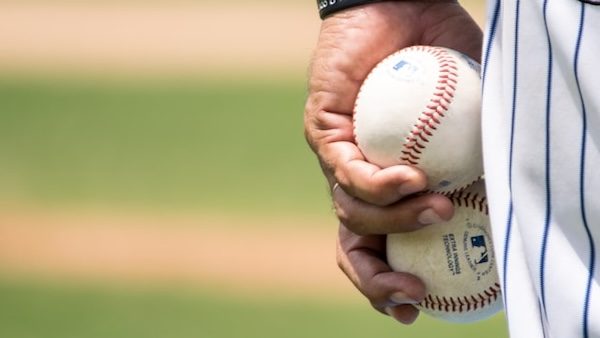
player holding baseballs

The Softball Substitution: How History Shaped Perception

In the 1970s, Little League was required to allow girls after a landmark legal case challenged gender discrimination. But instead of integrating them into baseball, most programs expanded softball as the “female version” of the sport.

That separation became ingrained. Coaches and parents steered girls toward softball, schools built programs around it, and media coverage reinforced the divide. The question stopped being whether girls could play baseball; it became whether they should.

It’s a dynamic we’ve seen before. Like golf, baseball first developed inside boundaries that excluded many. To keep growing, the sport now has to reckon with that history and decide how inclusive it wants to be.

No Teams, No Pathway: Why Opportunity Disappears

Even when girls start playing baseball at the youth level, the path forward narrows quickly. By middle and high school, it’s nearly impossible to find a dedicated girls baseball team.

The numbers reflect this: 0.0003% of high school baseball players are female, compared to millions who play softball. Without teams, there’s no competition. Without competition, there’s no visibility. 

Title IX and equal-protection law give girls the legal right to try out for boys teams and require schools to provide equal athletic opportunities. However, enforcement, awareness, and administrative willingness vary widely.

young baseball player at bat

Rights on Paper, Gaps on the Field

Girls today still receive fewer high school participation opportunities than boys did in 1972. There are about 3.4 million slots for girls versus 3.6 million once reserved for boys. Even now, girls miss out on an estimated 1 million sports opportunities compared to boys across K–12.

Many schools still struggle with enforcement. Over half of athletic administrators do not know who their Title IX coordinator is, and 83% of college coaches report they have never received formal Title IX training.

Other sports have made progress through investment and visibility. NCAA women’s March Madness growth has brought national attention and pushed parity conversations forward for women’s basketball. Baseball has not seen that same level of commitment, and the numbers show it.

Where Opportunity Meets Skill

Girls don’t just play baseball. They thrive in it.

Take Kelsie Whitmore, who broke barriers by pitching in the Atlantic League against professional male players. Or look at the athletes competing in the Women’s Baseball World Cup proving on an international stage that women belong on the diamond.

The upcoming Women’s Pro Baseball League is set to change the landscape. Launching in 2026 with six teams, it will be the first professional women’s baseball league in the U.S. since the All-American Girls Professional Baseball League disbanded in 1954. For the first time in decades, young players will see women competing at the professional level.

When asked, can girls play baseball? the proof is already on the field. The challenge has never been ability; it has always been opportunity. The WPBL represents that long-awaited chance finally taking shape.

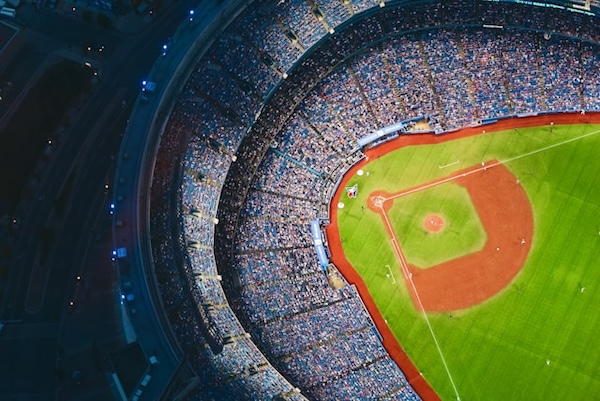
professional baseball ballpark

Building the Pipeline: What Needs to Change

If baseball wants to keep growing, it must commit to building a sustainable pathway for girls. The upcoming Women’s Pro Baseball League will play a key role. 

For the first time in more than 70 years, women will have a professional home in U.S. baseball. The league validates every girl who chooses the sport and sends a clear message: there is a future here, and you belong.

The next step is support. The WNBA’s growth has shown what happens when visibility, sponsorship, and storytelling come together. With youth participation rising and professional women’s baseball on the horizon, sponsors and partners have a chance to align with that momentum and invest in lasting equity.

The opportunity is here. The sport just has to take it.

Short Form Content Is Winning the Sports Viewership Game

Social media has become central to how people consume information, and sports are no exception. Instead of sitting down to watch a full game, fans can now catch the most exciting moments in short form content delivered straight to their phones.

These bite-sized highlights package the best plays into quick, shareable content that spreads fast. The shift is changing how athletes, leagues, and sponsors think about marketing, fan engagement, and the overall viewing experience.

Quick Highlights:

  • In a 2021 survey, 58% of MLB fans, 54% of NBA fans, and 48% of NFL fans aged 18–34 said they prefer highlights over full games.
  • 43% of young adult sports fans follow their favorite league on social media.
  • In 2025, the average social media video length has dropped 13%.
  • The WNBA saw a 470% jump in average engagement per post from 2023 to 2024.
  • In the first half of 2025, vertical video formats (Reels, TikToks, etc.) made up 63% of all content — an 87.5% year-over-year increase.
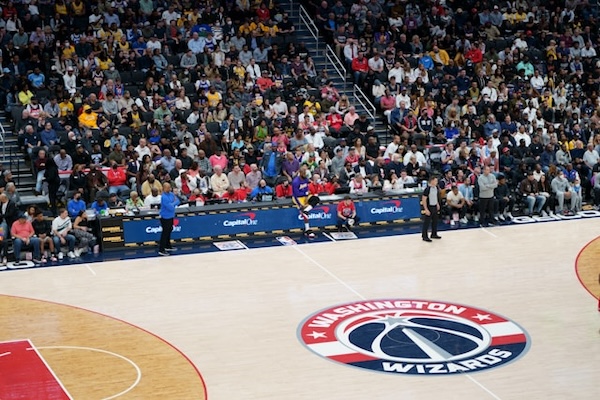
nba fans at washington wizards game

How Short-Form Content and Social Media Link

The rise of platforms like TikTok and Instagram has changed how quickly information spreads and how people consume it. Instead of long-form content, audiences are now primed to receive and prefer shorter bursts of media.

Easily accessible technology has accelerated this shift, especially among younger generations. A Microsoft study found the average attention span has dropped to less than nine seconds even shorter than a goldfish’s.

With most sporting events lasting hours, it’s no surprise fans are leaning toward highlights that match this shorter focus. In January 2025, a clip of NBA star Ja Morant dunking over Victor Wembanyama went viral with over 11 million views, despite the play being called off. For fans, every big moment — even those that don’t count — is still worth watching.

The NBA: A Highlights League

A recent example of short-form highlights shaping sports comes from NBA commissioner Adam Silver. At a September 16 press conference, Silver drew backlash after saying that “there’s a huge amount of our content that people essentially consume for free. [The NBA] is very much a highlights-based sport.”

In 2025, the NBA’s average audience was 1.04 million — a 5% year-over-year drop from the 2023–24 season. Many fans criticized Silver for promoting highlights over live broadcasts.

Still, Silver may have a point. Billionaire Mark Cuban defended him, arguing that while the wording could have been better, Silver is one of the few executives acting in fans’ best interests.

For all the pushback, short-form highlights could end up being a long-term advantage for the NBA.

nba court

Are Highlights Impacting Fan Engagement?

While live broadcasts are seeing declines, highlights are driving a surge in fan interactions. During the 2022–23 season, NBA social accounts generated 32 billion views with an increase of over 10% year over year. By posting highlights openly on social media, leagues make it easier for casual fans to connect with teams and players.

Highlights also serve as a powerful promotional tool. A recent study found that 64% of sports fans engage with teams or athletes on social platforms, giving organizations a way to spotlight upcoming events or showcase rising talent.

In short, even as live viewership dips, highlights are proving to be one of the strongest tools for keeping fans more connected and more engaged than ever.

A Rise in Athlete Recognition

It takes one piece of short-form content for an athlete’s brand to instantly boom. In the first half of 2025, 3.5 million highlights were published in real time, up 19% from 2024.

One example came during a recent WNBA game, when Indiana Fever’s Sophie Cunningham defended teammate Caitlin Clark after a hard foul. A clip of the exchange went viral that same night, and Cunningham’s following skyrocketed. Before the video, she had around 200K followers on TikTok and 350K on Instagram. 

Today, those numbers have grown to 1.6 million on TikTok and 1.3 million on Instagram. This kind of visibility not only builds personal brands for established athletes, but also gives amateurs a chance to showcase their ability and get noticed by high-level organizations.

The Shift in Sponsorship

Brands have noticed a substantial increase in short-form content viewership, and it is changing the way they sponsor sports.

Daniel Kirschner, Co-Founder and CEO of Greenfly, explained that “short-form content is now a primary way fans engage with sports, and rights holders must tap into its media and sponsorship value.”

To reach younger demographics, brands are leaning on social media instead of traditional signage. Rights deals tied to short-form content are delivering unprecedented returns, while billboards and static ads lose relevance.

The sports sponsorship market is projected to hit over $55 billion in 2025, an 8% increase from 2024. With short-form content now central to sports marketing, that growth should not come as a surprise.

Continued Growth and Relevance

The rise of short-form content shows no signs of slowing down. Instagram Reels, launched only four years ago, now draws more than 2 billion people to its short-form videos.

Sports highlights will remain a key driver of this growth. For athletes, leagues, and sponsors, short-form content has become an effective way to reach fans and strengthen engagement across platforms.

Certain sports may lean into this trend more than others. Motorsports and lacrosse, for example, are well positioned to benefit from a highlight-driven approach. Fans can expect to see athletes in these spaces, like Chandler Smith and Marcus Holman, appearing more frequently in their feeds.

How AI in Sports Revolutionizes the Fan Experience 

The fan experience is all about how people interact with their favorite team, athlete, or brand. It’s more than just “watching the game.” It’s about building a lasting emotional connection.

Wimbledon shows how this is evolving. Their “Match Chat” feature lets fans ask an AI assistant questions during matches, while “Likelihood to Win” delivers real-time win percentages. Both are powered by IBM’s language model and stem from a 35-year partnership between IBM and Wimbledon. Together, they highlight how technology is reshaping what it means to be a fan.

At Athelo Group, we’ve seen AI in sports extend well beyond major tournaments. Athletes are using similar tools to connect more authentically with their communities. From frictionless stadium energy to instant highlight reels and smarter data, the fan experience is becoming more personal and interactive than ever.

Quick Highlights

  • The Cleveland Cavaliers saw an 83% jump in app downloads after rolling out AI-personalized highlights with WSC Sports.
  • WSC Sports’ editing tools generated over 16,000 highlight clips in a single Cavs season.
  • 46% of Gen Z fans watch live games because of the athletes they follow, not team loyalty, making AI-driven personalization crucial.
  • MLB’s Go-Ahead Entry program using facial recognition delivers ticket scans 2.5 times faster than traditional gates.
  • AI targeting has cut media waste by 40% while boosting conversion rates for sports brands.
  • The market for AI in sports is projected to reach $4.6 billion by 2032, up from $2.2 billion in 2022.
mlb stadium using ai to enhance fan experience

Personalized Highlights: Any Play, Any Player 

The Cleveland Cavaliers were the first NBA team to test a new wave of AI-driven content through their partnership with WSC Sports, an AI-powered sports content firm. They became the guinea pigs for personalized highlights.

WSC’s platform recognizes that no two Cavs fans are alike. Using AI, the app lets users create custom reels around their favorite players and moments.

Want every Donovan Mitchell dunk or every Jarrett Allen block? The system automatically compiles it. The results speak for themselves: 83% more app downloads and over 16,000 clips generated in a single season.

This type of technology won’t stay limited to basketball. Athelo Group sees applications across all sports—from MLB to surfing. Imagine surfers like Zoe Benedetto releasing custom highlight edits to showcase her moves and connect with fans on a deeper level. The sky’s the limit.

The Data-Driven Superfan 

AI personalization has redefined how fans engage, but the biggest shift is the rise of real-time data. It’s no longer just about watching the game—it’s about understanding it on a deeper level.

During the NBA Playoffs, Sportradar processed hundreds of thousands of data points live to calculate win probabilities and generate game forecasts.

These insights gave gamblers and fans alike access to information that once sat behind closed doors with coaches and analysts. Suddenly, the fan experience isn’t just emotional, it’s analytical, with numbers shaping the way people consume every possession.

The same model applies to athletes themselves. Just as fans track player performance on the court, training data can reveal an athlete’s strengths, weaknesses, and progress over time. 

Take CrossFit athletes like Laura Sanchez, for example. The strength metrics collected during her workouts can be quantified to measure efficiency, recovery, and long-term growth. The line between fan engagement and athlete development is blurring, all powered by data.

crossfit athlete using ai in sports to measure military press performance

Biometrics: A New Normal for Game Day

​​Biometrics are reshaping the in-stadium experience in MLB through programs like “Go-Ahead Entry,” which uses facial recognition at ballparks such as Oracle Park and Nationals Park. Fans upload a photo into the MLB Ballpark app, link their ticket, and access the stadium through special gates—cutting ticket scan times by 250%.

Several NFL teams are now adopting similar systems, including the Tennessee Titans at Nissan Stadium. Their Express Entry program, powered by Wicket and Verizon, allows fans who upload a selfie in advance to use facial recognition for faster gate access. Shorter lines and added security make the case clear for teams and venues.

At the same time, concerns about data privacy are growing. Orrick, Harrington & Sutcliffe note that “state regulators are increasingly concerned about biometric data privacy, and state laws that grant private rights of action present significant risk for this type of sensitive information.”

Stadiums will need to weigh transparency and clear disclosure against the push for convenience. For fans who value privacy, the question isn’t just whether this technology works, it’s whether they can trust it.

biometric fingerprint showcasing ai in sports

Information Overload 

New technology and AI in sports have given fans and leagues access to a depth of information never seen before. A recent Snowflake / Sports Innovation Lab collaboration found that AI-driven targeting reduced media waste by 40% and boosted fan conversion rates across multiple brands. Personalized highlights, biometric systems, and predictive analytics are only the start.

At Athelo Group, we see this moment as both an opportunity and a challenge. Technology is reshaping how fans connect, but athletes and brands need the right strategy to cut through the noise. Authenticity remains the key to lasting engagement.

Our work helps athletes harness these tools in ways that strengthen relationships and expand fan communities. From smarter content delivery to data-driven engagement, we focus on innovation without losing sight of trust.

Learn more about our projects and partnerships here.

Athletes Becoming Sports Analysts: The Post-Retirement Career Path

The average professional sports career is relatively short. In the NFL, the average is only 3.3 years. In the NBA, it’s roughly 4.5 years. This leads many athletes to look beyond their playing career into other avenues where they can excel professionally. 

Many aim to remain in the sports world. As former athletes, audiences respect these figures as trusted media voices. They are often sought-after for roles such as a sports analyst, host, podcaster, or influencer.

The natural transition from player to on-air personalities has helped shape sports culture, fan engagement, and brand strategy.

Quick Highlights:

  • The average retirement age for an athlete is under 30 years old: 29.5 in the MLB, 28.2 in the NHL, 28 in the NBA, and 27.6 in the NFL.
  • With careers ending so early, many athletes look to broadcasting as a second chapter. From 2015–2018, 38% of NFL Broadcasting Bootcamp participants transitioned into jobs in sports media, a number that has only grown since.
  • 46% of Gen Z sports fans say they watch live games not out of team loyalty, but because of the athletes they follow. This creates opportunities for retired players to remain influential voices.
  • Fans also gravitate toward a recognizable sports analyst. A New York Times survey found that 57.4% of NFL fans favored the pairing of Tony Romo and Jim Nantz over other broadcast teams.
sports analyst at georgia football game

The History

Athletes stepping into the broadcast booth isn’t new. Legendary sports figures, such as John Madden, showed how former players can bring something new to sports commentary. However, what was once just a simple “career extension” of athletes converting to commentators has now shifted into a very diverse media landscape. 

Today, ex-athletes appear as podcast hosts, YouTube creators, and studio analysts, while others move into leadership roles. Some even build their own media companies, giving them creative control and long-term influence.

A prime example is Peyton Manning, who launched Omaha Productions after his playing career. Together with his brother Eli, he helped create The Manningcast, a Monday Night Football broadcast that became one of the most popular alternate viewing experiences in sports.

Authenticity and the Athlete Perspective

Streaming platforms, networks, and advertisers favor athletes in sports analyst roles because they bring an authentic perspective. Having competed at the highest level, they offer insights no outsider can match, and fans value hearing experiences from people who have lived them.

Many praise Tony Romo, for example, for predicting plays in real time and breaking down the quarterback’s POV for audiences. The NFL even created a bootcamp program to help players like Romo transition into media after their careers.

From a business standpoint, athletes also carry a built-in following. Millions of fans who watched them compete now follow them into media, giving these voices instant credibility and relevance. After a long, high-profile MLB career, Alex Rodriquez leveraged his fame to work as an MLB analyst for Fox Sports, co-host shows like The Deal on Bloomberg, and contribute to networks like ABC and ESPN.

The Entertainment Factor

Entertainment value often enhances a former athlete’s role on air. Inside the NBA has become inseparable from the sport itself, thanks to the chemistry of Shaquille O’Neal and Charles Barkley blending humor with professional insight.

The show’s popularity built such a loyal following that fans grew anxious when its contract was uncertain. With so much viewer demand, keeping the program alive became a necessity for both business and entertainment reasons.

IndyCar driver and Athelo Group athlete Conor Daly also shows how athletes can thrive by leaning into entertainment. He hosts the weekly podcast Speed Street, where he discusses his sport, and regularly appears on talk shows and media segments to expand his reach.

The Criticism

Not every athlete successfully transfers their on-field skills to the broadcast booth. Some have faced backlash for being unprepared, lacking fresh perspective, or struggling with on-air presence. Networks have at times leaned too heavily on name recognition, as seen with Jason Witten’s short stint as a Monday Night Football commentator.

Another challenge arises when athlete-analysts clash with traditional media professionals. On a recent episode of ESPN’s Get Up, ex-NFL player Ryan Clark and analyst Peter Schrager got into a heated argument that quickly spread across social media. Clark was criticized for dismissing Schrager’s viewpoint by saying he lacked a player’s perspective, a response many felt crossed a line.

The incident highlighted the importance of balance. Networks rely on athlete voices for authenticity, but they also need analysts who can pair expertise with fairness and professionalism. Without that balance, credibility and fan trust can be put at risk.

Athletes as Hosts Beyond Commentary

Social media, streaming, and podcasts have allowed athletes to launch media careers before retirement. Shows like The Pivot Podcast or New Heights with Travis and Jason Kelce have redefined athlete-led content, blending analysis with personality.

Fans now follow athletes who not only share professional insight but also humor, cultural takes, and behind-the-scenes moments that traditional networks might filter out. This mix has expanded how athletes connect with audiences and grow their media presence.

Beyond podcasts, many athletes move into mainstream entertainment. Michael Strahan is just as well known on Good Morning America as he was in the NFL, while Nate Burleson has built a similar crossover career. Dwayne “The Rock” Johnson went even further, shifting from wrestling into blockbuster films, with The Scorpion King grossing $180 million worldwide.

The Future of Athlete Media

The end of an athlete’s career no longer signals the end of their influence. From television broadcasts to podcasts and social platforms, retired players are rewriting the playbook for how sports stories are told.

For fans, this shift delivers unfiltered access to voices they trust, people who know the game because they have lived it. For athletes, it creates a second career that can be just as impactful as their time on the field, giving them the chance to shape conversations around the sports they helped define.

Adaptive Sports: The Future of Representation in Marketing

In August, the first U.S. Women’s National Sled Hockey Team competed in Slovakia at the inaugural Para Ice Hockey Women’s World Championship.

Sled hockey is part of a growing adaptive sports movement, combining the intensity and physicality of traditional hockey with the accessibility of adaptive play. Adaptive sports include competitive and recreational activities designed for individuals with physical or cognitive disabilities.

As adaptive sports athletes step into the spotlight, they embody resilience, authenticity, and empowerment. Forward-thinking brands are recognizing the partnership potential, bringing genuine storytelling to their marketing and pushing adaptive sports from niche to mainstream coverage.

Quick Highlights

  • Nearly 1 in 4 Americans live with a disability, yet they lack authentic representation in the media.
  • The global adaptive sports market was valued at $5 billion in 2024 and is projected to reach almost $11 billion by 2032.
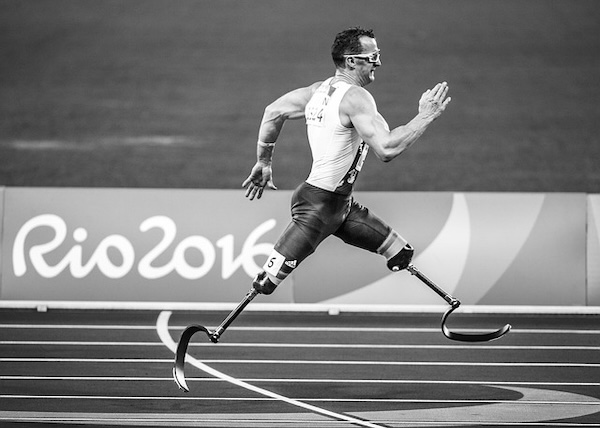
  • The Paris 2024 Paralympic Games broke every broadcasting record with live audiences up 40% from Tokyo 2020 and 117% compared to Rio 2016.
  • For the first time, all 22 Paralympic sports were broadcast at the Paris 2024 Games. Para powerlifting and Para rowing doubled their audience numbers compared to Tokyo.
  • The inaugural Para Ice Hockey Women’s World Championship took place this year, marking another major step toward Paralympic inclusion by 2030.
adaptive athletes posing in gym

Brands for Adaptive Sports

The growth of adaptive sports is fueled by athletes who raise awareness while building powerful personal brands. 

Paralympic track athlete Hunter Woodhall, for example, lost his legs due to a congenital birth defect. Despite this tragedy, he’s dominated the adaptive sports space and cultivated a strong social media following in the process.

Woodhall shares authentic moments with his 3M TikTok followers, from his wedding day to his breakfast and race days. His high engagement and inspirational story make him a natural partner for brands like Lululemon.

With nearly 1 in 4 Americans living with a disability, brands that partner with adaptive athletes tap into a highly engaged audience while advancing authentic representation.

Adidas innovation director Emily Jagos calls it a huge opportunity, pointing to the community’s significant purchasing power. Adidas’s investment in adaptive sports innovation underscores the commercial potential for companies willing to embrace this space.

adaptive athlete putting on prosthetic leg for running

A Valuable Asset: Compelling Storytelling

Adaptive athletes hold a unique power in marketing and advertising: their ability to deliver authentic storytelling. Long overlooked and underrepresented in mainstream media, they now have a platform to share their stories of perseverance and excellence.

This past summer, Paralympic champion Ezra Frech debuted his docuseries Adaptive on Peacock, serving as executive producer for the behind-the-scenes series that follows several U.S. Paralympians. 

Frech, who competes in sprinting, long jump, and high jump, told interviewers: “The way ‘Adaptive’ portrays me is a hyper-obsessive, competitive kid who will stop at nothing that’s in front of him to get to his goals.”

Unique narratives like Frech’s fuel performance and inspire audiences to rise stronger after setbacks. In sports marketing, this is what brands love to capture. Campaigns featuring adaptive athletes often move beyond endorsements to bridge the gap between brand messaging and consumer relatability.

Paralympic athletes racing on track

The Role of Adaptive Athletes

Adaptive athletes are leading the way in popularizing their sports, and brands are increasingly turning to them as campaign leaders. Partnerships have raised awareness and transformed the adaptive sports world, with the Paris 2024 Paralympic Games breaking every broadcasting record.

Athelo Group’s own Amy Bream and Chris Ruden exemplify how sponsorship can amplify reach. Chris, an adaptive weightlifter and fitness entrepreneur, has partnered with brands like Nike, RockTape, and Quest Nutrition to merge performance with advocacy for diabetes awareness and disability inclusion. 

Amy, a CrossFit athlete and motivational speaker, joined forces with Under Armour in its The Only Way Is Through campaign. She has also collaborated with Reebok, showcasing how adaptive athletes can represent mainstream performance brands while challenging industry norms.

Adaptive athlete partnerships expand representation, break down stigmas, and inspire new audiences. By sharing both victories and daily challenges, adaptive athletes build authentic connections with audiences, turning relatability into influence.

Looking Ahead

As global sports events approach, adaptive athletes will play a central role in shaping inclusive marketing. Milan Cortina 2026 Winter Games and Los Angeles 2028 Summer Games will be great opportunities to see this in action.

Brands like Uber, Airbnb, and Omega have already committed as partners for upcoming Games, signaling adaptive sports’ growing appeal.

For companies, the message is clear: aligning with adaptive athletes is more than “good optics.” It’s a chance to lead in inclusivity and connect with one of the most engaged audiences in sports today.

How Athletes Like Ilona Maher Turn Influence Into Income

Professional athletes have more opportunities to turn their talent into money than ever before. Thanks to the rise of digital platforms, athletes’ sponsorships, endorsements, and media deals often impact earnings more than salaries or prize money.

Take Ilona Maher and Chloe Kim: their brand partnerships and media presence show how athletes in niche sports can earn more off the field than on it. These revenue streams highlight how modern sports have evolved into a broader business model.

Quick Highlights

  • The modern athlete is both competitor and entrepreneur, blending sport and business.
  • Salaries can be massive, like Lionel Messi’s Inter Miami contract worth up to $150 million over 2.5 years.
  • Endorsements often outweigh competition earnings. Rory McIlroy earned $4.2 million for his Masters win, but his 10-year Nike contract is worth over $200 million.
  • NIL and social media have created new income streams. LSU gymnast Livvy Dunne earns seven figures annually, while Ilona Maher built and monetized a following of 3.6 million on TikTok.
  • Brand partnerships can be highly lucrative. Chloe Kim’s deals with Nike, ROXY, and Toyota during her Olympics season brought in an estimated $3 million alone.
headshot of professional snowboarder

Salaries and Prize Money

Salaries and prize money still remain a core part of athletes’ earnings.

In team sports like the NBA, NFL, and Premier League Soccer, contracts exceed hundreds of millions. For example, Lionel Messi’s contract with Inter Miami will earn him up to $150 million in 2.5 years. 

Individual sports like tennis or golf also pay out significant prize pools. Rory McIlroy received $4.2 million after his win at the Masters Tournament.

However, these salaries often only account for a smaller percentage of total income. For example, Lionel Messi earned $60 million on the field but beat that with $75 million in endorsements, making competitive payouts only half of his total income.

This financial shift shows how athletes’ performance is only one part of the modern athlete’s earning potential, and why building a personal brand is becoming more and more important.  

Sponsorship Deals

Sponsorships remain one of the strongest revenue streams for athletes. Companies pay for visibility through logos, endorsements, and co-branded product lines. Deals like LeBron James’ lifetime Nike contract, worth over $1 billion, show just how lucrative this can be.

These partnerships extend well beyond sportswear. Serena Williams has worked with Wilson, Gatorade, and Beats by Dre, reflecting how athletes’ influence spans multiple industries.

Social media has pushed sponsorships from simple logo placements into lifestyle collaborations. Chloe Kim’s partnerships with Nike, Toyota, and ROXY tie her athletic success directly to global consumer brands.

Merchandising has become an equally powerful piece of the model. Michael Jordan’s historic negotiation for Air Jordan royalties and Kim’s ROXY apparel line show how athletes now profit not just from visibility, but from products built around their personal brand.

basketball player dribbling on the court

Social Media and Personal Branding

Athletes increasingly turn their fame into business opportunities by building personal brands. Platforms like Instagram, TikTok, and YouTube allow them to act as influencers while running their own media channels.

Michael Jordan set the standard with his Jordan Brand, which included royalties on every shoe sold and went on to generate billions in revenue. More recently, Russell Westbrook’s streetwear line Honor the Gift and Livvy Dunne’s NIL-driven social media deals show how athletes extend their reach beyond competition.

Ilona Maher, for example, built a massive TikTok following by sharing humorous, relatable content during the Tokyo Olympics. The attention not only boosted her career but also elevated rugby’s visibility, ultimately leading to major sponsorships with brands like L’Oréal Paris and Paula’s Choice.

Personal branding now goes beyond content to storytelling. By showing who they are off the field, athletes create authentic connections with fans, making them more valuable to brands and broadening their influence.

Alternative Revenue Streams

Diversifying is essential to long-term financial success, and many athletes are now entrepreneurs

Investments in startups, real estate, and media companies have become common. LeBron James co-founded SpringHill Company, producing shows and films, while Kevin Durant’s Thirty Five Ventures manages investments from innovative startups, while also producing content through its media platform. 

Even college athletes under NIL are launching apparel brands and training academies, building wealth and legacies beyond their sport. These ventures also provide a buffer against short careers or injuries, proving that business savvy is just as important as being game-ready.

professional skier skiing down mountain

The Business of Being an Athlete

The playbook has shifted. Athletes are starting early, with NIL giving high school and college players the chance to build brands that inspire, engage, and generate revenue.

Today, success is measured by more than contracts and performance. The athletes who stand out are those who build a lasting brand that can generate income long after competition ends.

Athelo Group helps athletes and brands navigate this evolving landscape, building partnerships, launching businesses, and creating sustainable careers. If you are a brand looking to partner with our athletes, or an athlete seeking representation, contact us to start building what’s next.

Sports Sponsorship ROI: Why Brands Invest Billions in Athletics

Not long ago, an athlete’s role in sports sponsorship was simple: wear the logo, smile for the camera, maybe appear in a TV ad. Today, the playbook looks very different. Athletes have become storytellers, creative drivers, and trusted voices.

Through years of competition, personal struggle, and triumph, they build credibility that authentically connects with audiences. From Dani Speegle sharing her training routine to Brisa Hennessy partnering with Pura Vida to highlight her connection to her Costa Rician roots, these moments show who athletes truly are.

This sports marketing shift isn’t just cultural. It’s measurable.

Quick Highlights

  • Authentic voices deliver 7× higher ROI than traditional influencers thanks to audience trust.
  • Girls Who Eat, a movement promoting healthy and empowered relationships with food, sparked widespread social resonance and drew hundreds of thousands of followers who connected with Dani Speegle’s message of strength over aesthetics.
  • Travis Hunter’s partnership with Celsius in the “Essential Six” campaign generated 1.2M+ impressions and a 5.8% engagement rate through personal and training content.
  • NIL is creating new opportunities for college athletes and brands, with 40% of varsity athletes landing brand deals within their first year.
  • Fans of women’s sports are 2.8× more likely to purchase products endorsed by female athletes, proving influence extends beyond exposure.
athlete sponsored by gymshark

The Sports Sponsorship Evolution

The campaigns people remember aren’t always the ones with the biggest logo. They’re the ones that tell a story worth following. Dani Speegle’s Girls Who Eat campaign, for example, champions body positivity and female empowerment within strength sports. 

These partnerships challenge stereotypes, spark cultural conversations, and grow communities beyond competitive athletes.

As platforms like Instagram Reels, TikTok, and YouTube pull fans deeper into athletes’ daily lives, the content that resonates most feels unscripted and personal. Emily Loogman Rethwill connects with her audience through training clips and motivational captions, but also by sharing everyday moments with her daughter.

This balance of performance and authenticity shows why athlete partnerships have become a core strategy for cultural relevance and long-term engagement.

Turning Athletes into Brand Storytellers

Modern athlete partnerships thrive when athletes are given creative freedom to share their stories. Instead of just promoting products, they integrate brands into authentic glimpses of their daily lives, routines, and personal experiences. 

This approach allows fans to connect with both the athlete and the brand on a deeper level.

Former college football players like Travis Hunter and DJ Uiagalelei share content that reflects their training, campus life, and personalities. Hunter’s partnership with Celsius highlighted his workouts and gameday prep, while Uiagelelei because the first active college athlete featured in Dr. Pepper’s “Fansville Campaign.” 

The fans are loving it: Hunter has 2.2 million followers on Instagram and Uiagalelei has garnered over 80K likes in a single post. When brands fit seamlessly into their content, the result is more valuable than exposure— it’s authentic engagement.

The NIL Revolution

The 2021 Supreme Court ruling on Name, Image, and Likeness (NIL) rights transformed collegiate sports marketing. For the first time, college athletes could monetize their personal brands, opening doors once reserved for professionals. Within a year, Harvard Business Review reported that 40% of varsity athletes at Texas Tech alone had landed brand sponsorships.

NIL deals give brands access to highly engaged, authentic audiences. Programs like the Tennessee Volunteers’ partnerships provide athletes with financial support while introducing brands to loyal, built-in fanbases. 

Professional athletes are also inspired by NIL-style collaborations. NBA player Isaac Okoro works with smaller lifestyle-aligned brands like Holo Footwear for creative freedom, producing content that blends athletic performance with personal interests. Rising stars like Sydney Grimes are collaborating with viral brands like Gold Hinge, creating lifestyle-focused content that feels genuine and relatable.

This new era makes one thing clear: athletes are no longer just endorsers. They are partners and storytellers, shaping culture, driving consumer behavior, and creating measurable value for the brands they align with.

athlete wearing nike shoes

The Power of Athlete Storytelling

In a world where consumer attention is fragmented, sports are one of the last shared stages. Athletes command focus across platforms, bridging live moments with digital storytelling. For brands, betting on sports sponsorship is really a bet on owning scarce, high-trust attention.

At Athelo Group, we bring brands and athletes together to turn that attention into impact. Ready to bet on sports? Learn how we’ve transformed sports sponsorships into growth strategies.

Where the Pros Go: Best Places to Surf in the World

Once tethered to local breaks, professional surfers now chase perfection across the globe’s best places to surf. These athletes, from rising stars like our own Brisa Hennessy to all-time legends like Kelly Slater, seek more than just swell forecasts. They chase identity, community, and soulful connections to places that have shaped their lives and careers.

From the jungle points in Pavones, Costa Rica, to the reef giants of Cloudbreak in Fiji, these best places to surf in the world are home breaks, proving grounds, and personal sanctuaries for pro surfers.

Quick Highlights

  • Surfing’s addition to the Olympics expanded the sport’s global reach, driving pros to refine their craft on the world stage.
  • The global surf tourism market was valued at $68.3 billion in 2024 and is projected to hit $95.9 billion by 2030.
  • CNN named Pipeline on Oahu, Hawaii the world’s top surf spot, celebrated for its towering six-meter waves and flawless barrels.
  • Legends like Kelly Slater and John John Florence built their careers on iconic waves including Pipeline, Teahupo’o, and Kirra.
  • Athelo athlete Brisa Hennessy found her style in Costa Rica’s tropical swells, training at Pavones—home to one of the world’s longest waves, stretching more than 800m.
  • Fellow Athelo surfer Zoe Benedetto honed her grit on Florida’s East Coast, where small, unpredictable 1–2 ft waves demand adaptability.
sunset at one of the world's best places to surf

Brisa Hennessy’s Best Places to Surf: Matapalo & Cloudbreak

Raised off-grid on Costa Rica’s Osa Peninsula in Matapalo, Brisa Hennessy learned the foundations of surfing on waves like Pan Dulce and Pavones. These breaks are encompassed by dense rainforest and local community. 

From a young age, surfing for Brisa was more a way of life than a sport. Her parents ran a local Pan Dulce surf school, where she first stood up on a wave at age three. This foundation has shaped the soulful and grounded competitor we see today.

Years later, during lockdown from the COVID-19 pandemic in Fiji, Brisa faced one of her most defining moments at Cloudbreak, a legendary reef break known for its raw power. As she described in SurfGirl Magazine, confronting fears head-on filled her with confidence. 

“Fear is uncomfortable. But I learnt [at Cloudbreak] that when you accept it’s real, it’s there, you’re willing to embrace it. You either stay uncomfortable or you grow.” 

These two iconic surf spots, Matapalo and Cloudbreak, go beyond just being her favorite. For Brisa, they’re the chapters that shaped her resilience. Matapalo is Brisa’s heritage. Cloudbreak represents her embracing her fears and finding clarity amid the chaos.

Zoe Benedetto’s Favorite Surf Spot: Fort Pierce, Florida

Rising star and pro-surfer Zoe Benedetto grew up surfing the Fort Pierce Inlet. The inlet is a modest, yet challenging beach break she proudly calls her home territory. 

“It’s a pretty solid beach break for Florida,” she told The Inertia. “It definitely prepares you for the grovel and challenging aspect of surfing where it’s not perfect all the time.” This foundation has given her a competitive edge and grit that carried her through her early QS victories.

Beyond her home break, Zoe also loves Playa Escondida in Costa Rica. This sought-after surf spot is revered for its world-class quality and regular wave frequency. While remote, Playa Escondida offers a more intentional surf for Zoe, one that resonates with her evolving style.

surfboards in one of the best places to surf in the world

Zane Schweitzer’s Top Picks: Maui, Hawaii & Cloudbreak

Born into a water-obsessed family on the island of Maui, our very own Zane Schweitzer mastered ocean sports before he could walk. These watersports include surfing, windsurfing, and stand-up-paddleboarding. His grandfather, Hoyle Schweitzer, invented windsurfing, setting the tone for Zane’s life and passion for the ocean. 

Zane calls Manu’s reef breaks home, especially spots like Honolua Bay with its groomed, hollow right-handers and sheltered trade winds. 

Along with Honolua Bay, Cloudbreak in Fiji also holds a special place in his heart. As one of his favorite surf spots in the world, Cloudbreak pushes Zane to his limits. Out there, it’s all about wave-riding ability and talent on the water, conditions that strip the sport back to pure instinct.

Slater, Florence, and Ewing: Their Favorite Spots

Pro-surf legend Kelly Slater has many break favorites across the globe. His reach spans from Pipeline and Kirra to Jeffreys Bay and Sebastian Inlet. Slater also has described his deep connection to the surf community in Tavarua, Fiji where Cloudbreak feeds his passion.

John John Florence’s homebreak is the iconic surf spot of Pipeline on O‘ahu’s North Shore, arguably the most challenging and celebrated wave in the world. This spot is also home to many surf competitions, where the community and culture has enhanced its appeal and has contributed to the growth of the sport.

Florence has described this wave as both familiar and commanding, saying he’s “not afraid” even when the ocean looms overhead. From childhood paddling to back-to-back world titles, this top surf destination has seen many of his life-defining moments. 

Hailing from North Stradbroke Island, Ethan Ewing’s strength lies in rail control and speed. Yet, he also favors Teahupo’o in Tahiti, a renowned heavy left-side break known for its raw challenge and breathtaking barrels. His 2022 season showed Ewing wasn’t just surviving Teahupo’o, he was excelling in it.

surfer in maui best place to surf in the world

The Places That Shape Surfers & Their Performances

Pro surfers may travel the world in search of waves, but the breaks closest to home often define their style. Brisa Hennessy’s surfing DNA was formed in Matapalo and Cloudbreak, yet her sharpest results have come at Pipeline and Punta Rocas.

Zoe Benedetto learned adaptability in the shifting beach breaks of Fort Pierce, Florida, a skill that now carries into competitions from Oceanside to Barbados.

Kelly Slater’s first proving ground was Sebastian Inlet, but his career-defining wins span Pipeline, Jeffreys Bay, and Teahupo’o. John John Florence, raised on the North Shore’s reefs, has proven himself from Tahiti’s heaviest barrels to South Africa’s point breaks.

These stories show that while identity begins in home waters, a surfer’s legacy is built on waves that demand skill, instinct, and commitment.

Become a Sponsor.

Join us in making a difference. Tell us a bit about yourself and we’ll be in touch with sponsorship details.

By submitting this form, you agree to be contacted by the Athelo Group team regarding sponsorship opportunities.