
Future of the WNBA: How Expansion Teams Will Shape the League

The Women’s National Basketball Association (WNBA) is at a major turning point. The league will begin a new era following years of steady growth in attendance and popularity

The impact of WNBA executives’ plans to expand the league from 13 to 18 teams by 2030 goes beyond adding more games to the schedule. This expansion will bring professional women’s basketball to Cleveland, Toronto, Portland, Detroit, and Philadelphia. 

Beyond competitive changes on the court, new expansion teams have the potential to change women’s sports culture.

Quick Highlights

  • The 2025 WNBA postseason set a new viewership record on ESPN, averaging 1.2 million viewers per game across 24 playoff matchups.
  • The Golden State Valkyries, an expansion team, led the league with an average home attendance of 18,064 fans per game.
  • The 13 franchises of the WNBA increased in value by an average of 180% from 2024 to 2025
  • In 2024, the WNBA recorded nearly 2 billion social media video views, which was more than four times higher than in 2023.

Women's Basketball

Roster Growth and New Competition

The distribution of talent across more teams is among the most prominent outcomes of league expansion. More talented female athletes will have the chance to compete at the highest professional level with more roster spots available. This boosts competition throughout the league and fosters an increased demand for talent development as well as supplying more jobs and careers.

The Golden State Valkyries, the league’s first expansion team in more than ten years, have demonstrated that new teams can immediately make a name for themselves on the court. They are the first WNBA expansion team to make the playoffs in their first season. In 2025, Golden State ranked 4th in the Western Conference, averaging 77.7 points per game. Valkyries star Veronica Burton averaged 11.9 points and 6.0 assists per game while starting all 44 games, earning the WNBA Most Improved Player award.

Naturally, more rivalries will also be cultivated by this newly found competition. The New York Liberty and Connecticut Sun already have a strong Eastern Conference rivalry due to their close locations and frequent matchups. The establishment of a Philadelphia team could add even more excitement to the East Coast rivalries.
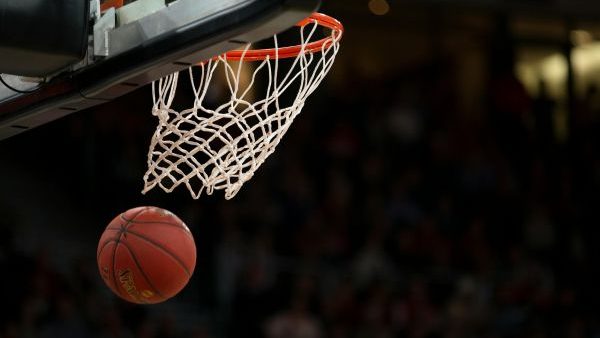
WNBA expansion team

Which Location is The Right Location?

Even while more teams lead to greater opportunity, not every market can sustain a WNBA franchise. The league must give priority to cities with strong basketball culture and a current interest in women’s sports if it intends to expand in the long run.

Philadelphia, Detroit, and Cleveland are prime examples of this tactic. The Cleveland Rockers and Detroit Shock, two former WNBA teams who had devoted fan bases prior to their respective collapse and relocation, both have significant basketball histories. Their comeback rekindles community spirit and draws on previously established support. 

Philadelphia, on the other hand, emerges as a new market with a legendary basketball culture and sporting facilities under construction. This includes the New South Philadelphia Arena, which is scheduled to open in 2030 and house the new WNBA franchise.

Lessons from previous professional leagues are reflected in the league’s focus on areas with strong fan bases. NBA, NFL, NHL, and MLB expansions demonstrate that success often depends on media engagement, advertisement, and fan loyalty which are factors that guarantee long term exposure and financial sustainability.

Economic Effect

For possible cities and states, expansion presents substantial economic potential. In addition to creating jobs for marketing teams and stadium employees, professional sports teams may boost local businesses by drawing fans to restaurants, hotels, and stores on and around game days. A new WNBA franchise may boost a city’s reputation both locally and globally by stimulating tourism and consumption.

The WNBA may avoid errors and adopt sustainable growth strategies by learning from both successful and unsuccessful expansion efforts in other major American sports leagues. With Cleveland in 2028, Detroit in 2029, and Philadelphia in 2030, the expansion shows signs of meticulous planning to hold competitive balance while strategically growing the league.

The Golden State Valkyries give an idea of how growth may create economic momentum. They contributed to greater media coverage and attendance in the Bay Area, generating additional employment and business possibilities. Their addition also increased the WNBA’s visibility in a significant sports market, showing how expansion teams can support the league’s long term financial success while swiftly boosting local economies.
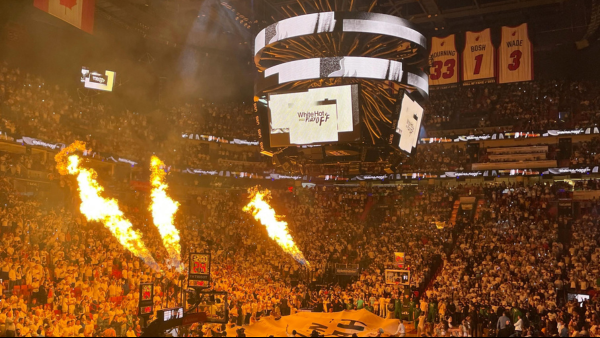
WNBA transformation

Cultural Impact

The effects of expansion extend beyond money. Expansion is necessary in order to enhance the culture of women’s sports. Younger generations of athletes and fans will be inspired by the increased exposure of female athletes as more teams compete and get media attention

The WNBA’s expansion is consistent with many shifts in women’s sports, where greater funding and media attention have created new possibilities and changed how not only sports fans, but how society views female athletes. By entering new markets, the league continues to push women’s basketball forward both culturally and socially.

Building The Next Era of The WNBA

The WNBA’s climate is changing significantly as it continues its historic expansion. The introduction of more franchises provides players with greater opportunities and additional cultural and economic advantages for surrounding communities. 

The WNBA is not only expanding in size, but also solidifying its position as a major force in women’s sports by choosing these potential cities and using lessons learned from precedent.

With a larger platform for women’s basketball to flourish, the next era promises new rivalries, packed arenas, and long-term opportunities for future generations.

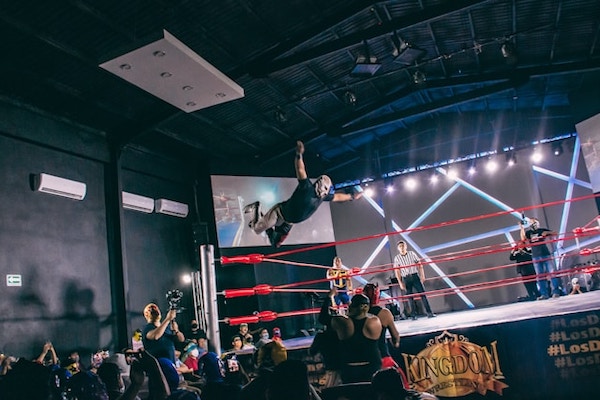
The John Cena Formula Behind WWE’s Global Growth

WWE is a global entertainment powerhouse valued at over $16 billion. Built on long-term storytelling, larger-than-life personalities, and a loyal fanbase, WWE continues to grow despite other sports properties struggling to retain attention.

John Cena’s final match reflects this formula, one that helped WWE scale into one of the most durable and recognizable sports-entertainment brands in the world. 

 WWE takes raw talent like Cena’s and turns athletes into global sensations. By developing character arcs, leaning into authenticity, and maximizing entertainment value, the franchise creates and leverages superstars that elevate the brand.

Despite strong feelings about the end of Cena’s career, WWE is quickly forging ahead and ready to repeat the formula.

Quick Highlights:

  • The global professional wrestling fanbase was roughly 5.8 billion in 2024, and it expected to grow to around 9 billion by 2030. 
  • Viewership for the most recent Wrestlemania, WWE’s biggest yearly event, saw a 114% increase over the record that was set at last year’s Wrestlemania. 
  • Episodes and appearances tied to John Cena’s final run generated higher viewership and engagement, with his final RAW appearance generating 3 million more viewers than the previous week’s show. 
  • WWE currently has media deals with Netflix, ESPN, and NBC. In 2024, they signed a 10 year, $5 billion deal with Netflix for Monday Night Raw.
wrestling match similar to john cena in wwe

The WWE Business Model: Storytelling First

Unlike traditional sports, where the game itself is the product, WWE sells storytelling above all else. Matches matter, but the stories behind them matter more.

Rivalries stretch across months or even years. Characters evolve. Heroes fall, villains rise, and redemption arcs keep fans emotionally invested long after the bell rings. This serialized style turns WWE into ongoing entertainment, perfectly suited to today’s binge-ready media landscape.

That narrative foundation makes the biggest events — Royal Rumble, SummerSlam, WrestleMania — feel massive. They conclude major storylines, settle long-standing feuds, and pay off months (or years) of emotional buildup.

Adaptation & Long-Term Character Building

WWE pivots quickly when a character isn’t clicking. Many of its biggest stars started with a completely different gimmick before finding what worked.

Athelo Group’s own Mark Henry debuted as the proud Olympic medalist representing the USA. When that didn’t connect, WWE shifted to his ladies’ man persona, and Henry became a top-tier entertainer.

John Cena began as just another generic wrestler on the verge of being cut. A viral backstage rap freestyle changed everything — he embraced the “Doctor of Thuganomics” character and became a household name.

Cena’s final match carried so much weight because fans had followed the entire journey: the rise, the dominance, the criticism, the injuries, the resilience, and the unmatched longevity.

WWE builds up to these moments, layer by layer. That storytelling-first approach drives weekly TV, premium live events, and constant social engagement, keeping the company culturally relevant all year long.

John Cena: The Blueprint for WWE Superstar Branding

From the “Doctor of Thuganomis” to being the face of the franchise for an entire generation, Cena became a global ambassador for WWE. His crossover success into film, television, commercials, and philanthropy introduced WWE to entirely new audiences, with many new fans following Cena back to the wrestling product.

Every movie role, red-carpet appearance, and viral interview expanded the WWE footprint. John Cena didn’t just benefit from WWE’s platform, it was mutually beneficial.

Once, Cena surprised people at a movie theater about to watch his blockbuster new movie Suicide Squad, but showed up in full WWE character. As one of the most philanthropic figures in wrestling, there have been countless times of him making kids’ wishes come true to meet him.

His farewell moment underscores WWE’s long-standing strategy: build authentic stars, let them grow beyond the ring, and allow their success to reflect back on the brand.

Superstar Brands Drive WWE’s Scale

WWE’s roster is intentionally diverse in personality, presentation, and audience appeal. No two superstars are interchangeable, as each one is treated as a distinct brand with a unique voice, look, and story.

This approach lets WWE connect with different audiences at once. Hardcore fans stay locked into long-term storylines, casual viewers grab quick social clips, and new people discover WWE through movies, podcasts, fashion drops, or influencer culture.

Take Dave Bautista. WWE fans know him well, but most people recognize him as Drax from Guardians of the Galaxy. That Hollywood fame brought many of his 6+ million followers into the WWE world.

From John Cena and Roman Reigns to Becky Lynch, Hulk Hogan, and Mark Henry, WWE grows through stars who resonate far beyond the ring. Their individual fanbases stack together, creating a bigger, more durable ecosystem. In today’s attention economy, personality is the product, and WWE gets that better than almost anyone.

WWE’s Modern Media Takeover

WWE’s growth comes from smart media strategy. Long-form storytelling lives on weekly shows and premium live events, while short-form moments flood TikTok, Instagram Reels, and YouTube Shorts.

Promos go viral. Entrances become memes. Emotional moments spread instantly across platforms, pulling in fans who might never watch a full show. Every public moment in WWE turns into promotion for the brand.

John Cena’s final match was a perfect example. The match itself sparked nostalgia, emotion, debate, and massive shareability. Right before he tapped out, Cena was caught smiling.

Fans immediately connected it to his “Never Give Up” motto, debating whether the smile meant he was ready to retire. Cena fans were upset he lost, and the match blew up online.

WWE’s Instagram Reels usually get 1-2 million views each. Videos from the day of Cena’s last match and its aftermath averaged 3-4 million views. These moments don’t end when the bell rings; they live on forever in the digital space.

The Future of WWE Storytelling

John Cena’s exit isn’t slowing WWE down. It’s a chance to keep building an already strong brand.

WWE constantly creates the next generation of stars by blending athletic performance with character development and adapting to fan reactions. New superstars arrive as people with fresh personalities and arcs that fans can follow for years. With fan numbers projected to continue rising, there’s endless room for fresh stories and new generations.
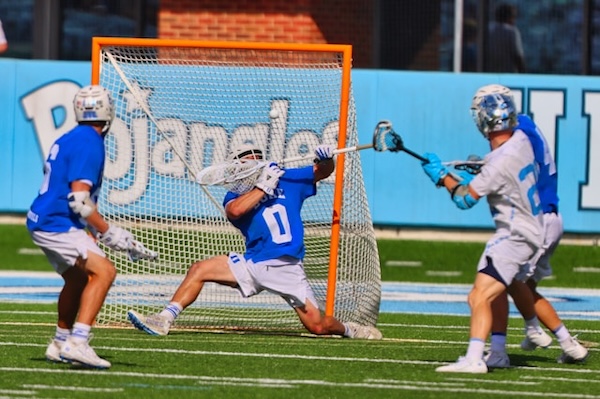
Cena’s final chapter proves WWE’s greatest asset lies in making fans care and stay invested. That’s why the brand keeps growing stronger.

Look at the lead-up to Cena’s last match: Cody Rhodes, the WWE champion, faced Oba Femi, the NXT champion. The match didn’t go as planned, but it introduced Femi, a former college shot-put athlete with freakish strength and athleticism, as a future headline-maker. He’s a great fighter and an even better entertainer ready to rise in the wake of Cena’s retirement.

Recovery for Athletes: Sports’ Newest MVP

Recovery for athletes is no longer a luxury— it’s a necessity. Between new technology, smarter recovery tools, and the prioritization of holistic health, athletes have more tools than ever to protect their bodies and minds. 

In the past decade, there has been a growing understanding of what peak performance requires which has pushed both brands and athletes to further prioritize their wellness and recovery practices. 

This new rehabilitation standard is reflected through the extensive Fitness Recovery Services Market. As the demand for these services and products continue to grow, it is clear this industry is only beginning.

Quick Highlights

  • The global fitness recovery services market will reach a projected $26.8 billion by 2035, up from $8.3 billion in 2025.
  • The leading segment of the market is massage therapy & assisted stretch with a nearly 38% market share.
  • The global sports nutrition market, which includes sports drinks, bars, powders, and capsules, was valued over $66.27 billion in 2024 and is projected to reach over $138 billion in 2033.
  • Sports franchises like the Washington Commanders are investing over $25 million in recovery solutions, highlighting the growing priority placed on athlete recovery.
athlete stretching to recover

The Industry 

Society’s emphasis on holistic health has driven explosive growth in the sports recovery and nutrition markets. Everyday consumers are now prioritizing protein intake, hydration, and advanced recovery tools, while wellness trends push the sports industry to innovate and expand.

Professional teams are investing heavily in recovery, with many allocating multimillion-dollar budgets to state-of-the-art facilities. For example, the Washington Commanders spent $25 million on upgrades featuring cryotherapy, infrared saunas, and hyperbaric oxygen chambers to accelerate player rehabilitation.

Common equipment now includes percussion devices like Theraguns, shockwave and laser therapy machines, and compression boots. Over a third of training spaces in modern facilities are dedicated to recovery, reshaping athlete training protocols and extending career longevity.

In a high-stakes industry, on-field performance increasingly depends on off-field recovery practices. These investments not only reduce injury downtime but also influence sponsorships and partnerships in the booming recovery sector.

The Modern Athlete Toolkit 

Wearable technology has become a cornerstone of the sports recovery market, providing athletes with real-time data on training load, sleep, and recovery metrics. Popular devices like Oura Rings, Whoop bands, and Garmin watches enable precise monitoring, helping optimize rest and prevent overtraining.

Electronic recovery devices are also transforming post-workout routines, accelerating muscle repair through improved circulation and reduced inflammation. Cryotherapy chambers, compression systems, and percussive therapy tools like Theraguns are now staples, often replacing traditional ice baths and static stretching.

Nutrition is equally critical, with athletes relying on high-quality protein sources, hydration products, and targeted supplements to fuel recovery and performance. The booming demand has spurred innovation, giving pros and amateurs unprecedented options for daily nutritional support.

Standout brands like David Protein exemplify this growth—their bars deliver 28g of protein in just 150 calories, achieving explosive success with over $100 million in projected first-year revenue since launching in 2024. 

Wellness Shaping Performance 

As wellness continues to move to the forefront of sport, mental strength and recovery systems prove just as essential as physical training.

Mental performance strategies like visualization, focus training, and stress management are becoming core parts of an athlete’s routine. These tactics help athletes stay composed under pressure by giving them tools to stay mentally centered as challenges arise. 

The US Olympic Committee is leading this trend among major sports organizations by forming a team of 15 full-time mental performance coaches for their athletes. This dedicated team delivers significant results, enhancing mental health support and performance optimization across Team USA.

athlete drinking sports drink for recovery

The Future of Athlete Recovery and Wellness

As the sports world continues to evolve, it’s clear that athlete wellness is the new competitive edge for optimal performance. 

Brands like ARMRA are advancing this mission by creating products to rebuild health from the inside out. Athelo Group athletes Brisa Hennessy, Conor Daly, and Chandler Smith gravitate towards ARMRA as they continue to prioritize clean and trustworthy wellness solutions. 

The athletes who prioritize their recovery, nutrition, and mental strength aren’t just performing better– they’re building the longevity of their careers.

This shift presents a powerful opportunity for brands, teams, and support staff. In an industry defined by intense demands, investing in athlete wellness has become a strategic advantage.

Real American Freestyle Creates New Path for College Athletes

College wrestling has long been one of the most competitive and transition-rich pipelines in U.S. sports. But for decades, the leap from NCAA Folkstyle to Olympic freestyle has been brutally tough. Limited funding, scattered regional training centers, and almost no professional opportunities have forced too many stars to walk away after senior year.

That changes in 2025 with Real American Freestyle (RAF). Founded by Hulk Hogan, entrepreneur Chad Bronstein, and wrestling coach Terris Fracis, RAF is the first pro-level, unscripted freestyle wrestling league in the U.S. 

With real prize money, national media exposure, and modern league infrastructure, RAF finally gives elite college wrestlers a clear, lucrative bridge to the world stage—and a legitimate shot at turning wrestling into a career.

Quick Highlights

  • Real American Freestyle (RAF) debuted in 2025 as the first professional freestyle wrestling league in the United States.
  • After just three events, RAF has amassed 90,000 followers across X and Instagram.
  • The inaugural RAF 01 event drew a sold-out crowd of 4,500 fans, while RAF 02 welcomed around 3,000 attendees.
  • For the first time ever, Olympic-style wrestling now features regulated sports betting thanks to RAF’s partnership with ALT Sports Data.
  • Top competitors secure six-figure total compensation through prize money, appearance fees, NIL deals, and sponsorships.
  • RAF delivers what college wrestling has lacked for decades: a fully funded, media-rich professional career path straight out of the NCAA.
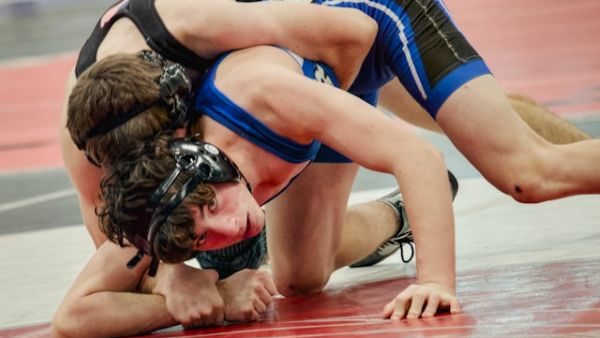
college wrestlers in the real american freestyle pipeline

Real American Freestyle Changes Everything

Historically, American wrestlers have had only a few avenues after college: the Olympic ladder, international competition, join underfunded RTCs, or retirement. Unlike basketball or football, wrestling has never had a true professional league with real salaries, national media exposure, and sponsorship potential.

Real American Freestyle (RAF) ends that era.

Launched in 2025, RAF delivers legitimate unscripted freestyle competition packaged with modern entertainment production. The league feels like a blend of UFC intensity and March Madness drama, built exclusively for wrestling.

RAF 01 Delivered Instant Star Power

The debut event, RAF 01, took place August 30, 2025, at the Wolstein Center in Cleveland in front of 4,500 fans. The card featured dream matchups never before seen on the same mat.

Standout bouts included Yianni Diakomihalis versus Bajrang Punia (India), Bo Nickal versus Jacob Cardenas, Real Woods versus Darrion Caldwell, and the women’s feature Sarah Hildebrandt versus Zeltzin Hernández.

These contests paired current NCAA stars against international Olympians and veterans from different eras, weight classes, or countries. The result was instant buzz and must-watch moments.

For many college athletes, RAF signifies a reason to keep competing after graduation: real money, real exposure, and a real career.

RAF’s Media-First Revolution

The biggest difference between RAF and every wrestling event that came before it is simple. RAF does not just host matches. Leveraging a media-first strategy, it builds stars. 

Every card delivers cinematic production values, dramatic walkouts, and concert-style lighting. Commentary mixes wrestling legends with top MMA voices, and full events stream on FOX Nation. Short-form clips explode across TikTok and Instagram Reels, often hitting millions of views overnight.

Athletes get profile pieces, behind-the-scenes series, and season-long storylines that turn competitors into personalities. College wrestlers’ personal brands now reach mainstream audiences, giving them the chance to attract sponsors who never looked at wrestling before.

NIL Opportunities and the Betting Conversation

RAF’s emergence also intersects with two fast-evolving areas of college sports: NIL partnerships and sports betting regulation.

Because RAF events are structured as media and entertainment productions rather than traditional amateur tournaments, active NCAA wrestlers can compete without risking eligibility. They earn from appearances, branded content, and sponsorship integrations while still wearing their college singlets.

Top athletes like Women’s College Wrestler of the Year, Kennedy Blades, are already cashing in. The Olympic silver medalist won the women’s title at RAF 03 with an 11-0 second-period technical fall over Alejandra Rivera of Mexico. She then returned to the University of Iowa campus with her eligibility intact. 

Dozens of early RAF competitors have since landed fitness, nutrition, and apparel deals while rapidly growing their social followings.

Where Betting Fits In

RAF just locked in a multi-year exclusive deal with ALT Sports Data that brings sports betting to Olympic-style wrestling for the first time. Analysts project this partnership could indirectly boost RAF’s valuation by 20–50% in future funding rounds, drawing from proven models in emerging sports leagues.

Today’s combat-sports audience demands more than just the match. They want live odds, prop bets, and real-time stats on their phones while the action unfolds. RAF delivers all of it with ALT Sports Data as its exclusive sports betting data provider. 

The payoff for athletes is immediate and massive. Betting lines create mainstream headlines, spark water-cooler debates, and pull in casual fans who suddenly care about every takedown. A single RAF appearance can turn a college standout into a nationally recognized name overnight, and that name carries serious sponsorship value.

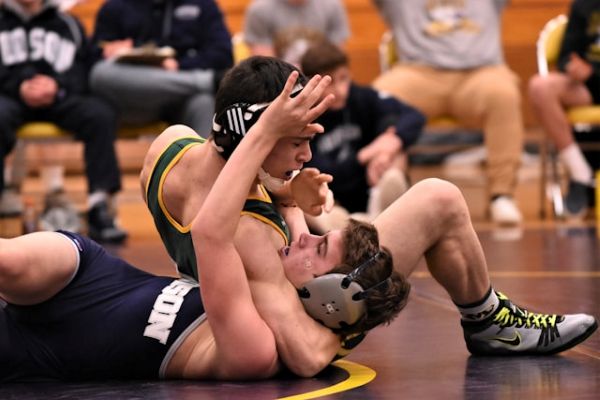
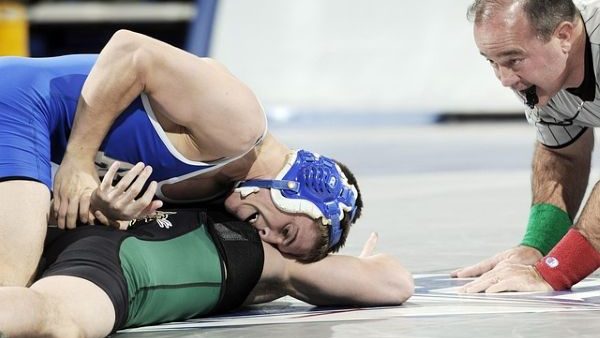
college wrestlers and referee

Why RAF Matters for the Future of Wrestling

Real American Freestyle is much more than a new event series. It is a new ecosystem built on the same commercial blueprint that turned CrossFit and MMA into global businesses.

The league already delivers what college wrestling has lacked for generations: real prize money, national broadcasts, betting integration, social-media reach, and direct sponsorship pipelines. Athletes who once faced retirement at 22 now have a clear, lucrative path forward.

For thousands of current and recent NCAA wrestlers, RAF is the difference between walking away and turning their sport into a career.

How Does Olympic Golf Work?

After disappearing from the Games for more than 100 years, golf returned to the Olympics in 2016 and quickly became a must-watch event. Olympic golf is not just another PGA or LPGA Tour stop. It has a unique format, qualification rules, and global selection process that make it one of the most distinctive competitions of the Summer Games.

As the sport grows, fans are paying more attention than ever. Rising American figures like Sydney Grimes combine elite golf with major social media influence, helping bring new audiences into the game.

Whether you are watching for the first time or want to understand the strategy behind the medals, here is everything you need to know.

Quick Highlights

  • With only 60 spots per field, Olympic golf is the most exclusive major event in the sport — less than 15% the size of a standard PGA Tour tournament.
  • More than 40% of Olympic golf qualifiers ranked outside the world’s top 100, proving how the ranking-based system reshapes the field.
  • Golf returned to the Olympics in 2016 after a 112-year hiatus, having last been played in 1904. The sport’s revival aims to boost global participation and increase youth engagement.
  • No team or mixed-format events currently exist, but discussions are underway about potentially adding a mixed team event as soon as the 2028 or 2032 Games.
  • The 1904 Olympics was the only time in history that featured a men’s team golf event.

How the Olympic Qualification System Works

Unlike other pro golf tournaments, Olympic golf uses the Official World Golf Ranking to decide who earns a place on the green. Countries can send up to four golfers per gender if all four are ranked inside the top fifteen. Otherwise, the maximum drops to two, which often leaves elite U.S. players on the outside looking in.

The goal of this format is to expand global participation rather than mirror another major championship. It creates spots for golfers from developing programs who may rank outside the top 100. That level of representation did not exist before golf returned to the Olympics in 2016.

For rising American stars like Rose Zhang and Nick Dunlap, strong results in college and early professional events shape their Olympic hopes. Every point matters as they build their world ranking on their paths toward LA28.

The Tournament Format: A Traditional Structure on a Global Stage

While qualification is complex, the Olympic competition itself is intentionally simple. The competition uses a 72-hole stroke play format across four days, just like major professional tournaments. All 60 athletes play every round, so no one is cut early and everyone has a chance to recover from a slow start.

This structure makes the sport easier to follow for fans watching Olympic golf for the first time. Medals are awarded based strictly on score, and ties for podium positions are settled through a sudden-death playoff. At the Tokyo Olympics, seven players including Rory McIlroy and C.T. Pan battled for the bronze medal in a dramatic playoff, one of the most suspenseful finishes in recent Olympic golf history.

golf ball on tee

The Evolution of Olympic Golf and Future Possibilities

Since its return, Olympic golf has grown more influential with each Games. Around 25 to 30 countries including China, Morocco and Turkey have expanded their investment in youth golf development, television audiences continue to grow, and the tournament has become a career defining goal for many players. 

This momentum has sparked discussion about adding new formats. A mixed team event with one male and one female golfer from the same nation has gained strong support. It would mirror successful mixed events in tennis and track while offering another medal opportunity and emphasizing collaborative play.

The upcoming Los Angeles Games present a perfect chance to introduce this kind of event thanks to golf’s strong popularity in the United States. A team format would create new competitive pathways for players whose skills shine in both individual and paired environments. For a versatile creator golfer like Sydney Grimes, expanded formats could help the sport reach new fans and strengthen its Olympic presence.

golf course

Why Olympic Golf Matters Today

Olympic golf represents far more than another event on the schedule. It is one of the few moments in the sport where individual performance intersects directly with national pride, and the prestige of a medal carries a unique weight. The tournament provides a global platform for the game’s elite while also elevating golfers from countries without long golf histories.

Looking ahead to the 2028 Games in Los Angeles, Olympic golf anticipates its widest reach yet. The competition will showcase the sport’s top talent on one of the biggest stages in athletics, creating unforgettable moments for both new fans and longtime followers. With growing excitement and a rapidly expanding global field, Olympic golf is shaping its own legacy within the future of the Games.

Why is CrossFit So Popular Among Women?

Walk into any CrossFit gym, often called a “box,” and you’ll notice something striking: women dominate the room. Confidence fills the air.

What started as a niche training method has evolved into one of the most empowering and inclusive fitness movements in the world. This intensive functional fitness regime empowers women to boost their self-confidence through demanding workouts, while also defying conventional gender stereotypes and striving for athletic excellence.

For many, CrossFit is more than a workout. It’s a mindset shift. It’s a place where women push limits, find community, and redefine what strength looks like. But what exactly makes CrossFit so popular among women today?

Quick Highlights:

  • Earlier industry data suggested women made up about 60% of CrossFit athletes globally between 2015-21, while more recent sources place female participation closer to 40% of the membership base.
  • Women in CrossFit report 90%+ improvements in self-esteem and 80%+ improvements in daily energy.
  • The CrossFit Games award equal prize money to male and female athletes, something most major sports still can’t say.
  • According to a BoxMate study, 77% of the women surveyed felt that when training in their gym/box, they could be competitive with males without judgement.
  • Women in CrossFit face lower reported injury incidence— 30% compared to 45% of men.
female crossfit athlete

Strength as a Skill, Not a Stereotype

CrossFit provides women with a training environment focused on performance and measurable progress. Instead of focusing on appearances or the scale, women concentrate on what their bodies can actually accomplish.

Data shows that women in CrossFit are highly motivated by developing strength, rating this factor higher than tone, size, or muscle mass. This indicates a positive shift towards performance goals. One study found that 81% of participants reported significant increases in perceived strength after consistent CrossFit training.

Beyond physical strength, the psychological benefits remain a driving force. Women participating in CrossFit report more than a 90% improvement in self-esteem and an 80%+ increase in day-to-day energy. In a survey of over 500 women, 94% said CrossFit and lifting made them feel empowered, strong, and more confident in their bodies.

That shift is happening at the elite level too. Athelo’s own Dani Speegle, who famously dominated a 250-pound sandbag clean event in 2022, embodies a new era of strength-forward female athletes. She’s vocal about inspiring girls to push limits and chase big goals, proving just how powerful and resilient women’s bodies are.

Supportive Community and Scalable Longevity

CrossFit is built around community. Instead of the isolated feel many commercial gyms have, classes bring people together, encourage progress, and create accountability. This supportive environment, paired with a focus on personal improvement, keeps people engaged for the long term.

That support matters: 77% of surveyed women said they feel comfortable pushing themselves alongside men without judgment when training in their gym or box.

CrossFit’s community dynamic mirrors what we’ve seen across the broader women’s sports ecosystem. When women are given equal space, equal visibility, and equal investment, participation surges.

We see this through CrossFit’s continuous opportunities. Women can start young, compete in the CrossFit Open starting at age 14, and have the freedom to grow stronger and compete until they are in their 80s and beyond.

Equal Plates, Equal Opportunity

From its inception, CrossFit has offered equal prize money for male and female competitors. Similarly, the same number of women and men are invited to the CrossFit Games. There is no separate women’s league; there is just the CrossFit Games, where every women’s field is broadcast widely.

The 2021 NOBULL CrossFit Games demonstrated this parity. Champions Tia-Clair Toomey and Justin Medeiros both received checks worth $310,000. Toomey, arguably regarded as the face of modern CrossFit, shows how powerfully women shape the sport’s culture and global reach.

In addition, the women’s fields at the 2021 Games were broadcast to 99 million aggregate viewers across the CrossFit Games platforms, standing against the sobering statistic that women’s sports generally make up only 4% of total sports media coverage.

This level of visibility echoes broader trends in women’s sports, where full-stage presentation, not only tokenism, drives engagement. 

female crossfit athlete

Inspiring Youth and Role Models

Visible, strong female athletes in CrossFit play a crucial role in inspiring the next generation.

Earlier industry reports estimated that women made up nearly 60% of CrossFit athletes globally between 2015 and 2021. More recent data places women closer to 40% of total membership, still a substantial portion of the community.

Athelo’s own athletes reflect the range of what is possible. 

Amy Bream continues to lead the way for adaptive competitors. Kyra Milligan, a six-time CrossFit Games athlete who moved from Utah to Las Vegas to deepen her training, shows grit, community service, and elite performance. Emily Loogman Rethwill, mother, coach, and athlete, shows how strength and identity can evolve through every stage of life.

The Path Forward and Where We Fit

CrossFit’s rapid rise among women is no coincidence. It’s the product of a culture that prioritizes equity, visibility, and shared opportunity. When women are given the same platform as men, they are recognized not as exceptions, but as leaders shaping the sport.

At Athelo Group, we champion that same commitment. As CrossFit continues to set the bar for equity and empowerment, we work to ensure that momentum reaches beyond the gym. We partner with athletes and brands to elevate female strength in all its forms and expand competitive opportunities across the sports industry.

NASCAR Legal Showdown: What’s at Stake

In October 2024, NASCAR teams 23XI Racing and Front Row Motorsports filed a lawsuit challenging NASCAR’s new charter system, claiming that NASCAR and Chairman Jim France have violated U.S. antitrust laws.

With so much uncertainty around the charter agreement, the outcome could reshape NASCAR’s business model and competitive landscape. The lawsuit is still ongoing, making this a case fans will want to watch closely.

Quick Highlights:

  • There are 36 charters in the NASCAR Cup Series, and each one guarantees a team entry into every points race.
  • Charters are valuable business assets currently worth an estimated $20 to $25 million, with some selling for over $40 million.
  • Under the charter agreement, teams receive about 39% of broadcast revenue, while NASCAR keeps 51% and tracks receive 10%.
  • Teams receive a relatively small share of broadcast income, so they rely on sponsorships for 60% to 80% of their yearly revenue.
  • NASCAR’s Year-End Point Fund, which awards money based on the final standings, is expected to grow from $33.7 million in 2025 to over $40 million by 2031.
  • A U.S. District Judge recently stated that NASCAR effectively holds a 100% market share in premier stock-car racing, which has become a key point in the antitrust dispute.
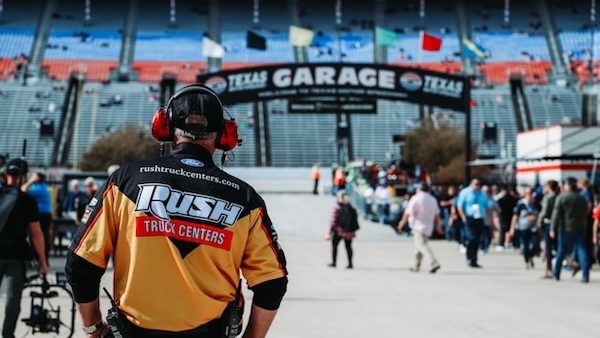
nascar pit crew member

What Led to this Dispute?

NASCAR introduced the charter system in 2016, giving 36 teams guaranteed entry into races and a share of revenue. The value of a team is now heavily tied to its charter, which helped stabilize the sport financially.

A new multiyear charter agreement was proposed for the 2025 season, and many teams declined to sign on. They argued the terms would reduce their independence and create anticompetitive conditions. 

In October 2024, 23XI Racing and Front Row Motorsports filed an antitrust lawsuit against NASCAR and Chairman Jim France. With charters now selling for over $40 million, teams say NASCAR holds too much power.

Progress Since the Initial Filing

Almost immediately after the filing, the case drew national attention. The involvement of Michael Jordan as a co-owner of 23XI Racing brought even more focus to a lawsuit that challenges how NASCAR governs its teams.

In the months that followed, the case moved quickly through the courts. The teams secured an early win when a federal judge granted a temporary injunction allowing them to compete as chartered teams for the 2025 season while the lawsuit continued.

NASCAR later appealed the ruling. As a result, the teams had to race as “open” teams, which meant they no longer had guaranteed race entry or payouts under the charter system.

The litigation has since continued through discovery, summary-judgment motions, and settlement discussions. As of October 2025, both sides are still negotiating. Unless an agreement is reached, the trial is set to begin on December 1.

nascar race track

23XI Racing and Front Row Motorsports’ Perspective

23XI Racing and Front Row Motorsports argue that the new charter agreement included release clauses and other provisions that forced teams to accept terms under threat of losing their guaranteed racing status.

The teams argue that NASCAR’s dominance in the stock car racing market allows it to exclude or severely disadvantage teams that push back. According to the lawsuit, these terms harm competition, reduce team revenue opportunities, and impact the marketplace for charters and team ownership. 

Their main goal in court is to obtain relief and possibly rewrite the terms in the charter that they see as unenforceable. They also intend to limit NASCAR’s future use of such clauses. 

NASCAR and CEO Jim France’s Argument

NASCAR argues that, as the governing body of a national racing series, it has the right to set rules and contract terms that ensure the sport operates smoothly. This includes protecting its commercial relationships with tracks, broadcasters, and sponsors.

They argue that standard contract features like releases, exclusivity, and noncompete-type provisions are lawful and necessary to run a coherent national series.

Jim France and NASCAR emphasize how its charter rules, track exclusivity, and performance standards are essential to maintain broadcasting deals and other necessities in operating a racing series. 

From NASCAR’s perspective, allowing teams to pick apart the agreement would create instability across the entire Cup Series.

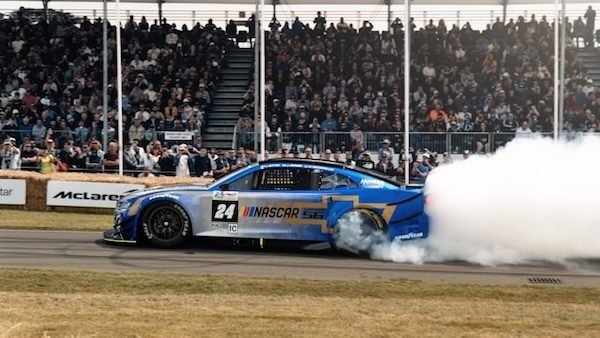
car in nascar race

What if 23XI and Front Row Win?

If 23XI and Front Row win, the most direct outcome would be changes to NASCAR’s charter agreement. The court could force NASCAR to renegotiate charter terms with teams, reducing NASCAR’s control over charter pricing and creating a more open market.

Beyond the charter rewrite, the teams are also seeking broader changes to how NASCAR operates. Their goals include requiring NASCAR to divest from the racetracks it owns and allowing more stock-car racing events at Cup Series venues.

A ruling in the teams’ favor would reshape NASCAR and set a precedent for other sports leagues. Fans could see more transparency and stronger protections for team ownership in the future.

What if NASCAR Wins?

If NASCAR wins, it will maintain a firm grip over charter terms, transfers, and performance rules. That result would bring stability to the Cup Series and keep TV partners and sponsors confident in the system.

A victory for NASCAR could also push charter values even higher, since guaranteed entry would remain tightly controlled and demand for the 36 charters would stay strong.

This result would reinforce NASCAR’s authority over the sport and limit future antitrust challenges. It would signal that leagues can continue to set restrictive terms without risking legal consequences.

No matter which side prevails, this case will play a major role in how professional racing is governed and will define how much or how little power teams have in shaping the future of the sport.

Embracing CBD for Athletes as a Recovery Tool

Recovery tools like ice baths, foam-rolling, sauna, and nutrition have always been critical to athlete performance. Top athletes know their recovery is just as important as training

In recent years, shifting league policies and medical research have opened the door to a new recovery tool: cannabidiol, or CBD, a compound derived from the hemp plant. 

Once considered taboo, CBD has entered the mainstream recovery conversation thanks to mounting evidence and athlete testimonials highlighting its effects on inflammation, pain relief, mental stress, and overall repair.

Quick Highlights

  • In 2018, the World Anti-Doping Agency (WADA) removed cannabis from its banned list, opening the door for CBD-based recovery products.
  • By 2024, major U.S. leagues including the NCAA, MLB, NBA, and NFL had relaxed cannabis testing or approved CBD sponsorships.
  • MLB’s $30.5 million partnership with Charlotte’s Web marked the first league-wide CBD deal in professional sports.
  • A 2023 study found athletes using CBD after exercise reported less soreness and discomfort, supporting what many have claimed anecdotally.
  • The CBD market in sports recovery is projected to exceed $6 billion globally by 2030, driven by expanding league acceptance and athlete advocacy.
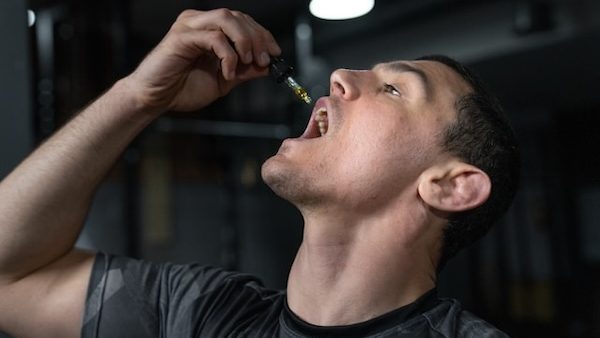
athlete ingesting cbd for recovery

Current Policy Landscape on Cannabis

In 2018, the World Anti-Doping Agency (WADA) removed cannabis from its list of banned substances. THC and other psychoactive cannabinoids still remain prohibited. The door for cannabis-based recovery tools is narrow: any product containing even trace levels of THC risks violating anti-doping rules.

In June 2024, the NCAA Division I Council voted to remove cannabinoids from its banned substances list for championships and postseason football. Individual schools can still choose to test for THC, but the policy marks a broader shift toward acceptance. Across U.S. professional sports, no single unified policy exists, yet leagues are increasingly re-evaluating their stance on cannabis.

How Leagues Are Adapting

Major League Baseball has led the way, removing cannabis from its banned list years ago and, by 2022, allowing CBD sponsorships under strict NSF-certified standards. 

That same year, MLB struck a $30.5 million multi-year deal with Charlotte’s Web, making it the official CBD brand of the league. Soon after, the Chicago Cubs partnered with MYND Drinks, and the Kansas City Royals with Pure Spectrum CBD.

Other leagues are following suit. The NBA has dropped marijuana testing entirely, the NFL no longer tests for THC, and the UFC stopped treating marijuana positives as violations. Even college programs like the USC Trojans have signed CBD sponsorships. 

Across sports, the “recovery tool” narrative has become the clearest and most legitimate entry point for CBD brands.

cbd product

Athlete Testimony & Market Narratives 

Recent studies have started exploring CBD’s role in athletic recovery. One 2023 trial found that participants who took CBD after exercise reported feeling less soreness and discomfort than those who didn’t. 

While large-scale studies are still limited, the early signs point toward potential recovery benefits that athletes have long described anecdotally.

Former NHL enforcer Riley Cote called CBD a “game changer” for managing chronic pain and brain trauma after his playing career. NFL Hall of Famer Champ Bailey has said cannabis helped him avoid heavier pharmaceuticals and “just calm my mind and get through it.” Similarly, Rob Gronkowski has been vocal about using CBD for recovery, partnering with CBDMedic to develop topical pain treatments.

Sleep, pain, inflammation, stress are all among the recovery demands of athletes. Positioning cannabis as an alternative for athletes to opioids and heavy NSAID use could be an effective and realistic strategy for brands. 

Limitations & Implications

Research on CBD and recovery remains limited. Most studies are small, use non-athlete samples, and don’t isolate CBD’s effects. Until larger trials emerge, CBD should be viewed as one piece of the broader recovery ecosystem alongside mobility, sleep, nutrition, and load management.

For brands, the focus should be on safety and transparency. Products must be completely free of THC, with clear compliance standards to protect both the athlete and the brand. Once that foundation is set, authentic storytelling becomes the differentiator, sharing real experiences of recovery and wellness.

CBD and recovery-focused brands are especially well aligned with high-intensity sports like football, CrossFit, soccer, and rugby. One example is Athelo Group’s own DJ Diveny, who partnered with Snapbac, a recovery apparel brand using heat and ice therapy technology to support athletic repair.

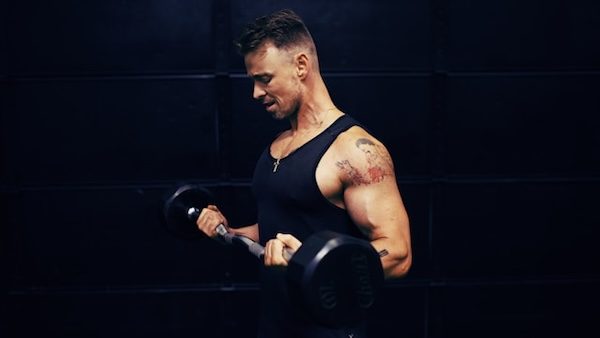
athlete lifting weights

Trends & Opportunities

Any recovery tool with legitimate benefits inevitably finds its place in high-performance settings. CBD in sports isn’t a fleeting trend; it’s about extending an athlete’s ceiling and redefining sustainable performance.

As U.S. leagues continue to open up to CBD sponsorships and recognize its legitimacy, investment in the space will grow. Athelo Group is helping brands and athletes position themselves at the forefront of this movement.

How Leaders Like Carlie Irsay-Gordon are Breaking Barriers

Women are steadily reshaping leadership in professional sports. In roles once dominated by men, the industry is seeing female executives like Carlie Irsay-Gordon redefine success and inclusion from front offices to ownership suites. 

Irsay-Gordon, owner of the NFL’s Indianapolis Colts, has already transformed the franchise both on and off the field. Initially met with skepticism from NFL executives and surrounding media, her approach has since earned praise from players, coaches, and reporters alike. 

Irsay-Gordon represents a broader movement, one that is changing the perception of women in leadership and proving that positive influence in sports isn’t tied to gender.

Quick Highlights:

  • As of 2023, women held 24% of C-suite positions in the MLB. For the 2022/23 NBA season, women held 39% of senior management positions.
  • At least 12 of the 32 NFL teams count women as controlling and significantly active owners, making strides from the merely 7 teams reported in 2015. 
  • In 2022, 75% of WNBA CEO/President positions were held by women.
  • Companies in the top quartile for gender and ethnic diversity are 9% more likely to outperform, and those with gender-diverse boards are 27% more likely to outperform financially.

Carlie Irsay-Gordon: Redefining NFL Ownership

Carlie Irsay-Gordon didn’t earn early praise when she appeared on the Colts’ sidelines wearing a headset— critics saw it as overreach. She explained she was there to learn, not direct, and that curiosity has defined her leadership ever since.

Since taking a larger role in 2014, she’s emphasized mental health, family-first policies, and player engagement. Under her guidance, the Colts became one of the first NFL teams to add a full-time clinician. She launched Kicking The Stigma, a campaign that’s raised millions and pushed the NFL to talk openly about mental health.

Players describe her as empathetic and decisive, as someone who values accountability without losing humanity. Former Colt Stephon Gilmore summed it up for fans: “She’s the best. The Colts are in good hands.”

Kim Pegula: Strength in Buffalo

As the former co-owner and president of the NFL’s Buffalo Bills and NHL’s Sabres, Kim Pegula helped turn both franchises into models of organizational stability. She made history as the first woman to serve as president of both an NFL and NHL team and is known for her disciplined, data-driven decision making and commitment to community.

After suffering a serious health setback in 2022, the Bills organization rallied around her, and dedicated wins in her honor. Under Pegula’s leadership, the Bills’ value quadrupled since 2014, making them one of the NFL’s fastest-growing franchises in both performance and market value.

Jeanie Buss: Leading the Lakers Legacy

Shifting over to the NBA in Los Angeles, Jeanie Buss is a powerful example of resilience and success under immense pressure. As the first ever female controlling owner to win an NBA title, Buss has helped restore the Lakers’ legacy through her steady leadership and trust in players and staff.

She navigated many public disputes and high-profile transitions, including parting ways with her brother Jim Buss and hiring Rob Pelinka as GM, all while keeping the franchise on a championship path.

In 2020, Buss became one of the most visible and respected executives in sports, leading the Lakers to their 17th NBA title in the Orlando bubble. Beyond basketball, she has used her platform to champion gender equality and inclusive hiring practices. One way she does this is by personally investing in initiatives like the all-female wrestling league WOW (Women of Wrestling).

Women Across All Leagues

The shift towards increased female leadership moves beyond the NFL and NBA. In the MLB, Kim Ng made history as the first female general manager when she joined the Miami Marlins in 2020. By just three seasons, she guided the club to its first playoff appearance in 17 years.

In motorsports, Susie Wolff, the managing director of F1 Academy is driving change at the intersection of racing and representation, pushing for broader access and visibility for women in motorsports. 

And in soccer, executives like Becca Roux, executive director of the U.S. Women’s National Team Players Association, continue to advocate for pay equity and long-term sustainability within women’s sports, progress that is now influencing how male-dominated leagues operate.

f1 race track

Changing Perceptions and Cultural Impact

While many female leaders have earned respect over time, early criticism often underscores how gender biases continually persist in sports culture. Carlie Irsay-Gordon’s headset moment drew major skepticism, with one of the reasons solely being that she was a woman on the sidelines– a space that is primarily filled with men.

Yet over time, these same figures have changed the public opinion on authenticity, transparency, and performance. A study found that 68% of all U.S. sports fans, which includes both men and women, say they trust professional women athletes. And 58% of American sports fans who don’t watch any women’s sports trust female athletes. 

That credibility extends beyond the playing field. When women move into leadership roles, studies show that engagement rises, workplace satisfaction improves, and risk management is improved.

A New Era of Leadership

The presence of women like Irsay-Gordon, Pegula, Buss, and Ng signals something bigger than just female representation. They’re redefining team culture, fan engagement, and the business priorities of modern sports.

At Athelo Group, we believe leadership is strongest when it’s diverse and inclusive. Across professional sports, women are showing that success grows from respect, trust, and a unified vision.

Lacrosse’s Olympics Era: The Road to LA 2028

For over a century, Lacrosse has been sidelined. Despite its deep roots and growing global participation, the sport has often been misunderstood, underrepresented, and underfunded. But that’s all about to change. 

Lacrosse, North America’s first sport, will re-enter the global stage at the Olympics in 2028.  

This milestone reflects an ongoing effort from a sport that has balanced deep tradition with constant evolution to form the modern game we know today. In just two decades, lacrosse has doubled its global participation from 45 to 90 countries, and the momentum is not stopping here. 

Quick Highlights

  • Lacrosse, once referred to as stickball dates back to 12th century Indigenous tribes in North America, where it served as both a ritual and a form of combat training.
  • The sport formalized in the 19th century, with New York University becoming the first U.S. college to establish a team.
  • Lacrosse hasn’t appeared in the Olympics for over 100 years since organizers dropped it in 1908.
  • In 1987, Eagle Pro Box Lacrosse League became the first pro lacrosse league followed by Major League Lacrosse (MLL) in 2001 for outdoor play.
  • The lacrosse global equipment market was valued at $330.19 million in 2024 and is expected to reach $532 million by 2033. 
lacrosse player on the field

Lacrosse’s Origin Story

Before becoming the organized high school, college, and professional sport we know today, lacrosse was a sacred game played by the Indigenous peoples of North America. Known as stickball, it united communities through ritual and served as training for war.

The earliest versions date back to the 12th century, with players from neighboring tribes competing across miles-long fields in matches that could last days. French Jesuit missionaries first witnessed the game in 1636, naming it lacrosse after the stick’s resemblance to a bishop’s staff.

By the 1800s, colonial influence brought standardized rules, fewer players, a rubber ball, and redesigned sticks. Formal clubs emerged in Canada, and the game soon reached international audiences, appearing in the 1904 and 1908 Olympics.

Though its form has evolved, the sport’s original spirit of community, teamwork, and dedication remains at its core.

From Sacred Roots to the Global Stage

Today, lacrosse has evolved into one of the fastest-growing sports in North America, spanning youth, high school, and collegiate programs. The intensity and accessibility of these programs have expanded the game’s reach, inspiring new generations to pick up a stick.

At the global level, World Lacrosse membership has surged from 16 nations in 2003 to 95 today—a nearly 500% increase. This growth now represents more than 1.1 million registered players worldwide, signaling the sport’s transformation from regional tradition to international movement.

The rise of professional leagues like the Premier Lacrosse League and Athletes Unlimited Lacrosse has further accelerated that momentum, boosting visibility, investment, and long-term sustainability for the game.

lacrosse player on the field

Breaking Barriers

For the first time, lacrosse athletes have a chance to pursue their dreams after the college level.

Athelo Group’s own Marcus Holman and Alex Aust Holman have been central to that shift. As professional athletes, coaches, and innovators of the game, they’ve inspired the next generation of players to redefine what a lacrosse career can look like.

That momentum extends far beyond the field. The global lacrosse equipment market reached $330 million in 2024, reflecting both rising participation and growing demand for high-performance gear. 

Meanwhile, technology continues to evolve alongside it. From lightweight carbon-fiber sticks that enhance skill and control, to new 3D printed helmets and gloves that improve safety and comfort, lacrosse is optimizing athlete performance.  

As a result of this rapid evolution, lacrosse is no longer just North America’s first sport; it’s one of the most dynamic games shaping the next generation of athletes.

Lacrosse at the Olympics

At the Los Angeles 2028 games, Lacrosse will be a medal event for the first time since 1908. To mark this milestone, the organization launched its A New Era campaign, honoring the sport’s unique origins while ushering it into a renewed Olympic chapter.

Specifically, to enhance audience engagement during the Olympics, the men’s and women’s lacrosse games will be played in sixes, which is a more compact version. The goal is to cultivate fast-paced play with quick transitions and high scoring; combining the best elements of field and box lacrosse. 

The Road to 2028

As lacrosse enters this new era, it carries centuries of resilience, progression, and pride. From Indigenous fields to the Olympic stage in Los Angeles, the sport’s journey remains rooted in something greater than the game itself.

Over the past decade, players like Charlotte North, Brennan O’Neill, Taylor Cummings, and Connor Shellenberger have shaped the next generation of athletes, inspiring the sport’s ongoing growth. This year’s Tewaaraton winners, Chloe Humphrey and CJ Kirst, have also elevated lacrosse’s visibility and momentum.

This is a reintroduction to the world, and it’s a testament to its players, communities, and Indigenous roots that have carried it forward for centuries.

Become a Sponsor.

Join us in making a difference. Tell us a bit about yourself and we’ll be in touch with sponsorship details.

By submitting this form, you agree to be contacted by the Athelo Group team regarding sponsorship opportunities.