NCAA Conference Realignment: How College Football Is Changing

Viewers should prepare for college football to look a little different this year. Recent changes in college sports have shifted power dynamics among the previously-known Power Five conferences: the ACC, Big Ten, Big 12, Pac-12, and SEC. This transformation is largely due to different payment structures and value disparity in TV rights deals. As a result, many teams left their original conferences to join others.

The Pac-12 has now dwindled to just two teams, and the Big 12 lost Texas and Oklahoma to the SEC. While the ACC hasn’t lost teams yet, their top schools are frustrated with revenue discrepancies and have filed lawsuits. Although there is talk of a super league in college sports, no significant progress has been made toward this concept. The SEC and Big Ten will continue to dominate for now, while the other conferences scramble to rebuild and resolve their issues amidst NCAA conference realignment.

ncaa conference realignment

Pac-12 Topples to Pac-2

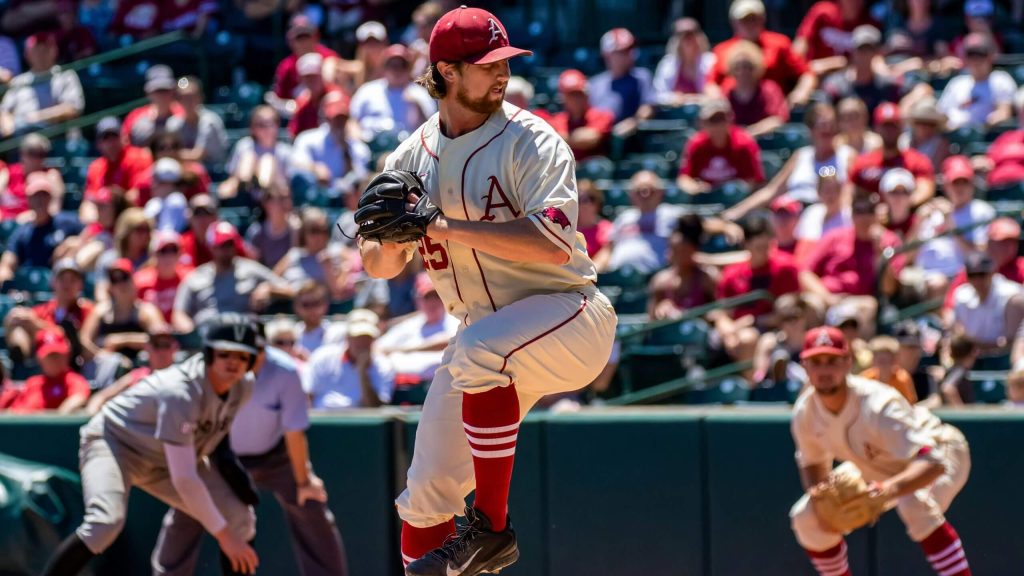
The Pac-12 has experienced the most tragic downfall of all the conferences, now reduced to just Oregon State University and Washington State University. The decline began two years ago when USC and UCLA agreed to join the Big Ten, setting off a chain reaction. Oregon and Washington also moved to the Big Ten, while Arizona, Arizona State, Colorado, and Utah joined the Big 12, and California and Stanford went to the ACC. Losing the Los Angeles schools and that major media market stalled the Pac-12’s media rights negotiations, leading to a wait-and-see approach that pushed out multiple schools and drastically lowered the value of the deals offered to the conference.

Now, with two schools that have not been relevant in football or basketball for years, the Pac-12 is working with the Mountain West conference on a football scheduling alliance for this season and is considering a future merger. OSU and WSU will pay the Mountain West to play their teams this year but won’t be eligible for any conference championship. The next step likely involves OSU and WSU joining the Mountain West, signaling the end of the Pac-12.

Big 12 Gets Bigger

The Big 12 conference took a step back when it lost its two most-followed teams, Oklahoma and Texas, to the SEC due to NCAA conference realignment. Despite this setback, the Big 12 added Arizona, Arizona State, Colorado, Utah, BYU, UCF, Cincinnati, and Houston to form a 16-team conference. These additions came from the Pac-12 and Group of 5 conferences.

In the past year, the Big 12 successfully renegotiated its TV rights contract with ESPN and Fox, securing $2.6B over the next 13 years. This deal allows the conference to surpass the ACC and Pac-12 in yearly team revenue, with each team receiving nearly $32M. By 2026, all the new teams are set to evenly share revenue with the rest of the conference, a process that typically takes much longer.

Looking ahead, Big 12 leaders are considering private equity investment by a Luxembourg-based firm of up to $1B for a 15-20% stake. Although losing their top teams was a significant blow, the new TV deal and potential investment positions the Big 12 to remain competitive. They are now the clear third conference in per-team revenue after the Big Ten and SEC.
ncaa conference realignment

ACC Shake-up

The ACC faces an uncertain future despite recent additions of California, Stanford, and SMU. These new teams won’t receive full revenue sharing until their 10th season. To integrate them, the ACC has removed divisions, increased in-conference games, and introduced provisions for West Coast travel. Over the next seven years, each team will play home and away games against every conference team, with the top two teams competing for the football championship. 

The conference’s biggest weaknesses remain its TV rights deal and revenue sharing. Since signing a 20-year deal with ESPN in 2016, the ACC has lagged behind other conferences in revenue, earning only $17M per team annually. This has frustrated top football programs like Clemson and FSU, who argue it hinders their competitiveness. Tensions escalated when FSU missed the College Football Playoff, prompting the school to seek an exit from their grant of rights agreement and sue the ACC, which countersued. Clemson followed with legal action three months later.

If either FSU or Clemson breaks their grant of rights, it could trigger a mass exodus and weaken the ACC significantly. These schools have dominated ACC football, and losing them would cripple the conference’s future, especially in securing new media rights deals once the current ESPN contract expires.

ncaa conference realignment

So What’s Next? 

With all the political chaos of NCAA conference realignment, new powerhouse schools may emerge and lower conferences could gain some spotlight. Schools like UCF and SMU, which moved into power conferences, can benefit from more national TV coverage. Conferences like the Mountain West can gain exposure by having OSU and WSU face their schools. With the downfall of the Pac-12 and the rapid movement of its schools, we may see schools becoming more comfortable swapping conferences. Since the ACC reworked its schedule to accommodate new West Coast schools, other conferences might do the same to add new members. Although talks of a super league have occurred, many officials have dismissed the possibility. But for now, as we have seen, anything can happen.

Sources:

  1. https://herosports.com/fbs-college-football-realignment-pac-12-mountain-west-merger-stanford-cal-heading-to-aac-cpcp/
  2. https://www.espn.com/college-football/story/_/id/40119917/acc-spring-meetings-2024-clemson-florida-state-lawsuits
  3. https://www.cbssports.com/college-basketball/news/college-football-playoff-finalizes-tv-deal-beginning-in-2026-as-fbs-leaders-settle-on-revenue-distribution/#:~:text=The%20new%20contract%20is%20expected,(%2412%20million%20per%20school).
  4. https://www.nbcbayarea.com/news/sports/acc-stanford-cal-2/3308750/
  5. https://businessofcollegesports.com/current-college-sports-television-contracts/
  6. https://www.si.com/college/oregon/football/oregon-football-big-ten-conference-sec-conference-college-football-super-league-greg-sanky-rejects 
  7. https://www.sportingnews.com/us/ncaa-football/news/pac-12-teams-landing-spots-oregon-washington-football-2024/a12390637a0a4d3cd81fb1a0 
  8. https://www.freep.com/story/sports/college/university-michigan/2024/01/08/what-happened-pac-12-washington-oregon-usc-ucla-joining-big-ten/72088532007/ 
  9. https://www.tennessean.com/story/sports/college/SEC/2023/12/19/alabama-georgia-most-viewed-teams-college-football-season-2023-nielsen-ratings/71975148007/ 
  10. https://www.espn.com/college-football/story/_/id/38794541/big-12-unveils-16-team-conference-football-matchups-2027 
  11. https://www.cbssports.com/college-football/news/big-12-considering-private-equity-investment-of-up-to-1-billion-for-as-much-as-20-of-conference/ 
  12. https://theacc.com/news/2023/10/30/acc-announces-future-conference-football-schedule-model.aspx 

UFC Drug Testing: Are USADA Policies Effective Enough?

Since its inception, the Ultimate Fighting Championship (UFC) has always implemented drug testing policies to detect and deter the use of performance-enhancing drugs (PEDs) among its athletes. However, with PED use still so prevalent, people are questioning how effective these policies really are. The UFC has made progress in catching those who break the rules, but there’s definitely room for improvement. By testing more often, upgrading testing methods, and revamping punishments, the UFC could take its anti-doping efforts to the next level and ensure a fairer, cleaner sport for everyone.

UFC Drug Testing Breakdown 

The UFC’s partnership with the United States Anti-Doping Agency (USADA) aims to maintain the sport’s integrity, but it hasn’t been without controversy. One of the most debated aspects of the UFC’s anti-doping program is the effectiveness of its current testing protocols. Under the existing guidelines, fighters are subject to both random out-of-competition testing and in-competition testing.

The UFC follows the World Anti-Doping Agency (WADA) Prohibited List, which includes hundreds of banned substances across various categories. Punishments for violating the anti-doping policy vary based on factors like the type of substance and the extent of the violation. Despite these measures, some athletes have consistently found ways to exploit the testing process, raising concerns within the UFC community about the system’s effectiveness.

ufc drug testing

The “Grey Area” Within Current Protocols

Critics argue that the UFC’s testing protocols aren’t comprehensive enough to catch all forms of doping. Some fighters use sophisticated methods to evade detection, such as micro-dosing or using substances not yet on the banned list. For instance, erythropoietin (EPO), a hormone that boosts red blood cell production, is popular among athletes looking to enhance endurance. Fighters caught using EPO can face suspensions of up to two years for a first offense and a potential lifetime ban for repeat offenses. Similarly, anabolic steroids like testosterone are strictly prohibited, with suspensions ranging from six months to two years depending on the circumstances.

Additionally, some fighters who test positive for banned substances successfully argue that the result was due to contaminated supplements or unintentional ingestion. In 2016, Jon Jones, one of the UFC’s most prominent fighters, tested positive for clomiphene and letrozole, both banned substances. Jones claimed the positive test was from taking contaminated sexual enhancement pills, reducing his suspension from two years to one. Cases like these raise questions about the reliability of the testing process and the fairness of the adjudication system.

ufc drug testing

Lack of Consistency

Concerns about the consistency and transparency of the UFC’s anti-doping program persist. Some fighters claim that testing is not applied equally to all athletes, with high-profile fighters receiving preferential treatment or more lenient punishments. For example, when Conor McGregor, one of the UFC’s biggest stars, was involved in an altercation with officials at a Bellator event in 2017, he faced no disciplinary action from the UFC or USADA, despite clearly violating the UFC’s code of conduct.

There have also been calls for greater transparency in the testing process, with some advocating for the public release of all test results to ensure accountability. As the UFC continues to grow and evolve, it is important for the organization to address these concerns and work towards a more effective anti-doping program. This would uphold the sport’s traditional values and ensure a level playing field for all competitors.

Room for Improvement

To improve the UFC’s drug testing policies, increasing the frequency and randomness of out-of-competition testing would make it harder for fighters to cycle PEDs without detection. Advanced methods like hair follicle testing, which can reveal drug use over several months, would help identify long-term or intermittent PED use that might go unnoticed with traditional urine or blood tests.

Additionally, the UFC should collaborate closely with supplement companies to ensure their products are free from banned substances and properly labeled, preventing unintentional ingestion. Emphasizing education and prevention programs will help athletes understand the risks and consequences of PED use. With proper education and safe supplementation available, athletes have no excuse for ignorance. The UFC should also enforce harsher and more consistent punishments like longer suspensions and larger fines to create a stronger deterrent against doping in the sport.

ufc drug testing

Should the UFC Allow PEDs for All?

Some argue that allowing PEDs in the UFC could level the playing field and enhance performance. However, the long-term health risks, such as heart disease, liver damage, and hormonal imbalances, far outweigh any short-term benefits. Permitting PED use could also send a dangerous message to aspiring fighters and young athletes, implying that chemical enhancement is necessary for success in sports.

No matter which side you’re on, the impact of banned substances on competition fairness and athlete health is undeniable. Recent speculation about Conor McGregor’s alleged doping is a prime example. During his time out of competition, McGregor has gained significant muscle mass, and his face has noticeably aged— all potential side effects of PED use. Additionally, his increasingly erratic behavior has fueled suspicions. While these changes don’t prove McGregor has used PEDs, they highlight the need for stricter anti-doping policies in the UFC to ensure abstinence. By taking a firm stance against doping, the UFC can protect the well-being of its athletes and uphold the integrity of the sport, especially given recent concerns about high-profile fighters like McGregor.

Sources:

  1. https://www.usada.org/athletes/antidoping101/athlete-guide-anti-doping/ 
  2. https://www.ufc.com/news/ufc-announces-details-new-anti-doping-program?language_content_entity=en
  3. https://apnews.com/ufc-says-ex-champ-anderson-silva-tests-positive-for-steroids-8e8fd774f6514a26855548981351ce11#
  4. https://www.bbc.com/sport/mixed-martial-arts/64823146#:~:text=Former%20UFC%20champion%20Jones%20was,a%20cheater%2C%22%20Jones%20said. 
  5. https://www.espn.com/mma/story/_/id/38673740/a-detailed-explainer-happening-ufc-usada-conor-mcgregor

Greener Games and New Sports Await at Paris Summer Olympics

All eyes are on Paris, the host of this year’s Summer Olympics. The Games return to Paris after a century, kicking off with the opening ceremony on July 26th and concluding on August 11th. Paris was chosen as the host city not only for its iconic landmarks but also for its vision of blending tradition with a new era of change. This year, we will see several changes in the sporting events and practices aimed at bringing a new level of sustainability to the Games.

paris summer olympics

New Sports in the Mix

Breakdancing, also known as “break,” makes its Olympic debut this year. It gained significant attention during its introduction at the Buenos Aires 2018 Summer Youth Olympic Games, leading to its inclusion in the Paris 2024 Olympic agenda. There will be two divisions: a men’s 16 B-Boys and a women’s 16 B-Girls, where competitors will face off one-on-one. Originating in the Bronx of New York in the 70s, this addition of break can be seen as an attempt to have the Olympics reach their target audience: the younger generation.

Surfing will return after being introduced at the Tokyo 2020 Olympics, but it will not take place on mainland France. Instead, surfing events will be in Teahupo’o, Tahiti in French Polynesia. This decision aims to increase engagement and showcase the diverse culture of France by bringing an Olympic event to a French territory. Several top surfers will return, including reigning Team USA gold medalist Carissa Moore and Brisa Hennessy, the Costa Rican who is currently the No. 1 female surfer in the world. With its stunning landscape and ideal wave conditions, the surfing competitions in Teahupo’o will be a must-watch for viewers worldwide.

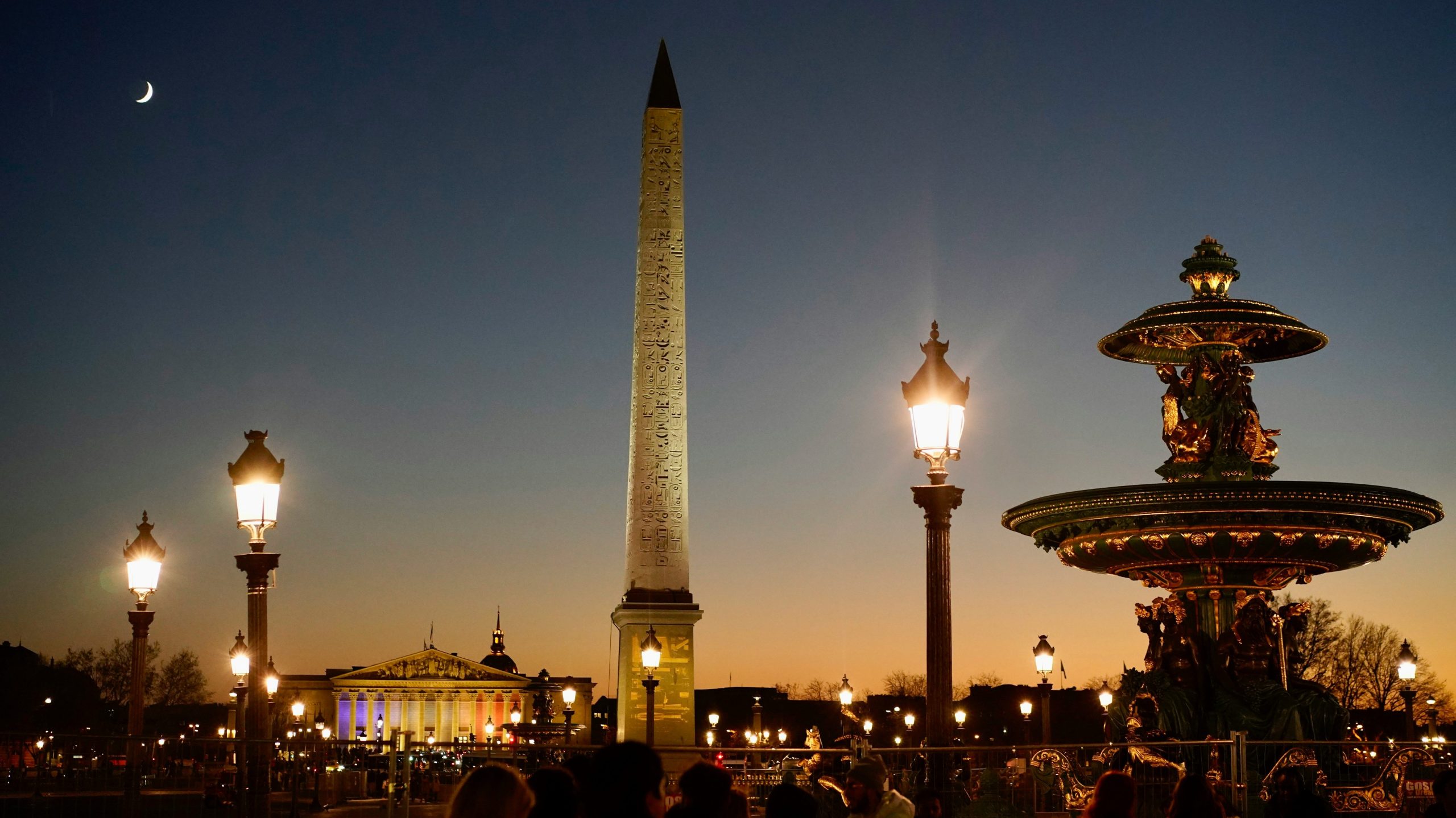
After making its debut in Tokyo, skateboarding will be on the program again in Paris. A temporary venue has been constructed in Place de la Concorde, one of Paris’ largest open spaces, for the competitions. This urban playground for athletes offers spectacular views of famous landmarks like the Eiffel Tower and the Arc de Triomphe and features stages for DJ sets and artist performances. The world’s most famous skateboarders, including Great Britain’s 15-year-old prodigy Sky Brown and USA pro Nyjah Huston, will compete in two categories: street and park, showcasing their best tricks.

paris summer olympics

Historic Shift: The Introduction of Prize Money

In addition to the excitement of new sports, prize money is another significant change on the horizon. For the first time in Olympic history, event winners will receive cash prizes in addition to medals. Track and field is the first sport to introduce prize money, with gold medalists earning $50,000. Silver and bronze medal prizes are expected to be introduced at the Los Angeles 2028 Olympics. A total of $2.4 million for all track and field winners has been funded by World Athletics. This initiative aims to pave the way for future athletes to be rewarded for their contributions to the Olympic Games’ global impact. However, the concept is not entirely new, as many countries and governments already reward their gold medal-winning athletes with money.

Swimming in the Seine

The IOC prioritizes sustainability when selecting host cities for future Olympics due to the environmental and financial costs of building new infrastructure. Paris aims to break the cycle of “white elephant” structures by ensuring 95% of their venues are temporary or preexisting, and intends to reduce carbon emissions by 50% compared to the London 2012 and Rio 2016 Games. Despite plans to use the Seine River for open-water events, challenges arise due to historical pollution levels, with over $1.5 billion invested in treatment plans. President Emmanuel Macron and Mayor Anne Hidalgo’s pledge to swim in the Seine reflects their commitment to addressing these concerns and meeting regulatory standards ahead of the Olympics.

paris summer olympics

The upcoming Paris 2024 Games will introduce many firsts, offering viewers a chance to see and appreciate numerous changes and additions, from sports to venues to the overall operation of the Games. Hosting the Olympics is no easy task, as previous host cities know well, but Paris aims to break that trend. As the city eagerly awaits the lighting of the ceremonial torch to commence the 2024 Summer Olympics, all eyes are on them to deliver the most “green” Games to date.

Sources:

  1. https://www.cbsnews.com/news/track-and-field-sport-prize-money-olympics/
  2. https://www.espn.com/olympics/story/_/id/40238384/olympics-2024-iba-award-prize-money-boxing-medals
  3. https://www.nbcolympics.com/news/new-what-are-new-sports-and-events-2024-paris-olympics#:~:text=Other%20changes%20at%20the%202024,which%20will%20debut%20in%20Paris.
  4. https://www.theguardian.com/sport/article/2024/may/24/olympic-games-clean-up-aims-to-leave-parisians-swimming-in-the-seine
  5. https://olympics.com/en/paris-2024/venues/teahupo-o-tahiti
  6. https://olympics.com/ioc/news/less-better-and-for-longer-five-ways-paris-2024-is-delivering-more-sustainable-games
  7. https://www.nbcolympics.com/news/skateboarding-2024-paris-olympic-games
  8. https://www.nbcolympics.com/news/surfing-101-us-olympic-roster-and-athlete-news

WNBA’s Internal Struggle: Uphold Fairness or Chase Money?

The WNBA has recently experienced drastic growth through superstar players like Caitlin Clark and Kamilla Cardoso making their debuts. The 2024 draft saw an unprecedented average viewership of almost 2.5M, more than quadrupling the figures from the previous year. With a wave of momentum carrying the WNBA into the spotlight, organizations have been making moves to capitalize on its heightened popularity. The deal making the most headlines revolves around the Las Vegas Aces.

las vegas aces

Inside The New Las Vegas Deal

The Las Vegas Aces have struck a new deal with the Las Vegas tourism authority that grants each player an additional $100K every season. Initially designed to support a successful local team, the deal is now facing backlash from both fans and players. It has even triggered an investigation into the Aces organization. Critics argue that the deal undermines the spirit of salary cap rules and creates an unfair advantage by retaining Aces players and attracting new recruits. Although the deal does not technically violate salary cap regulations, many view it as unethical. While it could help grow the WNBA, this growth could come at the expense of the league’s values and competitiveness.

An Enticing Offer

When comparing WNBA salaries to their male counterparts in the NBA, the deal seems inconsequential. After all, NBA players’ inflated salaries are no secret. Stars like Devin Booker, Kevin Durant, and Anthony Edwards earn nearly $250M over just five years. Compared to these figures, $100K seems like a drop in the bucket, hardly enough to retain a player. However, WNBA contracts are significantly lower. For instance, Caitlin Clark, arguably the best women’s college basketball player in history, has a salary of just $75K. The Aces’ Jackie Young earns a team and league-high of $252K, highlighting why an additional $100K is unquestionably a game changer.

las vegas aces

The Ethical Dilemma

Although the deal does not violate WNBA salary cap rules, it has raised concerns among players and fans about its impact on recruiting. The uniqueness of this deal, unmatched by any other team or city, makes it particularly notable. Critics worry that it promotes a pay-to-play atmosphere, which could be problematic if confirmed by the WNBA’s investigation. The Las Vegas Convention and Visitors Authority (LVCVA) argues that the money functions as a sponsorship, requiring players to wear Las Vegas-related gear off the court. Since all Aces players are paid equally regardless of fame or court value, the money could be viewed as a bonus, thus not violating any rules. LVCVA President and CEO Steve Hill countered the pay-to-play criticism by noting that if the Aces win the title this year for a three-peat, players will receive more money, indicating the deal is performance-based.

Those in Favor

Some land on the other side of the coin, stating that the deal will aid in the advancement of the league and is a side product of its expansion. Reflecting on the fact that her organization has been investigated several times before, Aces’ star A’ja Wilson was adamant in her beliefs that investigation cannot always be the go-to. She feels that the deal will help grow the game and benefit both the franchise and its players. Aces coach, Becky Hammon, seconds the notion. She explains that the LVCVA “wanted the whole team.” Like a true sponsorship, LVCVA reached out to individual players and agents and “the Aces have nothing to do with it.”

las vegas aces


Despite an ongoing investigation, the future is not written in stone. Perhaps the deal will prompt other cities to similarly support their local players and teams, pouring more money into the sport. Maybe the deal will remain one-of-a-kind and attract the best players to the Aces, creating a dynasty like never before. In a different turn of events, the deal could be found to violate regulations and be terminated immediately. Whatever the outcome may be, we will find out what is more important to the WNBA– upholding fairness or chasing money.

Sources:

  1. https://www.sportspromedia.com/news/wnba-las-vegas-aces-tourism-sponsorship-payments-investigation/#:~:text=The%20Women’s%20National%20Basketball%20Association,the%20arrangement%20on%2017th%20May.
  2. https://www.nytimes.com/athletic/5503533/2024/05/18/wnba-investigation-aces-sponsorship/
  3. https://www.sportico.com/law/analysis/2024/wnba-aces-investigation-sponsorships-1234779579/
  4. https://www.sportingnews.com/us/wnba/news/caitlin-clark-tv-ratings-wnba-viewership-records/4f55c44f4a0965aa14e72fa7#:~:text=Behind%20No.%201%20pick%20Caitlin%20Clark%2C%20WNBA%20Draft%20sets%20TV%20record&text=An%20average%20of%202.45%20million,draft%2C%20which%20averaged%20572%2C000%20viewers.
  5. https://www.sportingnews.com/us/wnba/news/wnba-10-highest-paid-players-2024/1104a976fdfdbd322602b4c4

Baseball’s Downfall: How MLB Blackout Rules Destroy Viewership

Baseball has been long known as America’s pastime, but soon this may not be the case. Major League Baseball is facing a critical challenge: shrinking viewership. A significant factor contributing to this decline is MLB’s controversial blackout policy. First implemented over 50 years ago, blackouts restrict live game broadcasts in specific regions. They were originally meant to protect exclusive media rights for Regional Sports Networks and fill stadiums. But now that streaming is king and many RSNs are battling bankruptcy, it’s clear these regulations are a relic of the past. 

Impact of MLB Blackouts on Fans

To confront changing times, MLB introduced their first-of-its-kind service, MLB.tv, back in 2002. This was meant to become the gold standard for sports streaming. Flash forward to 2024 and MLB.tv still struggles to gain widespread success largely due to its inability to address blackout regulations. MLB blackouts give RSNs exclusive rights to broadcasting, preventing streams through the platform in teams’ home territories. For instance, if you live in Dallas, you can’t stream Texas Rangers games. The same applies to residents of Chicago wanting to watch the Cubs or White Sox, and to Houston fans looking to watch the Astros. Essentially, these rules affect every city with an MLB team.

Fans experiencing blackouts who live close to the stadium can attend the games in person, which aligns with MLB’s goal of driving ticket, food, and merchandise sales. However, not all blackout areas are within driving distance of the stadiums. For example, a fan in Tulsa, Oklahoma, would face blackouts for Houston Astros, Kansas City Royals, and Texas Rangers games. This fan would need to drive 4 hours to Kansas City or Arlington, 6 hours to St. Louis, and nearly 8 hours to Houston to see these teams play live. This setup makes MLB.tv an impractical service for many fans who want to watch their favorite teams, regardless of their proximity to the stadiums.

Alarming Decline in World Series Viewership

Today’s audiences are used to the accessibility of streaming their favorite sports all season long. As blackouts hinder fans following regular-season play, they also lead to less engagement on baseball’s biggest event: The World Series. This wasn’t always the case– just over 10 years ago, 19M viewers tuned in to watch the Red Sox capture their eighth Series over the St. Louis Cardinals. 10 years later, when the Texas Rangers beat the Arizona Diamondbacks, the World Series averaged 9M viewers, becoming the least watched on record. 

This mark continued the trend of declining audiences, with the past four World Series’ ranking as the four least-watched in history. The Rangers-Diamondback matchup was especially alarming as viewership dropped 23%. This can’t be because baseball is “getting boring.” In fact, it’s growing worldwide, with players like Japanese phenom Shohei Ohtani leading the way. Postseason games are featured on FOX, ESPN, and ABC, so both cable and streaming subscribers can tune in. It’s the regular season blackouts that make it so difficult for fans to access games.

Bally Sports Blackout Leaves Fans Without Local MLB Games

While blackouts are still going strong, the RSNs they’re designed to protect are not. Bally Sports, a group of regional networks in the United States, went dark at the beginning of May after Comcast and Bally’s operator, Diamond Sports Group, failed to agree on a new contract. This has left MLB fans across the country unable to watch their local teams.

Diamond Sports Group holds broadcasting rights to 12 MLB teams. 4 of these teams have alternate viewing options, but fans of the other 8 are unable to watch local games unless they are picked up nationally. Will MLB.tv lift blackout restrictions for these eight teams without a RSN? Unfortunately not. MLB cannot lift blackout restrictions due to contract stipulations. As a result, fans of these 8 teams will have to watch on their devices if they choose to stay within legal viewing options.

Blackouts Impact MLB Sponsorship Value

While blackouts pose pain points for viewers, it’s only a matter of time before sponsors feel it too. Sponsorship value is dependent on audience size, and if MLB viewership continues to decline, sponsors may renegotiate their agreements or pull out entirely. This would be a massive hit to MLB who earned $1.5B in sponsorship deals just last year alone. Longtime sponsors like Anheuser-Busch, Mastercard, and PepsiCo rely on MLB to reach large audiences. Blackouts undermine their partnerships by reducing viewership, which means fewer eyes and less engagement. This could lead to brands shifting their ad spend towards sports and leagues with growing audiences like U.S. soccer and the WNBA.

Ultimately, blackouts are a significant barrier to growing a viewership base in today’s age. MLB needs to serve its fans better and find a way to work around these blackouts, especially for the fans of the 8 teams with no RSN home. The future of baseball depends on MLB’s ability to adapt to the evolving media landscape, and addressing blackout policies is the first step to making that happen. 

Sources:

  1. https://nondoc.com/2023/05/23/its-time-to-fix-the-confounding-mlb-blackout-problem/
  2. https://www.mlb.com/live-stream-games/help-center/blackout-policy
  3. https://www.baseballamerica.com/stories/cooper-mlb-blackouts-impact-baseball-fans-ability-to-witness-history/
  4. https://www.mlb.com/live-stream-games/help-center/blackouts-teams
  5. https://www.forbes.com/sites/maurybrown/2013/10/31/game-6-that-sees-red-sox-win-world-series-a-massive-tv-ratings-homerun/?sh=796ad9127c4a
  6. https://www.sportspromedia.com/news/mlb-world-series-2023-tv-ratings-viewership-fox-texas-rangers/#:~:text=TV%20audiences%20dropped%20by%2023,per%20cent%20on%20last%20season
  7. https://www.espn.com/mlb/story/_/id/40071329/bally-sports-channels-pulled-air-comcast

Trend Alert: Team Relocations in North American Sports

The landscape of North American sports is undergoing a significant transformation, marked by a notable increase in team relocations over the past decade. Owners across various leagues are leveraging relocation to bolster their franchises, often in tandem with the construction of state-of-the-art venues. Since 2016, five major teams have relocated, and two more are currently in process. These moves signify more than shifts in geographical location; they are strategies to maximize revenue streams, enhance fan engagement, and solidify longevity in a competitive sports market. Among these, the Oakland Athletics are currently transitioning to Las Vegas, and the Arizona Coyotes are working on a move to Salt Lake City.

team relocations

The Athletics

The impending relocation of the Oakland Athletics marks the end of an era as they leave their long-time home at the Oakland Coliseum. The Coliseum’s outdated facilities no longer meet the needs of modern sports entertainment, prompting the Athletics to seek a new venue. Additionally, they could not agree on a lease extension with the Coliseum. Preparing for their move to Las Vegas in 2028, the team plans to temporarily play at Sutter Health Park in West Sacramento for the next three seasons, beginning in 2025.

The Athletics’ future home in Las Vegas promises to revolutionize the fan experience with cutting-edge amenities. Set on the site of the Tropicana hotel, the new stadium will seat 33,000 people and feature improved sight lines with a tiered-seating system. Highlights include a fixed roof with overlapping layers, the world’s largest cable-net glass window behind the outfield, and an 18,000-square-foot jumbotron—the biggest in the league. The venue will also address logistical concerns with 2,500 onsite parking spots, making it easy for fans to attend games. This ambitious project highlights the Athletics’ dedication to creating a top-notch sports environment and marks a new chapter in the team’s history.

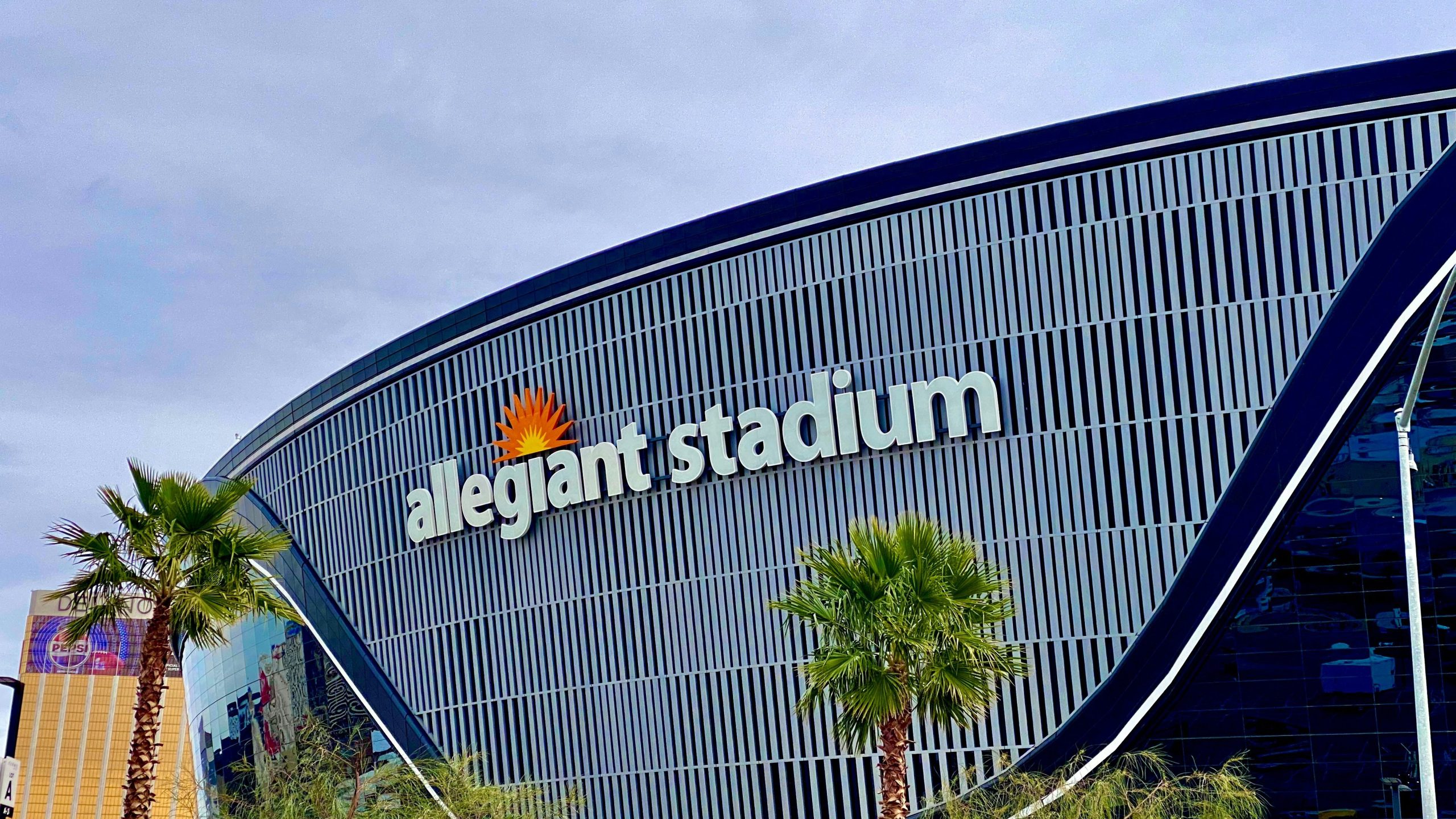
The Athletics aren’t the only professional sports franchise to leave Oakland. In 2020, the Raiders also made the transition to Las Vegas, where they now play in the domed Allegiant Stadium. This move was driven by the desire for a more modern facility and the opportunity to tap into the lucrative Las Vegas market. Additionally, the Golden State Warriors, who played their home games in Oakland for several decades, relocated to San Francisco in 2019. They now play in the brand new Chase Center, an arena designed to enhance the fan experience and provide greater revenue opportunities. These moves reflect a broader trend among sports franchises seeking to upgrade their facilities and capitalize on new markets.

team relocations

The Coyotes

The Arizona Coyotes are at a crossroads as they prepare to leave their temporary home at the 5,000-seat Mullett Arena, which they share with the Arizona State Sun Devils hockey team. The NHL and the players’ association have raised concerns about staying in this venue for a third season. In response, team owner Alex Meruelo began exploring new options. A major development followed when the NHL Board of Governors unanimously approved the sale of the Coyotes for $1.2 billion to Ryan and Ashley Smith, owners of the Utah Jazz. This sale paves the way for the team’s relocation to Salt Lake City, where they plan to temporarily play at the Delta Center, home of the Jazz.

Locals are big fans of the impending move, with Salt Lake City Mayor Erin Mendenhall considering it a transformative moment for the city’s identity and future. With a shared vision of community integration and enhanced opportunities for residents and visitors alike, the Coyotes’ relocation represents not only a strategic maneuver for the franchise but also a catalyst for growth and revitalization within Salt Lake City’s downtown core.

team relocations

Looking Ahead: Sports Relocation Trends

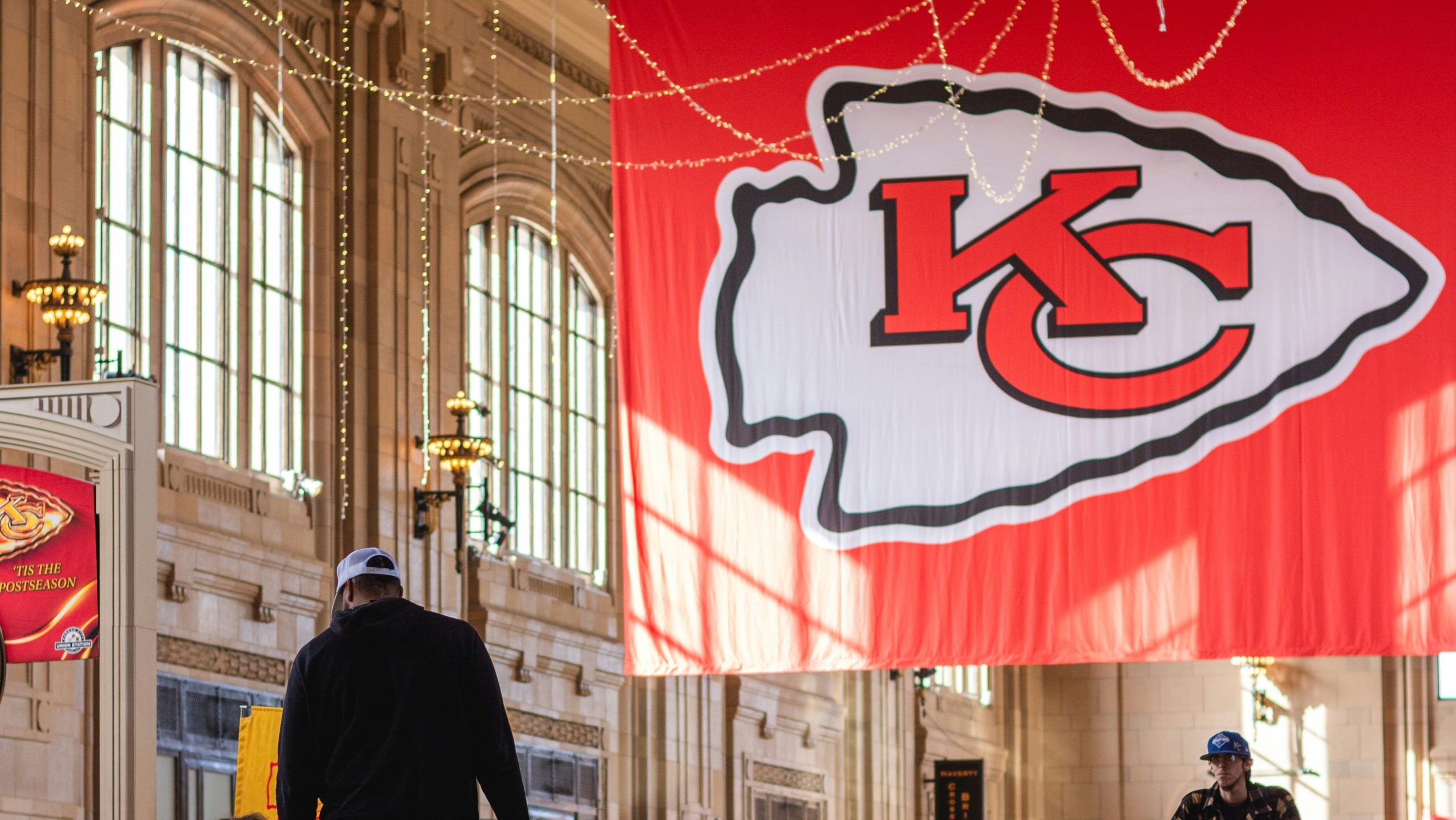
Beyond these specific cases, the broader landscape of North American sports has witnessed several high-profile relocations in recent years. These relocations are often due to old stadiums, changing local populations, and the lure of more money. Team owners aim to set up their franchises for long-term success in a competitive sports market. A recent example is the Kansas City Chiefs, who may leave Jackson County after voters turned down an $800 million request for stadium upgrades. With an aging stadium and the need for updates, the Chiefs may leverage the threat of moving as a way to secure funding. Looking ahead, we can expect to see similar relocation bids arise as negotiations heat up between sports franchises, local governments, and communities over stadium financing and improvements.

Sources:

  1. https://athlonsports.com/mlb/pro-sports-franchise-relocation-every-pro-team-to-move-since-2000
  2. https://bleacherreport.com/articles/10111821-athletics-unveil-updated-renderings-of-planned-las-vegas-stadium-ahead-of-relocation
  3. https://apnews.com/article/arizona-coyotes-salt-lake-city-relocation-f847c9206632db191463128b01347857
  4. https://www.kron4.com/mlb/as/as-fail-to-reach-deal-with-city-of-oakland-over-coliseum-future/

Women’s Soccer Shines Light on ACL Injury Research

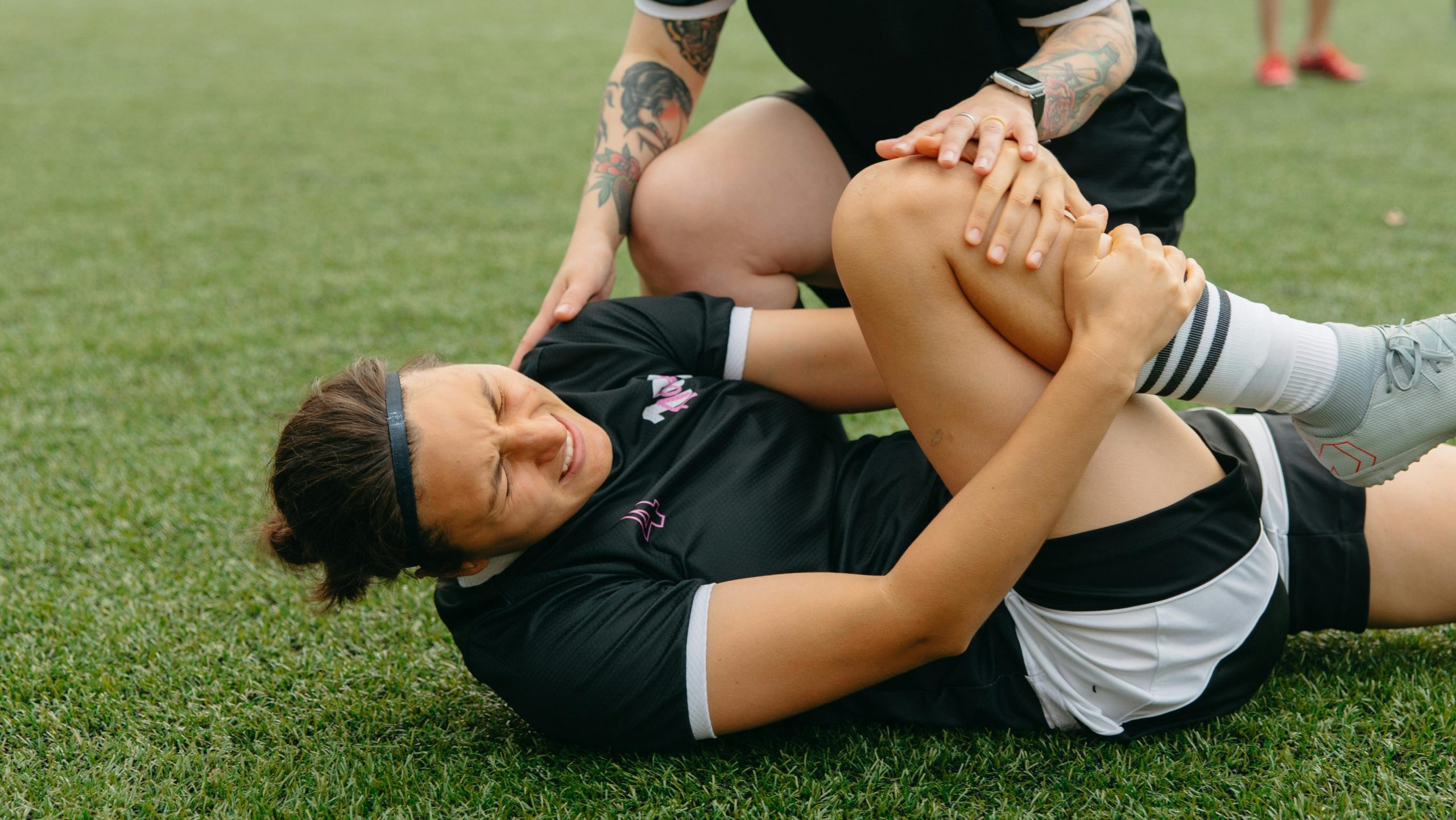
International support for women’s soccer has surged over the past decade, fueled by star players and major tournament victories. With this growing popularity comes increased scrutiny on the health challenges female athletes face. Rising participation rates and heightened competition have exacerbated the issue of sports injuries, particularly anterior cruciate ligament (ACL) ruptures. Health experts warn that women are 6x more prone to an ACL injury than men, and 25% less likely to fully recover. This concerning trend among female soccer players demands attention from the entire sports community. Yet one major question remains: where is the research to prevent this? 

acl injury

ACL Epidemic

ACL injuries in women’s soccer are robbing top competitions, leagues, and even the World Cup of some of their top international talent. This is especially true within major professional teams such as Arsenal Football Club, where in 2023, ACL tears sidelined 4 players out of a 25-person roster. Such a high number of starters succumbing to the same injury has spotlighted the training conditions of the Arsenal women’s team. Among them is Arsenal FC & Netherlands striker Vivianne Miedema, who said, “Instead of 30 games a season, we now play 60. But we don’t have the time and investment that is needed to keep players fit.” Women’s soccer players are not being offered the proper training schedules, facilities, or nutrition to contribute to their success on the field. Season-ending injuries have become the consequence.

Lack of Female-Focused Studies

There are thousands of sports-science academic studies, but few are primarily focused on women’s health in soccer. Female health specialist Dr. Emma Ross explained how misinformation stems from this disparity: “We published a paper over a year ago which showed that, in sport and exercise science research, only 6% of studies are done exclusively on females.” As a result, female ACL injuries fall into this misinformation trap. One common misconception is that body shape, hip width, and the menstrual cycle are all contributing factors. Yet there is still no solid scientific evidence depicting the role they play. Many professional players say this isn’t enough– more research must to be done.

The Right Shoes

One possible culprit for ACL ruptures is women’s athletic footwear. Despite being top athletes, female players frequently find themselves competing in shoes originally tailored for their male counterparts. A recent study by the European Club Association and St. Mary’s University, London revealed that 82% of elite female footballers reported experiencing “pain or discomfort” due to ill-fitting cleats. Soon after this research, Nike released the Phantom Luna, a football boot created with women in mind. Its innovative design incorporates contours specific to female feet, a circular cleat pattern, and a much-requested snug ankle fit. Nike’s preventative technology aims to stabilize the knee and protect against ACL tears. Female players around the world are big fans: Brazilian professional soccer star, Debinha Miri, says the new cleat makes her feel “secure and confident” on the pitch. Given the shoe’s success, it’s likely more brands will follow Nike’s lead.

acl injury

Looking Ahead: Project ACL

The future of ACL ruptures in women’s soccer does have a silver lining. Weeks ago, a new initiative to research and prevent ACL injuries in women’s soccer began. This collaboration incorporates major players like FIFPRO, the Professional Footballers’ Association, Nike, and Leeds Beckett University. The ambitious three-year inquiry is called Project ACL. It will follow the experiences of 300 professional female soccer players across England’s Women’s Super League (WSL), spanning 12 clubs. Although the focus is currently on England, FIFPRO harbors aspirations to expand this initiative on a global scale. The U.S.-based National Women’s Soccer League (NWSL) seems to be the next research target within a few years. As women’s soccer continues to expand, it’s imperative that major leagues and teams continue to research these injuries. Without player health, there is no way to sustain the growth and professionalization of women’s soccer globally.

Sources:

  1. https://theathletic.com/5460039/2024/04/30/acl-injuries-womens-football-study/
  2. https://www.cbssports.com/soccer/news/fifpro-launches-project-acl-aims-to-shift-the-narrative-with-study-into-injuries-in-womens-soccer/
  3. https://www.theguardian.com/football/2024/apr/30/project-acl-wsl-clubs-to-take-part-in-pioneering-injuries-research-project
  4. https://www.nytimes.com/2023/07/19/sports/soccer/womens-world-cup-soccer-torn-acl.html
  5. https://www.thenews.com.pk/print/1184057-fifpro-nike-and-others-team-up-to-study-acl-injuries-in-women-s-game https://www.skysports.com/football/news/11095/12926431/future-of-football-why-acl-injuries-have-been-on-rise-in-women-s-game-and-the-technology-and-solutions-to-fix-it

Copa America 2024: Tournament Guide & US Host Cities

One of the most exciting events in the soccer space is coming to the U.S. this year! Bring on the Copa America– the oldest international continental soccer tournament in the world, first contested in 1916. This premier championship for South American national teams consists of 10 CONMEBOL member nations: Argentina, Bolivia, Brazil, Chile, Colombia, Ecuador, Paraguay, Peru, Uruguay, and Venezuela. Argentina and Uruguay have the best championship records with 15 titles each, followed by Brazil with 9.

This isn’t the first time the tournament’s touched down in America. Back in 2016, Copa America marked its 100th anniversary with a special edition held in the U.S., featuring an expanded 16-team field that included six teams from CONCACAF. Now, in 2024, the tournament returns with a similar format, welcoming six additional teams from the CONCACAF region to join the competition, making a total of 16 teams.

copa america 2024

Host City Breakdown

The 2024 Copa America will be staged across multiple major U.S. markets, bringing South America’s biggest soccer tournament to fans across the nation. The action will kick off on June 20th at the state-of-the-art Mercedes-Benz Stadium in Atlanta, which can hold up to 71,000 people. Other massive NFL venues like AT&T Stadium in Dallas, NRG Stadium in Houston, SoFi Stadium in Los Angeles, and MetLife Stadium in the New York/New Jersey area will also host games. Some smaller soccer stadiums will join in, including Orlando’s Exploria Stadium. The tournament is set to crown its champion on July 14th at the Hard Rock Stadium in Miami Gardens, which previously hosted big matches like the 2026 World Cup bid ceremony. In total, 13 stadiums across 11 metropolitan areas have been selected, capable of accommodating over 1 million collective fans for the Copa America. Having the tournament spread across multiple U.S. cities helps leave a physical imprint, allowing more local markets to host major soccer events and improve infrastructure in preparation for the 2026 World Cup.

A Catalyst for U.S. Soccer Growth

The 2024 Copa America presents a prime opportunity to capitalize on soccer’s growing popularity as a major sport in the U.S. market. With Lionel Messi joining Inter Miami and TV networks’ continued commitment to air thousands of live matches annually, soccer is drawing more American fans than ever. Popular soccer-themed TV shows like Welcome to Wrexham and Ted Lasso also add to the appeal. The passionate fan bases of top national teams such as Argentina, Brazil, and Mexico, along with the star power of players like Messi and Vinicius Jr., ensure massive viewership for the tournament across English and Spanish broadcasts. Hosting competitive matches featuring powerhouse teams like Brazil, Argentina, Mexico, and the U.S. in major American cities provides fans with access to top-level international soccer experiences, driving interest, attendance, media coverage, and sponsorship revenues within the U.S. soccer community. Additionally, it gives the U.S., Canada, and Mexico an opportunity to prepare for the World Cup by testing their teams against elite South American sides.

copa america 2024

Host Country Controversy?

While the U.S. eagerly awaits the tournament, not everyone is as thrilled about the location. The decision to host the 2024 Copa AmĂ©rica in the United States has sparked controversy amongst fans. Some view it as a unique opportunity to expand the sport and attract more U.S. audiences to the passionate rivalries of South American football. Others argue that taking the Copa America outside of its home continent compromises its rich tradition and distinct identity rooted in the greatest clashes between soccer rivals like Brazil and Argentina. Additionally, there are concerns that hosting in the U.S. could give CONCACAF teams an unfair competitive advantage on familiar soil against the South American teams. While some embrace the opportunity to expand the Copa AmĂ©rica’s reach, others argue it should still be in South America to preserve South American soccer history and culture.

Controversy aside, U.S. fans await the chance to watch their national team take on fierce competitors like Uruguay and Bolivia. The incorporation of guest nations like the USMT and Canada adds to the excitement, expanding the tournament beyond South America. It also opens up the possibly for a Copa America 2024 champion outside of CONMEBOL member nations. While the sports betting odds favor Argentina or Brazil to take home the title, only time will tell who will be crowned the winner come July 14th.

Sources:

  1. https://www.foxsports.com/stories/soccer/2024-copa-america-odds-picks-favorites
  2. https://theathletic.com/5304765/2024/05/05/copa-america-guest-nations-usmnt-japan-qatar/
  3. https://mlsmultiplex.com/posts/2024-copa-america-in-the-usa-a-controversial-choice-that-divides-opinions-01hprhwxz9tw#
  4. https://www.cnn.com/2023/12/05/sport/copa-america-2024-host-cities-spt-intl/index.html
  5. https://www.nbcsports.com/soccer/news/copa-america-2024-host-cities-and-stadiums-where-will-the-games-be-played
  6. https://www.forsoccer.com/news/copa-america-2024/
  7. https://www.nytimes.com/2023/01/27/sports/soccer/copa-america-2024.html

Caitlin Clark WNBA Draft: How the #1 Pick Changes Basketball

This past women’s college basketball season, all eyes have been on Caitlin Clark. She shattered countless records, including the college basketball scoring and three-point records, achieved a 40-point triple double in a tournament game, and amassed 3,000 points and 1,000 assists. Leading the Iowa Hawkeyes to the NCAA Tournament final, Clark ultimately fell to undefeated South Carolina. She was the top pick in the WNBA draft, with massive media attention and a stacked rookie class. As the women’s NCAA tournament gains popularity, the WNBA and its teams eagerly embrace Clark, while some current and former women’s basketball stars aim to temper expectations.

wnba draft

The League

The WNBA launched in 1997 and saw its most-watched season in over a decade last year. Increased attendance, viewership, gambling, and fan engagement signal that the WNBA and women’s sports are on the rise. Women’s college basketball has also been dominating sports discussions lately, with record-breaking viewership during the tournament. The championship game alone averaged around 19M viewers, marking the highest viewership for a basketball game in five years and the most-watched annual sporting event outside of football since 2019. Caitlin Clark, the top WNBA draft pick, has been a major focus, but she’s not the only standout. The draft drew 2.4M viewers, showcasing the class’ collective star power, including Paige Bueckers, Angel Reese, Kamilla Cardozo, Juju Watkins, Cameron Brink all poised to lead the WNBA into its next era.

After a standout year in the WNBA and college basketball, how will the league leverage its incoming talent? WNBA commissioner Cathy Engelbert likened this draft class to the NBA’s 1979 class with Magic Johnson and Larry Bird, which revitalized the NBA. They’d come just in time- former CBS President Neal Pilson claimed he “almost took the NBA off the air.” This moment also aligns perfectly with the WNBA’s US TV rights deal up for renewal in 2025, aiming to double their revenue from the current $60M deals with ESPN, Amazon, and Ion. They’ve also secured a multi-year deal with TNT Sports for international broadcasts.

The Teams

Rarely does a player emerge who shakes up the league before being drafted, but Caitlin Clark is one such phenomenon. The hype surrounding the Iowa star has prompted WNBA teams to revamp their storytelling, marketing, capacity, and audience. This is evident in the extensive preparation for arguably the most talked-about female athlete worldwide. The consensus top pick in the draft was virtually assured, leading the Indiana Fever to secure a staggering 36 out of 40 national television appearances before the draft. To put this in perspective, the last time the Fever made the playoffs was in 2016, with only one winning season since their 2012 WNBA Championship. Last season, they had just 22 national broadcast games, one on ESPN and none on ABC, with some games only streamed on Facebook. The Caitlin Clark effect is palpable, and the Fever plan to ride that wave as far as her star power takes them.

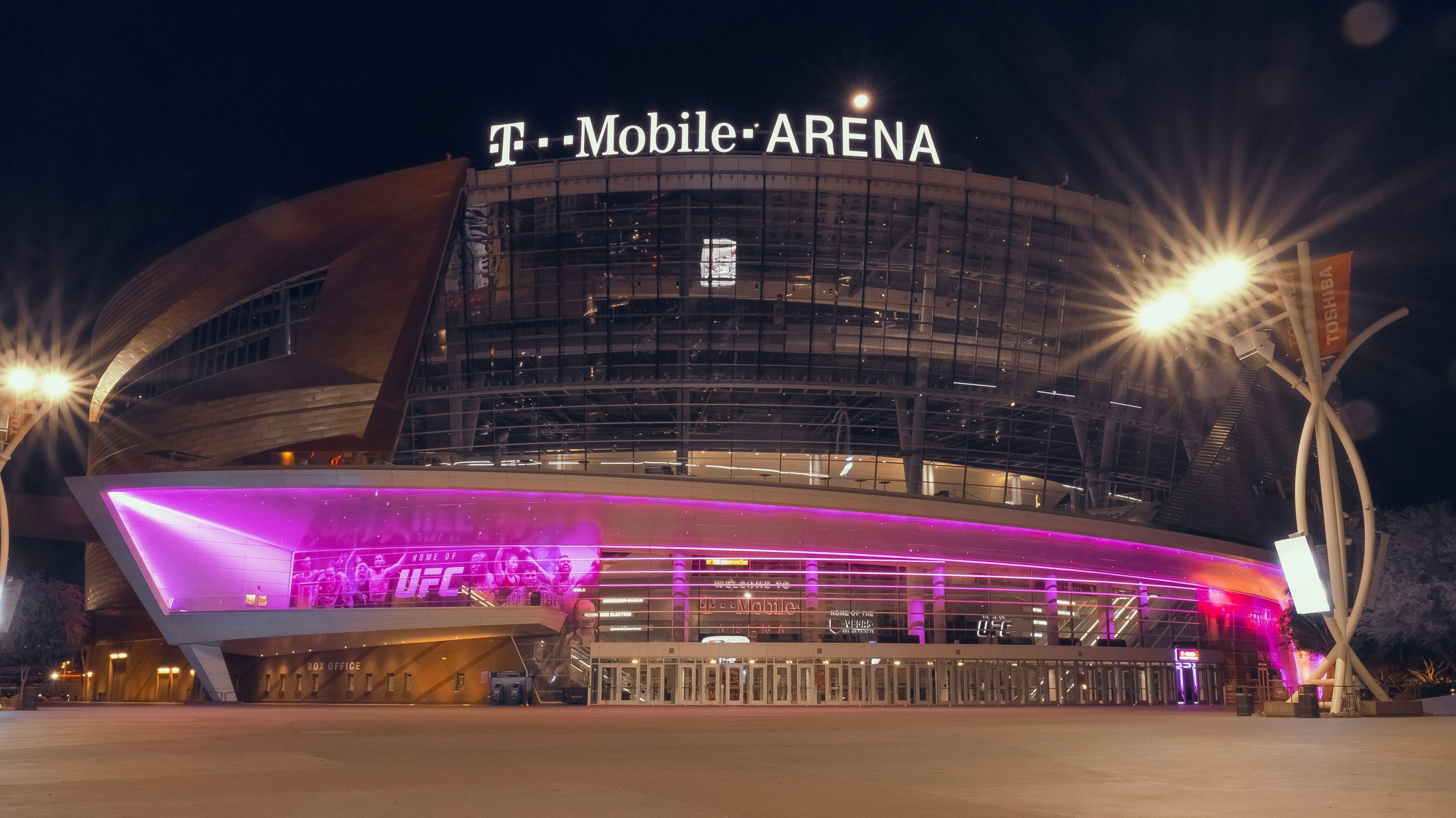
Teams like the Las Vegas Aces and Phoenix Mercury are also capitalizing on Caitlin Clark’s popularity to elevate their brand. The Aces relocated a game to T-Mobile Arena, expanding seating from 12,000 to 18,000 in anticipation of Clark’s presence. The Mercury framed their June 30th game against the Fever as Taurasi vs Clark, emphasizing the showdown between the GOAT and the Rook. They even promoted Clark with a silhouette and her jersey number before the draft to drive ticket sales. This buzz is just the start, with excitement building as the new rookie class hits the court.

The Players

Some veteran players and WNBA legends view the new rookie class, especially Caitlin Clark, as competition rather than allies. Diana Taurasi and Brianna Stewart, both UConn alumni with a combined 5 WNBA and 7 NCAA championships, have publicly criticized Clark’s style of play. Taurasi’s viral comment about Clark facing “grown women” and the “reality” of playing in the WNBA received backlash, while Stewart emphasized the importance of winning championships, despite acknowledging Clark’s records. Their remarks contrast with positive feedback from former number one pick Chiney Ogwumike, who hailed Clark as the greatest shooter in basketball.

Ogwumike, a respected analyst and former WNBA All-Star, highlighted Clark’s long-range shooting and dynamic playmaking abilities showcased at Iowa. She said that Clark will definitely have her “welcome to the league moments,” but believes Clark will make a significant impact on the Indiana Fever. Notably, Ogwumike included Clark on her college basketball Mount Rushmore, underscoring her potential to leave a lasting legacy in the sport.

Looking Ahead 

Despite differing opinions within the basketball community, Clark’s arrival has undeniably sparked excitement for the upcoming season. She comes during a rising tide for women’s basketball, with the NCAA Tournament and WNBA draft garnering more attention than ever. As she transitions from collegiate success to professional competition, all eyes will be on her as she navigates the challenges and opportunities of the WNBA. Whether she lives up to the hype or faces setbacks, Clark’s journey is sure to be closely followed by fans and critics alike. The WNBA’s ability to capitalize on the popularity of incoming draft class stars like Clark should shape the narrative of women’s basketball for years to come.

Sources:

  1. https://www.indystar.com/story/sports/basketball/wnba/fever/2024/04/10/indiana-fever-get-most-national-tv-games-on-wnba-2024-schedule-caitlin-clark-aliyah-boston/73277269007/ 
  2. https://www.cbsnews.com/news/caitlin-clark-wnba-las-vegas-aces-game-bigger-venue-indiana-fever-anticipated-to-be-first-draft-pick/ 
  3.  https://www.sportspromedia.com/news/wnba-tv-deal-tnt-sports/ 
  4. https://www.cnn.com/2024/04/10/us/ncaa-womens-basketball-ratings-dg/index.html
  5. https://espnpressroom.com/us/press-releases/2023/04/espn-platforms-set-unparalleled-records-with-ncaa-division-i-womens-basketball/
  6. https://www.outsports.com/2024/4/10/24091129/wnba-draft-caitlyn-clark-indiana-first-pick-diana-taurasi-breanna-stewart/
  7. https://ftw.usatoday.com/lists/the-brewing-beef-diana-taurasi-has-with-caitlin-clark-explained
  8. https://www.wnba.com/news/2023-season-record-breaking-success-recap 
  9. https://espnpressroom.com/us/press-releases/2023/10/espns-game-4-of-the-2023-wnba-finals-presented-by-youtubetv-is-most-watched-game-on-record/ 
  10. https://www.usatoday.com/story/sports/wnba/2024/04/15/caitlin-clark-wnba-draft-indiana-fever-angel-reese-cathy-engelbert/73308027007/ 
  11. https://bleacherreport.com/articles/10117128-2024-wnba-draft-draws-record-24m-viewers-amid-caitlin-clark-angel-reese-hype 
  12. https://www.azcentral.com/story/sports/wnba/mercury/2024/04/09/phoenix-mercury-release-tickets-indiana-fever-caitlin-clark/73263900007/ 
  13. https://www.overtimeheroics.net/2024/04/08/caitlin-clark-is-the-most-impactful-player-that-the-game-has-seen-in-a-generation-espn-analyst-chiney-ogwumike-believes-clark-should-be-considered-for-ncaas-mount-rushmore/

Inside Sports Officiating Tech: Decoding VAR and the NFL Replay Assist System

In sports’ modern era, technology has become a game-changer, revolutionizing how athletes compete, officials make decisions, and fans experience the action. From Video Assistant Referees (VAR) in professional soccer to the expanded use of instant replay systems in the NFL, the integration of cutting-edge technology has transformed the world of sports. These innovations hold the promise of enhancing accuracy, fairness, and the overall quality of the game. Their implementation has also been accompanied by a fair share of challenges and controversies, triggering intense debates among those invested in the sport.

nfl replay

What is VAR?

VAR, or Video Assistant Referee, first appeared in major competition during the 2018 FIFA World Cup with the goal of reducing match-changing errors. This behind-the-scenes advancement involves a team of officials who review video footage of key incidents like goals, penalties, red cards, and cases of mistaken identity. Officials communicate with the on-field referee through a headset, providing advice and recommendations based on their analysis of the video replay. The final decision, however, always rests with the main referee. Ever since approval by the International Football Association Board (IFAB) in 2018, the technology has been utilized in leagues like the Premier League, Bundesliga, and Serie A.

Fast forward to 2024 and VAR has continued to be a polarizing topic. Advocates of the technology argue that it holds the potential to improve decision-making, particularly in high-stakes situations where match outcomes hinge on a single call. Others criticize the lack of consistency and transparency in VAR, leading to confusion and frustration among players, coaches, and fans alike.

VAR Controversy

The VAR controversy played out recently in a Premier League match between Tottenham Hotspur and Liverpool earlier this season. Liverpool forward Luis Diaz’ goal was disallowed for offside, despite clear evidence from replays showing that he was indeed in an onside position. The VAR official, Darren England, mistakenly believed that the on-field decision was to award the goal and informed the referee that the check was complete. Even after being made aware of the error, the VAR stated that he could not intervene as play had already resumed.

This high-profile incident underscores the need for clearer protocols and improved communication between officials to prevent such costly errors from occurring in the future. Only by addressing these issues can the implementation of VAR truly enhance the fairness and integrity of the game, ensuring that the technology lives up to its promise of improving the sport for all involved.

nfl replay

NFL’s Replay Assist System

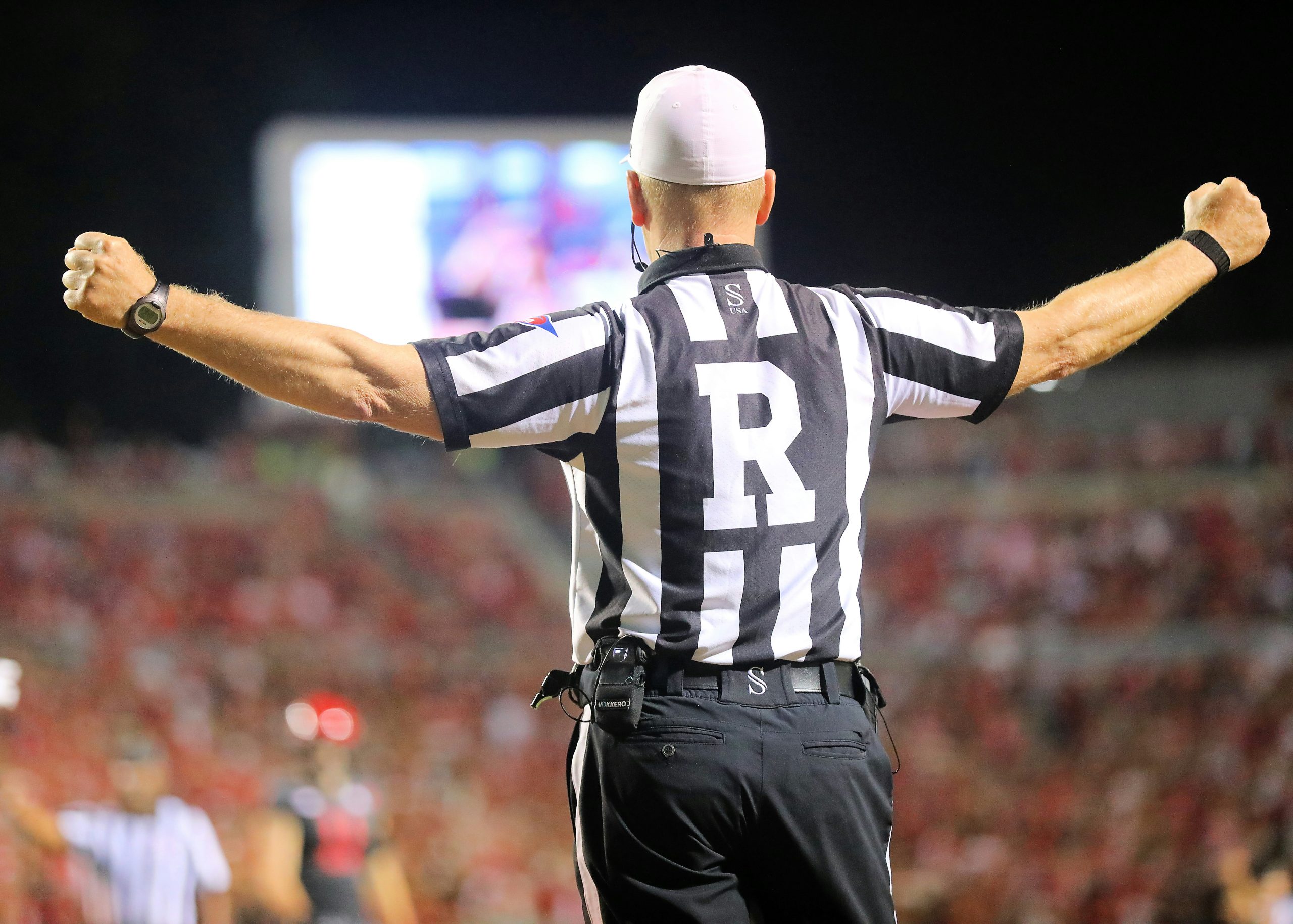
The NFL is making a big move in 2024 by expanding its Replay Assist system to help make officiating more accurate and fair. The new rules will let referees consult the New York replay crew for intentional grounding, roughing the passer, and late hits out of bounds. But there’s a catch—  officials can only request a second look if they threw a flag to begin with. If the review shows there was no foul, the penalty can be overturned. The goal here is to cut down on controversial calls and ensure penalties are ruled consistently and correctly.

While this change could improve accuracy and consistency, there are legitimate worries about how it might affect the speed and flow of the game, similar to the concerns we’ve seen with VAR in soccer. More replays could mean more stoppages, especially at key moments, and maybe even more commercial breaks. Plus, some folks are concerned that giving referees the ability to overturn penalties might actually encourage them to throw more flags, knowing they can always fix it later if needed. 

nfl replay

Looking Ahead

As video replay technology becomes more common in sports, it brings greater innovation and new challenges. Looking at soccer’s use of VAR over the past 6 years gives us an idea of what NFL fans can expect as technology becomes more prevalent in officiating. While VAR has been around for a while, it’s still not perfect. Debates on the technology persist in nearly every soccer match. This shows that integrating technology into decision-making is not so black-and-white. Sports organizations will have to work with players, coaches, and fans to balance innovation with maintaining the human side of the game. It’ll take time and adjustments to get it right, but with more transparency and cooperation, video replay technology will find its place in sports officiating.

Sources:

  1. https://www.teamstats.net/blog/the-impact-of-technology-on-soccer-var-goal-line-technology
  2. https://www.skysports.com/football/news/11095/12975648/var-audio-released-from-liverpool-s-disallowed-goal-by-luis-diaz-in-defeat-at-spurs#:~:text=The%20VAR%20audio%20from%20Luis,showed%20he%20was%20actually%20onside.
  3. https://operations.nfl.com/the-rules/rules-changes/2024-rules-changes/
  4. https://www.theguardian.com/commentisfree/2023/dec/01/the-guardian-view-on-var-a-slower-longer-and-fairer-game-may-not-be-what-football-fans-want#:~:text=The%20trouble%20is%20that%20many,the%20quality%20of%20decision%2Dmaking.
  5. https://gridironheroics.com/nfl-rule-change-2024/
  6. https://bleacherreport.com/articles/10114849-nfl-replay-assist-expanded-for-2024-season-on-roughing-intentional-grounding-more

Become a Sponsor.

Join us in making a difference. Tell us a bit about yourself and we’ll be in touch with sponsorship details.

By submitting this form, you agree to be contacted by the Athelo Group team regarding sponsorship opportunities.