Why Women’s Pro Volleyball Is Finally Gaining Traction in the US

It’s always been a struggle for women’s professional volleyball to establish a stable position in the United States. Despite being one of the most widely played sports among women at both the youth and collegiate levels, the professional game has lacked opportunities. This includes visibility and consistent investment. 

That narrative is finally shifting.

Over the past few years, women’s pro volleyball has begun to rise in popularity. This comes as a result of changes in fan behavior, digital media, and league structure. 

This growth isn’t happening randomly. It reflects broader trends across women’s sports, where participation, media attention, and brand investment are increasingly aligned.

Quick Highlights

  • Volleyball consistently ranks among the top sports for female participation in the U.S., especially in high school and college.
  • In 2023, Nebraska volleyball set a world record for attendance at a women’s sporting event, with 92,003 fans at Memorial Stadium.
  • Leagues like Athletes Unlimited, the Pro Volleyball Federation, and LOVB focus on shorter seasons, city-based teams, and keeping top college stars local to grow fan support.
  • In 2025, Volleyball World events saw over 62 million engagements across social media platforms and gained 350,000 new followers.
  • Sponsorship deals across major women’s sports properties grew about 12% between 2024 and 2025, expanding nearly 50 percent faster compared to men’s pro leagues.
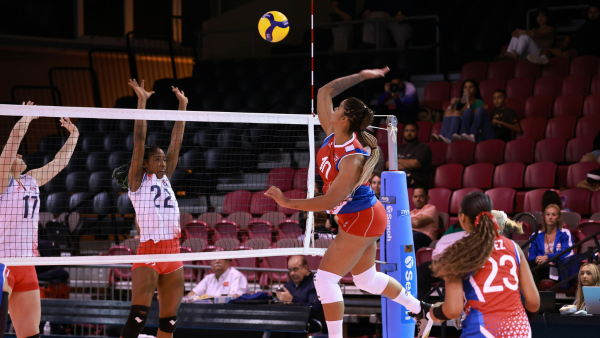
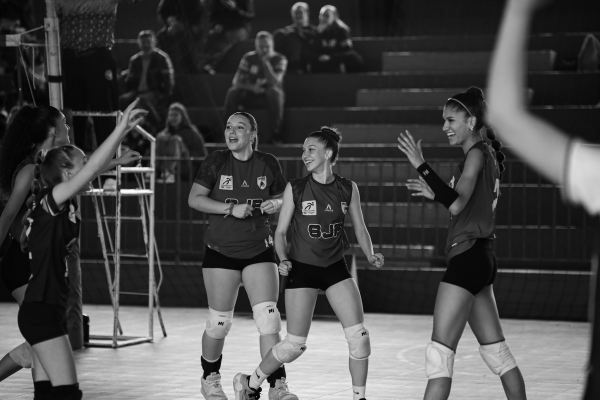
women's pro volleyball

A Fanbase That’s Always Been There

Volleyball consistently ranks among the top sports for female participation in the United States, particularly at the high school and NCAA levels. For decades, this created a huge disconnect. Athletes and fans were very interested in the sport, but didn’t have any clear professional teams to support once collegiate careers ended.

Like many women’s sports, volleyball seems to disappear after college. New U.S. leagues are changing that. Professional volleyball is tapping into an audience that already knows and loves the game.

In 2025, the Omaha Supernovas drew nearly 11,000 fans per game by putting together a roster with many Nebraska alumni. This shows how familiar college stars can drive attendance.

Instead of trying to create interest from scratch, these leagues are connecting with a community that’s already passionate about volleyball. 

This is similar to other women’s sports, like the new Women’s Professional Baseball League, where early exhibition games sold out quickly and drew large crowds of fans already following baseball. 

Social Media Has Reshaped Visibility

Digital platforms have played a big role in why volleyball is getting more attention. Short-form videos and behind-the-scenes clips make it easy for fans to discover the sport and feel connected to it. 

Volleyball naturally fits social media. The rallies are fast, the reactions are genuine, and the highlights don’t need much explanation. A single clip can capture the energy of an entire match.

Nebraska volleyball is one of the clearest examples of this in action. Players post “get ready with me” videos, locker room jokes, and practice clips. This gives followers a glimpse into the personality behind the program.

That digital connection mirrors the program’s real-world support. In 2023, Nebraska set a world record for attendance at a women’s sporting event. 92,003 fans filled Memorial Stadium for a match against Omaha, proving just how deeply rooted volleyball is in that community.

This kind of visibility helps teams and leagues grow without relying solely on traditional TV coverage. It also opens the door for sponsors, who can connect with engaged audiences through both official league platforms and individual athletes.

How Smarter League Models Are Growing the Sport

One of the biggest differences between past attempts at professional volleyball and what’s happening now is strategy. Their new approach is centered on steady growth and long-term success.

Leagues like Athletes Unlimited, the Major League Volleyball, and LOVB each have their own model, but they share a common mindset. That is to not grow faster than the audience can follow.

Many focus on shorter seasons, regional teams, and clear development paths. LOVB has focused on keeping top college stars in the same cities where they built their fan bases. This makes it easier for supporters to continue following them at the professional level.

That city-based approach strengthens local identity and gives fans a reason to keep showing up. Professional volleyball is taking cues from other leagues and laying a foundation built to last.

Increased Brand Interest in Women’s Sports

Brand investment in women’s sports is growing fast, and volleyball is starting to see the impact. Sponsors are naturally drawn to sports with strong community ties and real stories they can connect with.

Volleyball’s audience often overlaps with lifestyle and wellness communities. This makes this sport a great fit for long-term partnerships. Getting involved early lets sponsors grow alongside the leagues and build trust with fans.

Skims’ partnership with LOVB shows how a high-profile brand can make a true impact while the league is still growing. The brand took a major role in athlete activations, community events, and league marketing. This approach has become a key part of what makes partnerships in women’s sports successful.

@leagueonevolleyball

LOVB 🤍 SKIMS     SKIMS is now the official loungewear, intimates and sleepwear partner of LOVB. The partnership will see LOVB and @SKIMS work together to accelerate the future of professional women’s volleyball, as well as empower girls and women both in sports and beyond 🫶 #skims #lovb #volleyball

♬ original sound – LOVB

Why This Moment Feels Different

This moment feels different for women’s professional volleyball. Not because of sudden interest, but because the pieces are finally falling into place. Participation has always been strong. What was missing was consistent visibility and connection.

Now, with leagues refining their strategy and brands investing earlier and more intentionally, women’s pro volleyball has a real opportunity to establish itself in the U.S. The growth doesn’t feel rushed or reactive. It feels steady and built to last.

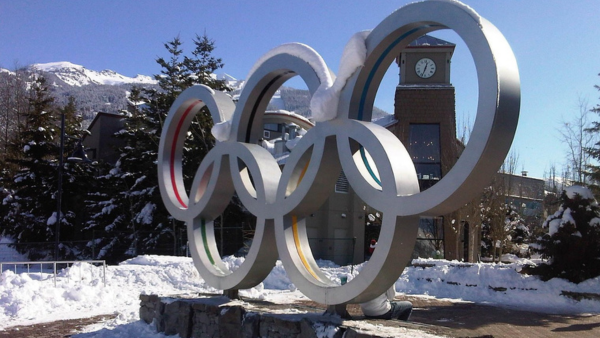
The Harsh Economic Impact of Hosting the Winter Olympics

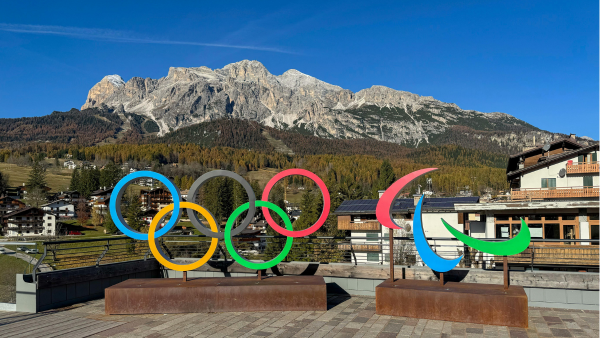
1.9 billion dollars, 17 days, two cities. This is the number of the operating costs the Milano-Cortina Olympic committee will be working with for this upcoming February’s games, which only spans 17 days. The desire for prestige often leads host cities running themselves into debt and economic strain for years to come. 

When most of us think about the Winter Olympics, we tend to think high-speed thrills, ice and snow, and extreme athletic performances in cold conditions. What often goes unnoticed is the complex and costly effort required to stage the Games, and the lasting impact they leave on host cities and athletes long after the closing ceremonies.

Quick Highlights

  • Milano-Cortina’s proposed budget is $1.9 billion, rising to nearly $6 billion when infrastructure investments are included.
  • Spending for the 2014 Sochi Games exceeded $50 billion – nearly four times the original bid.
  • The Games can create upwards of 100,000 jobs, but most are not sustainable for longer than a year. 
  • The 2026 Milano-Cortina Winter Games are predicted to emit around 930,000 tons of emissions. 
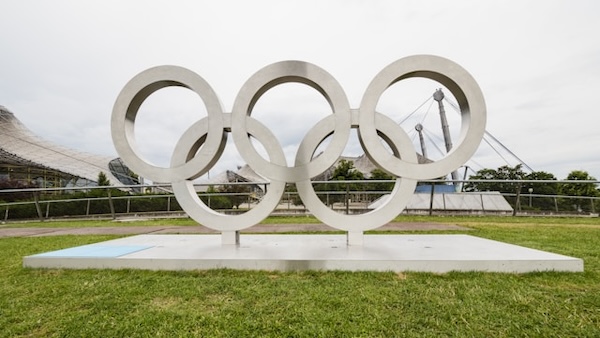
winter olympics

Lessons From Past Games

There is a longstanding tradition of over spending and over building with the Winter Olympic Games. The 2014 Sochi Games shows the risks of extreme cost overruns. Spending exceeded $50 billion and limited long-term economic return from Olympic-specific infrastructure. 

In contrast, Salt Lake City’s 2002 Games are frequently cited as a more successful example. Venues were reused and costs were more controlled. Facilities continue to generate revenue to this day through ongoing sporting events and tourism.

Vancouver 2010 shows a middle-ground outcome. Investments in transportation infrastructure delivered lasting urban benefits. However, overall economic gains fell short of early projections.

Past Games suggest that the economic success of the Winter Olympics depends less on the event itself. They depend on cost discipline, governance, and how well Olympic investments align with long-term regional needs.

The Upfront Costs and Public Expenditure

Historically, the budget set for the Winter Olympics is largely underestimated and is frequently exceeded by double or triple the original amount. 

The 2014 Sochi Games had a budget of around $12 billion and went on to spend over $50 billion. The $1.9 billion dollar budget estimated for Milano-Cortina represents the operating budget. This does not include additional expenses like new competition venues or International Olympic Committee provided funding. 

A large portion of these additional costs is absorbed by government funding, shifting the financial burden to taxpayers. While sponsorship revenue provides meaningful support, host cities continue to bear significant financial risk for economic returns that are uncertain and challenging to measure. 

olympic skiiing

Infrastructure and Long-Term Usage

Infrastructure projects such as transportation upgrades, security systems, and athlete villages are often justified as long-term investments. However, many struggle to generate sufficient economic returns after the Games conclude. These facilities are frequently designed for highly specific Olympic needs, resulting in limited post-Games functionality. 

As seen in past host cities such as Sochi, Athens, and Sarajevo, the challenge lies in repurposing Olympic infrastructure in ways that are both economically viable and socially sustainable. 

Milano-Cortina aims to address this issue by redefining Olympic tourism through a multi-destination model. It will rely on existing urban centers and larger-capacity venues. This strategy emphasizes upgrading current transportation networks rather than constructing entirely new infrastructure that may not deliver long-term value. 

Community Impact and Employment Sustainability

While the Olympics can provide significant short-term benefits, particularly for businesses in food service and lodging, residents often experience daily disruptions. 

Although tens of thousands of jobs are created, host cities frequently struggle to sustain employment once the Games end. The Olympics have a longstanding history of causing disruption and chaos in the lives of the people that reside in the host cities. 

The Tokyo 2020 Games proved to be one of the harsher on its residents. Over 300 households were displaced or relocated. Over the last 50 years alone, gentrification and new growth in host cities has caused 2 million people to lose their homes. 

winter olympics

Environmental Sustainability

For Milano-Cortina specifically, there is a strong focus on environmental sustainability and responsibility. Much of this focus comes after facing backlash from athletes about the polluting sponsors. 

The Winter Olympics already produce significant emissions, and fossil fuel sponsorships only amplify this impact. In some cases, this nearly triples the total environmental footprint. In response to this backlash, Milano-Cortina has committed to using existing venues, transportation, and structures.  

Organizers have emphasized public transportation and sustainable construction to reduce emissions. However, critics argue these measures only partially offset the environmental impact of international travel and corporate sponsorships. This tension highlights a broader challenge facing the Winter Olympics: balancing economic interests and global visibility with long-term environmental responsibility.

Economic Outcomes and Insights

Every four years, the Winter Olympics force host cities to balance global spectacle with long-term economic and environmental responsibility. While the Games offer short-term excitement, global visibility, and temporary economic boosts, history shows these benefits often come at a lasting cost.

Without strict budget discipline and long-term planning, Olympic hosting risks becoming a financial burden rather than a legacy.

Ultimately, the success of the Winter Olympics depends not on the spectacle itself, but on whether host cities prioritize long-term public value over short-term prestige.

The John Cena Formula Behind WWE’s Global Growth

WWE is a global entertainment powerhouse valued at over $16 billion. Built on long-term storytelling, larger-than-life personalities, and a loyal fanbase, WWE continues to grow despite other sports properties struggling to retain attention.

John Cena’s final match reflects this formula, one that helped WWE scale into one of the most durable and recognizable sports-entertainment brands in the world. 

 WWE takes raw talent like Cena’s and turns athletes into global sensations. By developing character arcs, leaning into authenticity, and maximizing entertainment value, the franchise creates and leverages superstars that elevate the brand.

Despite strong feelings about the end of Cena’s career, WWE is quickly forging ahead and ready to repeat the formula.

Quick Highlights:

  • The global professional wrestling fanbase was roughly 5.8 billion in 2024, and it expected to grow to around 9 billion by 2030. 
  • Viewership for the most recent Wrestlemania, WWE’s biggest yearly event, saw a 114% increase over the record that was set at last year’s Wrestlemania. 
  • Episodes and appearances tied to John Cena’s final run generated higher viewership and engagement, with his final RAW appearance generating 3 million more viewers than the previous week’s show. 
  • WWE currently has media deals with Netflix, ESPN, and NBC. In 2024, they signed a 10 year, $5 billion deal with Netflix for Monday Night Raw.
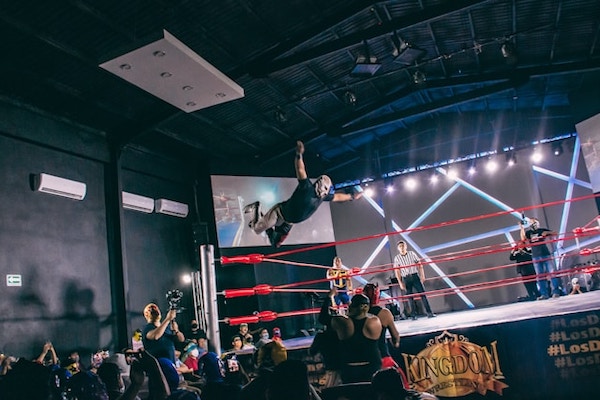
wrestling match similar to john cena in wwe

The WWE Business Model: Storytelling First

Unlike traditional sports, where the game itself is the product, WWE sells storytelling above all else. Matches matter, but the stories behind them matter more.

Rivalries stretch across months or even years. Characters evolve. Heroes fall, villains rise, and redemption arcs keep fans emotionally invested long after the bell rings. This serialized style turns WWE into ongoing entertainment, perfectly suited to today’s binge-ready media landscape.

That narrative foundation makes the biggest events — Royal Rumble, SummerSlam, WrestleMania — feel massive. They conclude major storylines, settle long-standing feuds, and pay off months (or years) of emotional buildup.

Adaptation & Long-Term Character Building

WWE pivots quickly when a character isn’t clicking. Many of its biggest stars started with a completely different gimmick before finding what worked.

Athelo Group’s own Mark Henry debuted as the proud Olympic medalist representing the USA. When that didn’t connect, WWE shifted to his ladies’ man persona, and Henry became a top-tier entertainer.

John Cena began as just another generic wrestler on the verge of being cut. A viral backstage rap freestyle changed everything — he embraced the “Doctor of Thuganomics” character and became a household name.

Cena’s final match carried so much weight because fans had followed the entire journey: the rise, the dominance, the criticism, the injuries, the resilience, and the unmatched longevity.

WWE builds up to these moments, layer by layer. That storytelling-first approach drives weekly TV, premium live events, and constant social engagement, keeping the company culturally relevant all year long.

John Cena: The Blueprint for WWE Superstar Branding

From the “Doctor of Thuganomis” to being the face of the franchise for an entire generation, Cena became a global ambassador for WWE. His crossover success into film, television, commercials, and philanthropy introduced WWE to entirely new audiences, with many new fans following Cena back to the wrestling product.

Every movie role, red-carpet appearance, and viral interview expanded the WWE footprint. John Cena didn’t just benefit from WWE’s platform, it was mutually beneficial.

Once, Cena surprised people at a movie theater about to watch his blockbuster new movie Suicide Squad, but showed up in full WWE character. As one of the most philanthropic figures in wrestling, there have been countless times of him making kids’ wishes come true to meet him.

His farewell moment underscores WWE’s long-standing strategy: build authentic stars, let them grow beyond the ring, and allow their success to reflect back on the brand.

Superstar Brands Drive WWE’s Scale

WWE’s roster is intentionally diverse in personality, presentation, and audience appeal. No two superstars are interchangeable, as each one is treated as a distinct brand with a unique voice, look, and story.

This approach lets WWE connect with different audiences at once. Hardcore fans stay locked into long-term storylines, casual viewers grab quick social clips, and new people discover WWE through movies, podcasts, fashion drops, or influencer culture.

Take Dave Bautista. WWE fans know him well, but most people recognize him as Drax from Guardians of the Galaxy. That Hollywood fame brought many of his 6+ million followers into the WWE world.

From John Cena and Roman Reigns to Becky Lynch, Hulk Hogan, and Mark Henry, WWE grows through stars who resonate far beyond the ring. Their individual fanbases stack together, creating a bigger, more durable ecosystem. In today’s attention economy, personality is the product, and WWE gets that better than almost anyone.

WWE’s Modern Media Takeover

WWE’s growth comes from smart media strategy. Long-form storytelling lives on weekly shows and premium live events, while short-form moments flood TikTok, Instagram Reels, and YouTube Shorts.

Promos go viral. Entrances become memes. Emotional moments spread instantly across platforms, pulling in fans who might never watch a full show. Every public moment in WWE turns into promotion for the brand.

John Cena’s final match was a perfect example. The match itself sparked nostalgia, emotion, debate, and massive shareability. Right before he tapped out, Cena was caught smiling.

Fans immediately connected it to his “Never Give Up” motto, debating whether the smile meant he was ready to retire. Cena fans were upset he lost, and the match blew up online.

WWE’s Instagram Reels usually get 1-2 million views each. Videos from the day of Cena’s last match and its aftermath averaged 3-4 million views. These moments don’t end when the bell rings; they live on forever in the digital space.

The Future of WWE Storytelling

John Cena’s exit isn’t slowing WWE down. It’s a chance to keep building an already strong brand.

WWE constantly creates the next generation of stars by blending athletic performance with character development and adapting to fan reactions. New superstars arrive as people with fresh personalities and arcs that fans can follow for years. With fan numbers projected to continue rising, there’s endless room for fresh stories and new generations.

Cena’s final chapter proves WWE’s greatest asset lies in making fans care and stay invested. That’s why the brand keeps growing stronger.

Look at the lead-up to Cena’s last match: Cody Rhodes, the WWE champion, faced Oba Femi, the NXT champion. The match didn’t go as planned, but it introduced Femi, a former college shot-put athlete with freakish strength and athleticism, as a future headline-maker. He’s a great fighter and an even better entertainer ready to rise in the wake of Cena’s retirement.

Recovery for Athletes: Sports’ Newest MVP

Recovery for athletes is no longer a luxury— it’s a necessity. Between new technology, smarter recovery tools, and the prioritization of holistic health, athletes have more tools than ever to protect their bodies and minds. 

In the past decade, there has been a growing understanding of what peak performance requires which has pushed both brands and athletes to further prioritize their wellness and recovery practices. 

This new rehabilitation standard is reflected through the extensive Fitness Recovery Services Market. As the demand for these services and products continue to grow, it is clear this industry is only beginning.

Quick Highlights

  • The global fitness recovery services market will reach a projected $26.8 billion by 2035, up from $8.3 billion in 2025.
  • The leading segment of the market is massage therapy & assisted stretch with a nearly 38% market share.
  • The global sports nutrition market, which includes sports drinks, bars, powders, and capsules, was valued over $66.27 billion in 2024 and is projected to reach over $138 billion in 2033.
  • Sports franchises like the Washington Commanders are investing over $25 million in recovery solutions, highlighting the growing priority placed on athlete recovery.
athlete stretching to recover

The Industry 

Society’s emphasis on holistic health has driven explosive growth in the sports recovery and nutrition markets. Everyday consumers are now prioritizing protein intake, hydration, and advanced recovery tools, while wellness trends push the sports industry to innovate and expand.

Professional teams are investing heavily in recovery, with many allocating multimillion-dollar budgets to state-of-the-art facilities. For example, the Washington Commanders spent $25 million on upgrades featuring cryotherapy, infrared saunas, and hyperbaric oxygen chambers to accelerate player rehabilitation.

Common equipment now includes percussion devices like Theraguns, shockwave and laser therapy machines, and compression boots. Over a third of training spaces in modern facilities are dedicated to recovery, reshaping athlete training protocols and extending career longevity.

In a high-stakes industry, on-field performance increasingly depends on off-field recovery practices. These investments not only reduce injury downtime but also influence sponsorships and partnerships in the booming recovery sector.

The Modern Athlete Toolkit 

Wearable technology has become a cornerstone of the sports recovery market, providing athletes with real-time data on training load, sleep, and recovery metrics. Popular devices like Oura Rings, Whoop bands, and Garmin watches enable precise monitoring, helping optimize rest and prevent overtraining.

Electronic recovery devices are also transforming post-workout routines, accelerating muscle repair through improved circulation and reduced inflammation. Cryotherapy chambers, compression systems, and percussive therapy tools like Theraguns are now staples, often replacing traditional ice baths and static stretching.

Nutrition is equally critical, with athletes relying on high-quality protein sources, hydration products, and targeted supplements to fuel recovery and performance. The booming demand has spurred innovation, giving pros and amateurs unprecedented options for daily nutritional support.

Standout brands like David Protein exemplify this growth—their bars deliver 28g of protein in just 150 calories, achieving explosive success with over $100 million in projected first-year revenue since launching in 2024. 

Wellness Shaping Performance 

As wellness continues to move to the forefront of sport, mental strength and recovery systems prove just as essential as physical training.

Mental performance strategies like visualization, focus training, and stress management are becoming core parts of an athlete’s routine. These tactics help athletes stay composed under pressure by giving them tools to stay mentally centered as challenges arise. 

The US Olympic Committee is leading this trend among major sports organizations by forming a team of 15 full-time mental performance coaches for their athletes. This dedicated team delivers significant results, enhancing mental health support and performance optimization across Team USA.

athlete drinking sports drink for recovery

The Future of Athlete Recovery and Wellness

As the sports world continues to evolve, it’s clear that athlete wellness is the new competitive edge for optimal performance. 

Brands like ARMRA are advancing this mission by creating products to rebuild health from the inside out. Athelo Group athletes Brisa Hennessy, Conor Daly, and Chandler Smith gravitate towards ARMRA as they continue to prioritize clean and trustworthy wellness solutions. 

The athletes who prioritize their recovery, nutrition, and mental strength aren’t just performing better– they’re building the longevity of their careers.

This shift presents a powerful opportunity for brands, teams, and support staff. In an industry defined by intense demands, investing in athlete wellness has become a strategic advantage.

How Does Olympic Golf Work?

After disappearing from the Games for more than 100 years, golf returned to the Olympics in 2016 and quickly became a must-watch event. Olympic golf is not just another PGA or LPGA Tour stop. It has a unique format, qualification rules, and global selection process that make it one of the most distinctive competitions of the Summer Games.

As the sport grows, fans are paying more attention than ever. Rising American figures like Sydney Grimes combine elite golf with major social media influence, helping bring new audiences into the game.

Whether you are watching for the first time or want to understand the strategy behind the medals, here is everything you need to know.

Quick Highlights

  • With only 60 spots per field, Olympic golf is the most exclusive major event in the sport — less than 15% the size of a standard PGA Tour tournament.
  • More than 40% of Olympic golf qualifiers ranked outside the world’s top 100, proving how the ranking-based system reshapes the field.
  • Golf returned to the Olympics in 2016 after a 112-year hiatus, having last been played in 1904. The sport’s revival aims to boost global participation and increase youth engagement.
  • No team or mixed-format events currently exist, but discussions are underway about potentially adding a mixed team event as soon as the 2028 or 2032 Games.
  • The 1904 Olympics was the only time in history that featured a men’s team golf event.

How the Olympic Qualification System Works

Unlike other pro golf tournaments, Olympic golf uses the Official World Golf Ranking to decide who earns a place on the green. Countries can send up to four golfers per gender if all four are ranked inside the top fifteen. Otherwise, the maximum drops to two, which often leaves elite U.S. players on the outside looking in.

The goal of this format is to expand global participation rather than mirror another major championship. It creates spots for golfers from developing programs who may rank outside the top 100. That level of representation did not exist before golf returned to the Olympics in 2016.

For rising American stars like Rose Zhang and Nick Dunlap, strong results in college and early professional events shape their Olympic hopes. Every point matters as they build their world ranking on their paths toward LA28.

The Tournament Format: A Traditional Structure on a Global Stage

While qualification is complex, the Olympic competition itself is intentionally simple. The competition uses a 72-hole stroke play format across four days, just like major professional tournaments. All 60 athletes play every round, so no one is cut early and everyone has a chance to recover from a slow start.

This structure makes the sport easier to follow for fans watching Olympic golf for the first time. Medals are awarded based strictly on score, and ties for podium positions are settled through a sudden-death playoff. At the Tokyo Olympics, seven players including Rory McIlroy and C.T. Pan battled for the bronze medal in a dramatic playoff, one of the most suspenseful finishes in recent Olympic golf history.

golf ball on tee

The Evolution of Olympic Golf and Future Possibilities

Since its return, Olympic golf has grown more influential with each Games. Around 25 to 30 countries including China, Morocco and Turkey have expanded their investment in youth golf development, television audiences continue to grow, and the tournament has become a career defining goal for many players. 

This momentum has sparked discussion about adding new formats. A mixed team event with one male and one female golfer from the same nation has gained strong support. It would mirror successful mixed events in tennis and track while offering another medal opportunity and emphasizing collaborative play.

The upcoming Los Angeles Games present a perfect chance to introduce this kind of event thanks to golf’s strong popularity in the United States. A team format would create new competitive pathways for players whose skills shine in both individual and paired environments. For a versatile creator golfer like Sydney Grimes, expanded formats could help the sport reach new fans and strengthen its Olympic presence.

golf course

Why Olympic Golf Matters Today

Olympic golf represents far more than another event on the schedule. It is one of the few moments in the sport where individual performance intersects directly with national pride, and the prestige of a medal carries a unique weight. The tournament provides a global platform for the game’s elite while also elevating golfers from countries without long golf histories.

Looking ahead to the 2028 Games in Los Angeles, Olympic golf anticipates its widest reach yet. The competition will showcase the sport’s top talent on one of the biggest stages in athletics, creating unforgettable moments for both new fans and longtime followers. With growing excitement and a rapidly expanding global field, Olympic golf is shaping its own legacy within the future of the Games.

Embracing CBD for Athletes as a Recovery Tool

Recovery tools like ice baths, foam-rolling, sauna, and nutrition have always been critical to athlete performance. Top athletes know their recovery is just as important as training

In recent years, shifting league policies and medical research have opened the door to a new recovery tool: cannabidiol, or CBD, a compound derived from the hemp plant. 

Once considered taboo, CBD has entered the mainstream recovery conversation thanks to mounting evidence and athlete testimonials highlighting its effects on inflammation, pain relief, mental stress, and overall repair.

Quick Highlights

  • In 2018, the World Anti-Doping Agency (WADA) removed cannabis from its banned list, opening the door for CBD-based recovery products.
  • By 2024, major U.S. leagues including the NCAA, MLB, NBA, and NFL had relaxed cannabis testing or approved CBD sponsorships.
  • MLB’s $30.5 million partnership with Charlotte’s Web marked the first league-wide CBD deal in professional sports.
  • A 2023 study found athletes using CBD after exercise reported less soreness and discomfort, supporting what many have claimed anecdotally.
  • The CBD market in sports recovery is projected to exceed $6 billion globally by 2030, driven by expanding league acceptance and athlete advocacy.
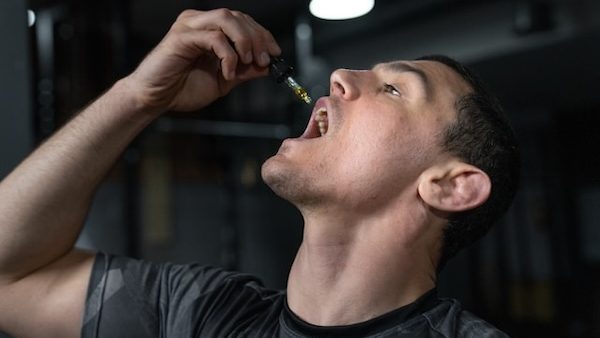
athlete ingesting cbd for recovery

Current Policy Landscape on Cannabis

In 2018, the World Anti-Doping Agency (WADA) removed cannabis from its list of banned substances. THC and other psychoactive cannabinoids still remain prohibited. The door for cannabis-based recovery tools is narrow: any product containing even trace levels of THC risks violating anti-doping rules.

In June 2024, the NCAA Division I Council voted to remove cannabinoids from its banned substances list for championships and postseason football. Individual schools can still choose to test for THC, but the policy marks a broader shift toward acceptance. Across U.S. professional sports, no single unified policy exists, yet leagues are increasingly re-evaluating their stance on cannabis.

How Leagues Are Adapting

Major League Baseball has led the way, removing cannabis from its banned list years ago and, by 2022, allowing CBD sponsorships under strict NSF-certified standards. 

That same year, MLB struck a $30.5 million multi-year deal with Charlotte’s Web, making it the official CBD brand of the league. Soon after, the Chicago Cubs partnered with MYND Drinks, and the Kansas City Royals with Pure Spectrum CBD.

Other leagues are following suit. The NBA has dropped marijuana testing entirely, the NFL no longer tests for THC, and the UFC stopped treating marijuana positives as violations. Even college programs like the USC Trojans have signed CBD sponsorships. 

Across sports, the “recovery tool” narrative has become the clearest and most legitimate entry point for CBD brands.

cbd product

Athlete Testimony & Market Narratives 

Recent studies have started exploring CBD’s role in athletic recovery. One 2023 trial found that participants who took CBD after exercise reported feeling less soreness and discomfort than those who didn’t. 

While large-scale studies are still limited, the early signs point toward potential recovery benefits that athletes have long described anecdotally.

Former NHL enforcer Riley Cote called CBD a “game changer” for managing chronic pain and brain trauma after his playing career. NFL Hall of Famer Champ Bailey has said cannabis helped him avoid heavier pharmaceuticals and “just calm my mind and get through it.” Similarly, Rob Gronkowski has been vocal about using CBD for recovery, partnering with CBDMedic to develop topical pain treatments.

Sleep, pain, inflammation, stress are all among the recovery demands of athletes. Positioning cannabis as an alternative for athletes to opioids and heavy NSAID use could be an effective and realistic strategy for brands. 

Limitations & Implications

Research on CBD and recovery remains limited. Most studies are small, use non-athlete samples, and don’t isolate CBD’s effects. Until larger trials emerge, CBD should be viewed as one piece of the broader recovery ecosystem alongside mobility, sleep, nutrition, and load management.

For brands, the focus should be on safety and transparency. Products must be completely free of THC, with clear compliance standards to protect both the athlete and the brand. Once that foundation is set, authentic storytelling becomes the differentiator, sharing real experiences of recovery and wellness.

CBD and recovery-focused brands are especially well aligned with high-intensity sports like football, CrossFit, soccer, and rugby. One example is Athelo Group’s own DJ Diveny, who partnered with Snapbac, a recovery apparel brand using heat and ice therapy technology to support athletic repair.

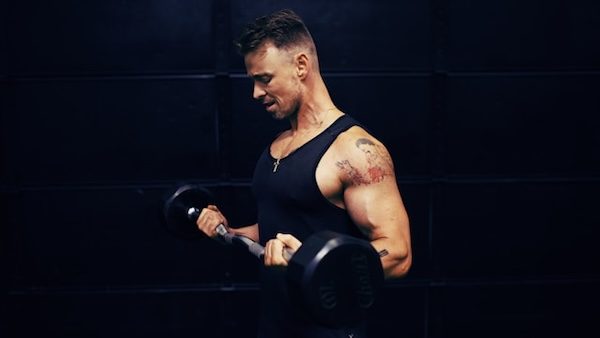
athlete lifting weights

Trends & Opportunities

Any recovery tool with legitimate benefits inevitably finds its place in high-performance settings. CBD in sports isn’t a fleeting trend; it’s about extending an athlete’s ceiling and redefining sustainable performance.

As U.S. leagues continue to open up to CBD sponsorships and recognize its legitimacy, investment in the space will grow. Athelo Group is helping brands and athletes position themselves at the forefront of this movement.

Lacrosse’s Olympics Era: The Road to LA 2028

For over a century, Lacrosse has been sidelined. Despite its deep roots and growing global participation, the sport has often been misunderstood, underrepresented, and underfunded. But that’s all about to change. 

Lacrosse, North America’s first sport, will re-enter the global stage at the Olympics in 2028.  

This milestone reflects an ongoing effort from a sport that has balanced deep tradition with constant evolution to form the modern game we know today. In just two decades, lacrosse has doubled its global participation from 45 to 90 countries, and the momentum is not stopping here. 

Quick Highlights

  • Lacrosse, once referred to as stickball dates back to 12th century Indigenous tribes in North America, where it served as both a ritual and a form of combat training.
  • The sport formalized in the 19th century, with New York University becoming the first U.S. college to establish a team.
  • Lacrosse hasn’t appeared in the Olympics for over 100 years since organizers dropped it in 1908.
  • In 1987, Eagle Pro Box Lacrosse League became the first pro lacrosse league followed by Major League Lacrosse (MLL) in 2001 for outdoor play.
  • The lacrosse global equipment market was valued at $330.19 million in 2024 and is expected to reach $532 million by 2033. 
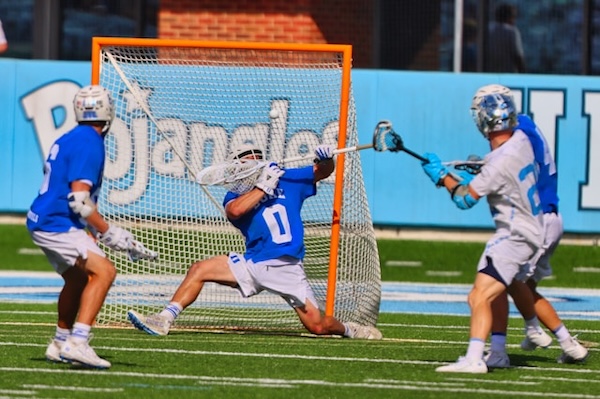
lacrosse player on the field

Lacrosse’s Origin Story

Before becoming the organized high school, college, and professional sport we know today, lacrosse was a sacred game played by the Indigenous peoples of North America. Known as stickball, it united communities through ritual and served as training for war.

The earliest versions date back to the 12th century, with players from neighboring tribes competing across miles-long fields in matches that could last days. French Jesuit missionaries first witnessed the game in 1636, naming it lacrosse after the stick’s resemblance to a bishop’s staff.

By the 1800s, colonial influence brought standardized rules, fewer players, a rubber ball, and redesigned sticks. Formal clubs emerged in Canada, and the game soon reached international audiences, appearing in the 1904 and 1908 Olympics.

Though its form has evolved, the sport’s original spirit of community, teamwork, and dedication remains at its core.

From Sacred Roots to the Global Stage

Today, lacrosse has evolved into one of the fastest-growing sports in North America, spanning youth, high school, and collegiate programs. The intensity and accessibility of these programs have expanded the game’s reach, inspiring new generations to pick up a stick.

At the global level, World Lacrosse membership has surged from 16 nations in 2003 to 95 today—a nearly 500% increase. This growth now represents more than 1.1 million registered players worldwide, signaling the sport’s transformation from regional tradition to international movement.

The rise of professional leagues like the Premier Lacrosse League and Athletes Unlimited Lacrosse has further accelerated that momentum, boosting visibility, investment, and long-term sustainability for the game.

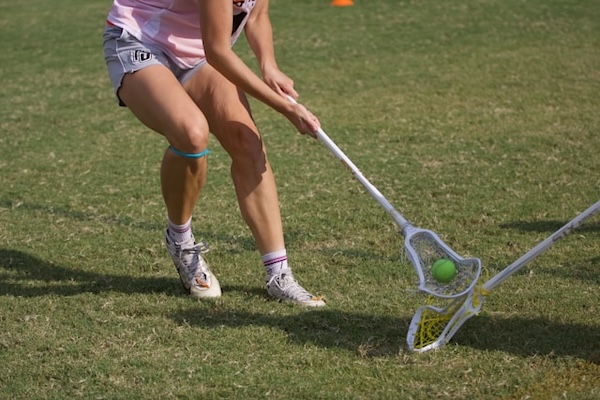
lacrosse player on the field

Breaking Barriers

For the first time, lacrosse athletes have a chance to pursue their dreams after the college level.

Athelo Group’s own Marcus Holman and Alex Aust Holman have been central to that shift. As professional athletes, coaches, and innovators of the game, they’ve inspired the next generation of players to redefine what a lacrosse career can look like.

That momentum extends far beyond the field. The global lacrosse equipment market reached $330 million in 2024, reflecting both rising participation and growing demand for high-performance gear. 

Meanwhile, technology continues to evolve alongside it. From lightweight carbon-fiber sticks that enhance skill and control, to new 3D printed helmets and gloves that improve safety and comfort, lacrosse is optimizing athlete performance.  

As a result of this rapid evolution, lacrosse is no longer just North America’s first sport; it’s one of the most dynamic games shaping the next generation of athletes.

Lacrosse at the Olympics

At the Los Angeles 2028 games, Lacrosse will be a medal event for the first time since 1908. To mark this milestone, the organization launched its A New Era campaign, honoring the sport’s unique origins while ushering it into a renewed Olympic chapter.

Specifically, to enhance audience engagement during the Olympics, the men’s and women’s lacrosse games will be played in sixes, which is a more compact version. The goal is to cultivate fast-paced play with quick transitions and high scoring; combining the best elements of field and box lacrosse. 

The Road to 2028

As lacrosse enters this new era, it carries centuries of resilience, progression, and pride. From Indigenous fields to the Olympic stage in Los Angeles, the sport’s journey remains rooted in something greater than the game itself.

Over the past decade, players like Charlotte North, Brennan O’Neill, Taylor Cummings, and Connor Shellenberger have shaped the next generation of athletes, inspiring the sport’s ongoing growth. This year’s Tewaaraton winners, Chloe Humphrey and CJ Kirst, have also elevated lacrosse’s visibility and momentum.

This is a reintroduction to the world, and it’s a testament to its players, communities, and Indigenous roots that have carried it forward for centuries.

Fall Marathons Around the World

As summer winds down and the leaves turn, autumn brings with it something special for runners: fall marathons.

Fall is prime time for runners to take on some of the most iconic races in the world. From the flat, fast streets of Berlin to the energy-packed course through New York City’s five boroughs, each marathon offers its own mix of challenge, culture, and community. 

Fall marathons have evolved into global festivals that unite elite athletes, amateurs, and charity runners alike. They draw participants from all walks of life. Every course tells a different story of history, resilience, and human connection. 

Quick Highlights

  • The Berlin Marathon began in 1974 with just 286 runners and now welcomes more than 54,000 participants each year.
  • In 2024, the Chicago Marathon raised more than $358 million across 217 charities.
  • The New York City Marathon takes runners through all five boroughs, with two million spectators lined all along the course.
  • Ethiopia’s Yalemzerf Yehualaw set the Amsterdam Marathon course record with a time of 2:16:52 in 2023.
  • The Marine Corps Marathon has representation from all 50 states and several different countries.
fall marathon runners

Berlin Marathon 

Few races define speed like Berlin. Known for having the flattest course of the Abbott World Majors, the Berlin Marathon has become synonymous with world records. Since its first run in 1974 with only 286 participants, Berlin has evolved as a go-to race for elite athletes aiming to make history. 

In 2023, Ethiopia’s Tigst Assefa set the marathon women’s world record with a time of 2:11:53, breaking the previous record by over two minutes. The following year, Berlin celebrated its 50th anniversary with over 54,000 finishers and became the largest marathon in the world. 

With its wide roads, precise organization, and Berlin’s enthusiastic crowds, it remains the ultimate stage for runners. 

Chicago Marathon 

Every October, Chicago’s streets fill with over 50,000 runners racing through 29 neighborhoods. Since its first run in 1977, the Bank of America Chicago Marathon has become one of the most prestigious races in the world and a reliable stage for record-breaking performances.

In 2023, Kelvin Kiptum set a men’s world record at 2:00:35, followed by Ruth Chepngetich’s women’s record of 2:09:56 in 2024. That same year, the marathon generated an estimated $683 million in local economic impact and raised more than $358 million for 217 charities.

This year’s event also thrived online, with creators like Brett Chody and Matt James turning race weekend into a viral moment through social media, further cementing Chicago’s marathon as both a sporting and cultural powerhouse.

@mattjames9191

Chicago Marathon: side quest recap 🫨

♬ original sound – mattjames919

Marine Corps Marathon

Known as “The People’s Marathon,” the Marine Corps Marathon is one of the most patriotic and emotionally powerful races in the world. Held each October in Washington, D.C., the event is organized by the United States Marine Corps and draws more than 30,000 runners from all 50 states and several countries.

Unlike many other races, the Marine Corps Marathon offers no prize money—its focus is on honor, courage, and commitment. The course begins in Arlington, guiding runners past the Pentagon, National Mall, Capitol, and finishes at the Marine Corps War Memorial.

Beyond its military roots, the marathon is known for its purpose-driven partnerships. Brands like Altra Running highlight inclusivity and performance, while Recover Brands, the official apparel sponsor, promotes sustainability with recycled materials. 

Philanthropic partners such as the Semper Fi Fund raise millions each year for veterans and Marine families, turning race day into a movement of service and solidarity.

New York City Marathon 

The iconic New York City Marathon takes place the first weekend of November, bringing together more than 50,000 runners who wind through all five boroughs, cross the Verrazzano-Narrows Bridge, and finish in Central Park. With two million spectators lining the 26.2-mile course, there are few quiet moments along the way.

New York’s course is famously challenging, with bridges and rolling terrain, but the atmosphere is unmatched. From Harlem’s live music to Brooklyn’s block parties, every mile feels like a festival. 

Major sponsors help turn the event into a citywide celebration. New Balance, the official footwear and apparel partner, launched its “Run Your Way” collection with immersive activations and on-course events. Mastercard engages fans through branded “cheer zones” at Miles 8 and 16, complete with free merchandise and reserved seating. 

fall nyc marathon runners

Amsterdam Marathon 

Often overshadowed by the Abbott World Majors, the TCS Amsterdam Marathon has quietly earned its place among the world’s premier races.

The flat, fast, and historic course starts and ends at the Olympic Stadium and takes over 48,000 runners through scenic and cultural highlights. Amsterdam consistently draws elite fields and strong performances, with Ethiopia’s Yalemzerf Yehualaw smashing the course record with a time of 2:16:52 in 2024. 

Beyond the race, the marathon showcases Amsterdam’s culture and charm, as runners pass canals, historic streets, and parks lined with cheering fans. It’s both scenic and serious, ideal for those chasing a personal best in a world-class setting. 

berlin marathon spectators

A Global Season of Endurance

Fall marathons are physical tests, cultural celebrations, and emotional journeys. They remind runners and spectators that it’s more than going the distance; it’s about the connection, the purpose, and the joy of crossing the finish line.

As brands find new ways to engage around these moments, Athelo Group bridges sport, storytelling, and strategy to forge partnerships that turn milestones like these into meaningful impact.

Can Girls Play Baseball?

For decades, the question has lingered in dugouts and sports debates: Can girls play baseball? The answer is yes — but the system often makes it feel like no. 

Baseball is still seen as a man’s game, while women are steered toward softball. Though similar in spirit, softball uses a larger ball, shorter distances, and underhand pitching, making it a different game entirely. That divide limits opportunities, reduces exposure, and keeps the cycle repeating.

But change is underway. From record youth participation to the creation of the Women’s Pro Baseball League, signs point toward a long-overdue shift.

Set to debut in 2026, the Women’s Pro Baseball League has already drawn more than 600 players from 10 countries to its first open tryouts. The turnout has been called a breakthrough moment indicating that girls absolutely can play baseball when given the chance.

Quick Highlights:

  • About 1,300 high school girls played baseball on boys’ teams in 2023–24, showing there’s interest even without formal girls’ programs.
  • Youth baseball and softball participation grew 7.6% in 2023, making it the fastest-rising team sport in the U.S.
  • Girls make up less than 1% of all high school baseball players in the U.S., highlighting how limited participation remains.
  • High school fast-pitch softball has more than 340,000 participants, making it one of the most popular sports for girls nationwide.
  • 16.7 million Americans played baseball in 2023, the highest on record, though the overwhelming majority were male.
  • The Women’s Pro Baseball League (WPBL), launching in 2026, has drawn global interest and could mark a turning point for female players.
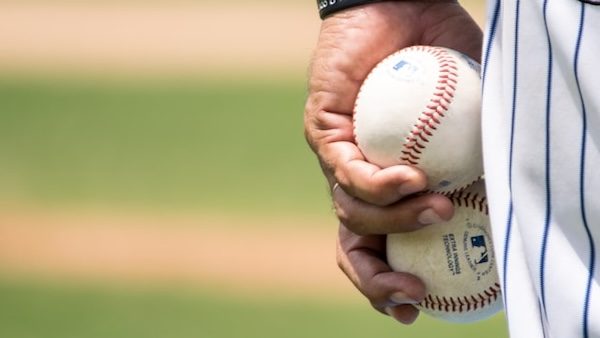
player holding baseballs

The Softball Substitution: How History Shaped Perception

In the 1970s, Little League was required to allow girls after a landmark legal case challenged gender discrimination. But instead of integrating them into baseball, most programs expanded softball as the “female version” of the sport.

That separation became ingrained. Coaches and parents steered girls toward softball, schools built programs around it, and media coverage reinforced the divide. The question stopped being whether girls could play baseball; it became whether they should.

It’s a dynamic we’ve seen before. Like golf, baseball first developed inside boundaries that excluded many. To keep growing, the sport now has to reckon with that history and decide how inclusive it wants to be.

No Teams, No Pathway: Why Opportunity Disappears

Even when girls start playing baseball at the youth level, the path forward narrows quickly. By middle and high school, it’s nearly impossible to find a dedicated girls baseball team.

The numbers reflect this: 0.0003% of high school baseball players are female, compared to millions who play softball. Without teams, there’s no competition. Without competition, there’s no visibility. 

Title IX and equal-protection law give girls the legal right to try out for boys teams and require schools to provide equal athletic opportunities. However, enforcement, awareness, and administrative willingness vary widely.

young baseball player at bat

Rights on Paper, Gaps on the Field

Girls today still receive fewer high school participation opportunities than boys did in 1972. There are about 3.4 million slots for girls versus 3.6 million once reserved for boys. Even now, girls miss out on an estimated 1 million sports opportunities compared to boys across K–12.

Many schools still struggle with enforcement. Over half of athletic administrators do not know who their Title IX coordinator is, and 83% of college coaches report they have never received formal Title IX training.

Other sports have made progress through investment and visibility. NCAA women’s March Madness growth has brought national attention and pushed parity conversations forward for women’s basketball. Baseball has not seen that same level of commitment, and the numbers show it.

Where Opportunity Meets Skill

Girls don’t just play baseball. They thrive in it.

Take Kelsie Whitmore, who broke barriers by pitching in the Atlantic League against professional male players. Or look at the athletes competing in the Women’s Baseball World Cup proving on an international stage that women belong on the diamond.

The upcoming Women’s Pro Baseball League is set to change the landscape. Launching in 2026 with six teams, it will be the first professional women’s baseball league in the U.S. since the All-American Girls Professional Baseball League disbanded in 1954. For the first time in decades, young players will see women competing at the professional level.

When asked, can girls play baseball? the proof is already on the field. The challenge has never been ability; it has always been opportunity. The WPBL represents that long-awaited chance finally taking shape.

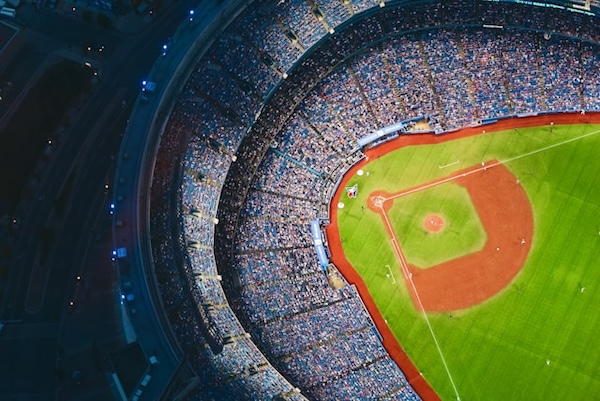
professional baseball ballpark

Building the Pipeline: What Needs to Change

If baseball wants to keep growing, it must commit to building a sustainable pathway for girls. The upcoming Women’s Pro Baseball League will play a key role. 

For the first time in more than 70 years, women will have a professional home in U.S. baseball. The league validates every girl who chooses the sport and sends a clear message: there is a future here, and you belong.

The next step is support. The WNBA’s growth has shown what happens when visibility, sponsorship, and storytelling come together. With youth participation rising and professional women’s baseball on the horizon, sponsors and partners have a chance to align with that momentum and invest in lasting equity.

The opportunity is here. The sport just has to take it.

Short Form Content Is Winning the Sports Viewership Game

Social media has become central to how people consume information, and sports are no exception. Instead of sitting down to watch a full game, fans can now catch the most exciting moments in short form content delivered straight to their phones.

These bite-sized highlights package the best plays into quick, shareable content that spreads fast. The shift is changing how athletes, leagues, and sponsors think about marketing, fan engagement, and the overall viewing experience.

Quick Highlights:

  • In a 2021 survey, 58% of MLB fans, 54% of NBA fans, and 48% of NFL fans aged 18–34 said they prefer highlights over full games.
  • 43% of young adult sports fans follow their favorite league on social media.
  • In 2025, the average social media video length has dropped 13%.
  • The WNBA saw a 470% jump in average engagement per post from 2023 to 2024.
  • In the first half of 2025, vertical video formats (Reels, TikToks, etc.) made up 63% of all content — an 87.5% year-over-year increase.
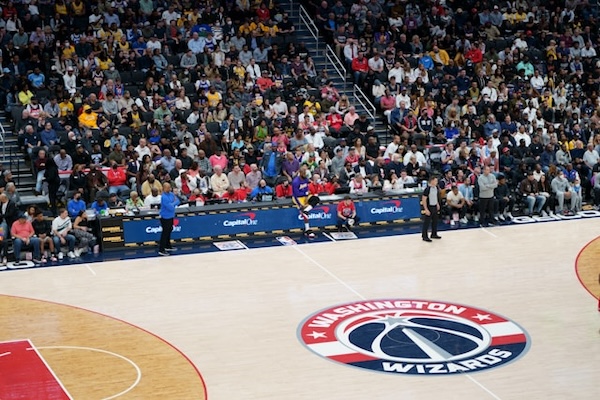
nba fans at washington wizards game

How Short-Form Content and Social Media Link

The rise of platforms like TikTok and Instagram has changed how quickly information spreads and how people consume it. Instead of long-form content, audiences are now primed to receive and prefer shorter bursts of media.

Easily accessible technology has accelerated this shift, especially among younger generations. A Microsoft study found the average attention span has dropped to less than nine seconds… even shorter than a goldfish’s.

With most sporting events lasting hours, it’s no surprise fans are leaning toward highlights that match this shorter focus. In January 2025, a clip of NBA star Ja Morant dunking over Victor Wembanyama went viral with over 11 million views, despite the play being called off. For fans, every big moment — even those that don’t count — is still worth watching.

The NBA: A Highlights League

A recent example of short-form highlights shaping sports comes from NBA commissioner Adam Silver. At a September 16 press conference, Silver drew backlash after saying that “there’s a huge amount of our content that people essentially consume for free. [The NBA] is very much a highlights-based sport.”

In 2025, the NBA’s average audience was 1.04 million — a 5% year-over-year drop from the 2023–24 season. Many fans criticized Silver for promoting highlights over live broadcasts.

Still, Silver may have a point. Billionaire Mark Cuban defended him, arguing that while the wording could have been better, Silver is one of the few executives acting in fans’ best interests.

For all the pushback, short-form highlights could end up being a long-term advantage for the NBA.

nba court

Are Highlights Impacting Fan Engagement?

While live broadcasts are seeing declines, highlights are driving a surge in fan interactions. During the 2022–23 season, NBA social accounts generated 32 billion views with an increase of over 10% year over year. By posting highlights openly on social media, leagues make it easier for casual fans to connect with teams and players.

Highlights also serve as a powerful promotional tool. A recent study found that 64% of sports fans engage with teams or athletes on social platforms, giving organizations a way to spotlight upcoming events or showcase rising talent.

In short, even as live viewership dips, highlights are proving to be one of the strongest tools for keeping fans more connected and more engaged than ever.

A Rise in Athlete Recognition

It takes one piece of short-form content for an athlete’s brand to instantly boom. In the first half of 2025, 3.5 million highlights were published in real time, up 19% from 2024.

One example came during a recent WNBA game, when Indiana Fever’s Sophie Cunningham defended teammate Caitlin Clark after a hard foul. A clip of the exchange went viral that same night, and Cunningham’s following skyrocketed. Before the video, she had around 200K followers on TikTok and 350K on Instagram. 

Today, those numbers have grown to 1.6 million on TikTok and 1.3 million on Instagram. This kind of visibility not only builds personal brands for established athletes, but also gives amateurs a chance to showcase their ability and get noticed by high-level organizations.

The Shift in Sponsorship

Brands have noticed a substantial increase in short-form content viewership, and it is changing the way they sponsor sports.

Daniel Kirschner, Co-Founder and CEO of Greenfly, explained that “short-form content is now a primary way fans engage with sports, and rights holders must tap into its media and sponsorship value.”

To reach younger demographics, brands are leaning on social media instead of traditional signage. Rights deals tied to short-form content are delivering unprecedented returns, while billboards and static ads lose relevance.

The sports sponsorship market is projected to hit over $55 billion in 2025, an 8% increase from 2024. With short-form content now central to sports marketing, that growth should not come as a surprise.

Continued Growth and Relevance

The rise of short-form content shows no signs of slowing down. Instagram Reels, launched only four years ago, now draws more than 2 billion people to its short-form videos.

Sports highlights will remain a key driver of this growth. For athletes, leagues, and sponsors, short-form content has become an effective way to reach fans and strengthen engagement across platforms.

Certain sports may lean into this trend more than others. Motorsports and lacrosse, for example, are well positioned to benefit from a highlight-driven approach. Fans can expect to see athletes in these spaces, like Chandler Smith and Marcus Holman, appearing more frequently in their feeds.

Become a Sponsor.

Join us in making a difference. Tell us a bit about yourself and we’ll be in touch with sponsorship details.

By submitting this form, you agree to be contacted by the Athelo Group team regarding sponsorship opportunities.