Cadillac Joins Formula 1 in 2026 as America’s Newest Contender

On March 7, 2025, Cadillac F1 officially secured its place as the 11th team on the Formula 1 grid, set to debut in 2026. This marks a significant moment for American motorsports, as General Motors and Cadillac become only the second U.S.-based team in F1 history.

While Haas F1 was the first, many fans do not view it as a true “American-first” team due to its European operations and close technical partnership with Ferrari.

Quick Highlights

  • Cadillac will officially join Formula 1 in 2026 as the 11th team on the grid, further solidifying America’s presence in the sport.
  • Andretti Global will play a key role in building and operating the team but will not retain the official naming rights.
  • Cadillac is expected to invest approximately $750 million in research, development, and infrastructure before making its highly anticipated 2026 debut.
  • Colton Herta has emerged as a fan-favorite candidate for a seat, but securing a spot on the grid comes with significant challenges and competition.

Cadillac F1 Entry Strengthens American Expansion

For Formula 1, Cadillac’s entry aligns with the sport’s growing focus on the American market. Bringing in a well-established automotive brand like Cadillac strengthens this initiative, as the company is synonymous with luxury, performance, and a strong heritage in the industry.

Its involvement not only elevates F1’s presence in the U.S. but also provides a significant commercial opportunity for American investors and sponsors looking to enter the global racing scene.

The road to this approval has been eventful. In 2023, Andretti Global, a highly respected name in American motorsport with teams in IndyCar, Indy NXT, and Formula E, submitted a bid to join F1.

However, Liberty Media rejected the proposal, citing concerns over competitiveness, commercial value, and the belief that it was not a fully General Motors-backed initiative. This decision was met with disappointment from motorsport fans who saw Andretti as a natural fit for F1.

Cadillac Takes the Lead, Andretti’s Role Shifts

With Cadillac now leading the project, the structure has changed. Andretti remains involved, but now centers its role around team operations and racing expertise rather than branding. 

This distinction appears to have been a key factor in gaining approval, as Cadillac’s global recognition and financial backing align with F1’s long-term business objectives.
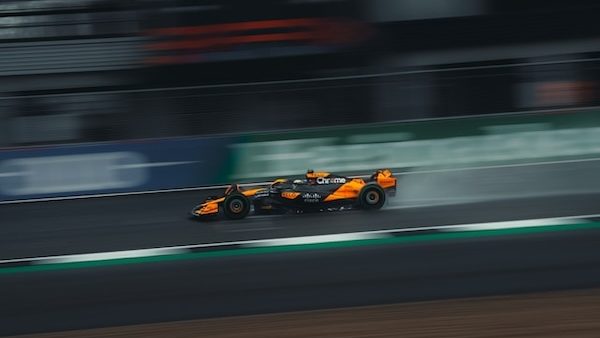
Cadillac F1: The Cost of Competing

Cadillac will pay a $200 million entrance fee, a requirement for all new entrants as of 2025. This fee offsets the dilution of the Formula 1 prize pool, which is currently divided among the 10 existing teams. With an additional team joining the grid, the payout per team will decrease, and the fee ensures the new entrant’s commitment to F1’s long-term growth.

In addition, Cadillac must invest heavily in R&D, including aerodynamics, chassis, and engine development. The team’s infrastructure will cost roughly $250 million, with wind tunnels alone adding $20 million. Though General Motors will supply power units starting in 2028, Cadillac will pay Ferrari for power units in its first two seasons, costing another $20 million.

Overall, Cadillac will spend around $750 million before racing even begins, all while adhering to the $140 million cost cap for salaries, operational costs, and logistics.

Sponsorship and Revenue Potential for Cadillac F1

Despite these high initial costs, Cadillac’s entry into F1 presents significant revenue potential. The brand’s presence offers an untapped sponsorship portfolio and a major opportunity for American companies to establish themselves in the sport, with a focus on U.S. innovation and heritage. 

Team principal Graeme Lowdon has already noted strong interest from potential partners, calling the response “extremely encouraging.”

While Cadillac has yet to announce any official partnerships beyond key investors like Guggenheim and Andretti, the brand’s financial strategy hinges on attracting partnerships to maximize revenue as they navigate the challenges of their initial investment.

​​Driver Selection: The Final Puzzle Piece

As F1 continues to expand its influence in the United States, Cadillac’s involvement marks a pivotal step in solidifying American participation in the sport. With many critical decisions still hanging in the balance, selection of the team’s two drivers remains most significant. Lowdon has stated that driver selection will be based on merit, regardless of nationality. 

Speculation is already swirling, with American IndyCar star Colton Herta often mentioned as a top contender. The main hurdle for Herta is that he has only 32 points on his Super License, a qualification required by the FĂ©dĂ©ration Internationale de l’Automobile (FIA) to compete in Formula 1. F1 mandates drivers to accumulate at least 40 points.

Exploring the Driver Pool

Herta might be the perfect driver on paper, but it won’t matter if he doesn’t have enough points on his license. Other experienced F1 drivers, such as Valtteri Bottas, Sergio Pérez, and Mick Schumacher, are also potential options, alongside promising drivers from other Formula series looking for an opportunity in F1.

While performance will be the priority, the team will also face external pressure from stakeholders and fans to include an American driver, further strengthening the sport’s appeal in the U.S. Logan Sargeant, who raced for Williams F1 last season, could be considered, but his struggles to prove himself as a viable long-term option make his selection unlikely.

A Game-Changing Opportunity for American Racing

With growing excitement among fans and brands eager to align with F1’s newest American team, Cadillac has a unique opportunity to shake up the grid. 

If executed correctly, the brand can establish itself not just as a competitive force in Formula 1 but as a team that embodies American racing heritage and innovation on the world stage. All eyes will be on how Cadillac navigates this next chapter—both on and off the track.

As the excitement builds, brands looking to align with this momentum will be watching closely. With the right partnerships, Cadillac’s entry into Formula 1 could redefine how American motorsport resonates globally. At Athelo Group, we specialize in helping athletes and brands navigate these opportunities, ensuring they maximize their impact both on and off the track.
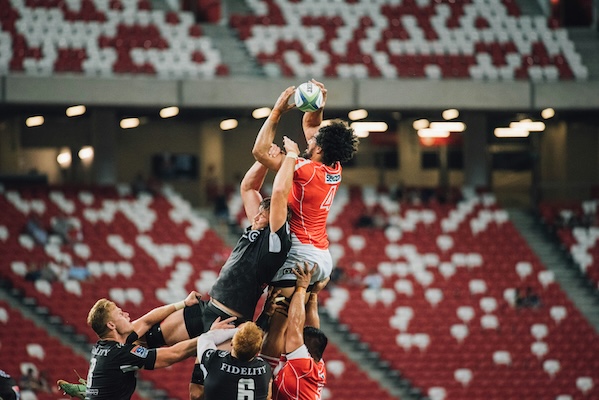
NRL Games in America: Opportunities, Challenges, and the Path Ahead

The National Rugby League (NRL Telstra Premiership) is a top-tier professional rugby league in Australia and New Zealand, captivating fans since 1908. Now, the NRL is focusing on expanding to the United States, aiming to attract American audiences with the fast-paced action of NRL games and minimal padding compared to American football.

Quick Highlights:

  • 4 NRL games hosted in Las Vegas, Nevada, during the first weekend of March 2025
  • 45,209 spectators attended, a significant increase from last year’s crowd
  • New Zealand’s audience surpassed 300,000 across SKY Sport platforms, tripling the previous year’s viewership for the Las Vegas matches.
  • England and Australia’s Women’s teams faced off in the inaugural Women’s sporting contest at Allegiant Stadium, drawing attention for its historical significance
  • Around 10,000 English fans traveled for a Super League fixture between Wigan and Warrington, showcasing the growing international fanbase

Fan and Media Reactions from Las Vegas

The NRL has been received very warmly by American fans and spectators.

Premiership winner Michael Ennis highlighted several aspects of the game that are likely to captivate U.S. audiences, particularly the differences from the NFL: “[Americans] love the no stoppage. They’re fascinated by the no pads and no helmets.”

This was widely confirmed on matchday. One Vegas Raiders fan who attended the showcase described the experience as, “Exciting, amazing, incredible, non-stop action. [The players] aren’t padded up, which surprised me a lot.”

The raw athleticism on display also left a strong impression. UNLV Football Foundation Director and former Iowa College football player noted, “The power of the hits is unbelievable… there’s no way I would do this. It’s just a different level of athletic ability, I love it.”

Growing the Game of Rugby

Fox Sports has made a significant investment in the NRL’s U.S. expansion. This marks the second year of a five-year partnership between the league and the broadcaster, which allows select NRL games (including the Las Vegas matches) to be aired on FS1 in the United States.

Fox League’s Braith Anasta emphasized the importance of this move: ““This is our showcase event. This is big for us. To bring it to the United States of America, to get your fans hopefully on board.”

Foxtel CEO Patrick Delany added: “We come from this little island at the bottom of the world. The images that went back to Sydney and Melbourne and everywhere last year, Australians were just knocked out.” Delany also noted the success of the venture, pointing out that the visibility in the U.S. has made a significant impact in attracting American interest in the league.

Expanding Viewership and Engagement

The crowd of 45,209 exceeded last year’s turnout, and two new global sponsors—Red Bull and JD Sports—joined the event. Although American TV viewership numbers are still pending, broadcasting the event on Fox introduces the sport to millions of new potential viewers.

Other broadcasters are also eager to tap into this growing audience. Kayo Sports is promoting their membership for streaming the 2025 NRL Telstra Premiership live, offering new customers the chance to stream every game with no ad breaks in play, including shows like NRL 360 and The Late Show with Matty Johns. For a limited time, Kayo is offering their standard and premium memberships for just $1 in the first month, down from the usual $25 and $40, respectively.

Why America?

The U.S. presents an attractive market for the NRL, with a population of 316.67 million—a whopping 14 times larger than Australia’s. This gives the league a significant potential audience for growth.

The massive U.S. population has a strong appetite for both sports and sports betting, which has been a significant revenue source for the NRL through Australian sportsbooks. While American sportsbooks currently don’t support the same revenue model, the NRL sees the U.S. betting market as a major growth opportunity.

Americans regularly place bets on a wide range of events, even low-level sports, and when broadcasts are available, bettors tend to stay engaged throughout the game, often placing additional bets as the event unfolds. The NRL is positioning itself as a “non-traditional” sport for U.S. sportsbooks, aiming to generate more revenue from American audiences by leveraging live broadcasts.

Key Challenges Ahead

The UK’s Super League already broadcasts its rugby matches on FanDuel, directly competing with the NRL for the same audience. However, due to the significant time zone difference between the UK and Australia, overlapping broadcasts are unlikely to be a major issue.

One challenge that has emerged is the length of the showcase. The NRL is considering shortening its Vegas event to three games in 2026. While the Women’s Test match between Australia and England and the Super League fixture between Wigan and Warrington attracted thousands of spectators from England, the four back-to-back matches proved too lengthy for many fans.

Crowd size began to dwindle after the second game (between NRL teams Canberra and the Warriors), with noticeably fewer supporters attending the final match (Cronulla vs. Penrith), despite it being the most highly anticipated game of the day.

Many suggested spreading the games across two days, but this would increase costs significantly, making it an unlikely solution.

What the Future Holds

The growing popularity of rugby and the NRL in the U.S. presents unique opportunities for players, teams, and leagues to connect with fans through broadcasts and social media.

Between January and September 2023, NRL clubs saw significant growth on social media, adding nearly 400,000 new followers on Instagram—an increase of almost 12%—and more than 90,000 new followers on Facebook.

At Athelo Group, we recognized rugby’s growing appeal among American audiences when we signed U.S. rugby player Christian Dyer in 2023—and we’ve believed in its rise ever since. We align athletes with scalable, emerging sponsorship opportunities that have international appeal. As social media engagement grows and the sport expands into new markets, rugby provides a powerful platform for players and brands to collaborate and reach a wider global audience.

Super Bowl LIX’s Main Event: The Commercials

The Super Bowl is more than just the final NFL game of the season; it’s a cultural event that unites millions through music, sports, and entertainment. Brands pay big to secure a Super Bowl commercial spot, aiming to reach millions of viewers and make an impact on social media.

The match-up between the Kansas City Chiefs and Philadelphia Eagles might have been the least interesting part of this year’s Super Bowl as the Eagles dominated the Chiefs from start to finish. Instead, Kendrick Lamar’s halftime performance and the advertisements were the real entertainment for viewers this year.

Quick Highlights

  • The fee for a: 30 second slot in this year’s broadcast was an estimated 8 million dollars, an increase from 7 million dollars in the 2024 Super Bowl.
  • FOX sold around 51 minutes of advertisements.
  • Super Bowl LIX brought in a record 127.7 million US viewers, a 3% increase from last year and the second straight year that the audience for the Super Bowl has broken records.
  • 50 brands purchased a slot in this year’s Super Bowl with snack brands buying the most time, including Doritos, Häagen-Dazs, Lay’s, and more.
  • 11% of viewers watch the Super Bowl primarily for the commercials.

Top Commercials that Stole the Show

Coming in the top spot on USA Today’s Ad Meter is Budweiser and their classic commercial featuring Clydesdale horses. This year, the ad showed a young Clydesdale proving its worth by rolling a forgotten keg to the herd. The Budweiser commercials are normally a fan favorite as they lean on emotional sentiments and wholesome positioning.

Another commercial that struck an emotional chord was Lay’s ‘The Little Farmer,’ which showed a young girl raising a potato on her family farm. Set to the song ‘All I Want Is You,’ the ad highlights the role of farmers in American food production.

Super Bowl Ads that Didn’t Score

One of the least effective commercials came from OpenAI, the artificial intelligence company behind ChatGPT. In its first-ever ad, a series of pixels formed various scenes before revealing the brand, but it lacked a clear message or emotional appeal. It’s ironic that an AI company, often criticized for its lack of human connection, would produce an ad that felt similarly devoid of emotion.

Another misstep came from Robert Kraft, owner of the New England Patriots, and his foundation No Reason to Hate, which focuses on combatting anti-Semitism.

The commercial featured Tom Brady and Snoop Dogg humorously revealing what they ‘hate’ about each other, with a message about how we’re more alike than different. However, some viewers felt the message was diluted by Snoop Dogg’s past performance at President Trump’s inauguration, which led to mixed reactions.

Humor and Celebrities on Display

This year’s Super Bowl showcased a polarized social and political climate, pushing brands to capture attention without sparking controversy. To strike the right balance, many turned to humor and celebrity appearances to create lighthearted commercials.

Celebrities were everywhere, with stars like Ben Affleck for Dunkin’ Donuts, Eugene Levy for Little Caesars, and Nate Bargatze for DoorDash adding charm and humor to ads. Bud Light stood out, combining Post Malone, Shane Gillis, and Peyton Manning for a fun neighborhood block party vibe that resonated with viewers.

Humor has long been a Super Bowl staple, and when used correctly, it can leave a lasting, positive impact. Brands aimed to navigate this delicate balance, with varying success.

One fumble came from Coffee Mate’s cold foam ad, which featured a man’s tongue experiencing the product. While many found it off-putting, the resulting buzz on social media at least boosted brand awareness.

Super Bowl Commercials: What They Show About the State of Advertising

The current state of advertising combines a blend of old and new methods. While there’s still a place for heartwarming nostalgia, there’s also an increase in ads that push boundaries and tap into the latest trends. 

This year’s commercials reveal that the modern advertising world is about more than just selling a product; it’s about creating an experience, a conversation, and an emotional connection.

Advertisements reflect cultural ideas, shifts, and attitudes making the landscape dynamic and ever-changing. Last year, the big technological ads centered around sports betting and crypto while this year they are focused on artificial intelligence like OpenAI and Meta. 

As commercial prices rise, brands must create memorable ads that spark social media conversations for a lasting impact. Many release teasers before the game to turn a brief ad into a larger campaign. For example, Pringles released teaser videos featuring celebrities like Adam Brody and Nick Offerman, generating buzz and setting the stage for their full Super Bowl commercial.

As we look ahead to the next Super Bowl, it will be exciting to see how Super Bowl commercials evolve with new technologies like AI, virtual reality, and personalized content. The possibilities for creative marketing are endless.

Redefining Brand Partnerships: Authenticity, Storytelling, and Athlete Influence

Advertising is increasingly focused on organic partnerships that feature unique storytelling, fostering genuine relationships between brands, ambassadors, and their audiences. Gone are the days of simple product graphics—today’s consumers want to feel connected through real stories and shared experiences.

At Athelo Group, we prioritize authenticity in brand partnerships, working with athletes who genuinely use and enjoy the products they endorse. This approach helps brands resonate with their target audiences by showcasing relatable endorsements from figures they admire.

Athletes, too, are expanding their personal brands beyond sports. For example, Dani Speegle’s initiative, Girls Who Eat, empowers young women to view food as fuel rather than an adversary, drawing from her own struggles with insecurities and body image.

Storytelling, authenticity, and positivity are reshaping advertising, and they will continue to influence how brands connect with consumers in the future.

New Leagues Like Unrivaled Are Shaping the Future of Pro Sports

At the start of 2025, two groundbreaking sports leagues—Unrivaled and The Kings League—have captured the attention of the media and fans. The Kings League World Cup, held January 12th, became an overnight sensation, attracting 1.5 billion impressions without the backing of traditional TV broadcasters.

Meanwhile, Unrivaled, a new 3v3 women’s basketball league, tipped off its inaugural season on January 17th, with an ambitious mission to transform the experience for WNBA players. Both leagues are making waves by addressing players’ needs, engaging new audiences, and offering fresh perspectives on sports marketing in the digital age.

Quick Highlights

  • Kings League garnered an average viewership of 700,000 per game, with a peak of 1.3 million viewers.
  • Juventus became the first professional soccer team to sponsor a Kings League team, Zebras FC.
  • Unrivaled will provide players with an average salary of $200,000 across the league and a 15% equity share in the league’s revenue.
  • Unrivaled aims to address long-standing concerns about player amenities in the WNBA, hoping to influence changes in the WNBA’s 2027 Collective Bargaining Agreement (CBA). 

The Kings League: A New Era for Soccer

The Kings League, founded by former soccer player Gerard Piqué and Spain’s top online streamer, Ibai Llanos, is turning soccer on its head. Its distinctive format and quirky rule changes set it apart from traditional soccer, drawing comparisons to LIV and TGL Golf

Played with seven-a-side teams, the matches are 40 minutes long, divided into two 20-minute halves. Before each match, teams pick from a set of “golden cards” that offer various in-game advantages, like granting a penalty or removing an opposing player. These innovative twists have been a hit, drawing an average of 700,000 viewers per game, with peaks hitting 1.3 million.

The Kings League blends soccer with entertainment, appealing to Gen Z and Gen Alpha audiences on platforms like TikTok, YouTube, and Twitch. While it’s not a direct competitor to traditional soccer, the Kings League offers a fresh, entertaining experience that draws in a younger, digitally-native fanbase. In fact, some of the biggest names in soccer, including Javier “Chicharito” Hernández and Sergio Agüero, have joined the competition to generate cross-generational appeal.

Emerging Partnerships

Professional soccer teams are taking notice of this rapidly growing league. Juventus, Italy’s powerhouse club, made history by sponsoring Zebras FC, becoming the first professional team to sponsor a Kings League team. The team will compete in the debut season of the Italian Kings League this upcoming year. 

Through the partnership, Zebras FC gains access to Juventus’ exclusive training facilities and content creation labs, offering unique opportunities for fan engagement and media exposure. This kicks off a trend of professional clubs teaming up with leagues like the Kings League to win over young, affluent fans without firm team loyalties.

Unrivaled: Rewriting the Rules for Women’s Basketball

Just days after the Kings League’s explosive World Cup final, Unrivaled, a new 3v3 women’s basketball league, made its debut. WNBA stars Breanna Stewart and Napheesa Collier cofounded Unrivaled to improve player experience through benefits like increased salaries and better family support services.

The league has set a high bar for player compensation, with an average salary of over $200,000, an $8 million salary pool, and 15% of the league’s revenue pot split among the players. This approach is a significant step up from the WNBA’s current CBA, where the top players earn just over $200,000 and the supermax salary caps out at $241,000. 

Members of the league have access to childcare, with a nursery and playroom staff onsite. Additionally, players’ wellness amenities include saunas, cold plunges, a state-of-the-art gym, and a hair and makeup room. These features aim to expose the shortcomings of current WNBA accommodations and advocate for better treatment for female professional athletes.

Unrivaled isn’t designed to compete with the WNBA but to complement it during the offseason. However, it remains a powerful statement by modeling how female basketball players should be supported. By offering players better salaries, more family support, and a larger share of the revenue, Unrivaled is setting a new standard.

The Bigger Picture: What These Leagues Mean for Professional Sports

Both the Kings League and Unrivaled offer bold lessons for how new competitions can support existing professional leagues while also forging their own path.

The Kings League leverages digital platforms to engage with younger audiences in ways that traditional sports can’t match. It incorporates video game-style sound effects during rule changes and features interactive livestream elements, like real-time voting on match outcomes. Unrivaled, on the other hand, addresses the economic and personal challenges faced by female athletes, providing a platform that speaks to their needs.

For professional soccer clubs and leagues like the WNBA, these new competitions are not competitors, but collaborators. By tapping into these new and innovative leagues, soccer clubs can reach fresh audiences and strengthen their brand. Meanwhile, leagues like Unrivaled can create opportunities for athletes to shine, elevating the status and visibility of women’s sports as a whole.

The inception of these leagues is not just about the games played on the field; it’s about creating a more inclusive, dynamic, and profitable sports ecosystem—one that puts athletes first and taps into the power of digital engagement to build lasting, global fan bases.

TGL Golf Debut Draws Strong Viewership, Directing the Future

On January 7th 2025, the TMRW Golf League (TGL) debuted in front of an energetic live stadium audience, with over 900,000 viewers tuning in to the broadcast on ESPN. High viewership was not the only source of excitement– the league’s rule changes and unique format have been generating plenty of buzz ever since. 

Quick Highlights

  • TGL reaches 900,000 viewers for debut match, expands viewership to 1.13 million for Tiger Woods’ first appearance in week 2
  • New simulator technology proves potential for captivating broadcasts, but players and fans agree that it needs refinement
  • Fast pace-of-play keeps engagement and energy high
  • Unprecedented direct access to star players likely to boost sponsorship value

What is TGL Golf?

The TMRW Golf League (TGL) is revolutionizing the game of golf by merging tradition with technology. Designed to captivate both dedicated fans and a younger, tech-savvy audience, TGL offers an experience unlike anything the sport has seen before.

Matches are held in the SoFi Center, where players compete on a custom-built virtual course and hit real golf shots into a massive screen. Cutting-edge analytics and live data keep fans engaged, while putting takes place on a simulated green that blends precision with strategy. This level of technological innovation is central to the TGL’s differentiation from traditional golf, and creates opportunity for partnerships with high-tech sponsors.

The league boasts an impressive roster of investors, including Tiger Woods and Rory McIlroy, who have helped shape its innovative approach. Celebrity team owners like Serena Williams and Alex Morgan further elevate TGL’s appeal, ensuring it resonates far beyond the golf world.

TGL promises a fresh take on golf centered around technological innovation, match presentation, fan engagement, and star power. Backed by corporate sponsors such as SoFi, FanDuel, Genesis, Best Buy, Business Solver, and leading golf brands, the league has successfully leveraged its innovative format to drive significant partnership revenue.

The TGL’s Teams and Format

The TGL brings together some of the best golfers in the world, representing six major U.S. markets: New York, Los Angeles, Boston, Atlanta, the San Francisco Bay Area, and South Florida.

Each team has four players, including golf legends Tiger Woods and Rory McIlroy, as well as top-ranked talents like Collin Morikawa, Xander Schauffele, Justin Thomas, and Ludvig Ă…berg.

These teams face off in head-to-head matchups throughout the season, with the playoffs arriving in March and a chance to compete for a share of the $21 million purse. The team that comes out on top will walk away with a $9 million prize.

When and How Did the TGL Debut?

On January 7, 2025, TGL kicked off its inaugural match between the Bay Golf Club and New York Golf Club at the SoFi Center in Palm Beach Gardens, Florida. The custom-designed venue seats 1,500 fans, while nearly a million viewers watched the match live on ESPN, TGL’s official broadcast partner. The match highlighted TGL’s mission to make golf faster, more tech-driven, and centered on star power.

The Bay Golf Club secured a dominant 9-2 victory with a roster featuring Ludvig Ă…berg, Wyndham Clark, Min Woo Lee, and Shane Lowry. Hot mics gave fans unique insight into player strategy and personality, while a 40-second shot clock kept the action fast-paced. This level of direct access, coupled with advanced analytics and FanDuel betting odds, delivered a fresh and engaging viewing experience for fans.

For those unable to catch the broadcast, TGL introduced Matchup Live, an innovative feature powered by Next League. This tool provides shot-by-shot tracking, real-time scores, and a live feed of the stadium’s simulator screen via TGL’s app and website.

Simulator Troubles and Tiger’s Defeat

The second match of the TGL season, played between Jupiter Links GC and the Los Angeles Golf Club on the following Tuesday, saw Tiger Woods’ squad defeated by LAGC’s Collin Morikawa, Sahith Theegala, and Justin Rose in a 12-1 trouncing. 

The match was also marked by frustrations from some of the players with the golf simulator technology. At times, the players were overheard on the hot mics questioning the accuracy of the Full Swing technology behind SoFi Center’s simulators and launch monitors. “I didn’t even hook that” was uttered amidst the peak of the players’ frustration with the venue’s simulator.

TGL’s Early Successes and Challenges: What They Mean for the Future of Golf

As the TGL carries on its inaugural season, its rule changes, broadcast style, and technological innovations are already making waves in the sport. The league’s approach promises to influence golf far beyond its arenas.

Unlike the traditional norms of the PGA Tour, TGL events encourage fans to shout and cheer, making the crowd an active part of the experience for the first time. The energy at the SoFi Center is contagious, with both fans and players embracing the lively atmosphere. Wyndham Clark and Shane Lowry described it as “the most fun [they] ever had playing golf.”

The TGL broadcast style places a strong emphasis on player reactions and fan connection. Split-screen views show players’ emotions alongside simulator shots and play-by-play commentator Matt Barrie conducts real-time interviews with competitors during downtime. This level of access to the world’s best golfers doubles down on the impact of relatable media like Netflix’s golf documentary Full Swing.

Faster play, analytics, betting integrations, fantasy sports potential, and a vibrant crowd atmosphere set TGL apart from the PGA Tour and LIV Golf. With fewer formalities and a focus on entertainment, TGL has the potential to expand golf’s appeal among younger fans and newcomers to the sport.

The Future of Corporate Partnerships in the TGL

The advent of the TGL opens up opportunities for corporate sponsors to engage with golf and its fans in fresh, innovative ways. The league’s current partners are already capitalizing on this momentum, and as the TGL grows, more brands are expected to join. Best Buy’s TV ad captures this modern energy, asking fans, “What if tomorrow’s tech met tomorrow’s golf?”

Partnerships in the TGL center on athletes, analytics, and technology. Endemic golf brands will value the personality, humor, and access the league offers through its athletes. Golfers entering stadiums to “Eye of the Tiger” and trash-talking on hot mics create viral moments that engage fans, with apparel, alcohol, and equipment brands set to benefit.

The TGL also provides brands access to a new generation of golf fans drawn to its fast-paced style. Companies like Dryvebox, targeting tech-savvy audiences, are capitalizing on this shift. Additionally, the league’s network of investors, owners, and celebrities opens doors for lucrative corporate partnerships, such as One Flight International, which connects with high-profile clients within the TGL ecosystem.

The Impact of Analytics on TGL Sponsorship

The TGL’s focus on analytics enhances broadcasts, web pages, and live events, opening doors for partnerships in golf coaching, data solutions, fantasy sports, and sports gambling. FanDuel and CapTech are already leveraging this focus. FanDuel’s live odds and one-click betslips bring interactive engagement, while CapTech showcases its ScoreSight features as an example of custom enterprise solutions for the league.

Mobile apps like Sportsbox AI, which use computer vision for golf swing coaching, hint at the potential for more innovative companies to target TGL’s tech-savvy audience. With high-energy moments and creative sponsorships, the league’s future promises to sustain its momentum. Tiger Woods’ appearance boosted week 2 ratings to 1.13 million peak viewers, but competitive matchups like New York Golf Club vs. Atlanta Drive GC will be key to keeping fans engaged.

Want to lean more into leveraging sports events and championships for your brand? We help businesses expand in the sports world to get their name seen and build their fan base. See what Athelo Group can do for you with our Brand Marketing Services.

Sources:

  1. https://www.palmbeachpost.com/story/sports/pga/2025/01/09/tiger-woods-rory-mcilroy-tgl-tv-rat ings/77550079007/ 
  2. https://golf.com/news/tgl-debut-match-genius-rule-twist/
  3. https://www.sportico.com/business/media/2025/tgl-golf-debut-viewers-espn-woods-1234823223/
  4. https://www.pgatour.com/article/news/netflix/2023/02/15/the-netflix-effect-how-golf-can-capitalize-on-the-success-of-full-swing-rory-mcilroy-tony-finau-scottie-scheffler-justin-thomas-jordan-spieth
  5. https://corporate.bestbuy.com/2025/tgl-best-buy-tech/
  6. https://golf.com/news/tgl-golf-league-heres-how-much-money-is-up-for-grabs/
  7. https://golf.com/news/tiger-woods-tgl-debut-highlights/


NIL Rules in College Sports: What You Need to Know

In the four years since NIL rules were introduced, college sports—especially football—have been completely transformed. What was once a strictly college-level pursuit now mirrors the high-stakes world of the NFL, with athletes landing major sponsorships, promoting products, and building their own brands.

On top of that, schools are now able to directly pay players, thanks to new agreements from major conferences. This shake-up has turned college athletics into a thriving business and sparked debates about fairness, competition, and where the sport is headed.

nil rules

What Is NIL, and Why Is It Important?

NIL became official on July 1, 2021, when the NCAA allowed athletes to profit from their name, image, and likeness. For years, NCAA rules banned athletes from making money, despite college sports like football and basketball generating millions for schools. The new NIL rules permit athletes to make money in a variety of ways, including through social media, endorsement deals, and even personal merchandise.

Since then, athletes have seized the opportunity to become more than just players—they’ve started building powerful personal brands. This shift has been especially impactful in high-profile sports like football and basketball. Take Bryce Young, former Alabama quarterback and Heisman Trophy winner, who reportedly earned over $1M in NIL deals during his college career.

Athletes Are Now Brand Ambassadors

Colorado head coach Deion Sanders signed with Nike in the ’90s as their premier NFL athlete, releasing his own signature shoe for five consecutive years. Thanks to NIL, his son now has the chance to follow in his footsteps while still in college. Just like his dad, Colorado QB Shedeur Sanders will partner with Nike on a line of apparel and footwear, all before even landing an NFL contract.

This new era of NIL has many athletes, including Shedeur, thinking strategically about how to build their brands while still in school. “Athletes are empowered to make money, and many of them are embracing the chance to build their brands while still in college,” said SEC Commissioner Greg Sankey. But creating a personal brand isn’t always straightforward—it requires significant effort, and some athletes may need guidance when it comes to contracts, social media, and sponsorships.

nil rules

Social Media: A Big Part of NIL Success

One of the major ways athletes are making money today is through social media. Platforms like Instagram, TikTok, and YouTube allow athletes to connect with fans and brands, giving them a powerful tool to promote products or build their personal brands.

Athletes like gymnast Olivia Dunne (LSU) and basketball players Haley and Hanna Cavinder (Miami) have turned their massive social media followings into profitable deals with brands like Vuori, American Eagle, and Stanley. Now, many are teaming up with agents and marketing experts to manage their social media, negotiate deals, and grow their brands—essentially becoming their own businesses.

How NIL Is Changing College Sports

One of the biggest changes is the rise of the “transfer portal.” With athletes now able to make money, some are switching schools to secure better NIL deals, choosing colleges based on financial incentives rather than just sports programs or academic reputation.

This shift has created noticeable tension in college sports. Coaches and universities are adjusting to a new reality where NIL deals play a key role in recruitment. Former Alabama coach Nick Saban summed up the change, saying, “All the things that I believed in for all these years… no longer exist in college athletics.” 

Some worry athletes may prioritize money over academics or team goals, while others see it as a chance for fair compensation and a more equitable approach to college athletics.

nil rules

What’s Next for NIL?

Critics argue that NIL has stripped college sports of its traditional values, like academic focus and team loyalty. They believe the emphasis on money is shifting athletes’ priorities and could erode the foundation of college athletics.

On the other hand, supporters see NIL as a long-overdue change that finally allows athletes to profit from their own name, image, and likeness. In the future, we might see a system where athletes are fairly compensated without losing sight of their educational and athletic goals. The challenge will be striking a balance that keeps both the athletes and the spirit of college sports in check.

Sources:

  1. https://www.sportsbusinessjournal.com/Articles/2024/12/11/sbj-iaf-nil-panel
  2. https://www.si.com/fannation/name-image-likeness/nil-news/college-football-free-agency-transfer-portal-trends-and-nil-impact
  3. https://www.espn.com/college-sports/story/_/id/41040485/what-nil-college-sports-how-do-athlete-deals-work
  4. https://www.espn.com/college-sports/story/_/id/40206364/ncaa-power-conferences-agree-allow-schools-pay-players
  5. https://1819news.com/news/item/nick-saban-on-nil-all-the-things-that-i-believed-in-for-all-these-years-no-longer-exist-in-college-athletics

The Rise of Athlete Entrepreneurs: From Brand Partnerships to Equity Holders

Athletes are no longer just endorsing brands—they’re building them. This marks a significant shift from the traditional brand partnerships model, where athletes were seen merely as spokespeople, sharing their name and image with a product in exchange for lucrative but mostly short-term deals.

Now, a growing number of athletes are seizing opportunities to go beyond brand partnerships. They’re not just faces on commercials—they’re equity partners, investors, and even founders. This entrepreneurial approach aligns with a broader trend of athletes taking control of their careers and financial futures, leveraging their platforms to create sustainable, long-term wealth.

By aligning with brands that resonate with their personal values and goals, athletes are creating authentic connections with their audiences and reshaping consumer ideas. The rise of athlete entrepreneurs isn’t just transforming their individual careers—it’s transforming industries, influencing consumer trends, and redefining the nature of athlete branding.

brand partnerships

A New Era For Athlete-Brand Relationships

Historically, athletes were the faces of marketing campaigns, trading their image for a paycheck. While endorsements provided short-term financial gain, they often lacked the deeper connection athletes craved with the brands they represented. 
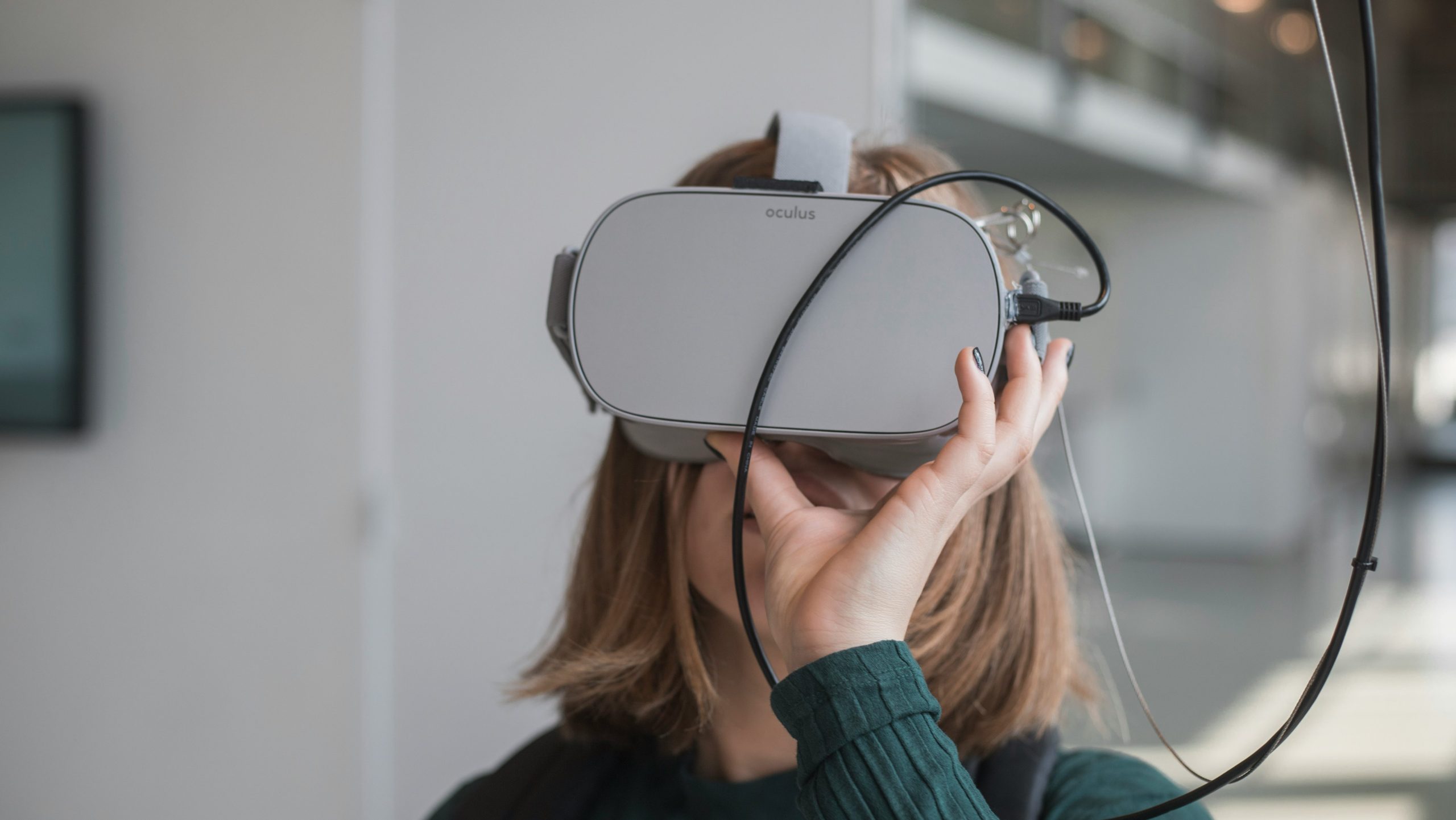
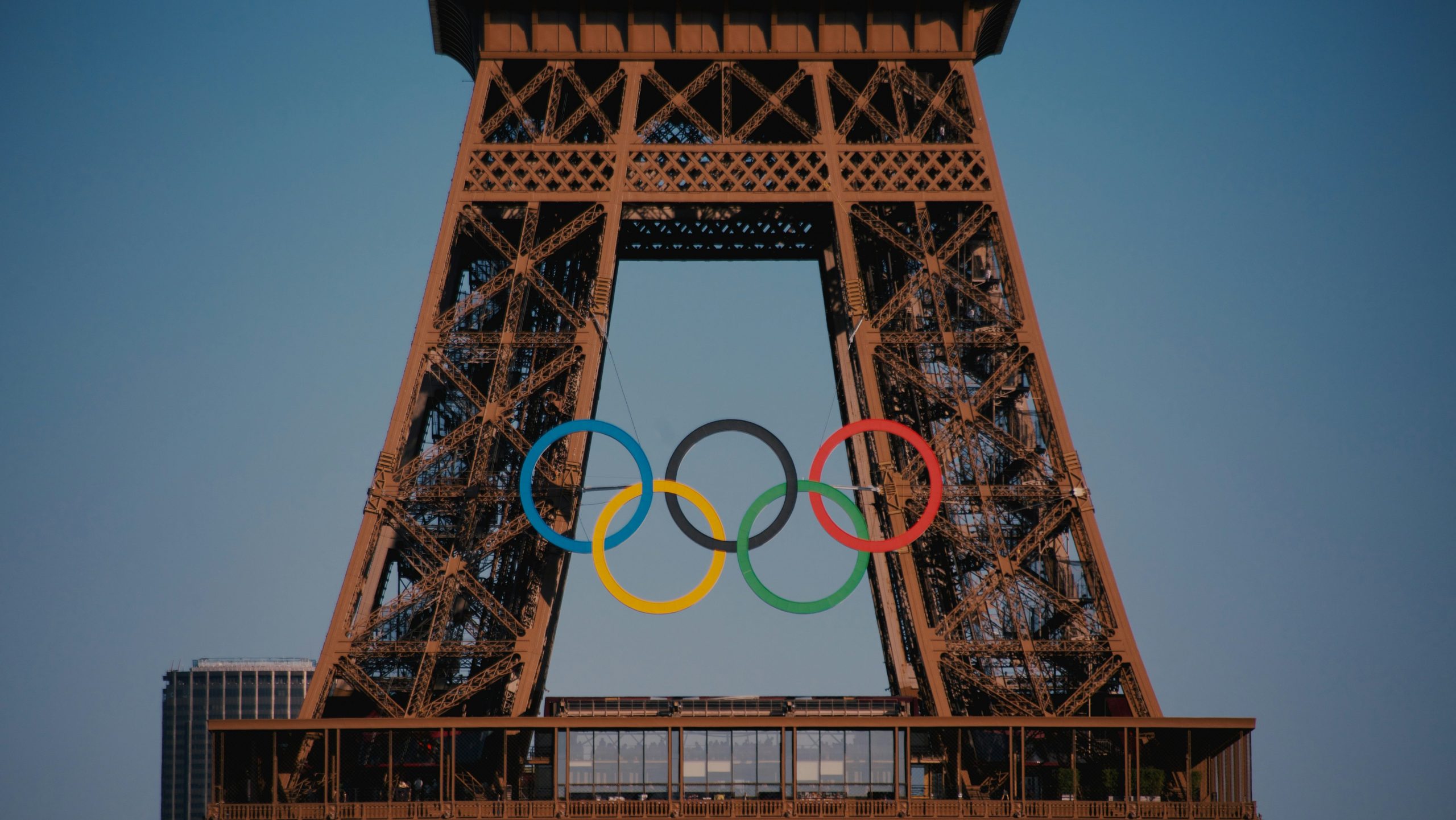
Today, a new model has emerged: equity-based deals and entrepreneurial ventures. These arrangements empower athletes to take ownership of the products they promote, aligning their personal brands with their business interests.

Notable examples include Serena Williams’ Serena Ventures, which has invested in over 60 startups, and Stephen Curry’s SC30 Inc., which facilitates ventures into production, tech investments, and brand partnerships. 

Meanwhile, LeBron James famously turned down a $15M endorsement deal with Reebok early in his career to prioritize long-term equity opportunities. His equity stakes in brands like Blaze Pizza and SpringHill Company have skyrocketed in value. These examples illustrate how equity deals are reshaping the athlete marketing landscape.

Athletes: Why Equity Deals and Entrepreneurship Work

Unlike traditional endorsement deals with short-term rewards, equity stakes and entrepreneurial ventures provide athletes with long-term financial stability and the potential for exponential growth. By actively participating in the decision-making process—whether as co-founders, investors, or advisors—they align their values and personal brands with the businesses they support. 

NBA star Stephen Curry’s investment in Tonal, a smart home gym company, highlights this trend. He serves as both an ambassador and an equity holder in the company.

Curry’s involvement in marketing and product development boosts the brand’s appeal among fitness-conscious consumers. It also reflects his dedication to fitness and innovative health solutions, making him an authentic and credible advocate for the brand.

By choosing equity over quick cash, athletes send a powerful message: they are visionaries shaping the future. This approach strengthens their personal brands as trailblazers and innovators, securing a legacy that extends far beyond their athletic achievements.

brand partnerships

Brands: Why Equity and Entrepreneurship Deals Work

Partnering with athletes as equity stakeholders gives brands a strategic advantage. Unlike one-off endorsement deals, equity partnerships create a symbiotic relationship where both parties share a vested interest in mutual success. Athletes bring unique insights that can shape product development, marketing strategies, and consumer engagement. 

The enduring success of the Air Jordan brand demonstrates the power of equity partnerships vs. traditional brand partnerships. Michael Jordan’s direct involvement in the design and promotion of the iconic sneaker line has made it a cultural phenomenon. As part of the deal, Jordan receives royalties and maintains influence over the brand’s direction, ensuring its longevity.

Transforming Emerging Industries

Athletes are increasingly investing in cutting-edge tech startups, wearable fitness devices, and esports platforms. Venture capital initiatives like Kevin Durant’s Thirty Five Ventures target disruptive technologies blending sports and lifestyle.

Athletes such as Chris Paul and Naomi Osaka promote eco-conscious brands, shaping consumer expectations and driving industries toward greener practices. Athlete-driven brands like Tom Brady’s TB12 Sports and Simone Biles’ Gold Over America Tour reshape consumer engagement with sports and wellness products. These ventures blend accessibility with aspirational marketing, influencing behaviors across demographics.

brand partnerships

The Broader Impact on Athlete Branding

As athletes embrace entrepreneurship, their influence extends far beyond the field. They blur the lines between sports, business, and culture, making them pivotal players in shaping modern consumer trends.

These efforts redefine brand partnerships, encouraging athletes to be seen as creators and innovators. The athlete-entrepreneur trend is still emerging, with more athletes investing in startups, co-founding companies, and prioritizing equity over endorsements. This evolution leads to greater representation in brand development and invigorates new industries such as augmented reality, health tech, and renewable energy.

Sources:

  1. https://moneywise.com/investing/investing-basics/athletes-investing-in-tech 
  2. https://insider.fitt.co/issue-no-99-the-athlete-vc/ 
  3. https://moneysmartathlete.com/the-business-side-of-being-an-athlete/entrepreneurial-athletes-building-businesses-beyond-sports/
  4. https://www.investopedia.com/who-are-the-most-famous-athlete-investors-5078036 
  5. https://afrotech.com/serena-williams-helped-14-companies-reach-unicorn-status 
  6. https://www.matesbrands.com/news/the-celebrity-athletes-winning-at-investing 
  7. https://sbf.capital/athletes-endorsements-influence-consumer-decisions-brand-value/

Sustainability in Sports: The Brands and Athletes Driving Change

Sustainability in sports has become a critical focus in the world of sports marketing. Both brands and athletes are using their platforms to advocate for environmentally conscious practices and inspire positive change. These efforts are reshaping the industry and showing how sports can play a pivotal role in promoting a greener future.

Through innovative partnerships and eco-friendly products, brands are taking a leading role in addressing environmental challenges. At the same time, consumer demand for sustainable practices is driving companies to act. With athletes lending their voices to these initiatives, the sports world is setting new standards for sustainability.

sustainability in sports

Brands Leading the Charge

Sports brands are at the forefront of sustainability efforts. Adidas, for example, has partnered with Parley for the Oceans to create performance footwear made from recycled ocean plastic. This initiative has helped prevent millions of pounds of plastic waste from polluting the oceans.

Adidas’ commitment resonates with eco-conscious consumers who expect brands to address global challenges. “Our aim is to inspire and enable everyone to play their part in ending plastic waste,” the company stated in 2023. This collaboration highlights how brands can combine environmental impact with innovative product design.

Similarly, Nike is making sustainability a core part of its strategy. The brand’s Move to Zero initiative aims to reduce waste and carbon emissions across its supply chain. Nike’s Space Hippie collection, crafted from factory scraps, exemplifies this effort. According to Seana Hannah, Nike’s VP of Sustainable Innovation, “Sustainability is about more than products—it’s about inspiring the industry to follow suit.”

sustainability in sports

Athletes as Sustainability Advocates

Athletes have become powerful advocates for sustainability. Lewis Hamilton, a seven-time Formula 1 world champion, is leading efforts to promote eco-consciousness in motorsports. Through his work with Formula E, Hamilton champions electric racing and carbon neutrality.

Beyond his professional career, Hamilton uses his social media platforms to inspire fans to adopt sustainable lifestyles. “We all have a responsibility to leave the world in a better place for the next generation,” he shared in a 2023 interview with Sky Sports. His advocacy has made him a prominent voice in the fight against climate change.

In outdoor sports, Jeremy Jones is driving environmental awareness. The professional snowboarder founded Protect Our Winters to combat climate change and protect natural landscapes. “As athletes who depend on the natural world, it’s our duty to protect it,” Jones stated. His leadership showcases how athletes can mobilize their communities to take meaningful action.

sustainability in sports

Consumer Demand for Sustainability

Younger generations are playing a significant role in driving sustainability efforts. Millennials and Gen Z are prioritizing eco-friendly products and partnerships, reshaping how brands approach marketing. A 2023 Nielsen report found that 73% of Gen Z consumers are willing to pay more for sustainable products.

To meet these expectations, brands are aligning with athletes who share their values. Naomi Osaka, for example, has partnered with Nike and Beats by Dre to promote sustainability-focused initiatives. By collaborating with athletes like Osaka, brands can connect with younger audiences and emphasize their commitment to the environment.

This consumer-driven shift is encouraging companies to adopt greener practices. As eco-conscious consumers continue to grow in influence, brands that embrace sustainability will stand out in the competitive sports market.

A More Sustainable Future

Sustainability is no longer a side effort in sports marketing—it is now central to how brands and athletes operate. With initiatives like Adidas’ Parley partnership and Nike’s Move to Zero campaign, companies are making a tangible environmental impact. At the same time, athletes like Lewis Hamilton and Jeremy Jones are using their platforms to advocate for meaningful change.

As consumers increasingly demand eco-friendly products, the collaboration between brands, athletes, and fans is transforming the sports industry. Together, they are proving that sustainability is not just good for the planet—it’s also good for business.

Sources:

  1. https://www.adidas.com/us/go/campaign/impact/planet
  2. https://report.adidas-group.com/2023/en/group-management-report-our-company/sustainability/rooted-in-our-purpose.html
  3. https://sustainabilitymag.com/sustainability/how-adidas-is-innovating-to-make-sportswear-more-sustainable
  4. https://www.skysports.com/f1/news/12433/12066332/lewis-hamilton-launches-team-for-extreme-e-the-electric-off-road-series
  5. https://www.cnbc.com/2021/08/10/the-environment-is-gen-zs-no-1-concern-but-beware-of-greenwashing.html
  6. https://kadence.com/en-us/why-gen-z-values-sustainability-tips-for-marketing-to-the-eco-conscious-generation/
  7. https://protectourwinters.org/about-pow/

How Gen Z Trends Are Shaping the Sports Economy

Gen Z trends are reshaping sports consumption as fans move away from cable toward dynamic, bite-sized clips on social media. Instead of sitting through long games, Gen Z prefers highlights, behind-the-scenes content, and interactive videos that keep them engaged in quick bursts.

Leagues are adapting quickly. The NFL is working with influencers like Brazilian streamer Casimiro Miguel to promote content on social platforms, while the MLB launched a TikTok Creator Class to connect with younger fans. These changes show how important it is for sports organizations to meet Gen Z trends where they are—online, with content that’s fast, fun, and easy to share.

gen z trends

A Values-Driven Generation

Gen Z doesn’t just watch sports for entertainment; they want the teams and athletes they follow to stand for something. Causes like sustainability, mental health, and racial justice are priorities for this socially-conscious generation. Teams that embrace these causes build stronger connections with Gen Z fans. 

For example, Adidas’s efforts to clean up ocean plastics and USA Lacrosse’s diversity grants resonate with this audience. When leagues and players back important causes, Gen Z pays attention and sticks around. About 60% of Gen Z and Millennials in the U.S. say they’re more loyal to brands that tackle social issues. On the flip side, organizations that ignore these values risk losing this critical fan base.

gen z trends

Spending Power That’s Changing the Game

With $143B in spending power, Gen Z is sending waves through the sports economy. Prioritizing affordability and inclusivity, Gen Z pushes teams to offer eco-friendly merchandise and accessible, meaningful game-day experiences.

Their influence mirrors trends in industries like fashion, where Gen Z’s preference for sustainable and inclusive brands has led to a rise in eco-conscious products. Sportswear companies have also embraced these values, blending lifestyle and performance to capture Gen Z’s loyalty through sustainable and inclusive offerings.

This shift is prompting leagues to create more meaningful ways for fans to engage, like interactive events and behind-the-scenes content. For example, the Los Angeles Lakers’ “Backstage: Lakers” series offers fans unprecedented access to the team’s inner workings, enhancing their connection to the players and organization.

Gen Z wants to feel like they’re part of the action, and organizations that deliver authentic experiences are the ones winning their loyalty and their dollars.

gen z trends

The Future of Sports in a Gen Z’s Digital- First World

Gen Z’s habits and values are forcing the sports world to evolve. They want fast, digital content, teams that stand for something, and experiences that feel accessible and meaningful. Leagues that adapt to these expectations are better positioned to capture this generation’s attention and loyalty. Gen Z isn’t just a new audience—they’re redefining what it means to be a sports fan, and they’re setting the tone for the future of the industry. For teams and leagues ready to evolve, the opportunities are limitless.

Sources:

  1. https://www.nytimes.com/2022/01/12/sports/video-games-nfl-gamers-gen-z.html
  2. https://www.oliverwyman.com/our-expertise/insights/2023/oct/gen-z-reshaping-professional-sports-economics.html
  3. https://nielsensports.com/why-gen-z-is-challenging-the-notion-of-the-hard-core-sports-fan/#:~:text=Gen%20Z%20sports%20consumption%20trends&text=Our%20research%20shows%20Gen%20Z,any%20long%2Dterm%20contractual%20commitment.
  4. https://medium.com/ipg-media-lab/gen-zs-impact-on-the-future-of-sports-87930b83b672
  5. https://www.ourperspectives.com/article/28785-gen-z-will-reshape-the-economics-of-professional-sports

How Analytics & AI In Sports Are Transforming Partnerships

In today’s tech-filled world, analytics and AI in sports are redefining partnerships by creating unprecedented opportunities for personalization and precision. Beyond simply tracking metrics, analytics empower teams, leagues, and brands to foster deeper connections with fans through hyper-targeted campaigns and real-time engagement strategies. 

By combining technology with creativity, organizations can maximize sponsorship value while reshaping how fans experience sports. This data revolution not only redefines ROI and KPI measurement but also highlights the human element in sports partnerships, where insights drive authentic and lasting connections.

ai in sports

Data-Driven Marketing in Formula 1 and MotoGP

In the high-stakes world of Formula 1 and MotoGP, data-driven marketing is essential for maximizing audience reach, fan engagement, and sponsorship impact. By leveraging analytics, brands can track metrics like social media engagement and broadcast visibility. These insights help measure partnership success and refine strategies in real time.

Amazon Web Services (AWS) has transformed the Formula 1 fan experience by delivering real-time race data. This enriches broadcasts while bolstering AWS’s reputation in cloud computing and analytics. Similarly, platforms like F1 Fan Voice collect fan feedback, allowing brands to fine-tune campaigns for deeper audience connection.

This data-driven approach helps sponsors create targeted, high-impact activations that resonate globally. It strengthens fan loyalty and ensures strong returns on sponsorship investments. For Formula 1 and MotoGP, analytics is not just a tool—it’s a competitive advantage.

ai in sports

AI and AR in Tech-Driven Partnerships

AI and augmented reality (AR) are reshaping both athlete training and the sports partnership landscape. They offer brands innovative ways to interact with fans and measure engagement. Tools like performance analytics and AR provide access to data that drives better strategies and enhances fan experiences.

AR, for instance, enhances live events by delivering real-time stats and immersive content. This makes sponsor messages more engaging and boosts fan enjoyment. Sponsors can use these insights to craft highly targeted campaigns that resonate deeply with their audience.

As sports tech startups like ShotQuality and StatusPro attract significant investments, they continue to introduce fresh solutions. These innovations help brands and teams build dynamic, measurable, and impactful partnerships. The intersection of technology and sports is creating a win-win for fans and sponsors alike.

ai in sports

Redefining Sports Sponsorship at Paris 2024

AI and technological innovations at Paris 2024 are transforming the athlete experience while reshaping sports partnerships. Collaborations with tech giants like Intel, Alibaba, and Samsung are introducing new ways for brands to engage fans and maximize sponsorship value.

For example, AI-powered systems will create personalized highlight reels tailored to specific audience segments. This approach enhances engagement with digital and social media campaigns. Sponsors can connect with fans more effectively by delivering content that feels relevant and unique.

Innovative partnerships, such as those with Samsung and Orange, equip smartphones on each country’s boat during the Opening Ceremony. This offers sponsors a chance to create unforgettable fan experiences, both on-site and online. These initiatives blend technology and creativity to redefine fan interaction.

By integrating cutting-edge technologies, sponsors can measure impact more precisely and refine strategies. Paris 2024 is leading the way in creating data-driven, immersive partnerships that set a new benchmark for fan engagement and sponsorship success.

ai in sports

How Sports Analytics Transformed Partnership Evaluation in 2024

The NBA’s collaboration with Microsoft and its NBA CourtOptix platform highlights how data enhances fan engagement. Real-time game insights, player metrics, and interactive content create more personalized, immersive experiences both in-stadium and online.

By leveraging analytics, organizations can better target fan segments and tailor campaigns to boost engagement across platforms. Sponsors benefit by measuring partnership effectiveness through fan behavior, media consumption, and social media insights. This enables real-time strategy adjustments that drive results.

Advancements in analytics, including AI-powered insights, are further reshaping the industry. Real-time data during live events supports personalized promotions and interactive content, strengthening fan connections. As technology advances, sports teams and sponsors are delivering more impactful campaigns that elevate partnerships and drive success.

ai in sports

Looking Ahead

By leveraging data-driven insights, organizations can understand fan preferences and behaviors like never before. This allows for partnerships that resonate deeply and deliver measurable results.

From Formula 1 to the Olympics, AI-powered personalization and real-time data analysis are setting new standards for fan interaction. Tech-enabled experiences are enhancing sponsor satisfaction and redefining engagement metrics.

As technology advances, analytics and AI will continue to shape the future of sports partnerships. The focus will shift from traditional visibility metrics to engagement, relevance, and sustained loyalty. This evolution provides a blueprint for maximizing sponsorship value in a fast-changing industry.

Sources:

  1. https://sportfive.com/beyond-the-match/insights/power-of-sportsmarketing-formula1-motogp
  2. https://economictimes.indiatimes.com/tech/technology/tech-innovations-ai-changing-the-game-for-modern-sports-training-methodologies/articleshow/112461311.cms?from=mdr
  3. https://olympics.com/ioc/news/ai-and-tech-innovations-at-paris-2024-a-game-changer-in-sport
  4. https://capitalsports.agency/en/blogs/the-role-of-data-in-sports-marketing
  5. https://www2.deloitte.com/us/en/pages/consumer-business/articles/fan-engagement-analytics-improve-fan-experiences.html
  6. https://www.wired.com/sponsored/story/the-nbas-game-changing-approach-to-data/#:~:text=Every%20night%2C%20when%20a%20game,shot%2C%20pass%2C%20and%20play.
  7. https://www.sportspromedia.com/news/statuspro-google-ventures-nfl-pro-era-tech/

Become a Sponsor.

Join us in making a difference. Tell us a bit about yourself and we’ll be in touch with sponsorship details.

By submitting this form, you agree to be contacted by the Athelo Group team regarding sponsorship opportunities.