Personal Branding Examples: How Niche Athletes Leverage Storytelling

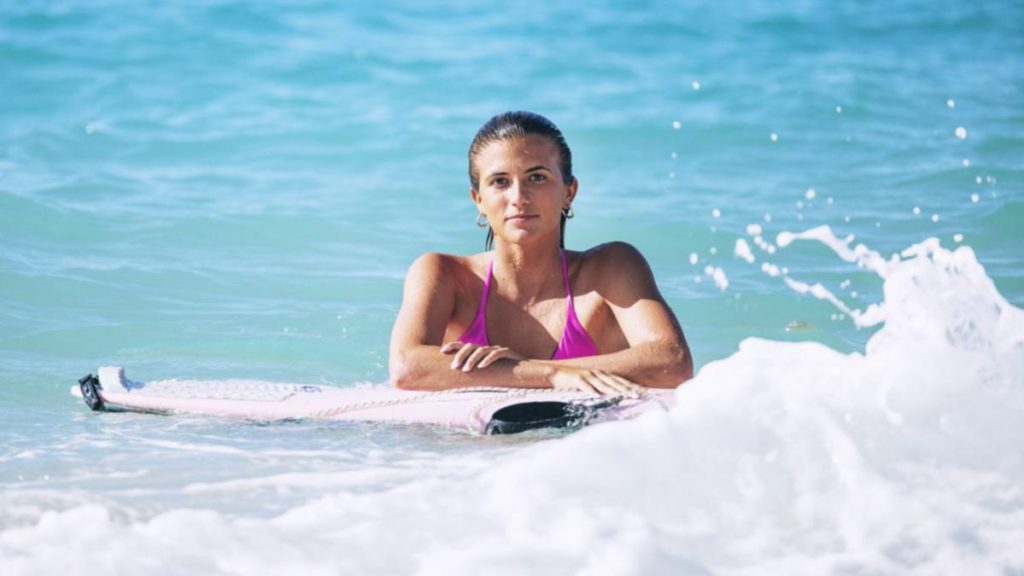
Brisa Hennessy, a world-class surfer and environmental advocate, grew up on a remote Costa Rican island where she formed a strong bond with the ocean. Her journey, fueled by a love for surfing and a mission to protect marine life, has captivated fans who admire her athleticism and dedication to the planet. Today, athletes aren’t defined only by their on-field performance. Niche athletes, particularly those in sports that don’t receive mainstream media attention, are becoming the ultimate personal branding examples. By sharing authentic stories of resilience, challenges, and personal ties to their sport, they’re forging connections with audiences that go beyond their athletic abilities. Platforms like Instagram, TikTok, and YouTube give these athletes the power to shape their own stories, connect with fans, and attract brands eager to share in their unique journeys.

personal branding examples

The Power of Storytelling in Personal Branding

In an era where audiences value authenticity, niche athletes are tapping into storytelling to communicate their personal values, experiences, and passion for their sport. Unlike athletes in more mainstream sports who might rely on large media outlets to tell their stories, niche athletes have taken matters into their own hands. They are using their platforms to humanize their journey, offering fans an inside look at their day-to-day lives, training regimens, and the obstacles they face in life. 

Take CrossFit and Olympic weightlifting athlete Kyra Milligan, for example. Kyra’s story isn’t just about lifting heavy weights—it’s about balancing her rigorous training schedule with her pursuit of a degree in dental hygiene. By sharing her journey, Kyra connects with followers who value hard work, discipline, and balancing multiple passions. This authenticity makes her more than just an athlete; she writes in her Instagram bio, “DO IT ALL WITH A SMILE,” which helps position her as a relatable and inspiring figure, capable of attracting both fans and brands that align with her values.

personal branding examples

Aligning Personal Narratives with Brand Partnerships

Brands are increasingly recognizing the value of unique stories, allowing niche athletes to secure partnerships that align with their personal journeys. In a crowded marketplace, brands are looking for more than just high-profile athletes—they want ambassadors whose stories and values reflect their brand ethos. Authenticity is crucial, and niche athletes provide it in abundance through their storytelling.

Pro surfer Zoe Benedetto, for example, has teamed up with sustainable fashion brands like Pura Vida, reflecting her commitment to protecting the environment. Through her campaigns with Pura Vida, she shares her passion for ocean conservation, connecting with fans who care about cleaner beaches and eco-friendly practices. These partnerships boost Zoe’s brand and create powerful campaigns for sponsors, showing how authenticity and storytelling can drive impactful collaborations.

personal branding examples

Building Emotional Connections Through Authenticity

One of the most significant advantages of storytelling for niche athletes is its ability to build deep emotional connections with their audience. By showcasing their struggles, triumphs, and personal values, these athletes invite followers into their world in a way that feels intimate and genuine. This emotional connection fosters loyalty among fans, who often feel invested in the athlete’s journey and success.

Consider Chris Ruden—by sharing his journey from being labeled “broken” because of his disability to becoming a record-holding powerlifter and motivational speaker, Chris has inspired a community that values his resilience and authenticity. His story of turning obstacles into opportunities and his message of “creating your world without limits” form a strong emotional bond with supporters who see their own challenges and victories in his. This genuine connection not only grows Chris’s loyal fanbase but also makes him an ideal partner for brands looking for meaningful, authentic engagement.

personal branding examples

Becoming Thought Leaders and Ambassadors

Through storytelling, niche athletes can position themselves as thought leaders and ambassadors within their communities. By sharing their expertise, insights, and experiences, these athletes often become key voices in their sport’s culture. Their connection to their sport and their audience allows them to represent both their personal brand and the broader community they belong to.

For instance, DJ Diveny, a professional freestyle soccer athlete, uses his platform to share his journey from a recreational player to a professional. His story, filled with passion and determination, resonates with aspiring athletes. By positioning himself as a thought leader in freestyle soccer, DJ is able to secure partnerships with BodyArmor, Frito Lay, and DirectTV. His storytelling has enabled him to build credibility and become an ambassador for the sport, allowing him to influence his fans and the broader soccer community.

personal branding examples

Now more than ever, niche athletes are harnessing the power of storytelling to build personal brands that are both authentic and compelling. By sharing their journeys and values, these athletes are creating deep emotional connections with their audience, positioning themselves as thought leaders within their sports and securing meaningful partnerships with brands. As storytelling continues to be a powerful tool for building authentic relationships, niche athletes have an incredible opportunity to carve out unique spaces for themselves on the field and online.

Sources:

  1. https://www.jamprime.com/guides/using-storytelling-as-a-personal-branding-strategy/ 
  2. https://www.brandedagency.com/blog/personal-branding-for-athletes 
  3. https://www.sportshack.io/the-power-of-storytelling-in-sports-marketing/ 
  4. https://sparkplug.app/blog/strategies-for-activating-athletes-and-ambassadors-as-brand-storytellers 
  5. https://www.getstoryteller.com/blog/the-rise-of-storytelling-in-sports 
  6. https://www.yellowbrick.co/blog/sports/boost-your-athlete-branding-proven-strategies-to-dominate-the-game 

Sports Pop-Up Shops: How Brands Use Experiential Retail to Win

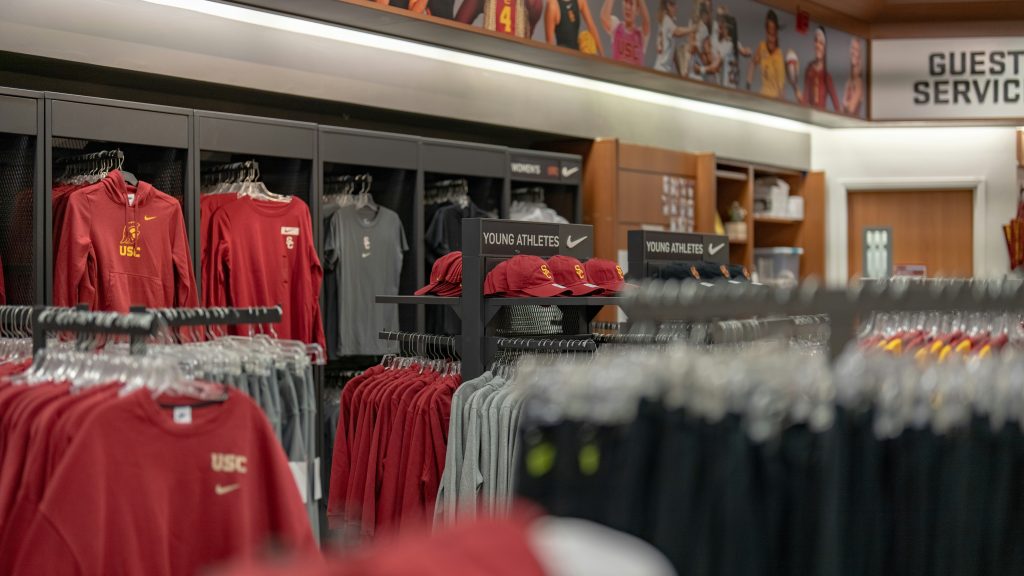
As online shopping becomes the new norm, sports brands are increasingly embracing pop-up shops as a flexible and dynamic alternative to traditional brick-and-mortar spaces. These temporary setups allow brands to deliver immersive, experiential shopping experiences that resonate with modern consumers, offering the chance to collaborate with athletes and complementary brands. Such collaborations, often cross-promoted, not only engage customers through interactive experiences but also help brands gather insights, increase awareness, and test new products—all without the constraints of permanent stores. For example, American Express and NBA 2K22 launched “The American Express x NBA 2K22 Experience” pop-up near Crypto.com Arena, featuring exclusive products, a face scan studio for custom avatars, and an immersive “Infinity Cube.” Stars Paul George and Breanna Stewart also faced off in a live-streamed game. Other brands are following suit as the pop-up shop becomes an exciting new avenue for sports brand retail. 

pop up shop

Pop-Up Power: Elevating Athlete Visibility and Brand Engagement

In the world of sports retail, pop-up stores offer a unique platform for collaborative partnerships that can elevate both brand and athlete visibility. These temporary retail spaces enable brands to partner with high-profile athletes, creating one-of-a-kind experiences that traditional stores cannot replicate. For instance, athletes can launch exclusive merchandise in a pop-up, or participate in live events, autograph signings, and social media takeovers, all of which create memorable, immersive brand experiences for consumers. 

Collaborations between sports brands, athletes, and other companies can expand customer reach and share marketing costs. These partnerships often offer engaging, sensory-driven experiences that build customer loyalty. For instance, the NBPA’s 2023 Summer League pop-up, in partnership with Amazon’s Black Business Accelerator, featured NBPA member-led brands, exclusive merchandise, and support for Black-owned businesses. The event showcased apparel from players like Jaylen Brown and Kevin Porter Jr. and included special collaborations. Such pop-ups highlight athlete entrepreneurs and create meaningful experiences for fans, while also increasing brand awareness and generating buzz.

Where Collaboration Meets Innovation

As e-commerce grows, pop-ups provide engaging, in-person shopping experiences that online platforms can’t match. These temporary spaces let brands, from established names to new entrepreneurs, create immersive environments where customers interact with products, building a sense of community. Success often comes from collaborations that help brands share resources, reduce costs, and expand customer bases. For example, Nike’s pop-ups at events like the NBA All-Star Game and the Olympics offer exclusive products and personalized experiences, attracting both loyal and new customers.

Collaborations also help small businesses test markets and build awareness without the costs of permanent spaces. Under Armour’s recent pop-up in Paris, in partnership with Salvy, offered gym enthusiasts a three-day event focused on fitness and community, showcasing the brand’s commitment and connecting with local consumers. Such collaborations not only boost short-term foot traffic but also attract long-term customers.

pop up shop

Pro’s and Con’s: Brick-and-Mortar vs. Pop-Up Shops

Brick-and-mortar stores offer consistent shopping experiences, allowing customers to interact with products and build long-term loyalty. They provide convenience and variety, boosting a brand’s market presence and sales. Retailers like JD Sports and Intersport Group have succeeded with this model, benefiting from established visibility and customer trust. However, these stores come with high costs, including rent, staffing, and inventory management, making them a major financial commitment. Additionally, competition in these spaces can dilute brand identity, as products often sit alongside similar items from rival brands.

In contrast, pop-up shops are a flexible, cost-effective option. These temporary spaces incite urgency and exclusivity that generates excitement for new product launches or seasonal collections, while allowing brands to test new markets and demographics. Adidas’ Terrex launch and ASICS’ Paris Fashion Week event are examples of how pop-ups create buzz and drive sales through interactive experiences and targeted marketing. In some cases, a hybrid approach—combining elements of both models—can be most effective. This strategy leverages the stability of brick-and-mortar with the excitement of pop-ups, creating an adaptable and engaging shopping experience that maximizes visibility and builds community connections in the competitive sports retail landscape.

pop up shop

Ultimately, the future of retail will likely depend on blending tradition with innovation, leveraging the immersive nature of pop-up stores to enhance athlete visibility and community. Brands that embrace this shift will be better positioned for success in the competitive market.

Sources:

  1. https://finance.yahoo.com/news/pop-shops-future-retail-140640382.html
  2. https://www.ispo.com/en/sports-business/multi-brand-stores-vs-pop-stores-retail-strategies-sports-brands
  3. https://fastercapital.com/content/Collaborative-partnerships–The-Power-of-Collaboration-in-Pop-Up-Retail.html
  4. https://nbpa.com/news/nbpa-prepares-to-launch-first-ever-fan-shop-pop-up-during-summer-league
  5. https://blog.sportheroes.com/10-examples-of-innovative-experiences-in-sport#anchor4
  6. https://magazine.gopopup.com/en/success-stories-brands-that-have-transformed-pop-up-stores-into-unforgettable-experiences/#:~:text=1.,significant%20buzz%20on%20social%20media.
  7. https://www.thestorefront.com/mag/sport-sportswear-pop-up-store-examples/

Riding the Wave: The Growth of Professional Surfing

Surfing is a global phenomenon, captivating millions with its mix of athleticism and artistry. Despite being romanticized as a laid-back, easy pastime, professional surfing is an entirely different beast. At its highest level, it’s a fiercely competitive and dangerous sport, where elite athletes ride some of the world’s most notorious waves, all for a shot at immortalizing their name in surf history. Since the founding of the World Surf League (WSL) in 1976, the sport has grown rapidly, solidifying its legitimacy with a structured competition system. The WSL features three distinct tours, with the Championship Tour showcasing the best of the best in nine events throughout the season, leading to the ultimate Final. Far from being just a thrilling spectacle, professional surfing is a booming sport anchored by its premier events and growing fan base.

professional surfing

The Thrill Behind Surfing Competitions

Major surfing events, like those organized by the WSL, play a critical role in elevating the sport’s appeal. Planning these events involves everything from picking the right location to coordinating with local authorities and managing logistics. A dedicated team, including organizers, safety crews, and judges, ensures each competition runs smoothly. The unpredictability of ocean conditions adds an extra challenge, requiring quick decisions based on weather and wave quality. This mix of excitement and uncertainty keeps competitors and spectators on edge.

The Lexus Pipe Pro at Banzai Pipeline in Oahu showcases the complexity of these events. Organizers carefully select dates based on wave patterns, while judges assess surfers’ skills and safety crews remain ready for emergencies. The local community adds to the event’s festive feel, offering food, entertainment, and surf culture celebrations. This blend of competition and community engagement makes the Lexus Pipe Pro a standout in professional surfing.

professional surfing

The Evolving Role of Media in Professional Surfing

Media and broadcasting have transformed how professional surfing reaches global audiences. With advancements in technology and the rise of streaming platforms, fans can now watch surfing competitions in real-time from anywhere in the world. The 2024 WSL Finals, for example, aired on ESPN, Sky Sports, Fox Sports, YouTube, and the WSL app, making the event accessible to a broader audience. This shift allows viewers to experience the excitement of the sport from their homes or on the go. Social media also plays a crucial role, with surfers sharing highlights, personal stories, and behind-the-scenes content, creating a deeper connection with fans.

Zoe Benedetto, a rising star in the surfing world, exemplifies how surfers can use social media to build a personal brand. With over 100,000 Instagram followers, she shares her journey as a competitive surfer, offering fans a glimpse into her routines and adventures. Her engaging posts and relatable content inspire a diverse audience, fostering a sense of community. By leveraging platforms like Instagram, Zoe has successfully highlighted both her talent and passion for surfing, helping professional surfing evolve into a global spectacle that captivates millions.

zoe benedetto

The Economic Impact of Surfing Events: The Case of Nazaré

Major surfing events can significantly boost local economies by drawing tourists, increasing business revenue, and creating temporary jobs in hospitality and event management. A prime example is NazarĂ©, Portugal. Once a small fishing village, NazarĂ© has transformed into a global surfing destination. In the mid-2000s, legendary big wave surfer Garret McNamara set out to find the world’s biggest rideable wave. After hearing about the massive waves in NazarĂ©, he couldn’t resist. In 2011, Garret surfed a 78-foot wave, earning a Guinness World Record and forever putting NazarĂ© on the map. Now known for having the world’s biggest wave, the town hosts surfers each year for competitions and record-breaking attempts. The World Surf League held its first NazarĂ© Big Wave Challenge in 2016, further cementing the town’s place in the surfing world.

Over the past decade, surfing has had a huge impact on Nazaré’s economy and culture. In 2010, nearly 45,000 tourists stayed in local hotels; by 2019, that number had soared to over 130,000—a 295% increase. This influx has generated millions in revenue for local businesses, including hotels, restaurants, and shops. The events not only raise the town’s profile but also foster community pride and cultural exchange, as locals and visitors connect over shared interests. Investments in infrastructure and services to support these events also help ensure Nazaré’s long-term success as a sustainable tourist destination.

Nazaré, Portugal

The Power of Sponsorship in Surfing

Sponsorships play a vital role in the surfing industry, giving brands significant exposure while supporting events like the Shiseido Tahiti Pro and Lexus Pipe Pro. Major partnerships, such as Pura Vida’s commitment to surf culture and Red Bull’s alignment with extreme sports, show how brands connect with an adventurous lifestyle and passionate fan base. These collaborations allow companies to showcase their products in ways that resonate with their audience, creating a sense of authenticity and shared values. In 2023, sponsorship revenue in professional surfing reached an estimated $150 million, a 30% increase from the previous year, reflecting the sport’s growing popularity and its value as a marketing platform.

Professional surfers aren’t just competitors; they’re influential brand ambassadors whose personal stories and lifestyles resonate deeply with fans. Carissa Moore, for example, leverages partnerships with Nike and Red Bull to promote products that align with surf culture, while Brisa Hennessy’s advocacy for environmental sustainability and mental health awareness extends her influence beyond the sport. Through social media, these athletes cultivate loyal communities, making them valuable to brands across apparel, wellness, and lifestyle markets. Their participation in events, campaigns, and even signature product lines enhances market presence and helps shape public perception of surfing. As they build successful personal brands, surfers like Moore and Hennessy fuel the sport’s growth while setting an example for aspiring athletes on how to turn talent and passion into long-term success.

professional surfing

Surfing’s Next Wave

As surfing continues to evolve, its future holds immense potential for growth and innovation. Advances in technology, such as virtual reality (VR) and augmented reality (AR), could revolutionize how fans experience competitions, allowing them to feel as if they’re riding the waves alongside their favorite surfers. The development of artificial wave pools, like Kelly Slater’s Surf Ranch, could also become a more prominent part of the sport, offering controlled environments for year-round competition and training. Sustainability will remain a crucial focus, with many surfers and brands already advocating for ocean conservation and reducing the environmental impact of events. We may also see increased diversity, with the WSL pushing to include more women and surfers from regions like Asia and Africa, expanding the global talent pool. These changes will not only enhance the sport’s visibility but also ensure that surfing remains a progressive, eco-conscious, and globally inclusive movement that continues to inspire future generations.

Sources:

  1. http://www.the-businessreport.com/article/the-economic-power-of-surf/#:~:text=The%20waves%20have%20made%20us,before%20the%20Garrett%20McNamara%20act. 
  2. https://www.redbull.com/us-en/history-of-big-wave-surfing-at-nazare 
  3. https://surfsimply.com/magazine/cant-look-away
  4. https://www.surfandsun.com.au/blog/20241/the-history-of-the-world-surf-league.php
  5. https://www.linkedin.com/pulse/riding-wave-remarkable-growth-world-surf-league-future-angus-yeates-ukpbc
  6. https://www.surfertoday.com/surfing/world-surf-league-interesting-facts-about-the-pro-surfing-organization
  7. https://www.forbes.com/sites/isabellebousquette/2021/07/27/as-surfing-makes-its-olympic-debut-billionaire-owned-world-surf-league-hopes-to-catch-a-wave-of-opportunities/
  8. https://www.surfnewsnetwork.com/these-companies-make-it-happen/
  9. https://www.surfertoday.com/surfing/the-business-empire-of-kelly-slater
  10. https://www.riotimesonline.com/brazil-news/brazil/with-italos-gold-the-billion-dollar-surfing-business-heads-for-its-peak/

NFL Media Blitz: Balancing Global Growth with Fans’ Rising Costs

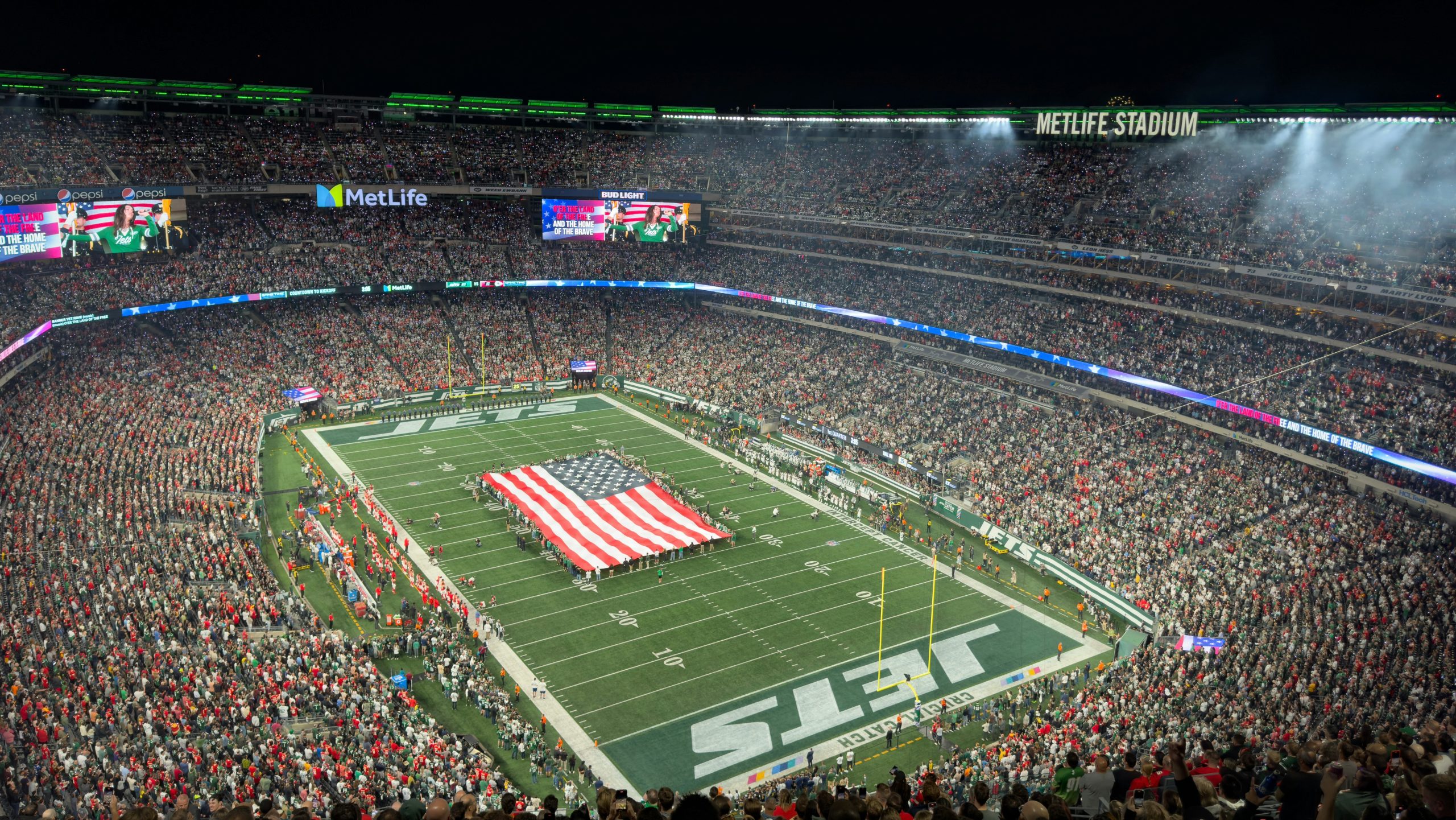
After securing major broadcast deals with Disney, NBC, and Amazon through 2035, the NFL is poised for an unprecedented media strategy. These agreements aim to capture every market and demographic nationwide while expanding the league’s global presence. However, despite partnerships with some of the biggest media companies, fans are raising concerns about one key issue: the rising cost of watching NFL games. As the league spreads its broadcasts across multiple NFL streaming platforms and other outlets to fulfill these contracts, access costs have skyrocketed.

In addition to expanding its presence in America, the NFL is set to host games in Brazil, Germany, and England as part of its international growth strategy. These games will not only boost revenue but also elevate the league’s global stature. However, the increased fragmentation of streaming platforms has left fans worried. According to Market Watch, it could cost viewers over $1,700 to watch the entire NFL season, as they’ll need to subscribe to up to seven different platforms. While the NFL’s massive popularity gives it leverage to profit from every angle, fans are now left to decide whether the price is worth it.

nfl streaming platforms

NFL Partners With Media Giants

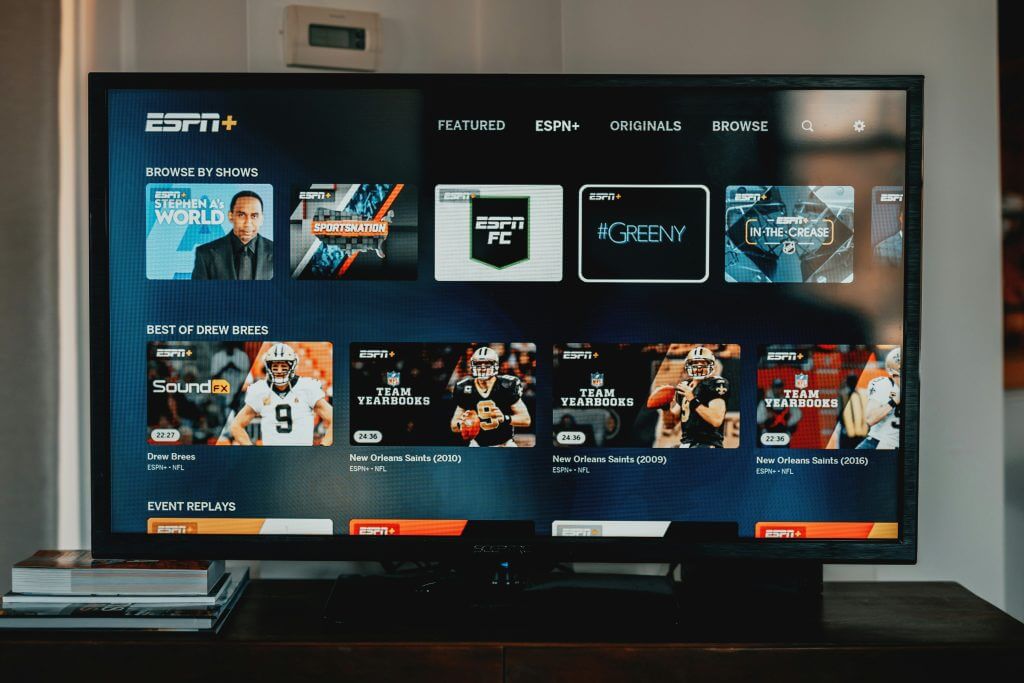
The NFL’s long-term deals with Disney (including ESPN and ABC), NBC, and Amazon highlight the league’s focus on maximizing media exposure. Disney will air Monday Night Football across both cable and its streaming platform, ESPN+. NBC will maintain its long-standing Sunday Night Football coverage, still one of the most-watched primetime shows in the U.S., while also streaming on Peacock. Meanwhile, Amazon has secured exclusive rights to Thursday Night Football, signaling a move toward streaming-first experiences.

These deals ensure that the NFL has a presence on traditional television while also tapping into NFL streaming platforms, allowing the league to reach audiences on all platforms. This media blitz positions the NFL to cater to both older fans accustomed to cable TV and younger viewers who prefer streaming.

nfl streaming platforms

Global Expansion

In recent years, the NFL has ramped up efforts to expand its international reach, and the 2024 season is no exception. With games scheduled in Brazil, Germany, and England, the NFL is taking its global presence to the next level. This strategic move aims to tap into international markets, engage new fanbases, and increase the sport’s overall valuation.

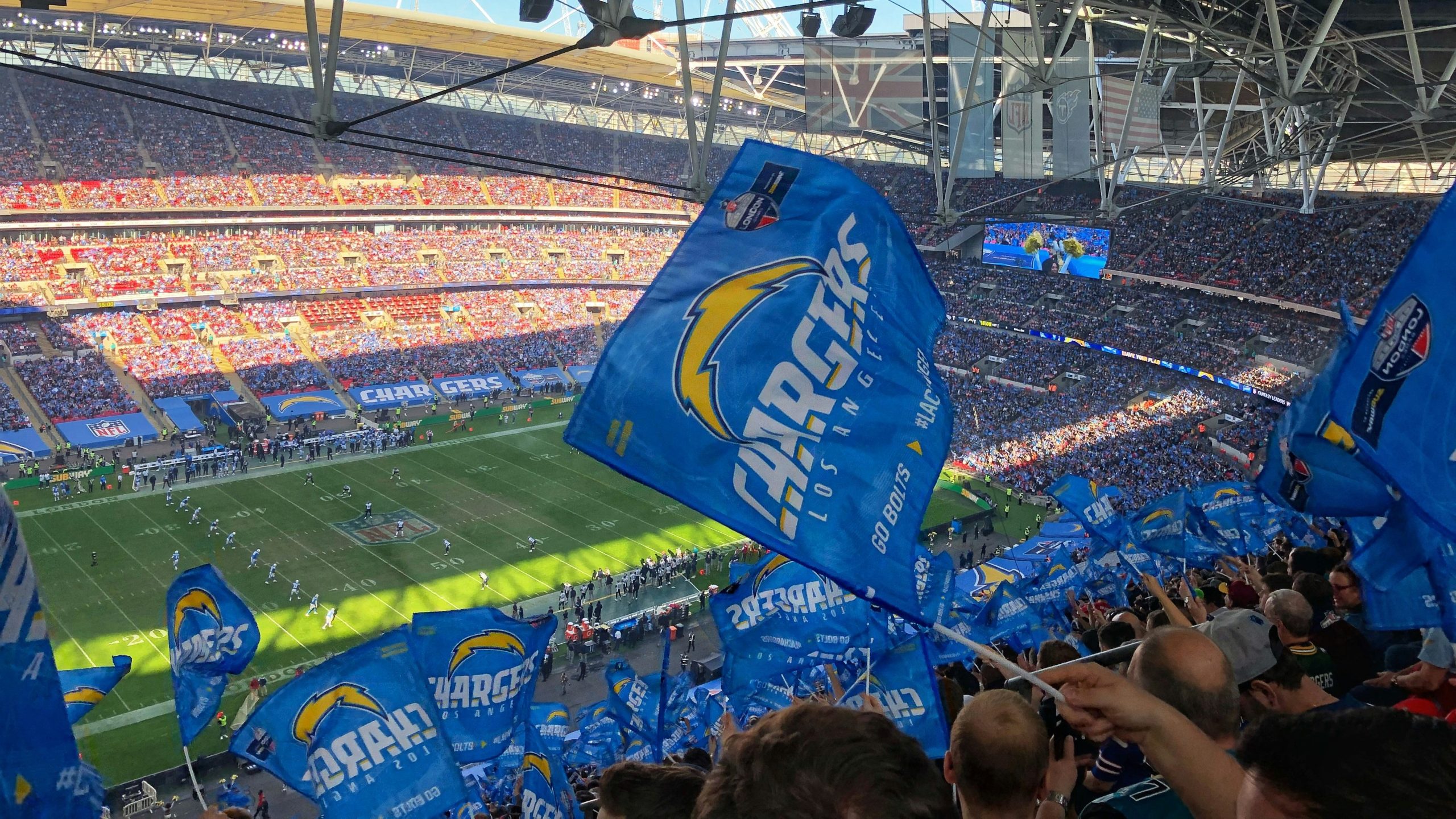
In the UK, the NFL has already built a strong following, with the London games becoming a fixture on its calendar. Germany, a newer market for the league, has shown high demand, with tickets for upcoming games selling out in record time. Meanwhile, Brazil represents an untapped but promising market where the NFL hopes to grow a fanbase eager for American football. The success of these games will further expand the NFL’s international appeal and boost its global revenues.

nfl streaming platforms

Sponsors Taking Advantage

As the NFL continues to expand both domestically and globally, sponsors are keen to capitalize on the league’s vast audience. The NFL’s appeal is undeniable, drawing millions of fans from diverse demographics. Major brands such as Nike, PepsiCo, and Verizon have long-standing partnerships with the NFL, and with the league expanding its media coverage and international footprint, these companies are eager to strengthen their presence.

Sponsors are capitalizing on the NFL’s extensive media deals to connect with consumers across various platforms and markets. From in-game ads to integrated brand experiences on NFL streaming platforms, companies are finding new ways to engage fans at every touchpoint. Toyota, the NFL’s automotive sponsor, has launched a season-long campaign showcasing its role in football nationwide. The campaign features stars like Eli Manning, Brock Purdy, and Puka Nacua. This is especially important as the NFL expands internationally, offering sponsors new opportunities to reach global audiences. These partnerships not only boost brand visibility but also generate significant revenue for both the NFL and its sponsors.
nfl streaming platforms

Implications for Fans Worldwide

While the NFL’s expansion and media deals offer plenty of growth opportunities, fans are facing rising challenges, especially with costs. This issue isn’t limited to the U.S.—international fans are encountering similar difficulties. Although the NFL’s push to bring live games to new markets is exciting, fans in those regions may struggle to access full NFL content due to platform restrictions, blackout rules, or steep subscription fees.

The NFL must address these concerns if it wants to keep its loyal fanbase while pursuing aggressive expansion. Gone are the days when fans could tune in to a single network for coverage. Balancing profit with accessibility will be more important than ever as the league seeks to capture new markets without alienating its core audience.

Sources:

  1. https://pressroom.toyota.com/toyota-delivers-star-packed-nfl-campaign-that-invites-fans-to-roll-deep-together-all-season-long/
  2. https://www.cnbc.com/2024/09/04/nfl-media-rights-media-landscape.html 
  3. https://www.marketwatch.com/story/want-to-watch-every-nfl-game-this-season-its-going-to-cost-you-nearly-2-500-31c4d300 
  4. https://www.nfl.com/international/international-games 
  5. https://www.hbs.edu/faculty/Pages/item.aspx?num=62434 
  6. https://www.forbes.com/sites/mikeozanian/2023/08/30/why-the-nfl-could-reap-more-than-126-billion-in-tv-money-by-2033/ 
  7. https://www.nbcsports.com/nfl/profootballtalk/rumor-mill/news/espn-nfl-network-are-believed-to-be-closing-in-on-a-deal 

College Football Playoff Expansion: 12-Team Format Explained

In the rapidly evolving landscape of college football, the upcoming 12-team College Football Playoff (CFP) expansion promises to be a game-changer. This shift from a 4-team to a 12-team format is poised to transform the competition, offering new opportunities and challenges for teams, players, and fans alike. As the 2024 season approaches, key questions arise: Will this expansion dilute the importance of the regular season, or will it enhance the excitement and competitiveness of the sport? And how will it impact the financial and recruiting dynamics across college football programs?

college football playoff

Increased Opportunities for Underdogs

One team to watch in the 2024 College Football Playoff expansion is Cincinnati. While they narrowly missed the playoff in 2022, experts project that they could return as Big 12 champions in 2024, potentially securing a top-four seed. However, not everyone is excited about the 12-team format. Critics argue that expanding to 12 teams may dilute the exclusivity of the playoff, similar to concerns raised during the expansion of March Madness. They fear that adding more teams could lessen the significance of regular-season success and lead to a less prestigious postseason.

Maintaining the Integrity of the Regular Season

While some critics argue that expanding the playoff field might devalue the regular season, proponents believe it will add significance to more games across the board. With more spots available, even late-season matchups that previously had no bearing on the playoff race will now carry weight, keeping fans engaged throughout the entire season. This change could lead to increased viewership and revenue as more games have playoff implications.

Revenue Growth

The financial impact of the 12-team playoff is expected to be substantial. More games mean more television contracts, ticket sales, and sponsorship opportunities, benefiting conferences, schools, and the NCAA. ESPN recently signed a six-year, $7.8B deal to retain exclusive media rights through the 2031-32 season, which includes coverage of all rounds of the new 12-team playoff format. This massive agreement not only adds four first-round games to ESPN’s existing coverage but also secures exclusive rights to programming like the CFP Selection Show and Top 25 rankings. These expanded rights, coupled with the influx of games, will open up new opportunities for brand sponsorships, giving companies increased visibility during high-stakes playoff matchups. Mega-brands like VBRO, Chick-fil-A, and Modelo have signed on as sponsors, hoping to take advantage of the heightened attention and excitement surrounding college football’s marquee event.

Balancing the Benefits Across Conferences

However, this financial windfall may not be evenly distributed. Power 5 conferences, which already command significant resources, are poised to gain the most. Meanwhile, Group of 5 conferences could see only marginal increases in revenue, perpetuating the existing inequalities within college football. The challenge will be finding ways to ensure that the benefits of the expanded playoff are shared more equitably, so that all programs can compete on a level playing field.

college football playoff

Impact on Player Workload and Development

With more games on the schedule, concerns about player workload and potential injuries are bound to grow. SEC chief medical officer Catherine O’Neal told the press that with the playoff extension, the SEC plans to adjust its injury management protocols. Coaches and trainers will need to balance the demands of a longer season with the physical and mental health of their players. On the plus side, the added exposure from more playoff games could speed up player development as athletes gain experience in high-pressure situations earlier in their careers.

2024 Projections

As anticipation builds for the 2024 College Football Playoff, experts are already weighing in on which teams are likely to secure a spot in the new 12-team format. According to The Athletic, teams such as Georgia, Ohio State, and Texas are among the favorites to make deep runs this season. The model also predicts underdogs like Boise State and Ole Miss could break into the playoff conversation, creating the potential for thrilling matchups. With powerhouse programs and mid-major teams vying for a national title, the expanded CFP promises to deliver even more excitement and unpredictability in the coming season.

Sources:

  1. https://www.espn.com/college-football/story/_/id/39766079/college-football-playoff-espn-agree-deal-2031-32
  2. https://www.nytimes.com/athletic/5701128/2024/09/05/college-football-playoff-projections-odds/
  3. https://www.usatoday.com/story/sports/college/2024/09/07/nonconference-games-college-football-playoff-12-team-cfp/75076654007/

Athlete Micro-Influencers vs Pro Endorsements: The New Marketing

In today’s fast-changing world, brands are rethinking the traditional model of athlete endorsements as they navigate the complexities of social media-driven marketing. While elite professional athletes have long been the go-to choice for high-profile partnerships, the rise of micro and nano influencers is challenging the status quo. These smaller-scale influencers, with their highly engaged and niche audiences, are proving to be powerful players in brand marketing. This shift raises critical questions: are traditional, high-cost endorsements with star athletes still necessary, or are more targeted, authentic connections through nano and micro-influencers the key to driving brand success in this new era?

micro-influencers

Athlete-Influencers’ Time is Now

The shift toward micro and nano influencers isn’t just about cutting costs—it’s about delivering authentic results. As Isabella Ingrid from Sports Kred points out, the era of celebrity dominance in marketing is fading. Micro-influencers, with their more intimate and engaged followings, are proving far more effective at building genuine connections with audiences. Their personal touch fosters greater trust and authenticity, which are crucial in today’s marketing strategies.

Moreover, working with multiple micro or nano-influencers allows brands to stretch their marketing budgets across various audiences, offering a strategic way to increase reach and engagement. Take, for example, Athelo Group’s partnership with Wow Wipes. They launched a campaign featuring athletes like Alex Aust, Brisa Hennessy, Dani Speegle, Kyra Milligan, and Zoe Benedetto. By collaborating with athlete-influencers in niche sports from surfing to CrossFit, Wow Wipes was able to connect with multiple distinct audiences instead of focusing on a single celebrity endorsement that would target just one demographic. This approach underscores the changing landscape of athlete endorsements, challenging the past focus on traditional high-profile partnerships.

micro-influencers

The Rise of NIL Marketing in College Sports

The rise of NIL (Name, Image, Likeness) deals has opened up new opportunities for athlete endorsements, allowing brands to partner with college athletes in ways that were previously impossible. Since the 2021 Supreme Court ruling, companies like McDonald’s, Microsoft, and Gatorade have jumped at the chance to connect with younger audiences through these athletes. College athletes offer a cost-effective way to tap into the deep loyalty that fans—especially alumni—have for university sports teams. These deals also allow brands to build early relationships with athletes who might later go pro or compete in the Olympics while engaging with niche sports and diverse audiences.

Partnering with college athletes is more than a cost-cutting exercise. Brands are increasingly valuing the character of the athletes they endorse, sometimes even more than their social media follower counts. This focus on authenticity reflects broader trends in influencer marketing, where genuine connections and trust are key. Take Jared McCain, for example. Last season, he was one of Duke basketball’s best players, creating content that stayed true to his authentic self—even if it didn’t fit the typical athlete mold. His ability to balance sports content with his personal brand made him attractive to companies seeking genuine representation. By carefully choosing athletes who align with their values and ensuring their social media presence is authentic and relatable, companies can reduce the risks of endorsing younger, less established figures while still benefiting from these dynamic partnerships.

micro-influencers

Influencer vs. A-Lister

When comparing social media influencers to traditional celebrity endorsements, each brings unique strengths and challenges. Influencers often excel in credibility and relatability, particularly within specific niches, which fosters trust and drives higher engagement. Their ability to connect with targeted audiences and deliver measurable ROI makes them a cost-effective choice for many brands. However, influencer marketing isn’t without its downsides. As influencers gain more followers, their engagement rates can drop, and while they generally carry less risk than celebrities, they aren’t entirely immune to controversy.

Celebrity endorsements, though typically more expensive and less targeted, can deliver massive visibility and prestige. This can result in either a big win or a serious setback for the brand. A prime example is Ugg’s 2012 partnership with NFL star Tom Brady. The brand aimed to reverse declining sales and expand beyond their primarily female consumer base. The endorsement ultimately fell flat and sales continued to drop. In contrast, GymShark’s work with micro YouTube influencers connected deeply with online fitness communities, contributing to the brand’s growth into a billion-dollar company. Whether a brand opts for a household name or influencers with a small base of loyal followers, a campaign’s success or failure largely depends on authenticity.

micro-influencers

In today’s social media-driven marketing world, athlete endorsements are undoubtedly shifting from celebrity partnerships to micro and nano influencers. These smaller influencers connect authentically with niche audiences, making them increasingly attractive to brands. The rise of NIL deals and the integration of athletes in broader entertainment collaborations further highlights this change. While celebrity endorsements still offer great visibility, brands are increasingly focusing on targeted and cost-effective influencer marketing in 2024 and beyond.

Sources:

  1. https://www.linkedin.com/posts/dancrosby_marketingstrategy-brandbuilding-biosteel-activity-7229086830061608962-R02d/?utm_source=share&utm_medium=member_ios
  2. https://hbr.org/2024/05/how-marketers-choose-college-athlete-influencers
  3. https://sportskred.com/navigating-the-evolving-landscape-of-influencer-marketing
  4. https://m7.agency/nil-influence-how-brands-can-score-big-in-the-new-era-of-athlete-influencers/
  5. https://www.google.com/url?q=https://www.isportconnect.com/trends-in-the-sports-sponsorship-business-in-2024/
  6. https://swaygroup.com/social-media-influencers-new-celebrities/
  7. https://collabstr.com/blog/how-gymshark-built-a-billion-dollar-empire-through-influencer-marketing
  8. https://247wallst.com/sports/2024/08/29/these-athlete-endorsement-deals-were-complete-disasters/

NCAA Conference Realignment: How College Football Is Changing

Viewers should prepare for college football to look a little different this year. Recent changes in college sports have shifted power dynamics among the previously-known Power Five conferences: the ACC, Big Ten, Big 12, Pac-12, and SEC. This transformation is largely due to different payment structures and value disparity in TV rights deals. As a result, many teams left their original conferences to join others.

The Pac-12 has now dwindled to just two teams, and the Big 12 lost Texas and Oklahoma to the SEC. While the ACC hasn’t lost teams yet, their top schools are frustrated with revenue discrepancies and have filed lawsuits. Although there is talk of a super league in college sports, no significant progress has been made toward this concept. The SEC and Big Ten will continue to dominate for now, while the other conferences scramble to rebuild and resolve their issues amidst NCAA conference realignment.

ncaa conference realignment

Pac-12 Topples to Pac-2

The Pac-12 has experienced the most tragic downfall of all the conferences, now reduced to just Oregon State University and Washington State University. The decline began two years ago when USC and UCLA agreed to join the Big Ten, setting off a chain reaction. Oregon and Washington also moved to the Big Ten, while Arizona, Arizona State, Colorado, and Utah joined the Big 12, and California and Stanford went to the ACC. Losing the Los Angeles schools and that major media market stalled the Pac-12’s media rights negotiations, leading to a wait-and-see approach that pushed out multiple schools and drastically lowered the value of the deals offered to the conference.

Now, with two schools that have not been relevant in football or basketball for years, the Pac-12 is working with the Mountain West conference on a football scheduling alliance for this season and is considering a future merger. OSU and WSU will pay the Mountain West to play their teams this year but won’t be eligible for any conference championship. The next step likely involves OSU and WSU joining the Mountain West, signaling the end of the Pac-12.

Big 12 Gets Bigger

The Big 12 conference took a step back when it lost its two most-followed teams, Oklahoma and Texas, to the SEC due to NCAA conference realignment. Despite this setback, the Big 12 added Arizona, Arizona State, Colorado, Utah, BYU, UCF, Cincinnati, and Houston to form a 16-team conference. These additions came from the Pac-12 and Group of 5 conferences.

In the past year, the Big 12 successfully renegotiated its TV rights contract with ESPN and Fox, securing $2.6B over the next 13 years. This deal allows the conference to surpass the ACC and Pac-12 in yearly team revenue, with each team receiving nearly $32M. By 2026, all the new teams are set to evenly share revenue with the rest of the conference, a process that typically takes much longer.

Looking ahead, Big 12 leaders are considering private equity investment by a Luxembourg-based firm of up to $1B for a 15-20% stake. Although losing their top teams was a significant blow, the new TV deal and potential investment positions the Big 12 to remain competitive. They are now the clear third conference in per-team revenue after the Big Ten and SEC.

ncaa conference realignment

ACC Shake-up

The ACC faces an uncertain future despite recent additions of California, Stanford, and SMU. These new teams won’t receive full revenue sharing until their 10th season. To integrate them, the ACC has removed divisions, increased in-conference games, and introduced provisions for West Coast travel. Over the next seven years, each team will play home and away games against every conference team, with the top two teams competing for the football championship. 

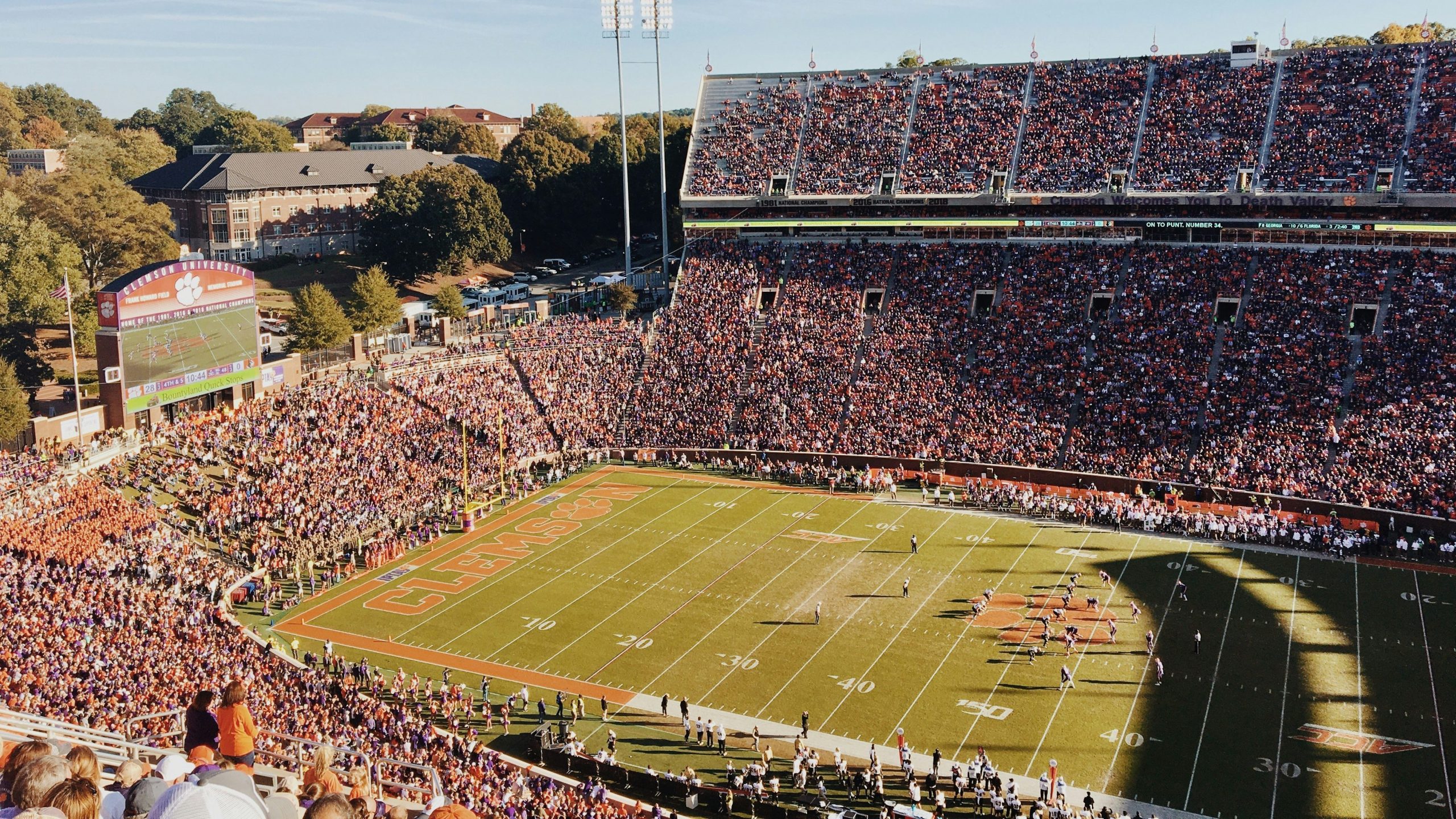
The conference’s biggest weaknesses remain its TV rights deal and revenue sharing. Since signing a 20-year deal with ESPN in 2016, the ACC has lagged behind other conferences in revenue, earning only $17M per team annually. This has frustrated top football programs like Clemson and FSU, who argue it hinders their competitiveness. Tensions escalated when FSU missed the College Football Playoff, prompting the school to seek an exit from their grant of rights agreement and sue the ACC, which countersued. Clemson followed with legal action three months later.

If either FSU or Clemson breaks their grant of rights, it could trigger a mass exodus and weaken the ACC significantly. These schools have dominated ACC football, and losing them would cripple the conference’s future, especially in securing new media rights deals once the current ESPN contract expires.

ncaa conference realignment

So What’s Next? 

With all the political chaos of NCAA conference realignment, new powerhouse schools may emerge and lower conferences could gain some spotlight. Schools like UCF and SMU, which moved into power conferences, can benefit from more national TV coverage. Conferences like the Mountain West can gain exposure by having OSU and WSU face their schools. With the downfall of the Pac-12 and the rapid movement of its schools, we may see schools becoming more comfortable swapping conferences. Since the ACC reworked its schedule to accommodate new West Coast schools, other conferences might do the same to add new members. Although talks of a super league have occurred, many officials have dismissed the possibility. But for now, as we have seen, anything can happen.

Sources:

  1. https://herosports.com/fbs-college-football-realignment-pac-12-mountain-west-merger-stanford-cal-heading-to-aac-cpcp/
  2. https://www.espn.com/college-football/story/_/id/40119917/acc-spring-meetings-2024-clemson-florida-state-lawsuits
  3. https://www.cbssports.com/college-basketball/news/college-football-playoff-finalizes-tv-deal-beginning-in-2026-as-fbs-leaders-settle-on-revenue-distribution/#:~:text=The%20new%20contract%20is%20expected,(%2412%20million%20per%20school).
  4. https://www.nbcbayarea.com/news/sports/acc-stanford-cal-2/3308750/
  5. https://businessofcollegesports.com/current-college-sports-television-contracts/
  6. https://www.si.com/college/oregon/football/oregon-football-big-ten-conference-sec-conference-college-football-super-league-greg-sanky-rejects 
  7. https://www.sportingnews.com/us/ncaa-football/news/pac-12-teams-landing-spots-oregon-washington-football-2024/a12390637a0a4d3cd81fb1a0 
  8. https://www.freep.com/story/sports/college/university-michigan/2024/01/08/what-happened-pac-12-washington-oregon-usc-ucla-joining-big-ten/72088532007/ 
  9. https://www.tennessean.com/story/sports/college/SEC/2023/12/19/alabama-georgia-most-viewed-teams-college-football-season-2023-nielsen-ratings/71975148007/ 
  10. https://www.espn.com/college-football/story/_/id/38794541/big-12-unveils-16-team-conference-football-matchups-2027 
  11. https://www.cbssports.com/college-football/news/big-12-considering-private-equity-investment-of-up-to-1-billion-for-as-much-as-20-of-conference/ 
  12. https://theacc.com/news/2023/10/30/acc-announces-future-conference-football-schedule-model.aspx 

Baseball’s Downfall: How MLB Blackout Rules Destroy Viewership

Baseball has been long known as America’s pastime, but soon this may not be the case. Major League Baseball is facing a critical challenge: shrinking viewership. A significant factor contributing to this decline is MLB’s controversial blackout policy. First implemented over 50 years ago, blackouts restrict live game broadcasts in specific regions. They were originally meant to protect exclusive media rights for Regional Sports Networks and fill stadiums. But now that streaming is king and many RSNs are battling bankruptcy, it’s clear these regulations are a relic of the past. 
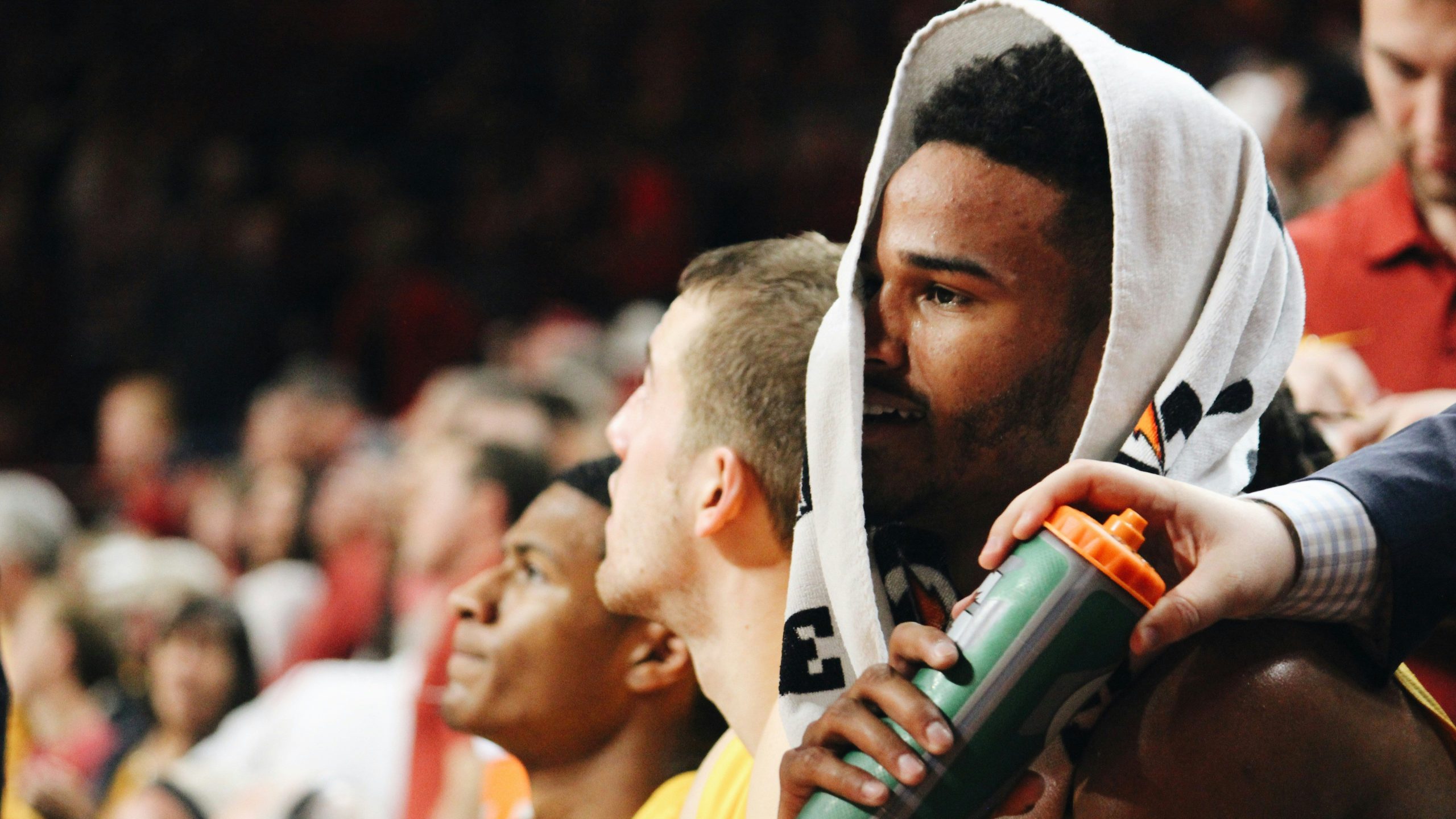
Impact of MLB Blackouts on Fans

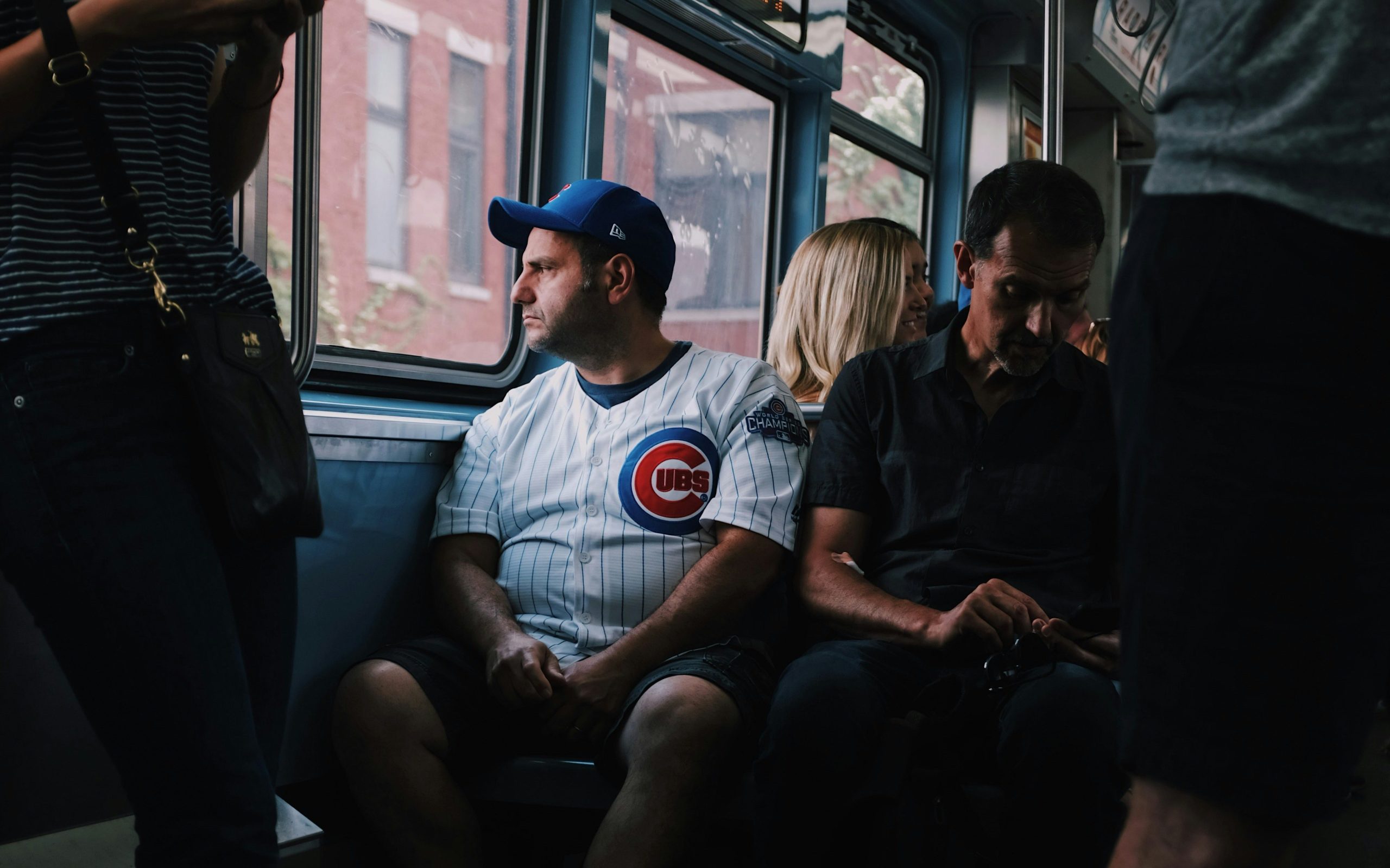
To confront changing times, MLB introduced their first-of-its-kind service, MLB.tv, back in 2002. This was meant to become the gold standard for sports streaming. Flash forward to 2024 and MLB.tv still struggles to gain widespread success largely due to its inability to address blackout regulations. MLB blackouts give RSNs exclusive rights to broadcasting, preventing streams through the platform in teams’ home territories. For instance, if you live in Dallas, you can’t stream Texas Rangers games. The same applies to residents of Chicago wanting to watch the Cubs or White Sox, and to Houston fans looking to watch the Astros. Essentially, these rules affect every city with an MLB team.
Fans experiencing blackouts who live close to the stadium can attend the games in person, which aligns with MLB’s goal of driving ticket, food, and merchandise sales. However, not all blackout areas are within driving distance of the stadiums. For example, a fan in Tulsa, Oklahoma, would face blackouts for Houston Astros, Kansas City Royals, and Texas Rangers games. This fan would need to drive 4 hours to Kansas City or Arlington, 6 hours to St. Louis, and nearly 8 hours to Houston to see these teams play live. This setup makes MLB.tv an impractical service for many fans who want to watch their favorite teams, regardless of their proximity to the stadiums.

Alarming Decline in World Series Viewership

Today’s audiences are used to the accessibility of streaming their favorite sports all season long. As blackouts hinder fans following regular-season play, they also lead to less engagement on baseball’s biggest event: The World Series. This wasn’t always the case– just over 10 years ago, 19M viewers tuned in to watch the Red Sox capture their eighth Series over the St. Louis Cardinals. 10 years later, when the Texas Rangers beat the Arizona Diamondbacks, the World Series averaged 9M viewers, becoming the least watched on record. 

This mark continued the trend of declining audiences, with the past four World Series’ ranking as the four least-watched in history. The Rangers-Diamondback matchup was especially alarming as viewership dropped 23%. This can’t be because baseball is “getting boring.” In fact, it’s growing worldwide, with players like Japanese phenom Shohei Ohtani leading the way. Postseason games are featured on FOX, ESPN, and ABC, so both cable and streaming subscribers can tune in. It’s the regular season blackouts that make it so difficult for fans to access games.

Bally Sports Blackout Leaves Fans Without Local MLB Games

While blackouts are still going strong, the RSNs they’re designed to protect are not. Bally Sports, a group of regional networks in the United States, went dark at the beginning of May after Comcast and Bally’s operator, Diamond Sports Group, failed to agree on a new contract. This has left MLB fans across the country unable to watch their local teams.

Diamond Sports Group holds broadcasting rights to 12 MLB teams. 4 of these teams have alternate viewing options, but fans of the other 8 are unable to watch local games unless they are picked up nationally. Will MLB.tv lift blackout restrictions for these eight teams without a RSN? Unfortunately not. MLB cannot lift blackout restrictions due to contract stipulations. As a result, fans of these 8 teams will have to watch on their devices if they choose to stay within legal viewing options.

Blackouts Impact MLB Sponsorship Value

While blackouts pose pain points for viewers, it’s only a matter of time before sponsors feel it too. Sponsorship value is dependent on audience size, and if MLB viewership continues to decline, sponsors may renegotiate their agreements or pull out entirely. This would be a massive hit to MLB who earned $1.5B in sponsorship deals just last year alone. Longtime sponsors like Anheuser-Busch, Mastercard, and PepsiCo rely on MLB to reach large audiences. Blackouts undermine their partnerships by reducing viewership, which means fewer eyes and less engagement. This could lead to brands shifting their ad spend towards sports and leagues with growing audiences like U.S. soccer and the WNBA.
Ultimately, blackouts are a significant barrier to growing a viewership base in today’s age. MLB needs to serve its fans better and find a way to work around these blackouts, especially for the fans of the 8 teams with no RSN home. The future of baseball depends on MLB’s ability to adapt to the evolving media landscape, and addressing blackout policies is the first step to making that happen. 

Sources:

  1. https://nondoc.com/2023/05/23/its-time-to-fix-the-confounding-mlb-blackout-problem/
  2. https://www.mlb.com/live-stream-games/help-center/blackout-policy
  3. https://www.baseballamerica.com/stories/cooper-mlb-blackouts-impact-baseball-fans-ability-to-witness-history/
  4. https://www.mlb.com/live-stream-games/help-center/blackouts-teams
  5. https://www.forbes.com/sites/maurybrown/2013/10/31/game-6-that-sees-red-sox-win-world-series-a-massive-tv-ratings-homerun/?sh=796ad9127c4a
  6. https://www.sportspromedia.com/news/mlb-world-series-2023-tv-ratings-viewership-fox-texas-rangers/#:~:text=TV%20audiences%20dropped%20by%2023,per%20cent%20on%20last%20season
  7. https://www.espn.com/mlb/story/_/id/40071329/bally-sports-channels-pulled-air-comcast

March Madness Commercialization: Fans vs Brand Marketing

March Madness is undoubtedly the epitome of college basketball. Consuming an entire month with its unforeseen heartache, improbable Cinderella stories, and gut wrenching battles between powerhouse teams, this NCAA basketball tournament might even be the epitome of college sports. Sixty-eight teams, three weeks, and a war to be the best. Despite such perfection at hand, it appears certain stakeholders are seeking to change the March Madness we all know and love.  

ncaa basketball tournament

Potential Expansion

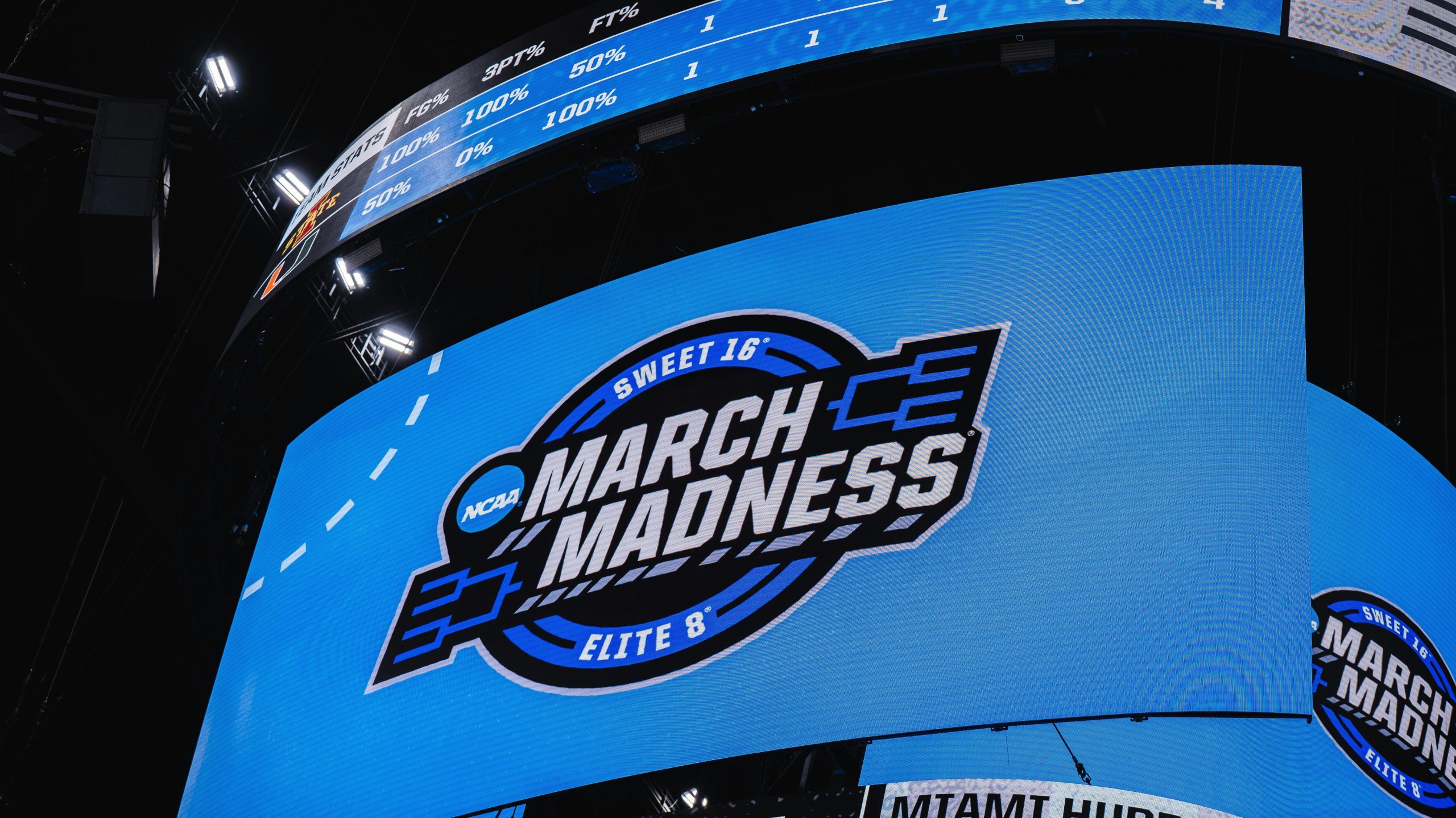
For the first time ever, there is an internal push for an expansion of the tournament. SEC Commissioner Greg Sankey recently voiced his opinion, promoting expansion alongside awarding more bids to power conferences and less to weaker ones. The surprisingly popular model poses greater opportunities for brands and viewership money. It could also prevent witnessing another No. 16 seed defeat a No. 1 seed like with Farleigh Dickinson and Purdue—something that brings the “madness” to the March tournament. This expansion tradeoff will likely diminish overall fan interest in the tournament while opening the cash floodgates, leaving many to wonder if March Madness is just another money grab.

The Bigger the Better?

There is no universally decided final bracket. However, some expansion predictions would increase the size of March Madness to an astounding 96 teams, adding almost an additional 30 teams to the tournament. While adding more teams makes the tournament more inclusive, it also poses huge implications.

Many fans already dismiss the first four games in the current bracket. Expanding it could worsen this issue without offering significant financial incentives. TV providers may even resist expansion, fearing it would dilute the NCAA basketball tournament’s appeal and reduce overall popularity. After all, what excites viewers most about March Madness is that it is reserved for the elite. However, one factor could sway opinions: bids. Power conference commissioners often advocate for more bids, making expansion seem more practical. With more prestigious teams, there’s potential for more exciting matchups and increased viewership, something the networks could get behind.

ncaa basketball tournament

The College Football Problem

While money is essential to any successful product, college basketball faces an even greater challenge: college football.  A larger tournament would need to start earlier, forcing the regular season to follow. Games would be thrown deeper into a period where football is already getting almost everyone’s undivided attention. This challenge arises as the College Football Playoff gains momentum, having recently secured a lucrative 6-year media rights deal with ESPN worth $7.8 billion. It’s difficult to envision any positive outcome resulting from this clash of schedules.

Final Considerations

There will always be those for and those against an expansion, and for good reason. Sports would not be where they are today without evolution. Those for the expansion are all about inclusivity: bigger has always worked for the NCAA. If the tournament is at its best now after so much expansion from an initial 8 teams, then why stop? College football is also used as an argument–  over half of the teams find their way to bowl games, making it unfitting for just 20% of college basketball teams to make their tournament. Those against the expansion contrast the early days of March Madness and its recurring expansions with the reluctance to make changes in recent years, signaling perfection has been found. Whether in favor or against the potential expansion, the elephant in the room remains: is March Madness just another money grab?

Sources:

  1. https://www.sportingnews.com/us/ncaa-basketball/news/march-madness-expansion-adding-teams-ncaa-tournament/ac81f6b376fcc921a8993fe2
  2. https://www.washingtonpost.com/sports/2024/03/25/ncaa-tournament-expansion/
  3. https://apnews.com/article/march-madness-expansion-8e7a9c029bf12f6261538750cab4c9a5
  4. https://www.si.com/college/gonzaga/basketball/should-the-ncaa-tournament-expand-its-field
  5. https://blog.opensponsorship.com/leveraging-athlete-partnerships-in-march-madness-for-brand-exposure
  6. https://talksport.com/sport/1775517/ncaa-march-madness-college-football-playoff/

Mixed-Use Sports Venues: How Development Boosts Stadium Revenue

As cities evolve, the integration of mixed-use projects around sports venues has evolved alongside them, marking the beginning of a transformative era in urban development. Gone are the days when stadiums or arenas stood alone. These venues have now blossomed into vibrant urban ecosystems, incorporating a diverse range of amenities like hotels, bars, retail outlets, entertainment venues, and residential developments. This trend not only transforms urban landscapes but has also provides huge economic advantages for local communities and stakeholders. 

mixed-use development

Building a Community

No longer solely a historic ballpark, Wrigley Field has become the focal point of a vibrant mixed-use development known as the 1060 Project. The project was conceptualized to ensure the viability of the game for future generations and to enrich the surrounding community. Women and minorities comprised nearly half of project’s workforce, and minority and female-owned businesses won $90M in construction projects towards its completion. The area now includes a mixed-use office tower and open-air plaza, which serves as a community space for activities like ice skating and concerts. Wrigley Field has also built and added a connecting sportsbook to enhance the fan experience. Through strategic urban planning and innovative partnerships, the Cubs have successfully transformed Wrigley Field into a year-round hub of activity, setting a standard for sports venue integration in the modern era.

mixed-use development

Economic Benefits

Mixed-use developments surrounding sports venues offer a great number of economic advantages. By diversifying income streams, these multi-use projects provide stability to sports franchise cities, lessening the reliance on seasonal events and game days. Traditional game-day revenues like parking, ticket sales, and concessions are starting to get a smaller share of overall revenue. Anchoring investment in surrounding areas will generate more revenue outside of the sports franchise. 

The city of Inglewood, once on the brink of bankruptcy, saw this best with its development of Hollywood Park. This $5B project, spearheaded by Rams owner Stan Kroenke, encompasses not only the iconic SoFi Stadium, home to both the Los Angeles Rams and Los Angeles Chargers, but also an extensive retail and entertainment district, luxury residential units, and multiple hotels. The stadium alone boasts a seating capacity of 70,000 and is equipped with cutting-edge amenities, making it a premier venue for sporting events, concerts, and other entertainment spectacles. The Hollywood Park project has been a game-changer for Inglewood’s economy, bringing in significant investment, job opportunities, and tourism revenue. It’s estimated that the development has created thousands of jobs during construction and will continue to support numerous permanent jobs once fully operational.

mixed-use development

Elevated Fan Experience

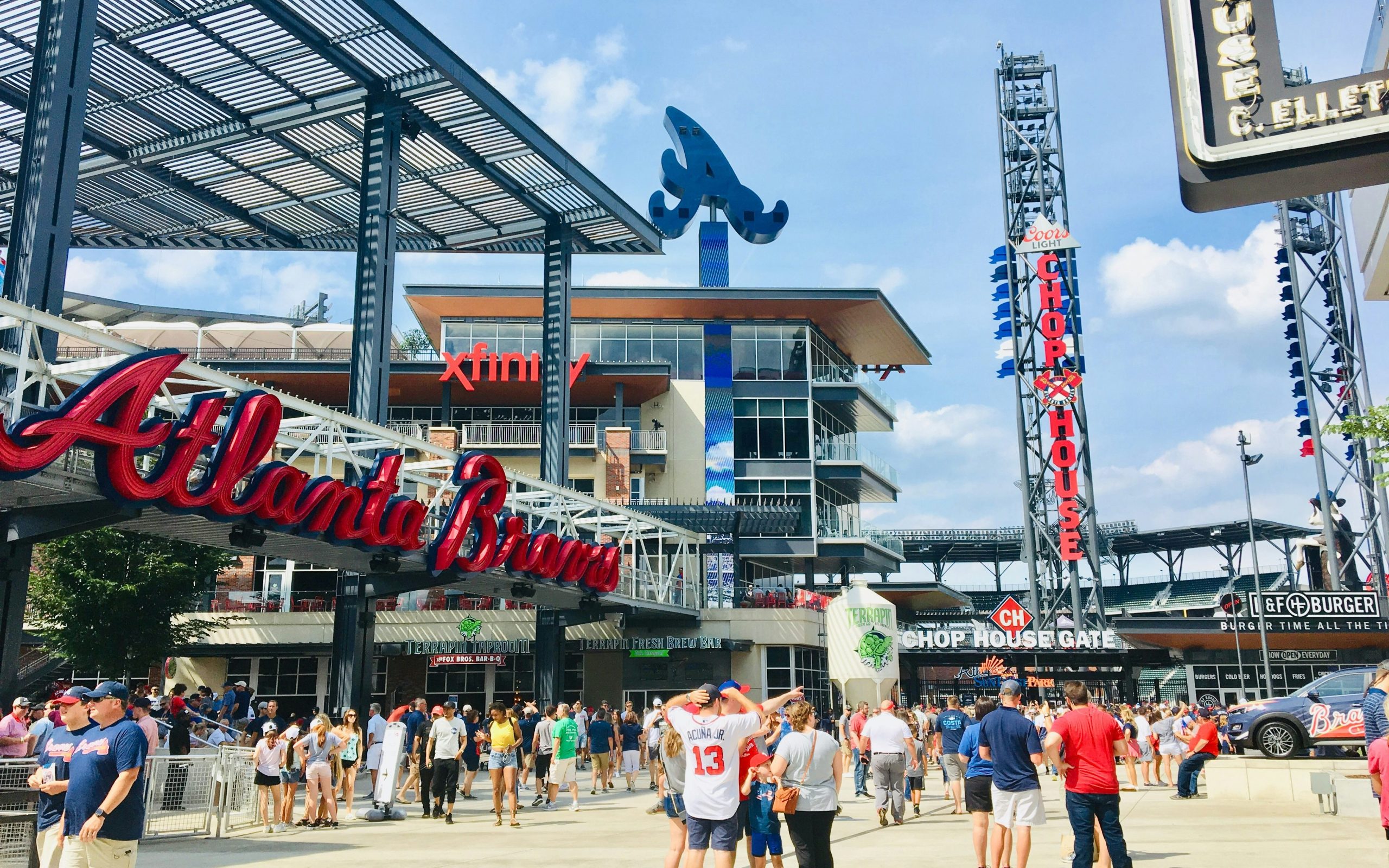
In 2017, the Atlanta Braves made a significant move to Truist Park, accompanied by the construction of The Battery Atlanta—a 2.25 million square foot mixed-use development. This complex features a plethora of amenities including restaurants, hotels, shopping outlets, 531 residences, and various entertainment options. Visitors can also indulge in cinematic experiences, social and virtual gaming, and live music performances at venues like the Coca-Cola Roxy and Park Bench Battery, ensuring year-round revenue generation. The Braves also partnered with The Omni Hotel to attract travelers during baseball season. While relaxing by the pool, Omni guests can watch the game from the pool deck. Omni CFO Mike Garcia calls the partnership a way for guests to feel like they are “a part of the Braves organization.” His sentiment has been felt across the Battery Atlanta: from 2017 to 2019, the Braves saw a 69% increase in revenue.

As the trend of mixed-use developments anchored around sports venues continues to gain momentum, the future holds exciting possibilities for urban development and community engagement. Looking ahead, we can expect to see a continued trend towards creating venue districts that cater to a wide range of interests. From soccer stadiums to basketball arenas, teams across all sports will likely prioritize the incorporation of mixed-use developments to enhance fan experiences and drive economic growth.

Sources:

  1. https://hollywoodparkca.com/
  2. https://urbanland.uli.org/development-business/inglewoods-transformation-how-an-nfl-stadium-brought-the-city-back-from-the-brink-of-bankruptcy
  3. https://www.mortenson.com/newsroom/economic-considerations-of-sports-mixed-use-developments
  4. https://www.mortenson.com/newsroom/rise-in-adjacent-sports-developments
  5. https://populous.com/project/atlanta-braves-ballpark
  6. https://batteryatl.com/information/
  7. https://www.caaicon.com/portfolio/1060-project
  8. https://www.jll.pe/es/trends-and-insights/ciudades/how-sports-stadiums-are-giving-mixed-use-developments-a-winning-edge

Become a Sponsor.

Join us in making a difference. Tell us a bit about yourself and we’ll be in touch with sponsorship details.

By submitting this form, you agree to be contacted by the Athelo Group team regarding sponsorship opportunities.