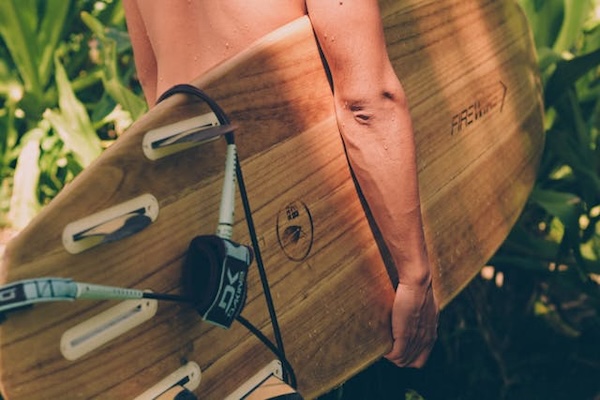
Surf Brands and the Next Wave of Sponsorship

Surfing has always been tied to a strong sense of culture and lifestyle. For a long time, sponsorship in the sport was led mainly by core surf brands such as Rip Curl or Quicksilver. But nowadays, the cards have been reshuffled and a number of new players have joined the game.

Since joining the Olympic Games, surfing has gained global exposure and drawn interest from brands beyond the traditional surf world. As a result, sponsorship strategies are evolving, and brands are actively pursuing new commercial opportunities.

Quick Highlights:

  • The global surfing market was valued at approximately $4 billion in 2023, with projections nearing $6 billion by 2032.
  • The surfing Equipment Market, which includes surfboards, apparel, accessories, and gear was estimated at $4.13 billion in 2024.
  • Surfing was among the 10 most-watched sports in Brazil during the Tokyo 2020 Olympics.
  • The 2023 Rip Curl WSL Finals set a new record with 10.7 million video views, marking a 29% increase over the previous year.
  • Hurley signed an 8-year, $30 million deal with John John Florence, one of surfing’s biggest contracts.

female surfer holding board in the water

The Pillars of Surf Sponsorships

Surfing is nearly inseparable from the brands that helped define it. Companies like Rip Curl, Quiksilver, Billabong, O’Neill, and Hurley laid the foundation for what surf marketing looks like today.

Rip Curl remains a major force, backing iconic events like the Rip Curl Pro Bells Beach— the longest-running professional surfing competition in the world. Billabong, under Boardriders Inc., continues to support world champs like Italo Ferreira and rising stars like Bettylou Sakura Johnson. Hurley has also stayed active by partnering with both pro and influencer surfers, including Zoe Benedetto.

Newer surf-focused brands are making moves, too. Vissla and Outerknown, co-founded by 11-time World Champion Kelly Slater, are gaining traction by putting sustainability at the center of their business models. Last year, the brand released the first-ever shirt made of seaweed!

Sustainability isn’t just a trend in surf— it’s a strategic choice that resonates with the sport’s eco-conscious audience. Outerknown, for example, pledged to make 100% of its products circular by 2030 and already meets that standard with 75% of its fabrics.

male surfer catches wave

The Rise of Non-Endemic Sponsors

While endemic brands still lead the space, non-endemic companies are gaining ground in surfing as the sport’s sponsorship value continues to climb.

Red Bull is a standout example. The brand supports athletes like North Shore surfer Mason Ho and creates original surf content and events such as Red Bull Magnitude. While not surf-specific, Red Bull’s deep roots in action sports like BMX and snowboarding give the brand strong credibility with the surf audience.

Corona, owned by AB InBev, has taken a more purpose-driven approach. As a global sponsor of the World Surf League, the brand aligns itself with ocean conservation through campaigns like “Protect Our Beaches.” These efforts show how non-endemic brands can break category norms and deliver messaging that resonates with surf fans.

Jeep entered the surf world in 2015 by becoming the official global automotive partner of the WSL. The deal included naming rights to the men’s and women’s Championship Tour rankings and introduced the “Jeep Leaderboard.” Jeep vehicles were awarded to WSL Champions, with branding featured prominently throughout events and broadcasts.

jeep surf brand

Navigating Authenticity and Exposure

Breaking into surfing isn’t about budget—it’s about belonging. The smartest non-endemic sponsors know surfers can spot inauthenticity instantly, so they invest in grassroots efforts, tell real stories, and show up for the community. Red Bull’s athlete-first model is a strong example, prioritizing partnership over pure promotion.

This is also what we focus on at Athelo Group. We’re proud to be driving this shift by helping athletes use authentic storytelling to build real and lasting connections with brands beyond traditional surf culture.

Brisa Hennessy’s partnership with Flamingo, a body care and razor brand reflects this approach. The collaboration shows how unexpected partnerships in surfing can thrive when they feel real to both the athlete and the audience.

What’s Next for Surf Sponsorship?

With climate change directly impacting the oceans, it’s no surprise that eco-conscious brands are stepping deeper into the sport. The World Surf League (WSL) has been carbon neutral since 2019, offsetting emissions tied to athlete travel, event operations. In addition, the organization launched its “One Ocean” initiative to engage fans and support conservation projects across the globe.

Technology is also becoming part of surfing’s everyday rhythms as more surfers are using smartwatches, AI surf forecasts, and drones to capture their sessions.

Athelo Group sits at the intersection of these shifts, helping brands tap into surf culture through partnerships that are both purpose-driven and tech-forward. As the sport evolves, we’re building strategies that reflect where surfing is headed, not just where it’s been.
WWE’s WrestleMania 41 Continues Its Record-Breaking Run

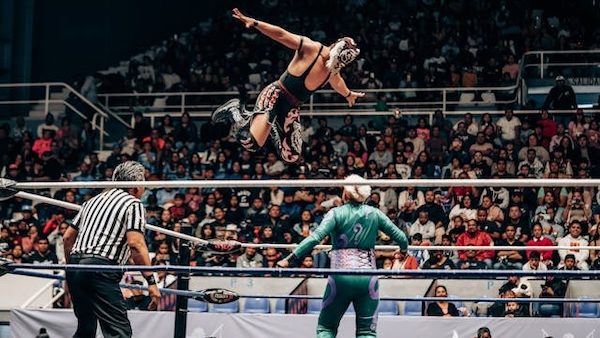
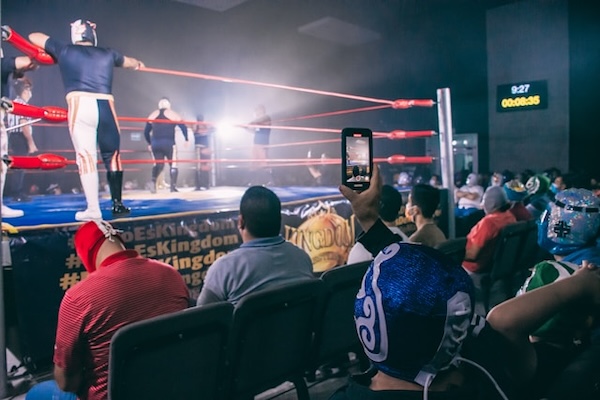
WrestleMania 41 was nothing short of historic. Held in Las Vegas, it proved itself as one of the most watched, talked-about, and profitable sporting spectacles of the year. 

Beyond the ring, it marked the peak of WWE’s evolution, driven by smart business strategy, massive digital growth, and an entertainment model tailor-made for the social media era.

In the last five years, WWE has managed to build one of the most successful business models in all of sports entertainment.

wrestlemania 41 wrestler

From 19,000 Fans to Over 100 Million Eyes

WrestleMania was born in 1985 at Madison Square Garden. Back then, the main draw was Hulk Hogan and Mr. T, accompanied by celebrity appearances from Muhammad Ali and Cyndi Lauper.
Over 19,000 fans packed the arena with another million watching via closed-circuit TV–  a bold experiment that would go on to be a pinnacle event for the WWE brand.

By WrestleMania III (1987), the live crowd had jumped to 93,173 at the Pontiac Silverdome, a record that held for decades.

WrestleMania 32 (2016) pushed that number to 101,763 at AT&T Stadium in Texas. The scale of the event kept rising, but it’s been the digital transformation over the last 3–5 years that has truly sent viewership into the stratosphere.

Recent WrestleMania Viewership Growth

  • WrestleMania 36 (2020) debuted the two-night format.
  • WrestleMania 38 (2022) brought that format to full stadium capacity, backed by strong attendance and growing digital engagement.
  • WrestleMania 39 (2023) shattered records with:
    • Over 500 million social media views.
    • $21.6 million in gate revenue.
    • 11 million hours of video consumed over the two days, a 42% increase over WrestleMania 38. 
  • WrestleMania 40 (2024) raised the bar again:
    • 145,298 fans packed the stadium across two nights.
    • 660+ million social media views, the most in WWE history.
    • 67 million YouTube views in a single day, a channel record.
    • Gate revenue surged 78% year-over-year, nearing $40 million.
    • Total viewership jumped 41% compared to WrestleMania 39.

    • The return of The Rock and the payoff to Cody Rhodes’ storyline drove immense engagement.
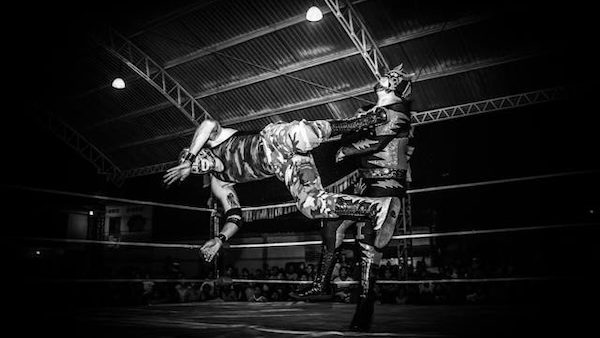
wrestler in wrestling match

WrestleMania 41 Results

WWE reported a combined attendance of 124,693 across both nights at Allegiant Stadium—61,467 on Night 1 and 63,226 on Night 2—marking a sellout. While official streaming numbers are unconfirmed, the Netflix, Peacock, and YouTube broadcasts averaged 85,000 live viewers.

Jey Uso Wins World Heavyweight Championship
Jey Uso opened Night 1 by submitting Gunther to win his first world title, ending Gunther’s 259-day reign. The 2025 Royal Rumble winner used three top-rope splashes and a rear naked choke to seal the win.

Seth Rollins Takes Main Event of Night 1
In a Triple Threat match, Seth Rollins defeated Roman Reigns and CM Punk after Paul Heyman shockingly turned on both Reigns and Punk, handing Rollins a steel chair. This marks Rollins’ third WrestleMania main event win.

John Cena Secures Record 17th Title
On Night 2, John Cena beat Cody Rhodes to become a 17-time world champion, breaking Ric Flair’s record. Assisted by Travis Scott and underhanded tactics like a low blow and a title belt strike, Cena’s win was part of his 2025 retirement tour and likely his final WrestleMania match.

WWE’s Digital Strategy: YouTube and Beyond

At the heart of WWE’s explosive growth is its YouTube presence, where the company’s ability to package thrilling, highlight-driven moments perfectly suits the platform. As of 2025, WWE’s channel has:

  • Over 108 million subscribers
  • More than 93 billion lifetime views
  • Ranked as the 11th most-subscribed YouTube channel in the world

WWE’s blend of scripted drama and athletic spectacle is engineered for digital consumption. The viral potential of finishers, crowd reactions, and dramatic storyline twists creates a loop of engagement across YouTube, TikTok, Instagram. 

wrestling match similar to wrestlemania 41

The Business Behind the Boom

WWE’s success isn’t just creative storytelling, it’s strategic outlining and planning. Since 2019, the company has more than doubled its EBITDA, going from $175 million to $415 million by 2023, ahead of the TKO merger with UFC

This growth came despite cutting back on 75% of non-televised events, a bold decision under the leadership of Nick Khan, Ari Emanuel, and Mark Shapiro. Rather than exhausting talent with constant shows, WWE focused on fewer, bigger events that allowed for their crown jewel events like WrestleMania to flourish. 

What Comes Next After WrestleMania 41?

With WrestleMania 41’s success, it’s clear WWE has found a model that works beyond wrestling. It has become a masterclass in brand building, digital growth, and live event strategy that any sports league would envy. As WWE continues to grow its global following, expand its streaming presence, and build stars who transcend the ring, WrestleMania will only get bigger.

The ability to capitalize on social media figures like IShowSpeed, Logan Paul, and Travis Scott also helps grow the sport and drive viewership to WWE’s polished highlights content on YouTube and other platforms. Travis Scott’s walkout during the peak of the Cena and Rhodes match shows WWE’s ongoing effort to bring in celebrities and connect with new audiences.

What started as a gamble in 1985 has become one of the most dominant entertainment franchises on the planet.

Sports Marketing Influencers: How to Choose the Right Partners

In today’s digital environment, consumers are bombarded with content, making it difficult for brands to stand out. One effective way to break through the sports marketing noise is by partnering with the right sports personalities. These athletes not only reflect the brand’s values but also create strong emotional connections with their audiences.

Recent research in influencer marketing and consumer psychology highlights the growing influence of athlete endorsements on brand trust, credibility, and loyalty. As marketing strategies evolve, trust remains crucial, especially in sports, where the authenticity of a campaign can highly impact its success.

Quick Highlights

  • SMART objectives help brands can make more strategic partnership decisions while streamlining the athlete selection process.
  • 61% of people trust influencers more when their values align with a brand’s.
  • Micro-influencers with 10,000 to 100,000 followers can achieve up to 60% higher engagement rates compared to larger influencers.
  • 83% of marketers state that long-term collaborations outperform short-term ones.
  • Authenticity drives sales, as 92% of consumers trust influencer recommendations more than traditional ads.
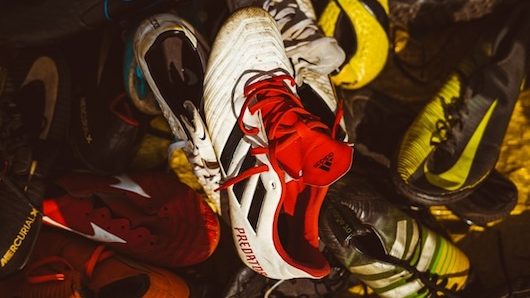
adidas brand shoe in sports marketing campaign

Identifying Brand Goals and Objectives

The first step in selecting the right influencer is understanding your brand’s goals. Are you aiming for increased awareness, loyalty, or promoting a specific product? Knowing your objectives will guide the choice of an athlete who can spark the right kind of engagement.

A prime example of this is Nike’s partnership with marathoner Eliud Kipchoge for the Breaking2 campaign. The collaboration wasn’t just about selling shoes; it was about showcasing Nike’s commitment to innovation and pushing human limits. The 2017 campaign solidified Nike’s credibility in the running community and inspired athletes around the world to strive for greatness.

Athletes vs. Digital Influencers

When it comes to brand partnerships, choosing between athletes and digital influencers comes down to impact. Athletes bring a level of authenticity and deep fan loyalty that influencers can struggle to match. When someone like Serena Williams or Patrick Mahomes endorses a product, fans see it as a genuine extension of their success. 

Digital influencers, especially those in niche sports, are rewriting the playbook. Fitness personalities like Noelle Benepe or lacrosse star Paul Rabil have built strong, engaged communities that brands are eager to tap into. In 2022, micro-influencers with audiences between 10,000 and 100,000 followers achieved engagement rates up to 60% higher than top-tier social media celebrities. 

Brands aiming to scale visibility fast often find success partnering with athletes who dominate on and off the field. Athletes active in mainstream sports already have exposure across ESPN, brand deals, and global fanbases. Meanwhile, brands looking to foster stronger ties within specific communities are finding that working with smaller influencers can drive more authentic and lasting connections.

athlete influencer in fitness sports marketing campaign

The Athlete-Brand Fit

Picking the right sports influencer is about more than just numbers. It starts with making sure the athlete’s values, public image, and the brand’s mission actually fit together. In a 2021 Edelman survey, 61% of people said they trust influencers over traditional celebrities, but only when the partnership feels real and aligned.

When the athlete’s personal brand lines up with the company’s message, the connection hits harder. Athletes with a clear focus use storytelling to show fans what they stand for, which makes them a natural fit for brands that share their values. A partnership that feels forced never works, but when it clicks, fans notice.

A perfect example is the Wow Wipes campaign, where Athelo Group teamed up with athletes like Brisa Hennessy, Zoe Benedetto, Dani Speegle, Kyra Milligan, and Alex Aust. Every athlete lives a high-intensity, on-the-go lifestyle, so showing them using the product felt natural. That authenticity is what made the campaign take off and why followers bought into it.

On a larger scale, Beats by Dre’s partnership with LeBron James proves how powerful a real match can be. LeBron’s work ethic, intensity, and cultural impact synced perfectly with Beats’ brand of performance and street-smart style. When fans saw that connection, it became a social movement.

The Power of Knowing Your Audience

After finding the right athlete, brands must ensure the athlete’s audience matches their target market. A large following isn’t enough if the fans aren’t the right fit. Brands have to look at factors like age, location, and buying habits to make sure the partnership will actually move the needle.

Coca-Cola nailed this during the 2014 World Cup by partnering with Lionel Messi. As an official sponsor of the tournament, Coca-Cola made Messi the face of a campaign built around a $500 million global marketing push. His reach across Latin America, Europe, and Asia helped drive a 5% sales increase in Latin America alone, making it one of Coke’s strongest performances worldwide. Coca-Cola even localized its messaging by country to personalize the campaign everywhere it ran.

The best partnerships happen when brands actually know their audience. Without solid audience data, even the biggest campaigns can miss the mark. A Nielsen report found that only 26% of marketers fully trust their audience data, which shows just how much room there is to get sharper and smarter in building athlete collaborations that actually land.

sports player throwing soccer ball

Why Focusing on Long-Term Partnerships Matters

One-off influencer campaigns create quick buzz, but long-term partnerships build real brand loyalty. When a brand works with an athlete over time, the connection with fans grows deeper and feels more authentic. A lasting relationship turns a brand’s message into part of the athlete’s story.

A prime example of this is Nike’s 27-year partnership with Tiger Woods. This enduring relationship has allowed Nike to not only market products but to integrate Woods’ personal journey into their brand narrative. The star became the face of the Nike Golf brand, representing excellence and perseverance.

This evolution aligns with the broader trend of athletes taking on entrepreneurial roles. Rather than serving as temporary endorsers, many athletes are now seeking equity stakes and long-term involvement in the brands they represent. We’ve seen this with Woods’ creation of TMRW Golf League and Allyson Felix’s women’s footwear brand Saysh, which raised $8 million in Series A funding. 

The shift toward deeper partnerships matters for brands too. A Marketing Dive report found that 83% of marketers believe long-term influencer relationships are more effective than short-term deals. Fans stick with athletes they believe in, so long-term partnerships help brands build deeper trust and stronger recognition among consumers.

Partnerships for Lasting Brand Success

KPIs are important, but they are not the full picture. Long-term partnerships often build value over time by turning athletes into authentic ambassadors who shape how fans see a brand. Real success comes when an athlete’s connection with a brand feels bigger than a single campaign.

Looking ahead, brands that want to expand reach and loyalty in sports will need a smarter strategy. Partnering with a sports marketing agency like Athelo Group can help brands move beyond short-term wins and build long-term athlete relationships. Success will depend less on quick sales spikes and more on deeper metrics like sentiment analysis and brand affinity, setting the stage for partnerships that truly resonate with fans.

Cadillac Joins Formula 1 in 2026 as America’s Newest Contender

On March 7, 2025, Cadillac F1 officially secured its place as the 11th team on the Formula 1 grid, set to debut in 2026. This marks a significant moment for American motorsports, as General Motors and Cadillac become only the second U.S.-based team in F1 history.

While Haas F1 was the first, many fans do not view it as a true “American-first” team due to its European operations and close technical partnership with Ferrari.

Quick Highlights

  • Cadillac will officially join Formula 1 in 2026 as the 11th team on the grid, further solidifying America’s presence in the sport.
  • Andretti Global will play a key role in building and operating the team but will not retain the official naming rights.
  • Cadillac is expected to invest approximately $750 million in research, development, and infrastructure before making its highly anticipated 2026 debut.
  • Colton Herta has emerged as a fan-favorite candidate for a seat, but securing a spot on the grid comes with significant challenges and competition.

Cadillac F1 Entry Strengthens American Expansion

For Formula 1, Cadillac’s entry aligns with the sport’s growing focus on the American market. Bringing in a well-established automotive brand like Cadillac strengthens this initiative, as the company is synonymous with luxury, performance, and a strong heritage in the industry.

Its involvement not only elevates F1’s presence in the U.S. but also provides a significant commercial opportunity for American investors and sponsors looking to enter the global racing scene.

The road to this approval has been eventful. In 2023, Andretti Global, a highly respected name in American motorsport with teams in IndyCar, Indy NXT, and Formula E, submitted a bid to join F1.

However, Liberty Media rejected the proposal, citing concerns over competitiveness, commercial value, and the belief that it was not a fully General Motors-backed initiative. This decision was met with disappointment from motorsport fans who saw Andretti as a natural fit for F1.

Cadillac Takes the Lead, Andretti’s Role Shifts

With Cadillac now leading the project, the structure has changed. Andretti remains involved, but now centers its role around team operations and racing expertise rather than branding. 

This distinction appears to have been a key factor in gaining approval, as Cadillac’s global recognition and financial backing align with F1’s long-term business objectives.

Cadillac F1: The Cost of Competing

Cadillac will pay a $200 million entrance fee, a requirement for all new entrants as of 2025. This fee offsets the dilution of the Formula 1 prize pool, which is currently divided among the 10 existing teams. With an additional team joining the grid, the payout per team will decrease, and the fee ensures the new entrant’s commitment to F1’s long-term growth.

In addition, Cadillac must invest heavily in R&D, including aerodynamics, chassis, and engine development. The team’s infrastructure will cost roughly $250 million, with wind tunnels alone adding $20 million. Though General Motors will supply power units starting in 2028, Cadillac will pay Ferrari for power units in its first two seasons, costing another $20 million.

Overall, Cadillac will spend around $750 million before racing even begins, all while adhering to the $140 million cost cap for salaries, operational costs, and logistics.

Sponsorship and Revenue Potential for Cadillac F1

Despite these high initial costs, Cadillac’s entry into F1 presents significant revenue potential. The brand’s presence offers an untapped sponsorship portfolio and a major opportunity for American companies to establish themselves in the sport, with a focus on U.S. innovation and heritage. 

Team principal Graeme Lowdon has already noted strong interest from potential partners, calling the response “extremely encouraging.”

While Cadillac has yet to announce any official partnerships beyond key investors like Guggenheim and Andretti, the brand’s financial strategy hinges on attracting partnerships to maximize revenue as they navigate the challenges of their initial investment.

​​Driver Selection: The Final Puzzle Piece

As F1 continues to expand its influence in the United States, Cadillac’s involvement marks a pivotal step in solidifying American participation in the sport. With many critical decisions still hanging in the balance, selection of the team’s two drivers remains most significant. Lowdon has stated that driver selection will be based on merit, regardless of nationality. 

Speculation is already swirling, with American IndyCar star Colton Herta often mentioned as a top contender. The main hurdle for Herta is that he has only 32 points on his Super License, a qualification required by the FĂ©dĂ©ration Internationale de l’Automobile (FIA) to compete in Formula 1. F1 mandates drivers to accumulate at least 40 points.

Exploring the Driver Pool

Herta might be the perfect driver on paper, but it won’t matter if he doesn’t have enough points on his license. Other experienced F1 drivers, such as Valtteri Bottas, Sergio Pérez, and Mick Schumacher, are also potential options, alongside promising drivers from other Formula series looking for an opportunity in F1.

While performance will be the priority, the team will also face external pressure from stakeholders and fans to include an American driver, further strengthening the sport’s appeal in the U.S. Logan Sargeant, who raced for Williams F1 last season, could be considered, but his struggles to prove himself as a viable long-term option make his selection unlikely.

A Game-Changing Opportunity for American Racing

With growing excitement among fans and brands eager to align with F1’s newest American team, Cadillac has a unique opportunity to shake up the grid. 

If executed correctly, the brand can establish itself not just as a competitive force in Formula 1 but as a team that embodies American racing heritage and innovation on the world stage. All eyes will be on how Cadillac navigates this next chapter—both on and off the track.

As the excitement builds, brands looking to align with this momentum will be watching closely. With the right partnerships, Cadillac’s entry into Formula 1 could redefine how American motorsport resonates globally. At Athelo Group, we specialize in helping athletes and brands navigate these opportunities, ensuring they maximize their impact both on and off the track.

How Freshmen Like Tre Johnson Are Changing College Basketball

The 2024 college basketball season has already delivered plenty of excitement, thanks to the influx of young talent. A new generation of freshmen has made their presence felt, shaping the national landscape. Rookies like Tre Johnson aren’t just filling out rosters; they’re altering the balance of power in major conferences and pushing teams toward NCAA Tournament contention.

Freshmen Leading the Charge for NCAA Tournament Bids

At Michigan State, freshman Egor Denim has seamlessly transitioned into the college game. His ability to score, facilitate, and defend has been key for Tom Izzo’s Spartans. Denim’s early success has made Michigan State a strong contender in the Big Ten this season.

At UConn, freshman Liam McNeeley has provided an immediate impact. His perimeter shooting, defense, and basketball IQ have been vital in UConn’s bid to defend the national title. McNeeley’s versatility fits well in their fast-paced system, and his role will grow more crucial for their tournament aspirations.

tre johnson

NIL Deals Fueling Freshman Confidence and Performance

The introduction of NIL deals has had a noticeable impact on freshmen players. Financial backing through NIL allows young stars to focus more on development, leading to stronger performances.

Tre Johnson, a standout freshman for Texas, is already projected as a potential NBA lottery pick. He secured his first NIL deal in high school through Panini America, a sports trading card company, and his valuation has since risen to $1.3M. Johnson’s scoring, defense, and leadership have been crucial to Texas’ success in the Big 12.

tre johnson

Coaching Strategies Shifting to Maximize Freshmen Talent

As freshmen play an increasing role, coaches are adjusting strategies to utilize their unique skillsets. Some programs have shifted tactics to highlight freshmen strengths, benefiting both individual performances and team success.

At Duke, Coach Jon Scheyer has tailored his system to capitalize on Cooper Flagg’s versatility. Flagg’s ability to guard multiple positions, rebound, and push the ball in transition fits perfectly in Duke’s up-tempo offense. Scheyer’s integration of Flagg has contributed to his early success.

tre johnson

Freshmen Shaping the Future of Their Programs

These freshmen are reshaping their programs and instilling a renewed sense of optimism. Their ability to step in and perform at a high level has elevated expectations for future seasons.

Dylan Harper at Rutgers is helping reshape the culture of a program that’s historically been on the fringes of NCAA Tournament contention. Harper’s performances have lifted Rutgers into the upper ranks of the Big Ten. As the team grows around him, Rutgers could become a regular tournament fixture.

tre johnson

A Look Ahead

As the 2024 season progresses, freshmen are proving they’re no longer just supplementary players—they’re transforming the game. With stars like Cooper Flagg, Egor Denim, Dylan Harper, Tre Johnson, and Liam McNeeley leading their teams, the future of college basketball is in good hands. Their performances will shape the sport’s next great era and define the upcoming NCAA Tournament.

Sources:

  1. https://www.cbssports.com/college-basketball/news/ranking-college-basketballs-best-freshmen-auburns-tahaad-pettiford-earns-freshman-of-the-week-honors/
  2. https://www.ncaa.com/news/basketball-men/article/2024-09-23/top-12-freshmen-2024-25-mens-college-basketball-season-ranked-andy-katz
  3. https://bleacherreport.com/articles/10142903-top-25-for-2025-ranking-best-freshmen-to-watch-this-mens-college-basketball-season
  4. https://bleacherreport.com/articles/10145825-2025-mens-college-basketball-early-report-card-grades-for-top-freshmen
  5. https://www.on3.com/nil/news/tre-johnson-basketball-2024-recruiting-class-2025-nba-draft-baylor-kentucky-texas-kansas/

NIL Rules in College Sports: What You Need to Know

In the four years since NIL rules were introduced, college sports—especially football—have been completely transformed. What was once a strictly college-level pursuit now mirrors the high-stakes world of the NFL, with athletes landing major sponsorships, promoting products, and building their own brands.

On top of that, schools are now able to directly pay players, thanks to new agreements from major conferences. This shake-up has turned college athletics into a thriving business and sparked debates about fairness, competition, and where the sport is headed.

nil rules

What Is NIL, and Why Is It Important?

NIL became official on July 1, 2021, when the NCAA allowed athletes to profit from their name, image, and likeness. For years, NCAA rules banned athletes from making money, despite college sports like football and basketball generating millions for schools. The new NIL rules permit athletes to make money in a variety of ways, including through social media, endorsement deals, and even personal merchandise.

Since then, athletes have seized the opportunity to become more than just players—they’ve started building powerful personal brands. This shift has been especially impactful in high-profile sports like football and basketball. Take Bryce Young, former Alabama quarterback and Heisman Trophy winner, who reportedly earned over $1M in NIL deals during his college career.

Athletes Are Now Brand Ambassadors

Colorado head coach Deion Sanders signed with Nike in the ’90s as their premier NFL athlete, releasing his own signature shoe for five consecutive years. Thanks to NIL, his son now has the chance to follow in his footsteps while still in college. Just like his dad, Colorado QB Shedeur Sanders will partner with Nike on a line of apparel and footwear, all before even landing an NFL contract.

This new era of NIL has many athletes, including Shedeur, thinking strategically about how to build their brands while still in school. “Athletes are empowered to make money, and many of them are embracing the chance to build their brands while still in college,” said SEC Commissioner Greg Sankey. But creating a personal brand isn’t always straightforward—it requires significant effort, and some athletes may need guidance when it comes to contracts, social media, and sponsorships.

nil rules

Social Media: A Big Part of NIL Success

One of the major ways athletes are making money today is through social media. Platforms like Instagram, TikTok, and YouTube allow athletes to connect with fans and brands, giving them a powerful tool to promote products or build their personal brands.

Athletes like gymnast Olivia Dunne (LSU) and basketball players Haley and Hanna Cavinder (Miami) have turned their massive social media followings into profitable deals with brands like Vuori, American Eagle, and Stanley. Now, many are teaming up with agents and marketing experts to manage their social media, negotiate deals, and grow their brands—essentially becoming their own businesses.

How NIL Is Changing College Sports

One of the biggest changes is the rise of the “transfer portal.” With athletes now able to make money, some are switching schools to secure better NIL deals, choosing colleges based on financial incentives rather than just sports programs or academic reputation.

This shift has created noticeable tension in college sports. Coaches and universities are adjusting to a new reality where NIL deals play a key role in recruitment. Former Alabama coach Nick Saban summed up the change, saying, “All the things that I believed in for all these years… no longer exist in college athletics.” 

Some worry athletes may prioritize money over academics or team goals, while others see it as a chance for fair compensation and a more equitable approach to college athletics.

nil rules

What’s Next for NIL?

Critics argue that NIL has stripped college sports of its traditional values, like academic focus and team loyalty. They believe the emphasis on money is shifting athletes’ priorities and could erode the foundation of college athletics.

On the other hand, supporters see NIL as a long-overdue change that finally allows athletes to profit from their own name, image, and likeness. In the future, we might see a system where athletes are fairly compensated without losing sight of their educational and athletic goals. The challenge will be striking a balance that keeps both the athletes and the spirit of college sports in check.

Sources:

  1. https://www.sportsbusinessjournal.com/Articles/2024/12/11/sbj-iaf-nil-panel
  2. https://www.si.com/fannation/name-image-likeness/nil-news/college-football-free-agency-transfer-portal-trends-and-nil-impact
  3. https://www.espn.com/college-sports/story/_/id/41040485/what-nil-college-sports-how-do-athlete-deals-work
  4. https://www.espn.com/college-sports/story/_/id/40206364/ncaa-power-conferences-agree-allow-schools-pay-players
  5. https://1819news.com/news/item/nick-saban-on-nil-all-the-things-that-i-believed-in-for-all-these-years-no-longer-exist-in-college-athletics

The Rise of Athlete Entrepreneurs: From Brand Partnerships to Equity Holders

Athletes are no longer just endorsing brands—they’re building them. This marks a significant shift from the traditional brand partnerships model, where athletes were seen merely as spokespeople, sharing their name and image with a product in exchange for lucrative but mostly short-term deals.

Now, a growing number of athletes are seizing opportunities to go beyond brand partnerships. They’re not just faces on commercials—they’re equity partners, investors, and even founders. This entrepreneurial approach aligns with a broader trend of athletes taking control of their careers and financial futures, leveraging their platforms to create sustainable, long-term wealth.

By aligning with brands that resonate with their personal values and goals, athletes are creating authentic connections with their audiences and reshaping consumer ideas. The rise of athlete entrepreneurs isn’t just transforming their individual careers—it’s transforming industries, influencing consumer trends, and redefining the nature of athlete branding.

brand partnerships

A New Era For Athlete-Brand Relationships

Historically, athletes were the faces of marketing campaigns, trading their image for a paycheck. While endorsements provided short-term financial gain, they often lacked the deeper connection athletes craved with the brands they represented. 

Today, a new model has emerged: equity-based deals and entrepreneurial ventures. These arrangements empower athletes to take ownership of the products they promote, aligning their personal brands with their business interests.

Notable examples include Serena Williams’ Serena Ventures, which has invested in over 60 startups, and Stephen Curry’s SC30 Inc., which facilitates ventures into production, tech investments, and brand partnerships. 

Meanwhile, LeBron James famously turned down a $15M endorsement deal with Reebok early in his career to prioritize long-term equity opportunities. His equity stakes in brands like Blaze Pizza and SpringHill Company have skyrocketed in value. These examples illustrate how equity deals are reshaping the athlete marketing landscape.

Athletes: Why Equity Deals and Entrepreneurship Work

Unlike traditional endorsement deals with short-term rewards, equity stakes and entrepreneurial ventures provide athletes with long-term financial stability and the potential for exponential growth. By actively participating in the decision-making process—whether as co-founders, investors, or advisors—they align their values and personal brands with the businesses they support. 

NBA star Stephen Curry’s investment in Tonal, a smart home gym company, highlights this trend. He serves as both an ambassador and an equity holder in the company.

Curry’s involvement in marketing and product development boosts the brand’s appeal among fitness-conscious consumers. It also reflects his dedication to fitness and innovative health solutions, making him an authentic and credible advocate for the brand.

By choosing equity over quick cash, athletes send a powerful message: they are visionaries shaping the future. This approach strengthens their personal brands as trailblazers and innovators, securing a legacy that extends far beyond their athletic achievements.

brand partnerships

Brands: Why Equity and Entrepreneurship Deals Work

Partnering with athletes as equity stakeholders gives brands a strategic advantage. Unlike one-off endorsement deals, equity partnerships create a symbiotic relationship where both parties share a vested interest in mutual success. Athletes bring unique insights that can shape product development, marketing strategies, and consumer engagement. 

The enduring success of the Air Jordan brand demonstrates the power of equity partnerships vs. traditional brand partnerships. Michael Jordan’s direct involvement in the design and promotion of the iconic sneaker line has made it a cultural phenomenon. As part of the deal, Jordan receives royalties and maintains influence over the brand’s direction, ensuring its longevity.

Transforming Emerging Industries

Athletes are increasingly investing in cutting-edge tech startups, wearable fitness devices, and esports platforms. Venture capital initiatives like Kevin Durant’s Thirty Five Ventures target disruptive technologies blending sports and lifestyle.

Athletes such as Chris Paul and Naomi Osaka promote eco-conscious brands, shaping consumer expectations and driving industries toward greener practices. Athlete-driven brands like Tom Brady’s TB12 Sports and Simone Biles’ Gold Over America Tour reshape consumer engagement with sports and wellness products. These ventures blend accessibility with aspirational marketing, influencing behaviors across demographics.

brand partnerships

The Broader Impact on Athlete Branding

As athletes embrace entrepreneurship, their influence extends far beyond the field. They blur the lines between sports, business, and culture, making them pivotal players in shaping modern consumer trends.

These efforts redefine brand partnerships, encouraging athletes to be seen as creators and innovators. The athlete-entrepreneur trend is still emerging, with more athletes investing in startups, co-founding companies, and prioritizing equity over endorsements. This evolution leads to greater representation in brand development and invigorates new industries such as augmented reality, health tech, and renewable energy.

Sources:

  1. https://moneywise.com/investing/investing-basics/athletes-investing-in-tech 
  2. https://insider.fitt.co/issue-no-99-the-athlete-vc/ 
  3. https://moneysmartathlete.com/the-business-side-of-being-an-athlete/entrepreneurial-athletes-building-businesses-beyond-sports/
  4. https://www.investopedia.com/who-are-the-most-famous-athlete-investors-5078036 
  5. https://afrotech.com/serena-williams-helped-14-companies-reach-unicorn-status 
  6. https://www.matesbrands.com/news/the-celebrity-athletes-winning-at-investing 
  7. https://sbf.capital/athletes-endorsements-influence-consumer-decisions-brand-value/

Personal Branding Examples: How Niche Athletes Leverage Storytelling

Brisa Hennessy, a world-class surfer and environmental advocate, grew up on a remote Costa Rican island where she formed a strong bond with the ocean. Her journey, fueled by a love for surfing and a mission to protect marine life, has captivated fans who admire her athleticism and dedication to the planet. Today, athletes aren’t defined only by their on-field performance. Niche athletes, particularly those in sports that don’t receive mainstream media attention, are becoming the ultimate personal branding examples. By sharing authentic stories of resilience, challenges, and personal ties to their sport, they’re forging connections with audiences that go beyond their athletic abilities. Platforms like Instagram, TikTok, and YouTube give these athletes the power to shape their own stories, connect with fans, and attract brands eager to share in their unique journeys.

personal branding examples

The Power of Storytelling in Personal Branding

In an era where audiences value authenticity, niche athletes are tapping into storytelling to communicate their personal values, experiences, and passion for their sport. Unlike athletes in more mainstream sports who might rely on large media outlets to tell their stories, niche athletes have taken matters into their own hands. They are using their platforms to humanize their journey, offering fans an inside look at their day-to-day lives, training regimens, and the obstacles they face in life. 

Take CrossFit and Olympic weightlifting athlete Kyra Milligan, for example. Kyra’s story isn’t just about lifting heavy weights—it’s about balancing her rigorous training schedule with her pursuit of a degree in dental hygiene. By sharing her journey, Kyra connects with followers who value hard work, discipline, and balancing multiple passions. This authenticity makes her more than just an athlete; she writes in her Instagram bio, “DO IT ALL WITH A SMILE,” which helps position her as a relatable and inspiring figure, capable of attracting both fans and brands that align with her values.

personal branding examples

Aligning Personal Narratives with Brand Partnerships

Brands are increasingly recognizing the value of unique stories, allowing niche athletes to secure partnerships that align with their personal journeys. In a crowded marketplace, brands are looking for more than just high-profile athletes—they want ambassadors whose stories and values reflect their brand ethos. Authenticity is crucial, and niche athletes provide it in abundance through their storytelling.

Pro surfer Zoe Benedetto, for example, has teamed up with sustainable fashion brands like Pura Vida, reflecting her commitment to protecting the environment. Through her campaigns with Pura Vida, she shares her passion for ocean conservation, connecting with fans who care about cleaner beaches and eco-friendly practices. These partnerships boost Zoe’s brand and create powerful campaigns for sponsors, showing how authenticity and storytelling can drive impactful collaborations.

personal branding examples

Building Emotional Connections Through Authenticity

One of the most significant advantages of storytelling for niche athletes is its ability to build deep emotional connections with their audience. By showcasing their struggles, triumphs, and personal values, these athletes invite followers into their world in a way that feels intimate and genuine. This emotional connection fosters loyalty among fans, who often feel invested in the athlete’s journey and success.

Consider Chris Ruden—by sharing his journey from being labeled “broken” because of his disability to becoming a record-holding powerlifter and motivational speaker, Chris has inspired a community that values his resilience and authenticity. His story of turning obstacles into opportunities and his message of “creating your world without limits” form a strong emotional bond with supporters who see their own challenges and victories in his. This genuine connection not only grows Chris’s loyal fanbase but also makes him an ideal partner for brands looking for meaningful, authentic engagement.

personal branding examples

Becoming Thought Leaders and Ambassadors

Through storytelling, niche athletes can position themselves as thought leaders and ambassadors within their communities. By sharing their expertise, insights, and experiences, these athletes often become key voices in their sport’s culture. Their connection to their sport and their audience allows them to represent both their personal brand and the broader community they belong to.

For instance, DJ Diveny, a professional freestyle soccer athlete, uses his platform to share his journey from a recreational player to a professional. His story, filled with passion and determination, resonates with aspiring athletes. By positioning himself as a thought leader in freestyle soccer, DJ is able to secure partnerships with BodyArmor, Frito Lay, and DirectTV. His storytelling has enabled him to build credibility and become an ambassador for the sport, allowing him to influence his fans and the broader soccer community.

personal branding examples

Now more than ever, niche athletes are harnessing the power of storytelling to build personal brands that are both authentic and compelling. By sharing their journeys and values, these athletes are creating deep emotional connections with their audience, positioning themselves as thought leaders within their sports and securing meaningful partnerships with brands. As storytelling continues to be a powerful tool for building authentic relationships, niche athletes have an incredible opportunity to carve out unique spaces for themselves on the field and online.

Sources:

  1. https://www.jamprime.com/guides/using-storytelling-as-a-personal-branding-strategy/ 
  2. https://www.brandedagency.com/blog/personal-branding-for-athletes 
  3. https://www.sportshack.io/the-power-of-storytelling-in-sports-marketing/ 
  4. https://sparkplug.app/blog/strategies-for-activating-athletes-and-ambassadors-as-brand-storytellers 
  5. https://www.getstoryteller.com/blog/the-rise-of-storytelling-in-sports 
  6. https://www.yellowbrick.co/blog/sports/boost-your-athlete-branding-proven-strategies-to-dominate-the-game 

Lacrosse Growth: How Youth Development and Inclusivity Are Shaping the Future

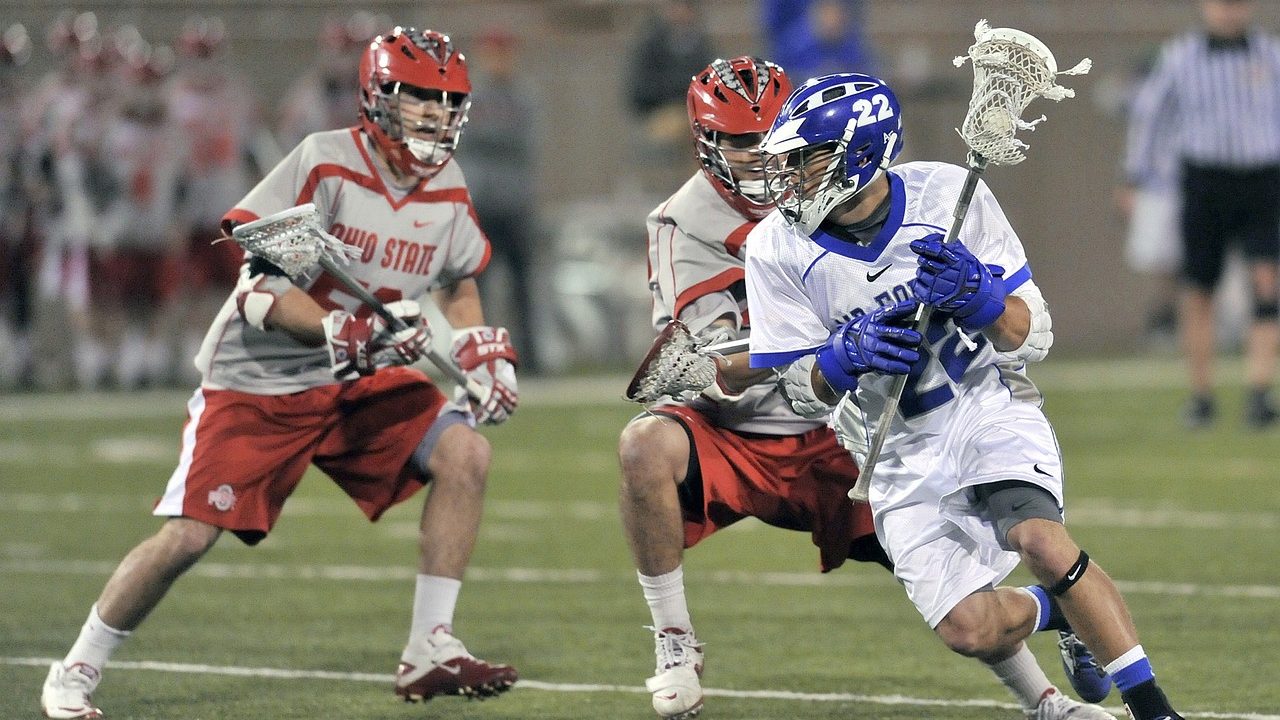
Lacrosse, North America’s oldest team sport, has deep roots dating back to 1100 when it was played by the Haudenosaunee people. While it was later seen as a sport reserved for exclusive schools and affluent communities, times are changing. Lacrosse is becoming more inclusive and accessible, reaching a diverse range of communities and demographics.

This push, along with a rise in youth participation, is fueling the sport’s rapid growth across America. Although the pandemic briefly slowed its momentum, lacrosse growth has bounced back, with a renewed focus on youth development and inclusivity leading the way.

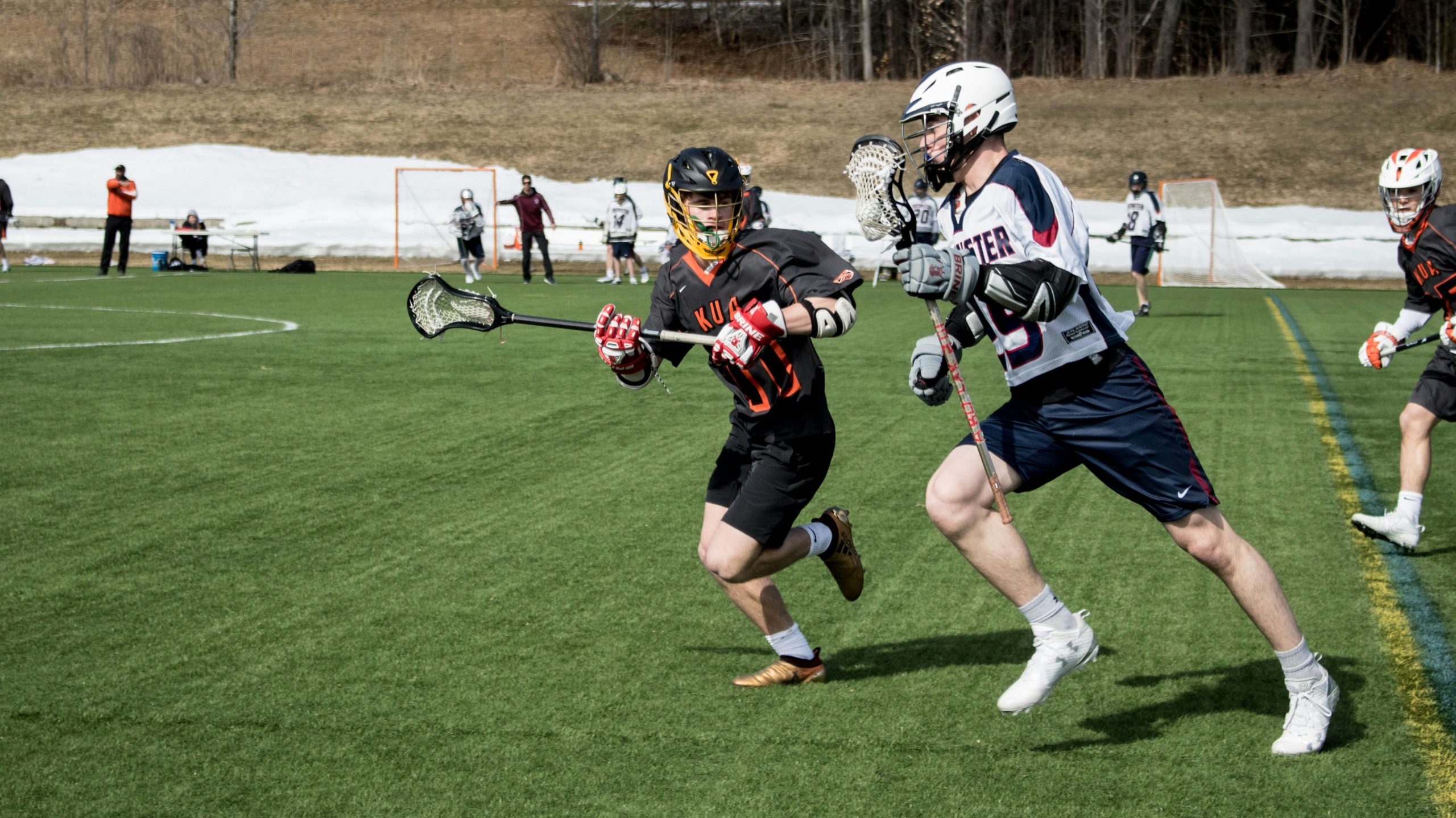
lacrosse growth

Youth Development: Building a Strong Foundation

Youth participation has been a major factor in lacrosse’s rapid growth. Programs like Green Bay Youth Lacrosse and Lawrence University’s new men’s team highlight the increasing interest. The sport appeals to young athletes because it combines skills from other popular sports like basketball, soccer, and hockey, making it easy for players to transition and build their abilities.

This versatility has made lacrosse one of the fastest-growing sports in North America, with participation rising by 25% between 2012 and 2018.

The Premier Lacrosse League (PLL) has also played a role, launching grassroots initiatives like PLL Play, which aims to expand youth programming and make the sport more accessible across the country. These programs not only focus on skill development but also provide equipment grants and scholarships to ensure children from diverse backgrounds have the opportunity to participate.

This inclusive approach is essential for building the next generation of players and expanding the sport’s reach nationwide.

lacrosse growth

Accessibility and Inclusivity: Opening the Game to All

Another reason for the sport’s rapid growth is its refocus on accessibility and inclusivity, particularly highlighted during Disability Awareness Month. USA Lacrosse’s Adaptive Lacrosse Guidebook offers coaches and programs strategies to make the sport accessible for athletes with varying abilities, including those with physical and developmental disabilities.

Initiatives like these are vital, as they address the significant gap in opportunities for athletes with disabilities, creating safe, enjoyable ways for them to participate.

Partnerships with local disability networks are crucial in expanding adaptive lacrosse programs, helping ensure that athletes with disabilities have access to the sport. Parkville Adaptive Lacrosse is an example of how these initiatives reach a wider audience.

Stella Stakolosa, a young girl with cerebral palsy, participates using a specially designed adaptive stick, showing how these programs create meaningful opportunities.

lacrosse growth

Lacrosse’s Push for Inclusivity 

Beyond physical disabilities, lacrosse is becoming more accessible to historically marginalized communities through programs like Harlem Lacrosse and USA Lacrosse’s Diversity Grant Program.

These initiatives are designed to provide resources, equipment, and coaching to underserved communities, giving more students from economically disadvantaged backgrounds the opportunity to engage with the sport.

Programs like Harlem Lacrosse have shown that introducing the sport to low-income communities can have a profound impact on participants. Many players report that their involvement in lacrosse has not only given them a new sport to enjoy but also provided mentorship and academic support.

lacrosse growth

The Future of Lacrosse: Growth and Diversity

Lacrosse’s growth extends beyond youth and college levels; professional leagues like the Premier Lacrosse League (PLL) and the National Lacrosse League (NLL) are also expanding, with more games now airing on ESPN. Additionally, the women’s league, Athletes Unlimited, is playing a significant role in promoting the sport, especially for female athletes.

Another positive development is the increasing diversity within lacrosse. Participation from underrepresented groups has recently grown 2.5 times, thanks to programs like Harlem Lacrosse and Denver City Lax, which help kids from diverse backgrounds discover the game. This shift towards inclusivity is helping lacrosse become a sport where players of all backgrounds can thrive.

Sources:

  1. https://worldlacrosse.sport/article/lacrosses-reflection-of-black-history-month-its-the-work-we-are-currently-doing/#:~:text=There%20is%20more%20representation%20at,increase%20in%20just%20one%20year.
  2. https://www.usalacrosse.com/news-media-blog/adaptive-guidebook-reaffirms-lacrosse-everyone
  3. https://sportsplanningguide.com/lacrosse-is-growing/#:~:text=From%202001%20to%202014%2C%20lacrosse,grown%2025%20percent%20since%202012.
  4. https://www.lacrossethenations.org/blog/category/Grow+the+Game?gad_source=1&gclid=Cj0KCQjwgrO4BhC2ARIsAKQ7zUkZQ-njH_yJ1W9x6PPJ1W-FqvQBrexHd4FdZCrVLn8tUUSAJOuRvFYaAsh3EALw_wcB
  5. https://www.washingtonpost.com/dc-md-va/2024/05/29/college-park-academy-adaptive-lacrosse-stick/
  6. https://www.history.com/news/lacrosse-origins-native-americans

Sports Pop-Up Shops: How Brands Use Experiential Retail to Win

As online shopping becomes the new norm, sports brands are increasingly embracing pop-up shops as a flexible and dynamic alternative to traditional brick-and-mortar spaces. These temporary setups allow brands to deliver immersive, experiential shopping experiences that resonate with modern consumers, offering the chance to collaborate with athletes and complementary brands. Such collaborations, often cross-promoted, not only engage customers through interactive experiences but also help brands gather insights, increase awareness, and test new products—all without the constraints of permanent stores. For example, American Express and NBA 2K22 launched “The American Express x NBA 2K22 Experience” pop-up near Crypto.com Arena, featuring exclusive products, a face scan studio for custom avatars, and an immersive “Infinity Cube.” Stars Paul George and Breanna Stewart also faced off in a live-streamed game. Other brands are following suit as the pop-up shop becomes an exciting new avenue for sports brand retail. 

pop up shop

Pop-Up Power: Elevating Athlete Visibility and Brand Engagement

In the world of sports retail, pop-up stores offer a unique platform for collaborative partnerships that can elevate both brand and athlete visibility. These temporary retail spaces enable brands to partner with high-profile athletes, creating one-of-a-kind experiences that traditional stores cannot replicate. For instance, athletes can launch exclusive merchandise in a pop-up, or participate in live events, autograph signings, and social media takeovers, all of which create memorable, immersive brand experiences for consumers. 

Collaborations between sports brands, athletes, and other companies can expand customer reach and share marketing costs. These partnerships often offer engaging, sensory-driven experiences that build customer loyalty. For instance, the NBPA’s 2023 Summer League pop-up, in partnership with Amazon’s Black Business Accelerator, featured NBPA member-led brands, exclusive merchandise, and support for Black-owned businesses. The event showcased apparel from players like Jaylen Brown and Kevin Porter Jr. and included special collaborations. Such pop-ups highlight athlete entrepreneurs and create meaningful experiences for fans, while also increasing brand awareness and generating buzz.

Where Collaboration Meets Innovation

As e-commerce grows, pop-ups provide engaging, in-person shopping experiences that online platforms can’t match. These temporary spaces let brands, from established names to new entrepreneurs, create immersive environments where customers interact with products, building a sense of community. Success often comes from collaborations that help brands share resources, reduce costs, and expand customer bases. For example, Nike’s pop-ups at events like the NBA All-Star Game and the Olympics offer exclusive products and personalized experiences, attracting both loyal and new customers.

Collaborations also help small businesses test markets and build awareness without the costs of permanent spaces. Under Armour’s recent pop-up in Paris, in partnership with Salvy, offered gym enthusiasts a three-day event focused on fitness and community, showcasing the brand’s commitment and connecting with local consumers. Such collaborations not only boost short-term foot traffic but also attract long-term customers.

pop up shop

Pro’s and Con’s: Brick-and-Mortar vs. Pop-Up Shops

Brick-and-mortar stores offer consistent shopping experiences, allowing customers to interact with products and build long-term loyalty. They provide convenience and variety, boosting a brand’s market presence and sales. Retailers like JD Sports and Intersport Group have succeeded with this model, benefiting from established visibility and customer trust. However, these stores come with high costs, including rent, staffing, and inventory management, making them a major financial commitment. Additionally, competition in these spaces can dilute brand identity, as products often sit alongside similar items from rival brands.

In contrast, pop-up shops are a flexible, cost-effective option. These temporary spaces incite urgency and exclusivity that generates excitement for new product launches or seasonal collections, while allowing brands to test new markets and demographics. Adidas’ Terrex launch and ASICS’ Paris Fashion Week event are examples of how pop-ups create buzz and drive sales through interactive experiences and targeted marketing. In some cases, a hybrid approach—combining elements of both models—can be most effective. This strategy leverages the stability of brick-and-mortar with the excitement of pop-ups, creating an adaptable and engaging shopping experience that maximizes visibility and builds community connections in the competitive sports retail landscape.

pop up shop

Ultimately, the future of retail will likely depend on blending tradition with innovation, leveraging the immersive nature of pop-up stores to enhance athlete visibility and community. Brands that embrace this shift will be better positioned for success in the competitive market.

Sources:

  1. https://finance.yahoo.com/news/pop-shops-future-retail-140640382.html
  2. https://www.ispo.com/en/sports-business/multi-brand-stores-vs-pop-stores-retail-strategies-sports-brands
  3. https://fastercapital.com/content/Collaborative-partnerships–The-Power-of-Collaboration-in-Pop-Up-Retail.html
  4. https://nbpa.com/news/nbpa-prepares-to-launch-first-ever-fan-shop-pop-up-during-summer-league
  5. https://blog.sportheroes.com/10-examples-of-innovative-experiences-in-sport#anchor4
  6. https://magazine.gopopup.com/en/success-stories-brands-that-have-transformed-pop-up-stores-into-unforgettable-experiences/#:~:text=1.,significant%20buzz%20on%20social%20media.
  7. https://www.thestorefront.com/mag/sport-sportswear-pop-up-store-examples/

Become a Sponsor.

Join us in making a difference. Tell us a bit about yourself and we’ll be in touch with sponsorship details.

By submitting this form, you agree to be contacted by the Athelo Group team regarding sponsorship opportunities.